I pulled into a big, quiet parking lot in Oklahoma expecting a quick look at a few old saddles and maybe a dusty painting or two. Three hours later, I was still wandering, standing under bronze horses and strolling down a prairie town street built entirely indoors.
Places like this remind you that the story of the West is not just in old movies. It lives in the art, tools and memories our state keeps safe, and it is waiting for anyone curious enough to walk inside.
A Western Treasure Vault in the Heart of Oklahoma
Picture a building so packed with frontier history that one afternoon barely scratches the surface. That is the honest first impression most guests share after visiting this heritage museum, a sprawling home for the art, artifacts and stories of the American West.
Officially, the mission is simple: document and interpret the history and culture of the West. In practice, that means dioramas, sculptures, saddles, clothing, tools, paintings and full-size recreations spread across galleries that seem to keep going around every corner.
Visitors often say they planned a quick stop and ended up staying for hours.
Size is part of the fun here. Some guests describe the place simply as huge, and they mean it as praise, because there is always another room, another collection or another garden path to explore.
What makes it special for Oklahomans is how close to home it all is. You do not need to fly to a big coastal city to stand in front of world-class Western art.
It sits right here in our own state, within an easy drive for families from Tulsa, Lawton, Ardmore and plenty of small towns in between. Bring comfortable shoes and a curious mind, because both will get a workout.
The Story the Galleries Tell, From First Nations to Modern Ranchers
Long before the first cattle drive, the land had its own people, languages and traditions. Guests regularly point out that the museum starts right there, with Native American history, before moving forward in time to pioneers, ranchers and eventually modern cowboy life.
That chronological path matters. Walking through the galleries feels a bit like turning pages in a giant history book, where each room builds on the one before it.
One visitor noted how refreshing it was to see the whole story told, not just a simplified version made for quick tourist snapshots.
Native American artifacts appear throughout the collection, and many guests say the museum handles these stories with care and respect. For an audience in a state home to 39 federally recognized tribal nations, that thoughtful approach makes the experience feel personal rather than distant.
Ranch history gets attention too, including displays about famous Western ranches and the families tied to them. Some history buffs enjoy comparing what they already know with what the exhibits present, which sparks good conversation on the drive home.
Even people who think they know the West well often admit they learned something new. That might be the best compliment any museum can earn.
The End of the Trail and Its Quiet Power
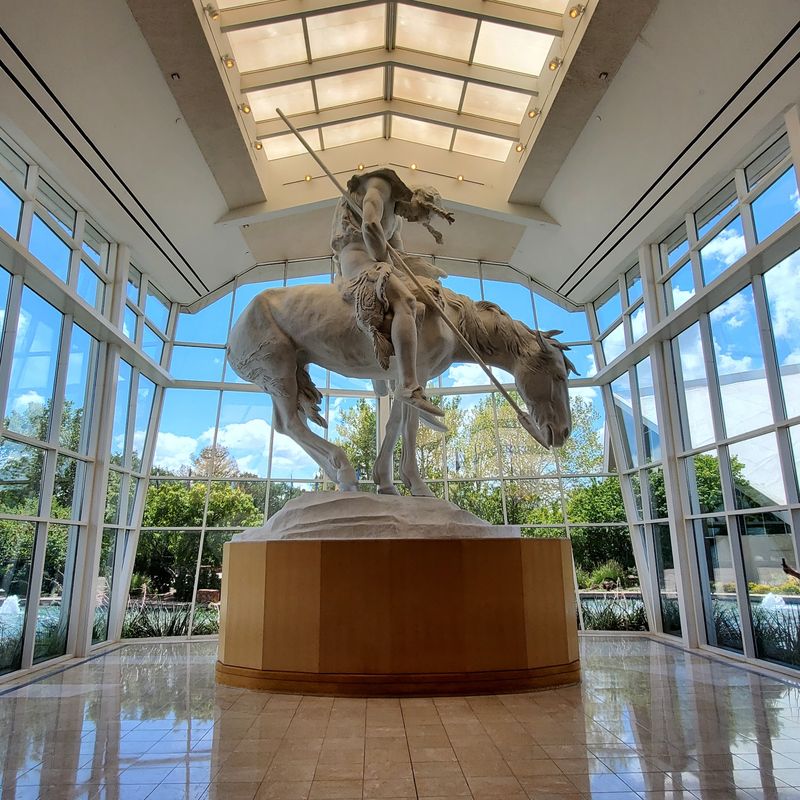
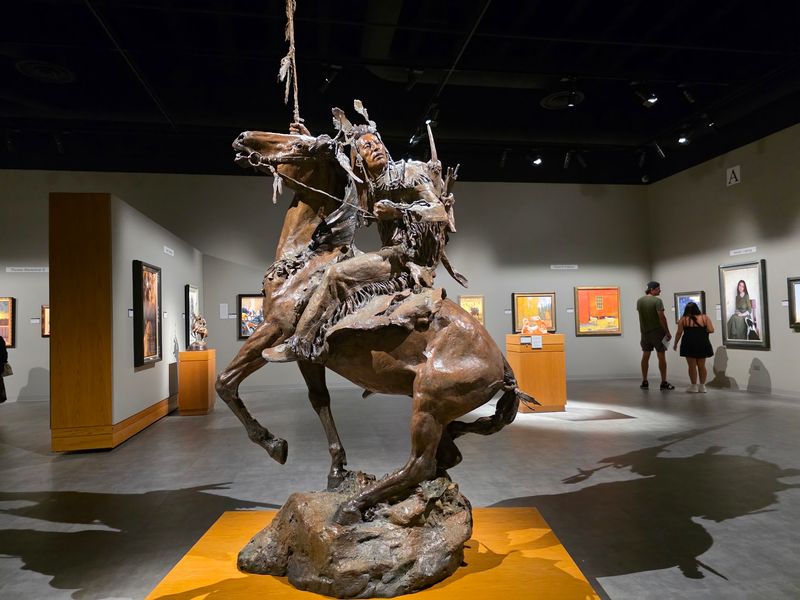
Few things stop a room full of chatty visitors faster than a giant horse and rider with heads bowed low. James Earle Fraser’s famous sculpture, The End of the Trail, greets guests in grand fashion and leaves many of them standing still for a long moment.
The piece is colossal. Seeing it in person feels completely different from spotting it in a textbook or on a postcard, because the scale pulls you in and the mood settles over you.
Guests use words like breathtaking and deeply moving to describe the experience. The weary posture of both rider and horse carries a heavy emotional weight, and it opens the door for meaningful talks with kids and grandkids about history and the people who lived it.
Here is a helpful tip from returning visitors. Take a minute before snapping photos and simply look, walking slowly around it to notice the details from different angles.
For many people, this sculpture becomes the image they carry home. It sets the tone for everything that follows, signaling that this is not a stuffy collection of objects behind glass, but a place built to make you feel something about the West.
Prosperity Junction, a Prairie Town Under One Roof
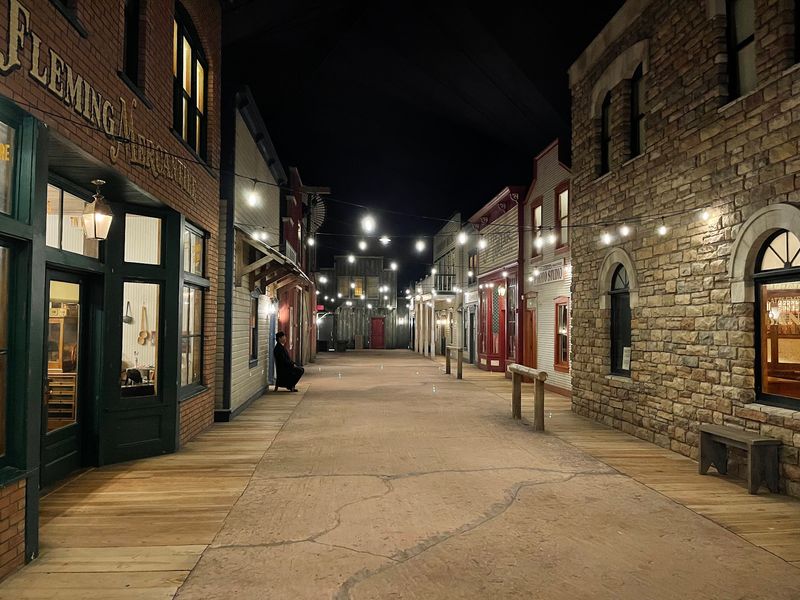
Step through one doorway and the twenty-first century seems to slip away. Prosperity Junction is a life-size replica of a 19th-century cattle town, built entirely indoors beneath ceilings that soar around 40 feet high.
The space covers roughly 14,000 square feet, and the lighting is softly dimmed to feel like dusk settling over the prairie. You stroll wooden boardwalk streets past storefronts that look ready for business.
Along the way, guests find a church, a schoolhouse and a blacksmith shop, among other buildings. Peeking into each one feels a little like snooping through someone’s old town, and kids especially love poking their heads around corners.
Many visitors call this their favorite part of the whole museum. One family said the Western town setup was simply the coolest thing they saw, while others mention how it truly feels like stepping back in time.
Photographers, take note. The moody lighting and authentic details make for wonderful pictures, so slow your pace and enjoy the atmosphere instead of rushing through.
On hot Oklahoma summer days or windy winter afternoons, there is something extra charming about exploring an entire frontier town without worrying about the weather outside. It is a cozy, clever escape any time of year.
Saddles, Spurs and a Surprising Barbed Wire Collection
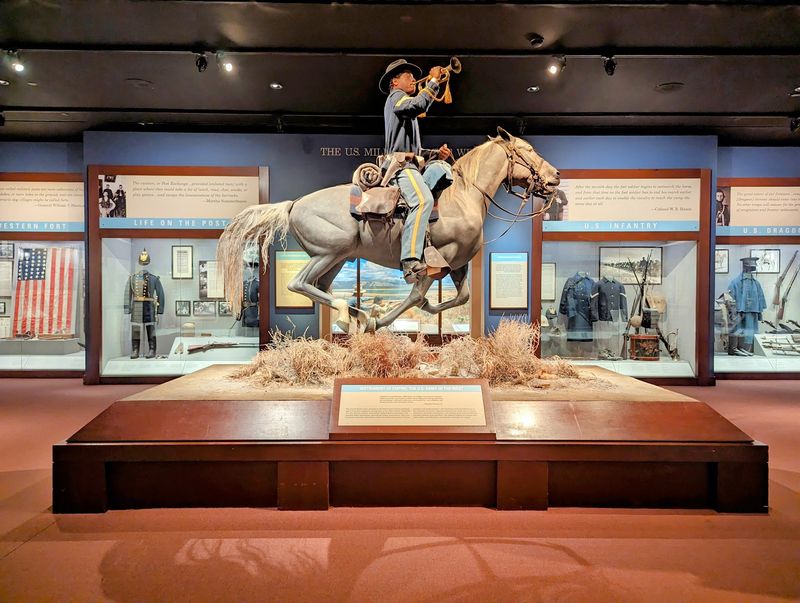
Horse lovers, consider yourselves warned: you may never want to leave this wing. A large area is devoted entirely to horses and the equipment riders have used over the years, from saddles to bridles to everyday working gear.
Guests who describe themselves as lifelong horse people say this section alone made the visit worthwhile. Seeing how tack changed through the decades tells its own story about the hard, practical work of ranch life.
Then comes the part almost nobody expects to enjoy. The barbed wire displays show dozens of styles and explain how each type fit into Western history, and visitors keep mentioning them with genuine delight.
It sounds like an odd thing to get excited about, but fencing changed the open range forever. Once you see the twists, barbs and patterns side by side, you start to understand how something so simple reshaped ranching, cattle drives and land ownership across the plains.
Grandparents who grew up on farms often recognize patterns from their own childhood fence lines. That spark of recognition can turn a quiet display into a great family storytelling session.
Take your time here. Details hide in the small stuff, and this section rewards patient eyes.
Fine Art Galleries on Oklahoma City’s Northeast Side
So where exactly is all this treasure tucked away? The National Cowboy & Western Heritage Museum sits at 1700 NE 63rd St in Oklahoma City, an easy hop for anyone already in the metro and a manageable road trip for most of the state.
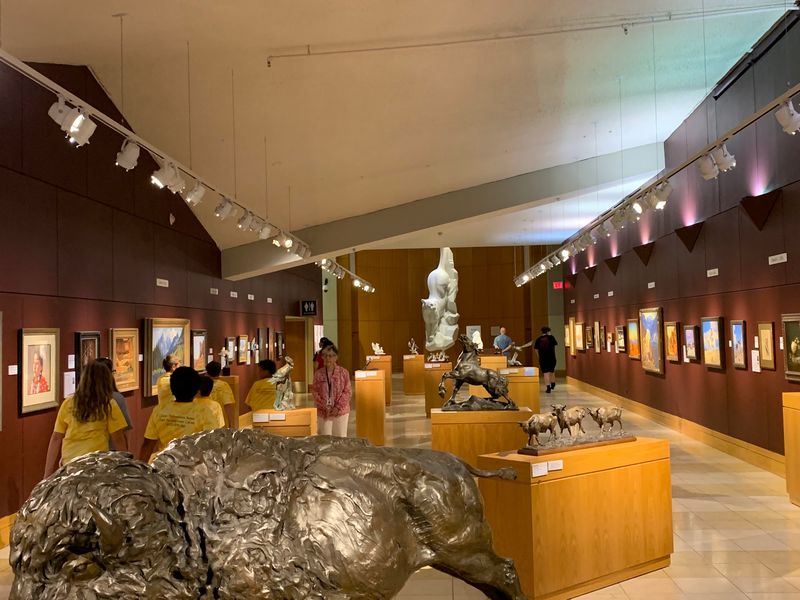
Once inside, art fans find plenty to love. Several guests rank the galleries as the very best part of their visit, praising the paintings and sculptures as stunning and beautifully arranged.
Big names hang on these walls. Visitors have spotted works by Frederic Remington on display, which is a thrill for anyone who has admired his action-packed scenes of horses and riders in books.
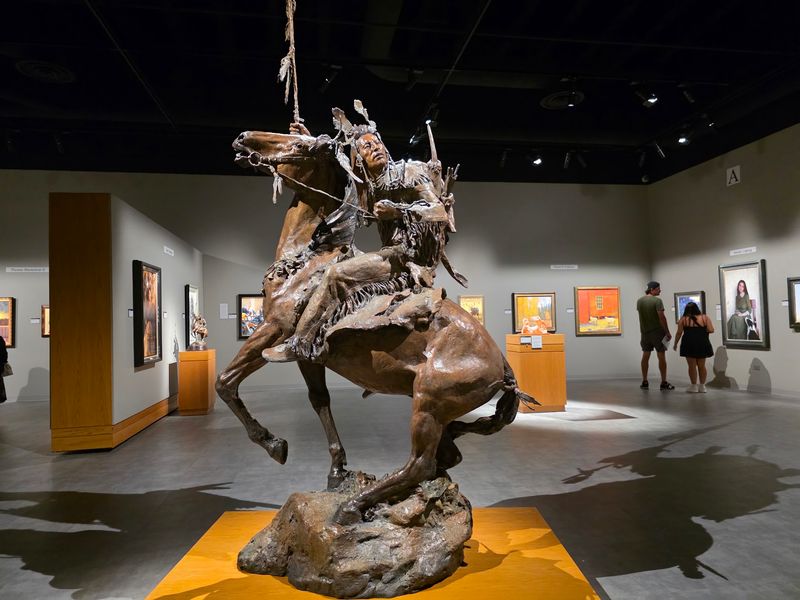
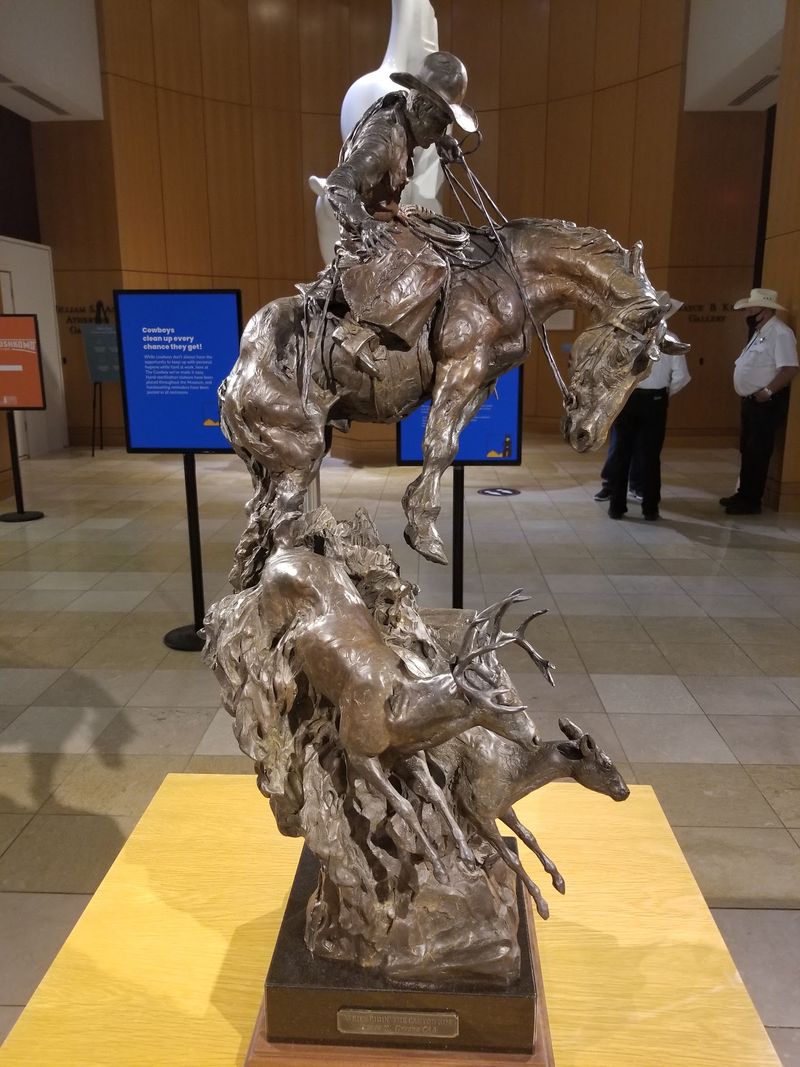
Sculptures appear throughout the building, not just in one room. Bronze figures capture cowboys, animals and Native American subjects in mid-motion, and it can be fun to count how many you pass along the way.
What surprises many first-timers is how accessible the art feels. You do not need a background in painting to appreciate a herd thundering across canvas or a lonely rider facing a big sky.
Guests who return say the museum keeps changing, too. A third visit can feel fresh, with new pieces and rotating exhibits giving regulars a reason to come back.
Hollywood Heroes and Rodeo Legends
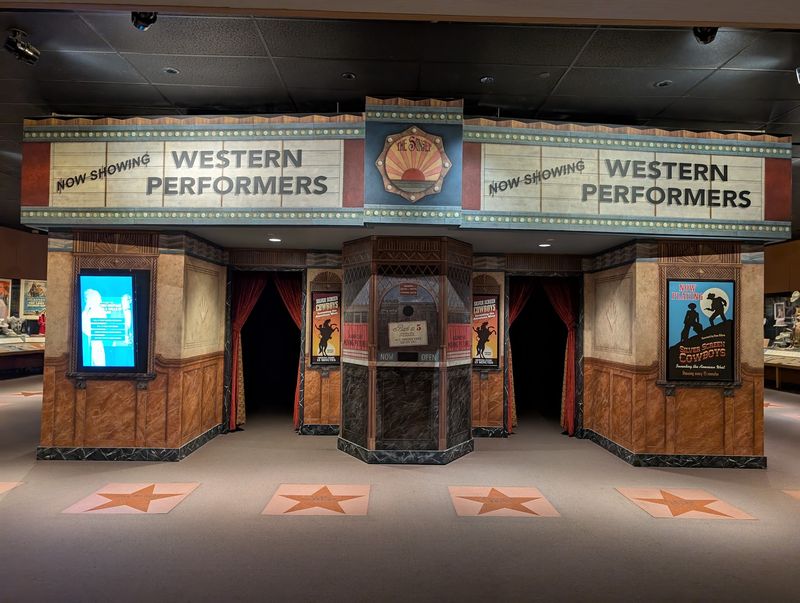
Remember Saturday afternoons watching Gunsmoke reruns with Grandpa? A section of the museum celebrates the Western stars of film and television, and it tends to draw happy grins from older visitors.
Costumes, memorabilia and stories from early Hollywood connect the real West with the version so many of us grew up watching. Seeing those pieces up close can feel like visiting old friends.
Rodeo history earns its own spotlight as well. The collection traces the sport’s growth and the legendary riders who built it, which makes perfect sense in a state where rodeo weekends still bring whole towns together.
A quick heads-up for planners. Some guests have found the rodeo portion temporarily closed for updates, and others noticed large areas blocked off during exhibit installations.
Calling ahead at 405-478-2250 may help you avoid disappointment if a particular gallery is the main reason for your trip. Museums refresh their spaces over time, and that is part of why returning visitors keep finding new surprises.
Even with a section or two closed, most people say there is more than enough to fill an afternoon. The mix of silver-screen nostalgia and real arena grit gives this part of the visit a lively, crowd-pleasing energy.
Bronze Giants, Koi Ponds and Garden Paths
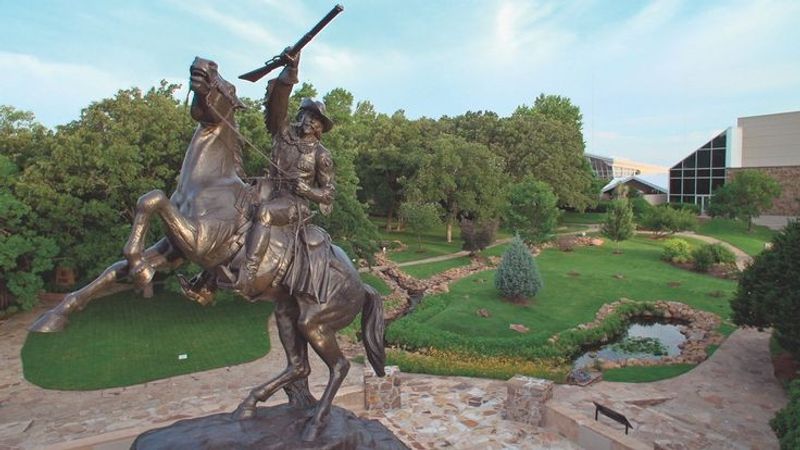
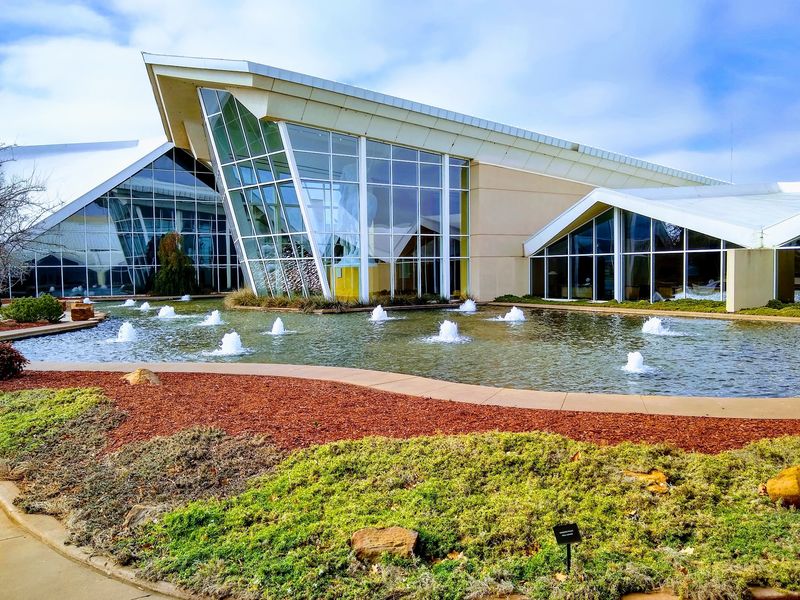
Fresh air waits just beyond the galleries, and plenty of visitors wish they had saved more time for it. The outdoor grounds feature gardens, extra exhibits and towering bronze statues that look especially dramatic against an open Oklahoma sky.
Quiet water gardens add a peaceful touch. Koi fish glide through the ponds, and little ones can spend a surprising amount of time spotting orange and white flashes beneath the surface.
The sculptures out here leave a strong impression. One well-traveled guest said she had visited museums all over the world and still could not get over how lifelike these bronze pieces looked.
Seasons shape the experience. Spring blooms and mild fall days make the gardens shine, while summer afternoons can turn hot, so a morning stroll with water bottles is a smart move.
Wind is another Oklahoma reality worth remembering. Hats have a habit of taking off on breezy days, so hold on tight while posing for photos near the statues.
Many families use the outdoor area as a natural break between indoor sections. Stretching your legs, letting kids run a little and soaking in some sunshine can make the rest of the visit feel fresh and unhurried.
Playgrounds, Scavenger Hunts and Little Wranglers
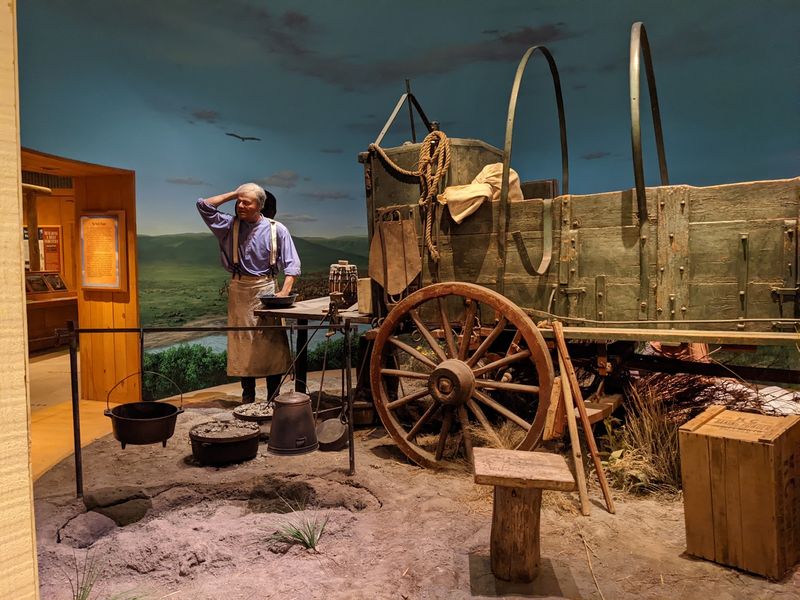
Kids who groan at the word museum tend to change their tune fast here. The outdoor family space called Liichokoshkomo spreads across about 100,000 square feet of interactive fun, with a playground that lets young explorers burn off energy.
Indoors, scavenger hunt style activities keep children engaged from room to room. One family counted five different kids’ activities, four at the front counter and another in the Route 66 exhibit, and said they got their little one excited to see every gallery.
Scout groups have a great time too. A troop traveling from Louisiana praised the helpful staff and said the boys especially enjoyed the activities at the Annie Oakley Center.
Then there is the cowboy photo booth, a surprise hit. The self-service booth dresses you up in classic Western gear digitally, and guests say the photos come out looking terrific.
A fair word of advice from parents of teens: very young children may lose interest in some of the reading-heavy galleries unless they already love Western things. Still, there is enough hands-on fun that even little ones usually find something to enjoy.
Families of all sizes call the museum easygoing and welcoming, which makes it a solid pick for a weekend outing.
An Immersive Show and Festival-Day Cobbler
Got a little extra in the budget? Several visitors say the museum’s immersive experience is worth paying beyond regular admission, and families keep recommending it to friends.
Fans of a certain mustached actor will be pleased. The narration comes from Tom Selleck, a detail one guest cheerfully pointed out as a bonus for many viewers.
Guests describe the show as awesome and memorable, a fun way to rest your feet while still soaking in Western history. If you are deciding whether to add it, many people suggest going for it.
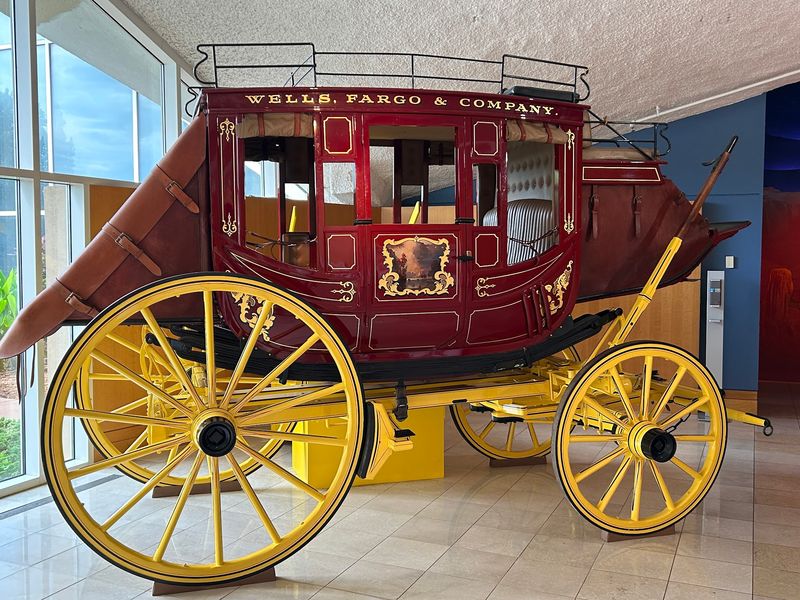
Special events bring even more flavor. During the Chuck Wagon Festival, visitors found live music, children’s activities and homemade cherry, peach and boysenberry cobbler cooked over real fire pits right on the grounds.
Food stations at that festival served Indian fry bread, hominy with green chile stew, and cowboy stew with biscuits. Guests could even examine a stagecoach and handle items that once traveled aboard it.
Festival crowds can fill the main lot, but shuttles and buses have ferried guests from overflow parking right to the door. Checking the museum’s event calendar before you go can help you time a visit around one of these hearty, crowd-pleasing celebrations.
Hours, Parking and How Much Time to Plan
Timing your trip right makes a big difference. Current hours run 10 AM to 5 PM Monday through Thursday, stretch to 8 PM on Friday and Saturday, and shift to noon until 5 PM on Sunday, though it is wise to confirm before driving since schedules can change.
Those later Friday and Saturday evenings are handy for working folks. You can finish the week, grab supper and still enjoy a relaxed stroll through the galleries.
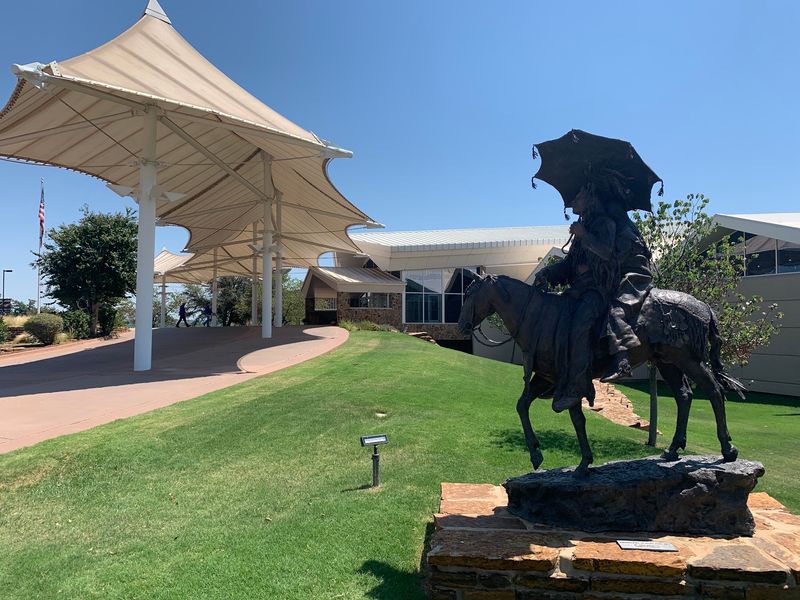
Parking is refreshingly simple. A huge free lot sits right outside, and on busy days, shuttles have carried visitors from overflow parking straight to the front door.
How long should you stay? Most guests recommend at least two hours, while many spend closer to three and still feel they missed something, especially the gardens and gift shop.
Admission does come with an entrance fee, and prices may vary, so check the museum website before you go. Visitors who mention the cost almost always add that it felt worth every penny.
For travelers coming from Tulsa, the drive along the turnpike makes this an easy day trip. Folks from farther corners of the state might pair it with lunch at a classic diner to round out the outing.
Why the Drive Pays Off
Somewhere between the bowed rider at the entrance and the koi ponds out back, most visitors realize they underestimated this place. Guests describe it as moving, fascinating and far from the dusty museum they pictured.
One visitor noticed people around her quietly tearing up while exploring the collections. She called the West part of everyone’s heritage, and that feeling seems to linger with many who walk these halls.
Of course, it is not for absolutely everyone. If history and museums leave you cold, a few guests honestly suggest this may not be your favorite stop.
For nearly everyone else, though, the mix works beautifully. Art lovers, horse people, Western movie fans, scout troops, curious teens and grandparents reliving childhood memories can all find their own corner to treasure.
Staff and docents add a friendly layer, sharing fun facts that bring displays to life. That welcoming spirit fits right in with Oklahoma hospitality.
So gas up the car, round up the family and give yourself a full afternoon. Whether you come for the bronzes, the frontier town or a warm bowl of cobbler at festival time, chances are you will be planning a return trip before you even reach the parking lot.
