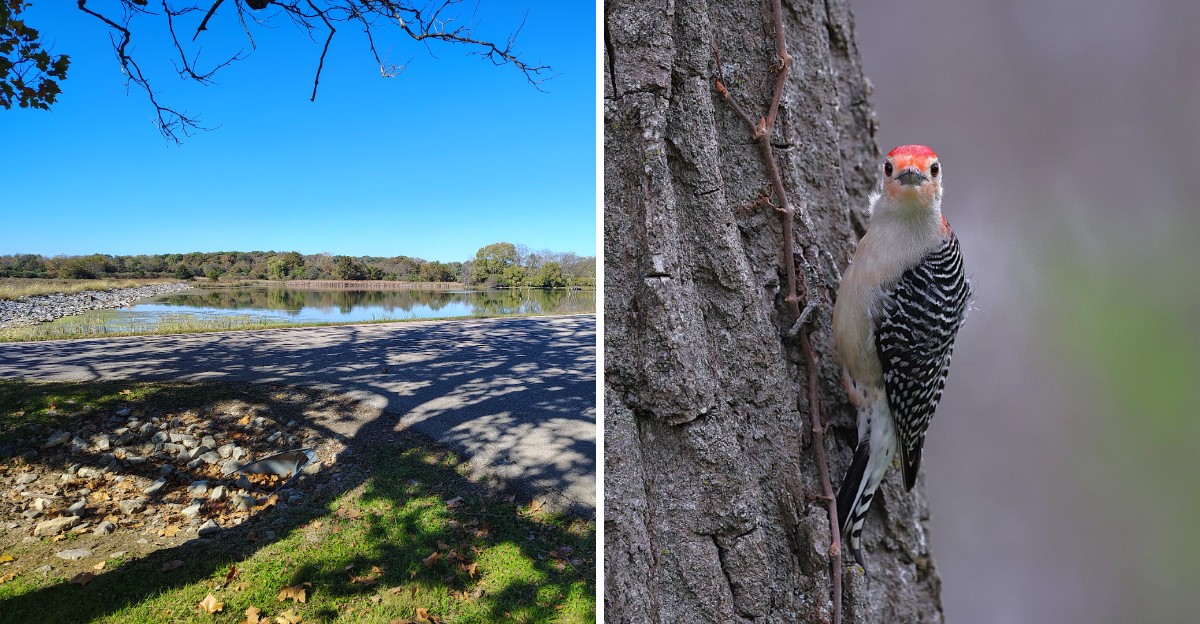
More than 200 kinds of birds show up at one patch of marsh and meadow that used to be part of an Army training camp. That fact alone stopped me in my tracks.
The land holds 13 shallow lakes and ponds, plus a winding creek. Some of the visitors are rare, like the sky-blue Cerulean Warbler.
Others are the same cardinals and robins you might spot from your kitchen window.
I find it fascinating that a former military training ground has become such a haven for wildlife. Indiana does not always get credit for wetlands, but this spot makes a strong case with its mix of open water, fields, and quiet woods.
You can paddle, fish, wander the levees, or just sit still with binoculars. I’d probably spend more time watching the trees than checking the trail ahead.
So which bird will you spot first?
A Former Army Camp Turned Into A Bird Magnet
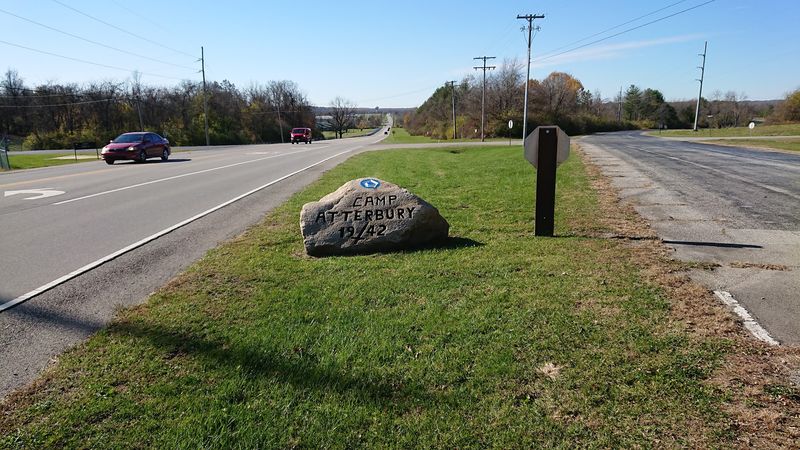
Soldiers once trained on this ground. Now Atterbury Fish & Wildlife Area belongs to herons, ducks, and warblers instead.
Camp Atterbury opened as an Army training post in 1942. In March 1969, part of that land moved to the state through a federal program that turns surplus land into parks.
Wildlife work started right away on the first 5,400 acres. That is a fast handoff from boots to birds.
In 2010, the state traded some acreage with the National Guard. Today the property covers 4,950 acres across Johnson and Bartholomew counties in Indiana.
The Indiana Department of Natural Resources runs the area. Money from hunting, fishing, and trapping licenses helps pay for it, along with two federal wildlife programs.
So every license sold quietly helps a marsh stay a marsh. I think that’s a pretty neat system.
The neighbor still matters, too. Camp Atterbury Joint Maneuver Training Center sits right next door and still serves the military today.
Don’t be startled if you hear distant booms during training. That sound is part of the backdrop here, odd as it seems beside a quiet pond full of ducks.
It’s a strange and wonderful mix of history and nature.
Binoculars Ready, Because 200 Species Is A Lot Of Birds
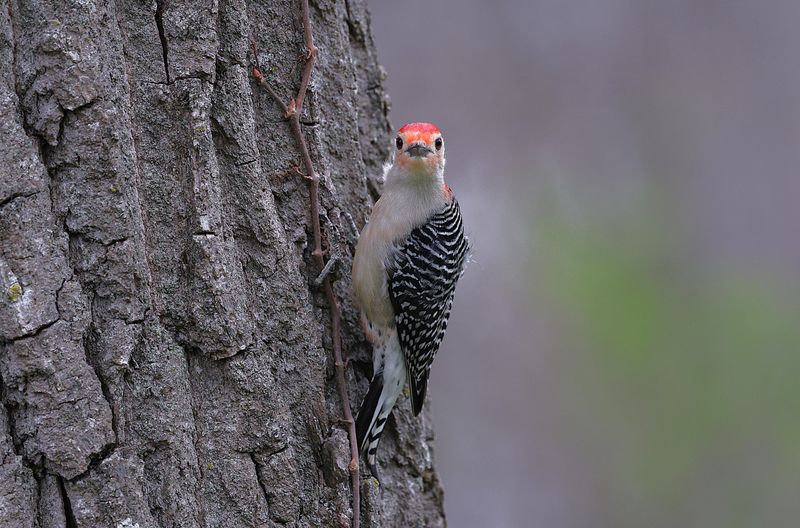
Two hundred species is not a typo. The mix of marsh, upland fields, creeks, and shallow ponds pulls in an amazing range of birds.
Forests, grasslands, shrubby edges, and wetlands all sit close together here. Each habitat attracts its own crowd of feathered regulars.
You’ll find everyday backyard birds that make great practice for beginners. Then come the tougher finds, like the Cerulean Warbler, a tiny sky-blue bird that loves tall trees.
Spotting one feels like winning a small prize. Bring patience, because warblers rarely sit still for long.
Migration seasons bring the biggest surprises. Birds passing through Indiana stop to rest and refuel on the water and in the brush.
Songbirds and upland game birds stay worth watching all year long. That means even a cold January morning can pay off.
A few tips help a lot. Pack binoculars, a field guide or bird app, and a small notebook for your list.
Move slowly and listen first, since many birds are heard before they’re seen. Early mornings tend to be the liveliest time for birdsong.
Keeping a list turns a simple walk into a fun treasure hunt.
Thirteen Ponds Means Plenty Of Water To Explore
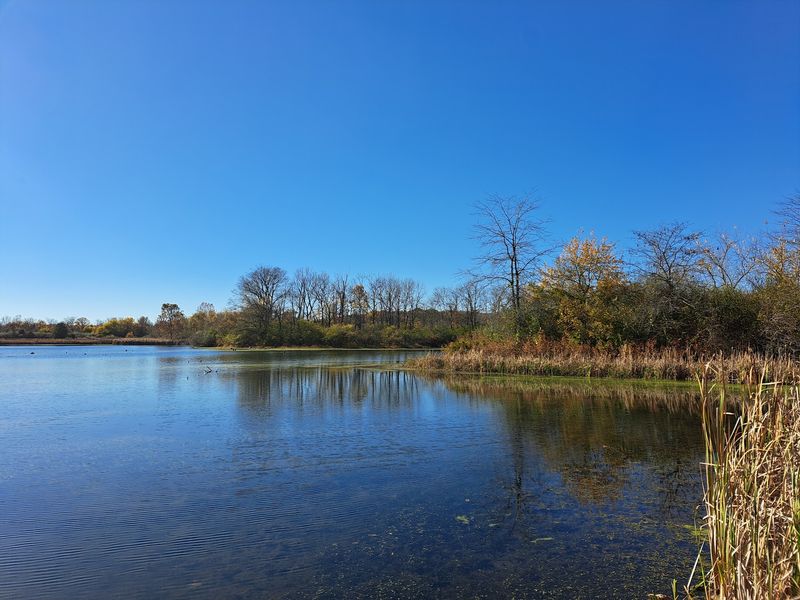
Water is the heartbeat of this place. Atterbury Fish & Wildlife Area holds about 270 acres of it, spread across 13 impoundments.
The biggest is Pisgah Lake at 75 acres. It’s large enough to feel open, yet calm enough for a relaxed day.
Then come the pits with fun bird names. Plover Pit, Meadowlark Pit, and Sandpiper Pit sound like a field guide index.
Beaver Bottom Marsh, Teal Marsh, Mallard Marsh, and Stone Arch Lake round out the list. Each one has its own shape and personality.
Sugar Creek flows along the eastern side of the property. Moving water adds a whole different feel compared with the still ponds.
One rule surprises people. Ten impoundments close during waterfowl season so migrating ducks and geese can rest.
That pause gives the birds a safe place to land. It also explains why this area attracts so many species.
Plan ahead before you visit in fall or winter. Check with the property office to see which waters are open.
A quick call saves you from a wasted trip. Then you can pick the right pond and enjoy it fully.
Your Kayak Has Been Waiting For Water This Calm
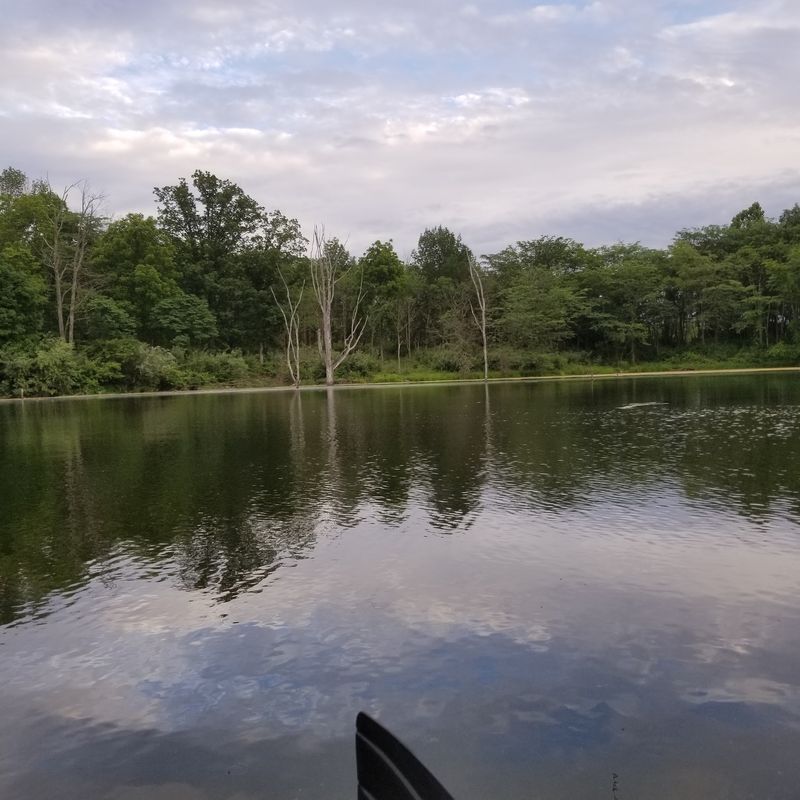
Quiet paddling fans, take note. Pisgah Lake and Plover Pit offer calm, sheltered water that suits beginners well.
Kayaks, canoes, and stand-up paddleboards all work here. There’s no entrance fee for paddling access, which makes spontaneous trips easy.
Gliding low on the water puts you closer to the wildlife. Herons and ducks often feel less bothered by a silent boat.
Bigger boats are allowed, but with a catch. Motors are limited to a maximum 24-volt electric motor.
That keeps the water peaceful and the wake small. Nobody wants a roaring engine scaring off a heron.
Launching is simple at several spots. Concrete and gravel ramps sit at Stone Arch Lake, Beaver Bottom, Pisgah Lakes, Sugar Creek, Teal Marsh, and Mallard Marsh.
Picking a ramp near your favorite pond saves a long carry. Your arms will thank you later.
A few smart habits help on any trip. Wear a life jacket, pack water, and tell someone your plans.
Wind can push you around even on small lakes. Paddle near the shore first until you feel confident on the water.
Bluegill, Bass, And A Reason To Pack Snacks
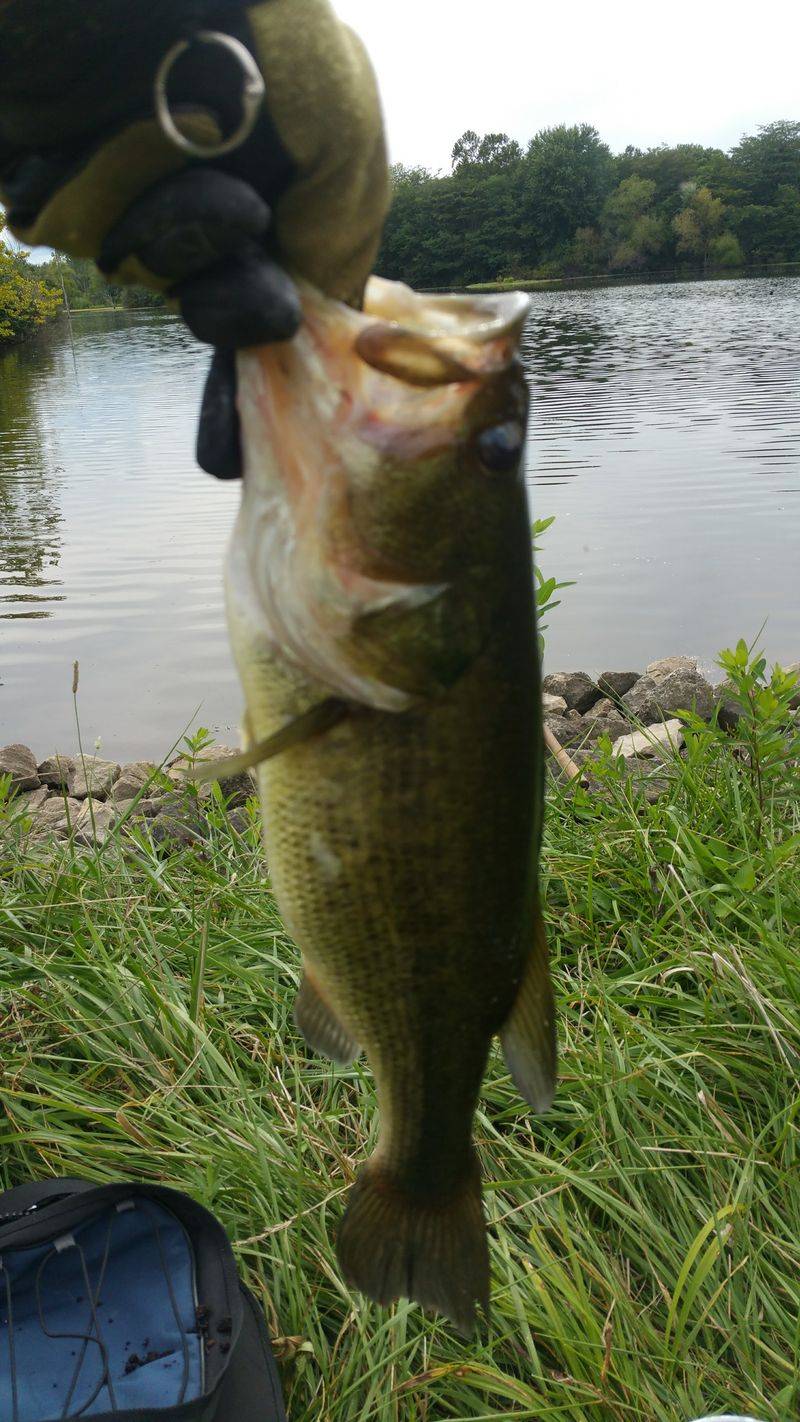
Anglers have plenty to chase. Channel catfish, bluegill, redear, and largemouth bass all swim in these waters.
Bluegill make a great starter fish for kids. They bite often and keep young anglers interested.
Bass fans need to watch the ruler. Largemouth bass must measure at least 14 inches to keep.
Anything smaller goes right back into the water. Think of it as giving that fish time to grow into a bigger story.
An Indiana fishing license is required for anglers who need one. The office on site sells licenses and permits during weekday hours.
Easy access matters for many families. ADA-accessible fishing piers sit at Plover Pit and Beaver Bottom Marsh.
Those piers let more people cast without scrambling down a muddy bank. That’s a thoughtful touch for grandparents and wheelchair users alike.
Sugar Creek offers a moving-water option on the east side. Wading anglers enjoy it when water levels cooperate.
Bring snacks, sunscreen, and a bucket of patience. Fish keep their own schedules, and birds will entertain you while you wait.
No Marked Trails? Levees Make Better Lookouts Anyway
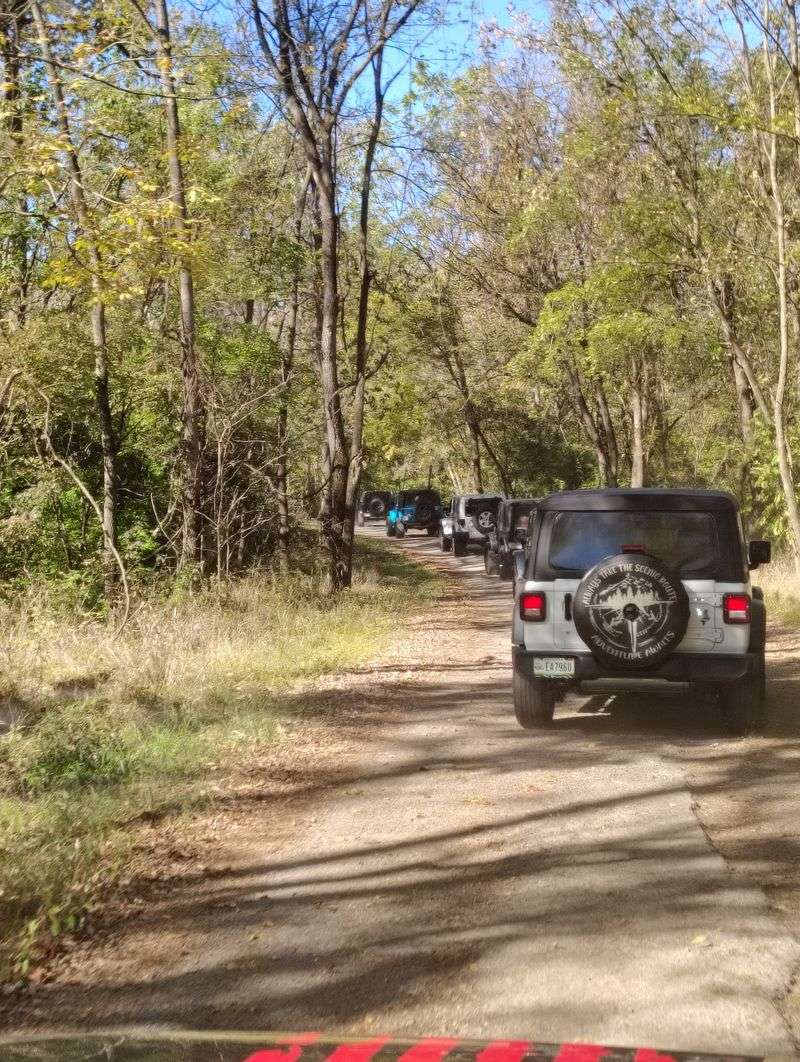
Hiking here works a little differently. The property has no officially designated hiking trails.
Instead, visitors explore using fire lanes, mode lanes, and levees. Those grassy paths weave between fields, woods, and water.
Levees might be the best seats in the house. They rise slightly above the marsh, giving you a wide view of both sides.
Wading birds, ducks, and songbirds can all appear on one stroll. It’s like walking a balance beam through a nature show.
More than eight miles of roads also cross the property. Biking is permitted on open roads, which helps cover more ground.
A bike lets you hop between ponds quickly. Then you can park it and wander a levee on foot.
Wear sturdy, waterproof shoes, because these paths are natural ground. Mud and tall grass come with the territory.
Long pants help in the brush, too. Bug spray and a tick check afterward are smart moves in warm months.
During hunting seasons, wear bright orange. Being easy to see keeps everyone safe and relaxed.
Wild Berries And Mushrooms Count As A Bonus Prize

Here’s a perk many people miss. Gathering berries, mushrooms, and nuts is allowed on the property.
A birding walk can turn into a small snack hunt. Summer berries and fall nuts add a whole new reason to explore.
Foraging rewards careful eyes. The same patience that helps you spot warblers helps you find a berry patch.
Kids especially love this kind of mission. Give them a small container and watch them suddenly enjoy walking.
Safety comes first, though. Never eat a mushroom unless an expert has confirmed exactly what it is.
Many mushrooms look alike, and some are harmful. A good local guidebook or experienced forager makes a huge difference.
Berries are a friendlier starting point for beginners. Still, learn the plants before you pick.
Leave plenty behind for the wildlife. Birds and other animals count on those berries and nuts for food.
Wash everything well once you get home. Then enjoy a little taste of the Indiana outdoors at your own table.
Hunters, Dogs, And Sharpshooters All Get Their Own Space

Birds aren’t the only draw. Atterbury Fish & Wildlife Area is a busy spot for hunters, too.
Common game includes deer, rabbit, squirrel, dove, woodcock, ducks, and geese. Hunters must check in, and all state seasons and bag limits apply.
Special events add some extra fun. A three-day Military Deer Hunt and a Put-Take Pheasant Hunt both appear on the calendar.
Limited hunting is even allowed on the neighboring Camp Atterbury training center. That’s a rare chance most hunters never get.
The Atterbury Shooting Complex runs a big range here. It features 66 rifle and pistol positions plus four combination trap and skeet fields.
A fee applies for range use. Eye and ear protection are required, so pack both before you head out.
Dog owners get their own corner as well. Designated training areas sit in sections 13-A, 13-B, and 13-D.
Bird dogs can practice their skills without wandering into the wrong spot. Everyone shares the land, and clear zones keep things smooth.
Birders should know the seasons before visiting. Blaze orange is a wise choice during fall hunts.
Plan Around Weekday Office Hours And Go Early
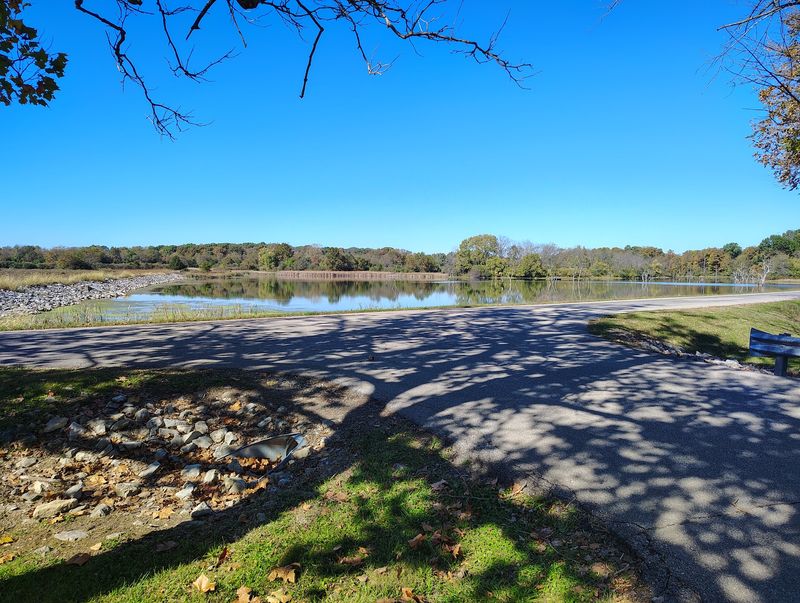
Getting there is simple. Atterbury Fish & Wildlife Area sits at 7970 S Rowe St, Edinburgh, IN 46124.
Edinburgh lies in central Indiana, south of Indianapolis. The property stretches across both Johnson and Bartholomew counties.
Timing matters more than most people expect. The property office runs Monday through Friday, 8 a.m. to 2:30 p.m., and closes on weekends.
Stop by the office if you need licenses, permits, or current updates. Staff can tell you which waters are open and what hunts are happening.
Early arrivals usually enjoy the most bird activity. Dawn brings singing, feeding, and plenty of movement around the marshes.
Spring and fall migrations deliver the biggest variety. Winter offers waterfowl, while summer brings nesting songbirds and wildflowers.
Pack like you’re heading somewhere wild, because you are. Bring water, snacks, binoculars, bug spray, and good boots.
Facilities are basic, so plan accordingly. A portable toilet has been noted near the Pisgah Lake parking area.
Keep a small trash bag in your car, too. Leaving the marsh cleaner than you found it keeps those 200 species coming back.
