Texas has always been known for wide-open spaces, friendly people, and a cost of living that won’t break the bank. But times are changing fast in the Lone Star State, and not every city is living up to its reputation for affordability anymore.
Some places that once felt like hidden gems have turned into tourist hotspots or luxury destinations where locals are struggling to keep up with skyrocketing rent, property taxes, and everyday expenses. Let’s explore ten Texas cities where residents are saying the high costs just aren’t worth it anymore.
1. Marfa
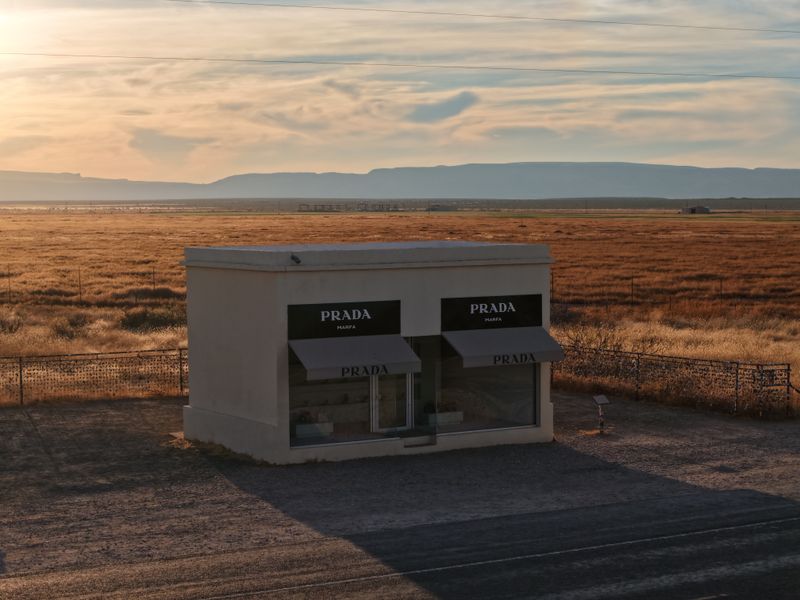
Art lovers from around the world flock to this tiny West Texas town, but the locals who grew up here are finding it harder and harder to stay. Marfa transformed from a quiet ranching community into an international art destination after minimalist artist Donald Judd moved here in the 1970s.
His large-scale installations still draw thousands of visitors every year. What was once affordable housing for ranching families has become expensive real estate for vacation homes and art galleries.
The housing crisis hits hardest for the town’s Mexican-American population, who make up the majority of long-time residents. Nearly 20% of Marfa’s housing units are now short-term rentals, which means fewer homes are available for people who actually live and work here.
Property values have climbed so high that teachers, restaurant workers, and ranch hands can barely afford rent, let alone dream of buying a home. Some families have lived in Marfa for generations but now face the heartbreaking choice of moving away or struggling to make ends meet.
The art scene brings money into town, but most of it doesn’t stay with locals. Gallery openings and art festivals create temporary jobs, but they don’t provide the stable, year-round income families need.
The charm that made Marfa special in the first place is fading as the community that built it gets priced out. Visitors see a quirky desert oasis filled with creative energy, but residents see a town that no longer feels like home.
The mysterious Marfa lights might still glow on the horizon, but for many locals, the future looks dimmer than ever.
2. Bee Cave
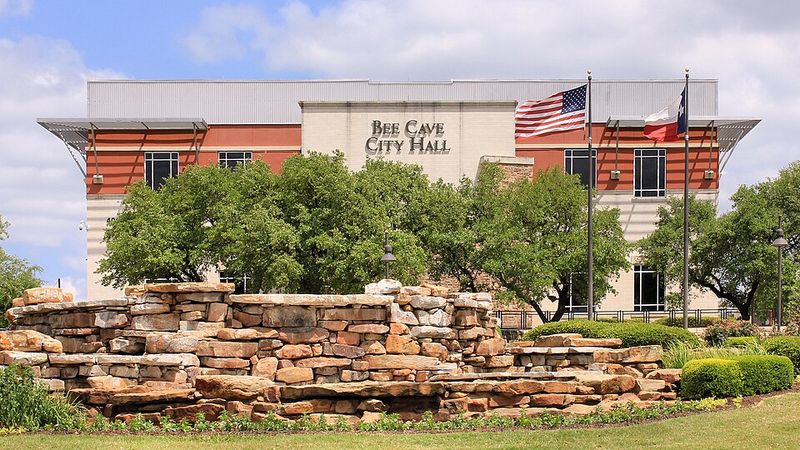
Nestled in the scenic Texas Hill Country just outside Austin, Bee Cave looks like the perfect place to raise a family. Rolling hills, excellent schools, and plenty of shopping centers make it attractive at first glance.
But the average home value here sits at a staggering $924,203, putting homeownership out of reach for most middle-class families. The city’s rapid growth happened so fast that infrastructure struggles to keep up, and there’s simply nowhere left to expand.
Geography plays a big role in Bee Cave’s affordability problem. The city is surrounded by hills, protected land, and Lake Travis, which limits how much new housing can be built.
When demand keeps rising but supply stays limited, prices shoot through the roof. Young professionals who work in nearby Austin dream of living here but end up settling for longer commutes from more affordable areas.
Even renting in Bee Cave requires a hefty income, and many families find themselves house-poor, spending so much on housing that they have little left for anything else.
The city’s shopping district, the Hill Country Galleria, offers upscale stores and dining options, but these amenities cater more to tourists and wealthy residents than everyday families. Local parents worry about their children being able to afford to stay in the area once they grow up.
The sense of community that once defined small Texas towns feels diluted here, replaced by a transient population of people who can afford the price tag but might not stick around long.
Bee Cave may be beautiful, but beauty comes at a cost that many locals say just isn’t sustainable or worth the financial strain.
3. University Park
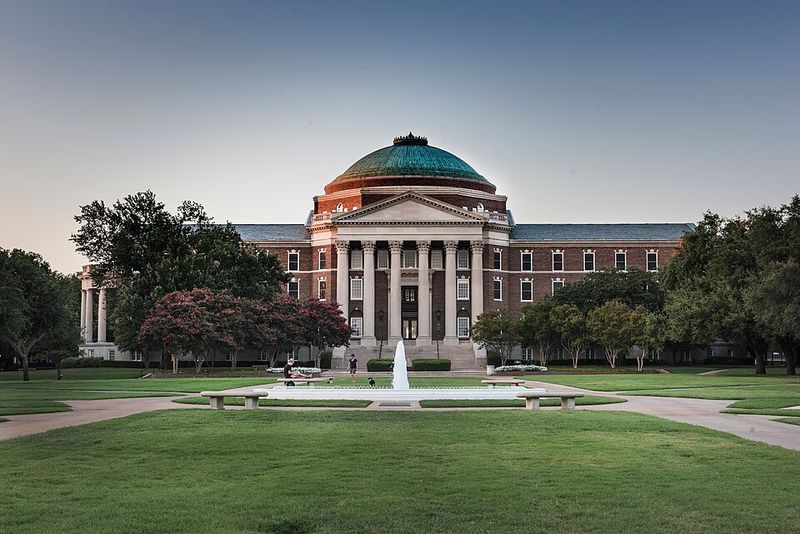
Often called the Beverly Hills of Texas, University Park sits right in the heart of the Dallas area and lives up to its glamorous nickname. The median home value here is an eye-watering $2,371,528, making it one of the most expensive places to live in the entire state.
Tree-lined streets, manicured lawns, and proximity to Southern Methodist University give the area an air of prestige. But that prestige comes with property taxes and maintenance costs that can crush even high-earning families.
Residents pay a premium to live in one of the best school districts in Texas, but the question many ask is whether the education is really worth the financial sacrifice. Families often find themselves working longer hours and sacrificing quality time together just to afford the mortgage and taxes.
The pressure to keep up with neighbors who drive luxury cars and take expensive vacations creates a culture of competition rather than community. Children grow up in a bubble of wealth that doesn’t reflect the real world, which some parents worry about.
The city’s exclusivity also means less diversity, both economically and culturally. Service workers, teachers, and other essential employees can’t afford to live anywhere near where they work, leading to long commutes and a disconnected community.
University Park may offer beautiful parks, top-notch amenities, and a prestigious address, but the cost of entry keeps rising every year. For many residents, the stress of maintaining such an expensive lifestyle outweighs the benefits.
The question isn’t whether University Park is nice, but whether being nice is worth sacrificing financial security and peace of mind.
4. Fredericksburg
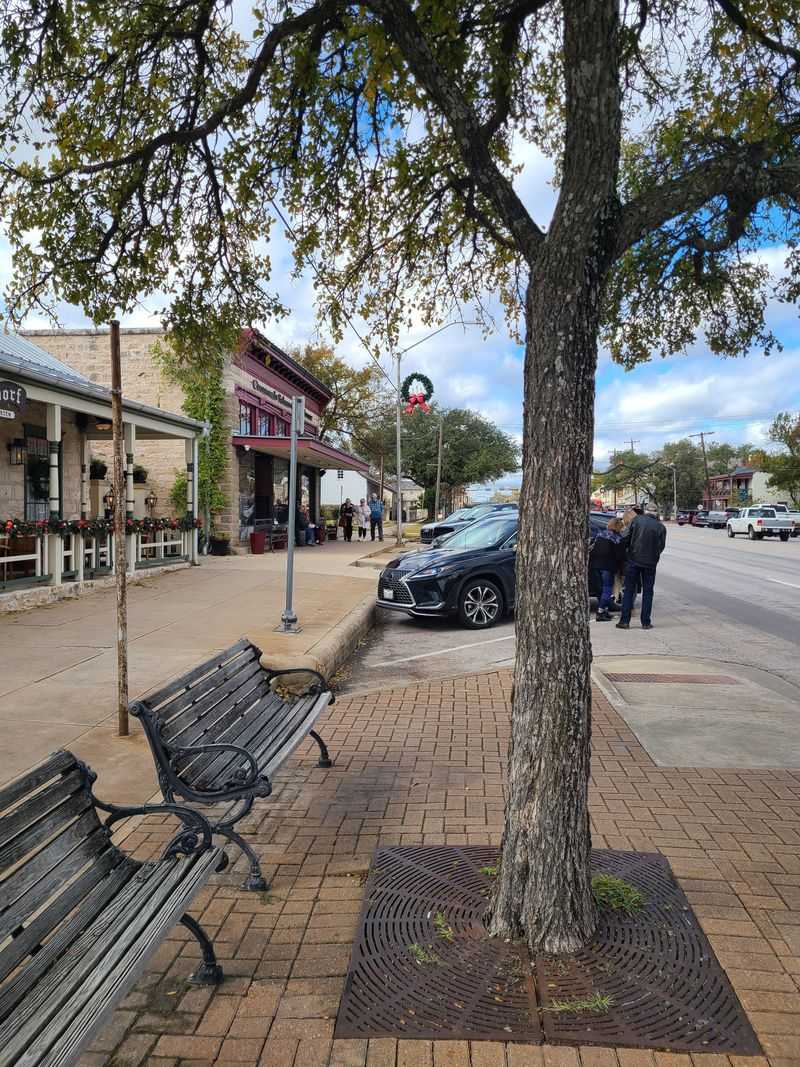
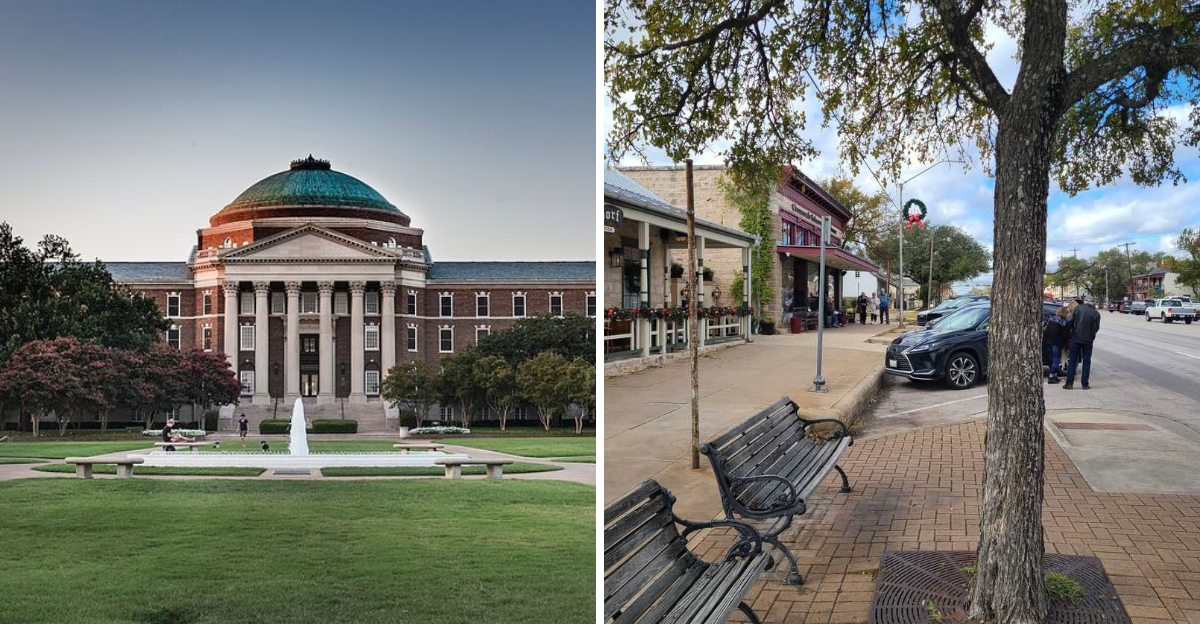
This charming German-heritage town in the Hill Country has become a weekend destination for tourists seeking small-town charm and scenic countryside. Fredericksburg’s Main Street is lined with boutique shops, antique stores, and bed-and-breakfasts that cater to visitors from Austin, San Antonio, and beyond.
The town’s festivals celebrating German culture and peach season draw crowds year-round. But all that tourism has turned a once-affordable community into a place where locals struggle to compete with out-of-town buyers snapping up properties for vacation rentals.
Housing prices have soared as investors recognize the profit potential in short-term rentals. Families who have farmed or run businesses here for generations now find themselves priced out of the market.
Young people who grow up in Fredericksburg often have to leave because they can’t afford to buy homes or even rent apartments on local wages. The jobs available are mostly in hospitality and retail, which don’t pay enough to cover the rising cost of living.
The irony is that the town needs workers to serve all those tourists, but those workers can’t afford to live there.
Traffic congestion on weekends makes it hard for residents to run simple errands. What used to be a peaceful drive down Main Street now involves circling for parking and navigating crowds of visitors.
The sense of community has shifted as more properties become weekend homes rather than year-round residences. Neighbors you once knew are replaced by a rotating cast of vacationers.
Fredericksburg still looks picture-perfect on the surface, but locals say the soul of the town is fading as affordability disappears.
5. West Lake Hills
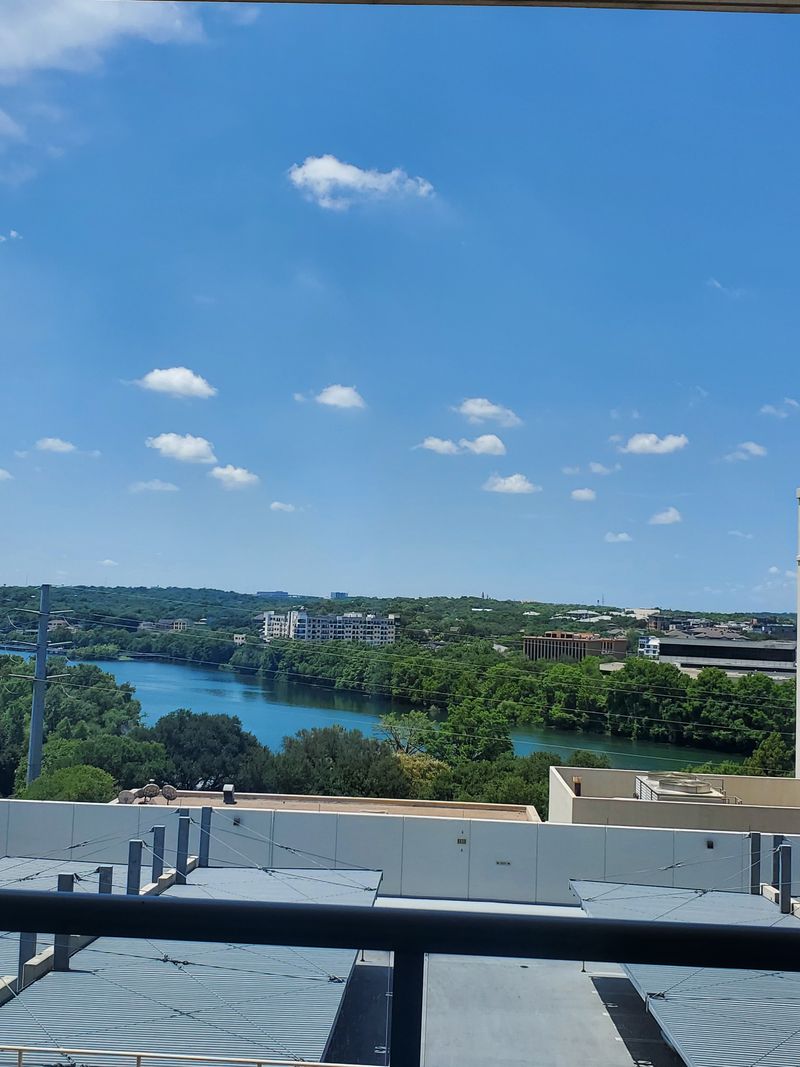
Perched on the hills overlooking Austin, West Lake Hills offers stunning views of the city and Lake Austin below. The area is known for its excellent schools, low crime rates, and proximity to downtown Austin, making it a magnet for families and professionals.
But the cost of living here is among the highest in Texas, with home prices regularly exceeding a million dollars. Property taxes alone can cost more than some people’s annual salaries, creating a financial burden that even wealthy residents find challenging.
The city is small and mostly residential, with limited commercial development. That means residents have to drive into Austin for most shopping, dining, and entertainment, adding time and expense to daily life.
The lack of affordable housing options means that teachers, firefighters, and other public servants who work in the area have to commute from far away. The community feels exclusive rather than inclusive, with wealth being the primary barrier to entry.
Many residents moved here for the schools but find themselves stretched thin financially to stay.
The natural beauty of the area is undeniable, with hiking trails and green spaces that offer a peaceful escape from city life. But that peace comes at a premium that fewer and fewer families can justify.
The cost of maintaining homes on hillside lots can be high, with foundation issues and landscaping challenges adding to expenses. West Lake Hills represents the best of Texas Hill Country living, but it’s a lifestyle that’s increasingly out of reach for all but the wealthiest residents.
The views may be spectacular, but many locals wonder if any view is worth the financial stress that comes with it.
6. Southlake
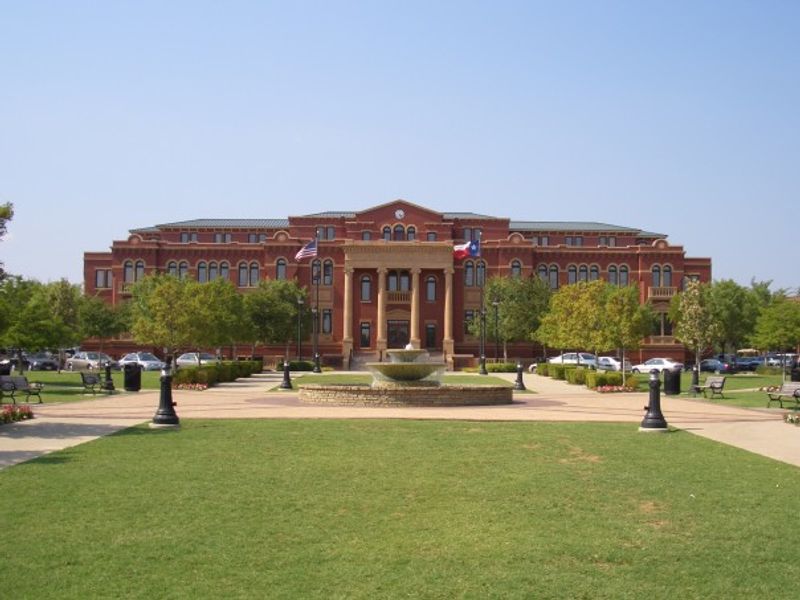
Located between Dallas and Fort Worth, Southlake has built a reputation as one of the most affluent suburbs in Texas. The town center features upscale shopping and dining, and the school district consistently ranks among the best in the state.
But living in Southlake means paying a premium for everything, from housing to groceries to youth sports programs. The median home price hovers around $1 million, and the pressure to keep up with the community’s wealthy lifestyle can be overwhelming.
Youth sports culture in Southlake is intense, with families spending thousands of dollars on private coaching, travel teams, and equipment. Children grow up in an environment where success is measured by material wealth and athletic achievement.
Parents often work long hours to afford the lifestyle, missing out on the family time they moved to the suburbs to enjoy. The competition extends beyond the playing field into academics, with tutoring services and test prep becoming the norm rather than the exception.
The town’s focus on perfection creates stress for families who feel they never quite measure up. Social events and fundraisers can feel more like status competitions than community gatherings.
Service workers and middle-class families find it nearly impossible to live in Southlake, creating a lack of economic diversity. The town may offer top-tier amenities and excellent schools, but the cost goes beyond dollars and cents.
Many residents find themselves questioning whether the prestige is worth the pressure, the debt, and the constant feeling that they need to do more and have more to belong. Southlake shines on the surface, but underneath, many families are struggling to keep up.
7. Lakeway
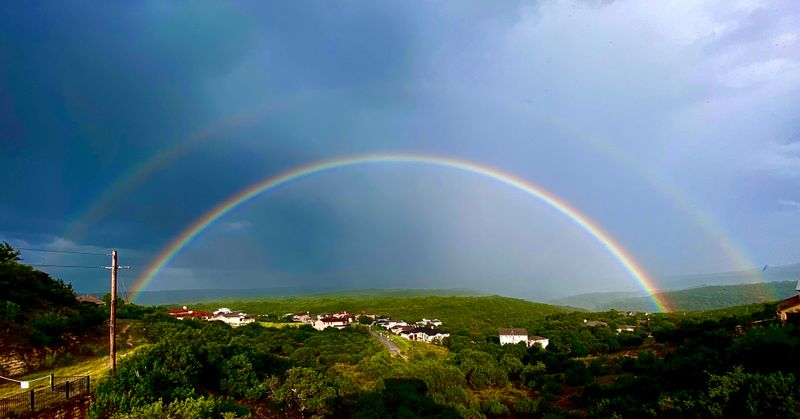
Situated along the shores of Lake Travis, Lakeway markets itself as a resort-style community with golf courses, marinas, and waterfront living. The natural beauty of the area is undeniable, with sunsets over the lake creating postcard-perfect views.
But the cost of living here has skyrocketed as more people discover the appeal of lakefront property. Homes that once sold for reasonable prices now command premium rates, and property taxes continue to climb as the city adds amenities and services.
Many residents moved to Lakeway for a relaxed, retirement-friendly lifestyle, but rising costs have made it less affordable for retirees on fixed incomes. The community has grown rapidly, and with growth comes traffic, crowding, and a loss of the small-town feel that originally attracted people.
The lake itself can be unpredictable, with drought conditions sometimes lowering water levels and limiting recreational activities. Boat ramps close, docks sit high and dry, and the very reason people paid a premium to live here becomes unavailable.
The distance from major employment centers means long commutes for those who work in Austin. That adds both time and expense to daily life, with gas, vehicle maintenance, and wear and tear on cars all adding up.
Lakeway offers a beautiful setting and plenty of outdoor activities, but the cost of admission keeps rising. Local businesses cater to tourists and wealthy residents, leaving fewer options for everyday shopping and services.
For many locals, the dream of lakefront living has turned into a financial burden that outweighs the benefits. The lake may be beautiful, but beauty doesn’t pay the bills or guarantee happiness.
8. Westlake
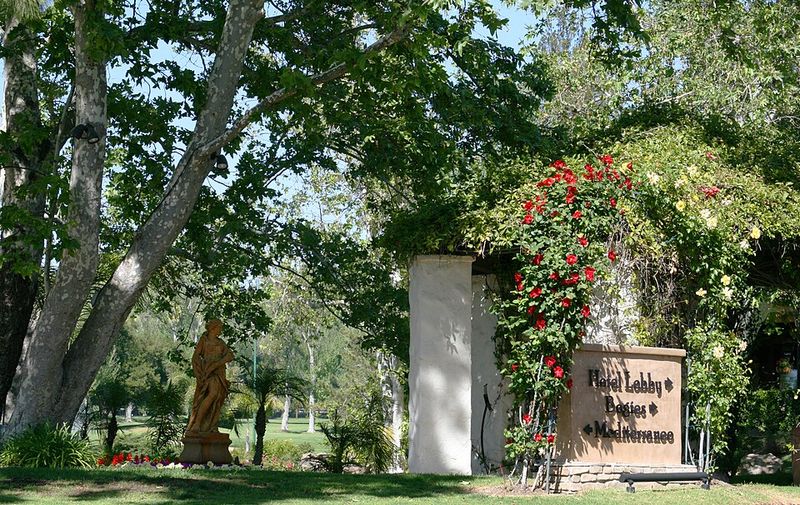
Straddling the line between Travis and Tarrant counties, Westlake is one of the wealthiest communities in Texas. Corporate headquarters for major companies have located here, bringing jobs and tax revenue, but also driving up property values.
The town is known for its low density, with large estates spread across rolling hills and wooded lots. But that exclusivity comes with a price tag that puts it out of reach for all but the wealthiest families.
The lack of diversity, both economic and cultural, creates a community that feels isolated from the rest of Texas. Children grow up in an environment where everyone looks the same, lives in similar houses, and has access to the same privileges.
Schools are excellent, but they serve a narrow slice of the population. The town has limited public spaces and amenities, with most activities centered around private clubs and gated communities.
That creates a sense of separation rather than connection.
For those who do live in Westlake, the pressure to maintain the lifestyle can be intense. Large homes require expensive upkeep, landscaping, and utilities.
Property taxes on multi-million-dollar estates can run into the tens of thousands of dollars annually. The community’s focus on corporate success and material wealth can feel hollow to those seeking deeper connections and purpose.
Westlake may offer financial success and beautiful properties, but many residents find that success doesn’t necessarily translate to happiness or fulfillment. The cost of living here is more than just financial, it’s also emotional and social.
For locals questioning their priorities, Westlake represents a lifestyle that looks perfect from the outside but feels empty within.
9. Dripping Springs
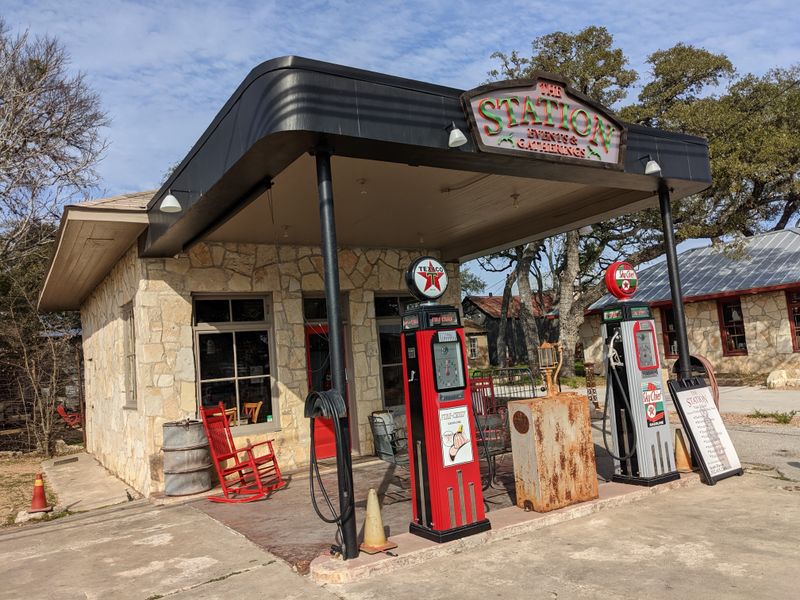
Known as the Gateway to the Hill Country, Dripping Springs has exploded in popularity over the past decade. What was once a sleepy town with ranches and open spaces has become a booming suburb of Austin.
New developments pop up constantly, and the population has grown so fast that infrastructure struggles to keep pace. Traffic on Highway 290 can be nightmarish during rush hour, and the small-town charm that attracted people in the first place is quickly disappearing.
Housing prices have climbed dramatically as demand outpaces supply. Families who dreamed of acreage and country living find themselves in cookie-cutter subdivisions with tiny lots and HOA rules.
The cost of new homes often exceeds what locals can afford, and older, more affordable properties get snapped up by investors or out-of-town buyers. The schools are overcrowded, and the district struggles to build new facilities fast enough to accommodate the influx of students.
Parents worry about class sizes and the quality of education as growth continues unchecked.
The natural beauty of the area is being paved over to make room for shopping centers and housing developments. Springs that once flowed year-round are drying up as water demand increases.
The rural lifestyle that people moved here for is being replaced by suburban sprawl. Local businesses that served the community for years are being pushed out by chain stores and restaurants.
Dripping Springs still has pockets of charm, but they’re getting harder to find amid the construction and traffic. For many locals, the town has lost its soul in the rush to grow, and the cost of living no longer matches the quality of life.
10. Colleyville
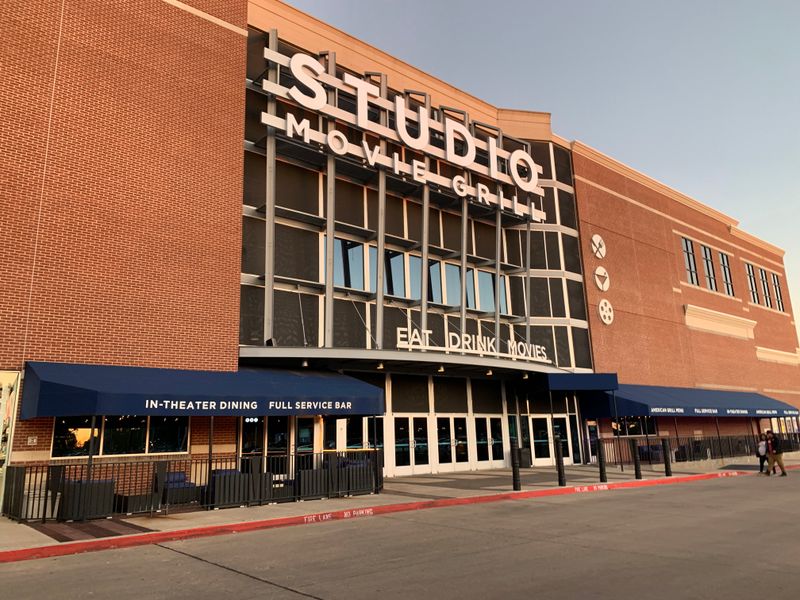
Tucked between Dallas and Fort Worth, Colleyville is an affluent suburb known for large homes, excellent schools, and a strong sense of community. The city has maintained strict zoning to preserve its residential character, with no commercial development along major roads.
That keeps the town quiet and family-friendly, but it also means residents have to drive to neighboring cities for shopping and services. The median home price exceeds $700,000, and property taxes continue to rise as the city adds parks, trails, and public facilities.
The community is tight-knit, but that can also feel exclusive to newcomers or those who don’t fit the mold. Social circles revolve around schools, churches, and neighborhood associations, and breaking into those groups can be challenging.
The cost of living extends beyond housing, with private lessons, club memberships, and social expectations adding up quickly. Families feel pressure to keep up with neighbors who seem to have unlimited resources.
Children attend some of the best schools in Texas, but the competition for grades, sports, and college admissions creates stress and anxiety.
Colleyville’s location in the middle of the Metroplex means traffic is a constant issue. Commutes to work can take an hour or more during peak times, eating into family time and adding stress to daily life.
The city’s commitment to preserving open space and low density means there’s little room for growth or new housing, which keeps prices high. For many residents, the question becomes whether the benefits of living in Colleyville justify the financial and emotional costs.
The town offers a safe, comfortable lifestyle, but at a price that fewer families can afford or are willing to pay.
Dear Reader: This page may contain affiliate links which may earn a commission if you click through and make a purchase. Our independent journalism is not influenced by any advertiser or commercial initiative unless it is clearly marked as sponsored content. As travel products change, please be sure to reconfirm all details and stay up to date with current events to ensure a safe and successful trip.
