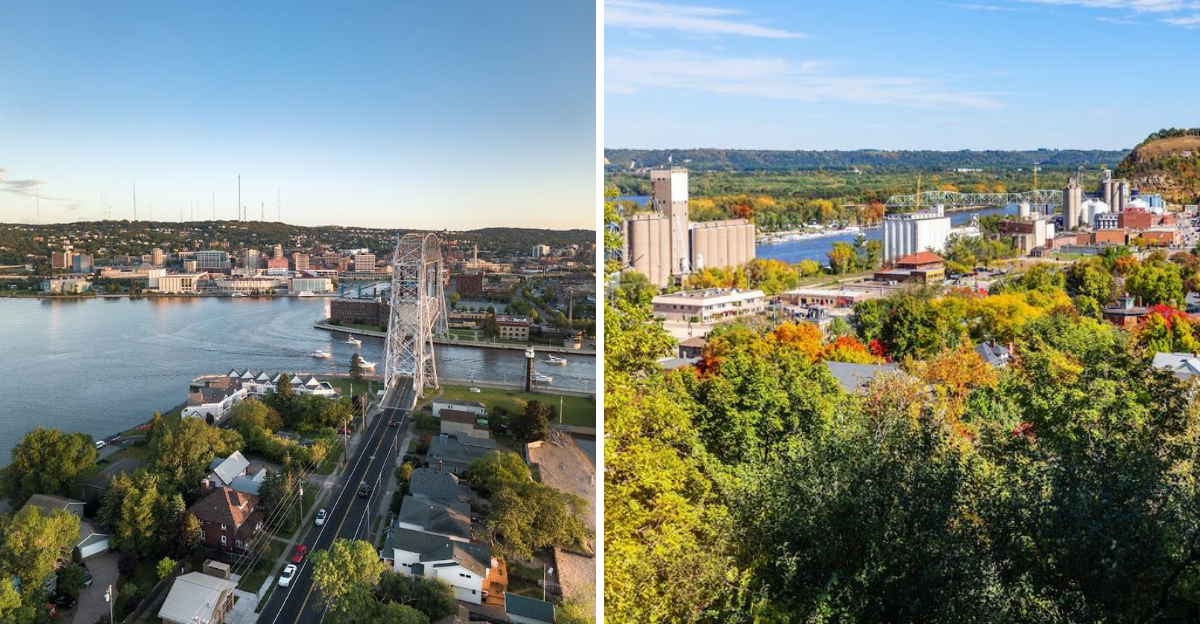
Some summer towns in Minnesota used to feel like hidden gems, but recent years have changed that picture completely. You used to find a parking spot easily and grab a lakeside table without waiting an hour, but now the same places feel like amusement parks on a holiday weekend.
The popularity exploded on social media and word spread faster than anyone expected. Now you sit in traffic just to enter town, circle blocks for parking, and wait in long lines for ice cream or a bathroom.
The lake access points have become crowded with inflatable rafts and loud speakers playing different songs at the same time. What once felt like a peaceful escape now requires strategic planning and early morning arrivals.
Locals shake their heads and remember quieter summers while visitors wonder what all the hype was about. Minnesota has hundreds of beautiful lakes and charming downtowns, but some have simply become victims of their own success.
The water still sparkles and the sunsets still impress, but the experience has changed in ways that cannot be undone. You can still have a good time if you adjust your expectations, just bring plenty of patience and maybe choose a Tuesday instead of a Saturday.
1. Stillwater, Minnesota
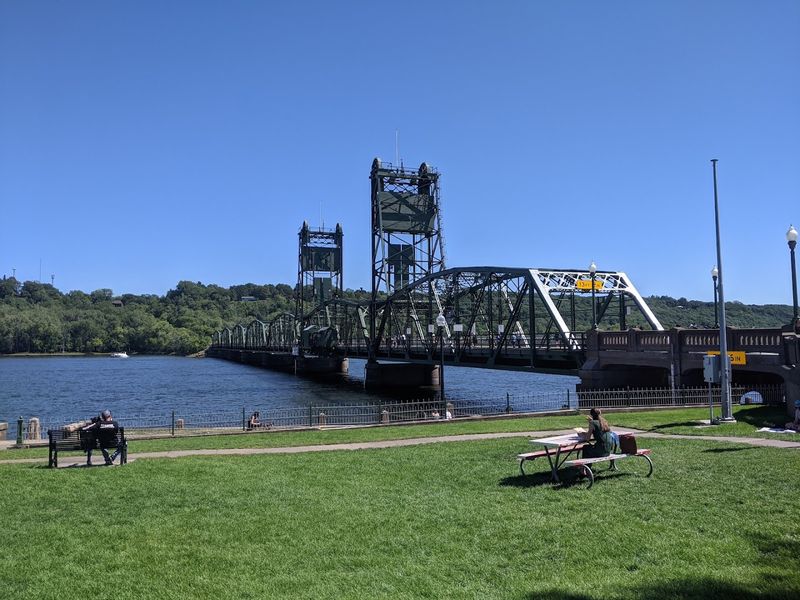
The historic Lift Bridge used to be a quiet local landmark that locals passed without thinking twice.
Today, it is a backdrop for an endless stream of photo opportunities, and the crowds around it start building before 9 a.m. on any summer weekend.
Stillwater sits along the St. Croix River in Washington County, Minnesota, and it has become the most talked-about example of a town overwhelmed by its own appeal.
Downtown streets on summer Saturdays are nearly impossible to navigate on foot. Parking spots vanish by late morning, and restaurants require reservations placed weeks ahead of time.
The relaxed, neighborly rhythm that once defined this river town has been replaced by slow-moving parades of visitors. Longtime residents are openly discussing leaving due to rising costs and daily congestion.
The boutique shops and wine bars that line Main Street are genuinely lovely, but they are rarely enjoyable when you are wedged between dozens of strangers.
Weekday visits in late spring or early fall are your best bet for catching even a hint of the old Stillwater.
The town still has real beauty and real history, but summer 2026 has made it clear that its quiet days are firmly behind it. Plan smart or prepare to wait in line for everything.
2. Grand Marais, Minnesota
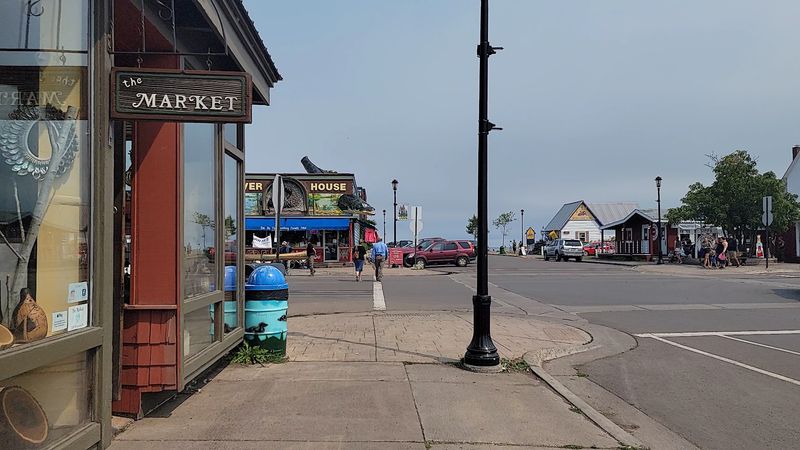
Grand Marais has always had a certain magnetic quality, the kind of small-town creative energy that makes people want to move there permanently.
Sitting on the North Shore of Lake Superior in Cook County, Minnesota, this arts enclave has become an unlikely victim of its own eclectic charm in 2026.
The harbor and lighthouse area, once a spot for quiet contemplation, is now packed throughout the summer season from morning until evening.
The galleries, shops, and restaurants along Wisconsin Street draw visitors in waves, and the town simply was not built to absorb this level of foot traffic.
What used to feel like a place where locals knew each other by name now feels like a popular destination where strangers outnumber residents on most summer days.
The influx of visitors has genuinely changed the rhythm of daily life for people who call Grand Marais home year-round.
Finding a parking spot near the harbor on a weekend afternoon is a genuine challenge. Campground reservations at the nearby state parks fill up months ahead of time.
Grand Marais still holds tremendous appeal, and the art scene remains one of the best in the state. However, the quiet harbor mornings that made it legendary are now a rare and fleeting experience.
3. Duluth, Minnesota
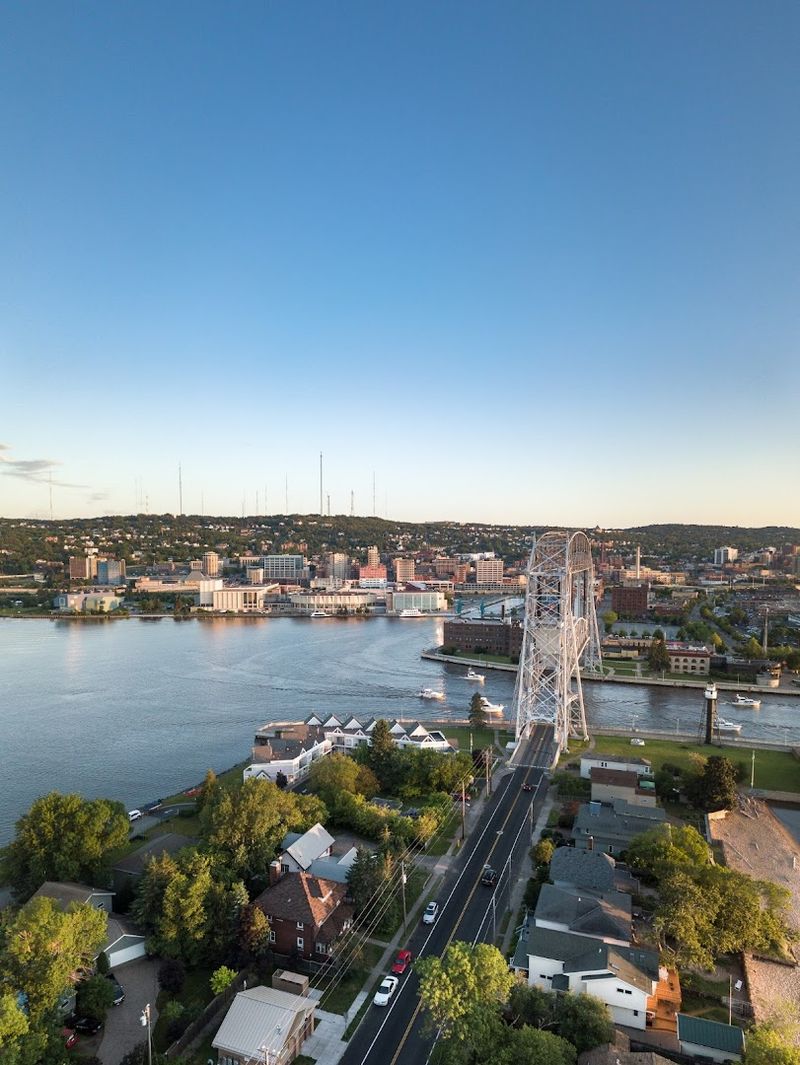
Canal Park in Duluth used to have a gritty, working-port personality that felt refreshingly unpolished compared to typical tourist spots.
Duluth sits at the western tip of Lake Superior in St. Louis County, Minnesota, and it has transformed into an outdoor mecca that now rivals cities like Boulder, Colorado, in terms of visitor volume.
The lakefront walkway along Lake Superior is packed with visitors on any warm summer day, and the Aerial Lift Bridge draws constant crowds snapping photos at all hours.
Glensheen Mansion, the stunning turn-of-the-century estate, requires advance ticket purchases and still runs with long wait times during peak season.
The trails and parks above the city, including the Duluth traverse mountain bike system, are now shared with record numbers of riders and hikers every weekend.
What was once a port city with a relaxed, unpretentious atmosphere now operates like a non-stop tourism machine from Memorial Day through Labor Day.
Restaurants along the waterfront are consistently overbooked, and hotel rates during summer have climbed sharply over the past two years.
Duluth still delivers genuinely impressive scenery and outdoor access. However, arriving without a detailed plan in summer 2026 means spending most of your trip waiting rather than exploring.
4. Nisswa, Minnesota

Nisswa sits in the heart of the Brainerd Lakes Area in Crow Wing County, Minnesota, and its Main Street has become the definition of summer gridlock in 2026.
The town built its reputation on a charming collection of shops, the beloved annual Nisswa-stamman Scandinavian folk music festival, and easy access to dozens of nearby lakes.
On summer weekends, that same Main Street turns into a shoulder-to-shoulder walking path where moving at your own pace is simply not an option.
The parking situation on Friday afternoons and Saturdays has become a running joke among regular visitors. Drivers circle the small downtown area for extended periods just hoping for an open spot.
The small-town warmth that made Nisswa a beloved destination for Twin Cities families is now buried under the sheer volume of people seeking that classic “up north” Minnesota experience.
Ice cream shops, gift stores, and outdoor outfitters are perpetually busy, and the lines inside them stretch to the door on peak days.
The nearby lakes and resorts are equally overbooked, with many popular properties filling their summer calendars by February each year.
Nisswa still has genuine appeal, especially for families, but experiencing it without crowds now requires either arriving before 9 a.m. or visiting on a weekday in late September when the summer rush finally settles down.
5. Excelsior, Minnesota
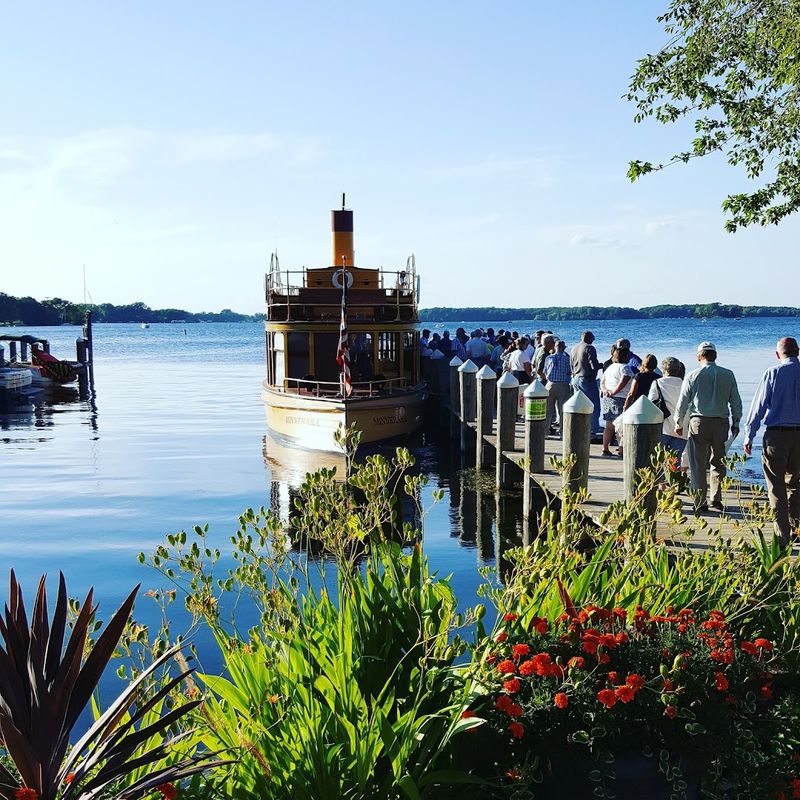
Sitting on the southern shores of Lake Minnetonka in Hennepin County, Minnesota, Excelsior once offered a genuinely relaxed small-town escape just minutes from the Twin Cities metro.
The main street had a sleepy, unhurried quality that set it apart from busier lakeside communities, and locals treasured that low-key atmosphere.
That version of Excelsior is now very difficult to find on a summer weekend.
Boutique shoppers, ice cream seekers, and day-trippers from across the metro have transformed the downtown strip into a busy commercial corridor that moves at a completely different pace.
The historic Steamboat Minnehaha, a restored 1906 excursion boat, draws consistent crowds, and the lakefront fills up with visitors who arrive early and stay all day.
Parking near the water is a persistent headache, and the quieter evenings that longtime residents once enjoyed by the lake are now shared with waves of visitors until well after sunset.
The town itself is undeniably charming, and the lake views are still beautiful on a clear summer evening.
However, Excelsior has crossed the threshold where the visitor experience now competes directly with the quality of life for people who actually live there.
A weekday morning visit in early June, before the full summer crowd arrives, is probably your best opportunity to catch the town closer to its original character.
6. Lanesboro, Minnesota
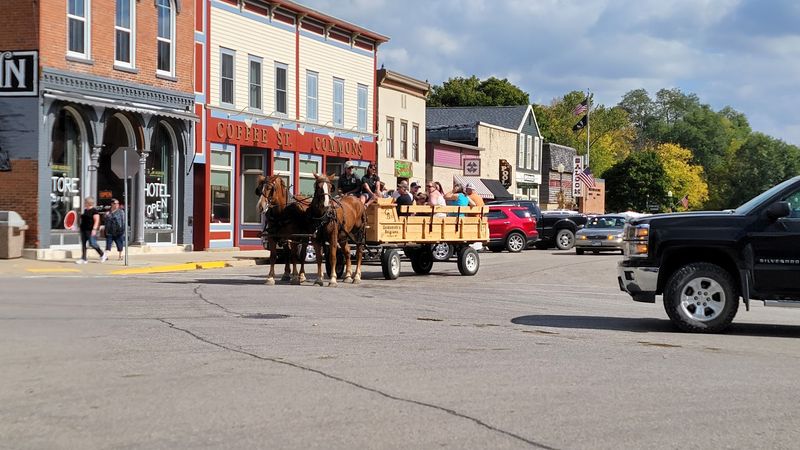
Lanesboro earned the title of Bed and Breakfast Capital of Minnesota honestly, built on bluff country scenery, a car-free downtown, and a genuinely creative small-town spirit.
Located in Fillmore County along the Root River, this southeastern Minnesota town used to feel like a well-kept secret that rewarded those who made the drive.
The secret is fully out now, and the results in summer 2026 are hard to overlook.
The Root River State Trail, once a peaceful bike ride through forested river valleys, is now shared with rental groups, guided tour companies, and large cycling parties on most summer weekends.
The Commonweal Theatre, a beloved regional institution, sells out its performances quickly, and securing tickets without advance planning is nearly impossible during peak season.
The downtown, which once felt like a quiet festival grounds on a good day, now resembles an actual festival every single weekend.
B&B rooms in and around Lanesboro book up months ahead of time, and the prices have climbed noticeably as demand has outpaced available lodging.
Day visitors have also increased sharply, meaning even the streets and trails feel congested from mid-morning through late afternoon.
Lanesboro is still a genuinely special place with real cultural depth, but the hidden gem status it once carried has been completely replaced by mainstream popularity that strains its small-town infrastructure every summer.
7. Winona, Minnesota
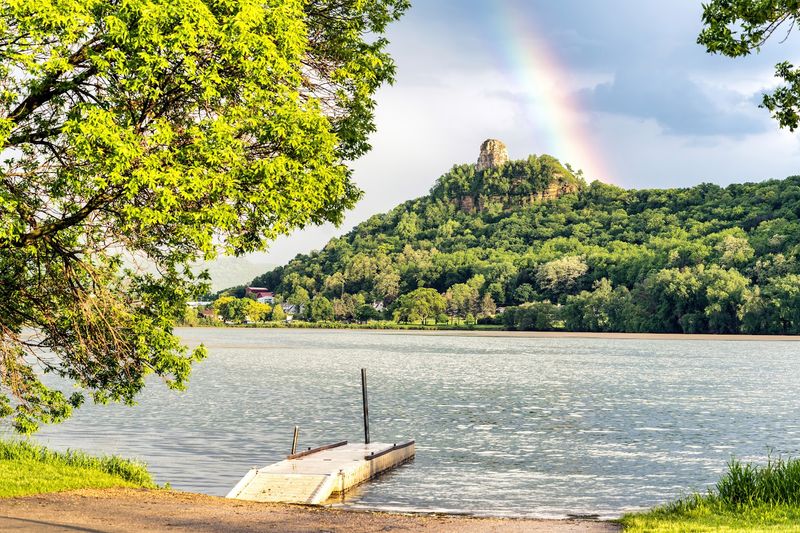
Winona occupies one of the most dramatic settings in the entire state. It sits squeezed between towering limestone bluffs and the wide Mississippi River in Winona County, Minnesota.
For years, the city balanced a quiet college-town personality with a modest but loyal tourism base. Visitors came for its riverfront beauty and cultural institutions. That balance has shifted noticeably in 2026.
The Minnesota Marine Art Museum is one of the finest small art museums in the Midwest. It now draws regional crowds that fill its galleries. On summer weekends, those crowds push wait times longer.
The Great River Shakespeare Festival brings in visitors from across the region. Securing good seats requires advance planning. The town’s infrastructure simply was not designed to accommodate planning at this scale.
Sugar Loaf is the iconic rock formation rising above the city. During summer, visitors surround it at nearly every hour of the day to take photos.
The riverfront once offered quiet morning walks. Now, from late May through early September, it operates as a busy thoroughfare of summer tourists.
Locals appreciated the peaceful college-town energy. They have now noted a clear shift toward constant visitor activity. This shift changes the feel of everyday life.
Winona’s bluffs and river views remain genuinely breathtaking. The cultural scene is legitimately impressive for a city its size. If you arrive midweek, you have a much better shot at actually enjoying it.
8. Red Wing, Minnesota
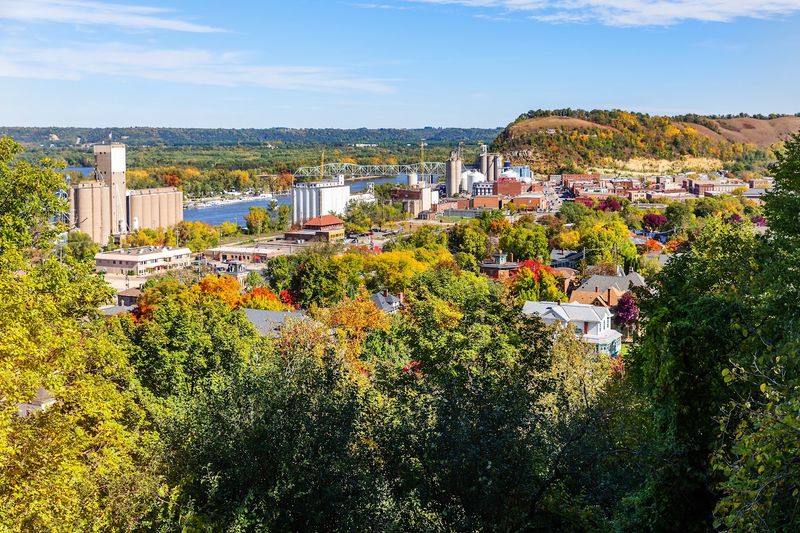
Red Wing has a postcard-worthy setting perched above the Mississippi River in Goodhue County, Minnesota. Barn Bluff rises dramatically behind the downtown.
Twin Cities residents craving a scenic escape without a long drive now default to Red Wing. That popularity is now working against the town.
The historic St. James Hotel dates back to 1875. Summer weekends keep the hotel perpetually booked. Without months of advance planning, you can hardly secure a room.
The downtown antique shops and pottery studios have long drawn weekend browsers. On Saturdays and Sundays, they stay consistently crowded from late morning through the afternoon.
The hiking trail up Barn Bluff should offer a meditative climb with sweeping river views. Instead, peak hours bring a steady line of people waiting to reach the summit.
The trailhead parking lot fills up early. Overflow vehicles line the surrounding streets for several blocks in every direction.
Red Wing’s small-town feel was always a core part of its appeal. Now you can only access that feel on weekdays. Even that window is narrowing as the town grows in popularity.
The river views from the bluff top are still genuinely worth the climb. However, sharing that moment with dozens of strangers changes the experience. Those changes make it hard to fully enjoy.
9. Taylors Falls, Minnesota
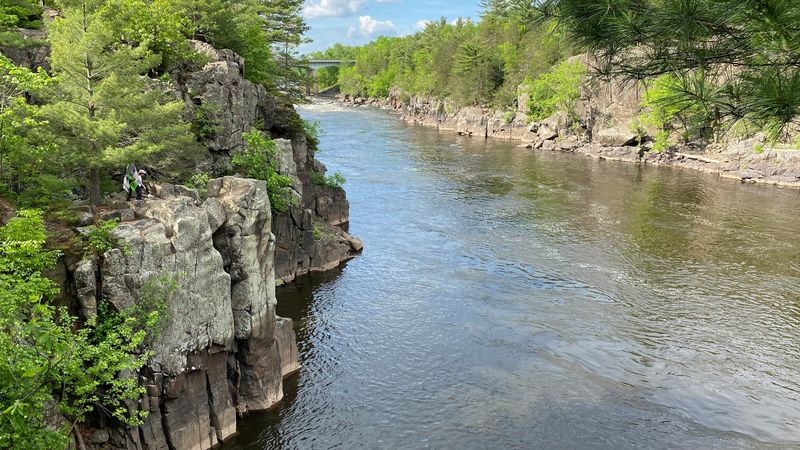
The geological drama at Taylors Falls is unlike anything else in Minnesota. Ancient glacial potholes and dramatic basalt cliffs line the Dalles of the St. Croix River.
Taylors Falls lies in Chisago County along the Wisconsin border. Its centerpiece, Interstate State Park, draws visitors from both states throughout the summer season.
By 2026, crowds have reached a level that transforms the park on summer weekends. It turns from a natural wonder into something closer to a busy city sidewalk.
The glacial potholes, some of the deepest in the world, now share the space with hundreds of other visitors on any given Saturday or Sunday.
The scenic boat tours along the St. Croix River sell out consistently. Without advance reservations during peak season, you can rarely book a spot.
Hiking trails that once felt wild and quiet now have steady foot traffic. People fill the trails from trailhead to summit throughout the day.
The parking situation at Interstate State Park has become almost legendary among regular visitors. If you arrive after 9 a.m. on a weekend, you often park far away and walk a considerable distance.
Taylors Falls still delivers a genuinely impressive natural experience. The rock formations look spectacular in any season.
However, quiet nature lovers who discovered this place years ago will find it almost unrecognizable. That is especially true on a busy summer afternoon in 2026.
