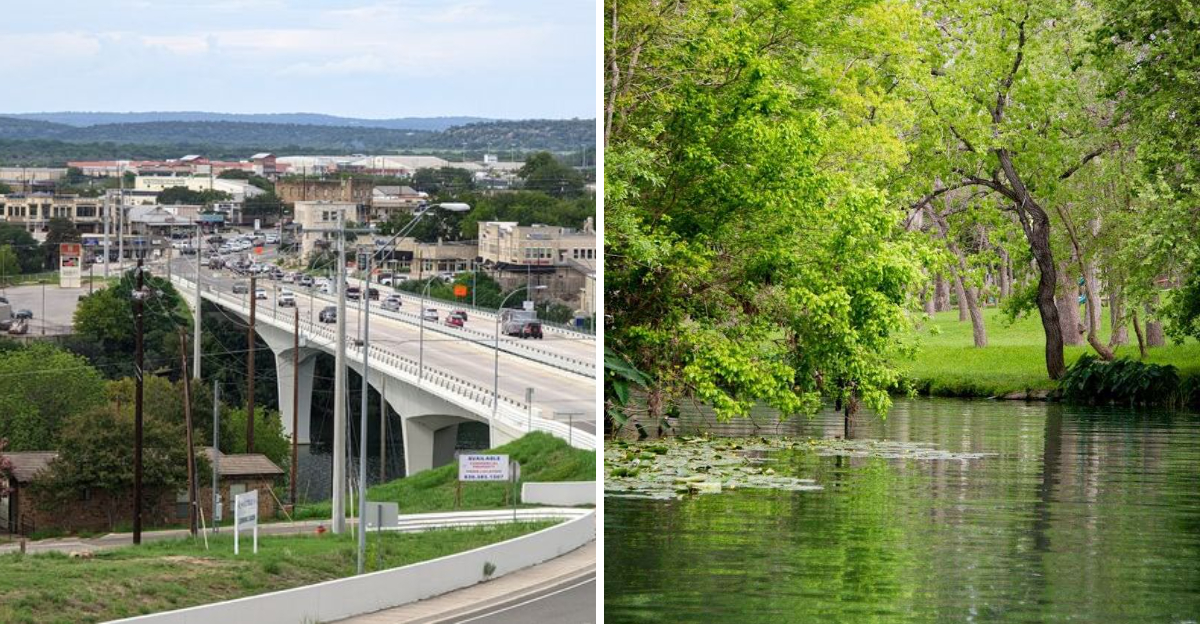
A lake town that was once a peaceful summer escape is now a crowded destination. These Texas towns were once known for their quiet shores and relaxed pace, but they have become too popular for their own good.
Traffic is heavy, and the parking is scarce. The same charm that drew people in is now overshadowed by the crowds.
A person might spend more time sitting in traffic than actually enjoying the water. Locals miss the old days, and visitors are often surprised by the chaos.
It is a reminder that popularity comes at a cost. Texas has many lakes to explore, but these towns are best avoided during the peak summer season.
There are quieter alternatives worth discovering.
1. Conroe
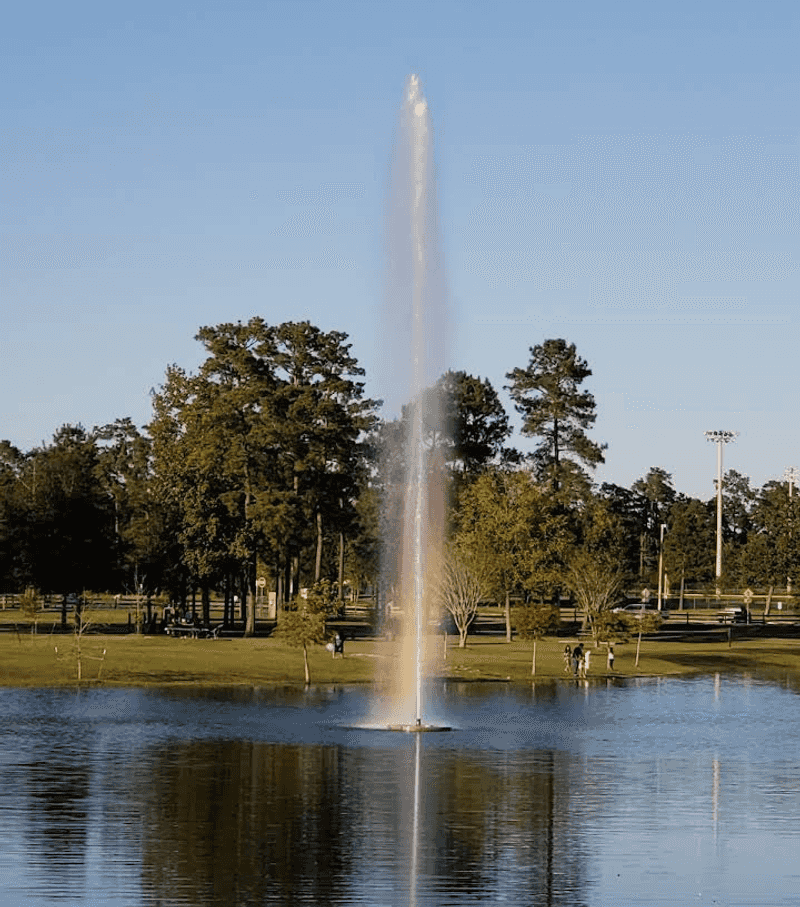
Lake Conroe has a way of pulling people in, and honestly, it is not hard to understand why. The water is wide, the sunsets are genuinely beautiful, and the town of Conroe sits close enough to Houston that it became the go-to weekend escape for the entire metro area.
That proximity is both its biggest draw and its biggest problem.
On a summer Saturday, the lake can look more like a parking lot than a body of water. Boats of every size crowd the coves, and the public access points fill up before most people have even finished their morning coffee.
The roads leading to the waterfront get backed up in ways that would make a city commuter feel right at home.
Conroe itself has seen rapid development over the past decade. New subdivisions, shopping centers, and chain restaurants have replaced a lot of what made it feel like a genuine lake community.
The growth is not all bad, but it has changed the texture of the place in ways that long-time visitors notice immediately.
Families still come here in huge numbers because the lake offers solid options for tubing, wakeboarding, and fishing. The Sam Houston National Forest sits nearby, which adds some breathing room if you are willing to get off the water and onto a trail.
Finding a quiet corner of the forest is genuinely possible even when the lake itself is chaos.
If Conroe is on your list, arriving early and leaving before noon on weekends makes a real difference. Midweek visits in late summer are a completely different experience, almost peaceful in comparison.
The town has not lost its appeal entirely, but managing your expectations and your timing is the smartest move you can make before heading out.
2. Granbury
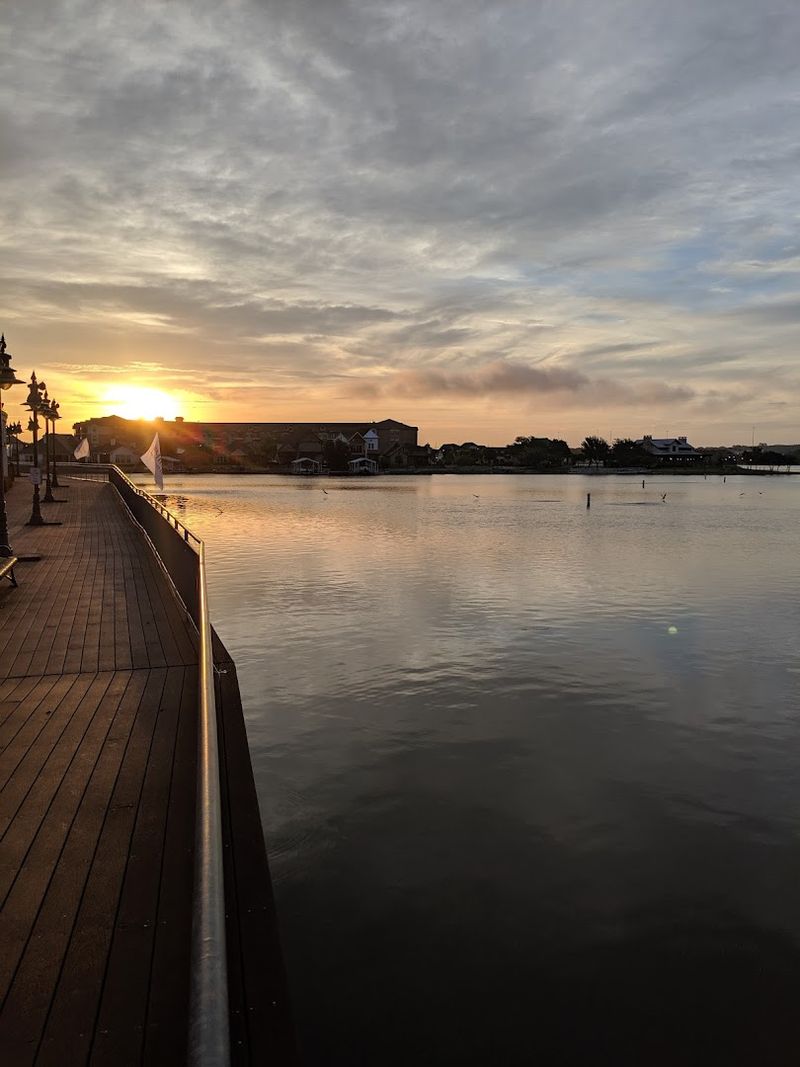
Granbury used to feel like a secret that only a certain kind of traveler knew about. The historic courthouse square, the old storefronts, and the lake wrapping around town gave it a personality that was genuinely hard to replicate.
That reputation spread, and now the secret is very much out.
Weekend tourism has surged here in a way that has transformed the experience of visiting. The square, which was once a relaxed place to wander and browse, now fills with visitors from the DFW area looking for a quick and easy escape.
Lake Granbury follows the same pattern, with boats stacking up from spring all the way through early fall.
Locals have noticed the shift. The rhythm of the town, the one that made it feel authentic and unhurried, has taken a hit.
Parking near the square becomes a competitive sport on summer weekends, and the waterfront areas lose their quiet charm by mid-morning most days.
That said, Granbury still has real character underneath the crowds. The historical roots of the town run deep, and there are genuinely interesting stories tied to this place that go back to the Civil War era.
The architecture alone is worth seeing if you can get there on a slow Tuesday when the streets are not packed.
The lake itself offers decent fishing and some pleasant spots for kayaking if you can find a launch point that is not already taken over by larger boats. Hood County is also surrounded by rolling terrain that rewards anyone willing to take a back road and explore.
Granbury is still worth visiting, but going in knowing that the small-town atmosphere you have heard about is now shared with a very large crowd is genuinely useful information to have ahead of time.
3. Horseshoe Bay
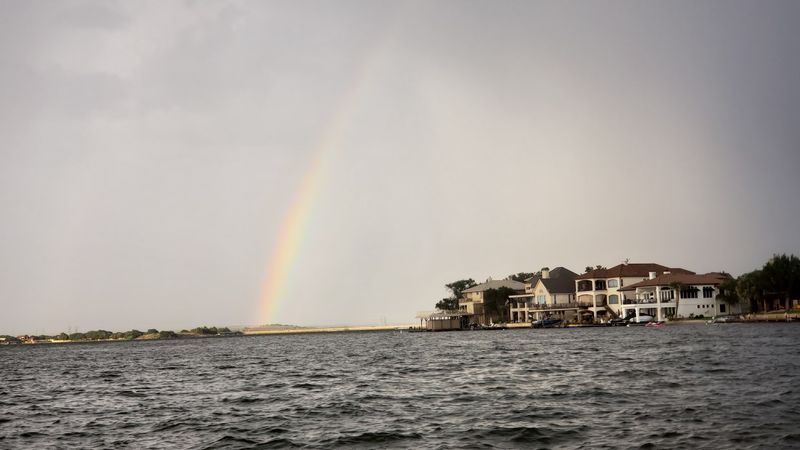
Horseshoe Bay sits along the constant-level waters of Lake LBJ, and that consistency is a big part of what made it so appealing to begin with. Unlike lakes that fluctuate with rainfall and drought, LBJ stays reliably full, which means reliable boat traffic every single weekend without exception.
The town itself has shifted noticeably toward the luxury end of the spectrum. Resort developments and upscale waterfront properties have moved in aggressively, and the shoreline looks noticeably different than it did even ten years ago.
New construction has chipped away at the natural landscape in ways that are hard to ignore once you notice them.
Sunrise Beach, the popular sandbar on the lake, turns into a full social scene on warm weekends. It is the kind of place where boats cluster together and the water gets churned up constantly by passing traffic.
For people who enjoy that energy, it delivers. For anyone hoping for something calmer, it can feel overwhelming quickly.
The Hill Country setting around Horseshoe Bay is genuinely stunning, and that has not changed. The cedar-covered ridges and the wide sky above the lake still create a backdrop that feels special.
Getting out on the water early in the morning, before the crowds build, gives you a glimpse of what this place must have felt like before it became so well known.
Golf courses dot the area, and there are some genuinely scenic drives through the surrounding hills if the lake scene gets to be too much. Horseshoe Bay rewards visitors who plan carefully and choose their timing thoughtfully.
Arriving mid-week or in the shoulder season of late September changes the experience significantly. The bones of a great destination are still here, just buried under a lot more boat wakes than before.
4. Lago Vista
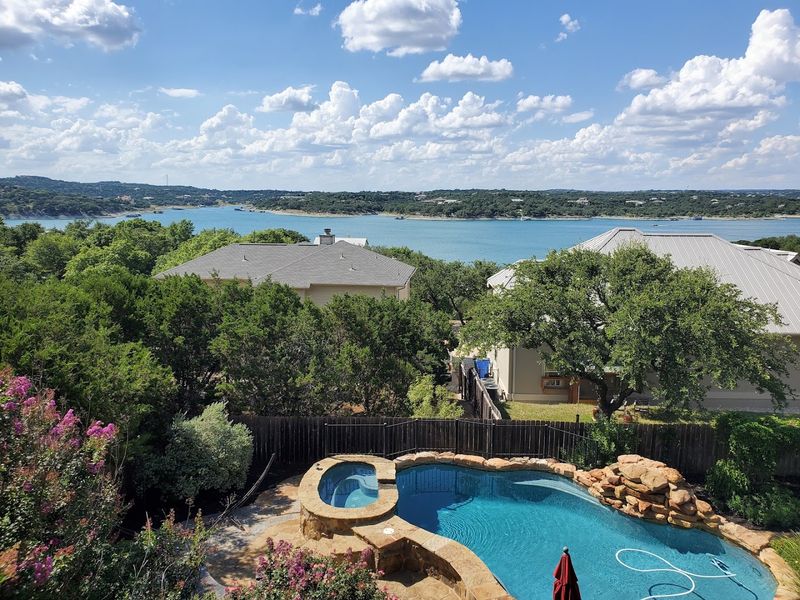
Lago Vista occupies a stretch of Lake Travis shoreline that is genuinely hard to beat from a scenery standpoint.
The views across the water are wide and dramatic, and the surrounding Hill Country terrain gives the area a rugged, open feeling that draws people from Austin in enormous numbers every summer weekend.
Being this close to Austin is both the town’s greatest advantage and its most significant challenge. The population of the Austin metro has exploded in recent years, and Lago Vista has absorbed a significant portion of that overflow.
What was once a quieter corner of Lake Travis now deals with the same congestion issues that affect the lake’s more famous access points.
The lake itself is spectacular but not immune to the pressures of popularity. Boat traffic on summer weekends is relentless, and the coves that used to offer some privacy have become gathering spots for large groups.
Devil’s Cove, not far along the lake, essentially functions as a floating social event during peak season, and the ripple effects reach all the way to Lago Vista’s quieter stretches.
There is still a lot to appreciate here if you approach it with patience. The hiking and mountain biking trails around the area are genuinely good, and the landscape rewards anyone willing to get away from the water’s edge and explore on foot.
Balcones Canyonlands National Wildlife Refuge sits nearby and offers a real contrast to the lakeside chaos.
Lago Vista has grown considerably as a residential community, which means more infrastructure but also more competition for the same limited public spaces. Weekday mornings in early June or late August hit a sweet spot where the lake is warm but the crowds have thinned enough to actually enjoy it.
The potential here is real, but summer weekends test your patience in ways worth knowing about before you go.
5. Marble Falls
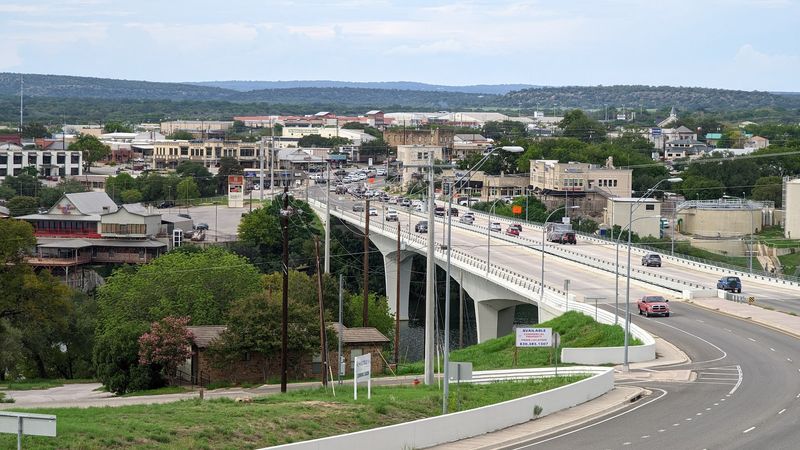
Marble Falls earned its reputation as a Hill Country gem honestly. The combination of Lake Marble Falls, Lake LBJ nearby, and the surrounding limestone landscape gave it a visual appeal that photographers and weekend travelers started chasing years ago.
The problem is that everyone figured that out at roughly the same time.
Highway 281 through town has become notoriously congested on summer weekends. What should be a breezy Hill Country drive turns into a slow crawl that tests the patience of even the most relaxed traveler.
Saturday mornings in July feel like the highway has been converted into a very long, very warm parking lot.
The town has grown to accommodate demand, and that growth has brought genuinely good things like updated parks and a broader range of places to eat. But the trade-off is real and worth acknowledging.
The quieter, unhurried pace that made Marble Falls feel like a reward for the drive is harder to find now.
The lakes themselves are still beautiful. Lake LBJ’s constant level keeps the water accessible and the scenery consistent, and there are spots along the shore where the limestone cliffs drop dramatically into the water in a way that catches you off guard.
Early morning on the water before the boat traffic builds is a genuinely different experience than anything you will find at midday.
Horseshoe Bay Resort is nearby, and the surrounding area has attracted a lot of second-home development that has changed the character of the shoreline. Inks Lake State Park sits a short drive away and offers a less crowded alternative if you time your visit right.
Marble Falls is not a bad choice, but going in with clear eyes about what summer weekends actually look like there will save you a lot of frustration and a lot of time sitting in traffic on 281.
6. New Braunfels
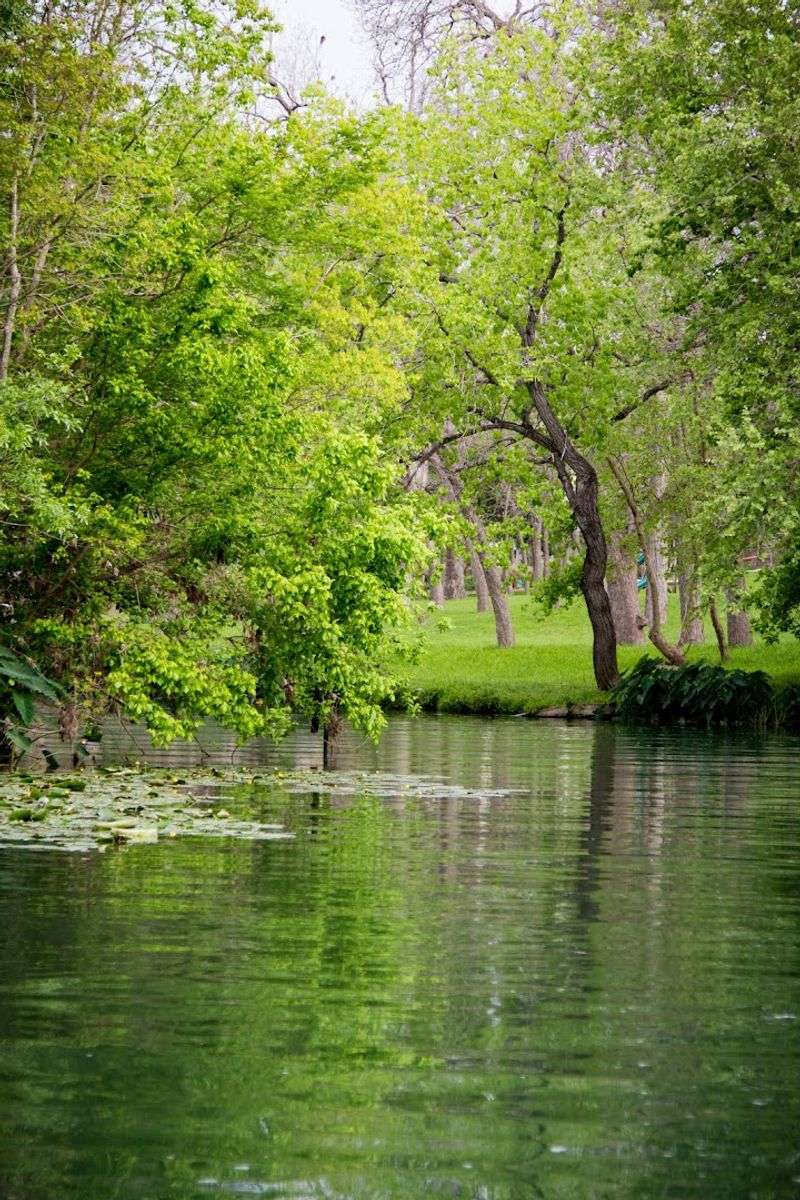
New Braunfels might be the single most visited river and lake town in Texas during summer, and the numbers back that up in a way that is hard to argue with. Canyon Lake sits just north of town, and the Comal River runs right through it, offering one of the most popular tubing experiences in the entire state.
The tubing scene on the Comal is legendary, and on a peak summer weekend it is genuinely something to witness. Hundreds of people packed tube to tube, floating down a short stretch of cold spring-fed water, with lines to rent equipment stretching down the block before noon.
It is festive and chaotic in equal measure.
Canyon Lake itself is often called the Water Recreation Capital of Texas, and that title has drawn attention from across the region for years. The turquoise water and dramatic limestone cliffs are not exaggerated in photos.
They really do look like that. But the parks and beach areas around the lake fill up fast, and finding a peaceful spot on a Saturday in July requires either very early arrival or very good luck.
The town of New Braunfels has its own German heritage and a historic downtown that is worth exploring when you can actually move through it. Wurstfest, the annual fall festival, draws its own massive crowds later in the year.
The town essentially operates at full capacity from Memorial Day through Labor Day without much of a break.
Gruene, the historic community on the edge of New Braunfels, adds another layer of appeal with its dance hall and old buildings. It is charming and worth seeing, though it too gets packed on weekends.
New Braunfels rewards visitors who go in knowing exactly what they are signing up for, because the experience at full summer capacity is a lot to absorb all at once.
7. Port Aransas
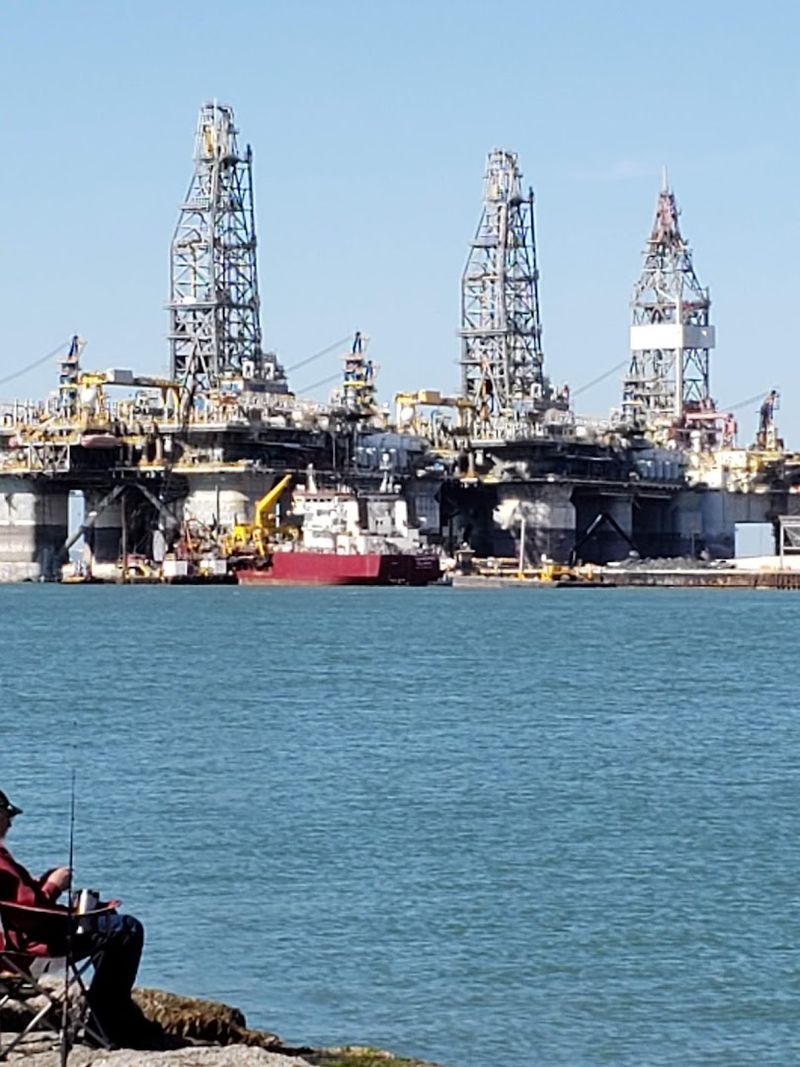
Port Aransas sits on Mustang Island along the Texas Gulf Coast, and technically it is not a lake town in the traditional sense. But it functions like one in the way Texans use it, as a warm-weather escape with water access, boat launches, and a laid-back coastal atmosphere that has been drawing visitors for generations.
Summer is an entirely different animal here compared to the rest of the year. The ferry lines from Aransas Pass can back up for long stretches on holiday weekends, and the beaches fill with umbrellas and coolers from one end to the other.
Parking becomes a genuine logistical challenge, and the small streets of the town get congested in ways that the infrastructure was never really designed to handle.
Hurricane Harvey hit Port Aransas hard in 2017, and the rebuilding process brought a wave of new development that changed the look and feel of the town significantly. Some of what made it quirky and unpretentious got smoothed over in the reconstruction.
The rebuilt version is cleaner but feels a little less like itself in places.
The fishing culture here runs deep and is one of the more authentic things about the place even now. Charter boats head out into the Gulf regularly, and the birdwatching around the island is genuinely world-class.
The Leonabelle Turnbull Birding Center is a quiet surprise in the middle of all the summer noise.
Off-season Port Aransas is a revelation. Fall and early spring bring mild temperatures, open beaches, and a version of the town that actually breathes.
The character of the place comes back when the peak crowds thin out. Summer visits are entirely doable, but arriving with a plan, especially around ferry timing and beach access, makes a meaningful difference in how the whole trip feels from start to finish.
8. Rockwall
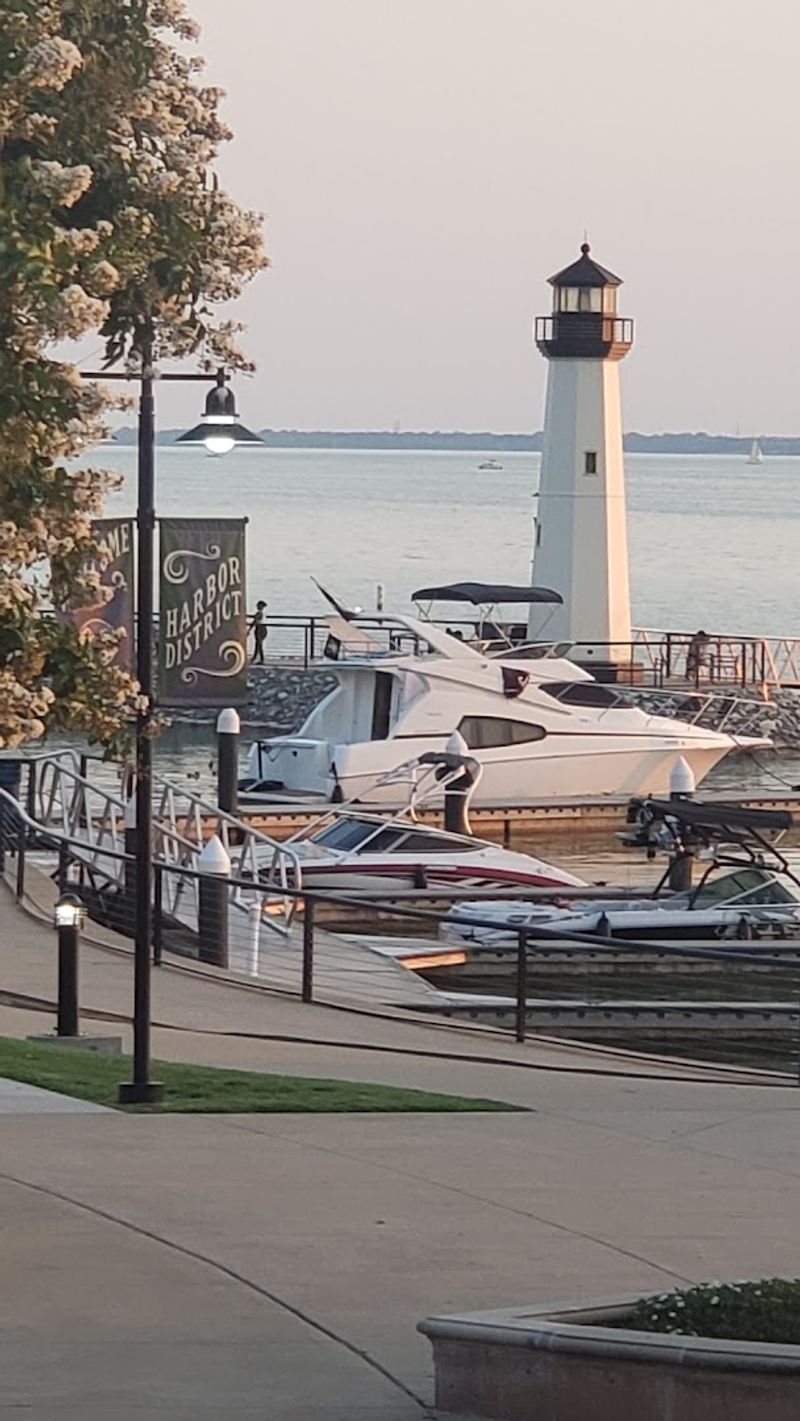
Rockwall has a geography problem that is also its greatest selling point. Sitting just east of Dallas along the shores of Lake Ray Hubbard, it is close enough to the city that thousands of DFW residents treat it as a casual weekend destination rather than a real trip.
That accessibility has consequences that show up clearly every summer.
The harbor area along the lake has been developed significantly in recent years. Shops, restaurants, and entertainment venues have turned what was once a quieter waterfront into something that resembles a small urban entertainment district.
On weekends it hums with activity, and the parking situation around the harbor tests the patience of anyone arriving after 10 in the morning.
Lake Ray Hubbard itself is a large reservoir, and there is plenty of water to spread out across if you have a boat. The problem is that a lot of other people have the same idea on the same days.
Jet skis, fishing boats, and pontoon cruisers all compete for space on a lake that was not originally designed with modern recreational demand in mind.
The city of Rockwall has genuine appeal beyond the water. The downtown area has some character, and the surrounding Blackland Prairie landscape offers a different kind of Texas scenery than the Hill Country draws you toward.
It is flatter and quieter in its own way, with wide skies and open views that feel grounding.
Weekday visits to Rockwall are a completely different experience from the weekend crush. The harbor empties out considerably, the lake opens up, and you can actually enjoy the waterfront without navigating a crowd.
For anyone living in the Dallas area, the temptation to pop over on a Saturday is understandable, but adjusting your schedule even slightly changes the whole dynamic. Rockwall is a good spot that just happens to be loved by far too many people at exactly the same time.
