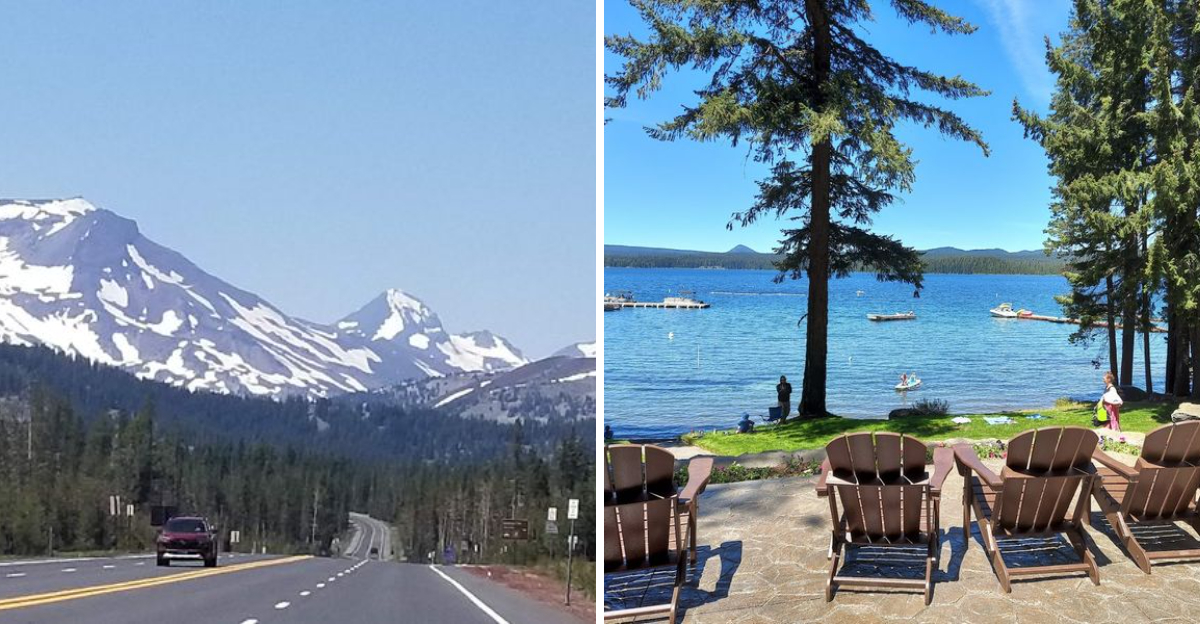
The road took its time melting out but now it is finally welcoming drivers again. A scenic byway with more lakes than anyone can count on their fingers easily.
Packing a picnic feels essential because every Oregon view deserves a little snack break. I threw a blanket and some sandwiches into the backseat before heading out early.
The first lake appeared around a corner and my jaw dropped open immediately afterwards. Crystal clear water reflecting mountains that look close enough to touch but are miles away.
Another lake showed up and then another like Oregon nature showing off in the best way. I found a quiet spot with no other cars and spread out my blanket peacefully.
The drive takes a few hours but stopping makes it last all day long easily. Windows down and music playing feels like the definition of a perfect Oregon summer afternoon.
The Reopening of Cascade Lakes Scenic Byway
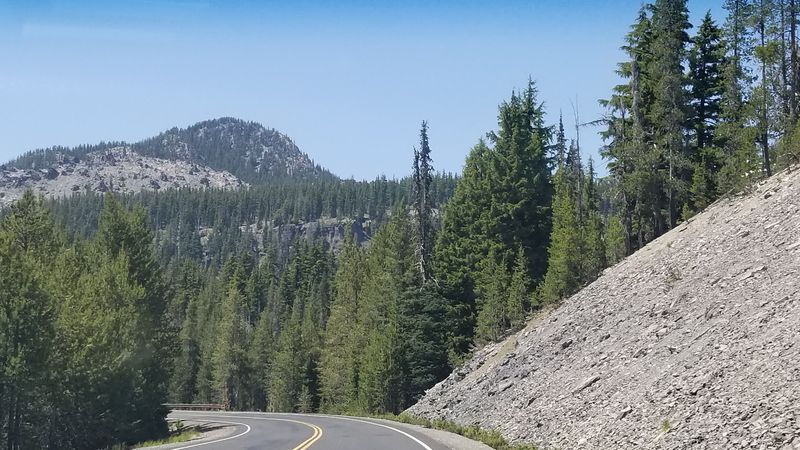
Every spring, drivers across Oregon start checking the road status like it is breaking news. The Cascade Lakes Scenic Byway, also known as Forest Route 46, reopens when snowpack clears enough to make the high-elevation road safe.
That moment is genuinely exciting for anyone who loves the outdoors.
The byway stretches 66 miles west of Bend, Oregon. It connects a series of lakes, reservoirs, and trailheads along the eastern flank of the Cascades.
The road typically reopens in late spring, though exact dates shift based on winter snowfall.
Checking current conditions through the Deschutes National Forest website before you go is always a smart move. Once it opens, the rush is real.
Locals and visitors alike pour in to claim the best picnic spots and trailhead parking. Getting there early in the day makes a big difference.
The byway rewards the early risers with quiet roads and golden morning light.
Mount Bachelor: The Volcanic Giant That Sets the Stage
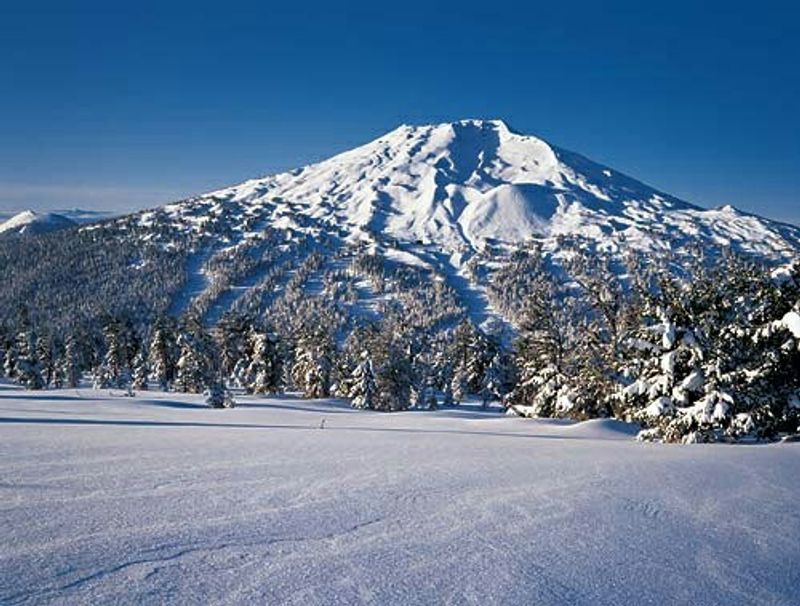
Nothing quite prepares you for the first clear view of Mount Bachelor rising above the tree line. It stands at 9,065 feet and dominates the early stretch of the byway.
The mountain feels close enough to touch, even from the car window.
Mount Bachelor is a shield volcano, which gives it that wide, rounded profile you notice right away. During winter it operates as a major ski resort.
In spring and summer, it transforms into a hiking and sightseeing destination with a completely different energy.
The Summit Express chairlift sometimes operates into early summer, offering non-skiers a ride to stunning views. I stopped at a pullout near the base and just stared for a few minutes.
The scale of it is hard to process in person. Snow still clings to the upper slopes well into June, creating that dramatic contrast against the blue sky.
It is genuinely one of the most photogenic spots along the entire route.
Sparks Lake: The Perfect Picnic Destination
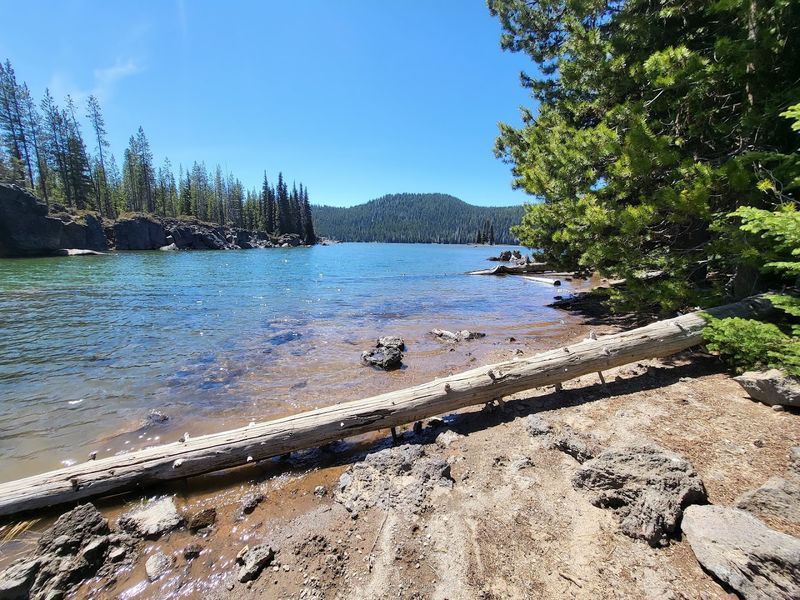
Sparks Lake has a reputation, and it absolutely lives up to it. The shallow, reed-lined lake sits at 5,422 feet and offers one of the most iconic reflections of South Sister in all of Oregon.
Photographers camp here overnight just to catch the sunrise.
There is a picnic area near the boat launch that feels tailor-made for a lazy afternoon. Spread out a blanket, unpack your sandwiches, and watch the clouds drift over the volcanic peaks.
The silence here is the kind that actually relaxes your shoulders.
Kayaking and canoeing are popular on the lake since motorized boats are not allowed. The water stays calm most mornings, making paddling feel almost meditative.
Wildflowers bloom along the shoreline in early summer, adding splashes of purple and yellow to the landscape. Bringing bug spray is a genuinely good idea here.
The mosquitoes near the reeds can be persistent, especially in June. Still, no amount of bugs would keep me from coming back to this lake.
Devils Lake: Small, Striking, and Surprisingly Accessible
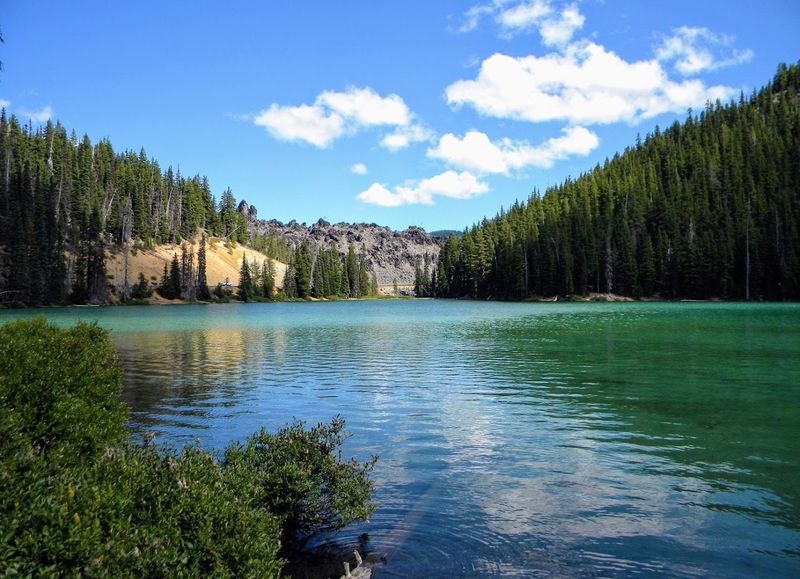
Devils Lake punches well above its size. It is a small, vividly green lake tucked just off the byway, and it catches you off guard with how striking it looks.
The color comes from its depth and clarity, not any trick of the light.
The parking area sits right off the road, making this one of the easiest stops on the entire byway. Families with young kids tend to love it here because the access is simple and the scenery is immediate.
No long hike required to reach something beautiful.
A short trail loops around part of the lake and connects to the South Sister trailhead, which is one of the most popular hikes in Central Oregon. Even if you are not planning a big summit attempt, walking the flat section near the water feels rewarding.
The volcanic rock formations around the shoreline add a rugged, almost otherworldly texture to the scene. It is a genuinely underrated stop that many drivers skip because it looks small on the map.
Elk Lake: A Hub of Summer Activity
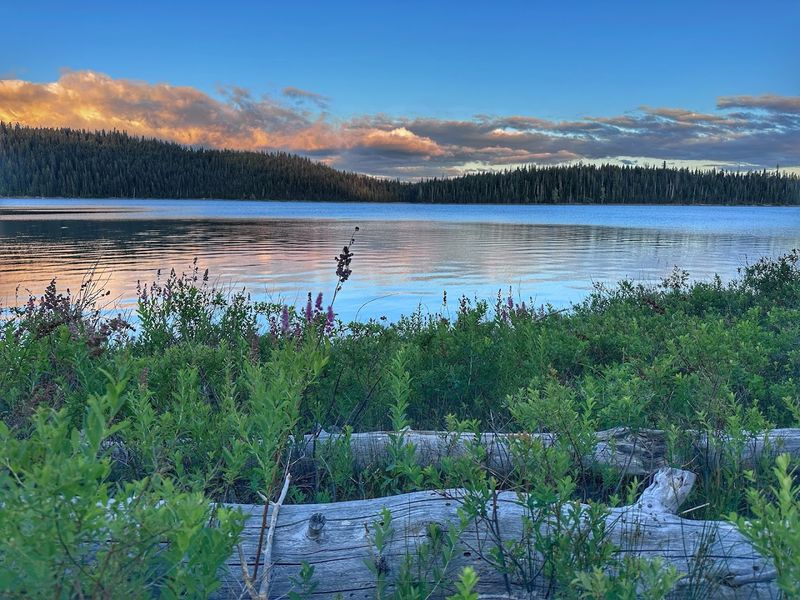
Elk Lake has a different energy compared to the quieter spots earlier on the byway. It buzzes with activity all summer long.
Sailboats, kayaks, and paddleboards dot the water on most afternoons.
The Elk Lake Resort sits right on the shore and offers cabin rentals, a small store, and a restaurant. It is one of the few spots along the byway where you can actually grab a meal without driving back to Bend.
The resort has been a gathering spot for outdoor lovers for decades.
Sandy beach areas make this lake especially popular with families. Kids build sandcastles while parents watch the wind fill sails out on the water.
The lake is large enough to feel open and breezy, which is a welcome change from the dense forest sections of the drive. Fishing is also popular here, with kokanee salmon and rainbow trout among the common catches.
Arriving before noon on weekends helps you snag a good parking spot near the beach. It fills up fast on sunny days.
Hosmer Lake: A Fly-Fishing Favorite
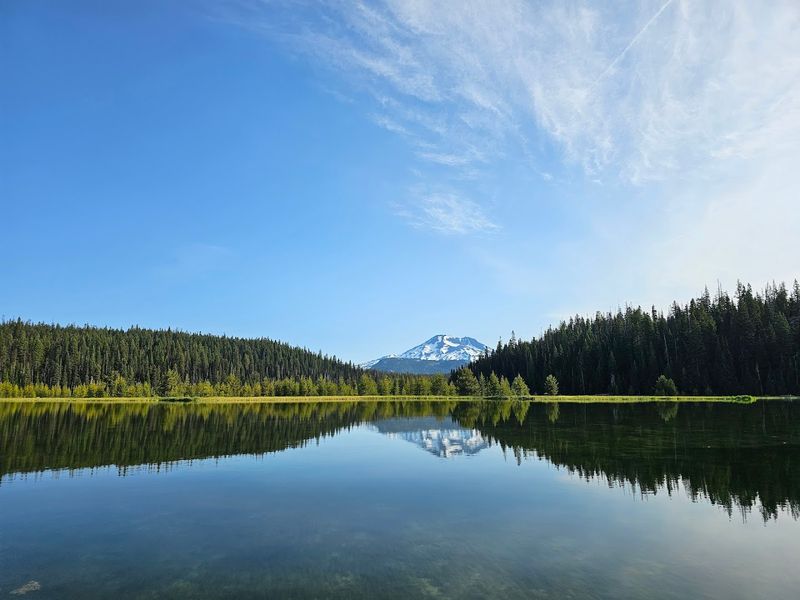
Hosmer Lake operates by its own set of rules, and serious anglers love it for exactly that reason. The lake is designated as a fly-fishing-only water, which keeps the atmosphere unusually calm and focused.
No spinning rods, no bait. Just patience and precision.
The lake is stocked with Atlantic salmon and brook trout, which is unusual for Oregon. Catching and releasing is required for the Atlantic salmon, which helps maintain the population.
The fly-fishing community treats this place with a lot of respect.
Even if fishing is not your thing, Hosmer is worth a stop. The shallow, clear water lets you see the fish moving below the surface, which is mesmerizing in its own right.
Canoes work well here because the lake is calm and relatively protected from wind. The surrounding meadows bloom with wildflowers through early summer.
I sat at the edge of the water for almost an hour once, doing absolutely nothing productive, and it was one of the better decisions I made on that trip.
Cultus Lake: Warm Water and Wide Open Space
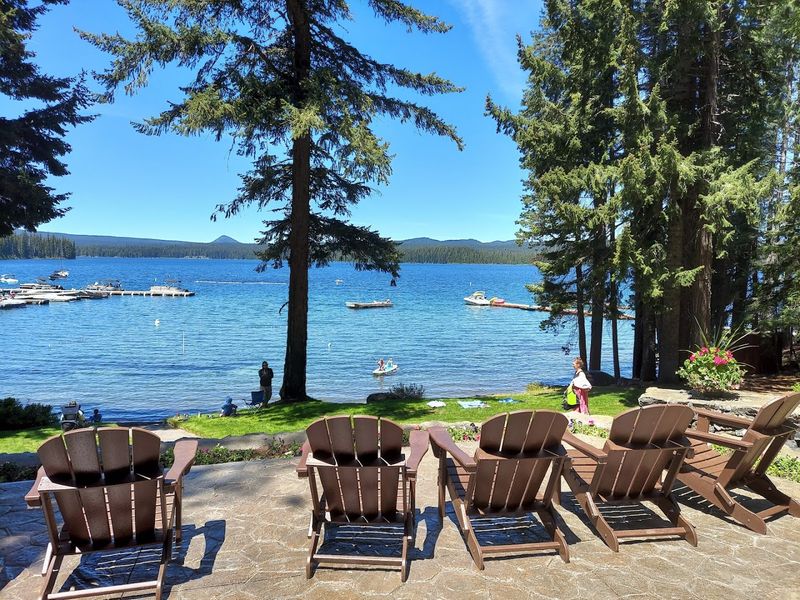
Cultus Lake is where the byway gets a little louder and a lot more fun. This is the lake that allows motorized watercraft, and the difference in energy is immediately noticeable.
Speedboats and water skiers create a lively scene that feels like a classic summer vacation.
The water at Cultus warms up more than most high-elevation lakes in the area. That makes swimming genuinely comfortable by midsummer, which is not something you can say about every lake on the byway.
Kids absolutely love it here.
Cultus Lake Resort offers boat rentals, camping, and cabin accommodations. The campgrounds fill up quickly on holiday weekends, so booking ahead is essential if you plan to stay overnight.
Day visitors can still enjoy the beach and picnic areas without a reservation. The sandy shoreline stretches along a good portion of the lake’s edge.
Watching a water skier wipe out while eating a sandwich from your picnic basket is a surprisingly entertaining way to spend an afternoon. This lake has a genuinely festive atmosphere.
Crane Prairie Reservoir: Wildlife Watching at Its Best
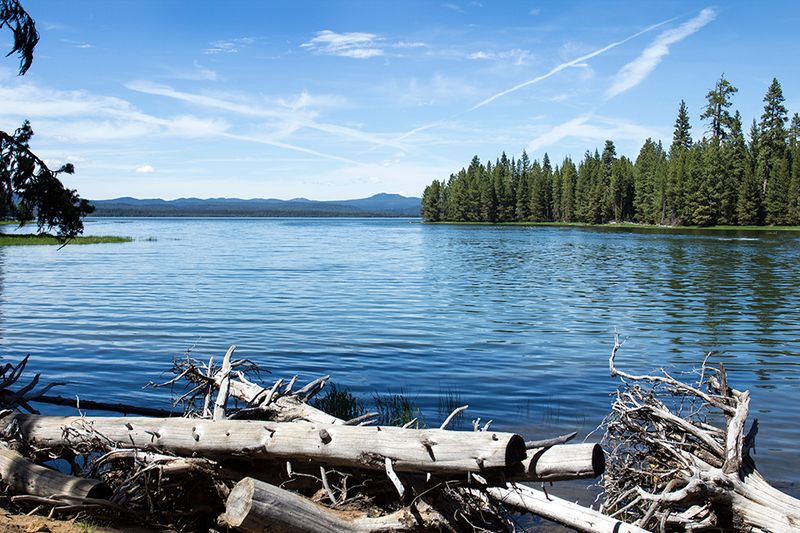
Crane Prairie Reservoir is not your typical postcard lake. It has a wild, almost prehistoric look thanks to the thousands of dead tree snags rising from the water.
They were left behind when the reservoir was created, and now they serve as nesting platforms for osprey and bald eagles.
The birdwatching here is legitimately impressive. Osprey are almost guaranteed sightings during the nesting season.
Bald eagles patrol the shoreline regularly, and great blue herons stand motionless in the shallows waiting for fish.
Largemouth bass fishing is extremely popular at Crane Prairie. The reservoir has a strong reputation among bass anglers throughout the Pacific Northwest.
Kayaking through the snags feels like paddling through a flooded ghost forest, which sounds eerie but is actually fascinating. The reflections on calm mornings are extraordinary.
Binoculars are worth bringing for the wildlife viewing. I spotted three osprey nests visible from a single shoreline pullout, each with chicks visible during late spring visits.
It is one of those places that rewards slowing down and paying attention.
Wickiup Reservoir: The Quiet End of the Byway
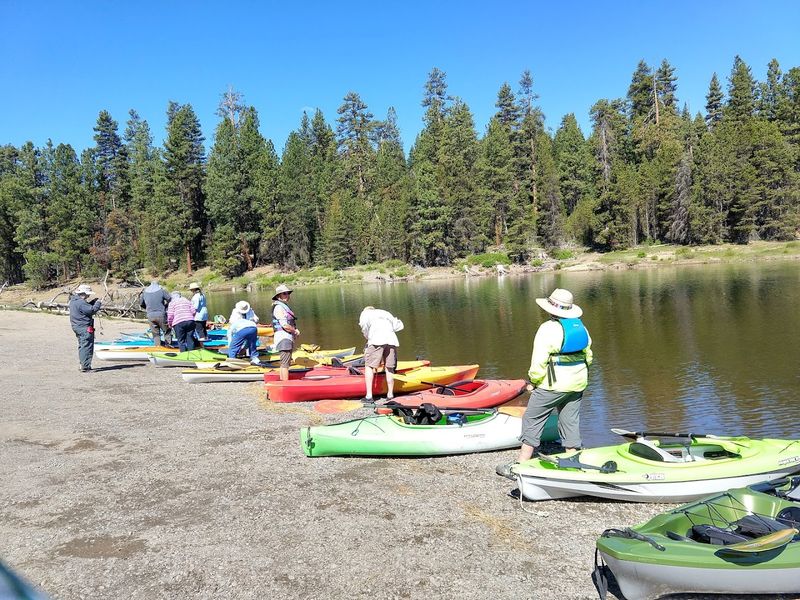
Wickiup Reservoir sits near the southern end of the byway and feels like a different world from the busier lakes up north. It is one of the largest reservoirs in Oregon, yet it never feels crowded.
The sheer size of it absorbs visitors easily.
Brown trout fishing is the main draw at Wickiup. The reservoir has produced some trophy-sized fish over the years, and dedicated anglers return season after season hoping to land a big one.
Boat ramps provide easy water access.
The surrounding landscape feels more open and high desert than the forested sections earlier on the route. Sagebrush and juniper appear alongside the pines as you head south.
That shift in vegetation is a subtle reminder of how much terrain this byway actually crosses. Camping at Wickiup feels genuinely remote.
The nights are dark and the stars are extraordinary because light pollution is minimal this far from Bend. Ending a byway road trip here feels satisfying, like the road itself has been telling a story that wraps up quietly at the water’s edge.
Planning Your Cascade Lakes Byway Picnic Day Trip
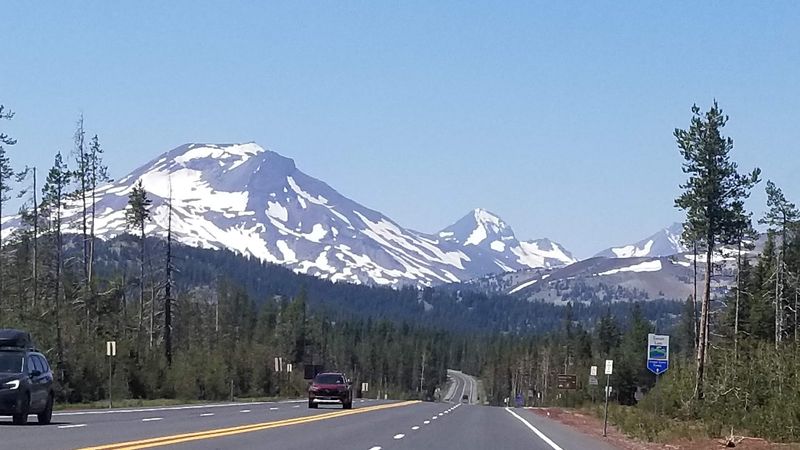
A well-planned picnic can turn a good drive into a genuinely memorable day. The byway offers so many spots that choosing just one feels almost impossible.
Sparks Lake and Elk Lake both have dedicated picnic areas with tables and basic facilities.
Packing a cooler with sandwiches, fruit, and cold drinks is the practical move. There are no grocery stores along the 66-mile route, so bringing everything from Bend beforehand is necessary.
Sunscreen and layers are both worth including since mountain weather shifts quickly.
Stopping at multiple lakes rather than committing to just one gives the day a natural rhythm. Drive a bit, stop, eat, explore, and drive again.
That loose structure suits the byway perfectly. Pets are welcome at many of the recreation sites, though keeping dogs leashed protects wildlife in the area.
Cell service is limited or nonexistent along much of the route. Downloading an offline map before leaving Bend is a smart habit.
The byway begins just west of Bend on Century Drive, making it an easy departure from town.
