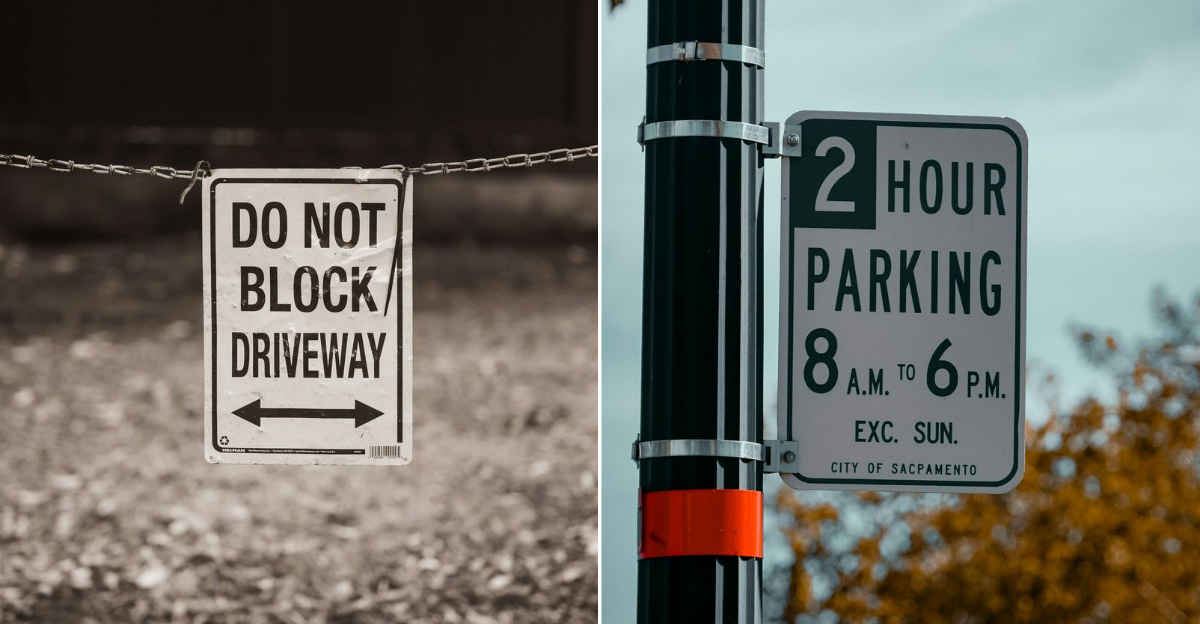
Ever parked your car on vacation and thought, “I’m fine, no one’s going to ticket me”? That’s the mistake a lot of tourists make in Upstate New York.
The rules here aren’t always obvious, and visitors often miss the small details that locals already know to watch out for.
There are signs you didn’t notice, seasonal restrictions, and town-specific quirks that can catch you off guard.
One minute you’re enjoying a stroll through a historic district, and the next you’re staring at a bright orange slip on your windshield.
I’ve seen it happen plenty of times, and honestly, it’s frustrating because most of these fines could be avoided with just a little extra attention.
Locals warn about these things all the time, but tourists usually don’t realize until it’s too late. So what are the parking rules that trip up visitors the most in Upstate New York?
Let’s go through the 12 fines that sneak up on people.
1. “No Parking Anytime” Zones
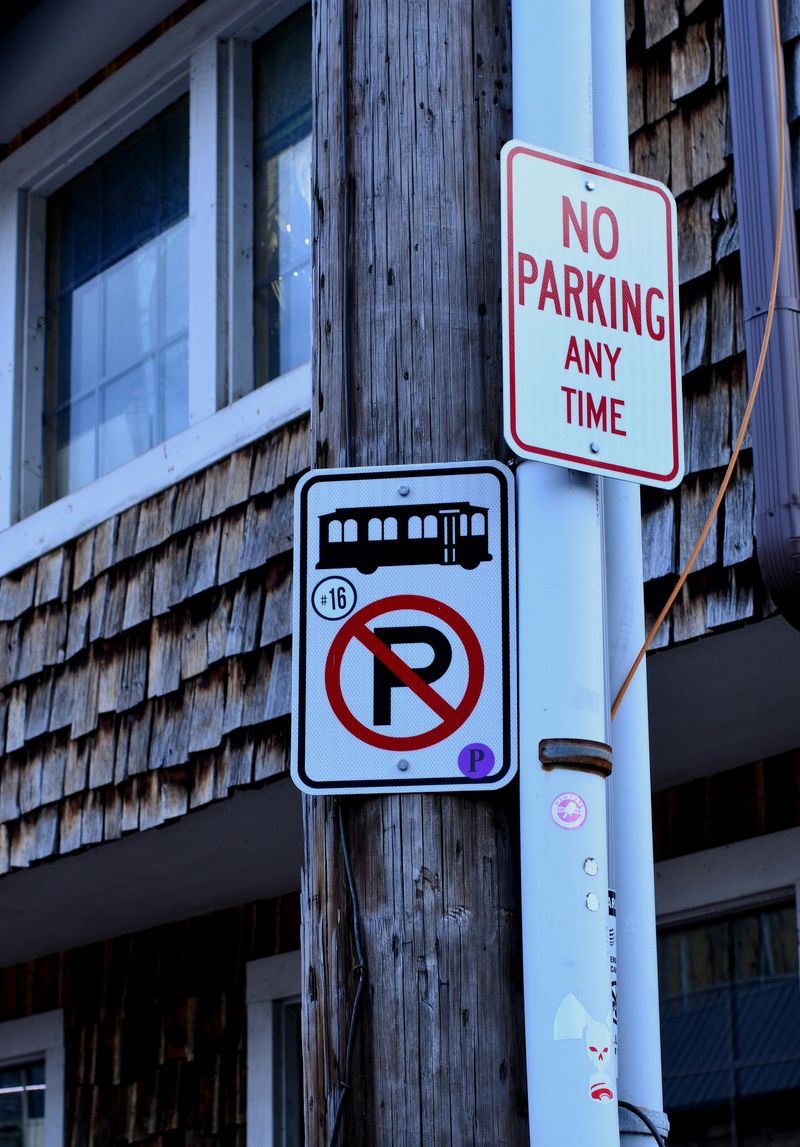
This one sneaks up when a street looks sleepy and wide open.
You see a crisp red and white sign that says “No Parking Anytime”, think it only matters during rush hour, and slide in anyway.
Upstate cities like Syracuse, Rochester, and Albany enforce these zones day and night, even when the block feels empty.
The safest move is to trace the pole top to bottom and read every arrow. If a sign points both ways, the whole stretch is off limits, even for a quick photo stop.
Some blocks repeat the sign only at the corners, so a gap can trick you into thinking it is fine.
I treat these signs like a hard line. If I am unsure, I drive until I find a meter, a pay station, or a regular curb with no red lettering.
You will save time by skipping the debate and grabbing a legit space a short walk away.
Look for paint clues too. Fresh yellow at a curb or a bright new pole usually means active enforcement.
It is not personal, it is predictable, and following the posted words keeps your trip light and stress free.
2. Alternate Side Snow Rules
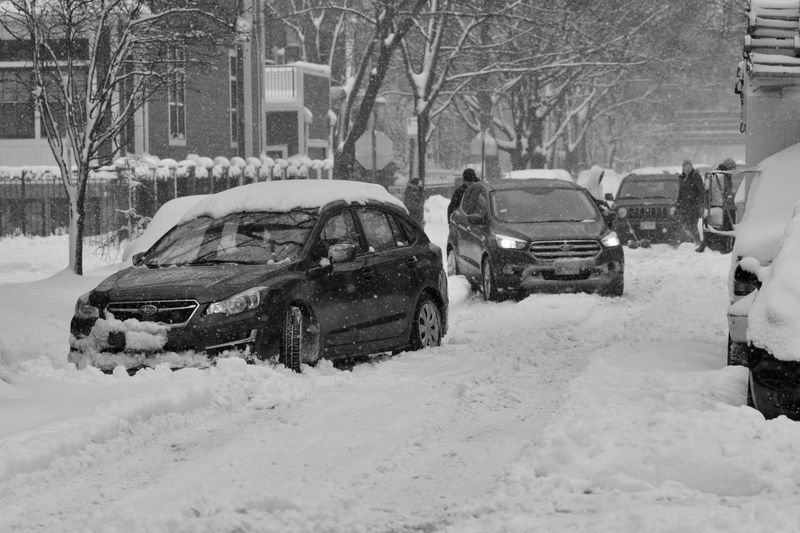
Snow rules can sting even on a sunny day. Many upstate towns switch sides for parking to clear streets, and those schedules stick whether flakes are falling or not.
The sign might list days and hours, and if your car is on the wrong side during that window, expect a ticket.
I learned to check both ends of the block. Sometimes the rule flips at mid block, and the arrow decides which side is legal.
If you park overnight, set a reminder to move the car before the posted sweep time so you do not wake up to a surprise.
Buffalo and Utica post clear instructions, but the poles can blend into snowbanks or trees. When the wind kicks up off the lake, crews need that access fast.
Staying ahead of the schedule is kinder on your morning and your budget.
Here is my move: snap a photo of the sign, add a phone alarm with the hours, then relax. That tiny habit keeps the trip smooth while everyone else is shoveling around a booted car.
3. Meter Enforcement Beyond Business Hours
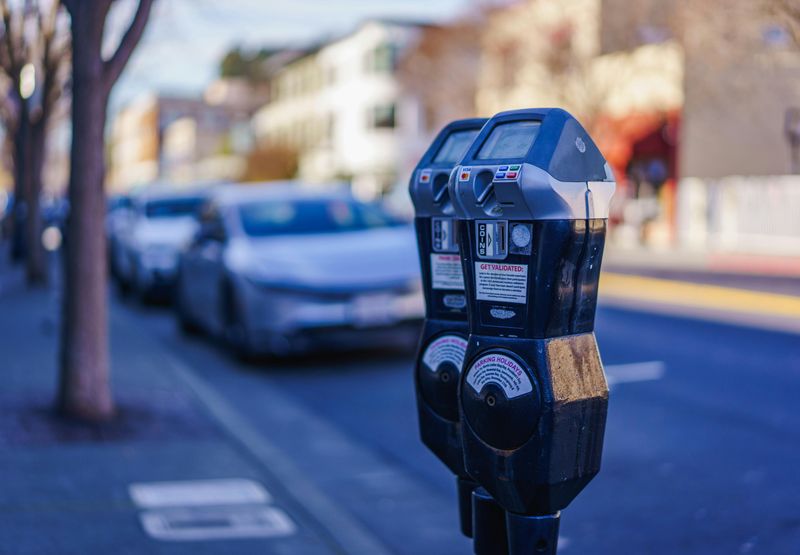
Meters staying active late can feel sneaky, but it is common upstate.
Cities like Rochester, Schenectady, and Saratoga Springs keep meters running into the evening, and sometimes on Sundays.
Tourists bet on free nights and return to a blinking citation tucked under the blade.
I read the little window or sticker right away. If it lists hours past dinner, I pay or use an app and roll on with my plans.
When I am unsure, I find a pay station for the block and check the zone rules, since they can differ from the meter face.
After dark, enforcement still circulates near busy restaurant rows and venues. It makes sense because turnover matters when crowds arrive for shows.
A couple coins or taps feels easier than hunting customer parking promises that may not cover the street.
If you see meters hooded or bagged, you are safe for that stretch. If not, assume active and keep the receipt.
Snapping a quick photo of the meter screen with the time helps if you need to remember when to top up.
4. Resident Permit Only Streets
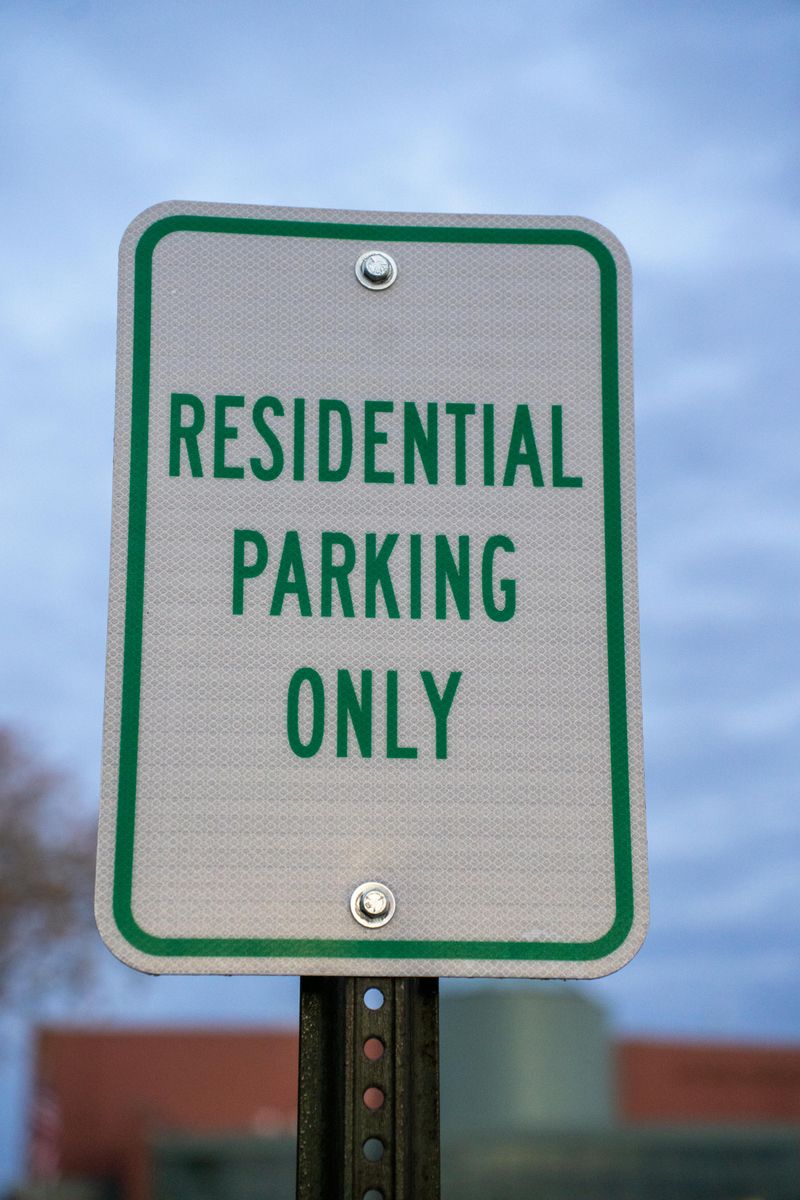
College town neighborhoods can be tricky.
Streets near campuses in Ithaca and Albany often read “Resident Permit Parking Only”, and the signs are smaller than you expect.
If you miss that first pole, the rest of the curb looks normal and friendly until a fine appears.
My rule is to pause before committing to a tight neighborhood space. Walk a few steps and scan for the permit icon or zone letter.
If there is a visitor pass process, it will be posted or handled by a nearby office, not on the street.
Game days and move in weeks tighten enforcement. Locals need access, and the city backs them up with regular patrols.
If the curb feels too easy, it probably belongs to residents who fought for that rule.
I usually head to a municipal lot and take a stroll. You get a calmer exit, and you are not peeking out of a café every few minutes.
That little trade keeps the day light and avoids awkward knocks on the window.
5. Loading And Unloading Zones
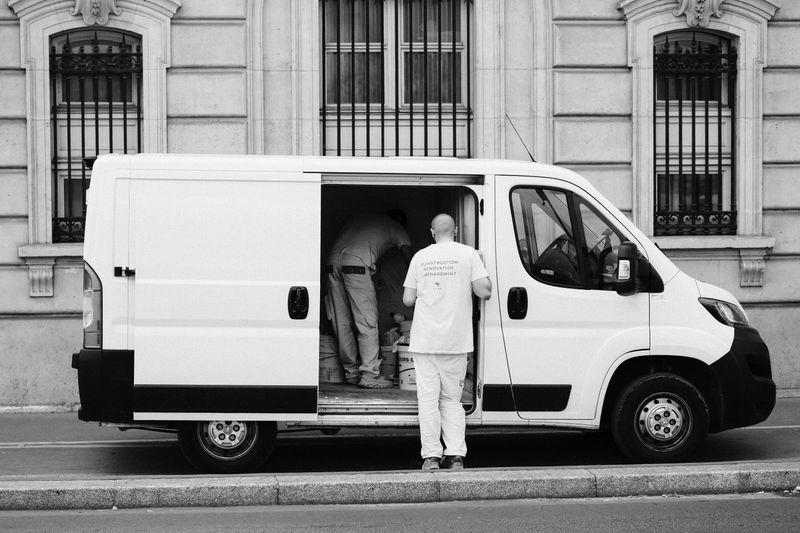
Those yellow curbs marked “Loading Only” look tempting when you are just dropping a bag. Places like Lake George Village and Cooperstown treat them seriously.
If you idle too long or leave the car, enforcement reads it as parking and writes it up.
I think of these spots like live lanes for deliveries. The whole point is to keep short moves moving, not to babysit an errand or a photo moment.
When you need time, pull into a lot and breathe easier.
Some zones allow a brief stop if the driver stays behind the wheel, others do not.
The only safe way is to read the exact wording on that block and keep the engine ready to roll if a truck needs the space.
On festival days and busy weekends, officers monitor curbs near the historic strips. You can feel the flow snap shut if cars linger.
Give the lane back quickly, and you will be back on the sidewalk without a ticket shadowing your afternoon.
6. Fire Hydrant Buffer Zones
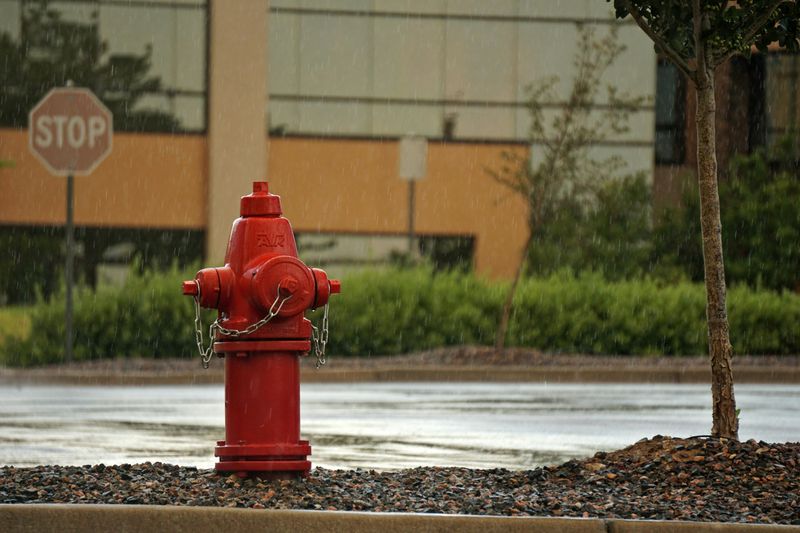
Hydrants are non-negotiable. New York State requires a wide buffer around them, and squeezing closer to make space is a quick way to meet a fine.
The logic is simple because crews need direct access without door dings or tight angles.
When a street is crowded, that bright hydrant can fade into the background. I count off car lengths, and if I feel unsure, I give it even more space.
It is better to walk a little than to stand staring at a ticket wondering how close is too close.
Night parking makes this harder. Shadows hide the gap, and snow piles can confuse the sightline.
I use a streetlight check and line the bumper with a tree or pole set well beyond the hydrant to stay safe.
Think of the buffer like a promise you keep to the block.
It respects safety and keeps your trip drama free. The ticket amounts hurt, but the real win is knowing first responders can glide in when moments matter.
7. Blocking Driveways And Alleys
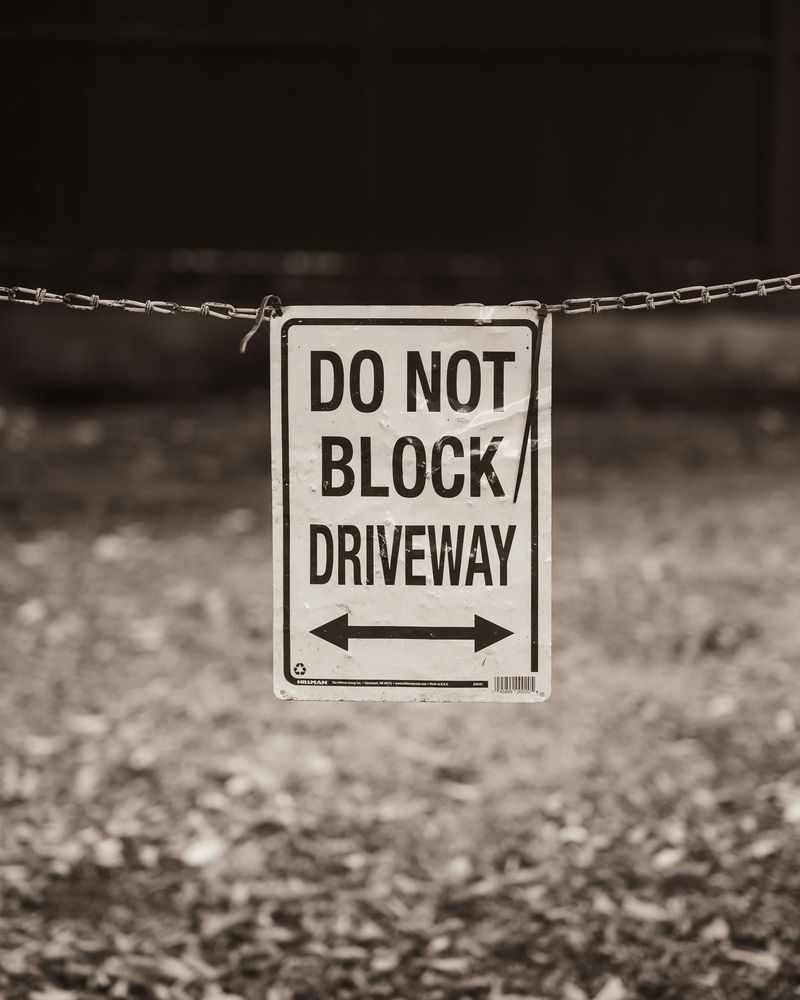
Driveways and alleys look harmless when the door is closed and nobody is coming.
Cities like Binghamton and Troy read any obstruction as a violation, even if your bumper only noses into the apron. A tow can happen faster than you would expect.
I picture the property owner trying to swing out with a full turn. If my car lines up with their angle, I move.
Half blocking still counts as blocking, and the curb cut is the real boundary, not where the fence begins.
Alleys need the same respect because delivery vans and service trucks rely on them. You might hear nothing for an hour, then suddenly it is a stream of vehicles.
Avoid the debate and keep a full car length clear.
When in doubt, use landmarks. If a driveway has fresh paint, reflective posts, or a steep dip, give it extra room.
That tiny shift makes you a better neighbor for an afternoon and keeps your plate off the tow list.
8. Parking In Reserved Handicap Spaces
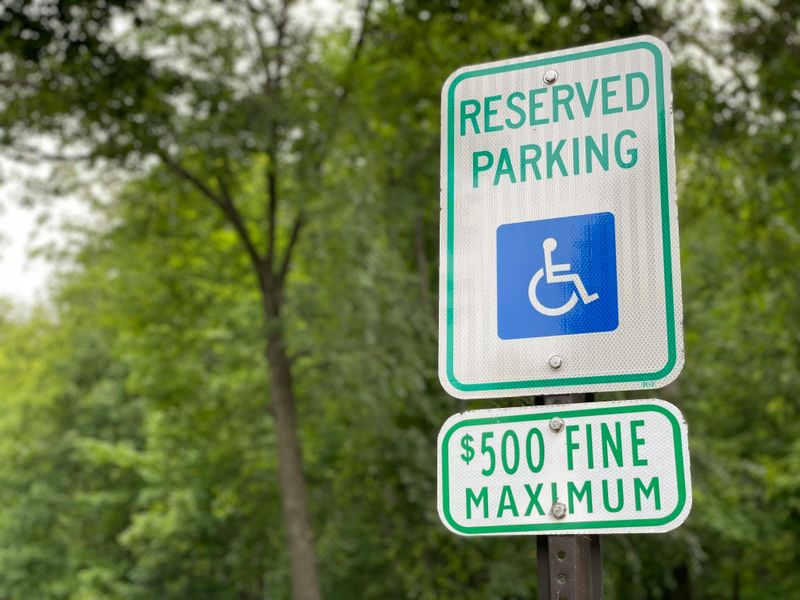
Blue spaces mean authorized use only, no matter how quick the errand. Cities like Jamestown and Watertown protect these spots with strict enforcement.
The intent is access and dignity, so officers act when plates or permits are missing.
I never risk a short stop here. If the sign includes a fine warning, consider it a reminder, not a negotiation.
I think the safest move is to find a regular stall or a public lot and keep things respectful and simple.
Be careful with the hang tag too.
It needs to be visible and valid, not tucked in a glove box or flipped backward. If a friend is driving, the permit still must match the person who needs it, not the car.
These spaces sit near ramps and smooth paths for a reason. Leaving them open keeps the day workable for someone who depends on that design.
Park right elsewhere, and you will feel good walking back to the car later.
9. Parking On State Highways
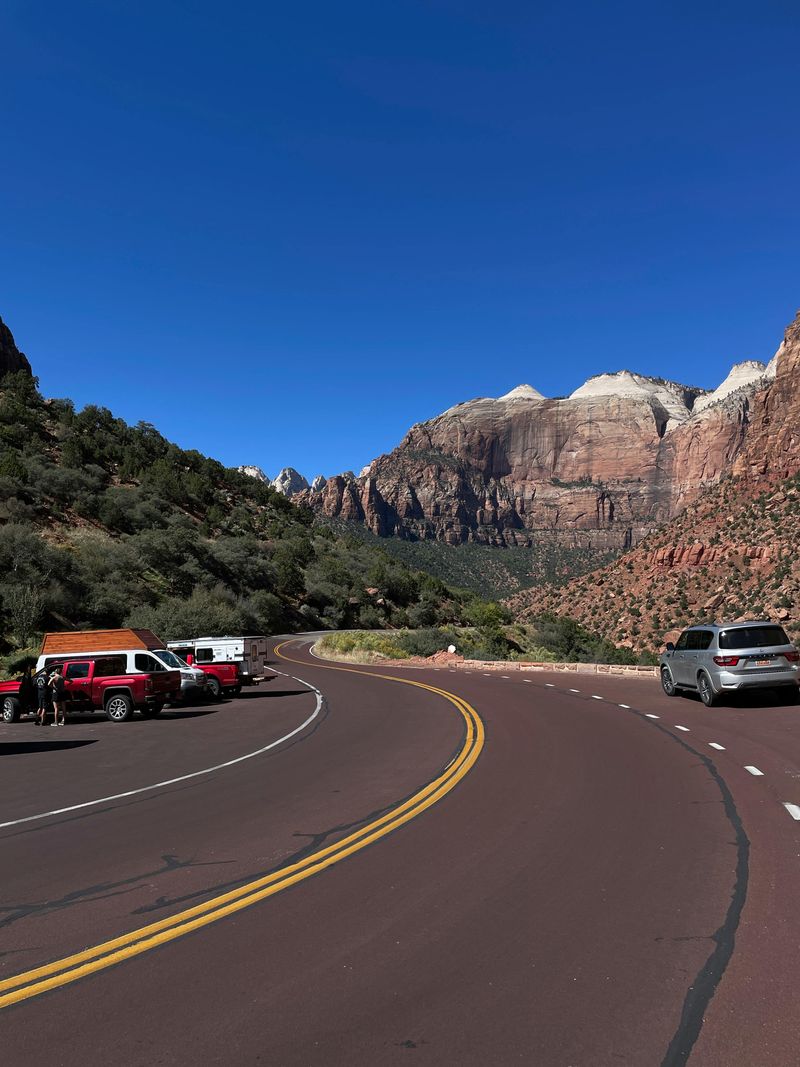
Scenic views tempt you to pull over, especially near Skaneateles or Aurora.
Many of those pretty shoulders sit on State Highways with no parking rules that look like regular travel signs.
If you stop in the paved lane or a tight gravel strip, you can still be cited.
I look for official pull offs with signage and room to merge back safely. If the shoulder feels narrow, I keep driving until a marked turnout appears.
The camera shot can wait a minute, and it is far nicer than scanning the mirror for flashing lights.
Breakdown lanes are not for sightseeing. They exist for emergencies and quick safety stops.
Treating them like a viewpoint blocks help for someone who really needs that space.
When the water or hills call your name, plan a loop using park lots or village parking. You get the same view with less noise and no stress.
It is the kind of small choice that keeps a trip easy and unhurried.
10. Time Limits In Tourist Districts
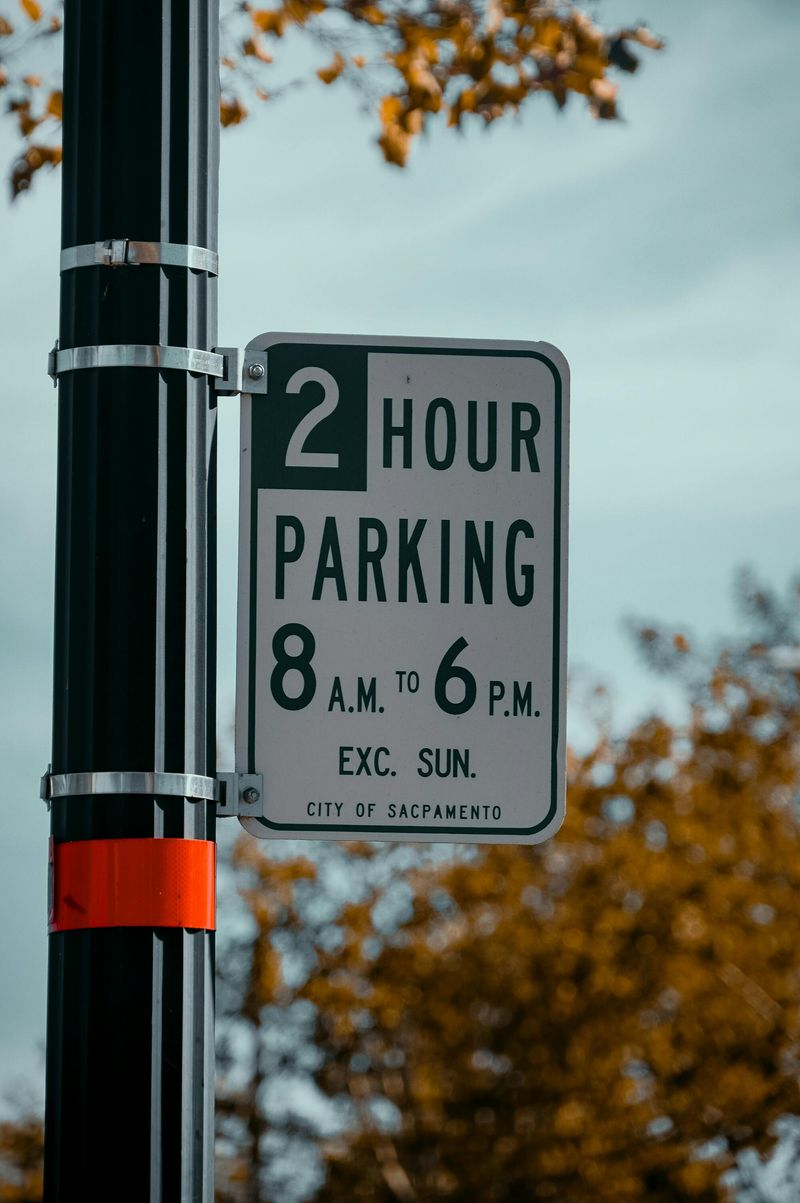
Short time limits keep lakefront and historic areas moving.
Spots in places like Geneva and Clifton Park can be two hours or less, and officers walk those loops steadily.
If you stretch a long lunch into a stroll, the clock keeps ticking.
You can set a timer the minute you lock the door. If you want to linger, shift the car to a lot with longer stays and feel relaxed.
Reading the arrow and the exact minutes matters because the rule can change from one side of the street to the other.
Holidays bring more eyes on the curb, not fewer. Crowds love these districts, and turnover keeps frustration down.
That means enforcement usually tightens instead of loosens when events pop up.
A simple plan works best. Park, enjoy, then move before the buzzer.
Your afternoon flows better when the only surprise is a pretty view, not a paper slip waving at you.
11. Parking Against Traffic
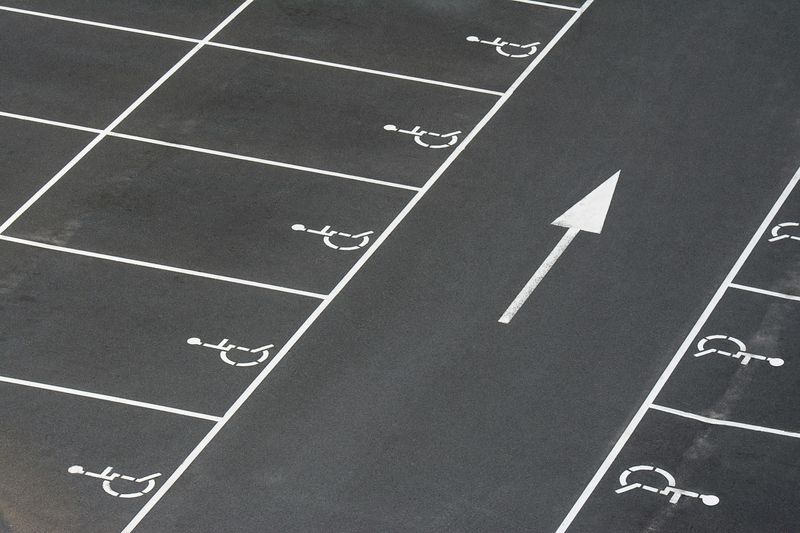
Facing the wrong way looks harmless on a quiet block. Here, you are expected to park with the flow, and older town centers like Elmira and Olean care about it.
Officers write this one often because it keeps turns and night visibility clean.
I suggest double checking the way cars face before sliding into a gap. If every bumper points the same direction, join that pattern.
You will avoid a fine and the awkward three point shuffle when traffic shows up out of nowhere.
After dark, headlights make a wrong way car feel like an obstacle. It is harder for other drivers to read your move and for sweepers to pass.
Flip the approach and park on the correct side instead of cutting across at the last second.
When a street is one way, the rule is even simpler. Follow the arrows, keep your wheels aligned with traffic, and call it done.
That tiny habit becomes second nature after one day on the road.
12. Overnight Parking Bans
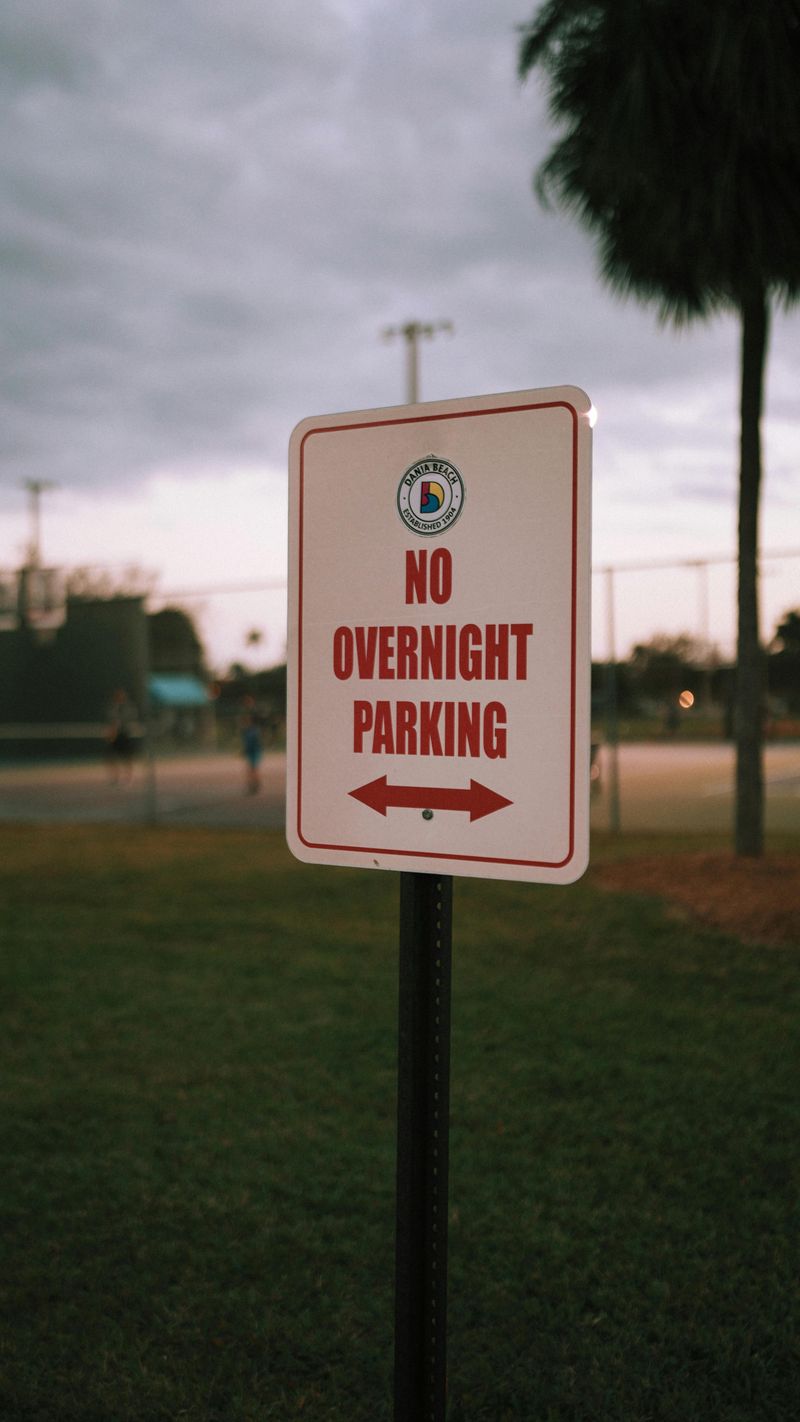
Overnight bans catch tired travelers. Some downtowns in Lake Placid and Canandaigua restrict parking from late night into early morning for snow removal or events.
The window might be small, but the enforcement is steady because crews need a clear path.
I scan the first pole on the block for any overnight language. If I see it, I move to a lot that allows overnight stays and sleep easy.
Waking to a tow on a crisp morning is not a memory you want tied to a great trip.
In winter, this rule keeps plows moving without tight slaloms around parked cars. In warmer months, it clears streets for street sweepers and setup teams.
Either way, your car becomes a problem if it sits through the posted hours.
Simple plan here: read, relocate, and relax. You will thank yourself when you step out to quiet streets and fresh tracks, not a citation fluttering in the breeze.
Dear Reader: This page may contain affiliate links which may earn a commission if you click through and make a purchase. Our independent journalism is not influenced by any advertiser or commercial initiative unless it is clearly marked as sponsored content. As travel products change, please be sure to reconfirm all details and stay up to date with current events to ensure a safe and successful trip.
