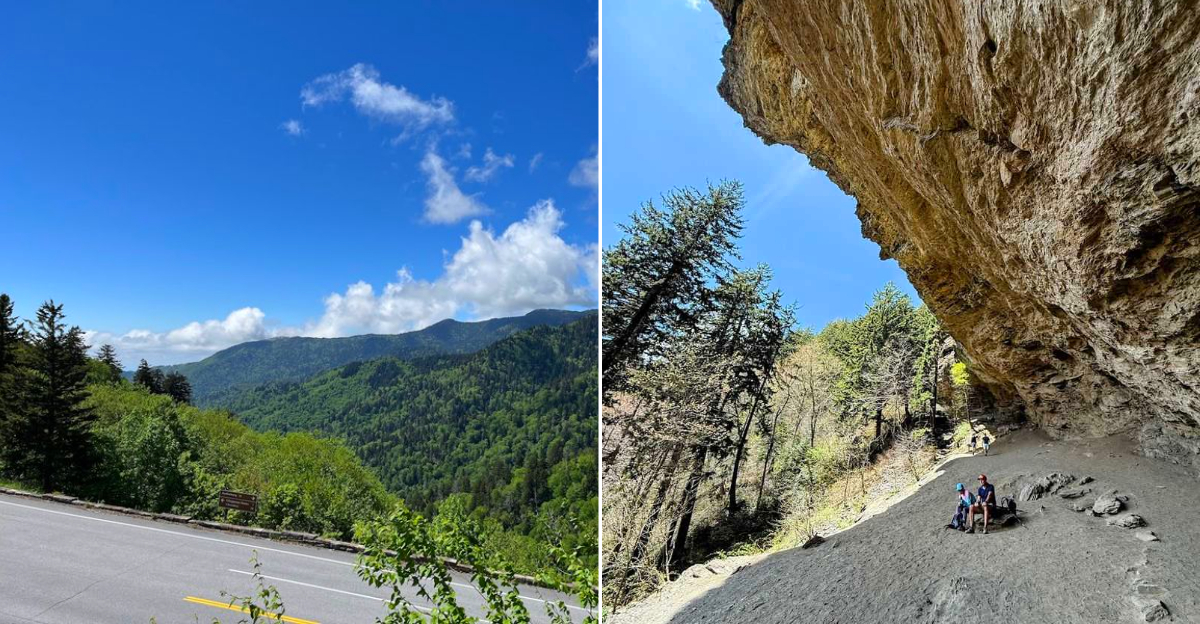
Remember when a Smoky Mountain stop meant pulling in, stretching your legs, and moving on with zero paperwork? In Tennessee’s Smokies, parking tags changed that effortless vibe fast, because even quick pull-offs and short trail stops can now come with the extra step of making sure you are covered.
It sounds small, but it changes the rhythm of the day. Instead of spontaneous detours, you are checking rules, watching time, and hoping you did not miss a sign while you were focused on the view.
For visitors, it can feel like a surprise tax on simplicity. For locals, it can feel like one more layer of management on places that used to be easy default plans.
The scenery is still incredible. Waterfalls still roar, overlooks still deliver, and the forest still does that calming thing the Smokies do best.
But the new tag system means the most effortless stops now require a tiny bit of planning. This list covers the Smoky Mountain places where that shift is most noticeable, and how to keep your day smooth without letting parking rules steal the fun.
1. Cades Cove Loop And Trail Parking Areas
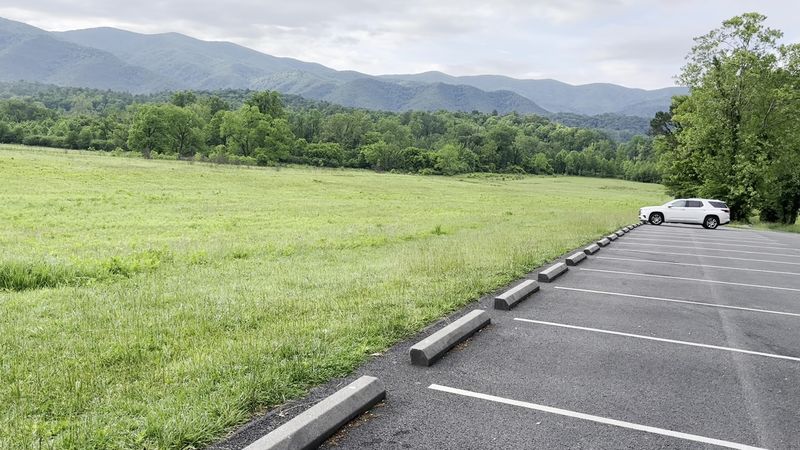
You know that slow roll where the fields open up and deer look like they booked the place? Cades Cove still has that magic, but the parking tag shifted how casual it feels, especially near trail pull-offs and the big stops.
Now you think about timing, about whether you commit to a loop, or you peel into a trailhead lot and hope the tag on your dash buys you some breathing room.
The rhythm here is patience backed by a plan, because every overlook whispers stop for a photo, and the lots near the churches and Cable Mill tease quick jumps out. It used to be a glide and go, but the tag means you are choosing your moments with clearer intent.
I watch for staggered traffic spaces and give myself a window so the hiking spur does not pinch the rest of the day.
Want the trails off the loop without stress? I aim earlier and carry a backup route, then I treat the loop like chapters instead of a sprint.
Tennessee mornings help, because light and wildlife make even a slow crawl feel like a show, and the tag just proves I belong for the hour that matters.
When a lot is full, I keep rolling to the next pull-off rather than circling. The Cove rewards patience with quieter pockets and gentler parking flows.
You still get bear stories, photogenic cabins, and big sky fields, just with a little more choreography than before.
2. Sugarlands Visitor Center Area
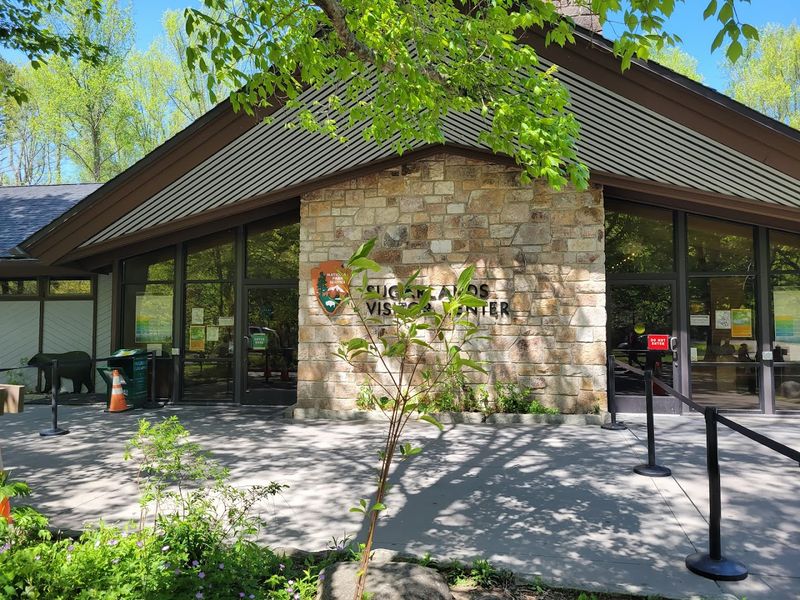
If you are starting at Sugarlands, you will feel the shift right away, because this is where people sort out tags, maps, and nerves. The lot turns over fast, yet the tag keeps you from hedging your bets too long.
I treat Sugarlands as a launch pad, not a lounge, and that small mental nudge keeps the day from getting jammed before it begins.
The displays and rangers are great, but the trick is to pair your questions with a plan and then scoot. That way the tag time is spent on trails, not dithering under fluorescent lights while the lot churns outside.
I stash my pack, tag the dash, confirm trail conditions, and slip out before the roadside spots tighten.
Want those short nature trails nearby without the crowd crush? Slide over in off-peak edges and leave the center before you sink roots.
Tennessee humidity sneaks up quick near the river, and if you have your window chosen, you can wander under that shady canopy without staring back at a full lot wondering if your spot will disappear.
The building itself is helpful, but the real win is how you move after. I set a soft timer in my head and respect it, which means I return feeling calm instead of rushed.
The tag is not a hurdle here, it is a gentle boundary that nudges you onto the trail where the leaves whisper and the traffic hum fades.
3. Laurel Falls Trailhead
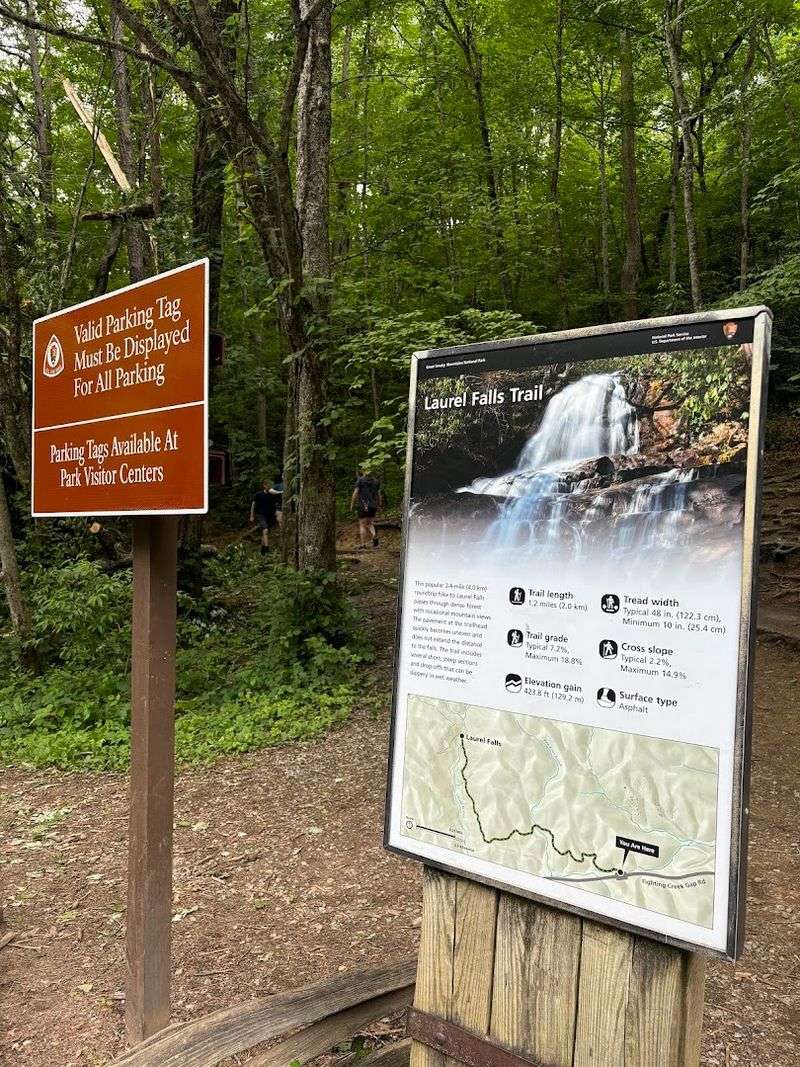
Remember when Laurel Falls felt like a quick pop in and out? That crowd-free window is thinner now, and the tag adds a little pressure to park with purpose.
I look for the calm times on either end of the day and treat the paved climb like a steady conversation instead of a race with strollers and switchbacks.
The lot is small, the roadside shoulders fill fast, and rangers keep things tidy, so gambling on late arrivals rarely works. With the tag visible, I lock in a spot and move, because the trail is popular for a reason, and the falls still sound like somebody turned down the world.
If it looks slammed, I pivot to another close trail and circle back later rather than bake on the asphalt.
Want that photo at the falls without elbows? Lean into patience and step aside when bottlenecks form on the narrow sections.
Tennessee sun can glare on the wet rock, so I take a breath, let people pass, and enjoy the hush when it opens.
The tag makes your time count, which actually brings better focus. I notice the moss, the careful stonework, and the way kids light up at the first sight of water.
It is not as breezy as it used to be, but it is still a sweet climb with a gentle payout if you give the parking puzzle a little grace.
4. Alum Cave Trailhead
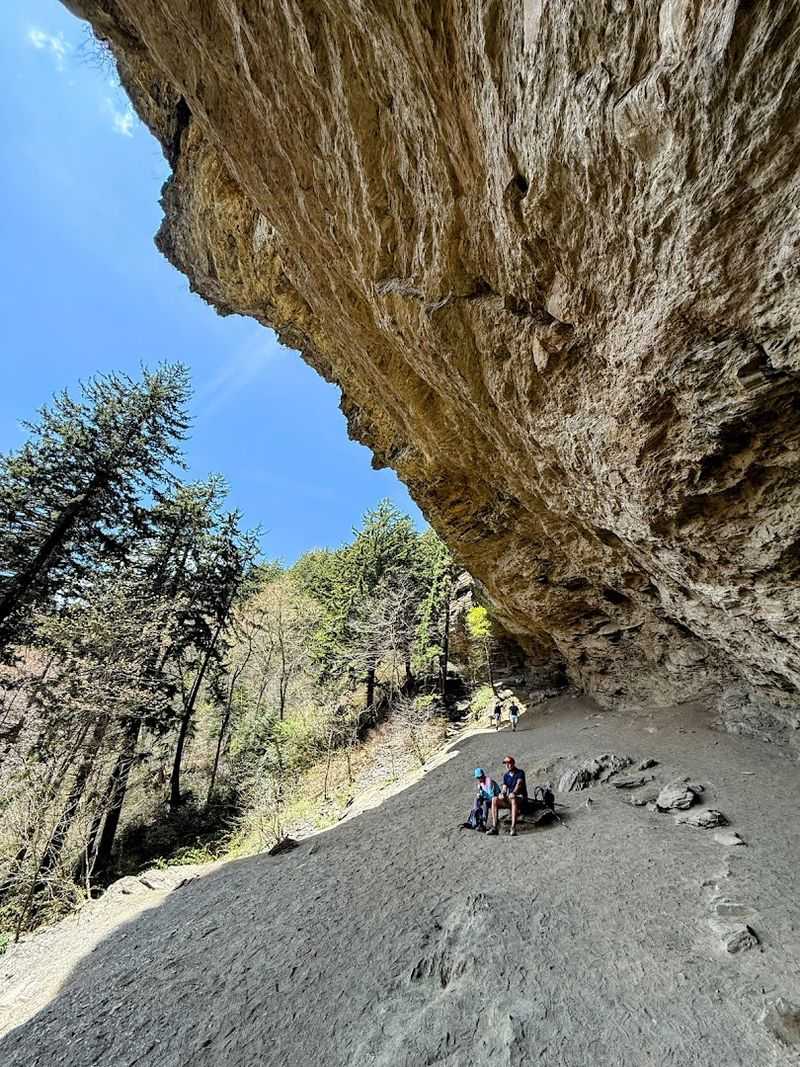
You can feel the energy at Alum Cave before you even shoulder a pack, because the lot crackles with early starts and big plans. The tag did not change the terrain, but it changed the tempo, and now you either claim a spot with dawn discipline or you reroute without grumbling.
I like a crisp start that puts me at the creek crossings before chatter fills the trail.
When I do land late, I do not circle endlessly because that just burns time and mood. I push to a different pull-off or shift to a nearby trail, then return when turnover hits.
The bluffs and stairs are still as dramatic as ever, and the cave mouth still feels like a cool lung on a warm day.
Want less elbowing on the narrow rock sections? Move steadily and give space, and the payoffs stack up without stress.
Tennessee air smells sharp with spruce higher up, and the ridge hints make the climb feel generous even when the steps bite.
The tag on the windshield buys legitimacy, but the real currency is timing. I treat parking like part of the route, not an afterthought, which keeps the day from bending around avoidable frustration.
Alum Cave is a classic, and classics reward respect, so pick your window, breathe, and let the mountain set the pace while the lot sorts itself.
5. Newfound Gap Overlook Pull-Offs
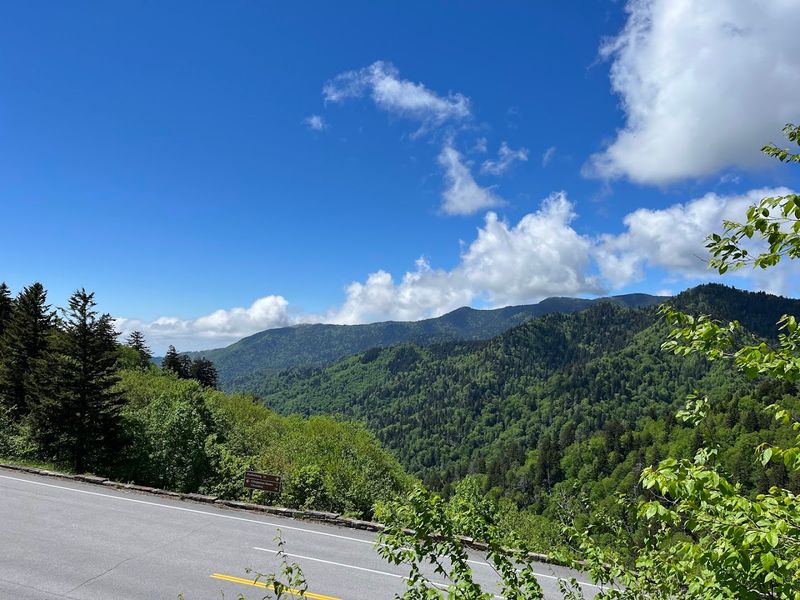
Up on Newfound Gap, the views roll like waves and the pull-offs are little stages for big skies. The tag shifts your mindset from quick hop to mindful linger, because spaces turn fast and you do not want to block the flow while you chase a better angle.
I take the first safe spot that feels right, then wander the stone walls until the ridges line up.
On windier days, people churn through even faster, which can work in your favor if you stay patient. I avoid awkward backing maneuvers by choosing a spot with a clean exit, then I focus on the light instead of the parade of bumpers.
The Appalachian Trail sign still draws photos, but the hush behind the crowd is where the moment settles.
Want that layered blue horizon without chaos? Slide a bit away from the busiest wall and let folks filter past while you breathe.
Tennessee clouds build texture that changes minute by minute, and if the lot flips, new space appears like magic.
The tag is your pass to hang, not your excuse to camp forever, so be gracious and keep it moving when you are done. I like a small loop of overlooks rather than planting at one, because the variety keeps the day loose.
You get the same epic view, just with better flow and fewer parking standoffs.
6. Clingmans Dome Kuwohi Parking Area
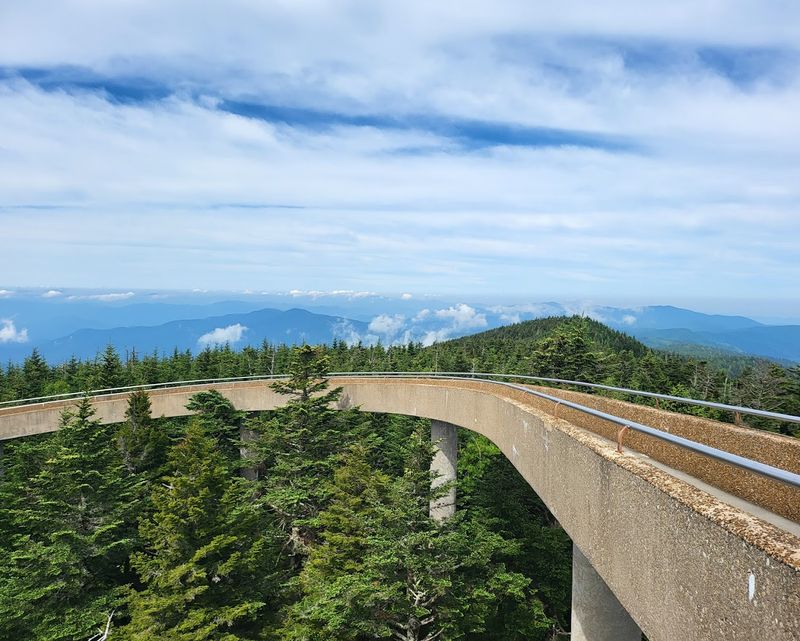
High up at Kuwohi, that big lot can look like it swallows cars and then spits them back out when the clouds crack open. The tag changed expectations more than anything, because the path and tower were never casual, and now the parking window is part of the climb.
I watch the sky, read the churn, and take the first reasonable space rather than hunting the unicorn up front.
The grade is steady and social, so you will hear a hum of conversation as people pace themselves. When fog drifts, the forest smells cool and resinous, and the tower peeks and hides like a game.
I like to set a personal tempo that matches the air instead of the crowd, and the lot sorts itself if you keep moving.
Want a quieter pocket for photos near the trailhead? Step to the far edge before or after the main pulse and breathe.
Tennessee wind brushes the spruces in a way that feels like a metronome, and it is oddly calming when parking felt tense a minute earlier.
The tag is not a gatekeeper, it is a reminder to think ahead and let go of perfection. I plan a second stop nearby in case the place is socked in, then circle back when the ceiling lifts.
Kuwohi still delivers that above the world feeling, and the parking dance becomes part of the ascent story.
7. Gatlinburg Trail Parking Areas
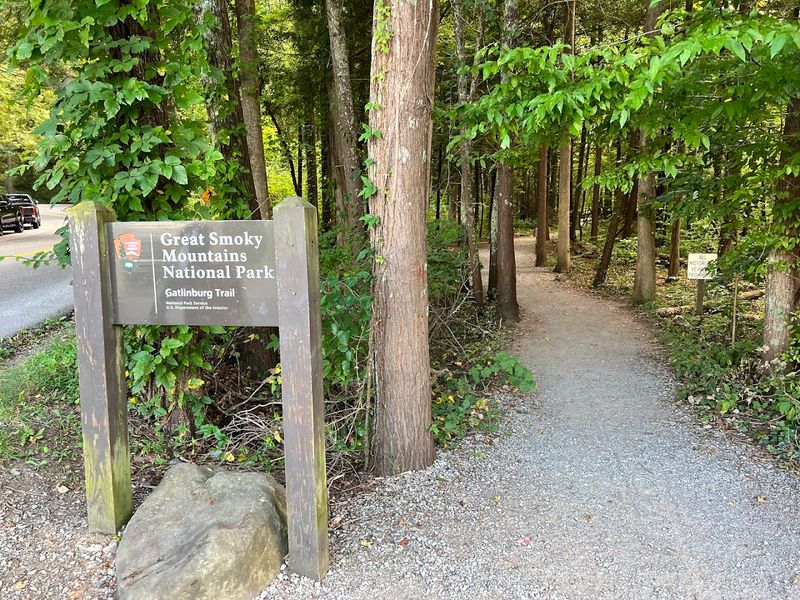
Down by the river, the Gatlinburg Trail feels like a handshake between town and woods. Parking tags added a bit of structure to what used to be a breezy pull-in, especially at the small lots near the bridge.
I treat this one like an easy reset walk, but I still plan my spot so I am not playing bumper chess when people stream in from town.
The path is friendly, bikes roll by, and dogs tug with excited faces, which means turnover stays decent if you stay flexible. When the lot tightens, I give myself a radius and walk a touch farther rather than sitting in the car hoping for miracles.
The river chatter forgives a few extra steps anyway.
Want a calmer groove? Slide out at off-peak times and let the town energy fade with each bend of the path.
Tennessee evenings soften the light and make the water flash gold, and the lot calms as people head for other plans.
The tag nudges you to make choices, and that is fine here, because the stroll is the reward, not a summit. I stick to a simple rule: take the first safe legal spot and start walking.
By the time I am under the trees, the parking scene feels like another world, and the day gets its second wind.
8. Elkmont Campground And Trailhead Lots
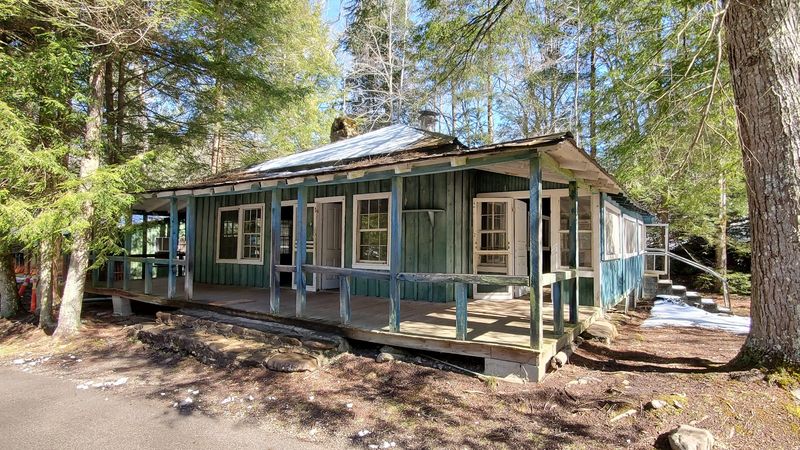
Elkmont has that tucked valley feel where the creek cools the air and the trees lean close. The parking tag changed the casual drift in and out, especially near trailheads and the historic district, so now I plan my loop and commit.
I have a soft spot for wandering the old cabins, but I do it after I lock a space and settle into the pace of the place.
Campground traffic causes little swells, which can help if you time your arrival with the natural turnover. When a lot pinches, I hop to a nearby pull-off and use the footpaths to stitch things together rather than circling.
The creeks here murmur like background music and make patience easier.
Want to feel the hush that makes Elkmont special? Step a bit deeper on a trail and let the campground hub fade to a friendly hum.
Tennessee moss glows after rain, and the old chimneys look like stories waiting for your attention.
The tag is simply part of the rhythm, and once you accept that, Elkmont gives more than it takes. I pack a small light in case I linger longer than planned, then I let the woods make the decisions for a while.
Leaving is easier when you parked thoughtfully at the start, and the drive out feels smooth instead of rushed.
9. Roaring Fork Motor Nature Trail Pull-Offs
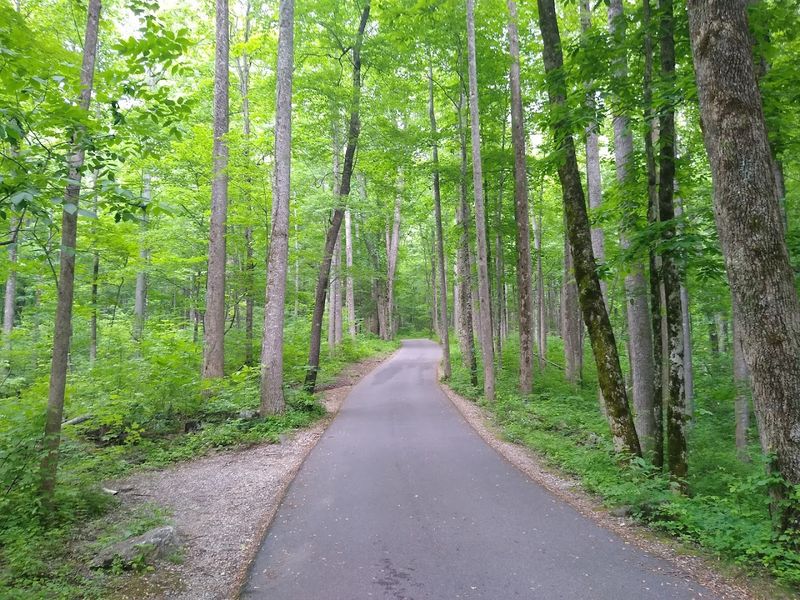
This loop is a whispering road where every bend tempts you to stop for mossy logs and creek chatter. The tag did not shrink the pull-offs, but it made me more decisive, because hesitation means the small spaces vanish while you blink.
I treat each stop as a short, focused visit, then slide back into the flow so nobody stacks up behind me.
Cabins and trail signs appear just when you think you can keep rolling, and that is the fun as long as you pick your moments. I avoid awkward re-parking by using the first safe turnout that feels workable, then I breathe and enjoy the quiet.
When a stop is jammed, I promise myself one more bend and usually find a calmer nook.
Want better photos without elbows in the frame? Step a few minutes down the path and let the road hum fade to a leaf hush.
Tennessee rain leaves everything glowing, and the small cascades look cinematic when the light softens.
The tag is a background character here, but it still shapes your choices. I plan a gentle loop of three or four stops and let the rest go, which keeps the drive from feeling choppy.
The result is a string of clear moments, not a scramble, and the forest thanks you with that steady heartbeat sound only a creek can make.
10. Rainbow Falls Trailhead Parking Areas
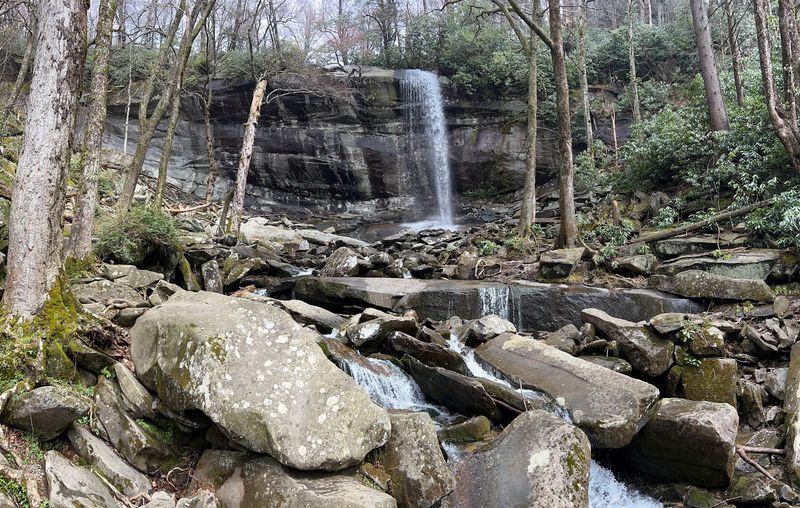
Rainbow Falls has a way of convincing you to push a little farther even when the grade bites. The lots mirror that stubborn streak, which is why the parking tag matters, because it steers you toward clear decisions rather than hopeful laps.
I shoot for a steady arrival and take the first proper space without games, then I lock in and head up.
The climb stacks effort early, so I like to bank energy by not fussing with parking drama. When it is crowded, I step to a nearby shoulder only where it is legal and safe, because tickets ruin the mood faster than drizzle.
The trail opens and closes around boulders, and the sound of water pulls you like a promise.
Want a calmer descent when the lots are heating up? Turn around a touch earlier than planned if the sky turns or the day fills, and enjoy the woods without the clock chewing at you.
Tennessee trail chatter drops to a whisper under the hemlocks, and it is a good trade for a hurried summit push.
The tag gives you permission to be intentional, and that is the whole game here. I pack layers, respect the grade, and return with a small grin because the plan worked.
The falls are still a stunner, and the parking piece becomes a line in the story rather than the headline.
11. Abrams Falls Trailhead Parking
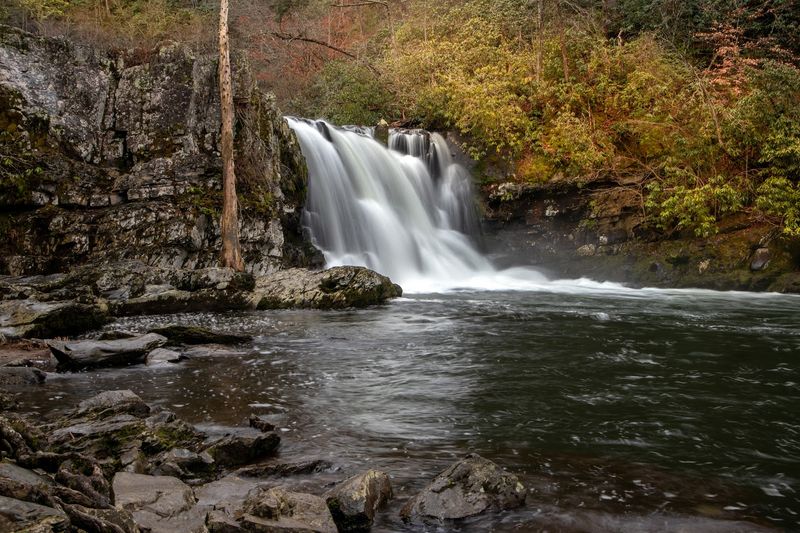
Down at the far end of the Cove, Abrams Falls feels like a commitment before the first step. The parking tag does not hike for you, but it makes the starting line cleaner, because you either get a spot and go or you pivot without burning daylight.
I check the lot once, maybe twice if traffic is kind, and then I move on with purpose.
The trail threads along the river with those rolling ups and downs that sneak into your calves. I pace early, stash a little water break in the shade, and treat every bend like it might be the one with the hush you wanted.
When the lot is full, I do not anchor on frustration, I slide back to the Cove rhythm and try again later.
Want headspace while the crowd pulses at the falls? Slip a few steps upstream or downstream, breathe, and let your shoulders drop.
Tennessee water throws light in little shards, and it calms the mind even when voices bounce around the rocks.
The tag keeps the whole scene just orderly enough that the day does not collapse into guesswork. I leave a breadcrumb in my head about time and make room for the drive out, because the loop can surprise you.
Abrams still feels like a small adventure, shaped by simple choices and rewarded with that steady river voice.
Dear Reader: This page may contain affiliate links which may earn a commission if you click through and make a purchase. Our independent journalism is not influenced by any advertiser or commercial initiative unless it is clearly marked as sponsored content. As travel products change, please be sure to reconfirm all details and stay up to date with current events to ensure a safe and successful trip.
