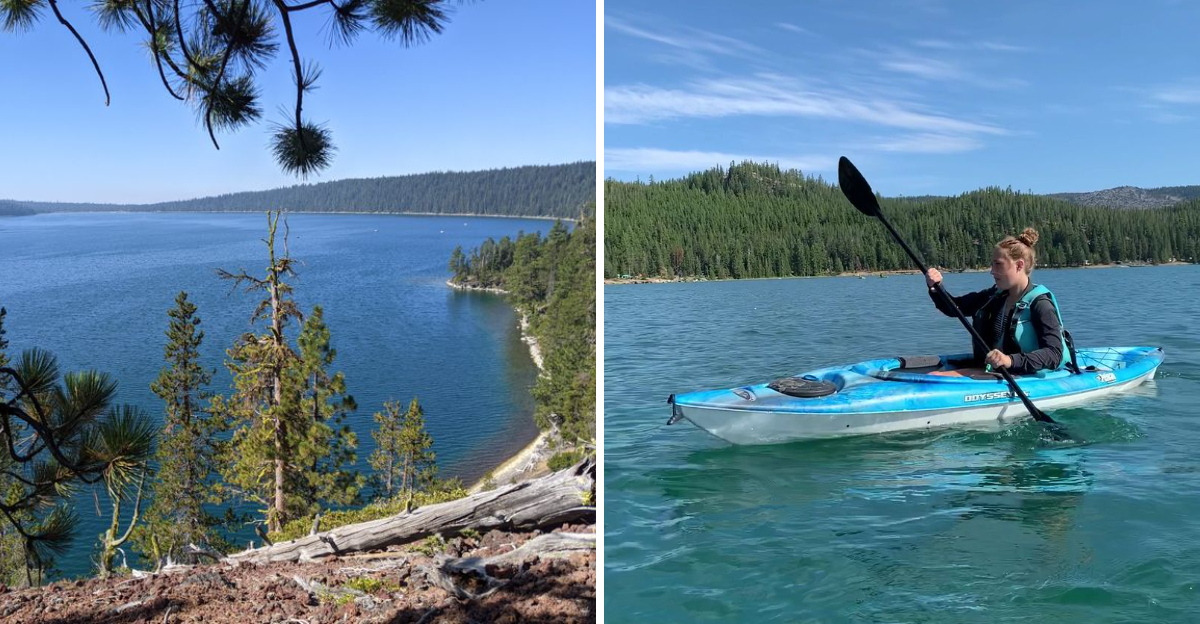
You are standing on a pumice shore where cobalt water mirrors a sky so clear it almost hums, and every ripple hints at ancient fire beneath your feet.
This lake fills a caldera inside Newberry National Volcanic Monument, so every view carries the quiet drama of Oregon’s geologic past.
Trails curl through obsidian flows, hot springs steam near the shoreline, and the forest smells like sun warmed pine needles.
Set your pace, bring your curiosity, and let the day unfold with friendly surprises.
The following guide shares practical tips, vivid moments, and current details to help you plan a perfect visit.
Caldera views that change with the light
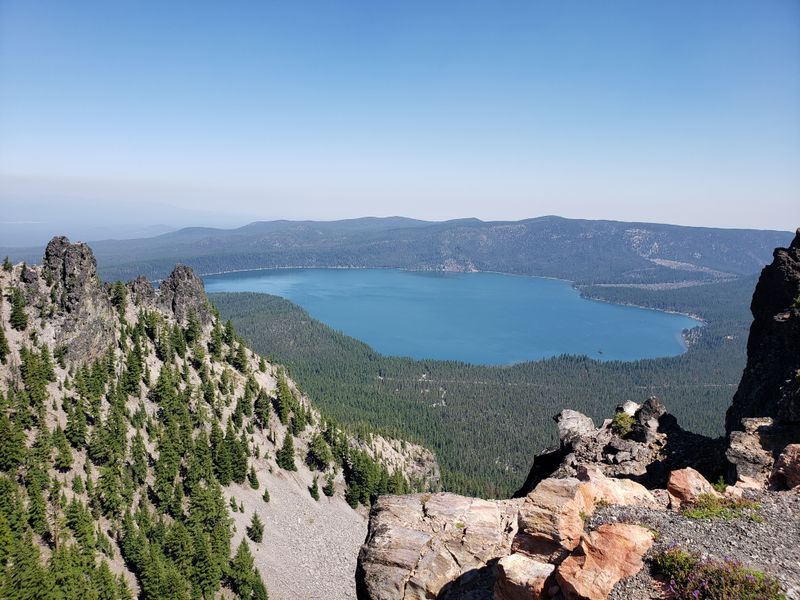
Morning at Paulina Lake begins with soft light sliding over caldera walls while the water turns from slate to sapphire in a quiet, steady reveal.
Stand along the pumice shore and you can trace the rim with your eyes, noticing subtle terraces and forested benches that tell a volcanic story without a single signboard shouting for attention.
The clarity of the lake invites long looks and you will see shifting clouds paint the surface with gentle stripes that drift and dissolve.
Hike a short spur toward the water and listen to lodgepole pines tick in the breeze as a few paddlers push off from gravel pockets that feel intimate even on busy summer weekends.
As the sun rises higher, the blue deepens and contrasts with pale rhyolite bands that form a clean line between forest and shoreline.
Afternoons bring warmth and a touch of chop, which makes the reflections blur but adds sparkle that keeps your camera busy without much effort.
If you want a higher view, climb toward Paulina Peak Trailheads and watch the lake reveal its oval shape with a second blue eye at East Lake beyond the forest divide.
Evening brings a hush as shadows lengthen and birds skim low, and the water sometimes turns glassy enough to double the sky with startling precision.
Winter shifts everything to silver, with snow quieting footsteps and the rim holding onto pastel light that looks hand brushed and calm.
Bring warm layers, polarized sunglasses, and patience, because the most rewarding moments often land when you simply slow down and let Oregon work its steady magic.
Trails that weave through lava and forest
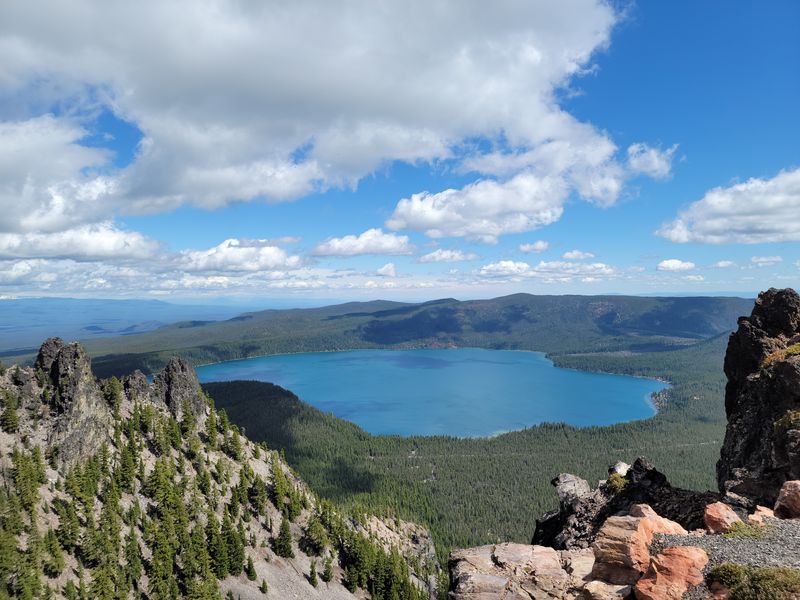
Trails at Paulina Lake offer a satisfying mix of shoreline strolling, forest shade, and lava textures that turn every mile into a small field lesson.
The Paulina Lakeshore Loop traces the water with easy grades, and you will pass quiet coves where kayaks rest and fallen logs serve as casual benches.
Footing alternates between pumice sand and compact soil, so comfortable shoes with decent tread make your day smoother and safer.
Sections near obsidian patches shimmer with tiny reflective chips, which look beautiful but can be sharp, so keep pets on leash and watch your step.
Short connectors lead to viewpoints with glimpses of East Lake, and the forest changes character from lodgepole thickets to airy ponderosa stands with shining orange bark.
If you want more elevation, nearby routes toward Paulina Peak deliver broad caldera panoramas and a clean sense of scale that ties the monument together.
Trail signage is generally clear, yet a paper map or offline app helps when junctions appear in quick succession among similar trees.
Spring brings patches of lingering snow and muddy stretches, while late summer feels drier and dustier, so pack water and pace yourself.
Autumn adds gold along the understory and cooler air, which makes longer circuits feel easy and gives wildlife a calmer rhythm along the shore.
These paths reward unhurried exploration, and with steady steps you will collect textures, scents, and sounds that feel distinctly Oregon without rushing a single view.
Paddling routes for clear water days
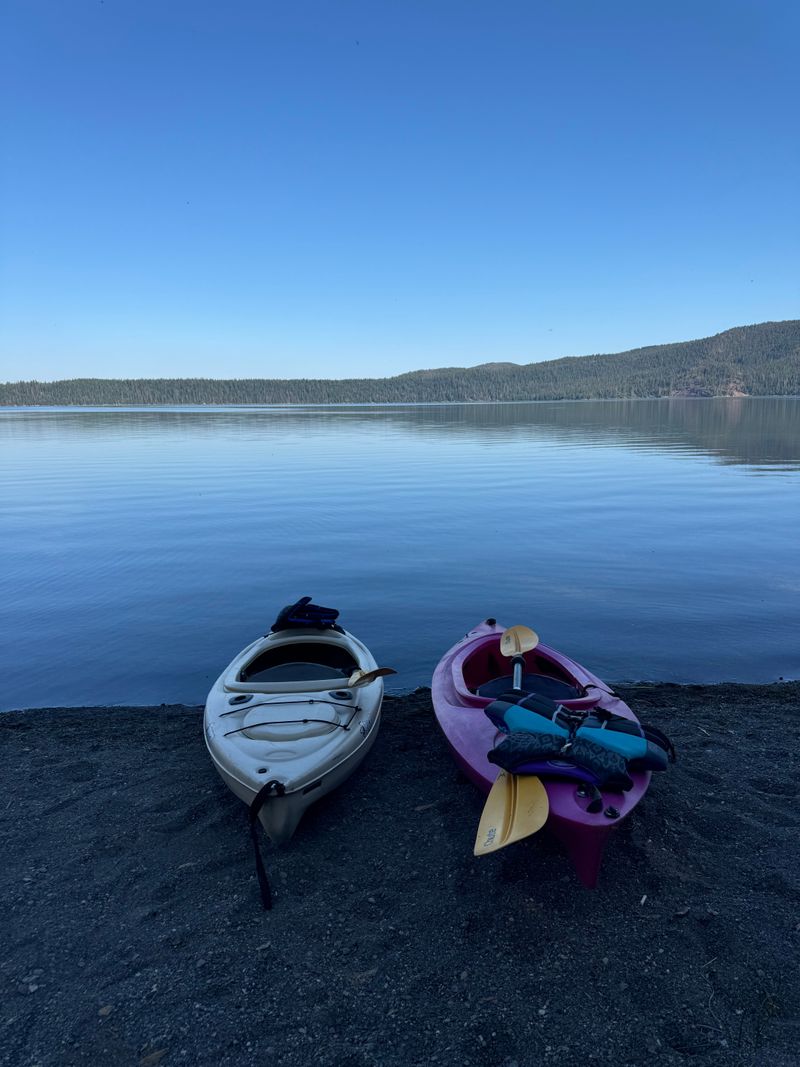
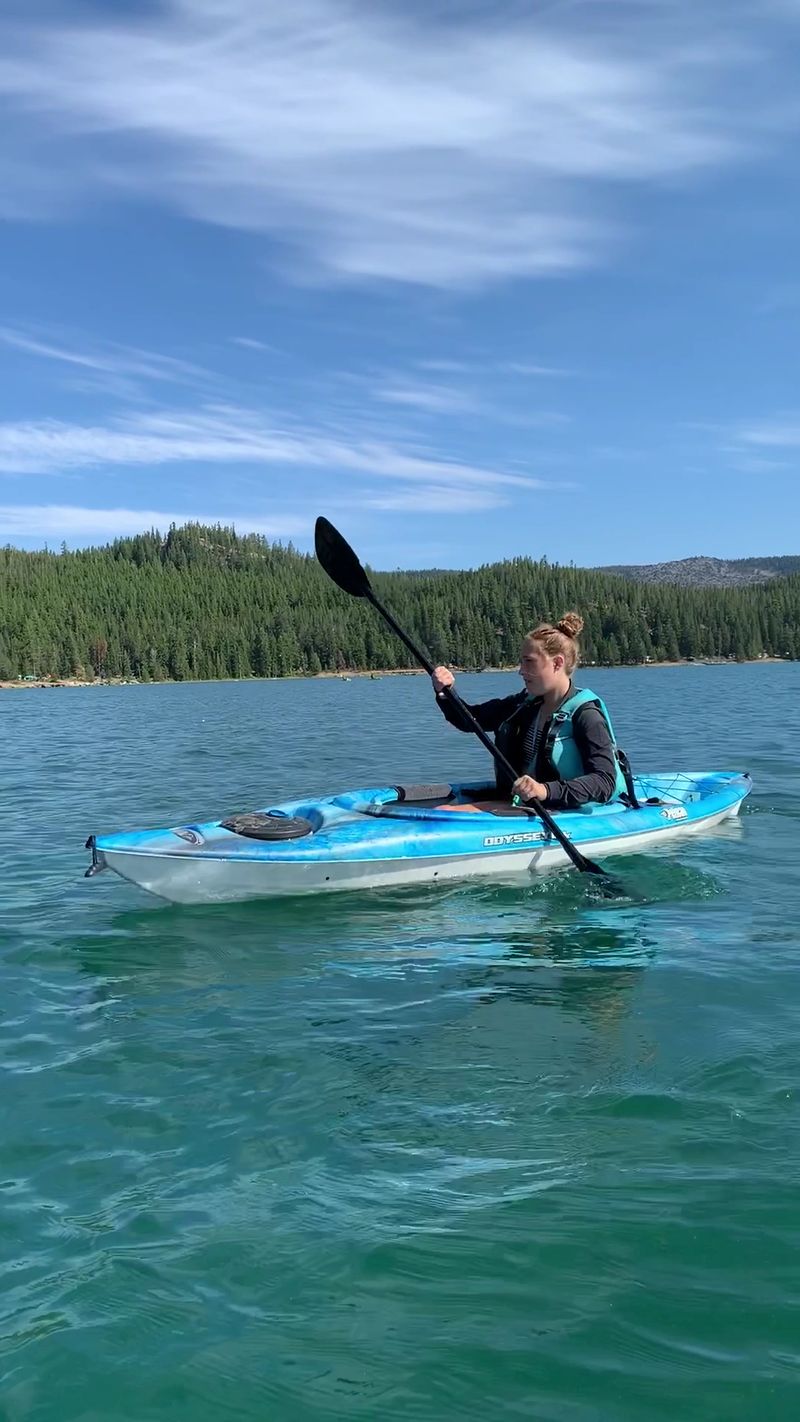
Glide a kayak or stand on a paddleboard and the water under your hull looks like polished glass with a faint turquoise fringe near shore.
Launch points sit near established day use areas, and gravel beaches make gentle entries that work well for beginners and families.
Start early to enjoy calm conditions because afternoon breezes often arrive with enough push to make the return leg take longer than planned.
Hug the shoreline for wildlife encounters, since ospreys patrol the coves and trout ripple the surface where submerged logs create shelter.
Water clarity is impressive, yet temperatures stay brisk even in midsummer, so a quick dunk will wake you up and keep PFDs feeling non negotiable.
Pack a dry bag with a wind layer, sunscreen, and a simple repair kit, because small problems feel bigger once you drift a mile across the basin.
If your group prefers a shared craft, canoes ride the chop with reassuring stability and carry picnic gear to a shaded pocket without drama.
Respect motorboat traffic by staying visible, choosing bright decks or flags, and crossing open stretches with deliberate angles rather than lazy arcs.
Should smoke or haze appear during late summer, plan shorter loops and keep a close eye on changing visibility so your navigation stays comfortable.
On clear days the experience feels crisp and cinematic, and you will step off the board grinning with that specific Oregon glow that lasts all evening.
Fishing that rewards patience and skill
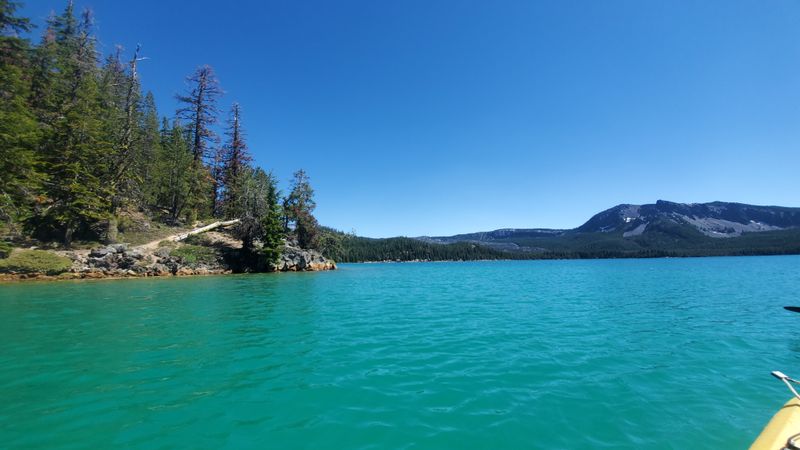
Paulina Lake holds rainbow trout, brown trout, and kokanee, and the fishing often starts slow before tipping into steady action as the light shifts.
Early risers work the drop offs with spoons or spinners while fly anglers probe seams near inlets and structure lines that hold cruising fish.
Trolling from a small boat covers more water, and you can fine tune depth with lead core or downriggers when kokanee stage in midlake zones.
Shore access is plentiful and includes points with gentle shelves where kids can learn basics without tangling in thick brush or steep rocks.
Check current regulations from Oregon authorities and keep barbless preferences if you plan quick releases during periods of hot weather.
Water clarity rewards light line and careful knots, and a small net helps land fish cleanly without long chases along the pumice.
When afternoon wind arrives, step into lees along wooded bends, since even small breaks create fishable lanes with manageable drift.
Winter brings ice in many seasons, yet thickness varies and must be evaluated with caution and recent local reports for safe travel.
If you handle a catch for photos, wet your hands and work fast so the fish returns with minimal stress and a strong kick toward deeper water.
Patience pairs with observation here, and with time you will read light, wind, and temperature like a friendly code that Oregon anglers love to share.
Natural hot springs along the shore
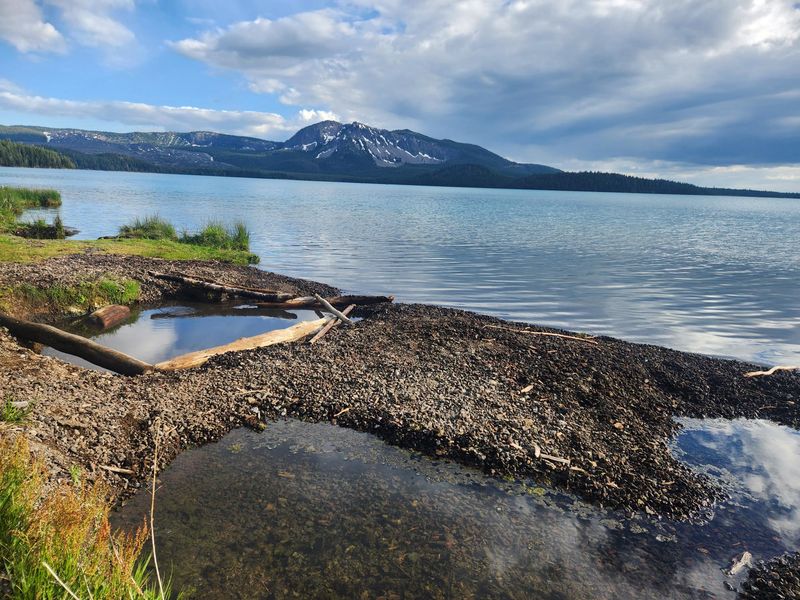
Small hot springs bubble along parts of the Paulina Lake shoreline and offer a rustic soak when conditions align and water levels sit just right.
These features are delicate, change with seasons, and sometimes submerge when the lake runs high, so temper expectations and stay flexible.
You may see shallow pools edged with stones where warm water seeps through sand and mixes with the lake to reach a comfortable temperature.
Test the heat carefully with a hand before stepping in, and avoid digging aggressively because that damages sensitive ground and ruins the experience for others.
Bring a towel, pack sandals for the gritty bottom, and keep your gear tidy so you leave the shoreline looking the same or better.
Sulfur notes drift in the air, and the experience pairs nicely with a quiet sunrise when the surface steams and birds call from the trees.
Privacy varies by season, but early hours and shoulder months give you the best chance for a peaceful soak without crowds pressing close.
Do not block the trail or create new paths, and stay mindful of erosion because pumice soils crumble faster than they appear to at first glance.
If a pool seems too hot or muddy, move along the shore rather than forcing it, since other seeps often sit within a short walk.
Moments here feel gentle and restorative, and you will leave with warm legs, a relaxed mind, and a deeper connection to Oregon’s volcanic heartbeat.
Winter scenes with quiet adventure
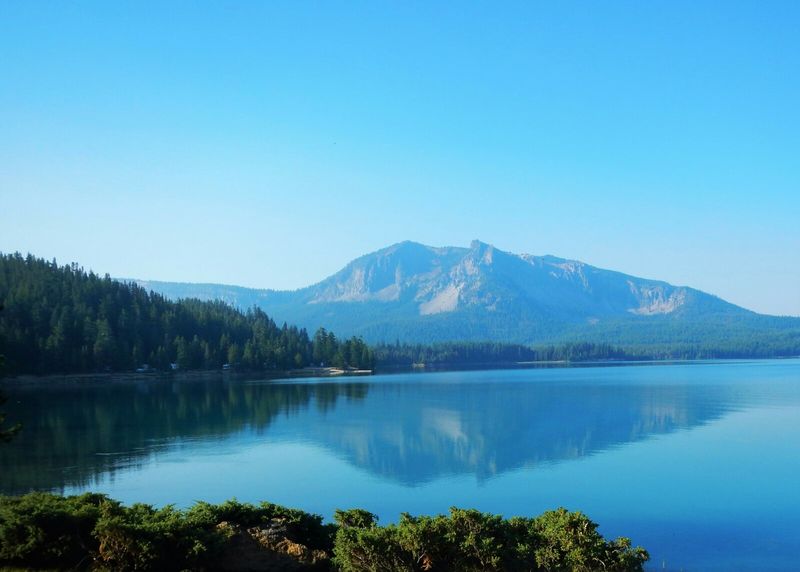
Snow transforms Paulina Lake into a calm white amphitheater where distant ridges glow blue and every sound lands with clear definition.
Cross country skis or snowshoes handle the shoreline corridors, and careful route choices keep you off thin ice while still delivering broad views.
Check seasonal road access, since gates and plowing schedules shift with storms and can change your start point by several miles.
Cold air settles quickly at dusk, so pack extra insulation, a headlamp, and a hot drink to cushion the long glide back toward the trailhead.
Animal tracks script stories across flats, and you can pick out hare loops, fox lines, and bird prints that cross and recross without hurry.
Wind can polish drifts into slick crust, so traction devices make sense even when the day begins with powder and friendly footing.
Clear nights bring star fields that look close enough to touch, and the rim silhouette adds drama from horizon to horizon.
Photography benefits from early and late angles, but watch batteries because cold drains power and can leave you with a single stubborn bar.
Silence is the prize, and you can stand on a frozen edge feeling your breath curl while the forest sighs and the lake rests beneath a calm lid.
Winter here asks for preparation and rewards it with steady beauty that feels perfectly Oregon in every direction you choose to explore.
Where to stay near the water
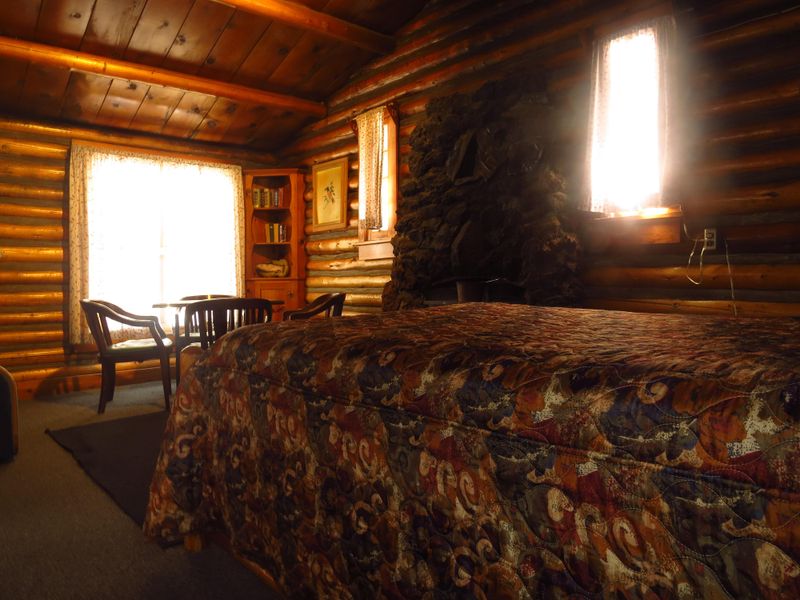
Staying close to Paulina Lake keeps dawn light and evening calm at your doorstep so your days stretch with easy choices and relaxed timing.
Cabins and lodges near the shore deliver simple comforts, boat docks, and quick trail access that helps families shift from breakfast to adventure without driving.
When you plan, verify seasonal openings and reservation windows because high country lodging often runs on a shorter calendar than lowland hotels.
Some properties provide small marinas and rental gear, which streamlines paddling plans and lets you pivot with weather or group energy.
Rooms tend to be rustic rather than plush, so manage expectations and focus on location, warmth, and the convenience of walking to the water.
Bring earplugs if light walls worry you, pack a headlamp for night walks, and keep a compact first aid kit handy for scrapes and splinters.
Ask about parking for trailers if you tow a small boat, and confirm generator rules so quiet hours match the mood you want.
Night skies reward cabin porches with layered stars, and the surrounding forest holds a comfortable hush once boats settle for the evening.
Nearby dining options operate seasonally, so check hours and plan simple meals in case kitchens close early on shoulder weeks.
This style of stay feels authentic to Oregon lake culture, where the best amenities are fresh air, clean water, and an easy path to adventure.
Safety, permits, and Leave No Trace
Smart planning starts with current conditions from the monument website so you arrive ready for closures, fire restrictions, and changing trail notes.
Parking requires valid passes in many areas, and keeping credentials visible avoids fines that can sour an otherwise perfect day.
Camp only in designated sites, use existing rings, and pack a sturdy bag for trash so the shoreline stays clean for the next set of boots.
Bear resistant storage is wise for food, even if encounters are rare, because squirrels and jays can outsmart loose lids in a single morning.
Water treatment is essential because even clear lakes carry microbes, and a compact filter weighs little while boosting confidence for longer loops.
Weather turns quickly at elevation, so carry a map, layers, and a charged phone with offline navigation in case signals fade behind the rim.
Respect wildlife with distance, keep dogs leashed where required, and teach kids to observe quietly so every sighting remains calm and safe.
Fires belong only where permitted, and cold ash disposal protects soil while giving rangers fewer headaches during peak season.
If you hear thunder, move off open points and step back from tall isolated trees until the cell drifts past and light steadies.
Thoughtful choices preserve the place, and you will leave Paulina Lake looking as fresh as a classic Oregon postcard for everyone who follows.
How to get there and when to go
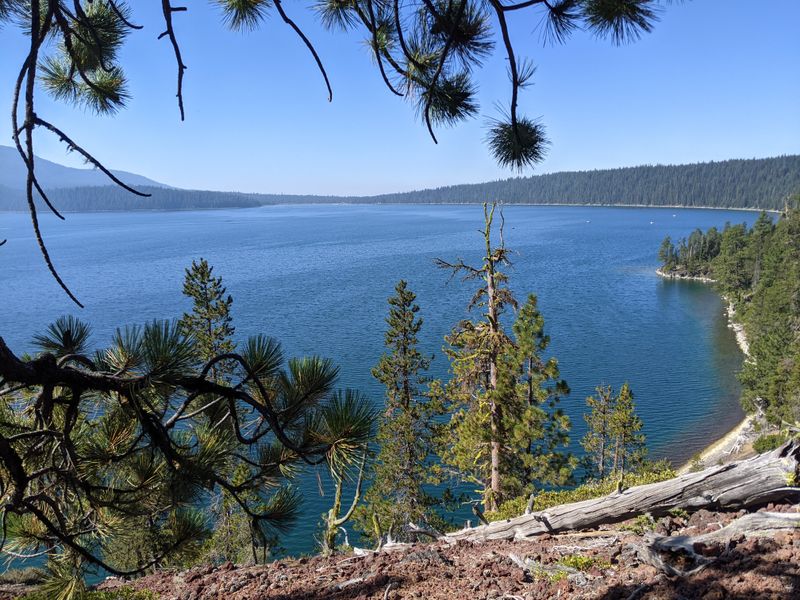
Paulina Lake sits within Newberry National Volcanic Monument south of Bend, and the access road climbs gently through forest with long sweeping curves.
Summer brings the most reliable conditions, open facilities, and full services, while spring and fall offer crisp air and fewer people on the shoreline.
Winter access varies with snow, and gates may close sections of road, so check updates before you set out with a fixed plan.
Fuel up in town, carry snacks, and top off water since services near the lake can run limited hours depending on month and staffing.
Cell coverage fluctuates, especially in low pockets near the water, which makes a printed map or downloaded layers a smart companion.
Arrive early on weekends for better parking and a mellow start, and treat sunsets as a reason to linger rather than rush.
Smoke from regional fires sometimes affects visibility late in summer, so flexible itineraries help you pivot toward morning paddles and early hikes.
Should storms build, the rim catches wind first, and you will feel gusts roll across the basin before the shoreline trees begin to rustle.
Oregon road crews maintain the approach well, yet gravel spurs can be washboarded, which rewards slower speeds and careful tire pressure.
Choose a season that matches your style, and you will find the lake ready with quiet corners, bright water, and a pace that welcomes repeat visits.
Dear Reader: This page may contain affiliate links which may earn a commission if you click through and make a purchase. Our independent journalism is not influenced by any advertiser or commercial initiative unless it is clearly marked as sponsored content. As travel products change, please be sure to reconfirm all details and stay up to date with current events to ensure a safe and successful trip.
