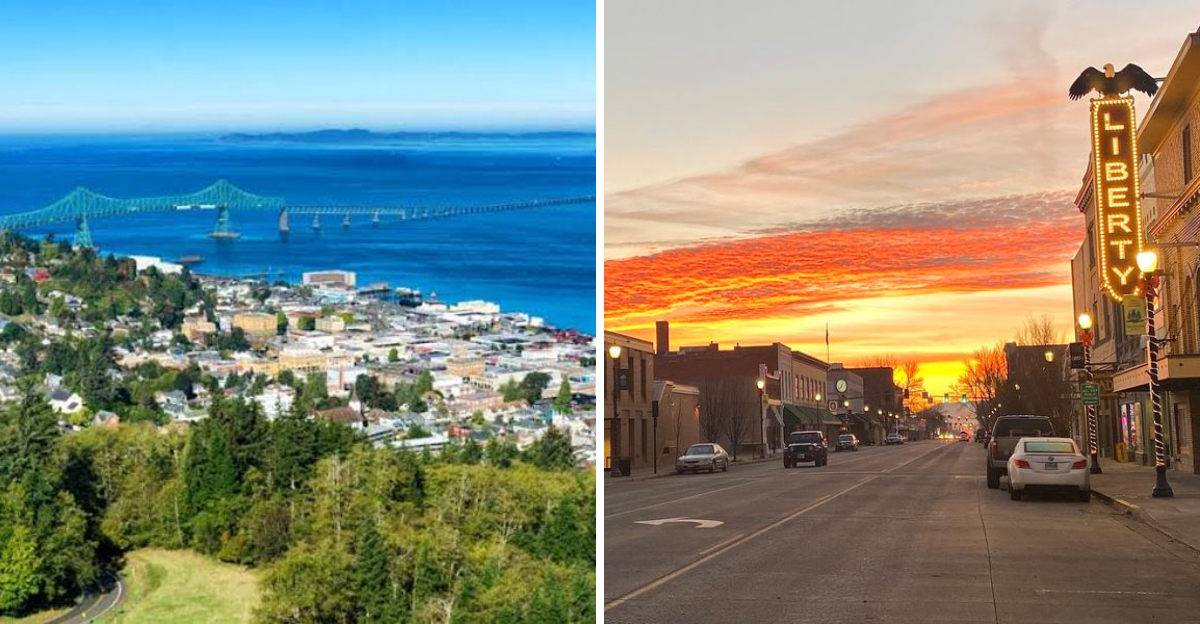
Oregon has a quiet kind of magic that tends to sneak up on you. One moment you are watching a river curl through a valley of pines, and the next you are wondering why you ever thought retirement had to be expensive.
I have spent time exploring small towns across this state, and what I found surprised me.
Many of these places offer a slower pace, lower costs, and a genuine sense of community that bigger cities simply cannot match.
This list covers ten towns where your retirement dollar stretches further than expected, and where the scenery does not cost a thing. Each place has its own personality, its own reasons to stay, and its own version of the good life.
1. Grants Pass, Oregon
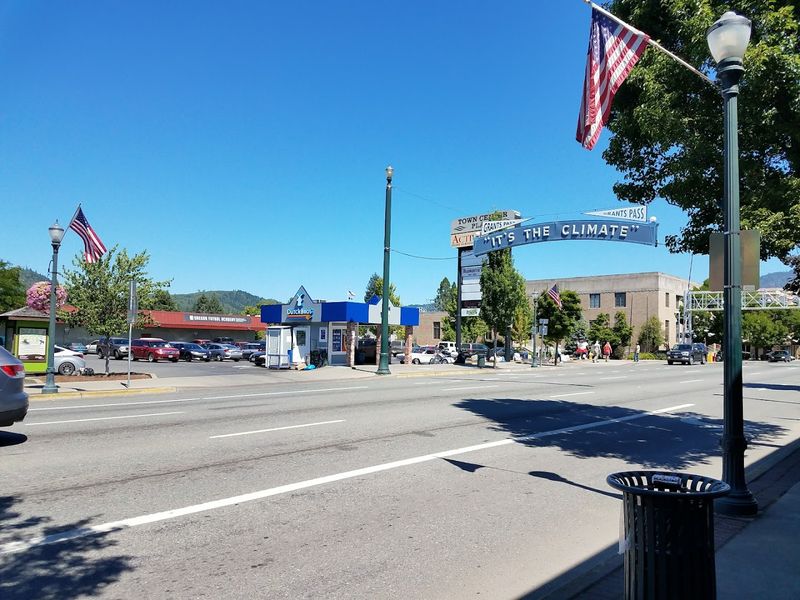
The Rogue River does not ask permission to be spectacular, and neither does Grants Pass, the southern Oregon town that sits right along its banks.
Located in Josephine County, Grants Pass is one of the more affordable places to retire in the entire state. The median home price sits noticeably below the Oregon average, and everyday costs like groceries and utilities tend to follow that same trend.
What makes this town especially appealing is the outdoor lifestyle it supports without requiring a big budget. Whitewater rafting, kayaking, and fishing on the Rogue River are practically part of daily life here.
The river corridor is also home to some genuinely beautiful hiking trails that wind through old-growth forest.
Downtown Grants Pass has a farmers market that runs from spring through fall and draws a loyal crowd of locals. The sense of community here is real and easy to feel within just a few visits.
Summers are warm and dry, and the winters are mild compared to much of Oregon. That climate is a serious draw for retirees who want four seasons without the harsh cold.
The town also has a growing arts scene, with local galleries and live music events filling the calendar throughout the year. Grants Pass rewards those who take the time to explore it slowly.
2. Roseburg, Oregon
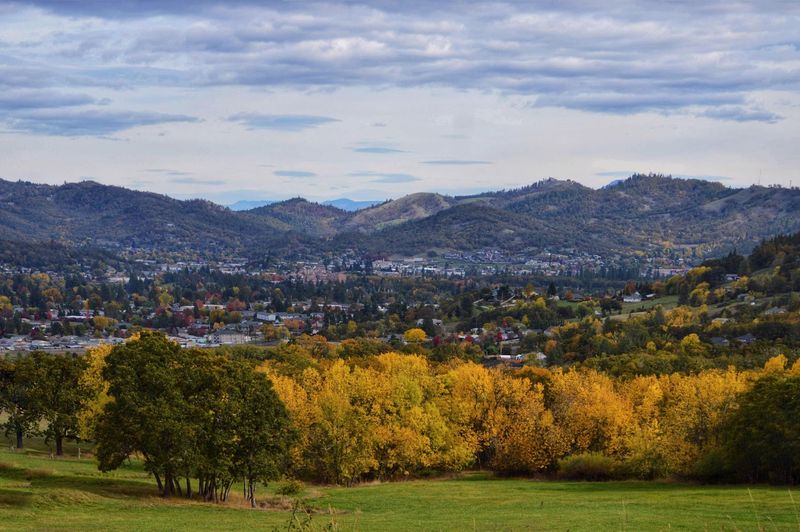
Sitting at the junction of the North and South Umpqua Rivers, Roseburg has quietly built a reputation as one of the most livable small cities in southern Oregon.
Located in Douglas County, Roseburg offers retirees a cost of living that feels refreshingly reasonable. Housing here is among the more affordable in the state, and that makes a real difference when you are living on a fixed income.
The surrounding landscape is genuinely stunning. Douglas County is sometimes called the timber capital of the nation, and the forests here back that title up completely.
The Umpqua National Forest is nearby, offering hundreds of miles of trails, waterfalls, and quiet camping spots that feel nothing like the crowded parks closer to the coast.
Roseburg also sits within easy reach of the Oregon wine country, particularly the Umpqua Valley wine region, which produces some excellent cool-climate varietals. Day trips through the vineyards make for a very pleasant afternoon without a long drive.
The town itself has a Veterans Affairs medical center, which is a significant practical benefit for retired military members. Mercy Medical Center also provides solid local healthcare options.
A weekly farmers market, community theater productions, and local festivals keep the social calendar active. Roseburg is the kind of place that rewards residents who get involved and stay curious.
3. Klamath Falls, Oregon

High desert living has a particular kind of appeal, and Klamath Falls delivers it with more personality than most people expect from a town this size.
Located in south-central Oregon near the California border, Klamath Falls sits at an elevation of about 4,100 feet and enjoys over 300 days of sunshine annually. That sunshine number is not a typo, and it tends to get people’s attention quickly.
Housing in Klamath Falls is genuinely affordable by almost any standard. The median home price consistently ranks among the lowest in the state, making it an attractive option for retirees watching their budgets carefully.
Upper Klamath Lake, one of the largest freshwater lakes in the western United States, sits right on the edge of town. Birdwatching here is extraordinary, with bald eagles, white pelicans, and sandhill cranes all making regular appearances depending on the season.
Crater Lake National Park is about an hour’s drive north, meaning one of the most visually dramatic places in the country is practically a neighbor. That kind of proximity to natural wonder is hard to put a price on.
Oregon Institute of Technology, located in town, keeps things intellectually active and contributes to a younger energy that balances well with the town’s quieter residential character. Klamath Falls is an underrated choice that deserves far more attention than it typically receives.
4. La Grande, Oregon
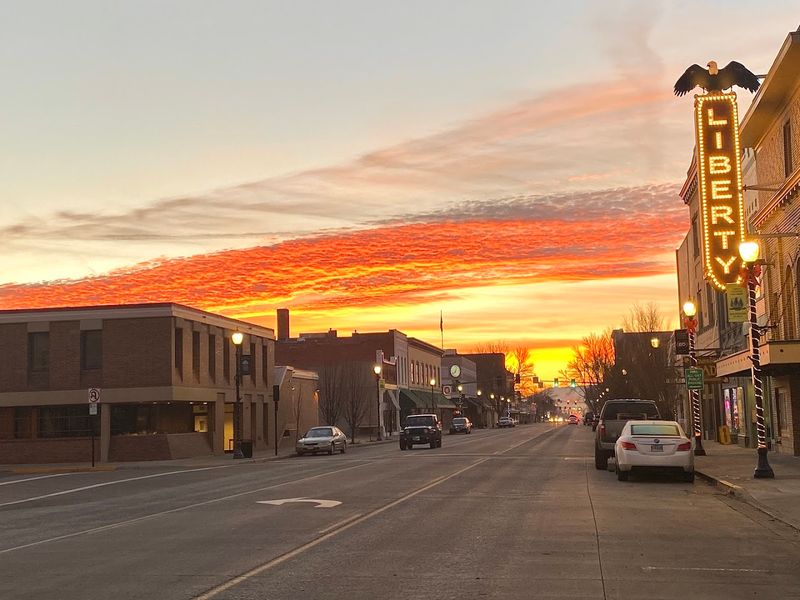
Surrounded by the Wallowa-Whitman National Forest and framed by the Blue Mountains, La Grande is the kind of town that makes outdoor enthusiasts feel like they have finally found their home base.
Located in Union County in northeastern Oregon, La Grande sits in the Grande Ronde Valley at about 2,800 feet of elevation. The setting is dramatic in a way that photographs simply cannot capture accurately.
The cost of living here is low, and that is not a polite way of saying the town lacks things to offer. It means your money genuinely goes further without sacrificing quality of life.
Housing prices are well below the state average, and property taxes in the area are manageable.
Eastern Oregon University calls La Grande home, and that academic presence brings cultural programming, lectures, and community events that keep the town from feeling isolated. The university also supports a small but active arts community.
Skiing at Anthony Lakes Mountain Resort is about an hour away, and the Wallowa Mountains, sometimes called the Alps of Oregon, are accessible from here for summer hiking and backpacking. The outdoor recreation calendar essentially never runs empty.
Summers are warm and dry, and winters bring snow but remain manageable for most residents. La Grande rewards the retiree who wants genuine wilderness access without sacrificing the comfort of a real community around them.
5. Ontario, Oregon
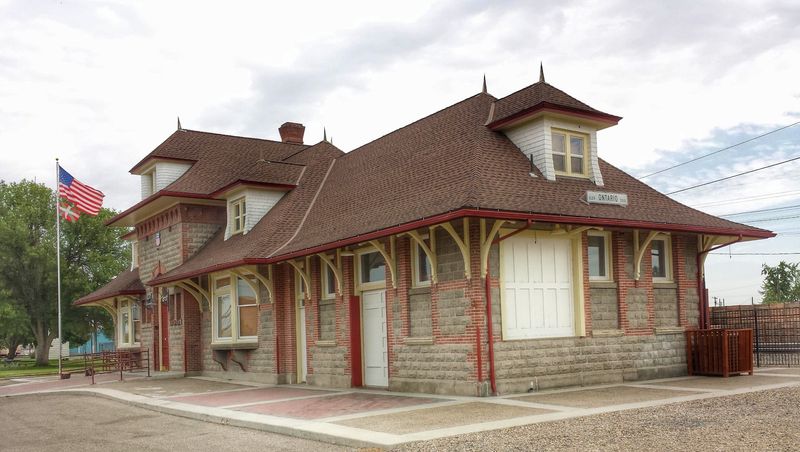
Right on the Idaho border, Ontario occupies a geographic spot that gives it a uniquely practical advantage most Oregon towns simply do not have.
Located in Malheur County, Ontario is the economic hub of eastern Oregon’s high desert region. It sits along the Snake River and serves as a crossroads town with a straightforward, unpretentious character that many retirees find genuinely refreshing.
The cost of living in Ontario is among the lowest in the entire state. Housing is remarkably affordable, and the overall expense of day-to-day life reflects the rural eastern Oregon economy rather than the inflated costs of the Willamette Valley or the coast.
One practical bonus worth knowing: because Ontario sits right on the Oregon-Idaho border, residents often do their shopping in Idaho, where sales taxes apply differently. That kind of geographic advantage adds up over a retirement’s worth of purchases.
The surrounding agricultural landscape has a stark beauty that grows on you over time. The Owyhee River canyon, located not far from town, is one of Oregon’s most dramatic and least visited natural features.
Ontario also has a strong Basque cultural heritage, which shows up in local restaurants and community celebrations in ways that feel genuinely authentic rather than performative. For retirees who value affordability above almost everything else, Ontario makes a compelling and honest case for itself.
6. Coos Bay, Oregon
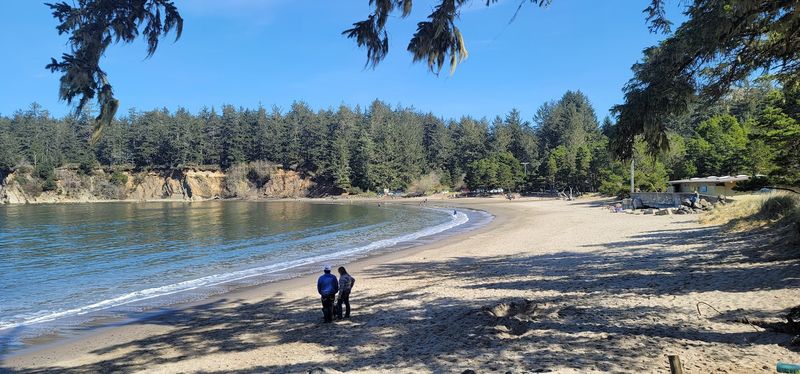
Living on the Oregon coast does not have to mean paying coastal California prices, and Coos Bay proves that point with admirable consistency.
Located on the southern Oregon coast in Coos County, Coos Bay is the largest city on the Oregon coast and serves as the commercial and cultural center for the surrounding region. That size translates into more services, more amenities, and more community options than smaller coastal towns can offer.
The bay itself is a working harbor with a long history in timber and fishing industries. That working-town energy gives Coos Bay a grounded, practical character that feels very different from more touristy coastal spots further north.
Oregon Dunes National Recreation Area sits just north of town and stretches for more than 40 miles along the coastline. It is one of the largest coastal sand dune systems in North America, and exploring it by ATV, on foot, or simply by standing at the edge of a massive dune is an experience unlike anything else in the state.
Housing costs in Coos Bay are moderate for a coastal location, and the town has a solid network of healthcare facilities including Bay Area Hospital. The mild ocean climate keeps temperatures comfortable year-round, which is a significant quality-of-life factor for retirees.
The local arts scene is more active than you might expect, with the Coos Art Museum standing as one of the oldest art museums on the Oregon coast.
7. Pendleton, Oregon

Most people know Pendleton for the famous rodeo, but those who actually live here know it as something far more valuable: a genuinely affordable, community-oriented town with a strong sense of its own identity.
Located in Umatilla County in northeastern Oregon, Pendleton sits along the Umatilla River and serves as the regional hub for a large stretch of eastern Oregon’s agricultural heartland. The wide-open landscape surrounding the town has a dramatic, almost cinematic quality that grows more impressive the longer you spend time in it.
Housing costs here are low, and the overall cost of living reflects the rural eastern Oregon economy in the best possible way. Retirees on fixed incomes often find that Pendleton allows for a comfortable lifestyle without the constant financial pressure that comes with living in a larger city.
The Pendleton Round-Up, held every September, is one of the oldest and most celebrated rodeos in the country. Even if rodeo culture is not your thing, the energy and community spirit it generates around town is hard not to appreciate.
The Pendleton Underground Tours offer a fascinating look into the town’s layered history, including its Prohibition-era tunnels and Chinese immigrant communities. That kind of depth makes Pendleton more interesting to explore than its modest size might suggest.
Blue Mountain Community College provides educational opportunities and community programming that keep intellectual life active for retirees who value continued learning.
8. Baker City, Oregon
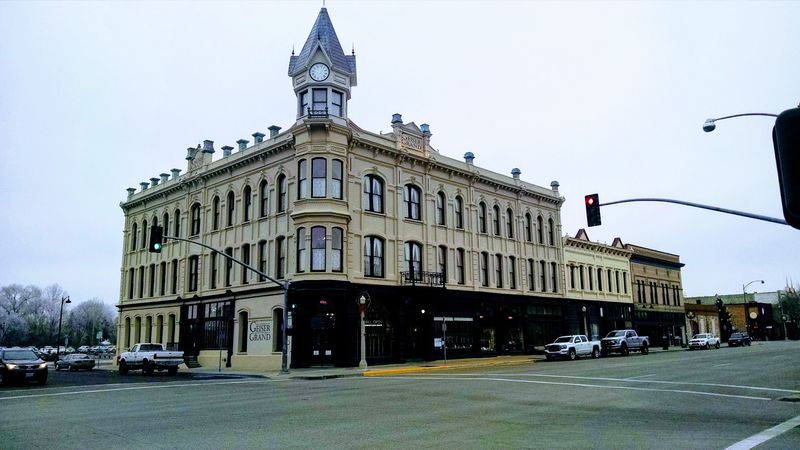
Few towns in Oregon wear their history as openly as Baker City does, and that visible connection to the past is a big part of what makes it so appealing to retirees looking for something with real character.
Located in Baker County in eastern Oregon, Baker City sits along the historic Oregon Trail route and served as a major supply stop for westward-bound settlers in the 1800s. The downtown architecture reflects that gold rush-era prosperity, with ornate Victorian-style buildings lining the main streets in a way that feels like a living museum.
The cost of living is low, and housing is very affordable even by eastern Oregon standards. Property taxes are manageable, and the overall pace of life allows retirees to live well without overspending.
The National Historic Oregon Trail Interpretive Center, located just outside town, is one of the best museums in the Pacific Northwest and draws visitors from across the country. Having that kind of cultural institution practically in your backyard is a genuine perk of living here.
Baker City also has a small but active arts scene, with the Crossroads Carnegie Art Center hosting rotating exhibitions. The community is tight-knit and welcoming to newcomers who are genuinely ready to put down roots.
9. Cottage Grove, Oregon
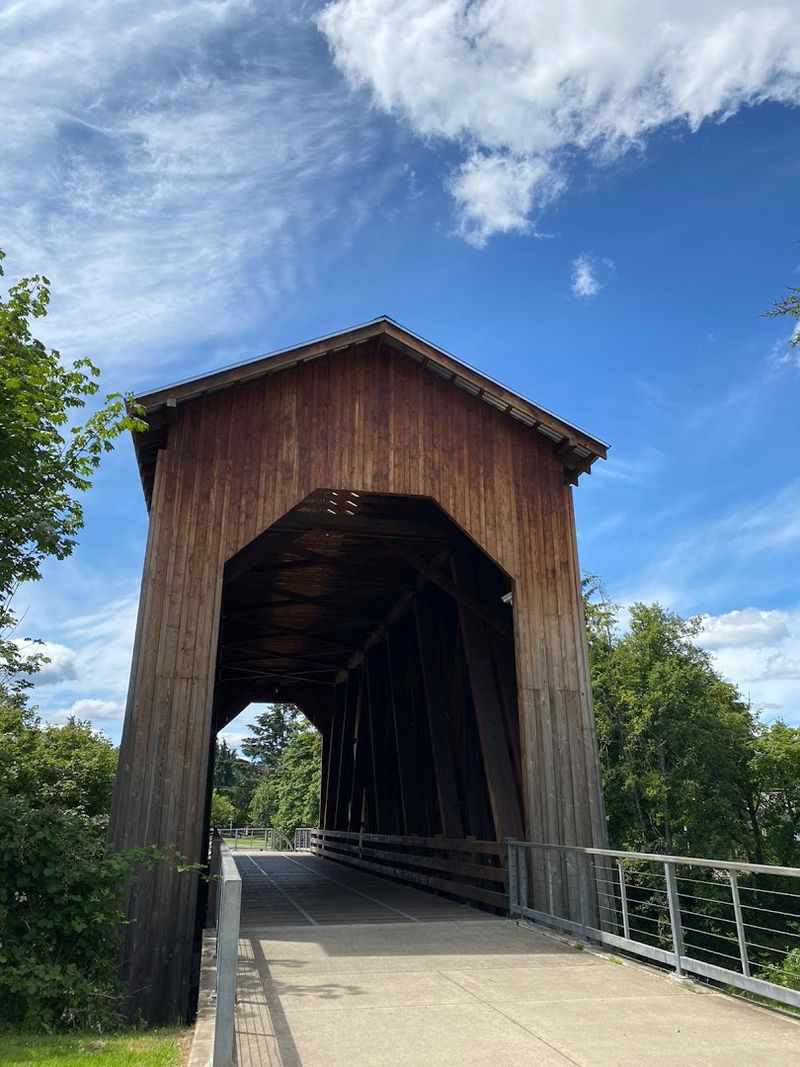
Cottage Grove has a quiet kind of charm that announces itself through covered bridges, forested hills, and a downtown that still feels like it belongs to the people who live there.
Located in Lane County in the southern Willamette Valley, Cottage Grove sits about 20 miles south of Eugene along Interstate 5. That proximity to a larger city gives residents access to university hospitals, major retailers, and cultural events.
The town is famous for its covered bridges, and Lane County has more historic covered bridges than any other county in the western United States. Several of these bridges are within easy driving or cycling distance of town, and exploring them makes for a genuinely lovely afternoon.
Housing costs in Cottage Grove are noticeably lower than in Eugene, which makes it a smart choice for retirees who want Willamette Valley living without the Willamette Valley price tag. The surrounding farmland and forest keep the setting green and peaceful year-round.
The local community has a strong arts and music culture, and the town hosts several festivals throughout the year that draw residents together in ways that feel organic and genuinely fun.
10. Astoria, Oregon
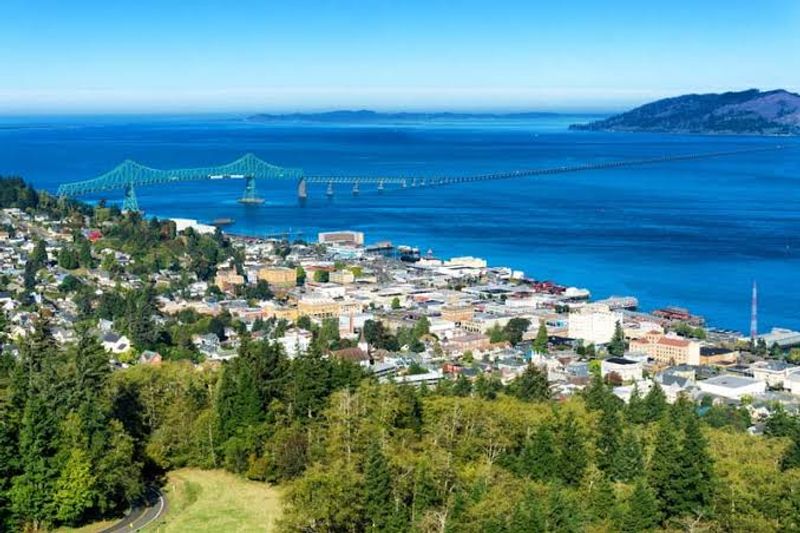
Perched at the mouth of the Columbia River where it meets the Pacific Ocean, Astoria has been quietly reinventing itself into one of Oregon’s most culturally rich and surprisingly affordable small cities.
Located in Clatsop County at the far northwestern tip of Oregon, Astoria holds the distinction of being the oldest American settlement west of the Rockies. That history shows up everywhere, from the Victorian-era homes climbing the hillsides to the Columbia River Maritime Museum sitting right on the waterfront.
Housing in Astoria is more accessible than many coastal towns of comparable character and scenery. The Victorian homes that define the residential neighborhoods are genuinely beautiful, and many are available at prices that would seem impossible in similar settings along the California coast.
The Astoria Column, a painted tower sitting at the top of Coxcomb Hill, offers a 360-degree view that includes the river, the ocean, and miles of forested hills in every direction. Climbing it once tends to turn into a regular habit for residents.
Fort Stevens State Park, just west of town, offers camping, trails, and access to a long stretch of Pacific beach. Astoria manages to be historically rich, naturally beautiful, and still within reach for retirees on a careful budget.
Dear Reader: This page may contain affiliate links which may earn a commission if you click through and make a purchase. Our independent journalism is not influenced by any advertiser or commercial initiative unless it is clearly marked as sponsored content. As travel products change, please be sure to reconfirm all details and stay up to date with current events to ensure a safe and successful trip.
