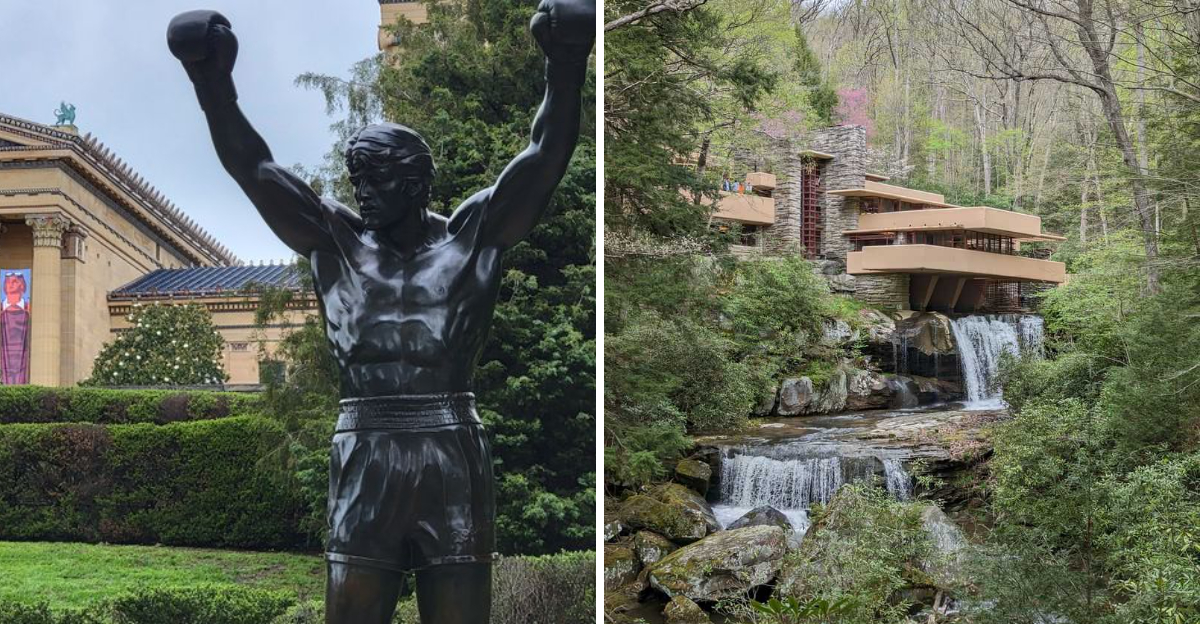
Pennsylvania draws millions of visitors each year with promises of historic landmarks, scenic mountain escapes, and iconic food experiences that have become part of American culture.
From the cobblestone streets of Philadelphia to the rolling hills of the Poconos, the Keystone State markets itself as a destination where history comes alive and natural beauty abounds.
However, not every attraction lives up to its reputation, and many travelers have walked away feeling disappointed after visiting some of the state’s most advertised spots.
Whether it’s overcrowded tourist traps, outdated facilities, or experiences that simply fall flat, these destinations have left visitors questioning whether the hype was justified at all.
1. Philly Cheesesteaks from Pat’s and Geno’s
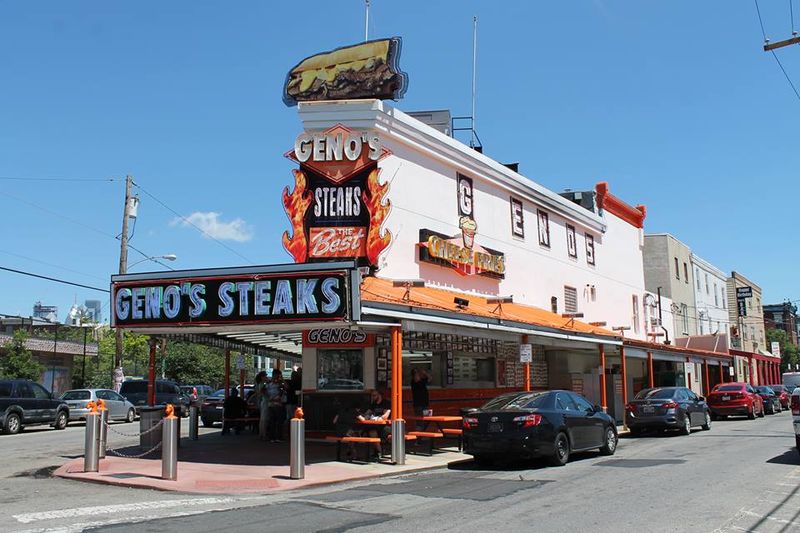
Few foods are as synonymous with a city as the Philly cheesesteak is with Philadelphia.
Pat’s King of Steaks and Geno’s Steaks sit across from each other at the intersection of 9th Street and Passyunk Avenue, locked in an eternal rivalry that tourists have been led to believe represents the pinnacle of sandwich craftsmanship.
Reality tells a different story, though, as countless visitors have discovered after waiting in lengthy lines only to bite into sandwiches that taste remarkably ordinary.
Both establishments operate 24 hours a day, which sounds convenient until you realize that even at odd hours, lines can stretch down the block.
The ordering process itself has become unnecessarily intimidating, with posted rules about how to properly request your sandwich and warnings about what not to do.
This aggressive approach to customer interaction leaves many feeling unwelcome rather than excited about their meal.
Prices have climbed steadily over the years, and what you get for your money often disappoints.
The meat can be greasy, the cheese processed, and the rolls sometimes stale depending on when you visit.
Local Philadelphians will quietly tell you that dozens of neighborhood sandwich shops serve better cheesesteaks at lower prices without the attitude or the wait.
The touristy atmosphere around both locations has intensified, with aggressive panhandlers and a general lack of cleanliness that detracts from the experience.
If you’re determined to try a famous Philly cheesesteak, consider seeking out Jim’s Steaks, Dalessandro’s, or John’s Roast Pork instead.
These alternatives consistently receive higher marks from both locals and food critics.
Address: 1237 East Passyunk Avenue, Philadelphia, Pennsylvania (Pat’s) and 1219 South 9th Street, Philadelphia, Pennsylvania (Geno’s)
2. The Rocky Statue and Steps at Philadelphia Museum of Art
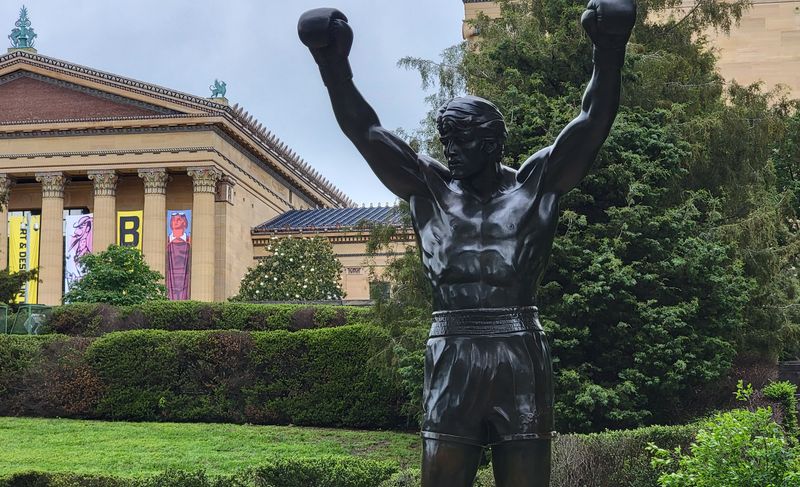
Movie magic doesn’t always translate to real-world excitement, and nowhere is this truer than at the famous Rocky statue.
Visitors flock to the Philadelphia Museum of Art expecting to feel the same rush of triumph that Sylvester Stallone portrayed on screen.
Instead, they often encounter massive crowds jostling for position to snap a quick photo with the bronze figure.
The statue itself stands only about eight feet tall, which surprises many who imagined something grander.
Long lines snake around the area, especially during peak tourist season, turning what should be a quick stop into an exhausting wait.
Security concerns and crowd control measures have added barriers that make the experience feel less spontaneous and more regimented.
The famous steps themselves are just that: steps leading up to an art museum.
Climbing them can be fun for fitness enthusiasts, but the novelty wears off quickly when you realize there’s little else to do besides run up and down.
Many travelers report feeling underwhelmed by how small the area actually is compared to how it appears in films.
The surrounding commercialization, with vendors selling Rocky merchandise and street performers demanding tips, adds to the touristy atmosphere that some find off-putting.
If you do visit, arriving early in the morning before tour buses arrive can make the experience slightly more enjoyable.
Otherwise, you might find yourself wondering why you spent so much time waiting for a photo opportunity that takes mere seconds.
Address: 2600 Benjamin Franklin Parkway, Philadelphia, Pennsylvania
3. The Liberty Bell in Philadelphia
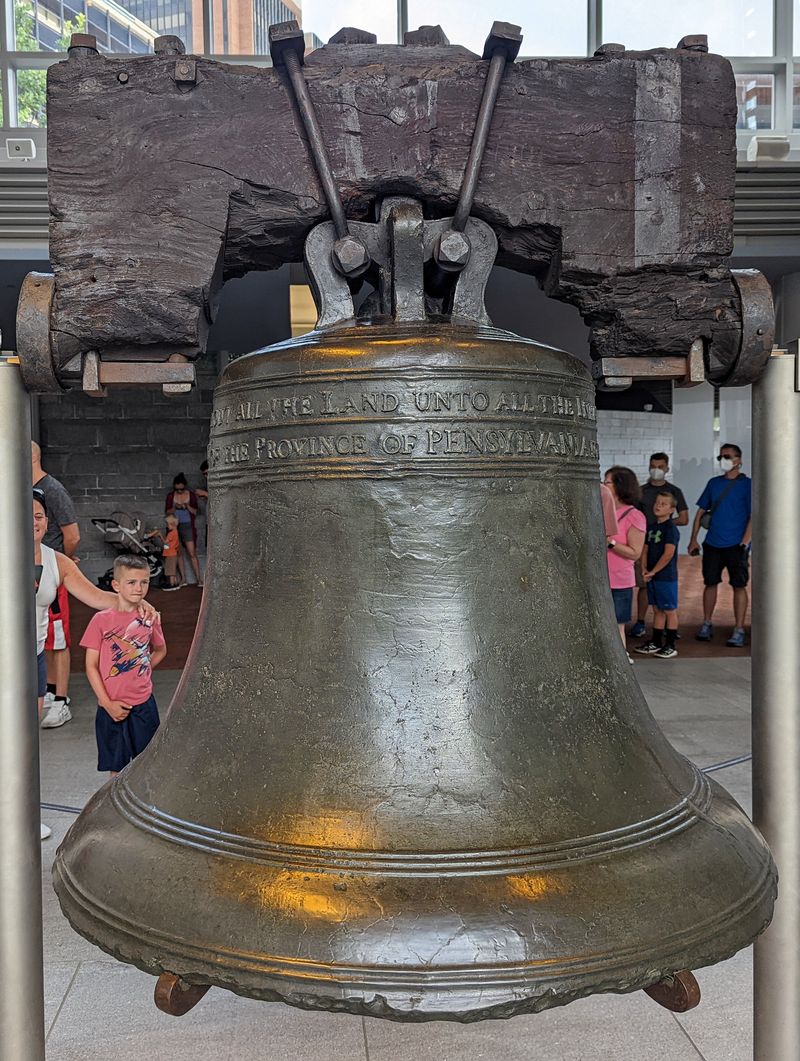
American history textbooks build up the Liberty Bell as one of the nation’s most treasured symbols of freedom and independence.
School children grow up hearing about its famous crack and the role it played in American Revolutionary history.
When visitors finally stand before it, however, many experience a profound sense of anticlimax.
The bell sits behind protective glass in a modern pavilion that feels more like an airport terminal than a historic shrine.
Security screenings similar to those at airports create bottlenecks, with visitors sometimes waiting an hour or more just to enter the building.
Once inside, you’re funneled through a brief exhibit before reaching the main attraction.
The viewing experience lasts only a few minutes, as crowds push forward and security guards keep everyone moving.
You can’t touch the bell or get particularly close to it, which removes any sense of connection to this piece of history.
Photography is allowed, but getting a clear shot without other tourists in the frame proves nearly impossible.
The bell itself is smaller than many expect, and the crack, while historically significant, doesn’t look particularly impressive in person.
Educational displays provide context, but the rushed atmosphere prevents meaningful engagement with the information presented.
Many visitors report feeling that they learned more from a quick internet search than from their actual visit.
The surrounding Independence National Historical Park offers more rewarding experiences, including Independence Hall itself, which requires timed tickets but provides greater historical depth.
If you do visit the Liberty Bell, manage your expectations and consider it a brief stop rather than a destination worthy of significant time investment.
Address: 526 Market Street, Philadelphia, Pennsylvania
4. The Poconos Mountain Resort Area
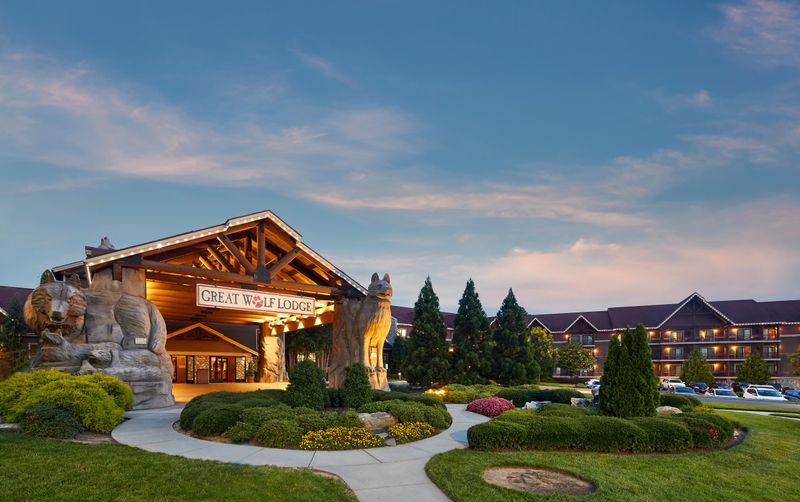
Marketing materials for the Poconos paint a picture of romantic getaways, pristine slopes, and luxurious mountain retreats.
Couples seeking honeymoon destinations and families looking for ski vacations have been drawn to this region for decades based on these promises.
What they often find instead are aging resorts that haven’t been updated since the 1980s, mediocre skiing conditions, and scenery that pales in comparison to other mountain destinations.
The famous heart-shaped tubs and champagne-glass whirlpools that once symbolized Pocono romance now feel dated and kitschy rather than luxurious.
Many resorts show visible signs of wear, with peeling paint, outdated furniture, and amenities that barely function.
Ski conditions rarely match those found in Vermont, New York, or Western mountain states, with shorter seasons, less natural snow, and smaller vertical drops.
The terrain tends toward beginner and intermediate levels, leaving advanced skiers bored after a few runs.
Lift ticket prices have climbed to levels comparable to better-equipped resorts elsewhere, making the value proposition questionable.
The natural scenery, while pleasant, doesn’t offer the dramatic vistas or pristine wilderness that marketing photos suggest.
Traffic congestion on Route 80 during peak weekends can add hours to what should be a straightforward drive from major cities.
Dining options in the area tend toward chain restaurants and overpriced resort food rather than memorable local cuisine.
Some visitors report feeling nickel-and-dimed by resort fees, parking charges, and extra costs for activities that should be included.
If you’re seeking a true mountain experience, consider investing the extra travel time to reach the Adirondacks, Catskills, or New England destinations that deliver on their promises.
5. The Big Mac Museum in Irwin
Quirky roadside attractions hold a special place in American travel culture, promising unique experiences you can’t find anywhere else.
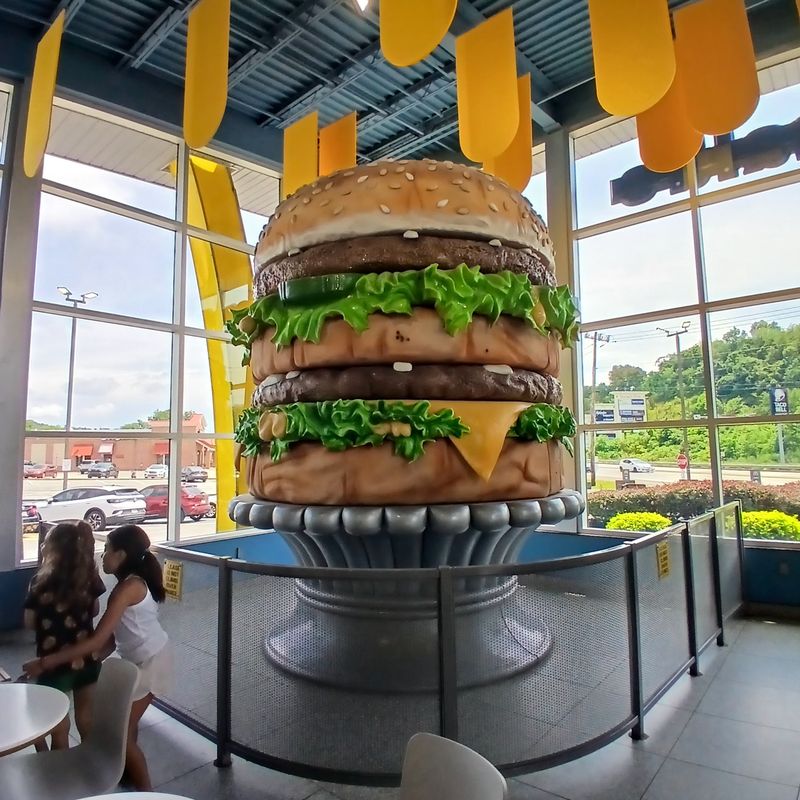
The Big Mac Museum in Irwin positions itself as one of these must-see oddities, complete with a 14-foot-tall Big Mac statue that appears in countless social media posts.
Visitors expecting a genuine museum experience quickly discover that they’ve essentially walked into a McDonald’s restaurant with some extra decorations.
The museum occupies a small section of a functioning McDonald’s, which immediately sets a commercial rather than educational tone.
Exhibits consist primarily of vintage McDonald’s advertisements, old uniforms, and corporate memorabilia that feel more like brand promotion than cultural preservation.
Information about the Big Mac’s invention by Jim Delligatti is presented, but the depth of content can be absorbed in about five minutes.
The giant Big Mac statue serves as the main draw, and while it makes for a decent photo opportunity, that’s essentially all there is to it.
Children might find the oversized burger amusing for a few moments, but the novelty wears off quickly.
There’s no admission fee, which makes sense given that the entire experience is designed to get you to purchase McDonald’s food.
The museum lacks the charm and authenticity of truly interesting roadside attractions like the World’s Largest Ball of Twine or quirky local history museums.
Travelers who make a special detour to visit often regret the time spent, especially when they realize it’s just corporate marketing dressed up as cultural heritage.
If you happen to be passing through Irwin and need a meal break, stopping for a quick photo might be harmless fun.
Planning a dedicated trip to see it, however, will almost certainly leave you disappointed.
Address: 9061 US Route 30, North Huntingdon, Pennsylvania
6. Hersheypark
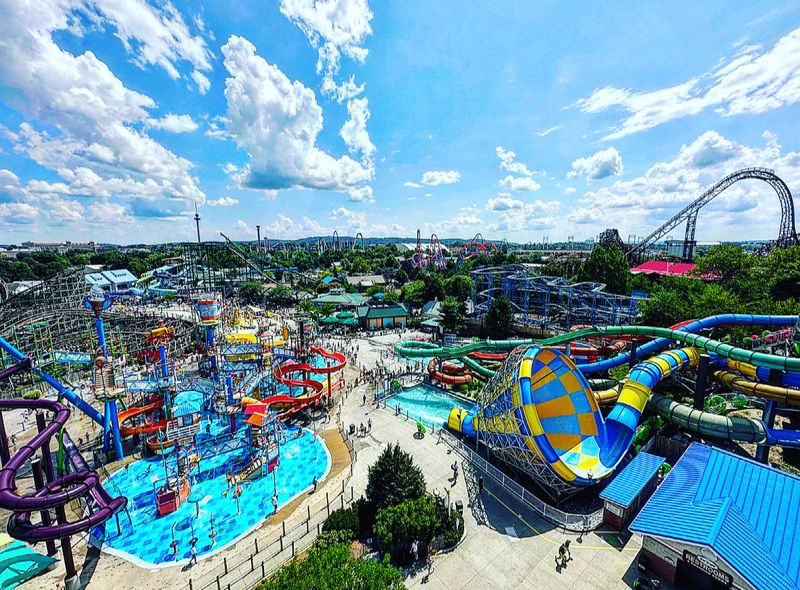
Chocolate and amusement parks seem like a combination destined for success, and Hersheypark has built its reputation on exactly this premise.
Families arrive expecting a magical experience where candy-themed attractions blend seamlessly with thrilling rides and entertainment.
The reality often involves expensive admission prices, overwhelming crowds, and a park that feels more focused on selling chocolate than delivering memorable experiences.
Ticket prices have climbed to levels comparable with major theme parks like Six Flags and Cedar Point, yet the ride selection doesn’t quite match those competitors.
While Hersheypark does offer some quality roller coasters, the overall collection feels smaller and less impressive than what you’d find at premier amusement destinations.
Lines for popular attractions can stretch to two hours or more during summer weekends and holidays, with limited fast-pass options available at additional cost.
The chocolate theming, while initially charming, becomes repetitive and feels like constant advertising for Hershey products.
Food prices inside the park are notably high, even by theme park standards, and quality often doesn’t justify the cost.
The park’s layout can be confusing, with attractions spread across different sections that require significant walking between them.
Parking fees add to the overall expense, and the lots are often far from the entrance, requiring shuttle rides or long walks.
During hot summer days, shade is limited in many areas, making the experience uncomfortable for families with young children.
The adjacent Chocolate World attraction is free but feels like an extended commercial rather than a genuine factory tour.
Many visitors report that for the total cost of admission, parking, food, and souvenirs, they could have visited larger, better-equipped theme parks and had a more satisfying experience.
Address: 100 West Hersheypark Drive, Hershey, Pennsylvania
7. Gettysburg Battlefield Tours
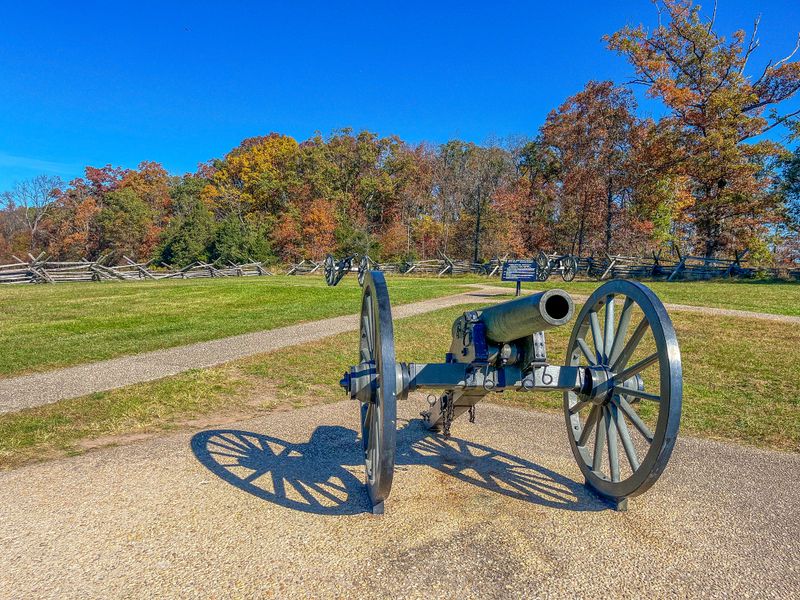
Civil War history holds tremendous significance in American culture, and Gettysburg represents one of the conflict’s most pivotal battles.
Students and history enthusiasts arrive with expectations of walking hallowed ground where the course of the nation was forever changed.
Unfortunately, the commercialization and poor presentation of this historic site often overshadow the profound history it contains.
The battlefield itself is vast, covering thousands of acres, which makes self-guided tours challenging without extensive preparation.
Audio tours and GPS guides help but can’t fully convey the complexity of the three-day battle that unfolded across this landscape.
Commercial tour operators vary wildly in quality, with some guides offering genuine historical insight while others simply recite basic facts available in any guidebook.
The town of Gettysburg surrounding the battlefield has become heavily commercialized, with ghost tours, haunted houses, and souvenir shops overwhelming the historical significance.
This carnival atmosphere feels disrespectful to many visitors who come seeking a solemn connection to the past.
The National Military Park Museum charges admission fees that some find steep, especially for families, though the exhibits inside are generally well-done.
Traffic congestion during peak tourist season makes navigating between different battlefield sites frustrating and time-consuming.
Many monuments and markers lack sufficient context, leaving visitors confused about what they’re looking at without hiring a guide.
The sheer number of tourists taking selfies and treating the battlefield as a casual park rather than a memorial site disturbs those seeking a more reverent experience.
Weather can also be a factor, with the open fields offering little shelter from rain, heat, or cold during visits.
For those serious about Civil War history, visiting with a reputable licensed guide or investing significant time in pre-trip research can improve the experience considerably.
8. Fallingwater
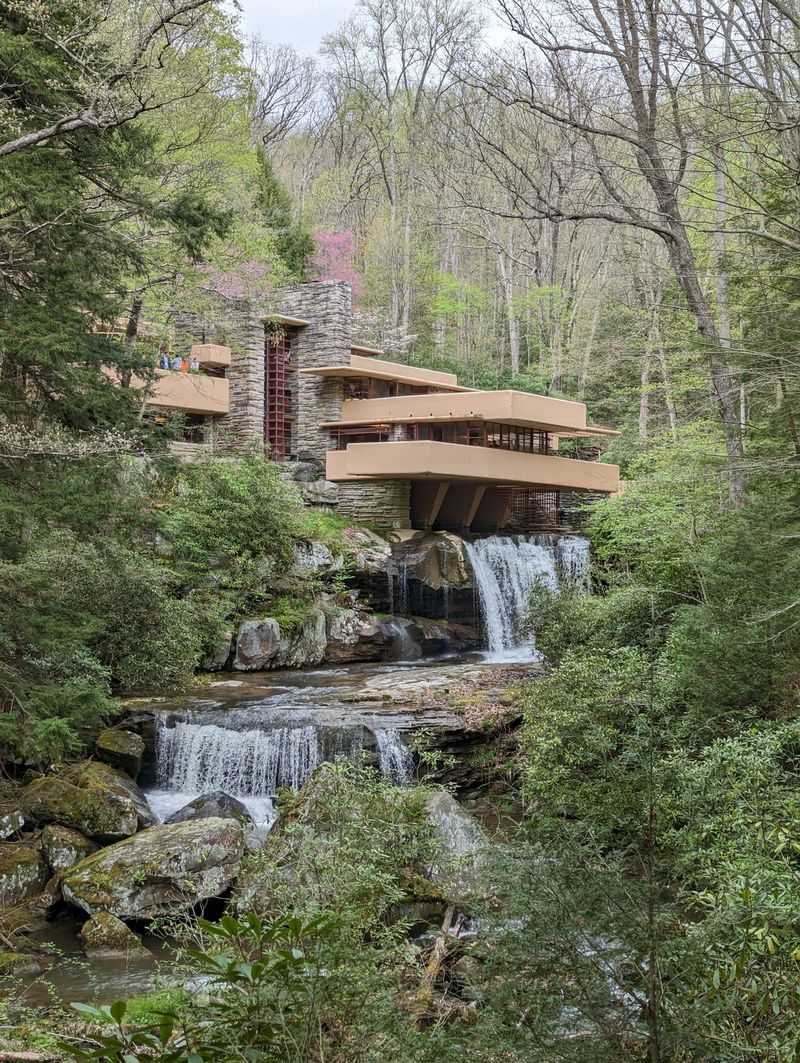
Frank Lloyd Wright’s architectural masterpiece perches dramatically over a waterfall in the Pennsylvania highlands, photographed countless times for architecture textbooks and design magazines.
Architecture students and design enthusiasts make pilgrimages to this site expecting to witness genius firsthand.
What many encounter instead is a rushed tour through a house where you can barely see the details, strict rules about where you can walk, and ticket prices that feel excessive for the limited access provided.
Advance reservations are required, often weeks or months ahead during popular seasons, which limits spontaneous visits.
Tour groups are large, making it difficult to hear guides or get close enough to appreciate architectural details.
Photography inside the house is prohibited, which frustrates visitors who want to document the design elements they’ve traveled to see.
Tours move quickly through the rooms, with guides keeping groups on schedule and discouraging questions that might slow the pace.
The house itself, while architecturally significant, shows its age with visible water damage and maintenance issues that detract from its beauty.
Ropes and barriers prevent you from getting close to many features, making the experience feel more like viewing a museum exhibit than experiencing architecture.
The natural waterfall, while lovely, is smaller than photographs suggest, and during dry seasons it can be reduced to a trickle.
The surrounding property offers hiking trails, but these are often overlooked in the rush to see the house itself.
Prices for tours have increased substantially, with premium options costing even more for only slightly better access.
The gift shop pushes expensive Wright-branded merchandise that feels more commercial than artistic.
Many architecture professionals recommend viewing the house from the exterior viewpoints instead, which are free and allow better appreciation of its relationship to the landscape.
Address: 1491 Mill Run Road, Mill Run, Pennsylvania
9. Eastern State Penitentiary
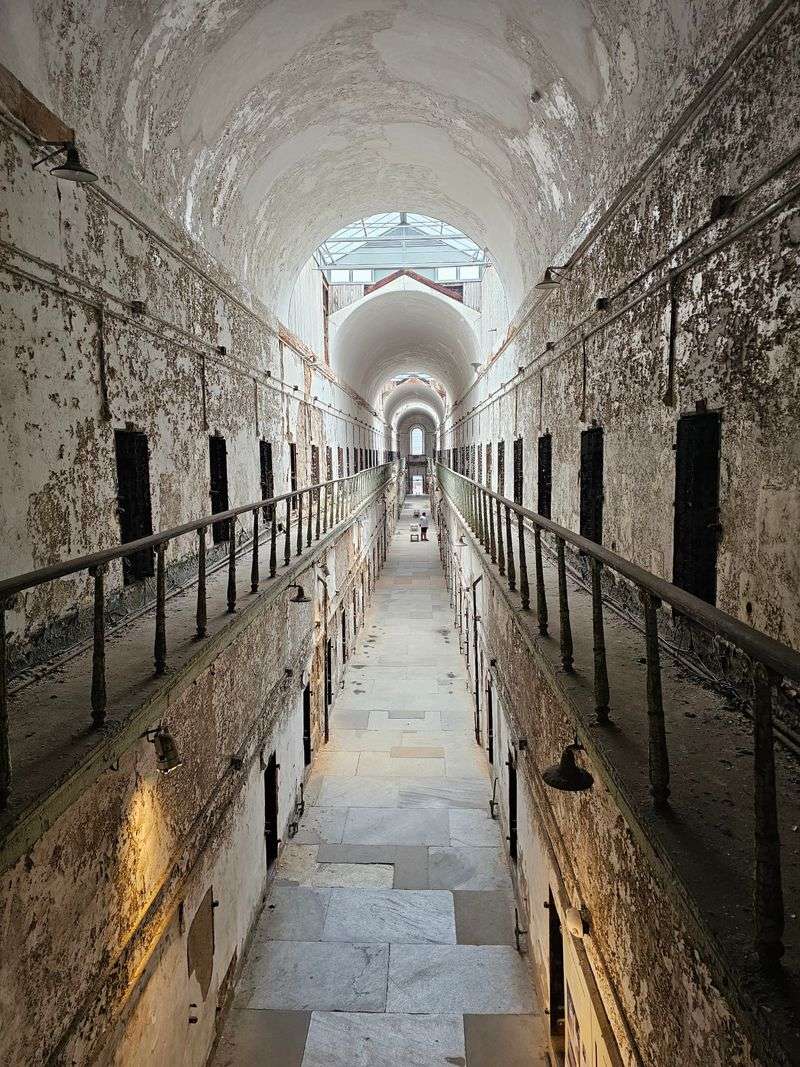
Abandoned prisons carry an undeniable mystique, and Eastern State Penitentiary in Philadelphia promises a haunting journey through America’s criminal justice history.
The crumbling cellblocks and imposing Gothic architecture create dramatic visuals that look spectacular in photographs and promotional materials.
Visitors hoping for a deeply immersive historical experience often find themselves underwhelmed by the self-guided audio tour format and the building’s advanced state of decay that obscures rather than illuminates its history.
The audio tour, while informative, keeps you tethered to a prescribed route and timeline that feels restrictive rather than exploratory.
Many cellblocks are closed off due to safety concerns, limiting access to large portions of the facility.
The deterioration, while atmospheric, makes it difficult to visualize what daily life was actually like for inmates.
Signage and exhibits are sparse in many areas, leaving you staring at empty, crumbling rooms without sufficient context.
The famous cell where Al Capone was housed has been reconstructed with period furniture, but this feels staged and inauthentic compared to the rest of the facility.
During summer months, the lack of climate control makes touring the stone building uncomfortably hot and stuffy.
Winter visits are equally challenging, as the building is unheated and can be bitterly cold.
The Halloween haunted house attraction that the penitentiary hosts has become its primary revenue source, which has shifted focus away from serious historical interpretation.
Admission prices are relatively high considering the limited interpretation and self-guided nature of the experience.
The neighborhood surrounding the penitentiary has improved but still requires visitors to be mindful of their surroundings.
Photography enthusiasts may find value in the atmospheric ruins, but those seeking deep historical engagement often leave feeling they could have learned more from a documentary.
Address: 2027 Fairmount Avenue, Philadelphia, Pennsylvania
10. Penn’s Cave
Underground cave systems fascinate travelers with promises of otherworldly rock formations and subterranean mysteries.
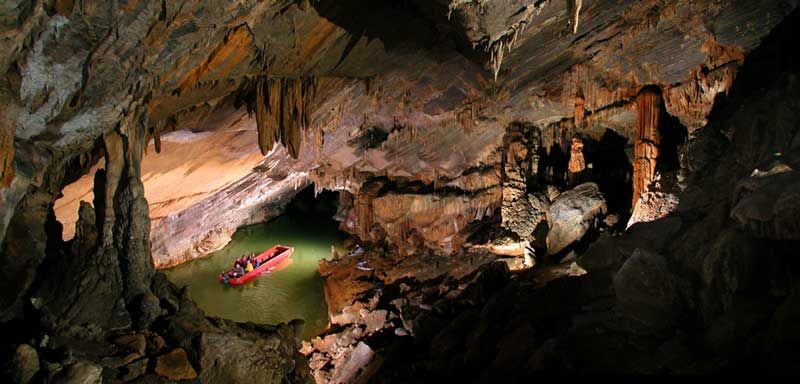
Penn’s Cave markets itself as America’s only all-water cavern tour, where visitors float through limestone chambers on guided boat trips.
The concept sounds enchanting, but the reality involves cramped boats, brief glimpses of formations in dim lighting, and a tour that feels more rushed than magical.
The boat tour lasts only about 45 minutes, which barely allows time to appreciate the geological features before you’re ushered back to the surface.
Boats hold large groups of tourists, making the experience feel crowded and impersonal rather than intimate and exploratory.
The cave itself is relatively small compared to major cavern systems in other states, with fewer dramatic formations than places like Mammoth Cave or Carlsbad Caverns.
Lighting inside the cave is minimal, which preserves the natural environment but makes it difficult to see the stalactites and stalagmites clearly.
Guides deliver scripted narrations that cover basic geological information but rarely go deeper into the science or history.
The water through which you travel is murky and uninviting, lacking the crystal clarity that makes some underground lakes spectacular.
Temperature inside the cave is cold year-round, and visitors are advised to bring jackets even on hot summer days.
Additional attractions on the property, including a wildlife park and gemstone panning, feel like add-ons designed to justify higher ticket prices.
The surrounding area offers limited dining and lodging options, making it an awkward destination for travelers passing through.
Photography is permitted but challenging given the low light conditions and moving boat platform.
Many visitors report that other Pennsylvania caves, such as Crystal Cave or Lincoln Caverns, offer better formations and more engaging tours at comparable prices.
Address: 222 Penns Cave Road, Centre Hall, Pennsylvania
Dear Reader: This page may contain affiliate links which may earn a commission if you click through and make a purchase. Our independent journalism is not influenced by any advertiser or commercial initiative unless it is clearly marked as sponsored content. As travel products change, please be sure to reconfirm all details and stay up to date with current events to ensure a safe and successful trip.
