
Pennsylvania holds a surprising secret that many travelers overlook.
Tucked between rolling hills and historic valleys are cities and towns that feel more like Germany, Switzerland, or medieval England than the American Northeast.
From cobblestone streets to half-timbered houses, these destinations offer a taste of Europe without crossing the ocean.
Whether you crave alpine scenery, Old World charm, or centuries-old architecture, Pennsylvania delivers an unforgettable European experience right in your backyard.
1. Jim Thorpe
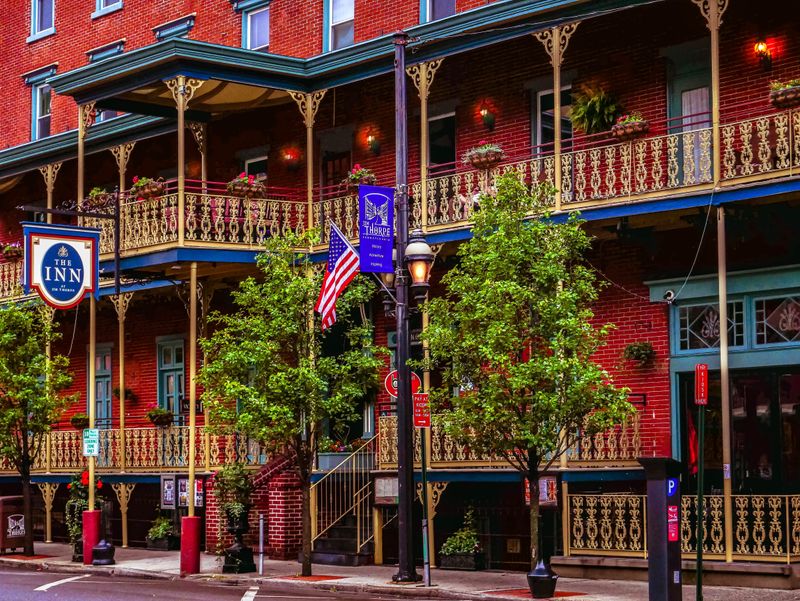
Known affectionately as the Switzerland of America, Jim Thorpe captivates visitors with its dramatic mountain setting and Victorian grandeur.
The town clings to steep hillsides in the Pocono Mountains, where brightly painted buildings cascade down slopes like alpine chalets.
Walking through the historic district feels like stepping into a European postcard.
Narrow streets wind between ornate facades adorned with gingerbread trim and wrought-iron balconies.
The Lehigh River rushes through town, adding to the Swiss ambiance with its rushing waters and stone bridges.
Many structures date back to the coal boom era when wealthy industrialists built mansions reflecting European tastes.
Today, those same buildings house charming boutiques, galleries, and cafes that maintain the Old World atmosphere.
The town earned its nickname honestly, as the surrounding peaks and valleys mirror the Swiss landscape.
Autumn transforms Jim Thorpe into a kaleidoscope of color when fall foliage blankets the mountains.
Winter brings a hushed beauty as snow dusts Victorian rooftops and creates a scene worthy of a German Christmas village.
The Asa Packer Mansion stands as a crown jewel of Victorian architecture, showcasing Italian Renaissance Revival design.
Train enthusiasts appreciate the restored railroad station that once served as a gateway to this mountain retreat.
Outdoor adventurers find endless trails winding through forests and along clifftops offering panoramic vistas.
The combination of natural beauty and architectural heritage creates an atmosphere found nowhere else in Pennsylvania.
Every corner reveals another photogenic view that could easily be mistaken for a European alpine destination.
2. Lititz
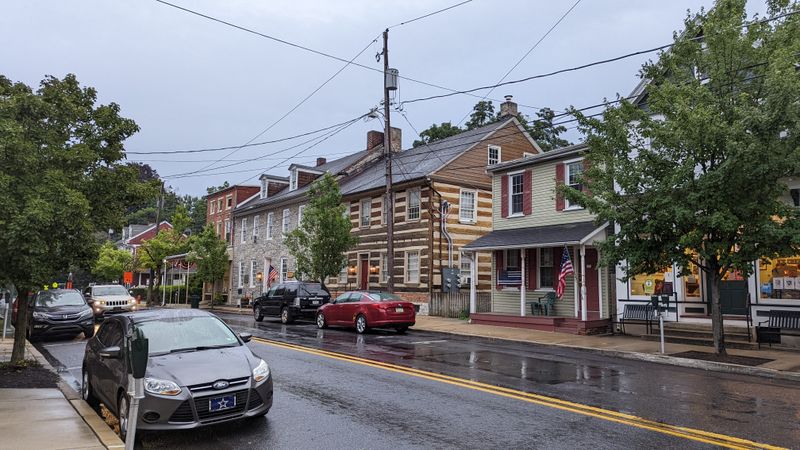
Founded in 1756 by German Moravians, Lititz preserves its European roots with remarkable authenticity.
Main Street showcases half-timbered buildings that could have been transported directly from a Bavarian village.
The town remains one of the oldest planned communities in America, designed around a central square in true European fashion.
Strolling the tree-lined streets, you encounter architecture that honors its Germanic heritage at every turn.
The Moravian Church Square anchors the historic district with limestone structures dating back centuries.
Lititz Springs Park provides a green oasis where locals and visitors gather much like European town squares.
The aroma of fresh-baked pretzels drifts from the Sturgis Pretzel House, America’s first commercial pretzel bakery established in 1861.
Wilbur Chocolate Company adds sweet notes to the air, continuing a tradition that began in 1884.
These family-run businesses maintain Old World craftsmanship passed down through generations.
Walking tours reveal fascinating details about Moravian building techniques and community planning.
The architecture emphasizes function and simplicity, reflecting the religious community’s values.
Brick and stone construction predominates, giving buildings a solid, timeless quality.
Window boxes overflow with flowers during warmer months, adding splashes of color against neutral facades.
Small courtyards and gardens hide behind buildings, offering quiet spaces for reflection.
The town maintains strict preservation standards that keep modern intrusions minimal.
Annual events like the Fire and Ice Festival celebrate community traditions with European flair.
Boutique shops occupy historic buildings, selling handcrafted goods that honor traditional methods.
Every visit feels like a journey back to simpler times when craftsmanship and community defined daily life.
3. Bethlehem
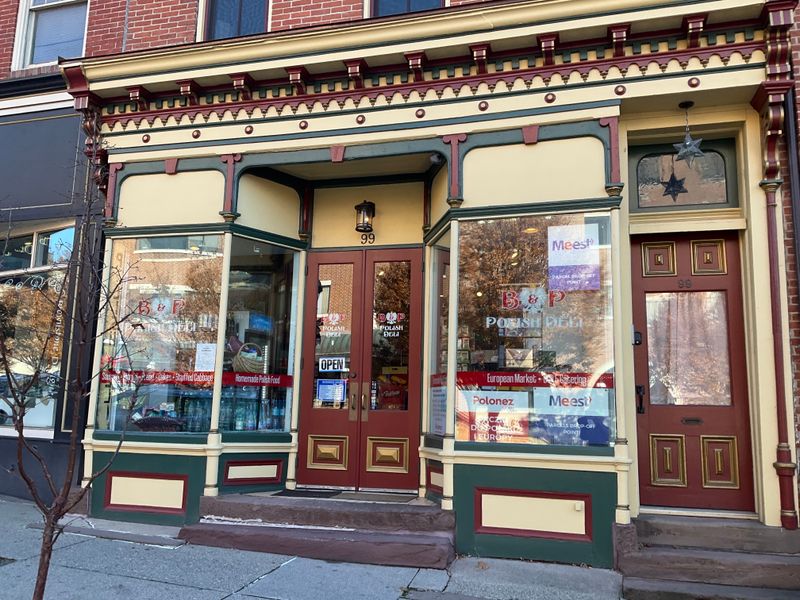
Christmas City USA earned its nickname through centuries of Germanic traditions and architectural legacy.
The historic district transports visitors to 18th-century Moravian settlements with its carefully preserved limestone buildings.
Central Moravian Church dominates the skyline, its simple yet elegant design reflecting Protestant sensibilities.
The 1741 Gemeinhaus stands as America’s largest surviving log structure from that era, showcasing traditional Germanic construction methods.
Massive hand-hewn timbers fit together with precision that modern builders still admire.
Main Street follows medieval European town planning principles with a central square surrounded by important civic buildings.
The Moravian Book Shop operates continuously since 1745, making it America’s oldest bookstore.
Stepping inside feels like entering a European literary salon from centuries past.
The Colonial Industrial Quarter preserves waterworks, tanneries, and mills that powered the early settlement.
Stone walls and wooden waterwheels demonstrate engineering knowledge brought from European homelands.
During December, the entire historic district glows with thousands of white lights strung in traditional Moravian star patterns.
The Christmas markets attract visitors seeking authentic European holiday experiences without international travel.
Vendors sell handcrafted ornaments, beeswax candles, and traditional foods reminiscent of German Christkindlmarkt.
Musicians perform carols in both English and German, honoring the settlement’s bilingual heritage.
The Sun Inn, built in 1758, hosted Revolutionary War figures including George Washington and Benjamin Franklin.
Its thick stone walls and low ceilings create intimate spaces that echo European taverns.
Walking the brick sidewalks past centuries-old buildings connects modern visitors to early American history.
The blend of Germanic culture and colonial American experience makes Bethlehem uniquely fascinating.
4. Doylestown
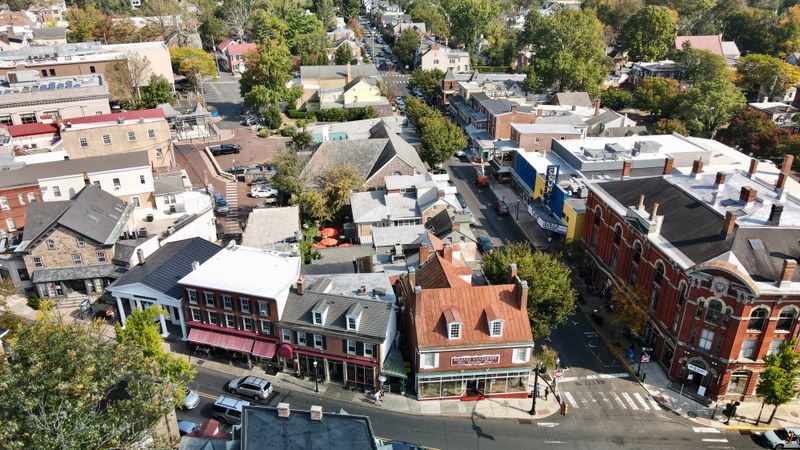
Archaeologist Henry Mercer transformed Doylestown into an unexpected showcase of Mediterranean-inspired castle architecture.
His concrete creations rise from the Pennsylvania landscape like fortresses transplanted from Spanish hillsides.
The Mercer Museum towers six stories high, its irregular profile suggesting a medieval European stronghold.
Mercer poured concrete into forms without traditional architectural plans, creating organic structures that defy conventional design.
Turrets, arches, and unexpected angles give the building a fantastical quality found in Catalonian architecture.
Inside, the museum houses over 40,000 artifacts demonstrating pre-industrial American craftsmanship.
Tools and implements hang from walls and ceilings in arrangements that create visual drama.
Fonthill Castle, Mercer’s personal residence, takes European inspiration even further with its labyrinth of rooms and passages.
Each space features hand-crafted tiles that Mercer produced at his Moravian Pottery and Tile Works.
The tiles incorporate medieval, Islamic, and Renaissance designs collected during European travels.
Walking through Fonthill feels like exploring a Spanish castle merged with an Italian palazzo.
No two rooms share identical layouts, as Mercer designed spaces organically around his tile installations.
Windows frame views unexpectedly, creating picture-perfect compositions of the surrounding estate.
The Moravian Pottery and Tile Works continues producing tiles using methods Mercer perfected over a century ago.
Visitors watch craftspeople hand-press clay into molds and apply glazes following traditional techniques.
The facility itself resembles a Spanish mission with its stucco walls and red tile roofs.
Together, these three sites create a concentrated dose of European architectural fantasy.
Doylestown proves that American innovation and European inspiration can merge into something entirely original yet deeply familiar.
5. Stoudtburg Village
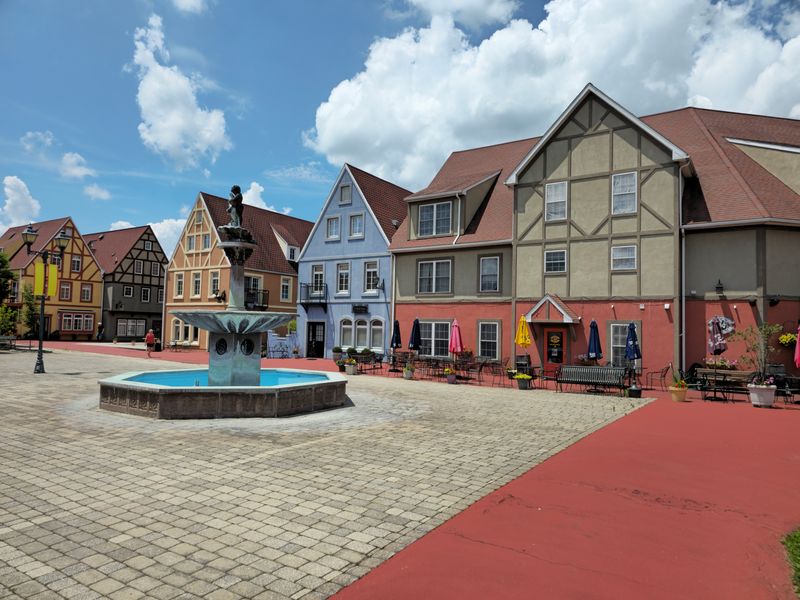
A deliberate recreation of Rothenburg ob der Tauber, Stoudtburg Village brings authentic German architecture to Adamstown.
Half-timbered houses line cobblestone paths exactly as they do in the famous Bavarian town.
The village emerged from the vision of Ed Stoudt, who wanted to honor his German heritage through architecture.
Every building follows traditional Fachwerk construction with exposed wooden frames filled with stucco or brick.
Steep roofs covered in clay tiles create distinctive silhouettes against Pennsylvania skies.
The central plaza features a fountain surrounded by benches where visitors can rest and absorb the atmosphere.
Flower boxes overflow with geraniums during summer, adding authentic Germanic touches.
Small shops occupy the ground floors of buildings, selling imported goods and local crafts.
A German restaurant serves traditional dishes like schnitzel, sauerbraten, and homemade strudel.
Dining on the outdoor terrace, you could easily forget you’re in Pennsylvania rather than Bavaria.
The village hosts German cultural events throughout the year, including Oktoberfest celebrations with authentic music and dancing.
Attention to detail extends to street signs, lighting fixtures, and even the style of benches placed along walkways.
Unlike many tourist recreations, Stoudtburg functions as a real community where people live and work.
Residents take pride in maintaining the European aesthetic through careful property maintenance.
The village brewery produces German-style beers following centuries-old recipes and techniques.
Tasting rooms allow visitors to sample lagers and ales while learning about traditional brewing methods.
Photography enthusiasts find endless subjects in the architectural details and picturesque arrangements.
Stoudtburg offers the most concentrated German village experience available in Pennsylvania without crossing the Atlantic.
6. Ephrata
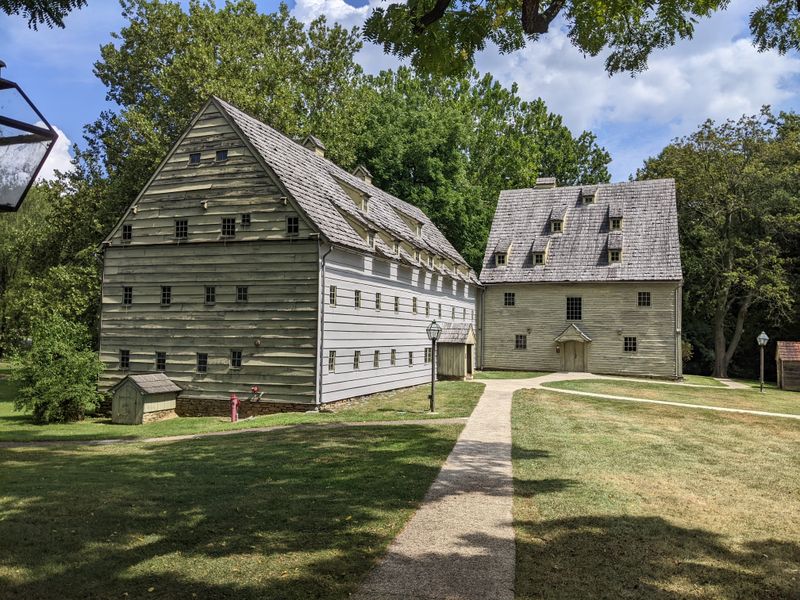
The Ephrata Cloister preserves a unique chapter of American religious history through its Germanic medieval architecture.
Founded in 1732 by German Seventh Day Baptists, the community built structures reflecting their European homeland.
Timber-frame buildings with steep roofs create a village that appears frozen in time.
The architecture emphasizes simplicity and functionality, reflecting the community’s ascetic spiritual practices.
Narrow doorways and low ceilings in the sleeping quarters remind visitors of the members’ commitment to humility.
The Sisters’ House and Brothers’ House stand as the largest surviving structures from the original settlement.
Hand-split wooden shingles cover the roofs, requiring periodic replacement using traditional methods.
Inside, sparse furnishings and whitewashed walls demonstrate the community’s rejection of worldly comforts.
The meetinghouse features wooden benches arranged in Germanic fashion for their religious services.
Members produced illuminated manuscripts combining medieval European artistic traditions with American themes.
These Fraktur documents showcase elaborate calligraphy and decorative borders similar to those found in German monasteries.
The print shop housed one of the earliest printing presses in colonial America.
Publications produced here spread German language and culture throughout Pennsylvania settlements.
Walking the grounds, you encounter gardens planted with herbs and vegetables common in 18th-century Germany.
The community’s bakehouse, wash house, and craft workshops demonstrate self-sufficient living.
Interpreters in period clothing explain daily routines and spiritual practices that defined community life.
The site offers rare insight into how German religious communities adapted European traditions to American soil.
Ephrata stands as testament to the enduring influence of Germanic culture in Pennsylvania’s development.
7. Manayunk
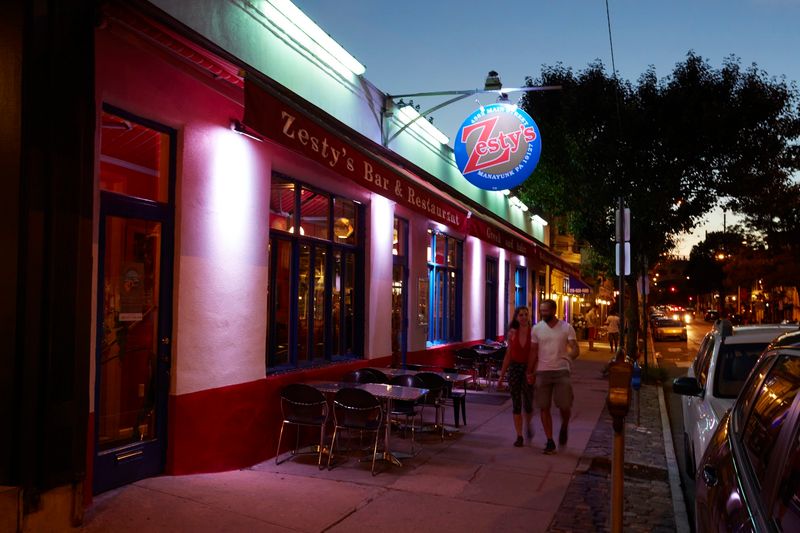
This Philadelphia neighborhood clings to steep hillsides overlooking the Schuylkill River with unmistakable European charm.
Row houses march up inclines at angles that recall San Francisco or Lisbon rather than typical American suburbs.
Main Street follows the historic canal towpath, creating a linear village center perfect for walking.
The canal itself adds Old World character, though it no longer carries commercial traffic.
Nineteenth-century mill buildings line the waterway, their stone walls and tall windows speaking to industrial heritage.
Many mills have transformed into lofts, restaurants, and galleries while preserving original architectural features.
Exposed brick, heavy timber beams, and large factory windows create spaces that feel both historic and contemporary.
The neighborhood developed as a mill town where workers from across Europe settled in tight-knit communities.
That immigrant heritage persists in the diversity of restaurants serving Italian, Polish, and Irish cuisines.
Sidewalk cafes spill onto Main Street during pleasant weather, creating scenes reminiscent of Continental Europe.
The steep side streets connecting to Main Street feel like climbing through a Mediterranean hill town.
Narrow passageways and stairways between buildings add to the European urban village atmosphere.
Venice Island, a small section surrounded by canal waters, provides a unique setting for dining and shopping.
The neighborhood’s walkability and human scale contrast sharply with car-dependent American development patterns.
Cyclists appreciate the Schuylkill River Trail running through Manayunk, connecting it to downtown Philadelphia.
The combination of water, hills, historic architecture, and vibrant street life creates genuine European urban character.
Art galleries and boutiques occupy storefronts that once served mill workers and their families.
Manayunk demonstrates how American industrial neighborhoods can evolve while honoring their immigrant European roots.
8. New Hope
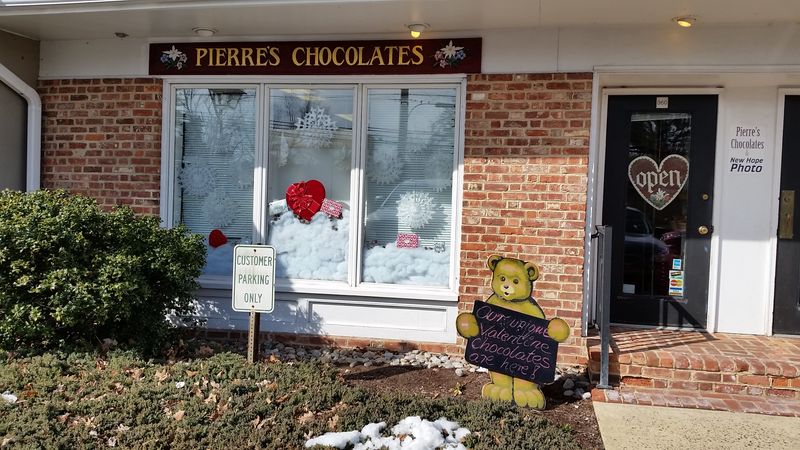
Perched along the Delaware River, New Hope enchants visitors with its artistic spirit and colonial-era architecture.
Stone buildings dating to the 1700s line narrow streets that wind through the compact downtown.
The town developed around a ferry crossing, creating a natural gathering point that evolved into a charming village center.
Artists discovered New Hope in the early 1900s, drawn by its picturesque setting and affordable spaces.
That bohemian legacy continues today with dozens of galleries showcasing paintings, sculpture, and crafts.
The Delaware Canal runs parallel to the river, its towpath now serving walkers and cyclists.
Stone locks and tender houses dot the canal, preserving infrastructure from Pennsylvania’s transportation history.
Crossing the river via the historic bridge offers views that painters have captured for over a century.
The opposite bank features Lambertville, New Jersey, creating a twin-town dynamic common in European river valleys.
Both communities share architectural styles and cultural character, functioning as a single destination.
Antique shops fill historic buildings, their collections spilling onto sidewalks in arrangements suggesting European flea markets.
The Bucks County Playhouse occupies a converted gristmill, its stone walls providing excellent acoustics for theatrical performances.
Dining options range from cozy bistros to riverside restaurants with outdoor seating overlooking the water.
The town’s compact size encourages walking, with most attractions accessible within a few blocks.
Victorian-era homes on side streets showcase ornate woodwork and wraparound porches.
Bed and breakfast inns occupy many historic residences, offering intimate accommodations in period settings.
The combination of arts culture, historic architecture, and riverside location creates an atmosphere found in small European cultural centers.
New Hope proves that American towns can cultivate sophisticated cultural life within historic frameworks.
9. Gettysburg
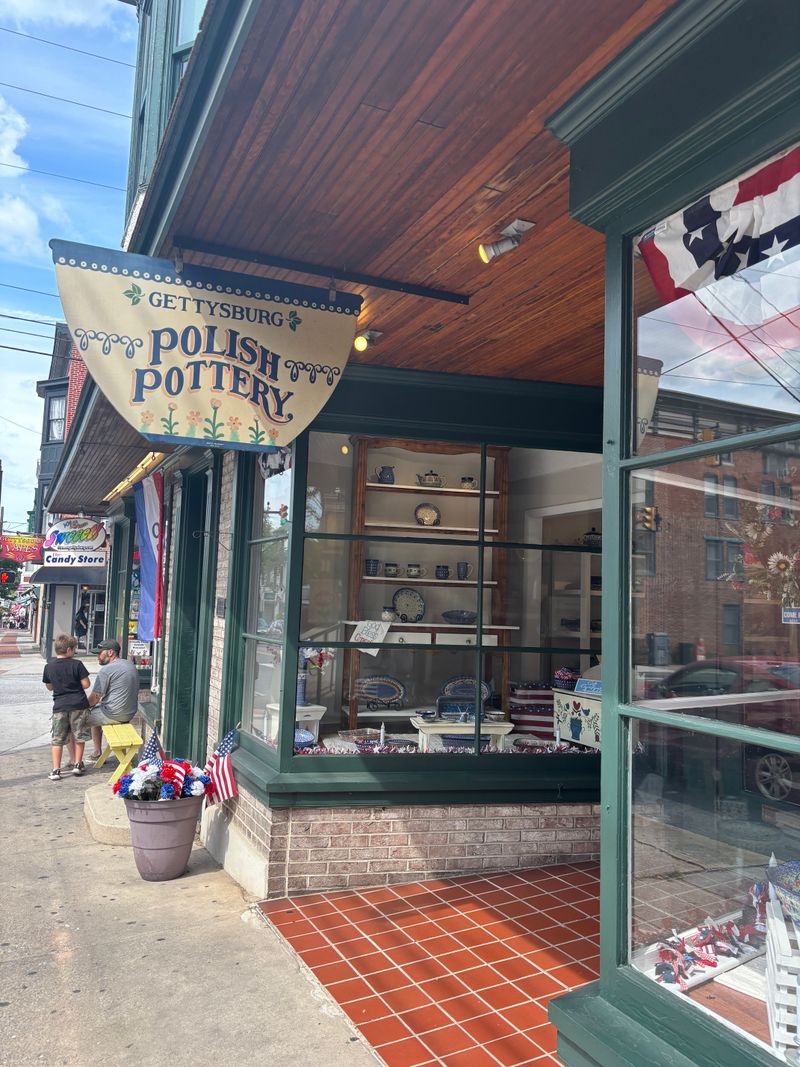
Beyond its famous battlefield, Gettysburg’s town center reveals carefully preserved 19th-century architecture with distinctly European proportions.
Lincoln Square forms the heart of downtown, a traffic circle surrounded by brick commercial buildings.
The layout follows traditional European town planning with streets radiating from a central point.
Many buildings pre-date the Civil War, their Federal and Greek Revival styles reflecting early American prosperity.
Brick sidewalks and period street lamps enhance the historic atmosphere without feeling artificial.
The town developed as a county seat and market center, attracting substantial architecture for civic and commercial purposes.
Bullet holes and cannon damage on some buildings serve as stark reminders of the three-day battle.
These scars add authenticity impossible to recreate, connecting present to past in tangible ways.
Small museums occupy historic homes, preserving interiors that show how families lived during the 1860s.
The Dobbin House, built in 1776, represents the oldest standing structure in town.
Its stone construction and small windows reflect colonial building practices brought from Europe.
Walking the residential streets reveals architectural evolution from Georgian through Victorian periods.
Gettysburg College campus adds academic architecture that complements the town’s historic character.
Pennsylvania Hall, with its distinctive cupola, serves as a landmark visible throughout the area.
The combination of battlefield, historic town, and academic community creates layers of interest.
Independent shops and restaurants occupy ground-floor spaces in historic buildings along main streets.
The town maintains strict preservation standards that prevent inappropriate modern alterations.
Gettysburg demonstrates how American towns can honor tragic history while remaining vibrant communities.
10. Bellefonte
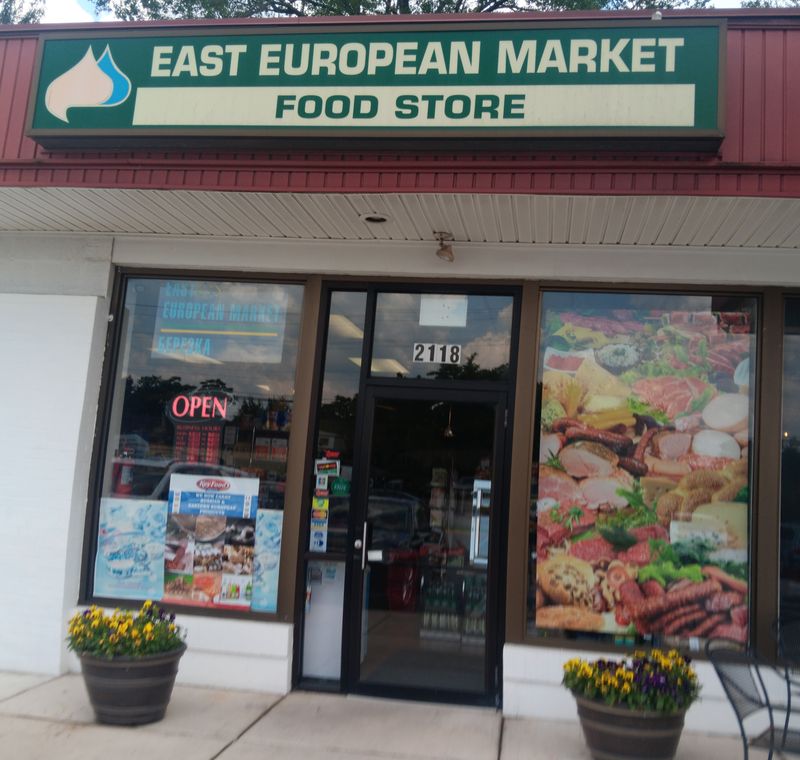
Victorian elegance defines Bellefonte, where limestone buildings and natural springs create an unusually refined small-town atmosphere.
Big Spring flows through the heart of downtown, its crystal-clear waters adding both beauty and practical function.
The spring produces over 11 million gallons daily, creating a natural focal point around which the town developed.
Allegheny Street showcases an impressive collection of Victorian commercial architecture spanning several blocks.
Ornate cornices, tall windows, and decorative brickwork demonstrate the craftsmanship of 19th-century builders.
Many buildings feature cast-iron storefronts manufactured locally during Bellefonte’s industrial heyday.
The Centre County Courthouse dominates the skyline with its Second Empire style and distinctive mansard roof.
This architectural choice, popular in France during the 1860s, gives the building unmistakable European flair.
Seven governors called Bellefonte home during Pennsylvania’s history, bringing political importance to the small town.
Their mansions still stand along residential streets, showcasing styles from Greek Revival to Queen Anne.
Talleyrand Park preserves natural springs and provides green space for community gatherings.
The park’s Victorian-era gazebo hosts summer concerts that continue traditions dating back generations.
Walking tours reveal fascinating details about residents who shaped Pennsylvania’s development.
The Bush House, a Victorian mansion turned museum, displays period furnishings in meticulously maintained rooms.
Bellefonte’s compact downtown remains highly walkable, with most attractions within easy strolling distance.
Local preservation efforts ensure that new development respects the town’s historic character.
The combination of natural beauty, architectural sophistication, and small-town pace creates genuine charm.
Bellefonte offers a glimpse of how American towns aspired to European elegance during the Victorian era.
11. Lancaster
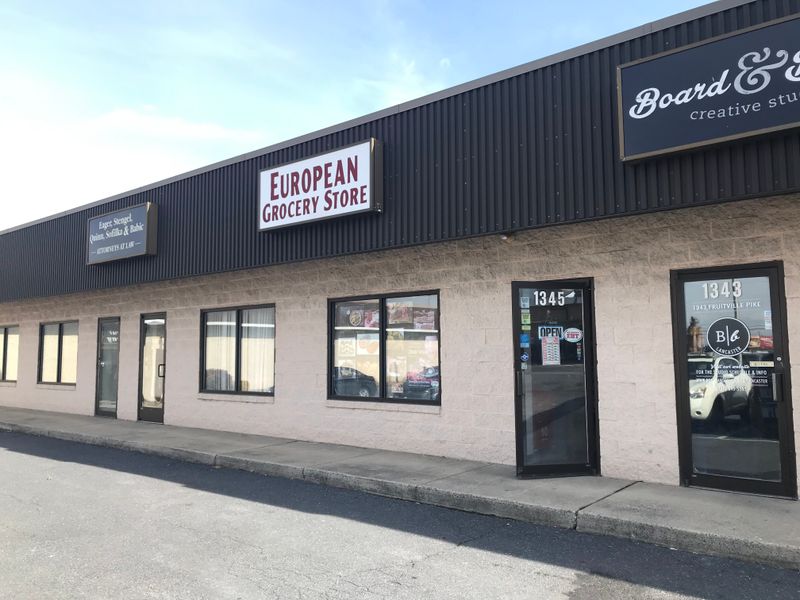
Lancaster blends Pennsylvania Dutch heritage with Victorian urban architecture in ways that evoke both German and English influences.
Central Market, operating since the 1730s, ranks among the oldest continuously running farmers markets in America.
The current Romanesque Revival building dates to 1889, its red brick and arched windows suggesting European market halls.
Inside, vendors sell products reflecting the region’s agricultural abundance and cultural diversity.
Amish and Mennonite farmers bring produce, baked goods, and crafts created using traditional methods.
The market functions as community gathering space much like European market squares have for centuries.
Downtown Lancaster features impressive Victorian commercial blocks built during the city’s manufacturing prosperity.
Fulton Opera House, constructed in 1852, stands as one of America’s oldest continuously operating theaters.
Its ornate interior showcases Victorian theatrical design with multiple balconies and elaborate plasterwork.
Penn Square forms the city center where major streets intersect around a small park.
This European-style plaza hosts festivals, concerts, and public gatherings throughout the year.
The surrounding blocks contain architecture spanning three centuries, creating visual interest at every turn.
Lancaster’s Pennsylvania Dutch heritage remains visible in restaurant menus, shop offerings, and cultural institutions.
The distinctive dialect still spoken in surrounding communities has roots in Palatinate German.
Museums explore how German-speaking immigrants adapted European traditions to American circumstances.
The city’s walkable downtown encourages exploration on foot, revealing architectural details easily missed from cars,
Gallery Row transforms a historic block into an arts district with studios, galleries, and performance spaces.
Lancaster demonstrates how American cities can honor immigrant heritage while evolving into contemporary cultural centers.
Dear Reader: This page may contain affiliate links which may earn a commission if you click through and make a purchase. Our independent journalism is not influenced by any advertiser or commercial initiative unless it is clearly marked as sponsored content. As travel products change, please be sure to reconfirm all details and stay up to date with current events to ensure a safe and successful trip.
