Potato chips were once a farmhouse kitchen project for a married couple who had no way of knowing how far their homemade snacks would travel. What began with potatoes, hot oil, and a small family operation eventually became a recognizable regional food brand.
The business grew in a part of Pennsylvania known for its long tradition of snack manufacturing. Over the decades, its product lineup expanded beyond ordinary potato chips to include waffle-cut varieties, kettle-cooked favorites, and other salty treats that found their way into neighborhood stores.
Ownership changed along the way, but the company kept its original name and its connection to the community where the first batches were prepared. Generations of shoppers continued reaching for the familiar bags.
Today, the story combines an unusual farmhouse beginning, decades of family stewardship, and a working snack factory that still serves customers in the region.
It All Started With Two Farmers and a Hot Kitchen Stove
Back in 1941, Harry and Fairy Martin were farming in south-central Pennsylvania. They decided to start making potato chips in their own farmhouse kitchen.
That small idea became Martin’s Snacks, a brand still on shelves today. Not bad for a project that began next to the family dinner plates.
Home kitchens in the 1940s were not built for big business. The Martins worked with simple equipment and a lot of patience, one batch at a time.
Fairy Martin’s name is part of the story too, and it’s a great one. A chip company started partly by a woman named Fairy sounds almost like a storybook, yet it’s real history.
Early snack makers in this part of the state often sold to nearby stores and neighbors. Word of mouth mattered far more than fancy advertising back then.
The best part is how ordinary the beginning was. There was no big factory, no giant budget, and no marketing team with slides.
If you have ever dreamed of turning a family recipe into something bigger, this story should give you a boost. It proves a good snack can travel a long way from one stove.
Those Barbecue Waffle Chips Have Serious Fans
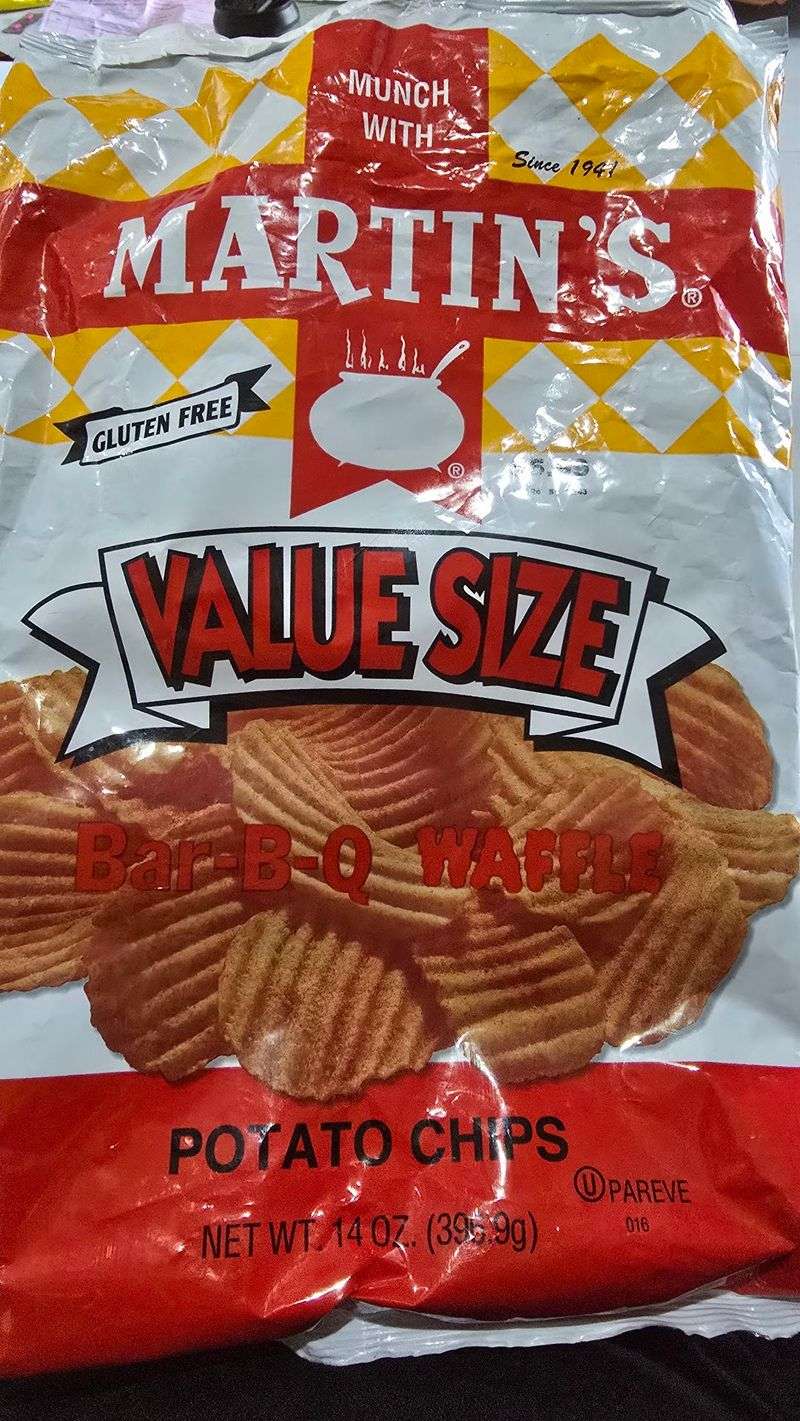
Ask around Pennsylvania about Martin’s, and barbecue waffle chips tend to come up fast. They’re one of the brand’s most famous products.
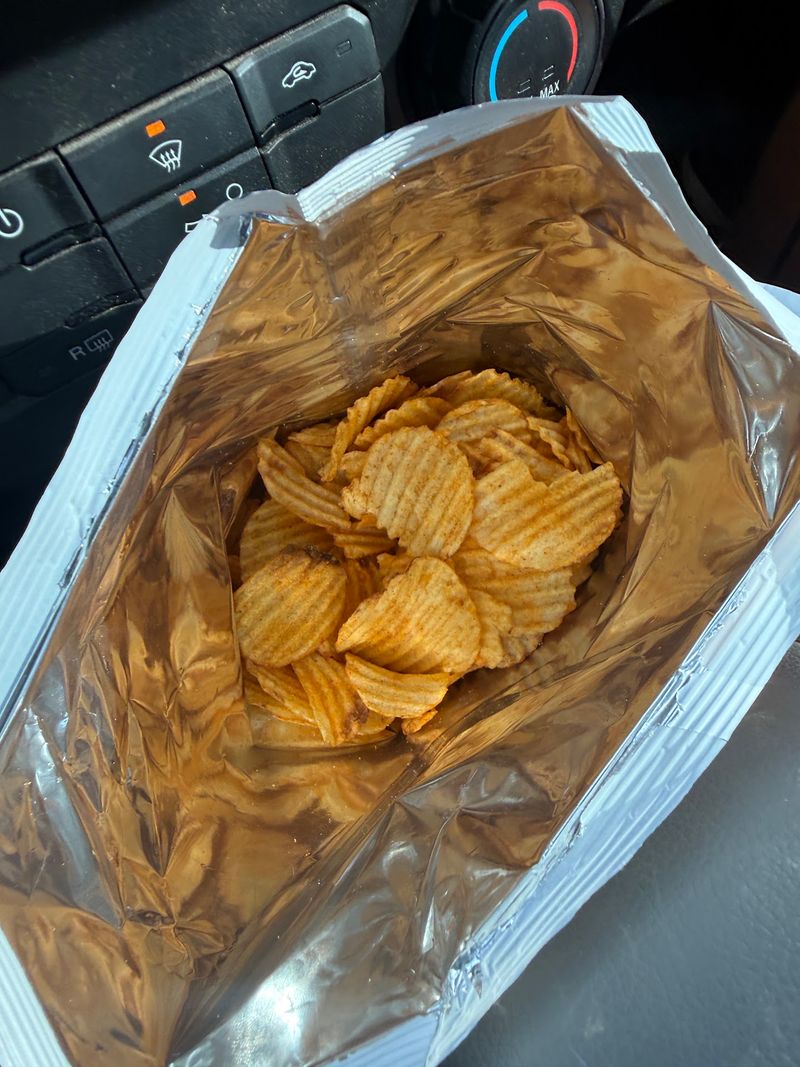
The waffle cut gives each chip a crisscross pattern. Those little pockets give the seasoning plenty of places to cling.
Some families have been eating these chips for decades. That kind of loyalty doesn’t happen by accident.
People also have strong opinions about the seasoning. Some want a heavier coating, while others like a lighter dusting, which proves how much people care.
Honestly, any chip that sparks a debate like that has done its job. Nobody argues about snacks they don’t love.
If you’ve never tried them, a waffle chip is sturdier than a thin flat chip. That makes it a smart choice for dipping without snapping halfway into the bowl.
Pair them with a sandwich at lunch or pack them for a road trip. They hold up nicely in a lunch bag too.
The barbecue flavor also makes a fun taste test with friends. Grab a bag of plain chips next to it and see which one disappears first.
My guess? The waffle bag wins the race, and nobody admits who ate the last handful.
New Owners Kept the Crunch Going for Generations
Plenty of family businesses fade away when the founders step back. Martin’s took a different road and kept on frying.
In 1971, Ken and Sandy Potter purchased the business from Harry and Fairy Martin, who remained involved as employees. The Potter family continued expanding the company, and the next generation eventually stepped into leadership roles.
That kind of steady leadership is rare in the snack world. Big brands get bought, sold, and renamed all the time.
Martin’s kept its name and its roots in York County instead. That choice helped the brand stay tied to the place where Harry and Fairy started.
Over the decades, the lineup grew well past plain chips. Shoppers can now find kettle-cooked chips, waffle chips, pretzels, popcorn, and cheese curls under the Martin’s label.
Growth didn’t mean moving the whole operation to a faraway city. The company still runs from the same rural Pennsylvania area, which feels refreshingly loyal.
Here’s a fun way to think about it. When you grab a bag, you’re holding the work of two families who both believed in one local snack.
That sense of continuity is a big reason the brand still feels homegrown. Few companies can claim that after 85 years.
A V-Shaped Cut Turns Up the Crunch Volume
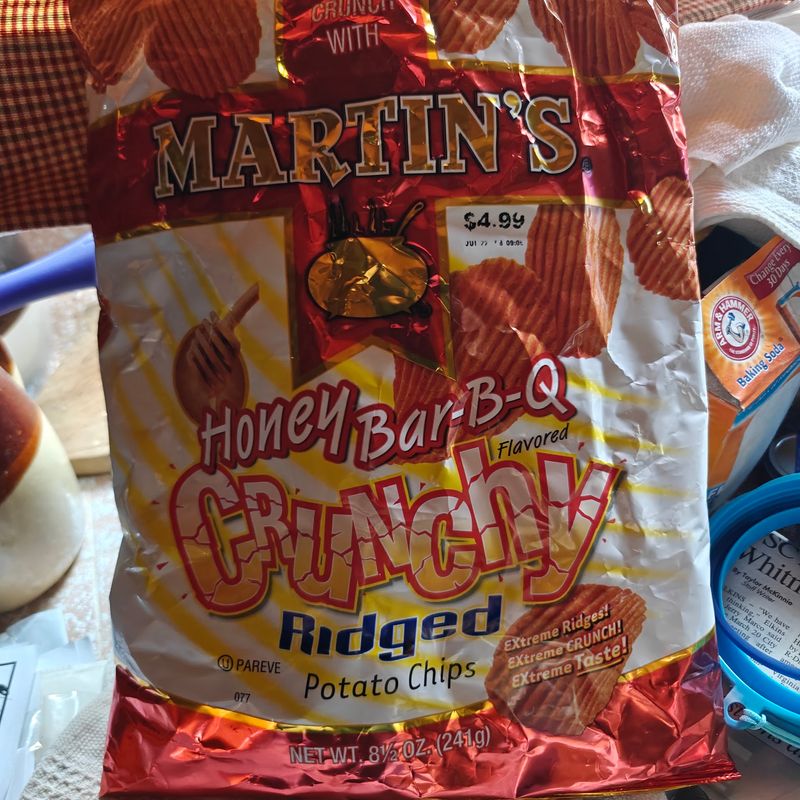
Crunch fans, this one is for you. Martin’s makes a ridged chip with a V-cut that the bag says creates an extreme crisp.
Most ridged chips use rounded waves. A sharper V shape changes how the chip breaks when you bite down.
The result is a louder, firmer snap. It’s the kind of chip you probably shouldn’t open during a quiet library visit.
Ridged chips also have a practical side. Those deep grooves help with thick dips like onion dip or cheese spread.
The ridges catch seasoning well too. Barbecue versions get plenty of flavor tucked into every groove.
Here’s a simple party tip worth trying. Serve a ridged chip next to a thin one, and let guests decide which texture they like best.
Kids usually love this kind of test because it feels like a science experiment. Plus, the experiment ends with snacks, which beats most homework.
It’s also neat that a company this old still tinkers with how chips are cut. Small changes in shape can make a big difference in your mouth.
So next time you’re in the chip aisle, check the bag for that V-cut detail. Your ears might notice the difference before your taste buds do.
Kettle-Cooked Chips Bring the Old-School Style
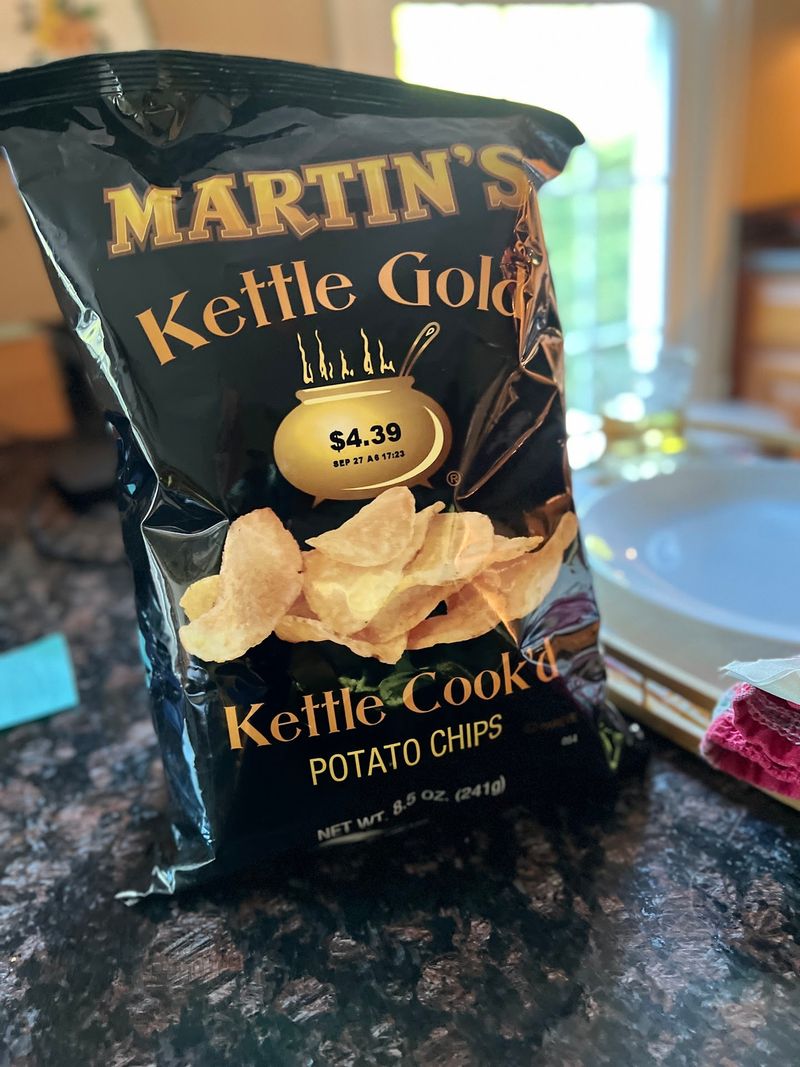
Kettle chips feel like a nod to the brand’s farm-kitchen roots. They’re cooked in batches, which is closer to how chips were first made.
Martin’s offers kettle-cooked chips in flavors like plain and barbecue. Plain kettle chips are a great way to judge any chip maker, since there’s nothing to hide behind.
Batch cooking usually gives chips a thicker, harder bite. Many of them come out with curled or folded edges.
That uneven look is part of the charm. Every handful feels a little different from the last.
Martin’s sells some chips in bigger boxes too. If your household goes through snacks quickly, a larger box can make sense.
A smart move is to keep big bags sealed tight with a clip. Fresh chips stay crisp much longer when air stays out.
Got a picky eater at home? Plain kettle chips are simple and salty, so they rarely scare anyone off.
It’s a classic style done the old way. Harry and Fairy would probably recognize the idea right away.
There’s a Little Store Right at the Factory
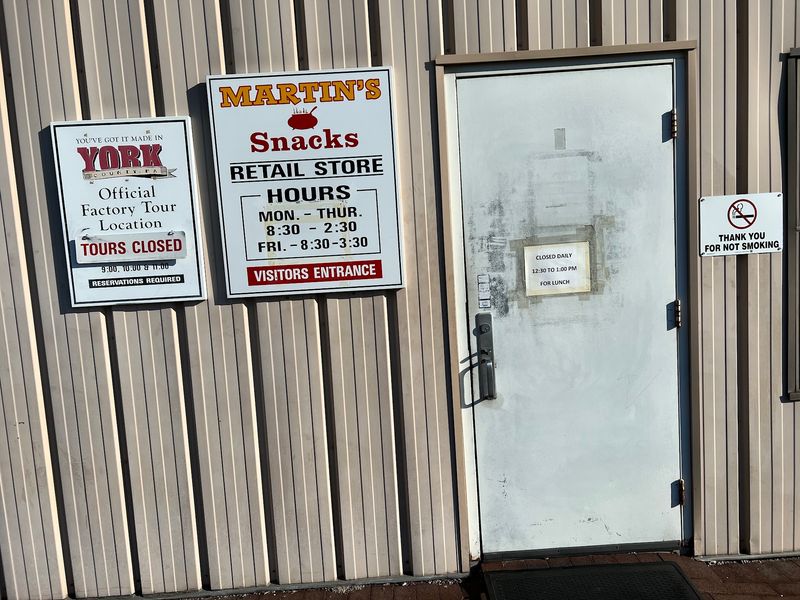
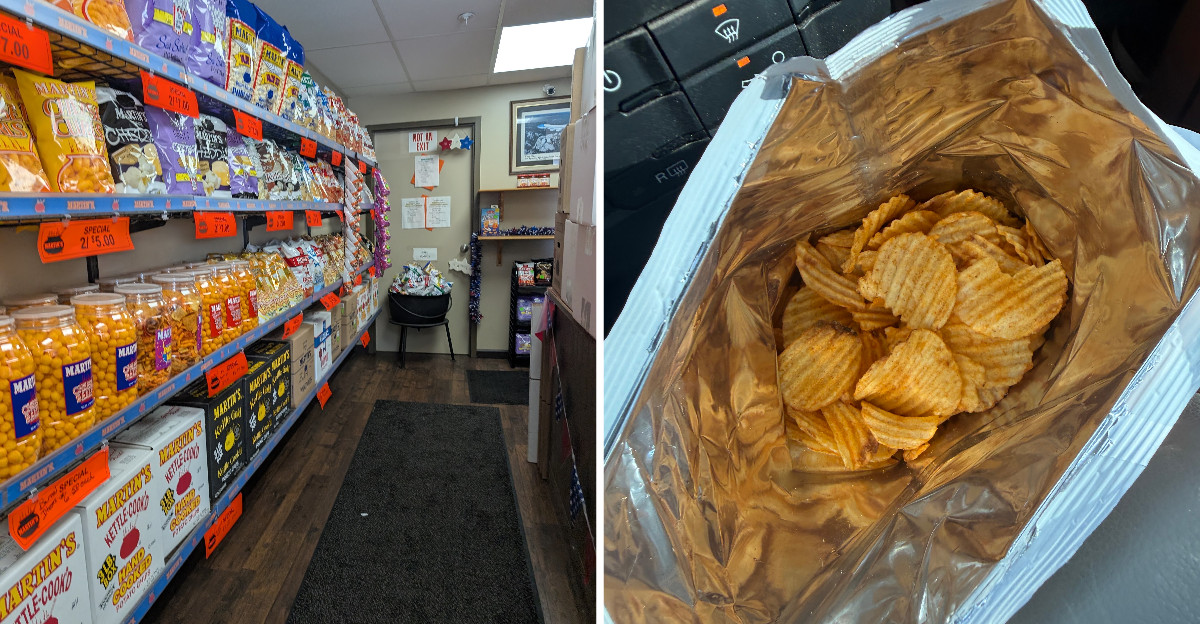
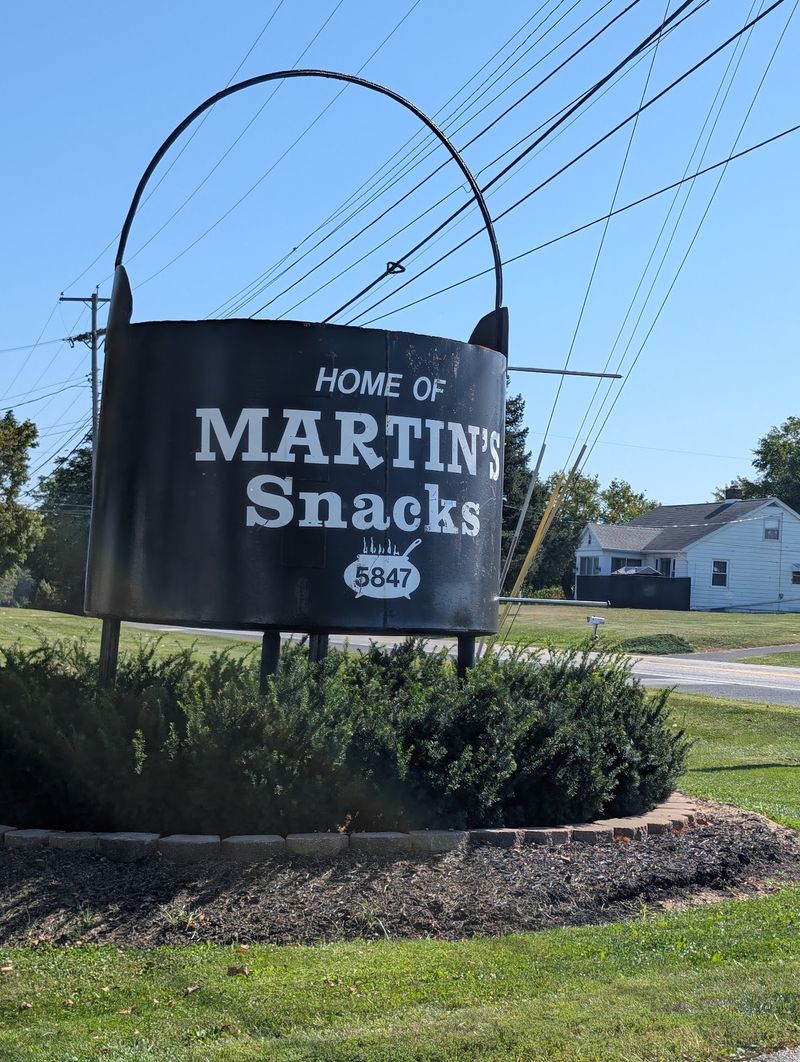
Buying chips straight from the place that makes them just feels fun. Martin’s Snacks has a small retail store at its factory in Thomasville.
The address is 5847 W Lincoln Hwy, Thomasville, PA 17364. It sits along the Lincoln Highway, one of the most famous old roads in America.
The shelves carry Martin’s chips plus other snacks like pretzels. You’ll also find some bigger boxes and bulk-style options.
Parking is available right on the lot outside. That makes it an easy stop if you’re driving through York County.
The factory store is open Monday through Thursday from 8:30 a.m. to 12:30 p.m. and again from 1 p.m. to 2:30 p.m. On Friday, the afternoon session extends until 3:30 p.m.
The store is closed on weekends, and its midday break runs from 12:30 p.m. to 1 p.m. Visitors should check the company’s official website for holiday changes before making the trip.
Factory tours have historically been offered by appointment, although current availability should be confirmed directly with Martin’s Snacks before making plans. The factory store remains a convenient option for visitors who want to purchase the company’s products in person.
Still, grabbing a box at the source beats a regular grocery run. It makes a pretty great souvenir, too.
Fresh Potatoes Roll Up to the Loading Dock
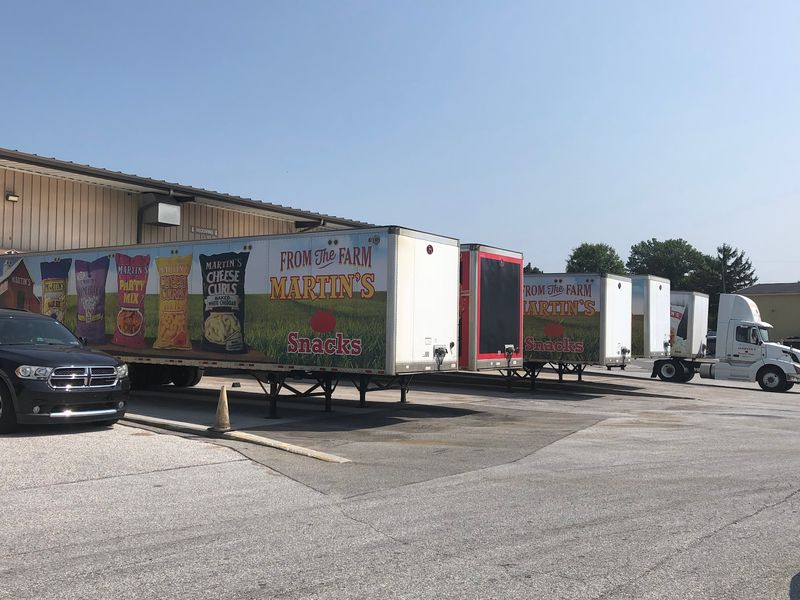
Every bag of chips begins with a truckload of potatoes. At the Martin’s factory, loose potatoes arrive by truck to be turned into snacks.
The receiving area starts working very early in the morning. Potato chips may feel like an afternoon treat, but the work begins before sunrise.
Freshness is a big deal in chipmaking. Potatoes need the right sugar and moisture levels to fry up golden instead of dark.
That’s why chip makers pay close attention to their supply. Good chips start long before the fryer gets hot.
It’s a nice reminder of the company’s farming roots. Harry and Fairy Martin were farmers first, and potatoes are still the heart of the business.
Here’s something easy to try at home. Slice a potato very thin, bake the slices on a sheet pan, and see how tricky an even crunch can be.
You’ll quickly gain respect for anyone who does this all day. Thin slices burn fast, and thick ones stay soft.
Factories like this one handle huge amounts of potatoes while keeping the results consistent. That takes skill, timing, and plenty of practice.
Next time you open a bag, think about that early-morning delivery. Your snack had a busy day before you ever met it.
Small Shops Count Big With This Chip Maker
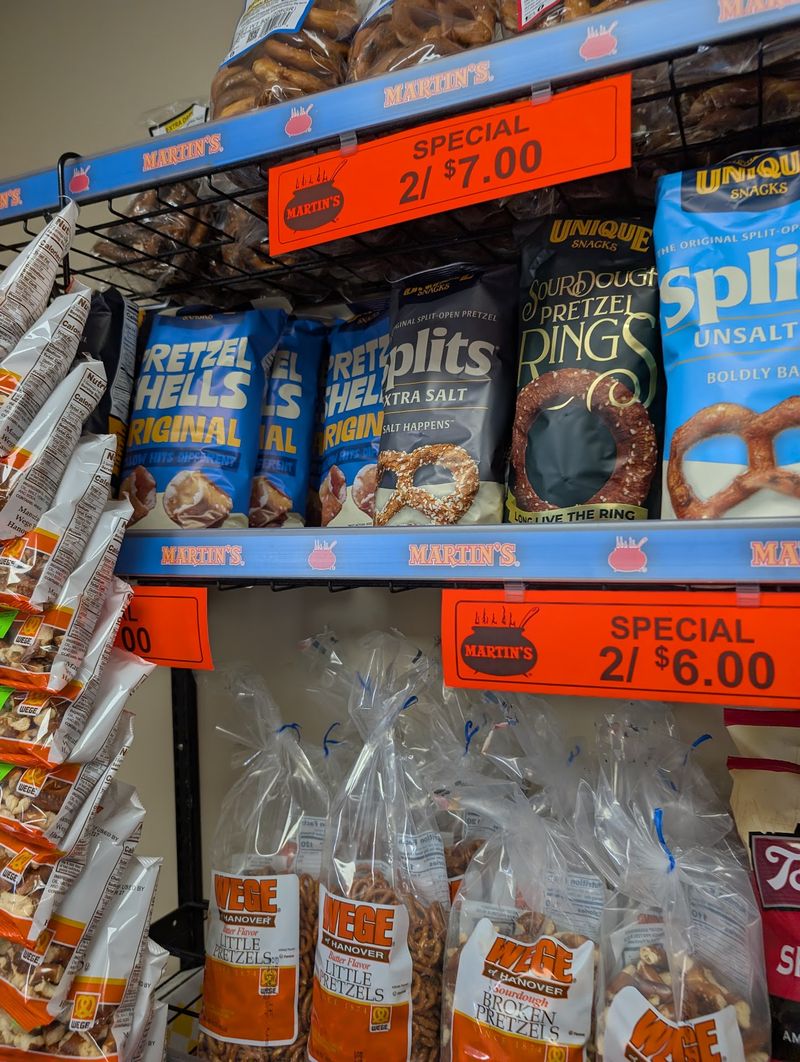
Grocery giants aren’t the only places that stock Martin’s. Small delis, corner stores, and family markets carry the chips too.
Some of these stores are tiny compared to big chains. Martin’s still delivers to them, which helps keep local businesses stocked.
Small shop owners in Pennsylvania have praised the company for caring about accounts of every size. That’s a big deal in a world where little customers often get overlooked.
You might even spot Martin’s in Amish grocery stores around the region. Seeing a local brand in a local shop just feels right.
Want to support small businesses in an easy way? Buy your snacks at the neighborhood deli instead of a big-box store now and then.
Your purchase helps two local businesses at once. The shop earns a sale, and the chip maker keeps its regional roots strong.
Hunting for regional chips is also a fun road trip game. Each area of the state has its own favorite brands sitting near the register.
Martin’s fits right into that tradition. It’s the kind of snack that tastes like home to plenty of folks in south-central Pennsylvania.
Not bad for a company that once sold chips from one farmhouse kitchen.
Chip Country Makes This Stop Even Sweeter
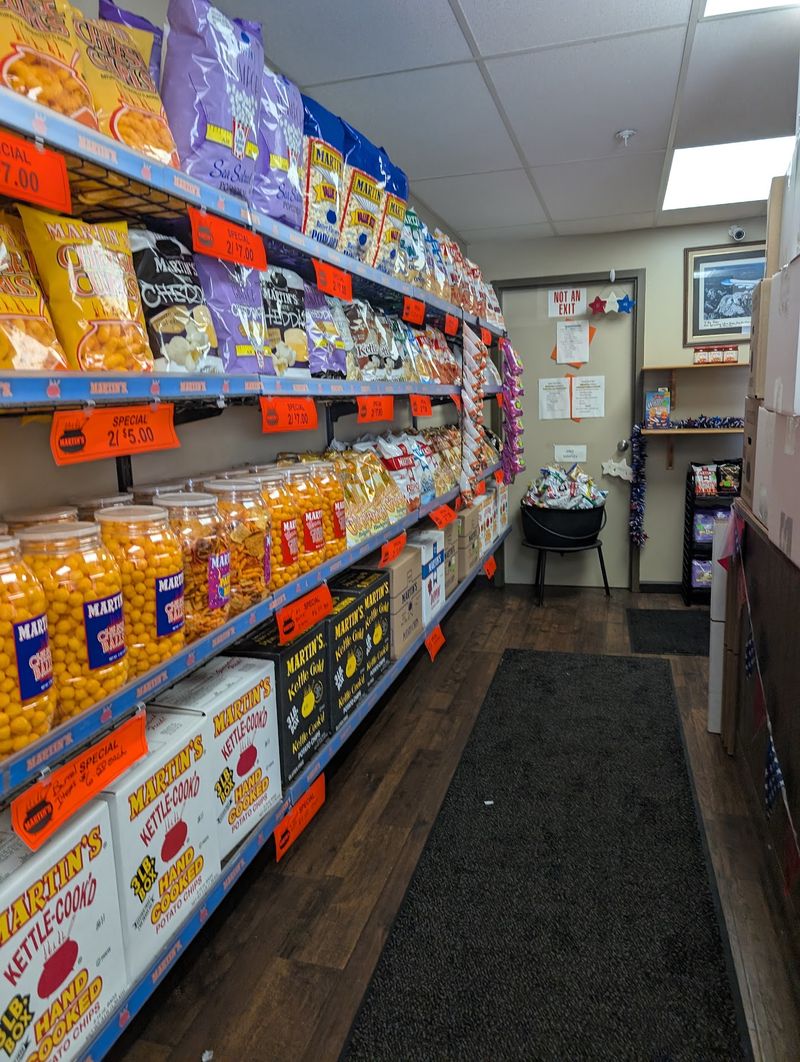
York County might be one of the snackiest spots in America. Martin’s Snacks sits right in the middle of a region famous for chips and pretzels.
Nearby Hanover is home to well-known names like Utz and Snyder’s of Hanover. That makes the area a dream for anyone who loves salty treats.
Planning a snack-themed day trip is easy here. Start with a morning stop at the Martin’s store, since it closes for lunch.
After that, you can explore other snack stops in the area. Just remember to check hours and tour policies before you head out.
The drive itself is part of the fun. Thomasville sits along the historic Lincoln Highway, with farmland stretching around the region.
Bring a cooler bag for your haul. Chips don’t melt, but they can get crushed under heavier groceries.
A small notebook can make the trip more fun for kids. Have them rate each chip for crunch, salt, and flavor.
By the end, you’ll have your own family snack rankings. Expect some loud arguments over first place.
Martin’s earns its spot on the list because of its story. Few chip makers can trace their start to a couple frying slices in their farmhouse kitchen.
