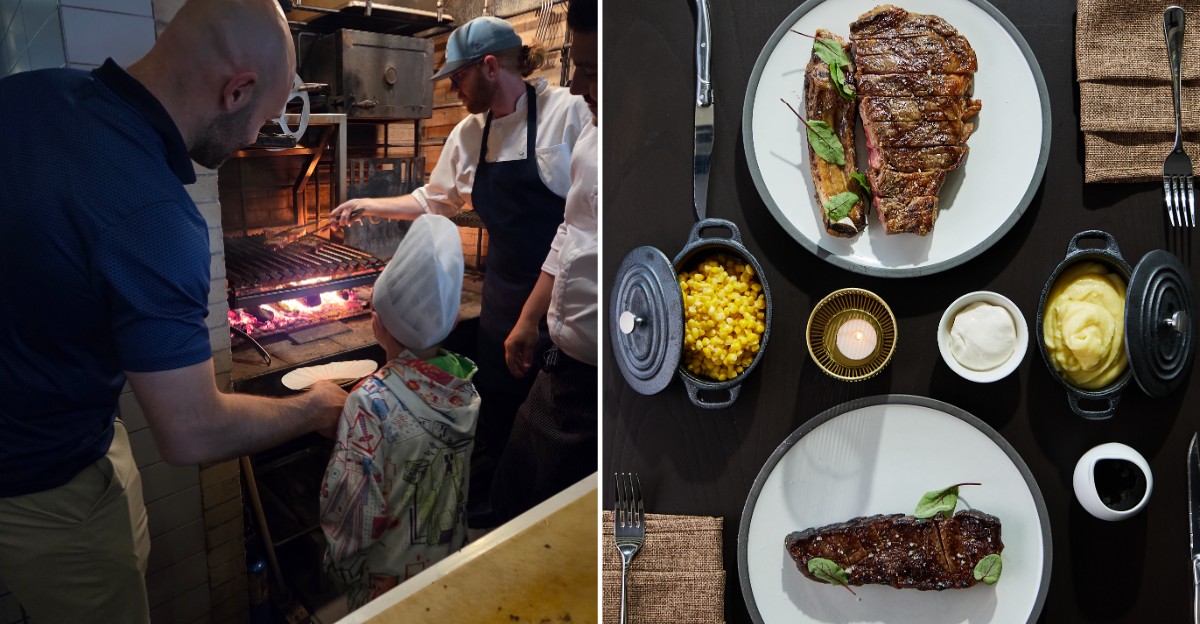
Some steaks here rest for up to 45 days before they ever touch a flame. That flame comes from Ozark oak and hickory, burning in a hearth built by hand in a small Missouri town.
I love that kind of patience. Most of us can’t wait 45 seconds for a microwave, and this kitchen waits weeks for the right flavor to develop.
The chef behind it grew up on a family farm and later cooked at one of the most famous restaurants in the country. Then he came home to build something rooted in the Midwest soil he knew as a kid.
The result sits in a modest suburban shopping center, of all places. So what happens when fine-dining skills meet farm memories and a roaring wood fire?
I think the answer is worth a closer look.
A Family Farm Gave This Restaurant Its Name
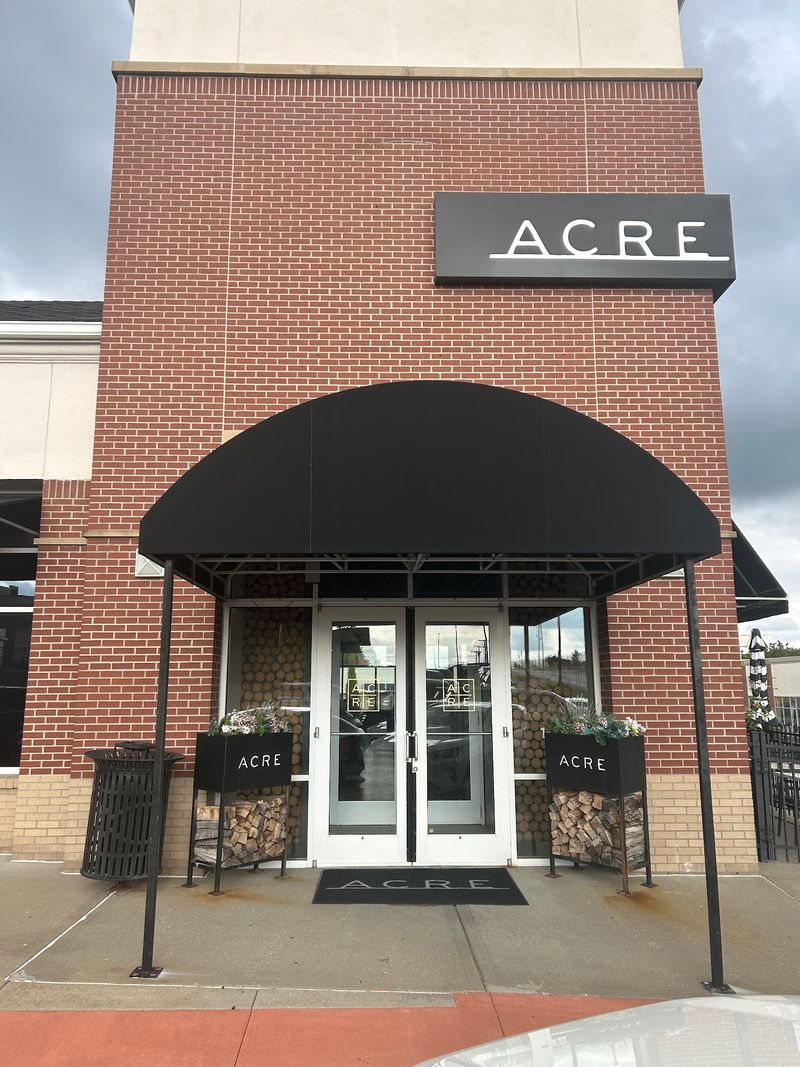
Rolling Acres was an 850-acre farm in Liberty, Missouri, where Chef Andrew Longres grew up near his grandparents. When he opened Acre, he borrowed a piece of that name to honor where his story started.
That detail matters more than you might expect. The restaurant isn’t chasing a trendy theme or a catchy brand.
It’s built around one family’s land, meals, and memories.
Longres later trained at acclaimed kitchens, including The French Laundry in California. That’s a serious resume for anyone.
Plenty of chefs with that background stay on the coasts, but he brought those skills back to his home state.
You can taste the family ties in specific dishes. The crispy chicken draws from his grandmother’s style of cooking.
A leafy greens salad is based on one his mom made for family gatherings.
Even the dry-aged beef tartare gets a dressing inspired by his grandmother’s mustard recipe. I like that the most refined plates still carry a grandma’s fingerprints.
So the name isn’t just a cute nod to farming. It works like a promise that every plate connects back to real people and real Midwestern ground.
The Hearth Was Built In Holt And Fed By The Ozarks
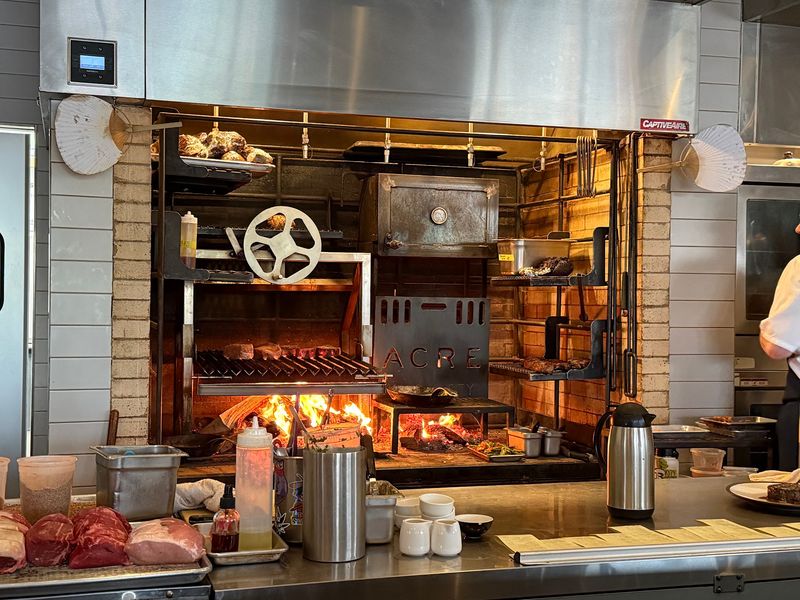
Forget gas burners and electric flattops for a moment. The heart of this kitchen is a custom-built wood-burning hearth made in Holt, Missouri.
It runs on oak and hickory from the Ozarks. Those woods burn hot and steady, and they add a gentle smokiness you just can’t fake with a knob.
Steaks are the stars here, but the fire works overtime. Vegetables, fish, other meats, and even sauces all spend time near the flames.
Some items cook directly over the coals for a hard sear. Others get just a touch of smoke or heat to add depth.
That flexibility shows real skill, since wood fire never behaves exactly the same way twice.
Smoked dishes pop up across the menu because of it. Past favorites have included smoked ricotta and a smoked Caesar salad, proof that the fire doesn’t play favorites.
I love that the restaurant sourced both its hearth and its fuel close to home. It turns cooking into a small Missouri road trip, from a workshop in Holt to the hardwood forests of the Ozarks.
Good luck ignoring the glow once you’re seated.
Forty-Five Days Of Patience Pays Off On The Plate
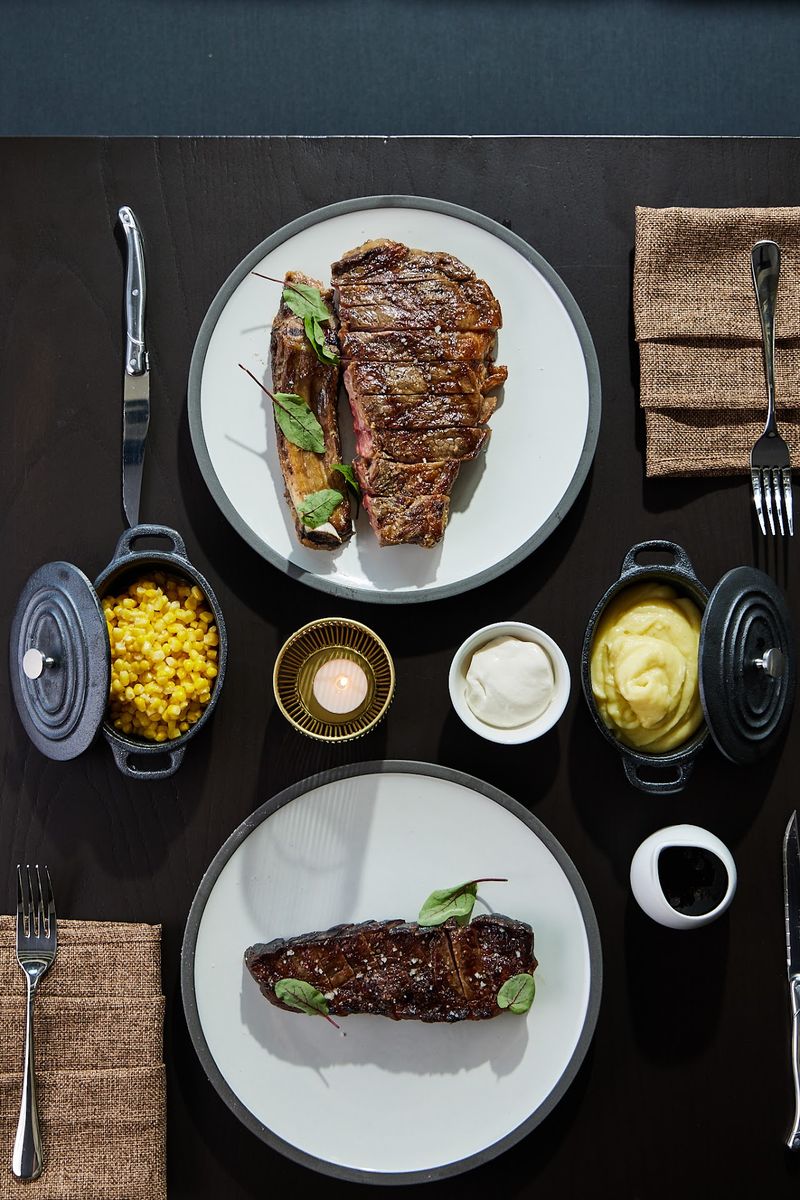
Time is the secret ingredient in the steak program at Acre. The kitchen runs an extensive in-house dry-aging setup, with cuts aged anywhere from 21 to 45 days.
Dry aging sounds fancy, but the idea is simple. Beef rests in a carefully controlled space while moisture slowly leaves the meat.
That process concentrates the beefy flavor and helps tenderize it.
Doing it in-house takes commitment. The restaurant has to plan weeks ahead, give up valuable space, and trust the process.
It’s basically a waiting game where the prize is flavor.
The ribeye and tenderloin are among the cuts that draw plenty of attention here. On the chef’s tasting menu, a 45-day aged ribeye has shown up as the main event.
Quick tip for first-timers. If you’re new to dry-aged beef, ask your server how the different aging lengths compare.
A 21-day steak and a 45-day steak can feel like cousins rather than twins.
The beef itself comes from Midwestern ranchers, which fits the whole farm-to-table approach. So before your steak ever reaches the fire, it has already traveled a short road and taken a long rest.
Moody Colors Make The Fire The Center Of Attention
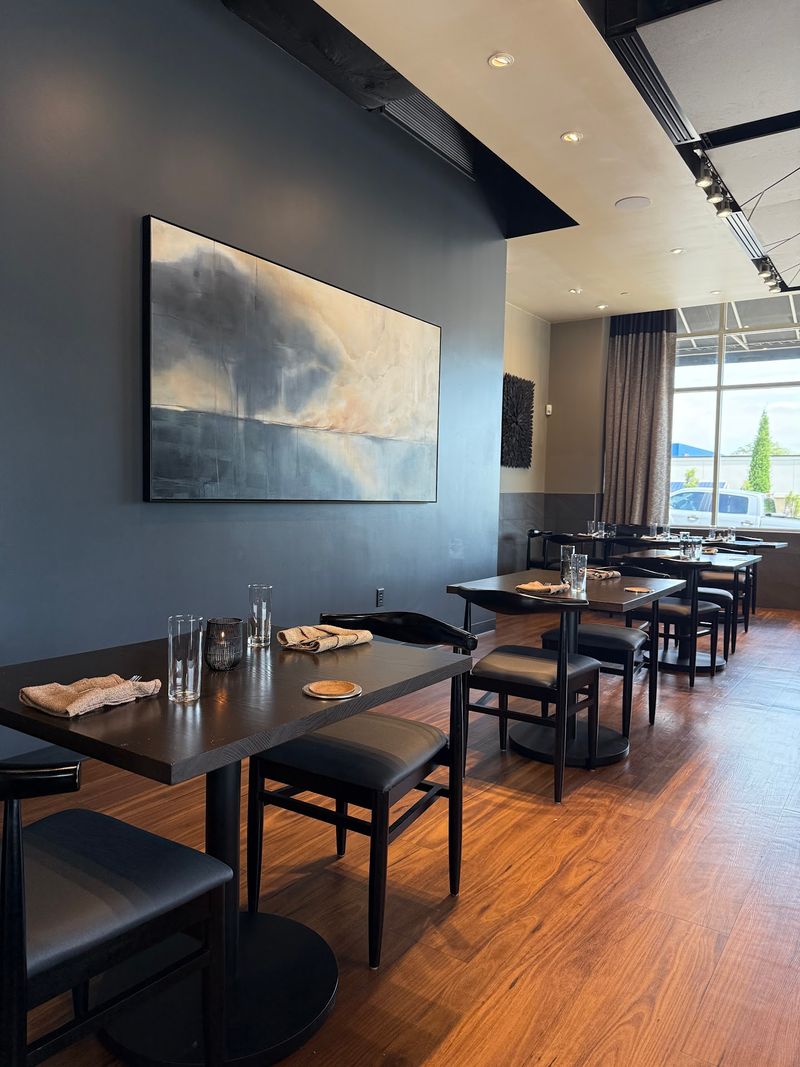
Gray walls, black tabletops, and dark wood paneling set a calm, grown-up mood inside. Blue cabinetry and gray tiles add color without shouting for attention.
All that restraint has a purpose. With darker tones around the room, the open kitchen and roaring hearth become the natural focal point.
Think of it like a stage with dimmed house lights. Your eyes keep drifting toward the cooks, the flames, and whatever’s sizzling on the grates.
The space aims for upscale-casual dining. That means it feels polished enough for an anniversary, yet relaxed enough that you won’t feel stiff in your chair.
One clever design move involves drapery. Fabric panels help manage glare and soften views of the parking lot outside.
They also add depth and coziness to the room.
That’s a smart fix for a restaurant in a shopping center. Instead of pretending the parking lot isn’t there, the design gently pulls your focus back inside.
There’s also a bar area near the kitchen action. It gives you another spot to sit close to the energy without committing to the full counter experience.
Front-Row Seats To The Fire Come With Five Courses
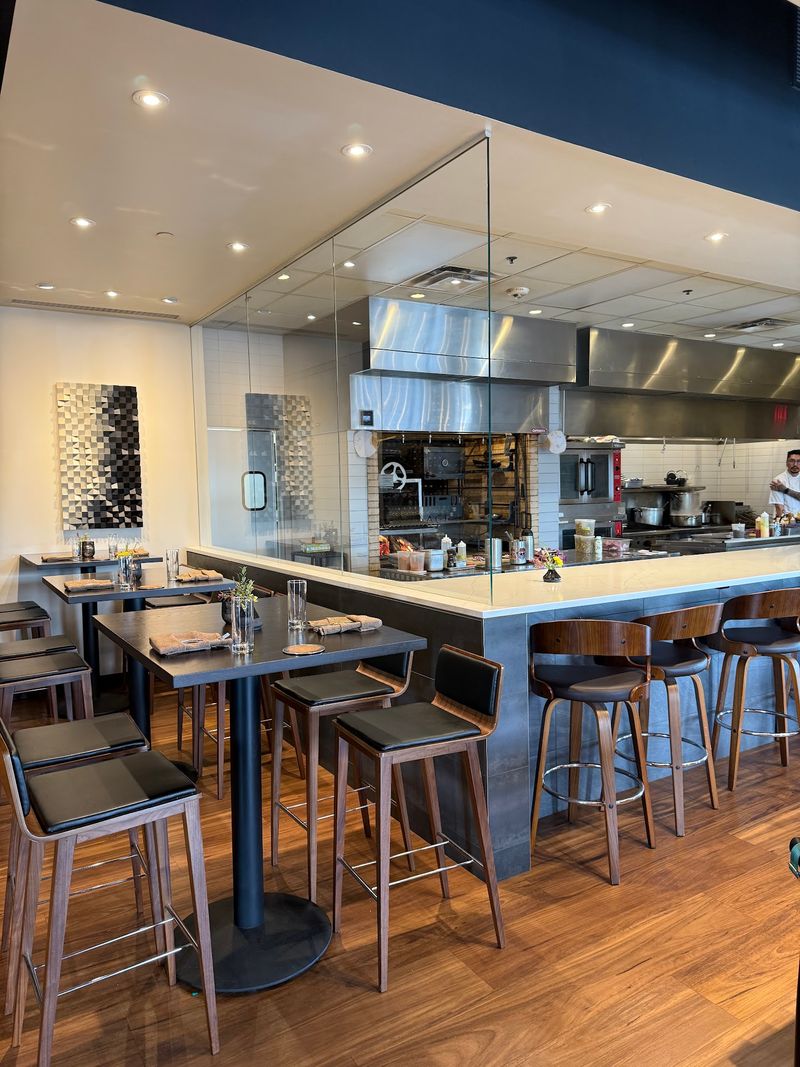
Want the best view in the house? Book the Chef Hearth Experience, where high-top seats face the hearth directly.
Guests at this counter enjoy a five-course tasting menu while the cooks work right in front of them. It’s dinner and a show, minus the popcorn.
You’ll see how the fire gets managed, how steaks get turned, and how plates come together. For anyone curious about cooking, that view is basically a free lesson.
The tasting menu changes with the seasons, so the courses won’t stay the same forever. That keeps a return visit from feeling like a rerun.
Heads up for comfort, though. Sitting near a live wood fire means you’ll feel some warmth and hear the kitchen working.
Dress in layers if you run warm.
The counter carries a sweet backstory too. Chef Longres designed it as a place where he could eat with his own children, even during busy service.
That’s what I find charming about it. The most exciting seat in the restaurant started as a dad’s idea for family dinner.
It’s fine dining with a hometown heartbeat.
Reserve ahead, since seats are limited.
Rolls, Pasta, And Pie Deserve Equal Billing
Steak gets the headline, but the supporting cast is stacked. Parker House rolls are a popular way to start, and they’ve earned a loyal following.
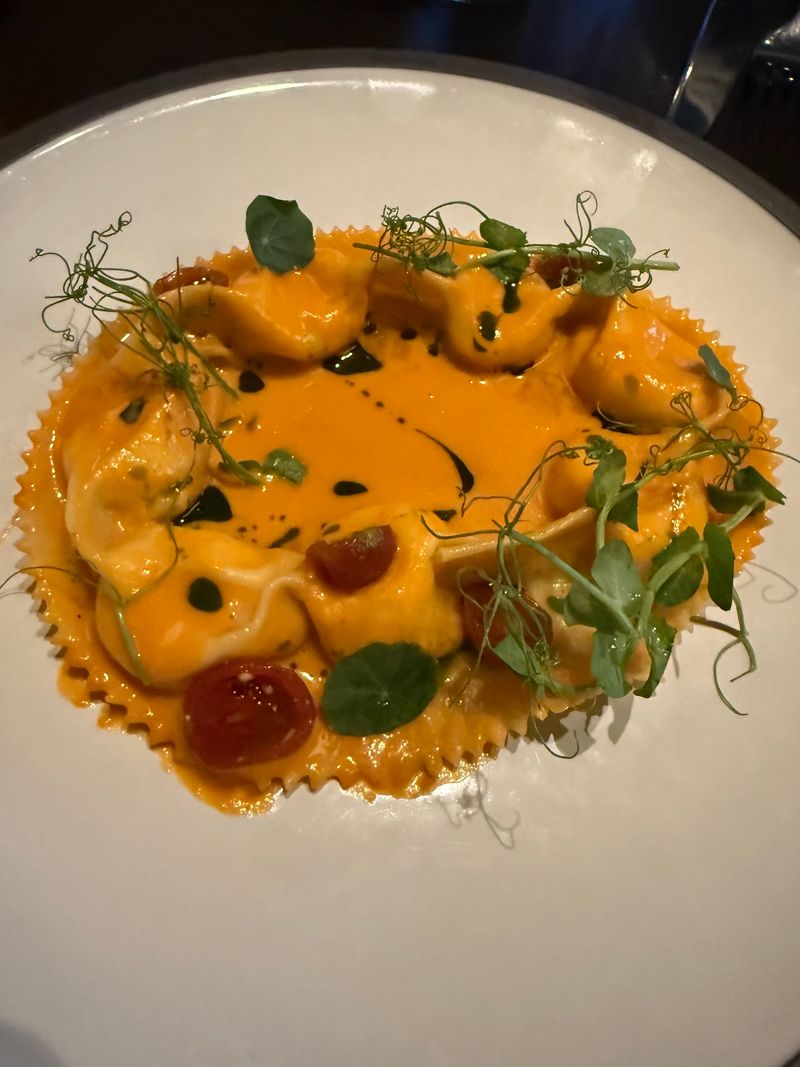
Pasta gets serious attention in this kitchen too. The Goat Cheese Agnolotti Crown arrives shaped like a ring, which makes it as fun to look at as it is to eat.
Duck Rigatoni has also appeared on the menu.
Then there’s the Crispy Pickled Chicken. Pickling chicken before frying it sounds unusual, but it fits the Midwest’s love of both pickles and fried chicken.
Cheese curds also show up as a popular pick.
Don’t overlook the vegetables. Since the hearth cooks produce as well as meat, sides can carry real smoky character.
The menu shifts with the seasons, so expect changes based on what local farms grow.
Save room for dessert, seriously. The peanut butter pie has become a standout, and it’s the kind of finish people talk about on the drive home.
My advice is simple. Share a few small plates with the table, then pick your steak.
That way, you get a taste of the whole kitchen, not just the fire.
Kids Get Their Own Little Patch Called Quarter Acres
Bringing children to a dry-aged steakhouse might sound risky. Acre makes it easier with a kids’ menu cleverly named Quarter Acres.
That name made me smile. It’s a playful spin on the restaurant’s farm roots, scaled down for smaller appetites.
The menu sticks with kid-approved favorites like grilled cheese and crispy chicken tenders. So while grown-ups explore aged ribeye, picky eaters won’t go hungry.
This family focus comes straight from the top. Chef Longres built the chef’s counter partly so he could share meals with his own kids during service.
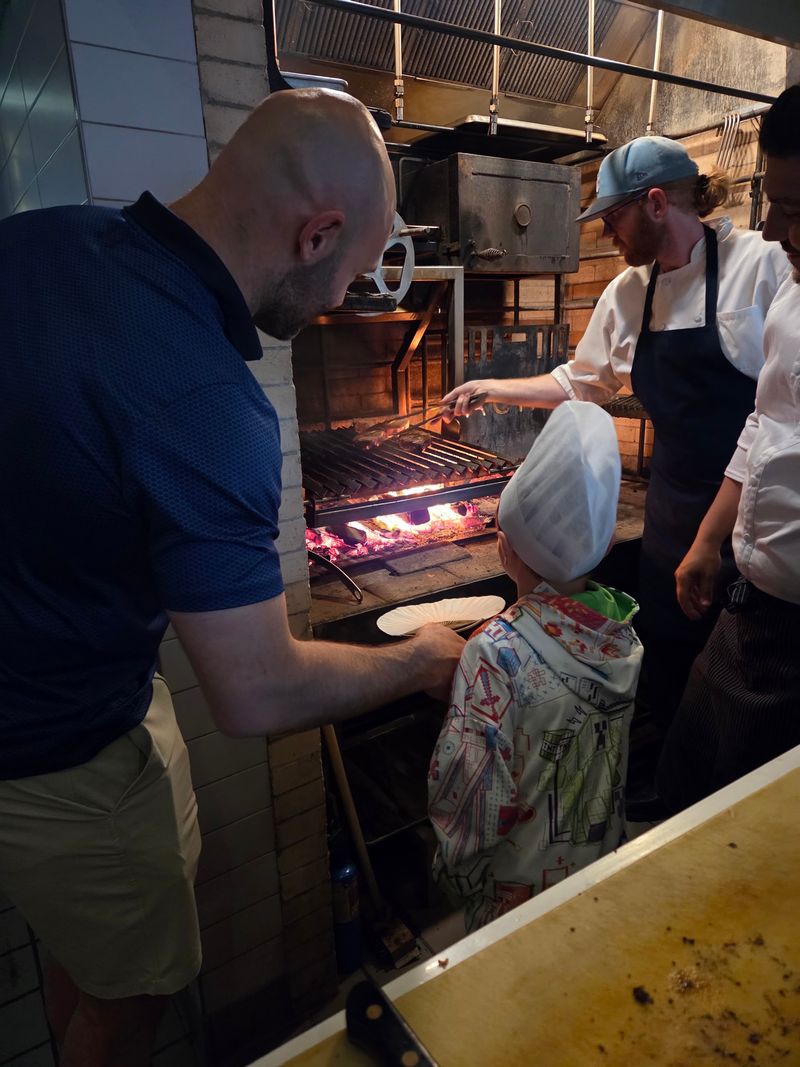
The open kitchen helps too. Young diners who get restless can watch the flames and the cooks at work, which beats staring at a phone screen.
Chef Longres has even shown curious young guests how steaks get cooked over the fire. For a budding cook, that kind of moment can spark a lifelong interest.
Of course, this is still a refined restaurant. An early dinner might be the smoothest choice for families with toddlers.
Still, I appreciate a fine-dining spot that treats kids like welcome guests instead of a problem to manage. That attitude feels very Midwestern.
Big Celebrations Fit Nicely Into The Back 40
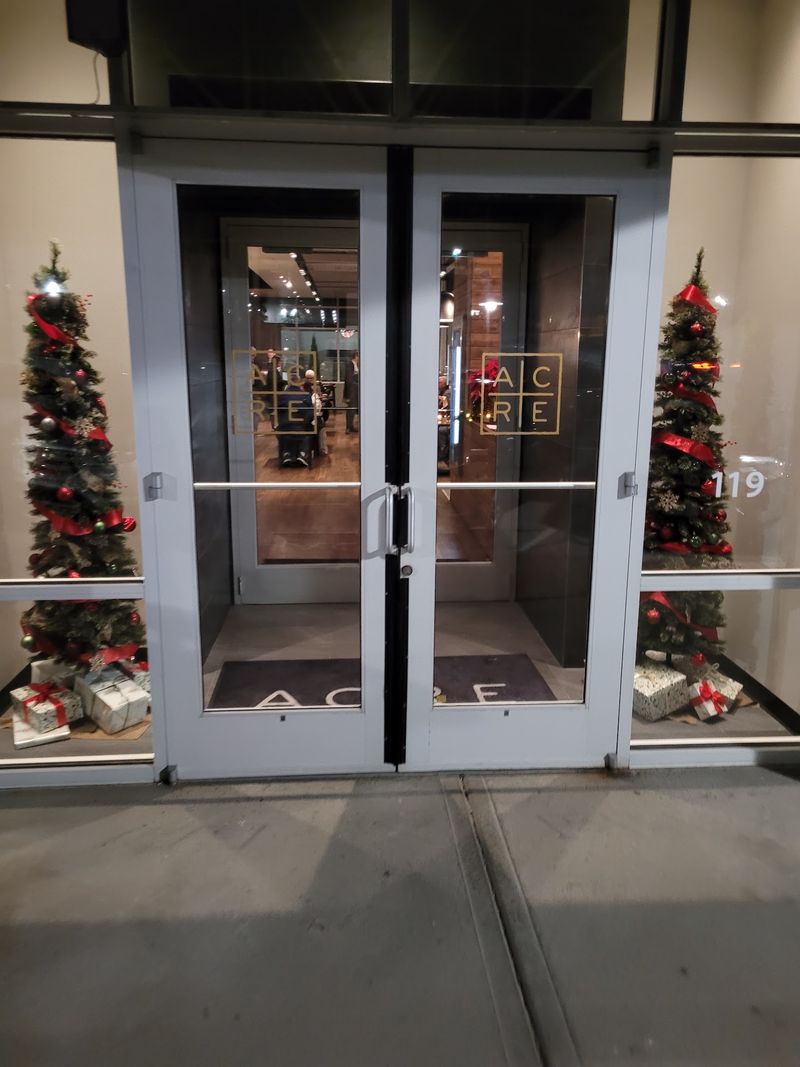
Farm folks know the back 40 as a distant stretch of land. At Acre, The Back 40 is an adjoining private event space, and the name fits the theme perfectly.
The room can work as one larger space or split into two separate rooms. That flexibility helps whether you’re planning a cozy rehearsal dinner or a bigger company gathering.
Private dining gives groups a little breathing room. Toasts, speeches, and loud laughter won’t compete with the tables around you.
You still get the same kitchen behind the meal. That means the hearth, the dry-aged beef, and the seasonal Midwestern cooking can all come along for the party.
Anniversaries and birthdays already make up a big part of life here. The staff has been known to mark special occasions with thoughtful touches, which shows they take celebrations seriously.
Planning tip: contact the restaurant early if you have a date in mind. Popular weekends tend to fill up, especially around holidays and graduation season.
I think the name is a quiet bit of genius. It turns a simple event room into another chapter of the farm story, without feeling forced or gimmicky.
Plan A River-Town Evening Around Your Reservation
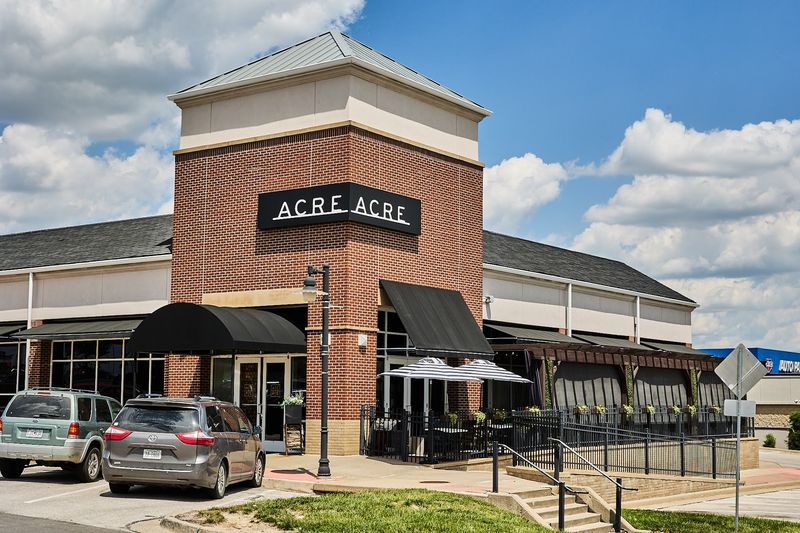
Finding fine dining in a shopping center feels a bit like finding a tuxedo in a toolbox. Yet that’s exactly the setup at 6325 Lewis Street, Suite 119, in Parkville, Missouri.
The restaurant sits in Parkville Commons, a commercial area in this small town just north of Kansas City. It’s easy to reach from the metro, yet it feels removed from downtown traffic.
Parkville itself makes a great add-on to dinner. Historic downtown Parkville sits nearby, and it’s a pleasant place to stroll before your table is ready.
English Landing Park stretches along the Missouri River too. An early evening walk by the water pairs nicely with a big steak later on.
Timing matters, so plan around the schedule. Acre serves dinner Tuesday through Saturday, while Sundays and Mondays are off.
Lunch has been offered midweek on select days, so check before you go. Reservations are smart, especially for the chef’s counter or weekend dinners.
I like how this corner of Missouri mixes river views, small-town streets, and a serious wood-fired kitchen. It’s proof that great meals don’t need a big-city skyline.
