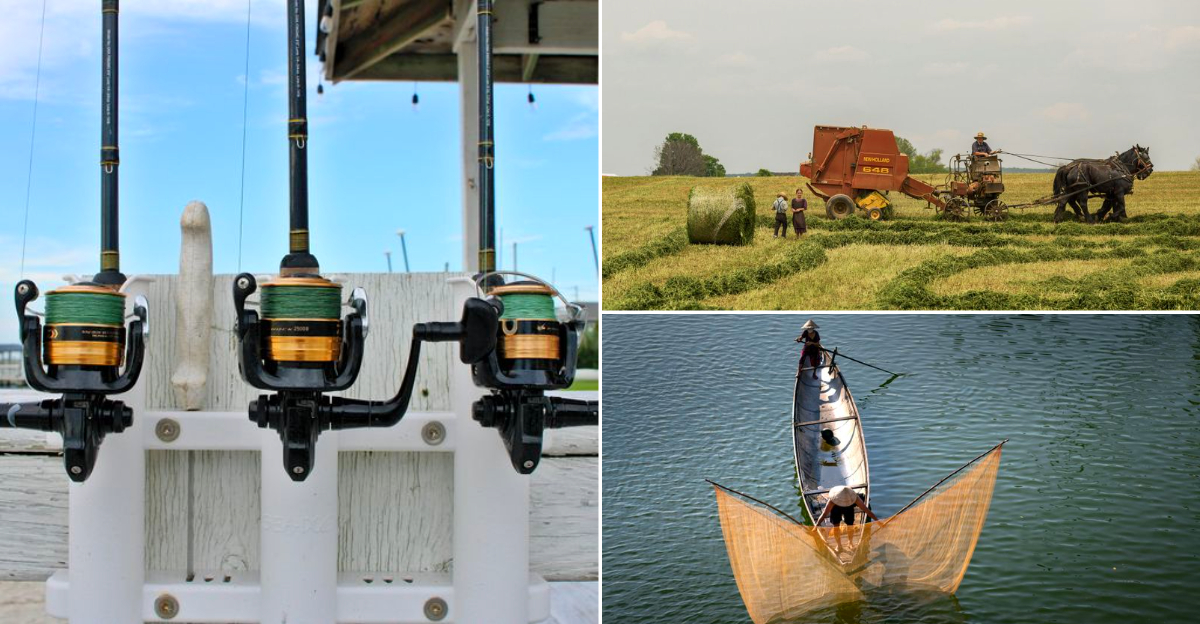
So… who looked at a normal day in Pennsylvania and thought: “Let’s make that illegal”?
Pennsylvania has a bunch of laws and old ordinances that sound less like policy and more like a prank someone dared a town council to pass.
Some are leftovers from a totally different era, when communities tried to control public behavior with rules that now feel wildly specific. Others are the kind of oddly worded “common sense” laws that make you wonder what incident forced people to write it down in the first place.
The fun part is not just the weirdness, it is the little time-capsule clues hiding inside them. A strange rule can point to an old industry, a long-gone local problem, or a moment when lawmakers clearly had a very particular scenario in mind.
In this list, we are digging into the random, the ridiculous, and the “wait, is that real?” side of Pennsylvania law, with just enough context to make it even funnier.
1. Paid Fortune Telling Can Be A Crime
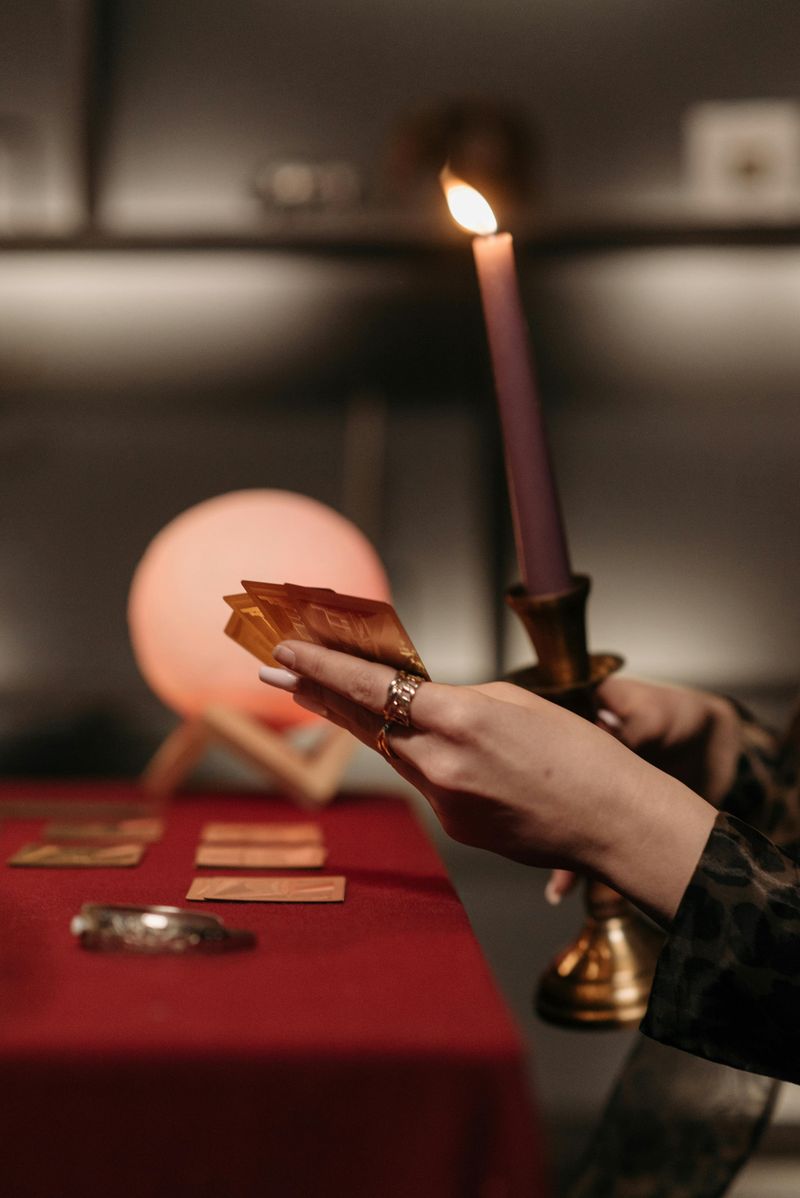
If you thought tarot night was just candles and vibes, Pennsylvania adds a twist that makes you pause.
The code literally calls out pretending for gain to tell fortunes, which means the money part can turn cards into a courtroom story.
I get why fraud is a thing to push back on, but the language feels like it wandered in from an old stage act. Picture a quiet storefront in Lancaster or a side street in Scranton, the neon palm glowing like a dare you are not sure you should take.
The catch is intent and that little phrase for gain. So, the same reading that feels harmless at a party could tip into trouble if there is a fee and a promise.
Most places handle this with licenses or disclaimers, and some Pennsylvania towns do that too.
You still need to know the state rule sits there like a speed bump hiding in the dark.
You planning a themed event and thinking about hiring a reader? Make sure the setup avoids claiming guaranteed outcomes and keep it framed as entertainment with a clear paper trail.
It sounds technical until you are the one on the hook, right? When a law name-drops pretending, it is basically warning you not to sell certainty where none exists.
There is still space for storytelling and craft without the promise. Keep the mystique, skip the guarantee, and your night stays fun instead of formal.
2. Buying A Car On Sunday Is Still A No-Go
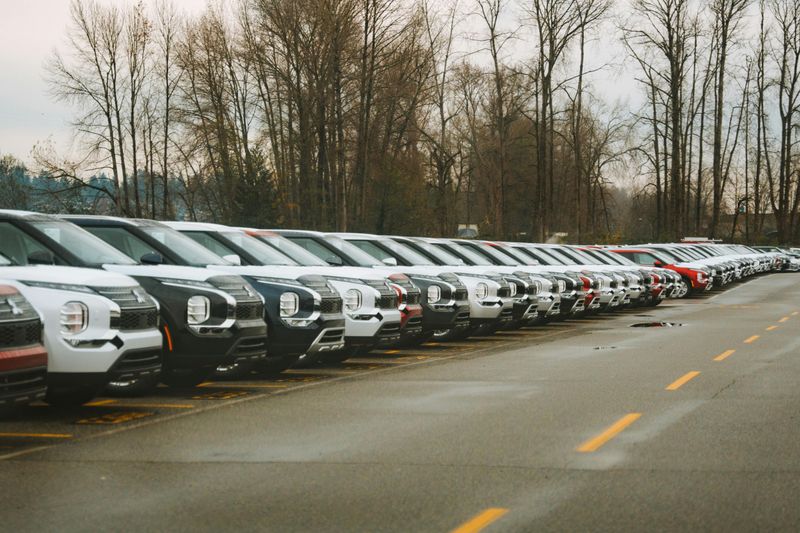
This one trips people up when road trips run long and you spot a shiny ride on a Sunday. In Pennsylvania, the act of trading in motor vehicles and trailers on Sunday is still a no-go under the old blue law style rules.
You can wander the lot, poke at the trim, and talk numbers until your voice gets sandy.
The deal itself waits for a weekday like a stubborn gate that only opens on schedule.
I have walked past those glassy showrooms with lights on and nobody moving. It feels like a museum of possibilities where the plaques all say come back tomorrow.
The rule leans more on finalizing the trade than on casual browsing. So you can flirt with the idea without making it official.
If you are buying across state lines near Ohio or Maryland, the contrast can get confusing.
Pennsylvania hangs onto that quiet-day boundary, and it still matters once pens come out.
Think ahead and slot delivery on a weekday so the handoff is clean and stress free.
3. Sunday Grocery Shopping Has Old-School Limits

You know that lazy Sunday loop where you grab a few things and drift home? Pennsylvania’s Sunday trading section still sketches out what kinds of fresh goods and groceries can be sold, like a time capsule that never got fully closed.
It is not a blanket shutdown, but the details can feel fussy depending on the town.
Some local enforcement reads like someone dusted off a binder and refused to put it down.
I have hit a door with pretty signs and strange hours that make you squint. The clerk shrugs, the shelves look fine, and yet the timing is the whole story.
The law’s spirit was always about quiet Sundays and limited commerce. Pieces linger, and you notice them when you need one simple item right now.
If you are road tripping through Pennsylvania, plan the weekly stock-up for another day.
Small markets may play it cautious even when the state rule is narrow.
Suddenly, a sleepy aisle becomes a lesson in old priorities.
4. Diesel Idling Has A 5-Minute Rule

If you hear a diesel humming forever in a parking lot, you are not imagining that there are rules. Pennsylvania’s Act 124 puts a cap on idling for many commercial diesel vehicles, usually five minutes within a continuous hour.
The carve-outs matter, with exceptions for safety, traffic, and some passenger needs.
You still cannot treat a lot like a long nap with the engine forever on.
I have sat at a rest stop near Harrisburg and watched drivers time their breaks. You can almost feel the clocks in every cab counting down in sync.
The air difference is not dramatic in a single stop. Stretch that habit across whole corridors, though, and it starts to show.
It keeps you inside the rule and saves a little fuel without overthinking it.
5. Public Pools “For Hire” Need Permission To Operate

Open a pool to paying guests and Pennsylvania wants paperwork first. The Public Bathing Law says if it is for hire, you need permission through the state before anyone cannonballs in.
It sounds fussy until you think about filters, chemistry, and that one drain everyone side-eyes.
The permit trail makes sure the basics run right and the water stays honest.
I toured a small lodge near the Alleghenies where the owner had the approval pinned up. It looked like a diploma for chlorine, and honestly, I loved that energy.
There is also routine inspection and record keeping. None of it is dramatic, but skipping it will get noticed.
The moment money changes hands, the law turns the sign from casual to regulated.
6. Using More Than Three Fishing Lines Is Illegal
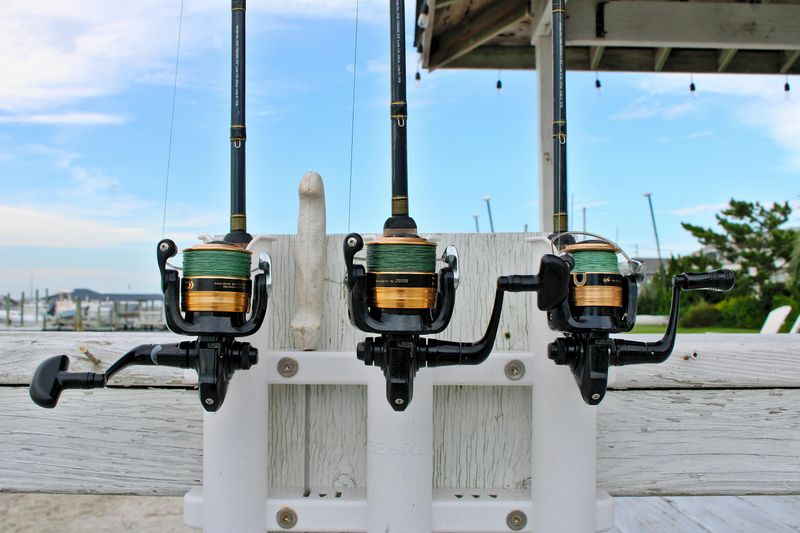
Ever see someone set a whole picket fence of rods and think that feels like too much? Pennsylvania’s fishing regulations generally limit you to three lines at a time, with special tweaks when the ice comes in.
It keeps the pressure manageable and the playing field fair.
Spread out too far and you start collecting more water than skill.
I like that three forces real choices about depth and bait. It turns every cast into a tiny strategy meeting with the lake.
Wardens are kind, but they also count. When the limits are clear, a dock turns into a scoreboard you cannot argue with.
Do the math before you plant the next flag so your story ends with a grin instead of a citation.
7. “Creative” Fishing Methods Can Get You In Trouble

If you have seen a flashy trick online and thought, why not try it here, take a breath. Pennsylvania’s Fish and Boat Code says you cannot take or possess fish by methods that are not specifically authorized.
That means gadgets, shortcuts, and anything that drifts into stunt territory are bad bets.
Unless the regs bless it, it is off the table no matter how clever it looks.
I have watched folks argue that creativity is not harm. The rule flips that, making permission the gate instead of apology after.
Look for the allowed list first, then get cute inside the lines. It keeps the water honest and the day simple.
A quiet sign can carry more weight than a loud debate on the bank.
8. Live Animals Can’t Be Given Away As Game Prizes

You know those carnival ideas that sound hilarious until someone has to care for the prize?
Pennsylvania draws a bright line by banning the giveaway of live animals as prizes in drawings, contests, sweepstakes, and similar games, with fish carved out separately.
The heart of it is welfare and common sense. A moment of excitement should not turn into a surprise habitat project on the drive home.
I have seen booths lean hard into plush toys and gift cards instead. The vibe stays fun without that awkward what now energy.
Fairs and fundraisers across Pennsylvania take this seriously. Volunteers are usually relieved not to manage cages and cleanup after closing.
You will save the event from a headache and the animal from a rough handoff.
9. Homing Pigeons Get Legal Protection

This one surprised me in the best way. Pennsylvania has a specific summary offense for shooting, harming, killing, or even detaining certain homing pigeons.
It reads like respect for a working athlete in feathers.
These birds are trained to do a job, and the law treats that seriously.
I stood under a rowhouse roof in Philly watching a small loft settle. The air felt like a locker room for wings, calm and focused.
The detail that detention counts is my favorite odd line. Trapping a bird for mischief is not clever, it is a ticket.
Let the pro commute continue and enjoy the tiny flash of order overhead.
10. There’s Literally A “Work-Hours” Limit For Horses
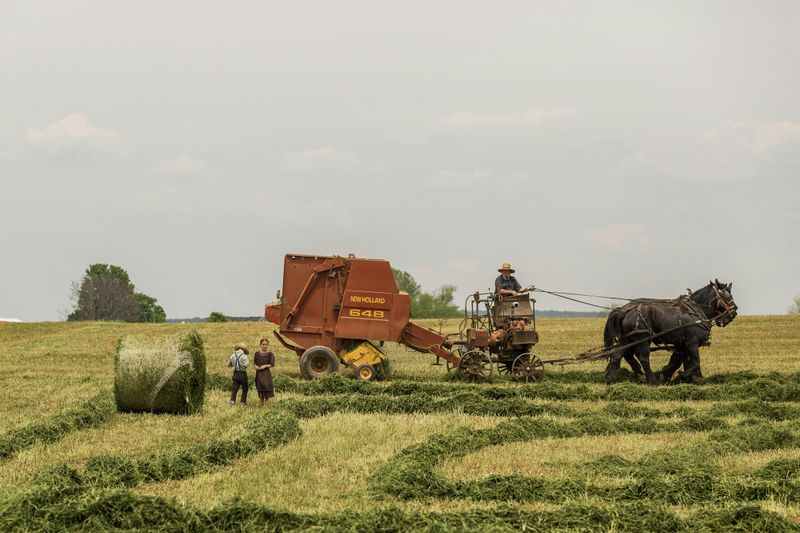
Clocking in a horse like a coworker sounds like a punchline until Pennsylvania spells it out. The code says you cannot work a horse, mule, ox, or similar animal beyond a daily and weekly hour cap.
It is humane and oddly modern in a backroads way. The message is simple, do the job but let the body rest.
I have seen harnesses hanging quiet at dusk in Lancaster County.
You can almost hear the routine breathe out when the fields go gold.
The limits help everyone pace the day. Push less, care more, and tomorrow still happens on time.
Good logs and steady breaks are not fussy, they are responsible.
11. Messing With A Cow’s Udder For “Looks” Is Illegal

This one made me blink and then nod. Pennsylvania bans practices like beating or padding an udder or intentionally withholding milking just to juice a certain look.
The idea is to stop cosmetic tricks that hurt the animal or skew judging.
It is fairness and welfare rolled into a calm, sharp line.
Regular milking, clean stalls, and no drama, just rhythm.
Judges and inspectors know the tells and do not play. If something looks off, the questions come fast and precise.
The law backs up what thoughtful farmers do without needing a speech.
Dear Reader: This page may contain affiliate links which may earn a commission if you click through and make a purchase. Our independent journalism is not influenced by any advertiser or commercial initiative unless it is clearly marked as sponsored content. As travel products change, please be sure to reconfirm all details and stay up to date with current events to ensure a safe and successful trip.
