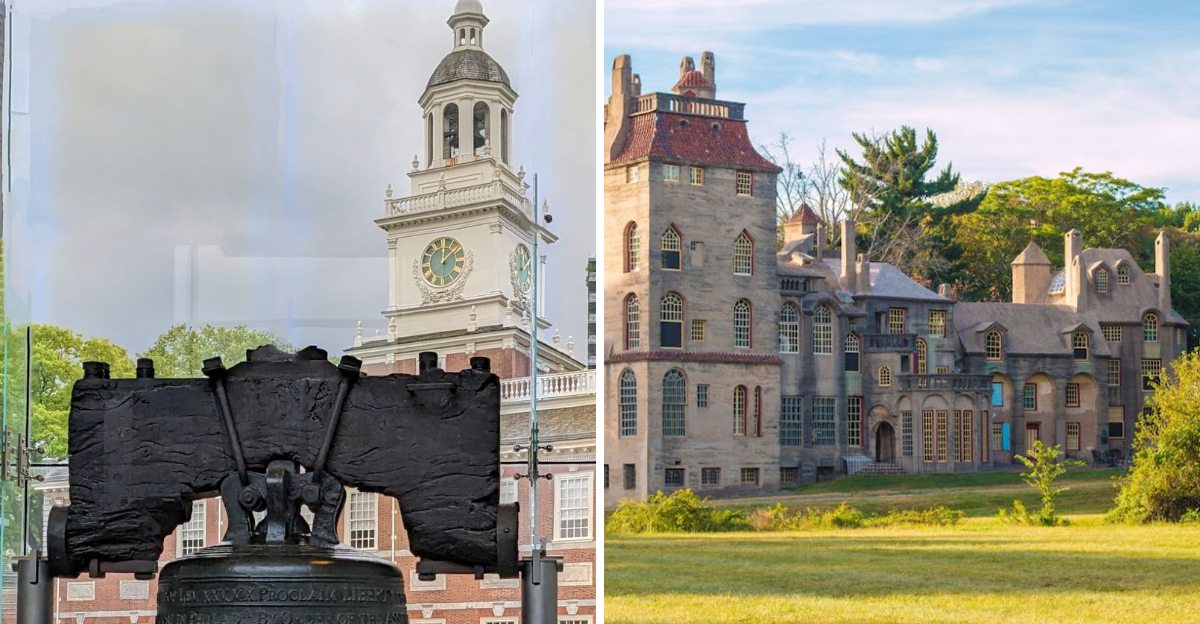
Pennsylvania holds stories from America’s birth and battles, whispered through centuries-old stones and echoing across valleys carved by time.
From revolutionary halls where independence was declared to natural wonders that rival any canyon out west, the Keystone State offers experiences that go far beyond what you learned in history class.
Even if you’ve lived here your whole life, these landmarks carry a kind of magic that reveals something new with every visit.
Whether you’re drawn to architectural marvels rising from waterfalls or solemn battlefields that changed the nation’s course, Pennsylvania’s landmarks deserve a spot on every local’s bucket list.
This content reflects personal experiences, observations, and information available at the time of writing.
Descriptions and evaluations are inherently subjective and may vary depending on timing, season, conditions, and individual preferences.
Circumstances can change, and experiences may differ for each reader.
1. Independence Hall
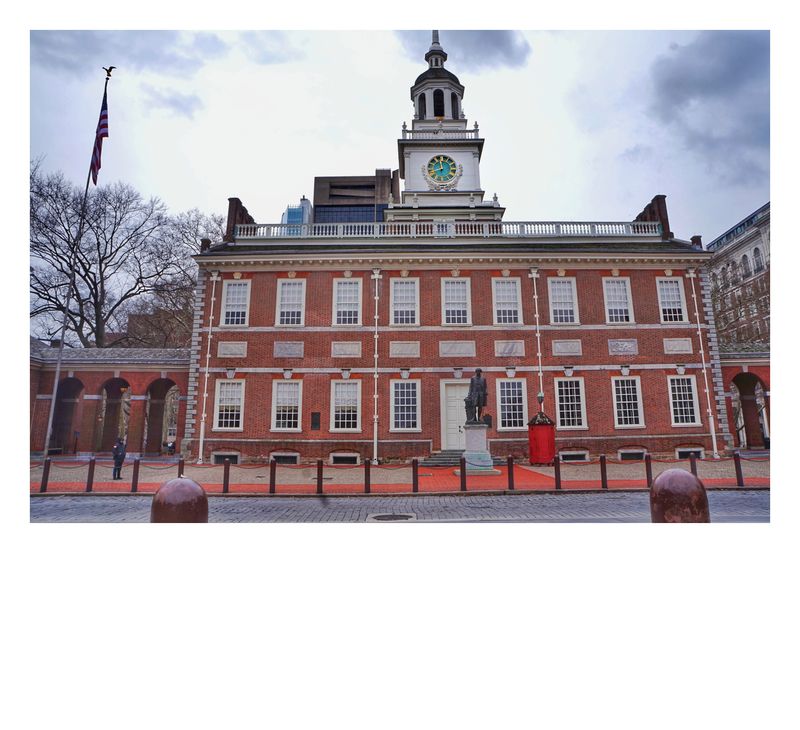
Walk into the room where everything changed, where delegates argued and compromised their way to creating a nation that had never existed before.
Independence Hall witnessed both the signing of the Declaration of Independence in 1776 and the drafting of the U.S. Constitution in 1787, making it the birthplace of American government.
The building itself dates to the 1730s and originally served as Pennsylvania’s colonial capitol, its Georgian architecture reflecting the style favored by British colonists.
Rangers guide visitors through the Assembly Room, where original Windsor chairs still surround tables just as they did when Franklin, Washington, and Jefferson debated the future.
Sunlight streams through tall windows onto wooden floors worn smooth by centuries of footsteps, creating an atmosphere that feels both sacred and surprisingly intimate.
The Rising Sun chair, where George Washington sat during the Constitutional Convention, features a carved sun on its back that Benjamin Franklin famously referenced in his final speech.
Upstairs, the Long Gallery once hosted elegant balls and celebrations, though most tours focus on the ground floor where history’s pivotal moments unfolded.
UNESCO recognized Independence Hall as a World Heritage Site in 1979, placing it alongside landmarks like the Taj Mahal and the Great Wall of China.
Free timed tickets are required during peak season and disappear quickly, so planning ahead ensures you won’t miss this essential Philadelphia experience.
Security screening precedes entry, similar to airport procedures, so arriving early helps avoid long waits in summer heat or winter cold.
The surrounding park includes Congress Hall and Old City Hall, both worth exploring to understand how the young nation’s government actually functioned.
Evening light casts beautiful shadows across the building’s brick facade, making sunset an ideal time for photographs even if you’ve already toured inside.
Address: 520 Chestnut Street, Philadelphia, Pennsylvania
2. Liberty Bell
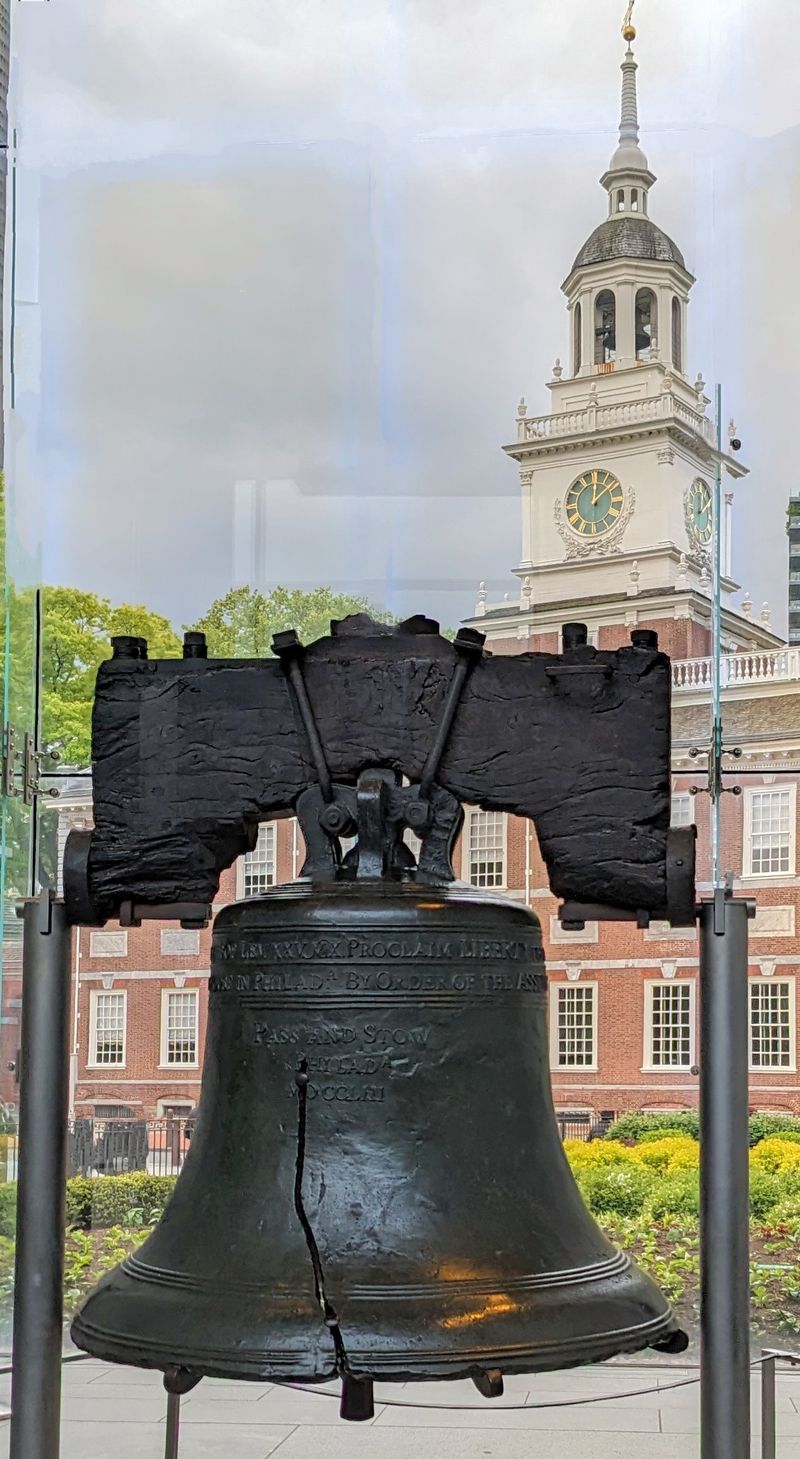
Few symbols carry the weight of American freedom quite like this cracked bronze bell resting quietly in its glass pavilion.
The Liberty Bell started its life in 1752, commissioned to hang in the Pennsylvania State House, which we now know as Independence Hall.
That famous crack actually appeared during a test ring shortly after it arrived from London, forcing metalworkers to recast it twice before it could be hung properly.
For decades, the bell rang to mark important events and summon lawmakers, its voice carrying across Philadelphia’s cobblestone streets.
Abolitionists adopted it as their symbol in the 1830s, giving it the name we recognize today and transforming it from a functional object into an icon of liberty.
Standing before it now, visitors can read the biblical inscription circling its crown: “Proclaim Liberty Throughout All the Land Unto All the Inhabitants Thereof.”
The Liberty Bell Center offers free admission and provides historical context through exhibits that trace the bell’s journey from colonial tool to national treasure.
Large windows frame Independence Hall behind the bell, creating a powerful visual connection between these two monuments to American democracy.
Even locals who’ve passed it dozens of times find something moving about standing in its presence, especially when you consider how many movements for justice have claimed this bell as their own.
Early morning visits before tour groups arrive offer the most peaceful experience, letting you absorb the symbolism without distraction.
Photography is welcome, though the glass enclosure can create reflections that challenge even experienced photographers.
The surrounding Independence National Historical Park extends the experience with additional sites that bring colonial and revolutionary Philadelphia to life.
Address: 526 Market Street, Philadelphia, Pennsylvania
3. Gettysburg National Military Park
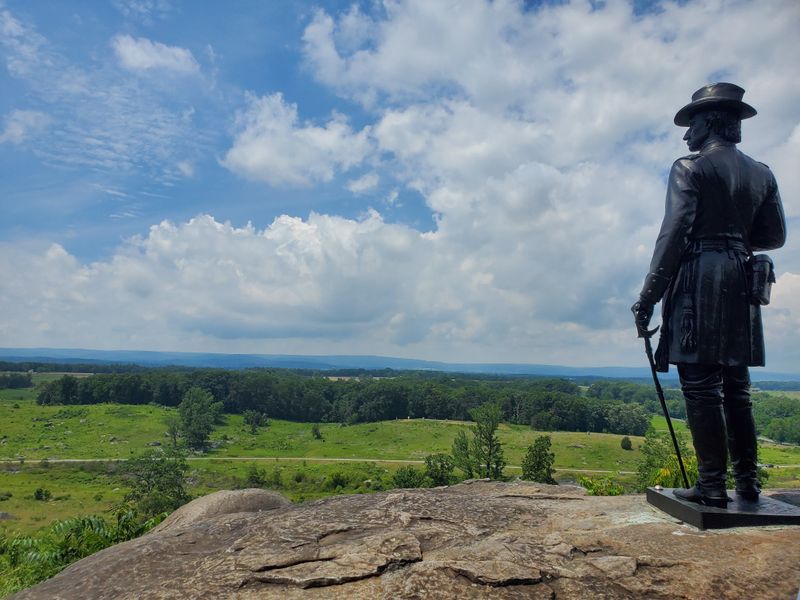
Three days in July 1863 turned these Pennsylvania farmlands into America’s bloodiest battlefield, where over 50,000 soldiers fell and the Civil War’s tide finally turned.
Gettysburg National Military Park preserves the battlefield much as it appeared during those terrible days, with monuments and markers helping visitors understand the strategies and sacrifices.
The park sprawls across 6,000 acres, encompassing Little Round Top, Devil’s Den, the Wheatfield, and Cemetery Ridge, each location significant in the battle’s complex choreography.
Starting at the Museum and Visitor Center provides essential context through exhibits, artifacts, and the Cyclorama painting, a massive 360-degree artwork depicting Pickett’s Charge.
Auto tours following marked routes let you cover the major sites at your own pace, with audio guides narrating the battle’s progression from day one through Lee’s retreat.
Standing on Little Round Top, where Colonel Joshua Chamberlain’s 20th Maine held the Union’s extreme left flank, you can see why controlling this rocky hill mattered so desperately.
Over 1,300 monuments dot the landscape, each commemorating regiments, brigades, and individual acts of courage from both Union and Confederate forces.
Cemetery Hill and the Soldiers’ National Cemetery, where Lincoln delivered his famous address months after the battle, offer sobering reminders of war’s human cost.
Rangers lead walks and talks throughout the day, bringing tactical decisions and personal stories to life in ways that static markers cannot.
Sunrise and sunset transform the battlefield into something almost mystical, with morning mist rising from the fields and evening light gilding the monuments.
Local residents still find new appreciation for this site with each visit, discovering details they’d overlooked or understanding connections they’d missed before.
The park remains open year-round, with each season offering different perspectives on this landscape that witnessed America’s defining struggle.
4. Fallingwater
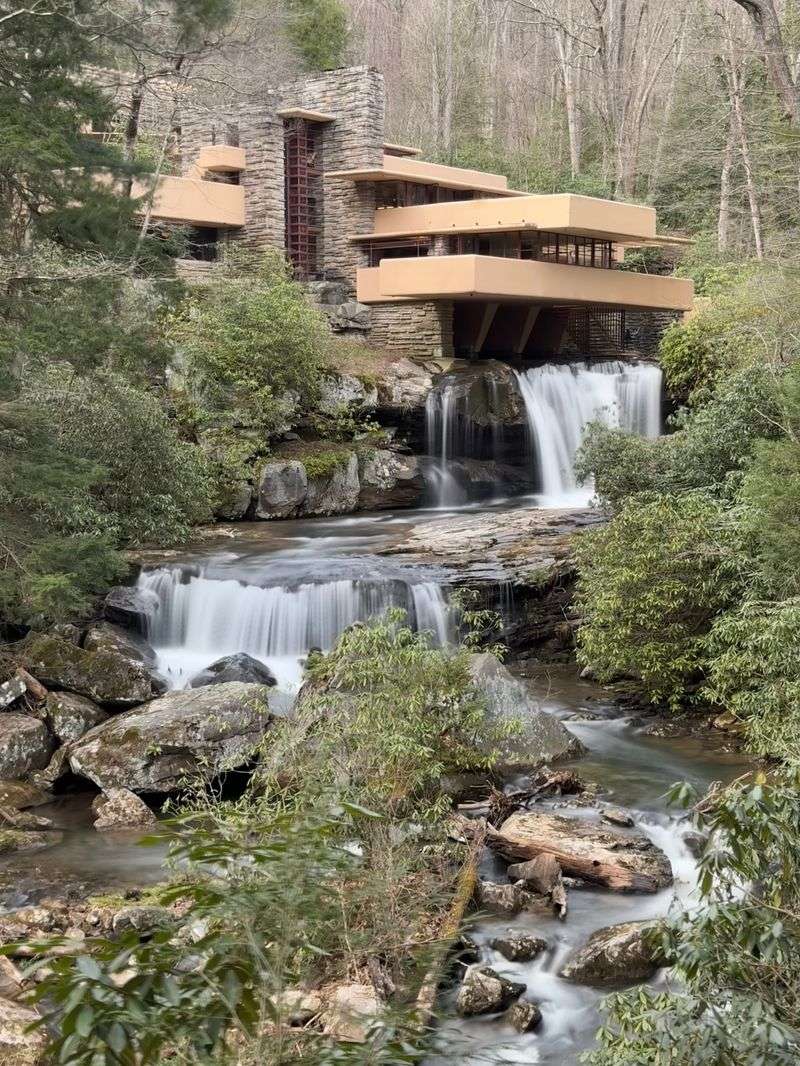
Architecture students make pilgrimages here to witness genius made concrete, where Frank Lloyd Wright defied gravity and convention by building a house directly over a waterfall.
Edgar Kaufmann, a Pittsburgh department store owner, commissioned Wright in 1935 to design a weekend retreat near a waterfall his family loved visiting.
Wright shocked everyone by placing the house not near the waterfall but above it, letting Bear Run cascade beneath the living room in a bold marriage of structure and nature.
Cantilevered terraces stretch outward like tree branches, seemingly suspended in air without visible support, creating spaces that blur the boundary between inside and outside.
The sound of falling water fills every room, a constant natural soundtrack that Wright intended as an integral part of the home’s experience.
Stone quarried from the site forms interior walls that rise from the forest floor below, making the house feel like it grew from the landscape rather than being imposed upon it.
Wright designed not just the structure but the furniture, lighting, and even the smallest details, creating a complete artistic vision that remains largely intact.
UNESCO designated Fallingwater a World Heritage Site in 2019, recognizing it as one of the 20th century’s most significant architectural achievements.
Tours book months in advance during peak seasons, though the planning pays off when guides reveal hidden details and explain Wright’s revolutionary design philosophy.
Photography inside requires special permits, but the exterior views from various vantage points along the property offer stunning compositions in any season.
Autumn transforms the surrounding forest into a riot of color that complements the house’s earth tones, while winter snow creates a completely different but equally magical atmosphere.
Even Pennsylvanians who’ve seen countless photos discover that experiencing Fallingwater in person surpasses any reproduction, the spatial relationships and natural integration impossible to fully capture in images.
Address: 1491 Mill Run Road, Mill Run, Pennsylvania
5. Pine Creek Gorge
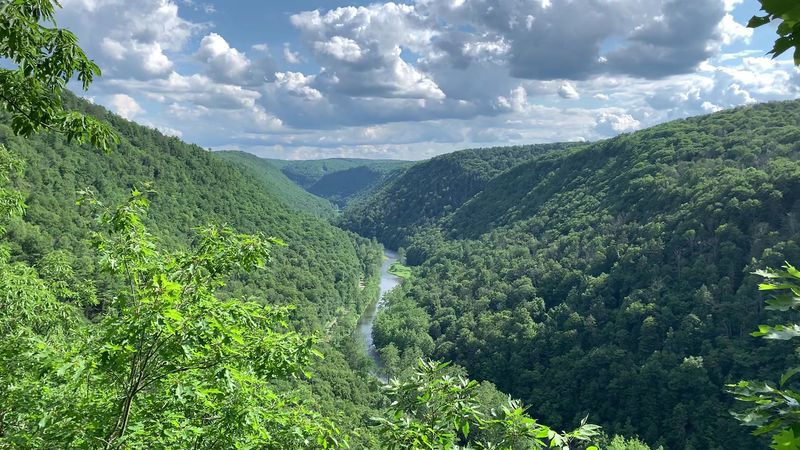
They call it Pennsylvania’s Grand Canyon, and while that might sound like hometown boasting, one look from the rim silences any skeptics.
Pine Creek carved this gorge over millions of years, slicing through ancient rock layers to create walls that plunge nearly 1,000 feet to the creek below.
The gorge stretches for 47 miles through Tioga County, offering wilderness experiences that feel remarkably remote despite being just a few hours from major cities.
Leonard Harrison State Park on the east rim provides the most accessible overlooks, with paved paths leading to viewing platforms that hang above the dramatic drop.
Colton Point State Park on the west rim offers equally spectacular views from a different perspective, and the drive between the two parks circles around the gorge’s northern end.
Autumn transforms the canyon into a painter’s palette, with maples, oaks, and birches creating layers of red, orange, and gold against evergreen backdrop.
The Pine Creek Rail Trail runs along the gorge floor for 62 miles, converted from an old railroad bed into one of the East Coast’s premier biking and hiking routes.
Turkey vultures and bald eagles ride thermal updrafts along the gorge walls, often soaring at eye level when you’re standing on the rim overlooks.
Sunrise illuminates the eastern wall first, creating dramatic contrasts as light creeps down into the shadowed depths, while sunset paints the western rim in warm gold.
Winter visits require more preparation but reward hardy souls with ice formations and snowy vistas that few people witness.
Local outfitters offer kayaking and canoeing trips down Pine Creek, providing a completely different perspective from water level looking up at the towering walls.
Pennsylvania residents often admit they’d never heard of this natural wonder until visiting, then wonder why they waited so long to discover this treasure in their own backyard.
6. Valley Forge National Historical Park
Imagine spending winter in a drafty log cabin with inadequate food, worn-out shoes, and the very real possibility that your cause was already lost.
That’s what the Continental Army endured here from December 1777 to June 1778, transforming from a ragged collection of militias into a disciplined fighting force.
Valley Forge National Historical Park preserves this encampment site where George Washington’s army of about 12,000 men survived brutal conditions that killed nearly 2,000 through disease and exposure.
Reconstructed log cabins dot the landscape, showing how soldiers built rough shelters that offered minimal protection from Pennsylvania’s harsh winter winds.
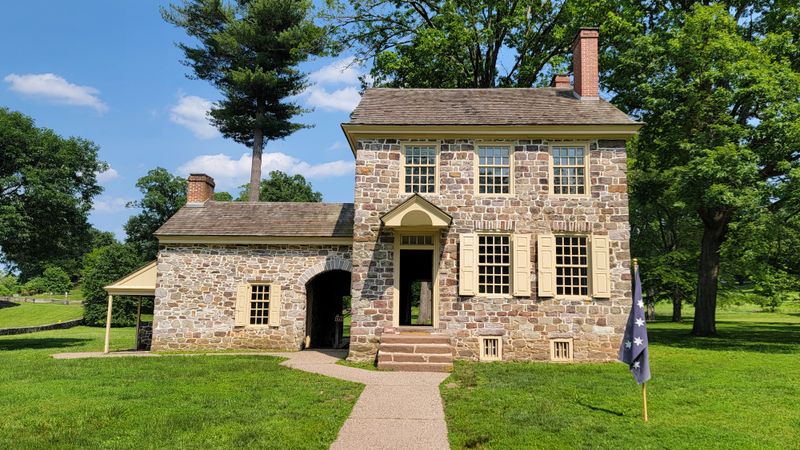
Washington’s headquarters, a stone house that served as his command center, remains furnished much as it was during that difficult winter, with maps and period furnishings.
The park’s 3,500 acres include miles of trails for hiking and biking, winding past earthwork fortifications, monuments, and meadows that once held rows of soldier huts.
Baron von Steuben arrived during this encampment and drilled the troops in European military tactics, discipline that proved crucial in later victories.
The National Memorial Arch, completed in 1917, stands as a tribute to the patience and fidelity of the soldiers who persevered through those dark months.
Spring brings wildflowers and dogwood blossoms that soften the landscape, creating beauty that contrasts sharply with the hardship this ground witnessed.
Rangers and volunteers offer programs throughout the year, from musket demonstrations to talks about daily life in camp and the political challenges Washington faced.
The visitor center provides orientation through exhibits and a film that contextualizes the encampment within the broader Revolutionary War narrative.
Many Pennsylvania locals visit Valley Forge for recreation without fully appreciating the historical significance beneath their feet, making a focused historical visit worthwhile even for regular park users.
7. Eastern State Penitentiary
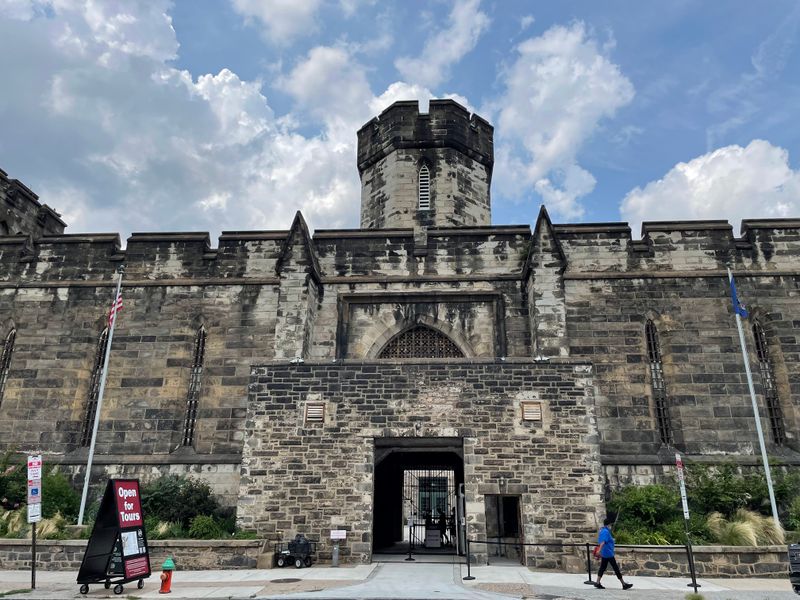
Prison architecture doesn’t usually inspire awe, but this Gothic fortress rising from a Philadelphia neighborhood looks more like a medieval castle than a correctional facility.
Eastern State Penitentiary opened in 1829 as the world’s first true penitentiary, pioneering a system of solitary confinement intended to inspire penitence and reform in criminals.
Inmates lived alone in individual cells with only skylights called “The Eye of God” for illumination, meant to encourage reflection and religious contemplation.
The wagon-wheel design, with cell blocks radiating from a central hub, influenced prison construction worldwide for over a century.
Al Capone served time here in 1929, and his restored cell shows the luxurious accommodations afforded to the famous gangster, complete with comfortable furniture and decorations.
The prison closed in 1971 and sat abandoned for decades, deteriorating into the hauntingly beautiful ruin that visitors explore today.
Crumbling walls, peeling paint, and trees growing through collapsed roofs create an atmosphere that’s both eerie and strangely compelling.
Audio tours narrated by actor Steve Buscemi guide visitors through cell blocks, exercise yards, and even death row, sharing stories of inmates and the prison’s evolution.
Artists have created installations throughout the site, adding contemporary commentary on justice, punishment, and the American prison system.
The annual Halloween attraction “Terror Behind the Walls” transforms the penitentiary into an elaborate haunted house, though history buffs prefer daytime visits focused on actual history.
Historians and architecture enthusiasts find endless fascination in the building’s design and the radical philosophy it embodied, even if that philosophy ultimately failed.
Pennsylvania residents often overlook this site despite its significance in criminal justice history and its haunting beauty as an architectural ruin.
Address: 2027 Fairmount Avenue, Philadelphia, Pennsylvania
8. Kinzua Bridge State Park
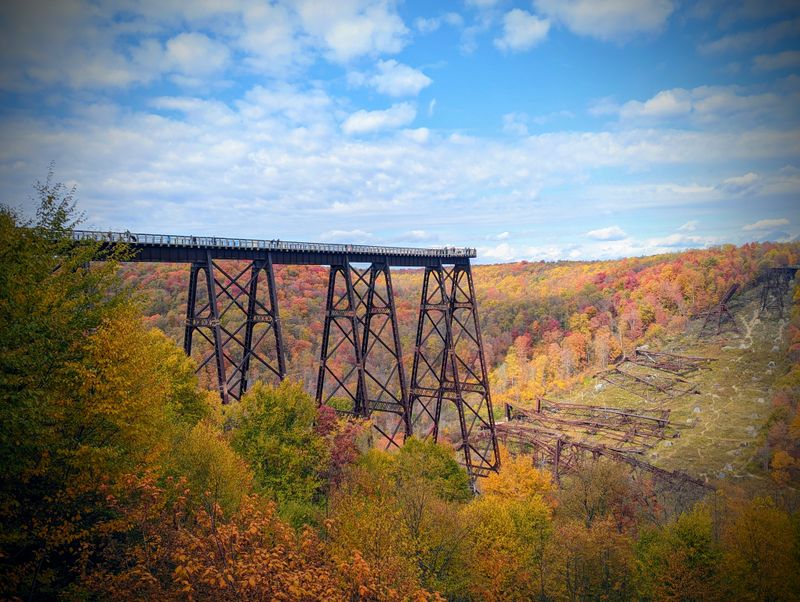
Engineering marvels sometimes meet dramatic ends, and the story of Kinzua Bridge involves both human ambition and nature’s overwhelming power.
Built in 1882, the original Kinzua Viaduct stood 301 feet tall and stretched 2,053 feet across the valley, ranking as one of the world’s tallest railroad bridges.
Trains carried coal and timber across this iron structure for decades until operations ceased in 1959, after which the bridge became a pedestrian attraction.
In 2003, a tornado with winds exceeding 100 mph struck the bridge, toppling eleven of its twenty towers in a catastrophic collapse that took just 30 seconds.
Rather than rebuild or remove the wreckage, Pennsylvania created something unique: a skywalk extending from the remaining towers out over the valley.
Visitors now walk onto a partial bridge that ends abruptly in midair, with glass panels in the observation platform letting you look straight down at twisted metal far below.
The experience combines vertigo-inducing height with the sobering sight of engineering brought low by natural forces.
Interpretive panels explain the bridge’s construction, its working life, and the tornado that ended its existence, turning disaster into educational opportunity.
The surrounding state park offers hiking trails through forests that showcase Pennsylvania’s northern wilds, far from the state’s urban centers.
Autumn color viewing from the skywalk rivals any overlook in the state, with endless forest canopy spreading in every direction.
Photographers find the twisted remains of the fallen bridge hauntingly beautiful, especially in morning fog or late afternoon light that emphasizes the dramatic scene.
Many Pennsylvania residents have never ventured to McKean County, making this an opportunity to discover a less-traveled corner of the state while experiencing a truly unique landmark.
9. Lancaster Central Market
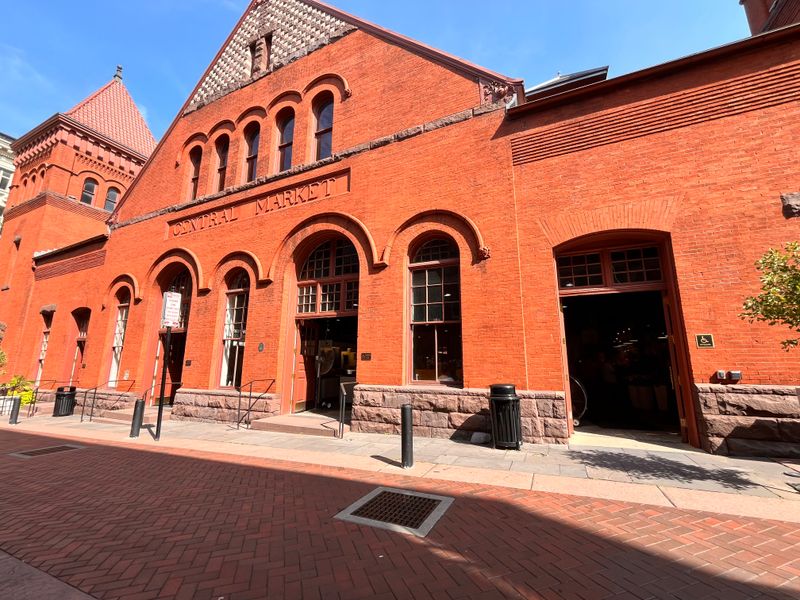
Markets come and go, but this one has endured since the 1730s, making it America’s oldest continuously operating farmers market.
Lancaster Central Market occupies a distinctive Romanesque Revival building constructed in 1889, though the market tradition on this site predates the current structure by over 150 years.
Pennsylvania Dutch farmers and vendors have sold their goods here for generations, maintaining agricultural traditions that stretch back to the region’s earliest European settlement.
Walking through the market means navigating narrow aisles between stands piled with seasonal produce, fresh-baked breads, artisan cheeses, and flowers cut that morning.
The smell hits you first: fresh bread, strong coffee, ripe strawberries in June, apples in October, mingling into an aroma that defines the market experience.
Vendors call out greetings and offer samples, their friendly banter creating a social atmosphere that supermarkets can never replicate.
Traditional Pennsylvania Dutch specialties like shoofly pie, scrapple, and homemade noodles sit alongside more contemporary offerings from newer vendors.
The market operates on Tuesdays, Fridays, and Saturdays year-round, with Friday mornings drawing the biggest crowds and offering the fullest selection.
Regulars know to arrive early for the best picks and to chat with favorite vendors who remember their preferences and family news.
The building itself deserves attention, with its arched brick ceilings, clerestory windows, and central aisle creating a cathedral-like space dedicated to commerce and community.
Even locals who shop here regularly might not know the market’s full history or appreciate how remarkable it is that this tradition has survived centuries of change.
Visiting connects you directly to Pennsylvania’s agricultural heritage and the German immigrant culture that shaped Lancaster County into one of America’s most productive farming regions.
Address: 23 North Market Street, Lancaster, Pennsylvania
10. Fonthill Castle
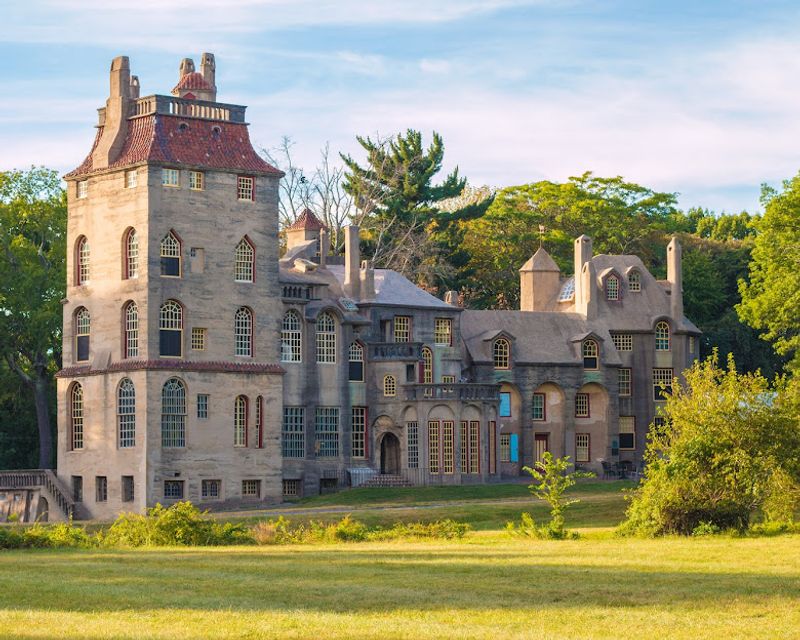
Eccentric doesn’t quite capture Henry Chapman Mercer, the archaeologist and tile-maker who built this concrete castle as his home and filled it with thousands of handmade tiles.
Fonthill Castle rose between 1908 and 1912, constructed from poured concrete in an era when most architects still relied on traditional materials like stone and brick.
Mercer designed the building himself without formal architectural training, resulting in a structure that defies conventional categories with its mix of Medieval, Gothic, and Byzantine elements.
The castle contains forty-four rooms, eighteen fireplaces, and over two hundred windows, no two quite alike, creating a labyrinth that rewards exploration.
Mercer embedded his decorative tiles throughout the building, covering walls, ceilings, and floors with scenes from history, mythology, and daily life.
These tiles came from Mercer’s Moravian Pottery and Tile Works, where he revived traditional tile-making techniques and created designs that graced buildings nationwide.
Tours wind through narrow staircases and unexpected corridors, revealing rooms that range from cozy nooks to soaring halls with cathedral ceilings.
Mercer’s collections fill the castle: prints, books, tools, and artifacts reflecting his wide-ranging interests in archaeology, history, and material culture.
The structure’s concrete construction, innovative for its time, has proven remarkably durable, preserving Mercer’s vision with minimal deterioration over a century later.
Gardens surrounding the castle provide peaceful spots for reflection after tours that can feel overwhelming given the visual richness inside.
Doylestown’s other Mercer sites, including the tile works and Mercer Museum, complete the picture of this remarkable individual’s creative output.
Pennsylvania locals often know Mercer tiles from public buildings but remain unaware of the castle where their creator lived surrounded by his artistic vision made concrete in every sense.
Address: 525 East Court Street, Doylestown, Pennsylvania
Dear Reader: This page may contain affiliate links which may earn a commission if you click through and make a purchase. Our independent journalism is not influenced by any advertiser or commercial initiative unless it is clearly marked as sponsored content. As travel products change, please be sure to reconfirm all details and stay up to date with current events to ensure a safe and successful trip.
