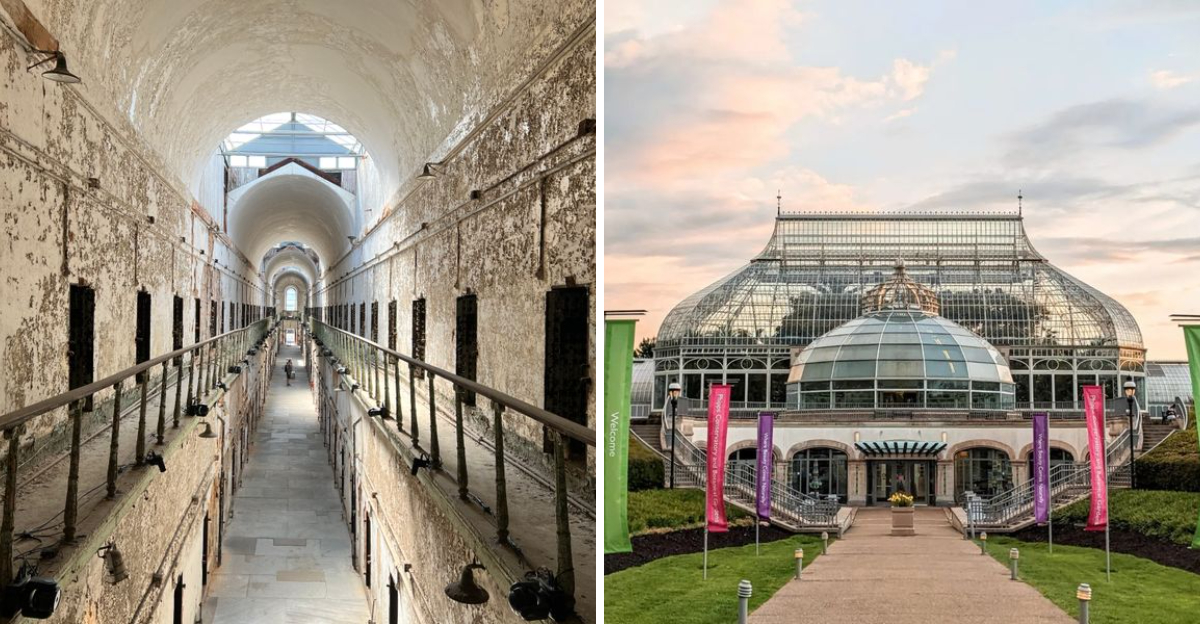
Pennsylvania stands as one of the most historically rich states in America, offering visitors a chance to walk through centuries of compelling stories.
From the birthplace of American democracy to architectural wonders that defy imagination, this state holds treasures that speak to every type of traveler.
Whether you’re a history enthusiast, nature lover, or architecture admirer, Pennsylvania delivers experiences that stay with you long after you leave.
The landmarks scattered across this diverse state range from solemn memorials to breathtaking natural formations, each one offering a unique window into the past and present.
Exploring these iconic sites means connecting with pivotal moments that shaped our nation while discovering hidden gems that showcase human creativity and resilience.
Pack your curiosity and prepare for a journey through time, culture, and natural beauty as we explore the must-see destinations across Pennsylvania.
1. Independence Hall
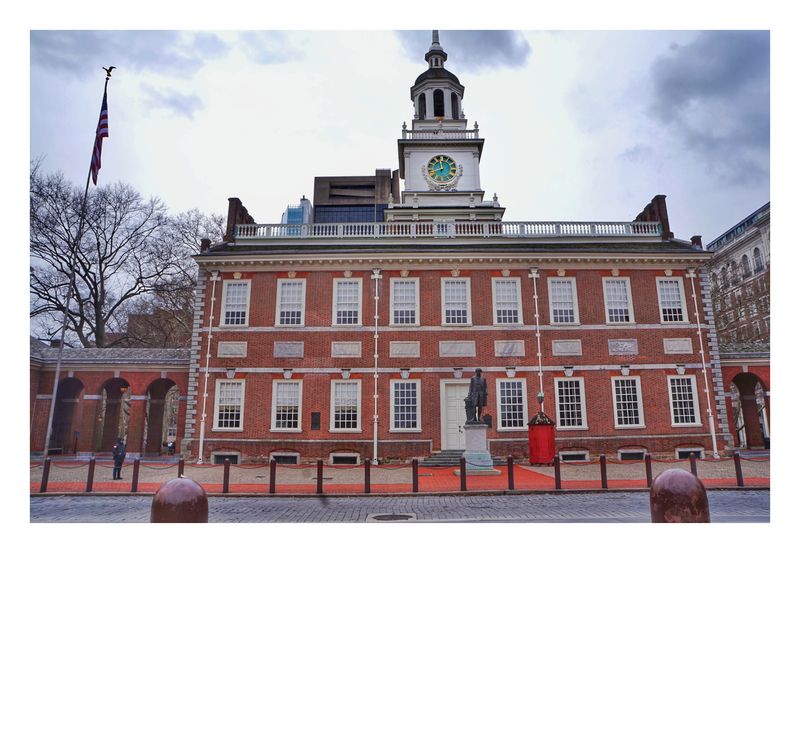
Standing in the heart of Philadelphia, this Georgian-style building witnessed the birth of a nation.
The Declaration of Independence was debated, signed, and adopted within these walls, forever changing the course of human history.
Years later, the same rooms hosted the Constitutional Convention, where founding fathers crafted the framework for American government.
Visitors can walk through the Assembly Room, where delegates argued passionately about freedom and representation.
The original chairs and tables remain positioned exactly as they were during those momentous debates.
Independence National Historical Park surrounds the building, creating a campus of American history that includes multiple significant sites.
Guided tours provide fascinating insights into the personalities and conflicts that shaped our founding documents.
The building’s simple elegance belies the revolutionary ideas that emerged from its chambers.
Anyone interested in understanding how democracy took root in America must experience this landmark firsthand.
The weight of history feels tangible as you stand where liberty was first proclaimed.
Address: 520 Chestnut St, Philadelphia, PA 19106
2. Liberty Bell Center
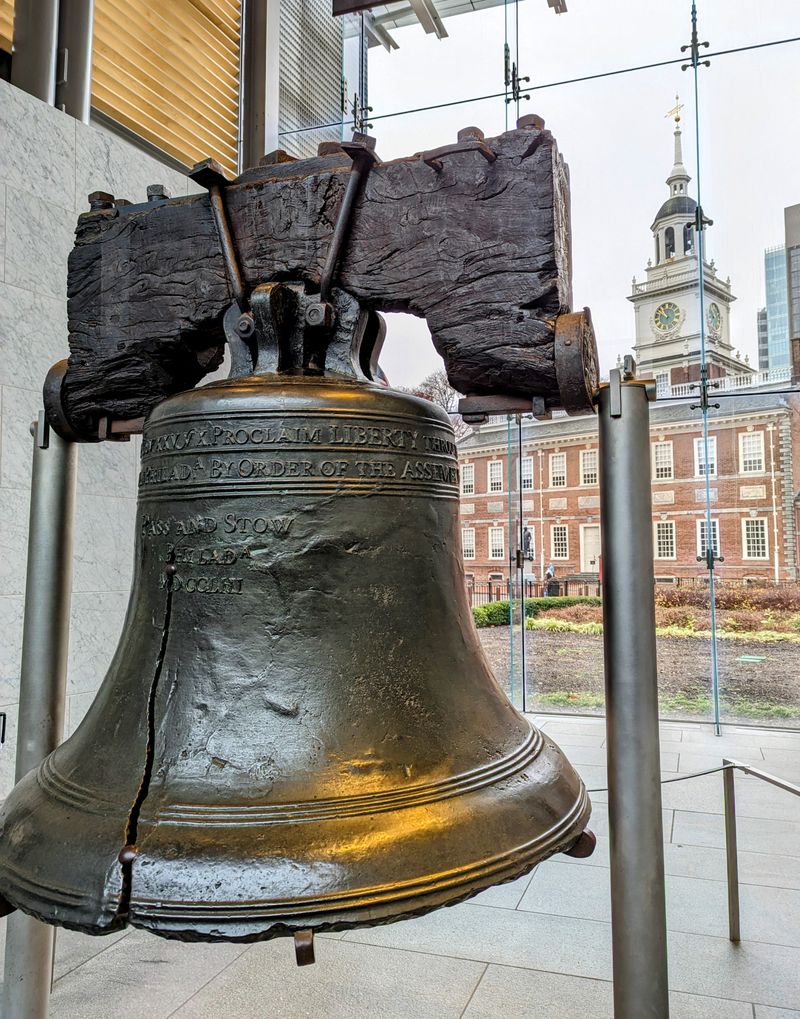
Few symbols capture the American spirit quite like this cracked bronze icon.
Originally cast to commemorate the 50th anniversary of Pennsylvania’s constitution, it gained legendary status through association with independence movements.
Abolitionists adopted it as their symbol, and civil rights activists later embraced its message of freedom for all.
The center surrounding the bell tells these layered stories through engaging multimedia exhibits.
You’ll discover how different groups throughout history interpreted its inscription about liberty.
The famous crack adds character and has become part of the bell’s enduring mystique.
Admission costs nothing, making it accessible to everyone who wants to connect with this powerful symbol.
Large windows frame views of Independence Hall, linking these two essential landmarks visually and historically.
Interactive displays help younger visitors understand why this bell matters beyond its physical presence.
The center manages crowds well, allowing everyone a moment of reflection near this treasured artifact.
Millions make the pilgrimage annually, yet the experience feels personal and meaningful.
Address: 101 S Independence Mall W, Philadelphia, PA 19106
3. Gettysburg National Military Park
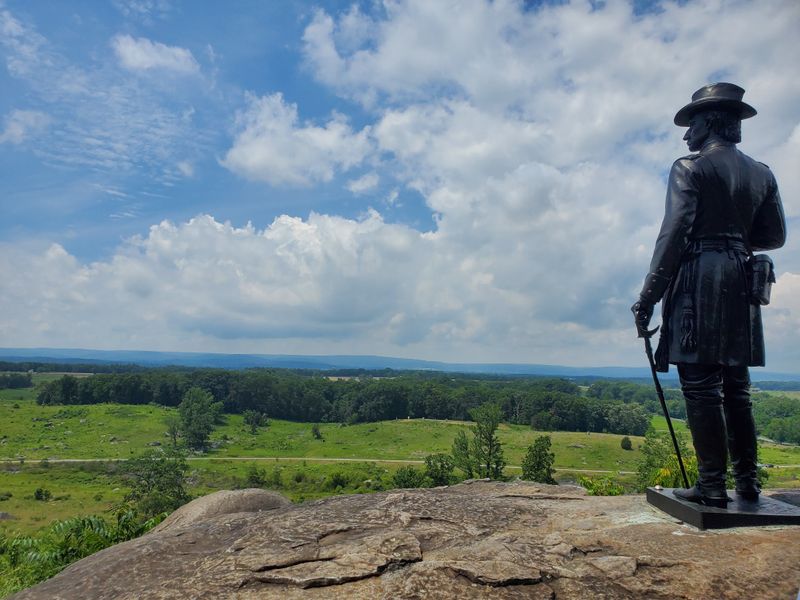
Three days of intense combat transformed this peaceful Pennsylvania town into hallowed ground.
The battle fought here marked the turning point of the Civil War, ending Confederate hopes of victory on Northern soil.
President Lincoln later delivered his most famous address on this very battlefield, redefining the war’s purpose.
Thousands of monuments dot the landscape, each commemorating regiments and individuals who fought here.
Visitors can follow self-guided auto tours that explain tactical movements and crucial moments of the battle.
The museum houses extensive collections of artifacts, from soldiers’ personal items to military equipment.
Walking the same ground where armies clashed creates a profound connection to this pivotal moment.
Cemetery Hill, where Lincoln spoke, remains a place of quiet contemplation and national remembrance.
Rangers offer programs throughout the year, bringing military strategy and human stories to life.
The park preserves not just history but also the memory of sacrifice made by both sides.
Understanding American history requires standing on this battlefield at least once.
Address: Gettysburg, PA 17325
4. Fallingwater
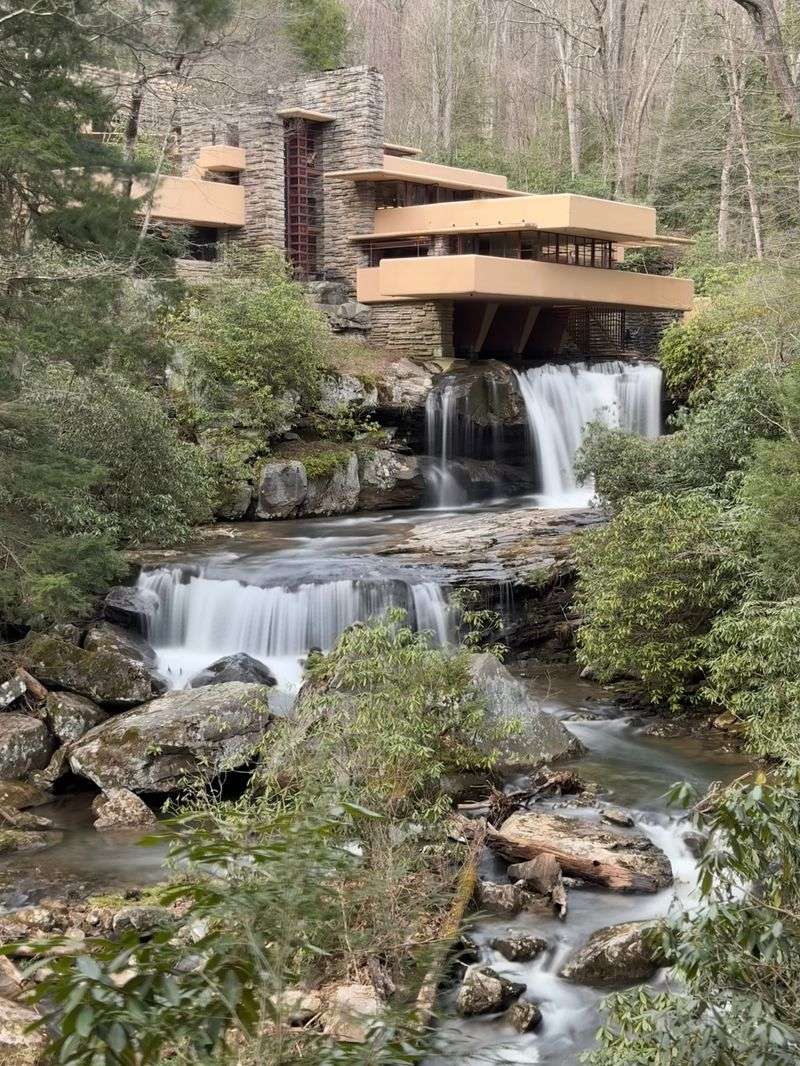
Architectural genius meets natural beauty in this stunning residence perched above a cascading waterfall.
Frank Lloyd Wright designed this masterpiece for the Kaufmann family, creating harmony between human habitation and wilderness.
Horizontal planes seem to float impossibly over the rushing water below, defying conventional construction.
The house incorporates natural rock formations directly into its interior spaces, blurring boundaries between inside and outside.
Every angle reveals Wright’s attention to detail, from custom furniture to carefully considered sight lines.
Located in the Laurel Highlands, the surrounding forest provides a serene backdrop that changes dramatically with seasons.
Guided tours explain Wright’s organic architecture philosophy and the engineering challenges overcome during construction.
Photography restrictions inside protect the home’s furnishings, but exterior views offer countless stunning compositions.
Reservations are essential, as visitor numbers are carefully controlled to preserve this National Historic Landmark.
Architecture students and enthusiasts travel from around the world to experience Wright’s most celebrated residential design.
The sound of falling water accompanies your entire visit, creating an unforgettable sensory experience.
Address: 1491 Mill Run Rd, Mill Run, PA 15464
5. Eastern State Penitentiary

Imposing stone walls hide a revolutionary experiment in criminal justice that influenced prison design worldwide.
When it opened, this facility pioneered the concept of rehabilitation through isolation and reflection rather than punishment.
Its radial floor plan, with cell blocks extending from a central hub, became the model for hundreds of prisons.
Notorious inmates including Al Capone spent time in these cells, which now stand empty and haunting.
Capone’s cell has been recreated with period furnishings, showing the privileges afforded to wealthy prisoners.
Crumbling walls and overgrown vegetation create an eerie atmosphere that fascinates photographers and history buffs alike.
Audio tours narrated by actor Steve Buscemi guide visitors through the complex history and daily routines.
The penitentiary operated for over a century before closing, and now serves as a thought-provoking museum.
Special exhibits explore contemporary issues in criminal justice, connecting past practices to present debates.
During autumn, the site transforms for a popular Halloween attraction, though daytime tours offer more historical depth.
This landmark challenges visitors to think critically about punishment, reform, and human dignity.
Address: 2027 Fairmount Ave, Philadelphia, PA 19130
6. Valley Forge National Historical Park
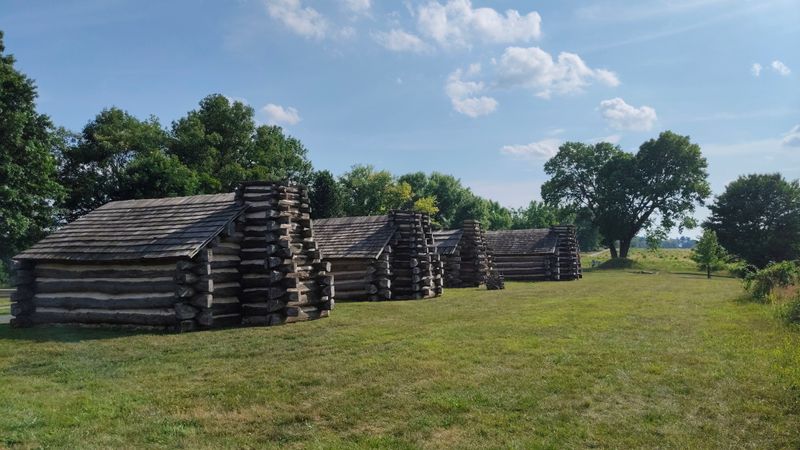
Bitter cold and desperate conditions tested the Continental Army during the winter they spent at this encampment.
Soldiers arrived defeated and poorly equipped, but emerged months later as a disciplined fighting force capable of victory.
Baron von Steuben transformed ragtag militias into professional soldiers through rigorous training on these very fields.
Reconstructed log cabins show the cramped, harsh conditions troops endured while the Revolution’s fate hung in balance.
Washington’s headquarters still stands, offering glimpses into the commander’s strategic thinking during this crucial period.
Miles of trails wind through the park, passing monuments and markers that tell individual stories of sacrifice.
The Visitor Center provides context through exhibits and a film explaining why this encampment proved so pivotal.
Many consider this the birthplace of the American army, where determination overcame seemingly impossible odds.
Seasonal programs include living history demonstrations that bring the encampment experience to vivid life.
The park’s peaceful landscape contrasts sharply with the suffering and perseverance it witnessed.
Visiting here means understanding that freedom required not just battles, but also endurance and unity.
Address: 1400 N Outer Line Dr, King of Prussia, PA 19406
7. Pine Creek Gorge
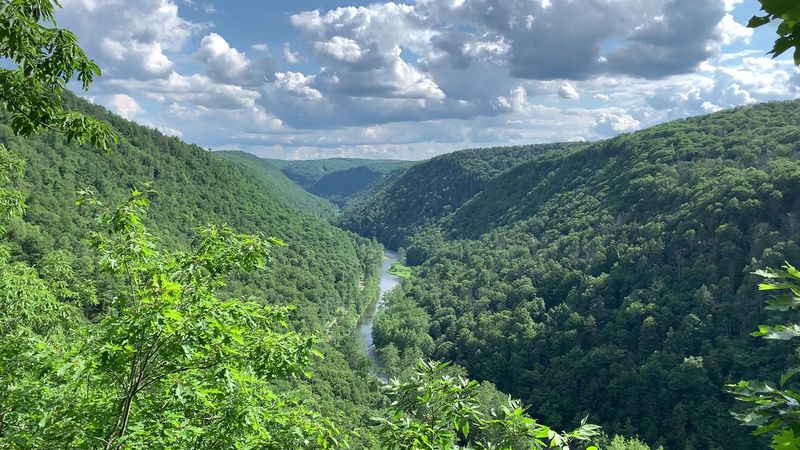
Nature carved a spectacular canyon through Pennsylvania’s northern wilderness, creating views that rival western landscapes.
The gorge plunges hundreds of feet deep, with Pine Creek winding through the bottom like a silver ribbon.
Two state parks flank the canyon, each offering different perspectives on this geological wonder.
Leonard Harrison State Park provides easily accessible overlooks where the full scope of the gorge unfolds before you.
Colton Point State Park on the opposite rim offers equally stunning vistas and quieter trails.
Hiking paths descend into the canyon, leading adventurous visitors down to the creek level.
The Pine Creek Rail Trail follows the water through the gorge, perfect for biking or leisurely walks.
Autumn transforms the landscape into a blazing tapestry of red, orange, and gold that attracts photographers from everywhere.
Wildlife thrives in this protected corridor, with opportunities to spot deer, eagles, and black bears.
The canyon’s scale surprises first-time visitors who expect Pennsylvania to be all rolling hills and farmland.
This natural landmark proves the state’s geographic diversity extends far beyond its famous historical sites.
Address: Watson Township, PA 17740
8. Flight 93 National Memorial
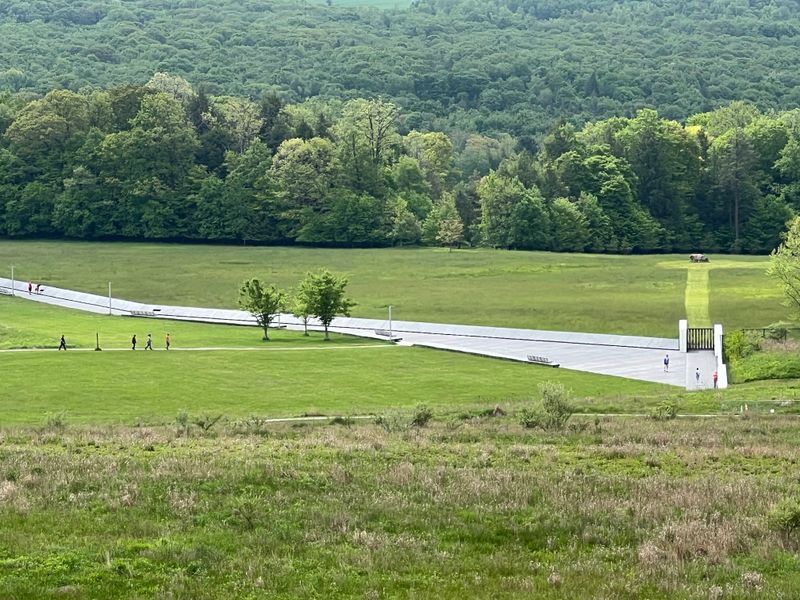
Ordinary people became heroes when they chose to fight back against terrorists on September 11.
Their courageous actions prevented another devastating attack, though it cost them everything.
The memorial sits where their plane came to rest in an empty Pennsylvania field.
A white marble wall inscribed with forty names honors each passenger and crew member who died here.
Walking paths lead visitors through a landscape designed to encourage reflection and remembrance.
The Tower of Voices, when complete, will hold wind chimes representing each person lost.
A visitor center chronicles the events of that morning through artifacts and recorded messages.
The memorial’s design emphasizes the flight path and final moments, creating a powerful narrative arc.
Volunteers who witnessed the crash often share their experiences, adding personal testimony to historical record.
Visitors consistently describe feeling moved by the site’s peaceful dignity and the story it preserves.
This place reminds us that heroism can emerge in the most unexpected moments and from everyday people.
The memorial stands as testament to sacrifice, bravery, and the best of human nature under unimaginable pressure.
Address: 6424 Lincoln Hwy, Stoystown, PA 15563
9. The Amish Farm and House
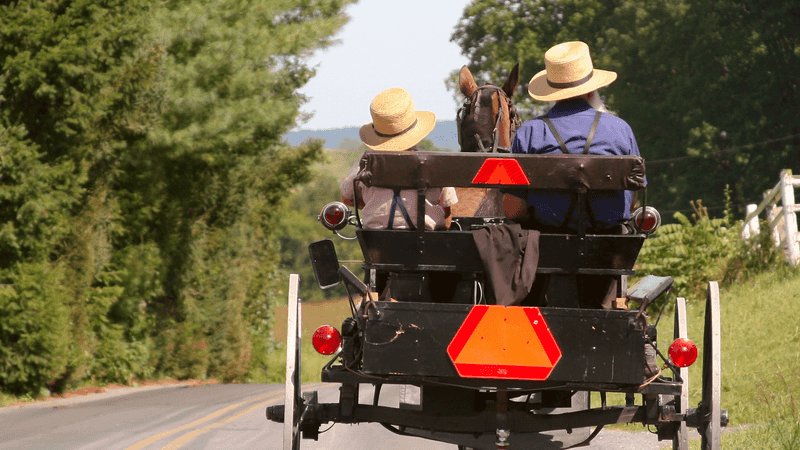
Lancaster County’s rolling farmland provides home to one of America’s most distinctive cultural communities.
This attraction opened decades ago to help outsiders understand the Amish way of life without intruding on actual families.
Guided tours through an authentic farmhouse reveal how families live without modern electricity or technology.
Rooms are furnished exactly as Amish households maintain them, from simple furniture to hand-stitched quilts.
Guides explain religious beliefs and practical reasons behind choices that seem puzzling to mainstream society.
The surrounding property includes barns, gardens, and animals typical of working Amish farms.
Bus tours venture into the countryside, passing active farms where horse-drawn buggies remain the primary transportation.
Visitors gain appreciation for a lifestyle built on community, simplicity, and resistance to rapid change.
The experience challenges assumptions about progress and happiness, showing alternative paths to fulfillment.
Children especially enjoy seeing farm animals and learning about life without video games or smartphones.
Respectful tourism here supports preservation of this unique culture while satisfying curiosity about different ways of living.
Address: 2395 Covered Bridge Dr, Lancaster, PA 17602
10. Phipps Conservatory and Botanical Gardens
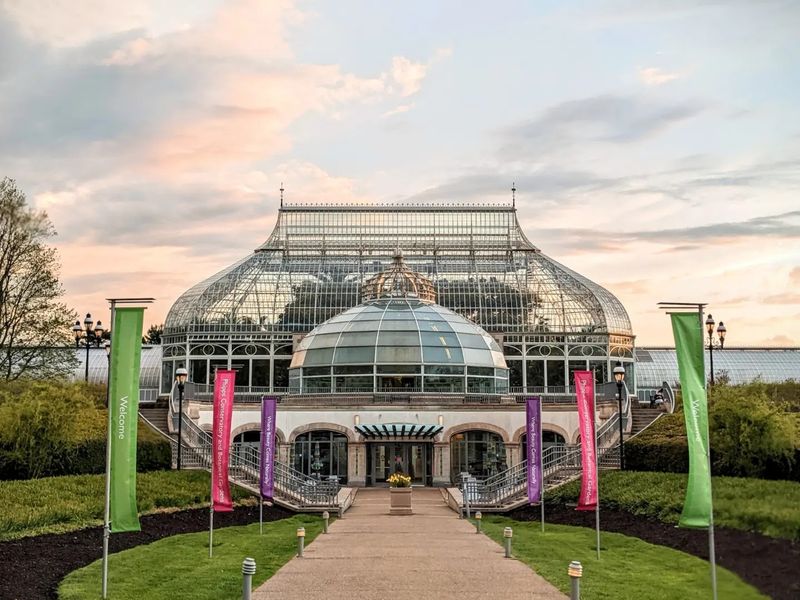
Victorian elegance meets horticultural excellence in this stunning glass palace dedicated to plants from around the world.
Elaborate glasshouses shelter themed gardens ranging from tropical rainforests to arid desert landscapes.
Each room transports visitors to different climates and ecosystems, all under one magnificent roof.
Seasonal flower shows transform spaces with spectacular displays that celebrate nature’s diversity and beauty.
The conservatory pioneered green building practices, incorporating sustainable design long before it became trendy.
Outdoor gardens extend the experience beyond the glasshouses, offering seasonal color and peaceful walking paths.
Educational programs teach visitors about plant conservation, ecology, and the importance of biodiversity.
The Japanese garden provides a serene escape with carefully composed landscapes and traditional design elements.
Photography enthusiasts find endless subjects, from exotic orchids to architectural details of the historic structure.
Pittsburgh’s industrial heritage makes this green oasis feel even more special and necessary.
Families appreciate the interactive children’s garden where young ones can explore and learn through play.
This landmark proves that Pennsylvania offers cultural and natural treasures beyond its revolutionary history.
Address: 1 Schenley Dr, Pittsburgh, PA 15213
Dear Reader: This page may contain affiliate links which may earn a commission if you click through and make a purchase. Our independent journalism is not influenced by any advertiser or commercial initiative unless it is clearly marked as sponsored content. As travel products change, please be sure to reconfirm all details and stay up to date with current events to ensure a safe and successful trip.
