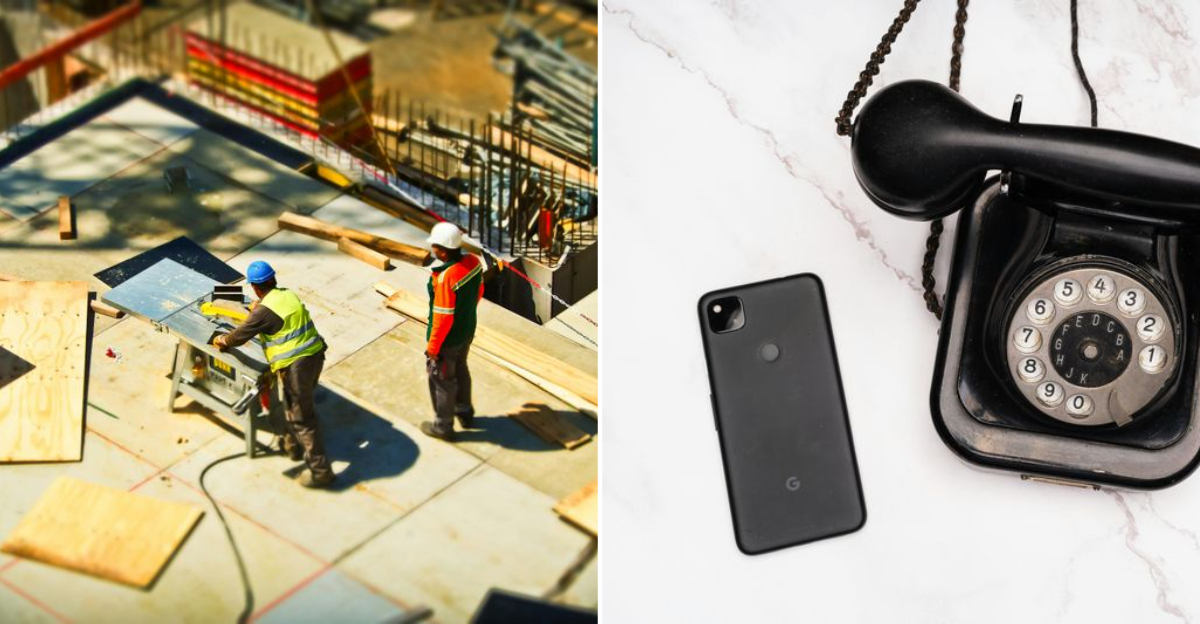
Did you ever assume the Amish in Pennsylvania live exactly like it’s the 1800s? A lot of tourists show up expecting horse-drawn buggies, candlelight, and nothing but farmland. While those things are definitely part of the picture, the reality is more surprising. The Amish aren’t frozen in time.
They’ve found ways to adapt, and in some cases, they’re more modern than visitors realize. I remember walking into an Amish-owned shop and noticing how cleverly they use generators and battery-powered tools.
It wasn’t flashy, but it showed how they balance tradition with practicality. Some communities even allow solar panels, and businesses often run smoothly with systems that feel surprisingly current. I think it’s about choosing what fits their values.
Tourists often expect simplicity, but what they don’t anticipate is the resourcefulness and innovation behind that lifestyle. The Amish way is intentional. So next time you visit Pennsylvania, look a little closer.
You might be surprised at how modern “old-fashioned” life can really be!
Modern By Committee, Not By Accident
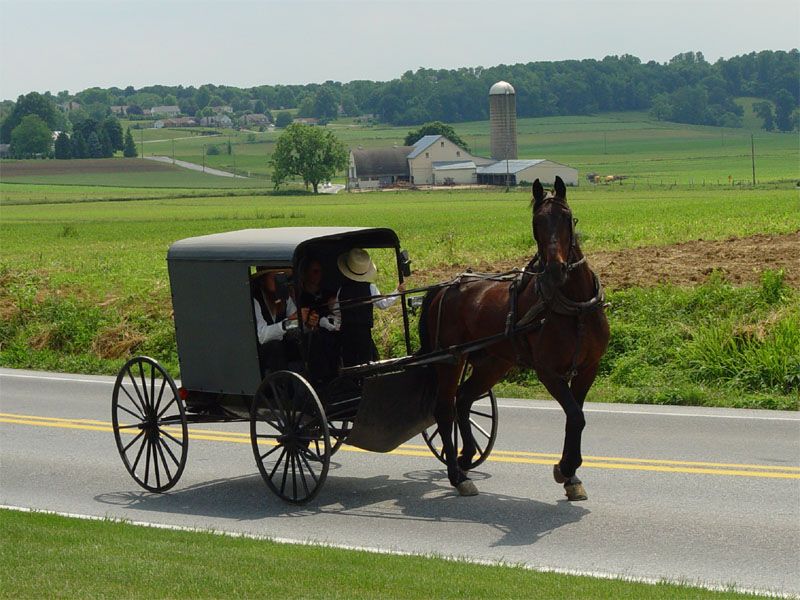
You know what surprised me the most? Change does not happen by impulse here, it happens by conversation and agreement.
The Amish do not treat new as automatically bad, they treat it as something to weigh with neighbors, bishops, and family. It is modern by committee, not modern by accident.
Each district follows an Ordnung, which is a living set of guidelines that shapes daily life and technology use.
That is why you might spot a battery light in one community and not in another nearby, even within the same Pennsylvania county.
This is where the road trip gets interesting. You are not touring a museum set, you are observing a community actively choosing how to stay grounded.
Some rules tighten to preserve focus, others flex to keep families thriving.
Think about how similar that is to the choices we make with phones or work hours, just handled with more face to face time.
A new tool often gets a trial before it becomes normal, and the use might be shaped to fit community rhythms. There is a humility to that pace that still feels modern.
So when you see a simple exterior, do not assume the inside story is frozen in time. You might find careful adjustments that keep faith and daily needs in balance.
The state reminds you that modern can be mindful, not loud.
Phones Exist, Just At A Distance

Here is something you will point out from the passenger seat. That tiny shed near a lane is not storage, it is often a community phone.
Pennsylvania Amish communities place phones at a distance to keep home life calmer while still handling real needs.
It is a clever system for emergencies, business calls, and staying connected when it matters. You walk over, make the call, and you are done.
No buzzing in your pocket, no screen sitting on the table during dinner.
That setup is more intentional than people expect. It does not reject phones, it reframes them as tools you go to when necessary.
I like how the design keeps the pace of life steady without losing contact.
Standing by one of those phone shanties, you feel the quiet. You can hear birds, a buggy clip clopping, maybe a saw from a nearby shop.
Then you make the call and head back to work or home.
Honestly, it feels refreshing compared to constant notifications. You can still reach a doctor, a supplier, or a friend when needed.
Pennsylvania shows that access and restraint can live in the same place.
Solar Power, Amish Style
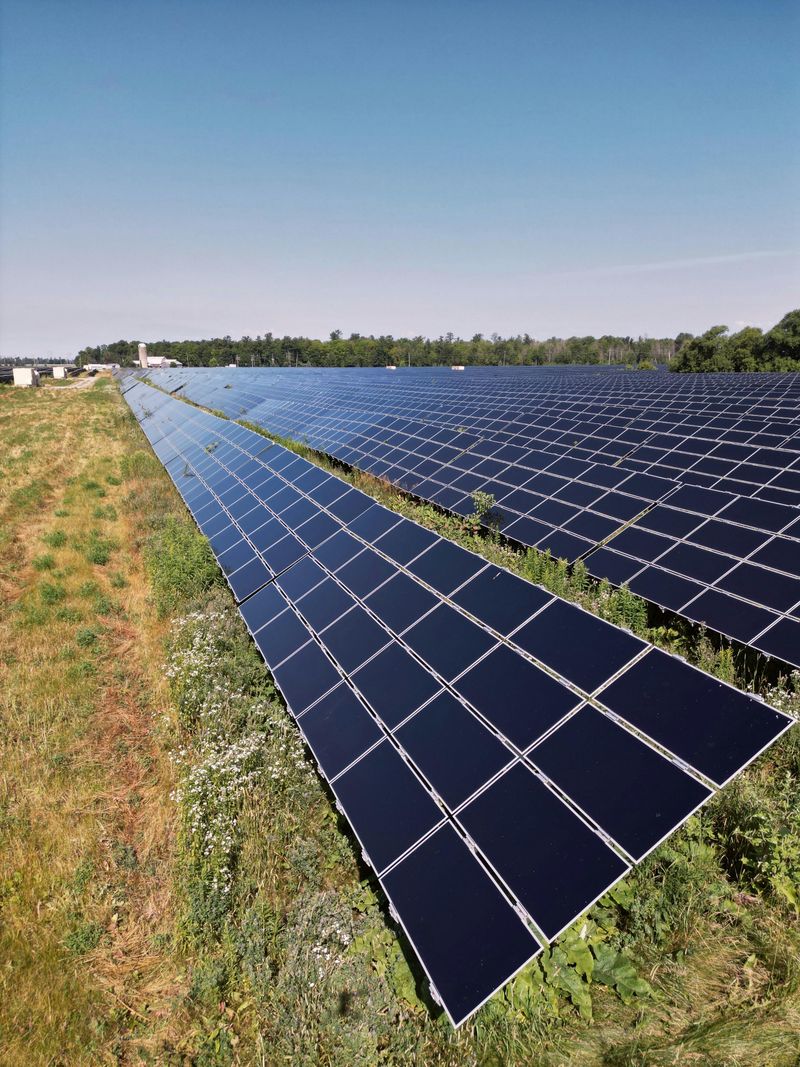
Spot a small solar panel on a barn roof and you might do a double take.
A lot of Amish are not aiming for darkness, they are avoiding the public grid and the lifestyle that comes with it. Solar becomes a way to power what is needed without inviting everything else.
Think lights for evening chores or a motor in a workshop, all from a controlled source. It is modern tech with the volume turned way down.
You can see panels tucked neatly where they do the job and stay out of the way.
What I like is how practical it feels. The panel is not a statement piece, it is a tool in the toolbox, and it supports work and safety while keeping life anchored.
On a clear day, those panels sip sunlight while horses shift in the pasture. You hear hand tools, maybe a generator in the distance, and you realize this is about boundaries, not nostalgia.
The energy is there when required and quiet when not.
If you picture all or nothing, this will rewrite that mental image. Solar gives flexibility without the plug of the grid.
It is a quiet handshake between old rhythms and new power.
From Farms To Full-On Businesses
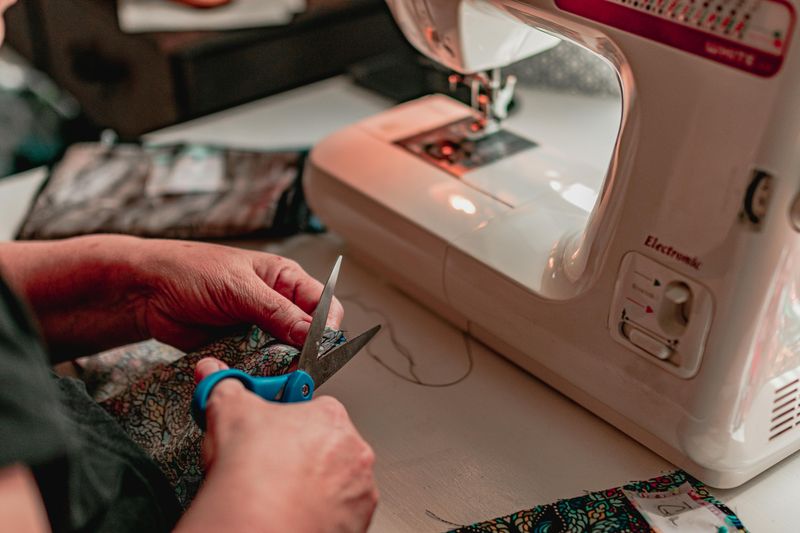
Here is the twist you might not expect. In Lancaster County, entrepreneurship is everywhere, not just fields and livestock.
Shops, market stalls, and micro enterprises have become a major way of making a living.
Daily life can look simple while still dealing with customers, deadlines, and suppliers. It is modern commerce with guardrails.
You will notice tidy workshops, signboards, and steady traffic of regulars who know exactly what they need. People greet each other by name and still talk quality and timelines.
I would say it feels straightforward and very real.
The cool part is how community networks support this growth. Skills pass through families and neighbors, and ideas spread by word of mouth.
The result is a landscape of serious craft and service.
So yes, Pennsylvania farms still matter, but they are only part of the picture. The business side shows how adaptable Amish life can be without losing identity.
That mix keeps the wheels turning and the doors open.
Construction Crews Are A Big Deal Now
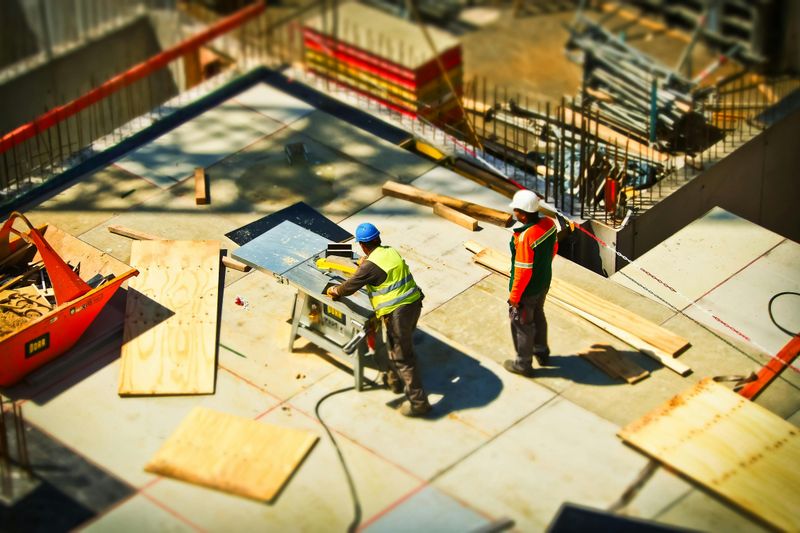
You will see it from the highway. Plain clothes, tool belts, and a lean crew moving fast on a frame.
A lot of Amish men work construction now, and that shifts how often they interact with the outside world.
It is one reason visitors think everything is changing. You spot crews on job sites instead of only in farm fields.
The rhythm is still community rooted, just set to schedules and build phases.
Talk to any homeowner and you will hear about skill and reliability, word of mouth keeps calendars full. Vans and box trucks show up with materials while buggies wait at the lane.
The work is hands on, methodical, and practical. Safety gear, ladders, and generators keep the sites humming, and it feels modern without the flash.
As you roll through Pennsylvania, you will notice how normal this looks. It is Amish life with power saws and pencil behind the ear.
Hired Drivers Keep Things Flexible
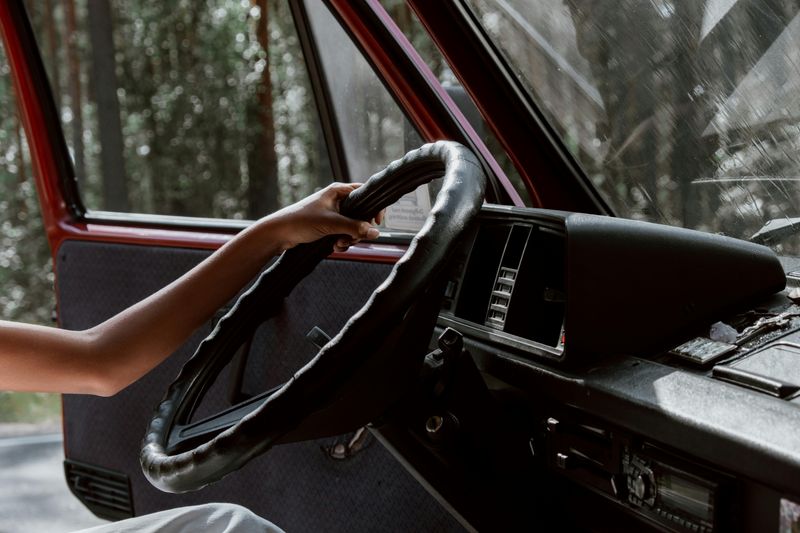
Ever wonder how longer trips happen without owning cars? That is where hired drivers come in.
Many Amish arrange rides for hospital visits, distant jobs, weddings, or big errands that a buggy just cannot handle.
It is not breaking rules, it is working within them. You coordinate, get the miles covered, and life keeps moving.
I like how the logic is simple, and it works.
You will sometimes see small clusters waiting at a pickup spot, chatting and unhurried. The driver loads tools or luggage and they are off.
It looks like neighbors helping neighbors, just with a schedule attached.
This system widens the map while preserving the home base feel. The buggy handles local life and the driver bridges the rest.
It keeps commitments practical in a big state like Pennsylvania.
So when you see a van pause near a lane, that is likely the plan at work. Mobility without ownership, access without the constant pull.
I think it is a neat balance that fits the day.
Work Tools Aren’t Frozen In Time
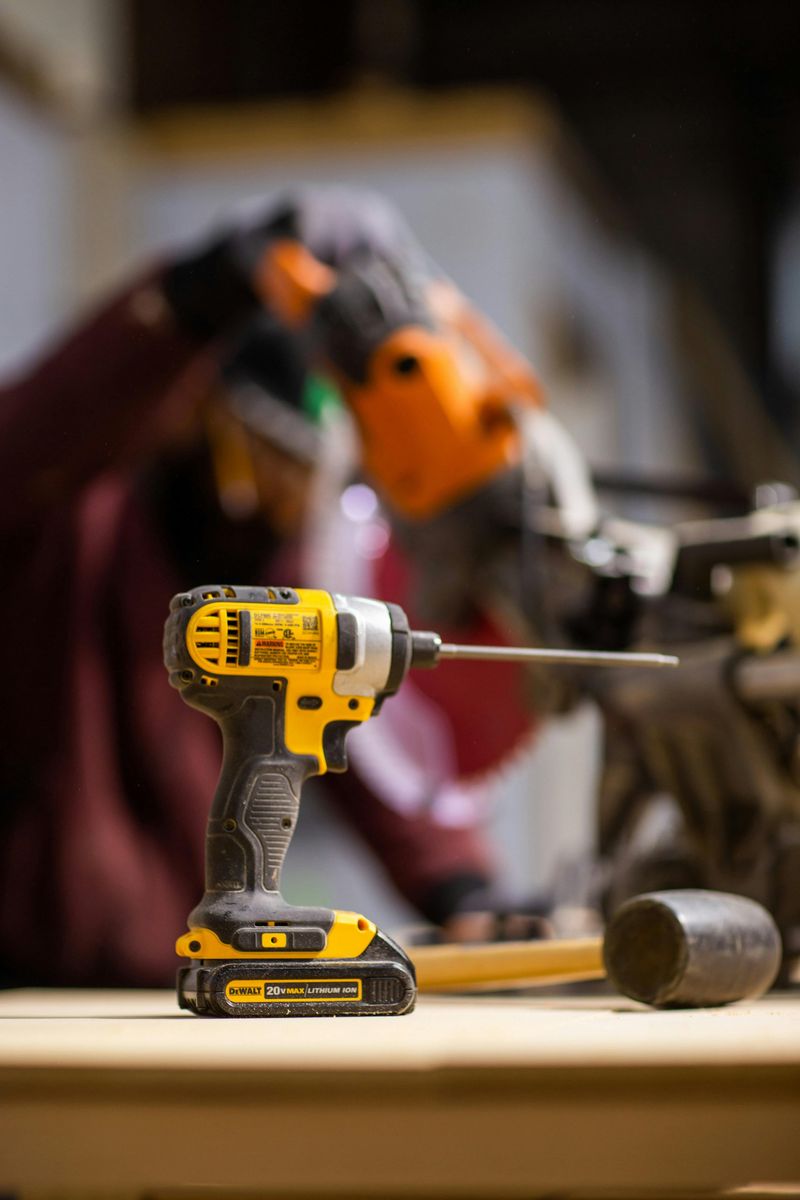
Look closely at the tools and you will see the story. Some districts allow specific machinery or power sources, especially when it supports work.
Lancaster County is known for careful allowances like battery lights on buggies and equipment that keeps shops efficient.
The look stays old school while the workflow hums along. Air tools, compressed systems, and battery packs show up where they make sense.
The rules aim for focus, not discomfort.
I like how practical it feels in person. You see a hand plane next to a cordless light and it does not feel contradictory, it feels like picking the right wrench for the job.
There is usually a logic trail behind each choice. Power comes from controlled sources, and the use gets defined by task, not convenience.
That keeps the day structured and clear.
Across the state, you spot these quiet upgrades more and more. The tools evolve while the values hold steady.
That is not stuck in time, that is selective progress.
Farming Isn’t Automatically “All Natural”
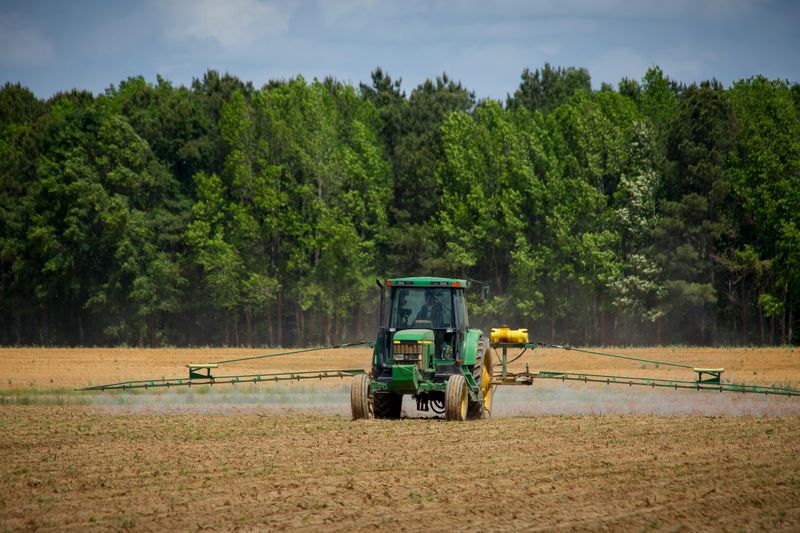
Here is a myth that needs a gentle reset. Amish fields do not automatically mean organic practices.
Many farms use fertilizers or pesticides when required because they are running real businesses, not reenactments.
The image of the simple life is true, but the details are practical. Crops need protection, soil needs inputs, and tools need to match the goals.
You can respect stewardship and still admit complexity.
Walking a lane in this state, you might catch the scent of fresh earth and see sprayers in a shed. The work is about outcomes that feed families and markets.
Decisions get made with care, and that does not knock anyone’s values. It just makes the picture more honest and grounded.
The farm is a living system with tradeoffs to manage. So when you pass a tidy field, remember the choices behind it.
The methods might be mixed, and that is part of modern Amish life. Real farms, real decisions, steady hands.
Buggy Life Still Has Modern Safety Thinking
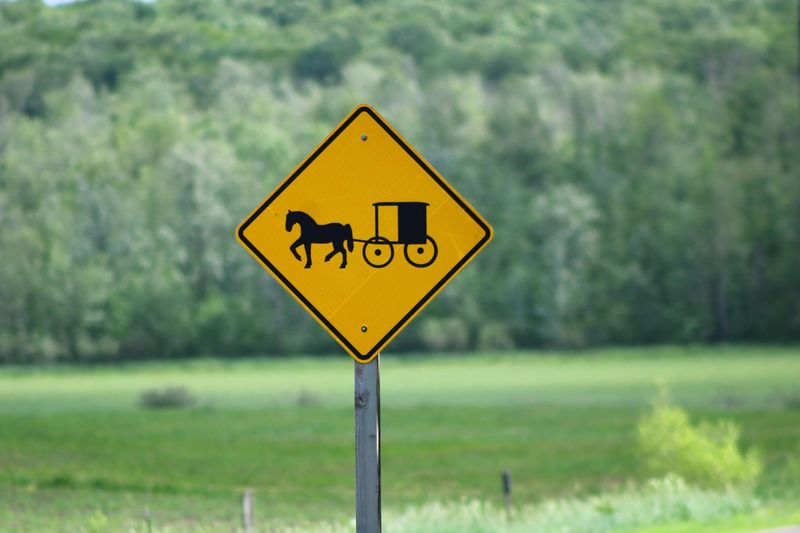
You can hear the clip clop before you see the buggy. When it comes into view, notice the reflective triangle and sometimes battery lights.
That is modern safety doing its job without changing the core travel style.
Tourists think horse and buggy equals frozen history. In reality, communities adapt for visibility and road sense, especially on busy stretches.
It is a small shift with a big impact.
Riding along a Pennsylvania back road, you will see signals flash and reflectors catch headlights. The horse knows the route, and everyone shares the lane.
I think of it is a quiet dance that works because people adjust.
The scene may look old at first glance. Look again and you will spot the updates that keep families safe.
That is modern thinking in a classic frame.
Pennsylvania Dutch Keeps The Culture Bilingual

Listen in at a market and you will catch it. A warm flow of Pennsylvania Dutch among friends, then an easy shift to English with visitors.
That bilingual rhythm helps communities move smoothly in and out of public life.
Most Old Order Amish grow up with the dialect at home and use English when business or school requires it.
The switch is quick and practical, and it keeps connections strong inside and outside the circle.
When you are road tripping through Pennsylvania, it becomes part of the soundscape. You hear the dialect around the buggy shed, then English at a counter.
I think it feels really natural and grounded.
This language blend is how daily life functions in two lanes at once. People choose the best lane for the moment.
It is traditional and socially savvy at the same time.
Mud Sales Feel Old-Timey, But They Run Like A Machine
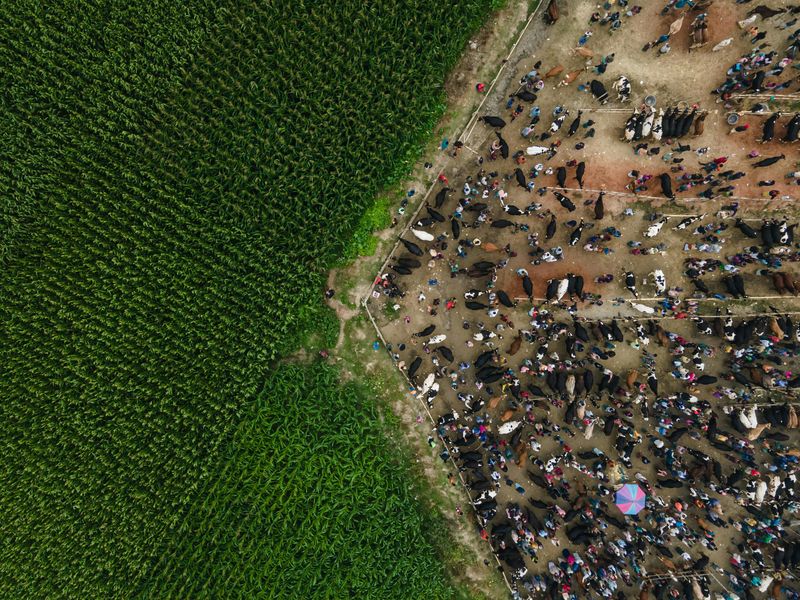
Step into a mud sale and you will grin right away, trust me. Picture boots, chatter, auctioneers rolling, and a whole lot of action.
These Lancaster County events raise money for local volunteer fire departments with impressive organization.
They may look rustic, but the logistics are tight: staging areas, bidding lanes, and volunteers who know their roles. The scale will surprise you if you expected a tiny gathering.
What makes it fun for me is the sense of purpose. Community shows up, gear moves, and funds support safety for everyone, it is tradition that also plans like a pro event.
Walking between lots, you will cross paths with neighbors comparing notes. The day runs on radios, patience, and practiced routines.
You can feel the teamwork in the way items flow.
In Pennsylvania, mud sales are not a gimmick, they are a season: old time vibes with modern coordination behind the scenes.
Education Shifts Into Real-World Skills

School here looks familiar at first glance and then it takes its own path.
Many Amish students finish after eighth grade and move into hands on learning with family or community mentors. The idea is not less learning, it is different learning.
Classrooms tend to be small and focused on literacy, math, and practical knowledge. After that, training leans into trades, farms, shops, and household skills.
Picture it as a direct bridge from class to daily life.
You might pass a one room schoolhouse and then see teenagers helping in a workshop later. The skills stack up through repetition and responsibility.
This track does not chase credentials, it builds confidence through doing, and keeps culture intact. The community sets the pace so families stay aligned.
Tourists sometimes read it as behind the times. Spend a little time and you will see a different goal in motion.
It is education built for a particular life, and it works.
Dear Reader: This page may contain affiliate links which may earn a commission if you click through and make a purchase. Our independent journalism is not influenced by any advertiser or commercial initiative unless it is clearly marked as sponsored content. As travel products change, please be sure to reconfirm all details and stay up to date with current events to ensure a safe and successful trip.
