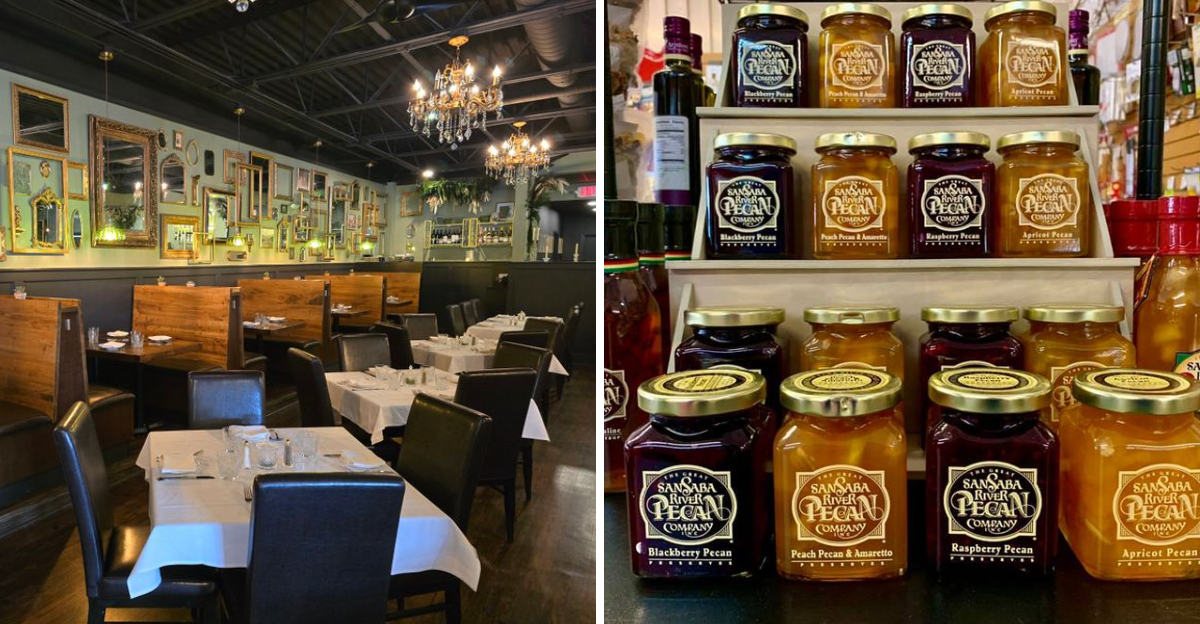
You are about to peek into a quiet world of flavor where Pennsylvania’s countryside shapes every bite. This guide steps behind the kitchen door to reveal how tradition, community, and careful sourcing define meals across the state. Expect clear details, real places, and practical insights that help you plan a respectful, memorable visit. Follow along as we explore how simplicity becomes unforgettable in Pennsylvania.
Focus on simplicity and freshness
Pennsylvania Amish dining is guided by an everyday respect for ingredients and a calm, steady pace that favors clarity over flash.
Menus lean toward straightforward recipes that let milk, eggs, and seasonal produce speak without distraction.
You notice the absence of trendy garnish and the presence of careful hands shaping familiar dishes with patience.
In Lancaster County and beyond, kitchens keep the workflow simple, which makes the results feel unforced and quietly rich.
The rhythm suits travelers who prefer honest flavors over complicated presentations or dense spice blends.
Service moves efficiently but without hurry, reflecting a culture that values consistency and time well spent.
Dining rooms usually feature plain wood tables, soft lighting, and modest decor that keeps your attention on conversation.
Even large rooms feel calm because the design favors function, comfort, and easy movement for families and groups.
Across Pennsylvania, staff greet you with direct kindness and practical guidance that helps you choose confidently.
The tone is friendly rather than performative, which makes repeat visits feel natural and rewarding.
You see the same sensibility in the way buffets are set, with clear labeling and unfussy layouts that avoid clutter.
Small touches, like neatly folded napkins and clean lines, underscore the emphasis on good order.
Behind the scenes, cooks rely on reliable methods that have aged well, not quick hacks or novelty devices.
Farm-to-table ingredients
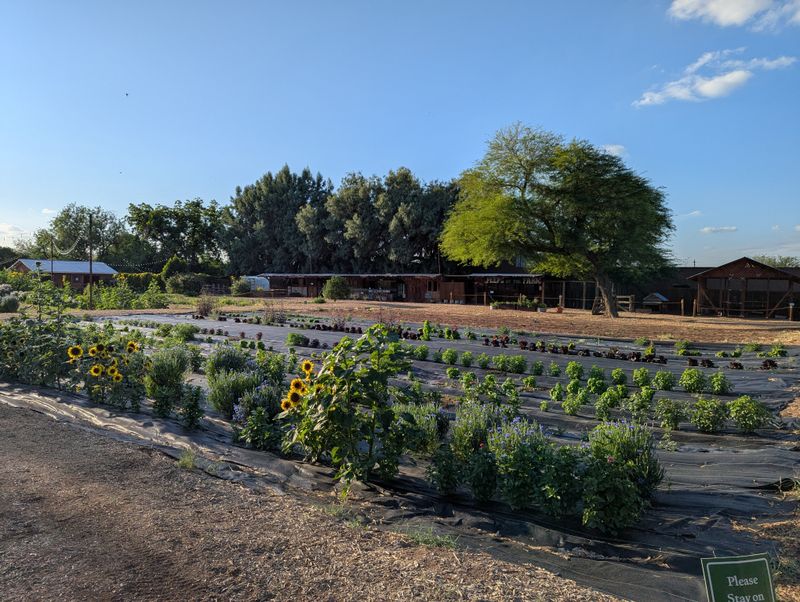
Across Pennsylvania, Amish kitchens rely on short supply lines where eggs, milk, and garden vegetables move from farm to stove with minimal delay.
You feel the difference in the way dining rooms reference the land through simple decor, practical shelving, and sturdy chairs.
The surroundings do not play at rustic, they simply are, and that authenticity shapes how you experience each bite.
Freshness here means cooks trust the natural character of ingredients, keeping seasoning purposeful rather than heavy.
Butter, cream, and seasonal produce give structure, while restraint preserves the clean finish that defines this region.
Even in busier dining halls, staff handle ingredients with care that reflects a community standard rather than a trend.
Windows often frame fields or gardens, connecting the plate to the view and grounding the meal in place.
The lighting supports that feeling with warm tones and clear sightlines that make rooms feel open and honest.
You notice how spaces prioritize function, with wide aisles and practical table spacing that suits families and tour groups.
That layout keeps the energy relaxed, so conversations can stretch without competing with noise.
In Pennsylvania, the farm-to-table idea exists as everyday practice, not marketing language or seasonal pop up.
Menus shift subtly with harvest cycles, which keeps regulars engaged and reduces waste without calling attention to itself.
Hearty, comforting meals
Comfort defines Amish dining in Pennsylvania, with meals designed to satisfy and steady the day.
Rooms favor sturdy tables, deep chairs, and clear walkways that welcome families, church groups, and travelers.
Soft light and simple wall hangings create a setting that supports unhurried conversation and easy laughter.
Hearty dishes rely on potatoes, noodles, and meats that offer warmth and weight without complicated techniques.
That fullness aligns with the climate and work rhythms that shaped the cuisine over generations.
Milk and eggs add richness that carries flavors across the palate with a calm, rounded finish.
Buffets serve as a practical format for groups, letting everyone choose portions that suit appetite and pace.
Servers check in with quiet regularity, keeping water full and the table comfortable without interrupting flow.
You notice how rooms are designed to absorb bustle, with sound softened by wood and cloth.
That intelligent design helps large gatherings feel neighborly rather than chaotic, even on busy weekends.
In Pennsylvania, comfort shows up in more than recipes, it appears in seating, spacing, and gentle lighting.
The atmosphere suggests you stay long enough to feel restored, not rushed back to the road.
Families appreciate the predictability, while solo travelers enjoy the sense of welcome that comes without conditions.
Traditional and modern restaurants
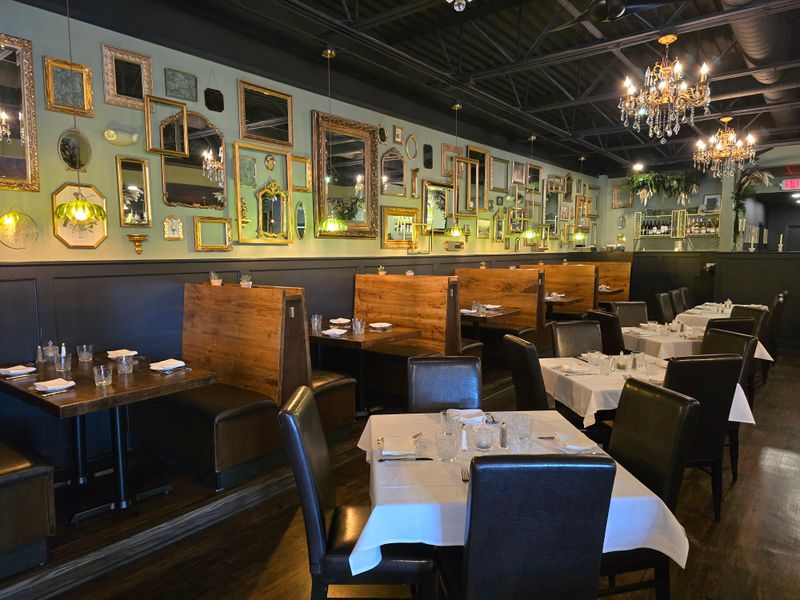
Across Pennsylvania, Amish owned and Pennsylvania Dutch inspired restaurants balance tradition with modern service formats that help them host large crowds.
Some spots keep table service and small dining rooms, while others expand into multi room spaces with efficient buffets.
Both models value consistency, clear signage, and seating that guides guests smoothly from door to table.
In this region, you often see barn influenced architecture with wide porches that create a relaxed arrival.
Interior finishes lean toward wood trim, neutral paint, and clean floors that stand up to steady foot traffic.
Lighting favors warm bulbs over harsh glare, which protects the unhurried mood guests come to find.
You will also see practical tech behind the scenes, like organized host stands and streamlined payment areas.
Those details keep wait times reasonable without bending the character of the dining room.
Menus tie old recipes to current expectations, offering traditional dishes alongside simpler modern sides.
That blend serves families with varied tastes, making group decisions easier and friendlier.
In Pennsylvania, restaurants often coordinate with nearby shops, markets, and attractions to extend the visit naturally.
That cooperative approach keeps traffic flowing between community businesses, which strengthens the local economy.
Preserved foods through the seasons
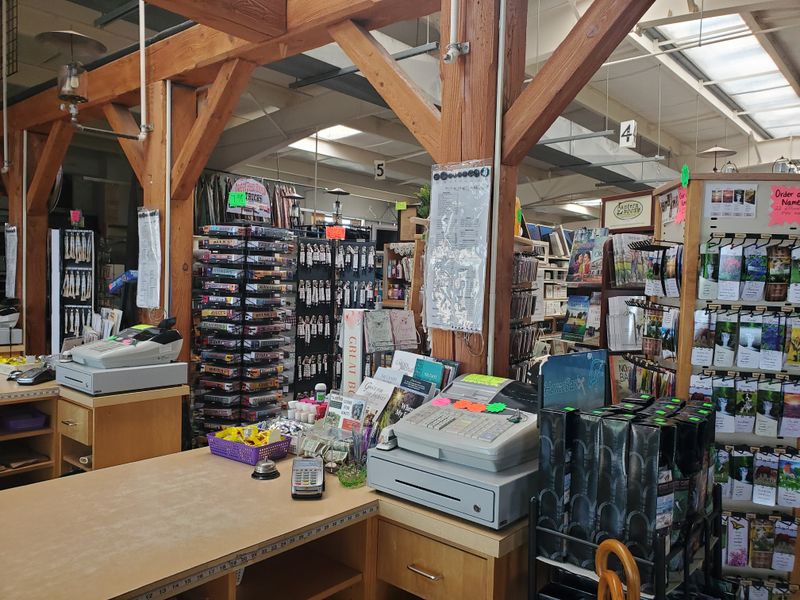
Preserving is a cornerstone of Amish food culture in Pennsylvania, bridging garden seasons with resourceful planning.
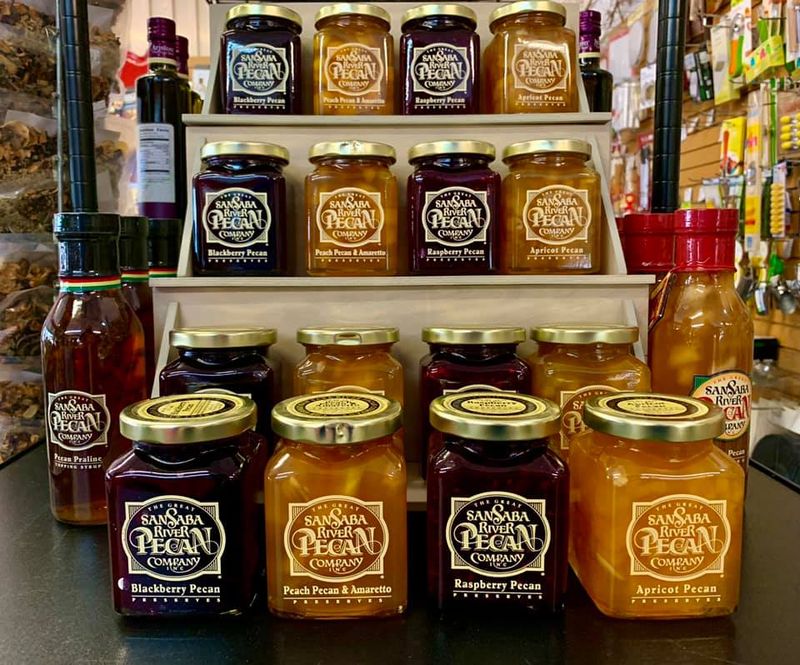
Jars line shelves in basement pantries and country markets, each one a small promise of steady supply.
The practice ensures that winter meals carry color and brightness pulled from summer fields.
Dining rooms reflect this rhythm through menus that feature preserved vegetables as familiar, supportive sides.
You find a dependable presence that complements fresh items without competing for attention.
The effect is balance, not novelty, and it gives the table a sense of continuity.
Buffet lines often include these staples, presented with clear labels and clean, simple servingware.
That clarity helps guests learn without fuss, turning curiosity into comfort while they explore options.
In Pennsylvania, preserving also supports local farms by reducing waste and honoring bumper harvests.
The result is a virtuous cycle that makes supply chains more resilient and local tastes more defined.
When you sit down, the presence of preserved foods feels like a handshake between seasons.
It brings reliability to the table, which matters when gatherings stretch across busy weekends.
Staff talk about preservation with quiet pride, pointing to traditions taught at home and church.
Those stories add context without turning dinner into a lecture or a themed performance.
You taste the past and the present working together, guided by patience and practicality.
It is a lesson you can carry home from Pennsylvania, stored like sunlight for the colder days.
Popular dishes and baked goods

Bring an appetite for variety because Pennsylvania Dutch traditions fill bakeries and dining rooms with beloved recipes.
Names like shoofly pie and buttered noodles often appear on signage, reminding visitors of the region’s heritage.
You see those references as part of the story rather than a performance for photographs.
Bakeries draw steady lines with shelves of breads and sweets, supported by friendly counter teams and tidy spaces.
Clean cases, organized queues, and clear labeling keep the mood focused and calm during busy hours.
The setup makes it easy to choose without pressure, which helps families navigate preferences gracefully.
Dining rooms carry the same balance by pairing savory staples with classic sides that feel familiar.
The result is choice without confusion, which matters when you are balancing tastes across a group.
In Pennsylvania, these recipes anchor memories for locals and become gentle discoveries for travelers.
The tone stays practical, never turning tradition into spectacle or gimmick.
You will find cookies, pies, breads, and fudge celebrated as part of everyday life, not rarities.
That everyday status keeps quality steady and the experience refreshingly unpretentious.
Staff often share small suggestions, like which items travel well or pair nicely with coffee.
The Shady Maple experience
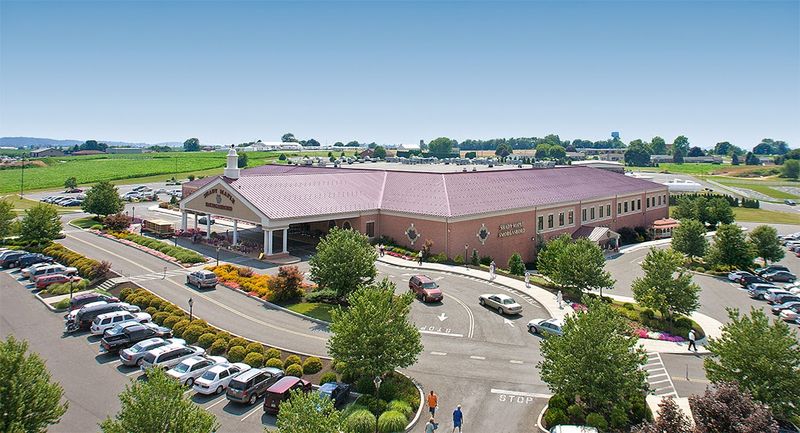
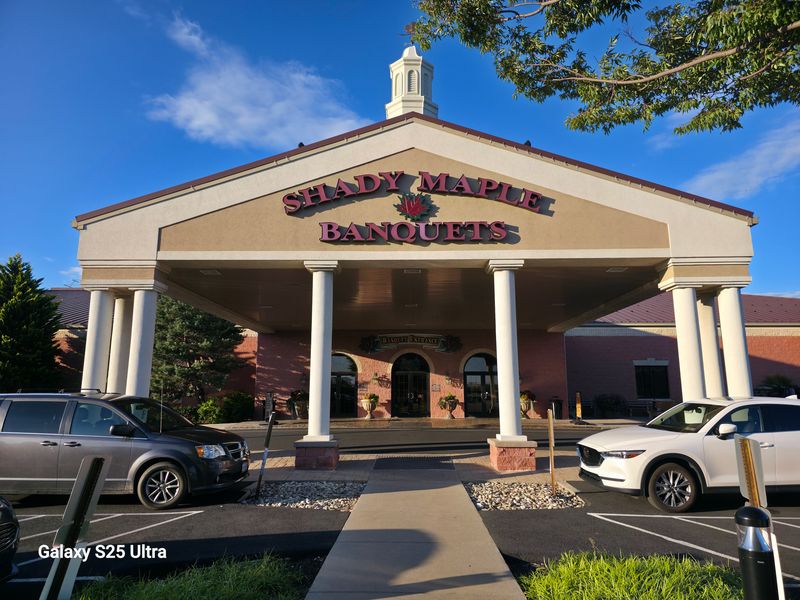
Shady Maple Smorgasbord offers a landmark buffet experience at 129 Toddy Drive, East Earl, PA 17519.
The building feels purpose built for crowds, with a broad entrance, clear signage, and friendly wayfinding.
Inside, long dining halls balance scale with warmth through wood accents and soft lights.
Service flows smoothly thanks to thoughtful lines, wide aisles, and attentive staff who keep everything moving.
Large groups fit comfortably, while smaller parties find quiet corners that feel surprisingly relaxed.
You notice the sound management that keeps conversation easy even when the room is full.
The buffet format supports Pennsylvania Dutch favorites with a focus on consistency and clean presentation.
Labels and station layout help newcomers understand options without feeling rushed or overwhelmed.
It functions like a well tuned machine that still feels personal because of steady, kind service.
Decor remains grounded in regional touches that never slip into theme park territory.
The scale allows for robust variety while maintaining a down to earth identity.
It stands as a practical example of how tradition can meet volume without losing its soul.
Parking is ample, entrances are accessible, and the property handles tour schedules with practiced calm.
Those logistics make it a reliable stop during a wider exploration of Lancaster County.
When you leave, you carry a sense of how Pennsylvania turns hospitality into a coordinated effort.
The memory is generous space, purposeful design, and a welcome that feels steady every time.
The Amish Door connection
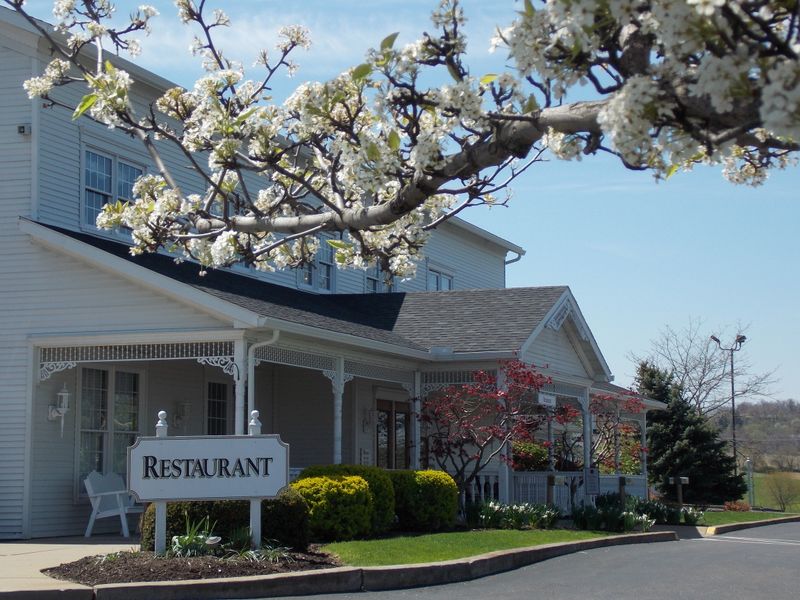
The Amish Door Restaurant and Bakery welcomes travelers at 1210 Winesburg Street, Wilmot, OH 44689.
This is across the state line from Pennsylvania, yet it shares a Pennsylvania Dutch culinary lineage that many visitors recognize.
The complex includes a restaurant, bakery, and inn, with porches that set a friendly first impression.
Inside, the rooms feel open, with wood finishes, comfortable seating, and orderly traffic patterns.
The bakery carries familiar staples like pies and donuts as part of a broad selection.
Signage is clear, counters are tidy, and service keeps lines moving at an easy pace.
Travelers often pair a meal with a stroll through the attached shops or a quiet moment on the porch.
The setting encourages longer visits where you can relax between drives and plan the next stop.
While not in Pennsylvania, it illustrates how the region’s foodways extend across nearby communities.
That connection helps travelers understand the broader tapestry of Amish and Mennonite dining traditions.
If you are mapping a multi state route, this stop ties neatly with Lancaster County experiences.
The visual language remains familiar, from barn style silhouettes to quilt inspired decor.
Staff bring steady hospitality that feels genuine, informed, and well practiced.
You leave with the sense of a destination built to welcome without spectacle.
It is a helpful reference point when comparing large complexes and buffet operations back in Pennsylvania.
The takeaway is continuity, not duplication, with each place rooted in its own community rhythm.
Buffets at scale
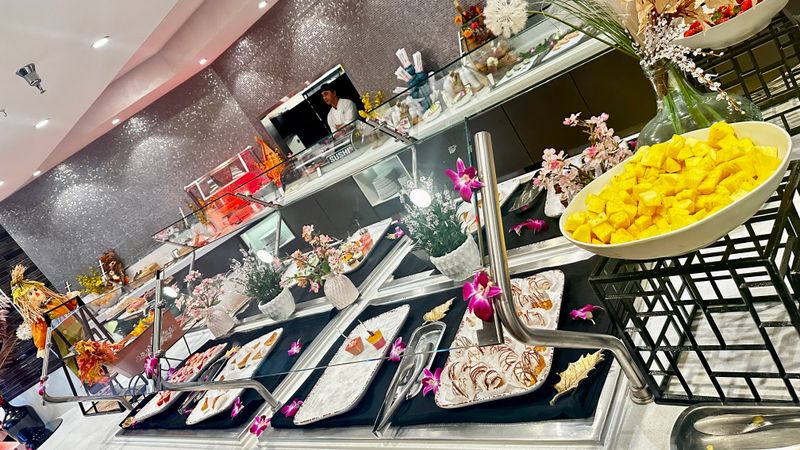
Large buffet style restaurants in Pennsylvania operate like calm logistics centers that happen to serve comfort food.
Design matters here, with wide aisles, numbered sections, and seating plans that keep tables turning without pressure.
Hosts and runners communicate clearly so guests settle quickly and lines remain civilized.
The visual language is direct, with readable signs and uncluttered corridors that steer you naturally.
Rooms absorb weekend energy thanks to acoustic choices that blunt the thrum of conversation.
Lighting stays warm and consistent, which keeps attention on people instead of spectacle.
Behind the scenes, prepping at scale looks methodical, from batch timing to swift restocking.
Those routines protect freshness while meeting steady demand from families and group tours.
In Pennsylvania, the knack for volume comes from years of practice across seasonal peaks.
The system survives busy days because every role has a clear purpose understood by the team.
Guests benefit from the calm because wait times shrink and seating feels fair and predictable.
That predictability turns a potentially hectic format into something surprisingly relaxing.
Buffets also connect to nearby shops and markets, which spreads foot traffic and eases congestion.
The ecosystem works because each part supports the other without competing for attention.
You leave with a sense that scale can feel human when managed with care and patience.
It is a lesson worth carrying as you travel across Pennsylvania’s welcoming dining corridors.
Attractions woven into dinner
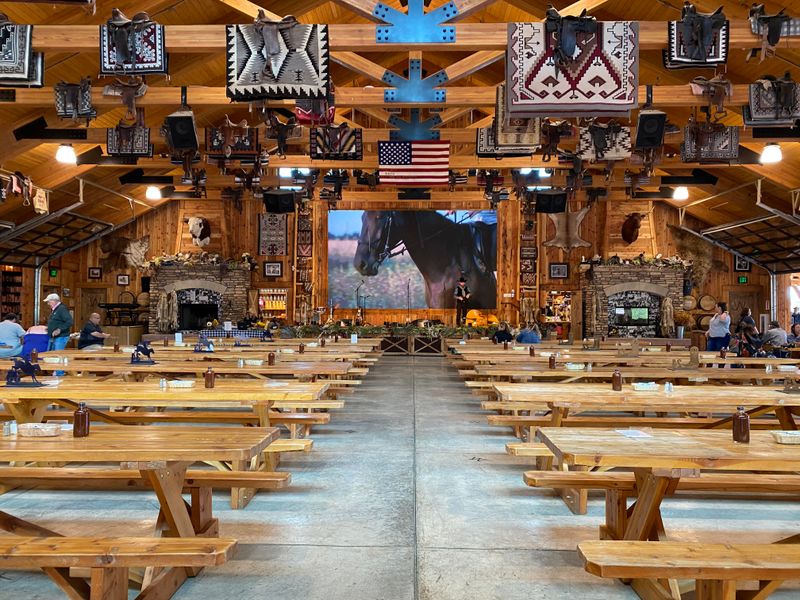
Some Pennsylvania Dutch dining destinations anchor small campuses where restaurants, shops, and entertainment share one stop.
The mix might include a theater, quilt shop, or market that invites lingering before or after a meal.
Paths and porches create pleasant transitions so the evening feels like a gentle stroll.
Parking lots are spacious and well marked, which reduces stress during busy hours.
Benches and garden beds soften the scene, adding texture without clutter.
Wayfinding signs stay legible and friendly, guiding visitors toward entrances and ticket counters.
Restaurants benefit from the steady flow of guests who split time between food and browsing.
That interplay keeps the energy lively without feeling rushed or commercial.
In Pennsylvania, these clusters make it easy for multigenerational groups to coordinate plans.
Everyone can choose a rhythm, whether it is a show, a shop, or a quiet seat on the porch.
Evenings stretch naturally because there is always one more thing to pause and enjoy.
The result is a fuller memory that ties meals to place, not just to a table.
Staff across venues often recognize one another, which improves directions and quick questions.
The cooperative spirit helps visitors feel included rather than managed.
You finish the night with a sense of community that travels with you to the next town.
It is a Pennsylvania experience built on neighborly design and shared purpose.
Eating habits and variety
Amish eating habits reflect everyday flexibility, with meals shared at home, church gatherings, and community focused restaurants.
There is no strict rulebook for where to dine, which allows families to mix home cooking with local spots.
That variety helps traditions stay alive while adapting to modern schedules and travel patterns.
In Pennsylvania, you feel that balance as menus accommodate preferences without fanfare or pressure.
Options remain grounded in the region’s pantry rather than chasing fads or dramatic trends.
The tone stays practical, and the result is steady satisfaction across age groups.
When you visit, the best approach is curiosity paired with respect for local norms.
Dress modestly, speak softly, and always ask before taking photographs in sensitive areas.
Dining rooms support this ethic with calm interiors that encourage conversation over spectacle.
Seating is comfortable, signage is clear, and the pace invites you to linger kindly.
Buffets and table service both fit neatly into this pattern of relaxed hospitality.
Families appreciate the consistency, and solo travelers feel welcomed without fuss.
Across Pennsylvania, that openness makes exploring different towns and kitchens feel effortless.
Each stop shares a throughline of warmth while maintaining its own personality.
You leave with a sense that food here is a bridge, not a performance.
It is an invitation to return with friends, ready to share the calm again.
Dear Reader: This page may contain affiliate links which may earn a commission if you click through and make a purchase. Our independent journalism is not influenced by any advertiser or commercial initiative unless it is clearly marked as sponsored content. As travel products change, please be sure to reconfirm all details and stay up to date with current events to ensure a safe and successful trip.
