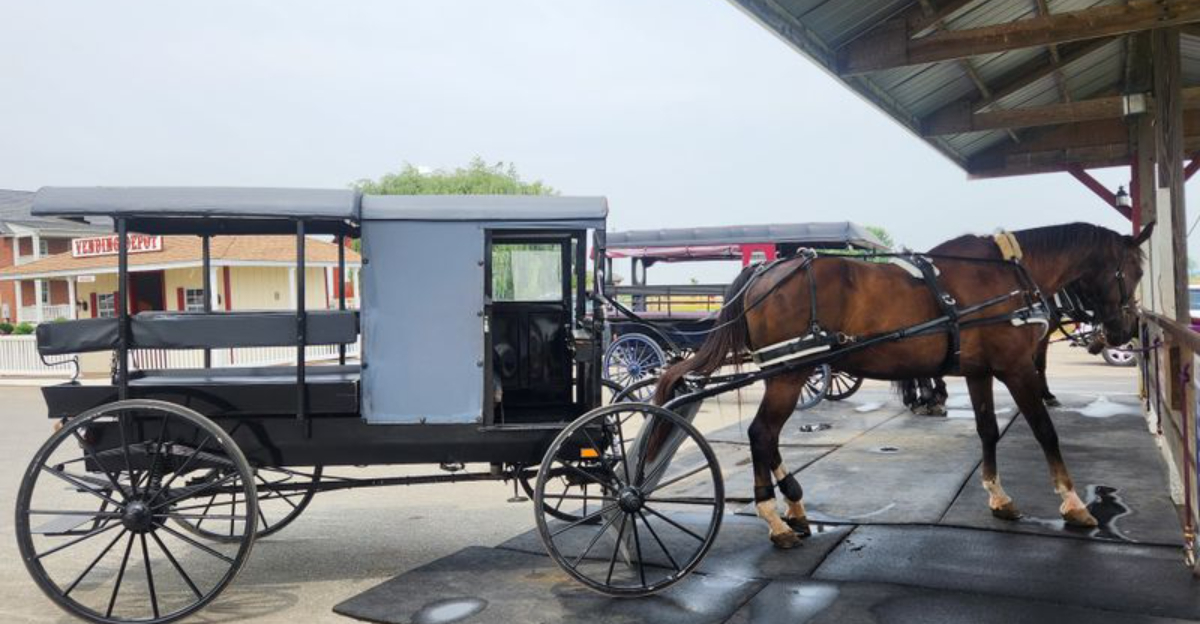
You might arrive in Pennsylvania curious about Amish life, then hear a swirl of rules that sound official but are really etiquette in disguise.
1. Photography Of The Amish Is Illegal

Many travelers reach Pennsylvania with cameras ready, then hesitate after hearing they cannot legally take pictures of the Amish.
The truth is trickier, because photography in public spaces is generally legal, yet pointing a lens at someone who believes images show vanity crosses a deeply personal line.
That line matters more than any statute when you visit Lancaster County or nearby towns with visible Amish life.
Etiquette, not law, guides your behavior, so the respectful move is to avoid faces, step back, and choose wide landscape shots.
When in doubt, lower the camera, wait, and focus on barns, roads, and farm horizons instead of people.
Your gallery will look better with scenes that capture light and texture rather than a close up portrait that someone did not invite.
Shops that serve visitors often post signs about photo comfort levels, which offers a clear cue without confrontation.
Roadside stands sometimes sit near driveways, and you can frame the setting without revealing anyone’s identity.
As a rule, ask before you even think about an image that might show a face, then accept no as a full sentence.
You will leave Pennsylvania with photos that honor privacy, keep tensions low, and still tell a vivid story of place.
That approach matches the golden rule and maintains trust between guests and the communities they came to see.
Head to the Lancaster Central Market at 23 N Market St, Lancaster, PA 17603 for architecture and ambiance, not portraits.
2. Technology, Use Versus Ownership
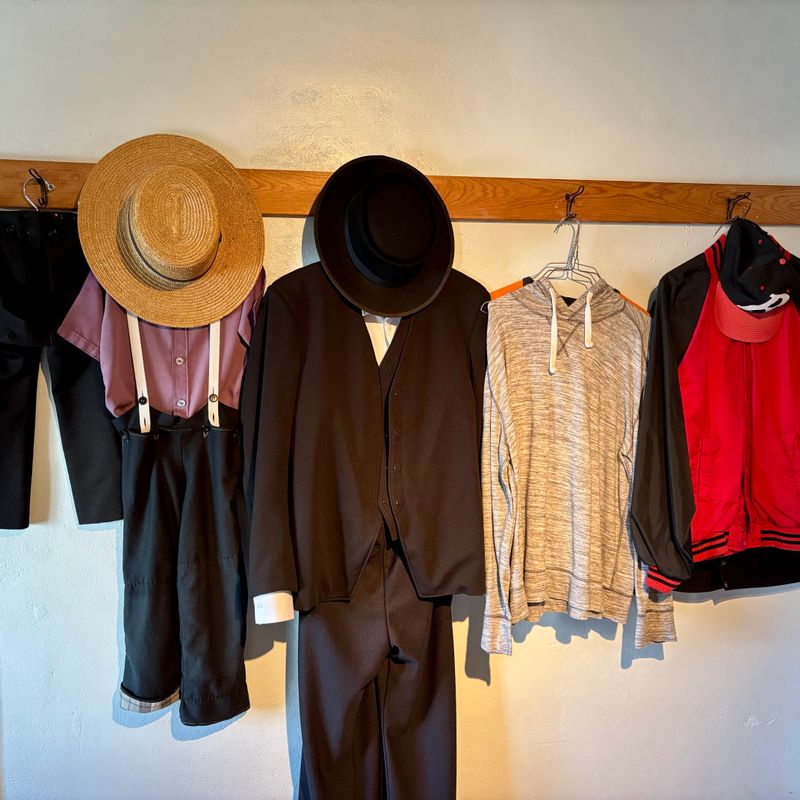
Visitors often state that the Amish reject all modern technology, then seem surprised to spot a battery lamp on a buggy.
Selective use is the reality, shaped by church district rules that weigh community values against convenience and safety.
Those rules can allow a phone in a shed for business calls while still declining public electricity in the home.
What looks like contradiction is actually careful boundary setting that keeps family and church life central.
You might see reflective triangles, slow moving markings, and lighting on buggies that meet road safety expectations in Pennsylvania.
A car remains off limits to own or drive, yet a hired ride can support a medical visit or a far errand.
Every decision aims to prevent dependence on outside systems that could pull daily life away from shared commitments.
That is why one community allows a tool on a battery while another chooses a hand powered alternative.
Instead of assuming uniformity, ask a vendor about what is permitted in that district if the moment feels appropriate.
Listen closely, because you will notice nuance rather than a blanket yes or blanket no.
This selective approach explains the diverse setups you will encounter across Pennsylvania counties with Amish neighborhoods.
Stop by The Amish Village grounds at 199 Hartman Bridge Rd, Ronks, PA 17572 for context exhibits and exterior views that frame these choices.
3. Buggies And The Road

On Pennsylvania roads, some visitors think buggies must always yield to cars because cars feel faster and more modern.
Traffic law gives buggies the same right to the lane, so courtesy and patience are legal expectations for drivers.
Passing requires space, lowered beams at night, and calm driving that keeps horses relaxed and everyone safe.
Horns can startle animals, which turns a small moment into a dangerous emergency for the buggy occupants.
Speed control matters most on hills and curves where a buggy might appear suddenly after a bend.
Give distance like you would grant a cyclist, because both move slower yet belong on the same pavement.
Reflectors and triangle emblems help visibility, but they are not a substitute for your attention.
Rain and dusk increase risk, which makes early headlights and gentle braking essential.
If you rent a car, ask for local advice on the safest rural routes and driving habits in Amish areas.
Those pointers will make a calm drive part of your trip rather than a stressful guess.
Every respectful pass communicates that tourists can share Pennsylvania roads without turning daily travel into conflict.
Pick up maps at the Lancaster Visitor Center, 501 Greenfield Rd, Lancaster, PA 17601 before exploring back roads.
4. Private Property Means Private
A friendly smile from a porch across a field does not equal an invitation to wander onto private land.
Amish farms are homes first, and unannounced entry carries the same trespass rules as any property in Pennsylvania.
Look for clear business signs if you want to approach, because a welcome board means the owner is ready for guests.
A handmade notice such as quilts for sale or baked goods for sale marks a shopping stop that respects boundaries.
Driveways without signage are not open spaces, even if the gate stands wide on a summer day.
If you see produce tables near the road, use the designated parking spot rather than rolling up to the barn.
Courteous distance keeps family rhythms intact and prevents awkward encounters that burden both sides.
Silence your engine for a moment before stepping out, then move calmly and keep your voice low.
This calm tone shows you came to support, not to pry into private life.
Pay with exact change when possible, and follow any written directions posted on the stand.
Your choices make rural tourism in Pennsylvania sustainable and welcome for everyone involved.
Start with clearly marked shops along Old Philadelphia Pike near The Amish Farm and House, 2395 Covered Bridge Dr, Lancaster, PA 17602 for a respectful introduction.
5. Taxes And Responsibility
A persistent myth says the Amish do not pay taxes, which spreads quickly among first time visitors.
The reality is simple, because property, income, and sales taxes apply to Amish households like any others in Pennsylvania.
There is a legal exemption from Social Security taxes and benefits for qualifying religious communities that support their own members.
That exemption does not erase other obligations, which aligns with long standing federal and state guidance.
Understanding this framework prevents awkward questions at roadside stands or markets.
You will meet business owners who follow permits, collect tax as required, and keep orderly records.
The professionalism often shows in tidy counters, accurate signage, and well organized ledgers in the back office.
When a receipt is available, accept it and keep your trip accounting clean and transparent.
Clarity builds trust, and trust makes repeat visits more welcome and more relaxed.
Sharing correct information with other travelers helps undo rumors that harm community relationships.
That accuracy benefits tourism throughout Pennsylvania by setting fair expectations before anyone arrives.
Stop by the Lancaster City welcome desk at 28 Penn Square, Lancaster, PA 17603 for authoritative printed guides on local commerce.
6. Schooling Through Eighth Grade
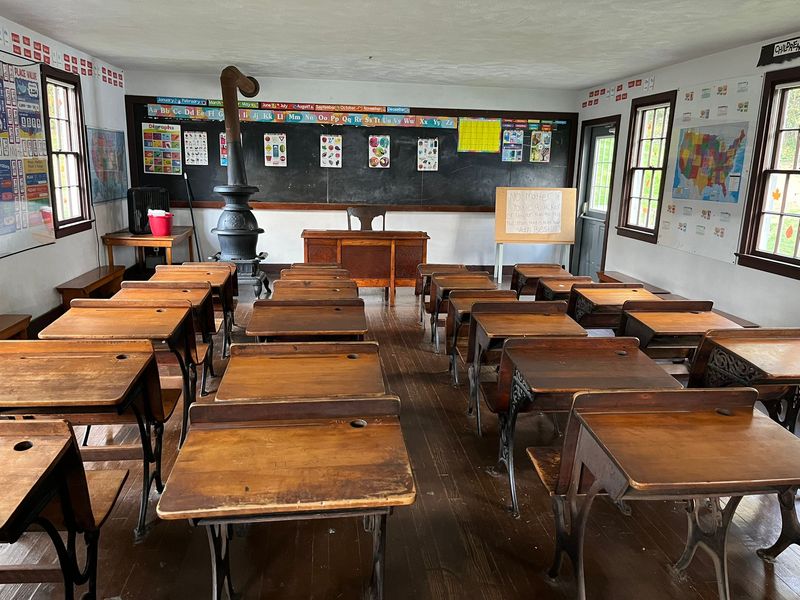
Another rumor claims Amish children avoid school entirely, which does not match what you will find in Pennsylvania.
Children attend one room schoolhouses through eighth grade, supervised by teachers who align lessons with community values.
This approach meets legal standards that recognize the community’s educational model for youth.
After that milestone, students move into apprenticeships or home based learning that prepares them for adult roles.
Reading, math, and practical skills remain central so shopkeeping and farm management feel approachable.
The pace suits a life that emphasizes work ethic, humility, and cooperation.
When you pass a school at recess, give extra space on the road and lower your speed.
Do not take photos, because playground moments deserve privacy like any other childhood scene.
If you visit during school hours, keep voices low near the property boundary.
That small courtesy allows teachers to maintain focus without distraction from passing cars.
Respect for education is a quiet thread running through rural Pennsylvania landscapes.
You can view a preserved schoolhouse exterior at 3529 Old Philadelphia Pike, Intercourse, PA 17534 where signage explains the tradition.
7. Riding In Cars, Not Owning Them
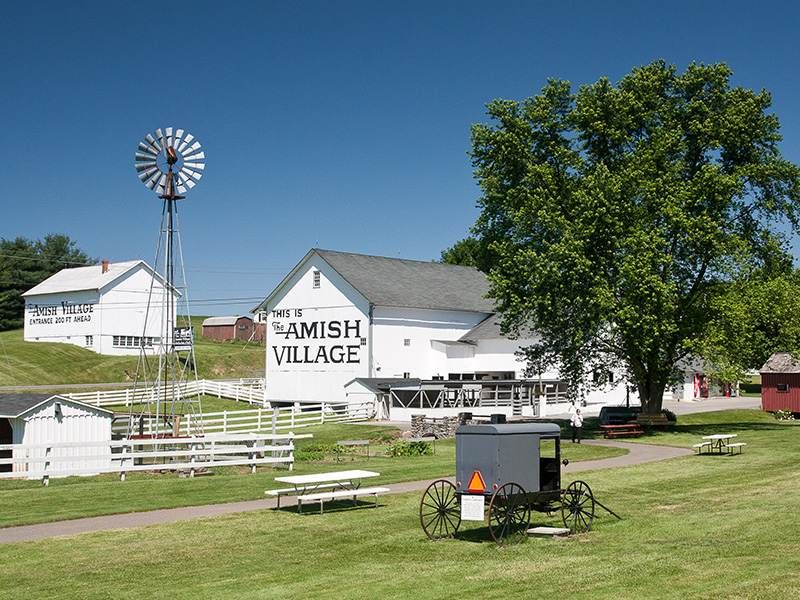
It surprises some travelers to see an Amish passenger step from a car even though car ownership is restricted.
The rule limits ownership and driving, yet allows hired transportation for long trips, hospital visits, or essential errands.
That distinction supports access to services without shifting daily life toward private vehicle dependence.
Drivers who provide rides often coordinate schedules that respect church days and family routines.
Expect polite, quiet interactions that keep attention on the task rather than social chatter.
As a visitor, you should avoid asking probing questions about why a ride is needed.
Politeness matters more than curiosity when someone is managing health or business commitments.
On the road, treat a stopped buggy or a drop off like any pedestrian zone and slow down.
Patience prevents rushed moments that can rattle horses or create confusion in parking lots.
This measured rhythm keeps Pennsylvania travel calm for locals and guests alike.
It also illustrates how communities adapt carefully without losing core principles.
For context on regional transport systems, the South Central Transit Authority office at 45 N Queen St, Lancaster, PA 17603 offers public information counters.
8. Mindful Manners In Public
Staring or pointing turns real people into a spectacle, which drains warmth from any encounter.
That behavior lands poorly anywhere, and it feels especially harsh in communities that value humility.
Use the golden rule as your anchor when you move through markets and sidewalks.
A nod, a soft hello, or a quiet thank you keeps everything friendly without intrusion.
Give space when families shop, and do not trail behind out of curiosity.
Curiosity can be kind, yet it becomes invasive when it lingers without purpose.
Ask for permission before you linger near a stall or doorway longer than a purchase requires.
If you get a short reply, accept it and move on gracefully.
Politeness builds bridges that last, while gawking burns goodwill in seconds.
Tourism thrives in Pennsylvania when visitors model calm, neighborly energy in shared spaces.
That simple standard keeps markets comfortable for people who live and work there every day.
Try it at Bird in Hand Farmers Market, 2710 Old Philadelphia Pike, Bird in Hand, PA 17505 where aisles feel welcoming when you move with care.
9. Working Horses Are On Duty

Horses tied to hitching rails are not pets waiting for attention, they are partners doing a job.
Touching or feeding a working animal can distract it, which creates safety risks for the next step or turn.
A gentle voice or a step too close can still unsettle a focused horse near traffic.
Keep your hands to yourself and give a respectful buffer when you walk past a rail.
Children need clear reminders that treats are off limits around harnesses and buggies.
That reminder protects everyone and keeps the handler’s day predictable.
Ask the owner before any interaction if the situation truly requires it.
Most of the time, the best choice is to admire from a distance and keep moving.
Use your camera for a wide shot that frames the scene without centering the animal’s face.
You will still capture the textures that make rural Pennsylvania unforgettable.
Safety, respect, and quiet observation belong together in these shared spaces.
See clear hitching setups outside Kitchen Kettle Village, 3529 Old Philadelphia Pike, Intercourse, PA 17534 where signage and rails illustrate good boundaries.
10. Where To Learn Respectfully
Understanding grows quickly when you seek out places designed to teach rather than intrude.
Interpretive centers, guided exhibits, and village style museums curate context without prying into private life.
Docents explain beliefs, daily rhythms, and etiquette in a way that prepares you for real world visits.
You leave with language for polite questions and a clearer map of cultural lines.
These resources help you spot myths before they spill into awkward situations.
They also point travelers toward businesses that welcome guests on their own terms.
Go with patience, read the signs, and let the setting guide your pace.
Quick learning beats guesswork when customs are complex and personal.
With that foundation, your trip through Pennsylvania feels grounded and considerate.
Communities notice when visitors arrive informed and move gently.
Good preparation turns small choices into lasting goodwill.
Start at the Mennonite Life Visitors Center, 2215 Millstream Rd, Lancaster, PA 17602 for exhibits and helpful staff who set the right tone.
Dear Reader: This page may contain affiliate links which may earn a commission if you click through and make a purchase. Our independent journalism is not influenced by any advertiser or commercial initiative unless it is clearly marked as sponsored content. As travel products change, please be sure to reconfirm all details and stay up to date with current events to ensure a safe and successful trip.
