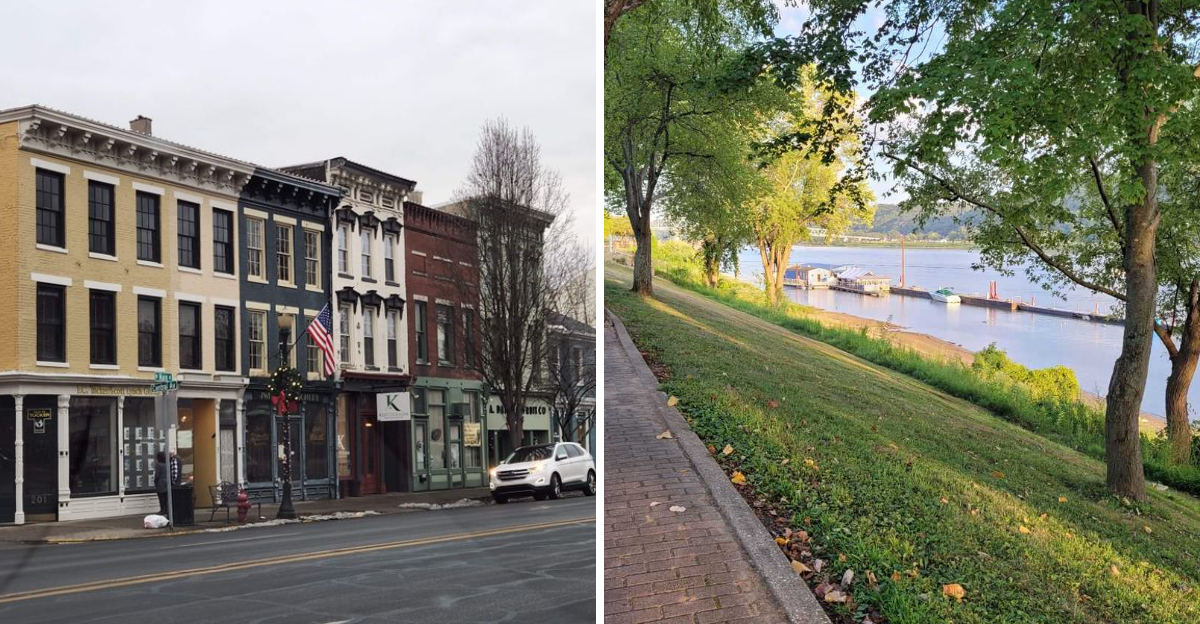
I’ve driven through plenty of small Indiana towns, but Madison always makes me pause. Historic buildings tumble down the hillside toward the Ohio River, creating views that feel straight out of a storybook.
Talking to locals, you realize the town’s charm is more than skin-deep. Some roll their eyes at the “prettiest town” label, while others defend it fiercely.
That mix of pride and perspective gives Madison its character. With over 11,000 residents, this Jefferson County gem sits between Louisville and Cincinnati, the largest river city in the corridor.
For me, Madison is about more than just its picturesque Main Street. It’s the balance between history and daily life, preservation and progress.
Walking its streets, I see the care in every restored building, feel the pride of the people, and sense the stories tucked into every corner. Madison isn’t just a place to see; it’s a place to experience, and it’s impossible not to fall a little in love with it.
Historic Architecture Draws National Recognition
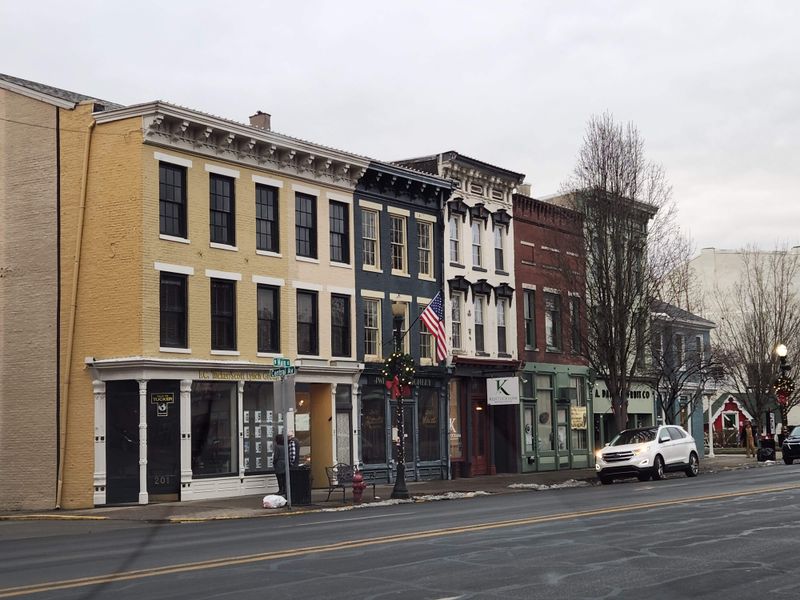
Madison earned designation as a National Historic Landmark District back in 1973, which sounds impressive until you live with the restrictions. The town preserves over 133 blocks of historic buildings, more than almost any other place its size in America.
Walking down Main Street feels like stepping into the 1840s, with Federal and Greek Revival architecture dominating the streetscape.
But preservation comes with a price tag. Homeowners face strict guidelines about paint colors, window replacements, and exterior modifications.
Some residents appreciate keeping history alive while others find the regulations frustrating when they just want to update their homes. The Lanier Mansion at 511 West First Street showcases the grandest example of Greek Revival architecture, open for tours that reveal how wealthy merchants lived.
Tourists love photographing the Jefferson County Courthouse at 300 East Main Street, built in 1855 with its distinctive clock tower. Local business owners sometimes struggle balancing historic charm with modern retail needs.
You can’t just slap up contemporary signage or install big plate glass windows without approval. The Broadway Fountain Park at West Main Street and Broadway offers another picturesque spot where the 1886 fountain anchors a green space surrounded by period buildings.
This tension between preservation and practicality defines much of the local debate about Madison’s prettiest town reputation.
Ohio River Location Creates Stunning Views
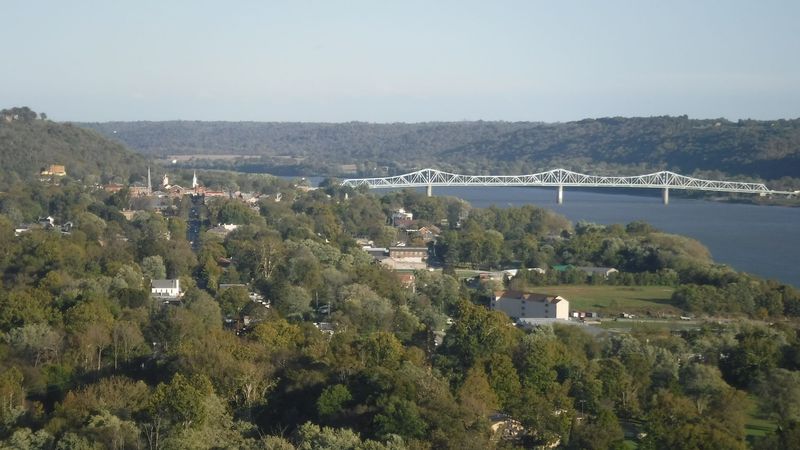
Geography blessed Madison with dramatic topography that outsiders find breathtaking. The town climbs steep hillsides rising from the Ohio River, creating layered views of rooftops, church steeples, and the river beyond.
From higher elevations, you can see clear across to Kentucky, especially beautiful during fall when colors explode on both sides.
Locals know these views come with challenges. Those picturesque hills mean brutal walks in summer heat and treacherous ice in winter.
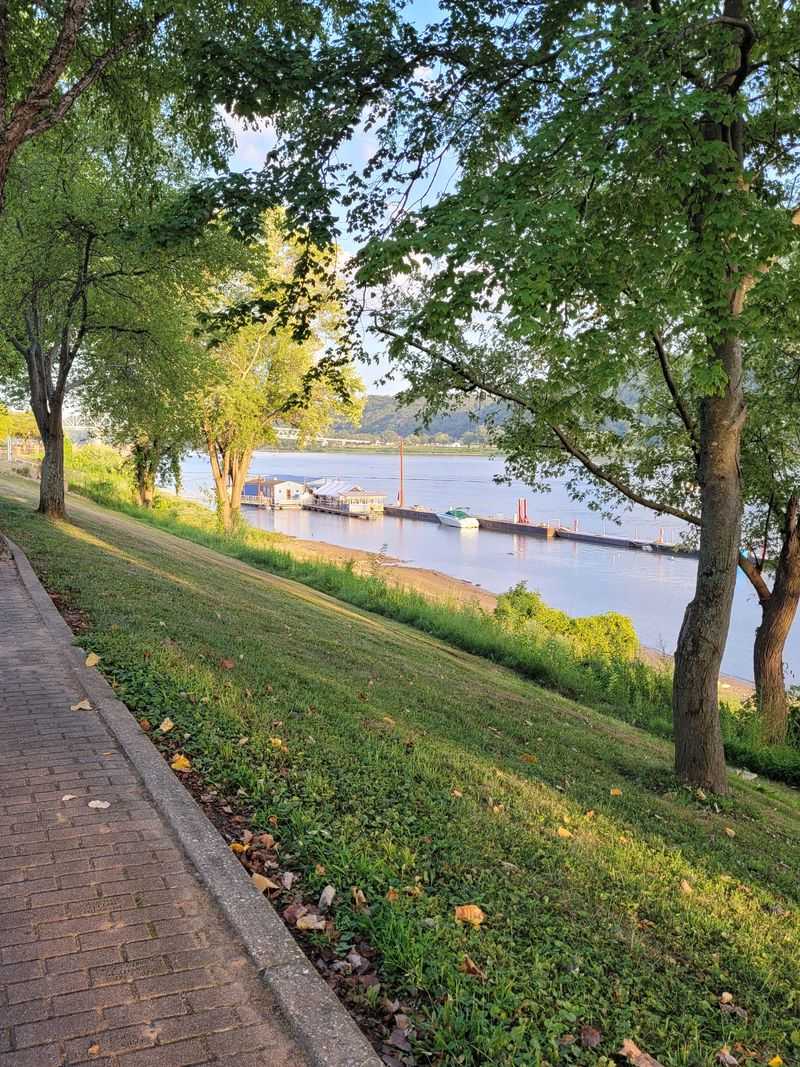
Try carrying groceries up Third Street’s incline and the charm wears thin quickly. The riverfront itself draws visitors to Bicentennial Park along the water where people fish, watch barges pass, and enjoy sunsets.
But the same river that attracts tourists occasionally floods, threatening homes and businesses in lower areas. Locals remember sandbagging during high water while tourists snap photos of the swollen river.
The Riverfront Food Court and various overlooks provide those postcard views that end up on travel websites. Yet residents see the maintenance costs, the flood insurance, and the infrastructure challenges that come with waterfront living.
Madison’s location undeniably creates visual drama that supports its prettiest town claims. Living with that geography year-round teaches a more complicated relationship with those celebrated views than visitors experience during a weekend trip.
Tourism Economy Versus Local Life Balance
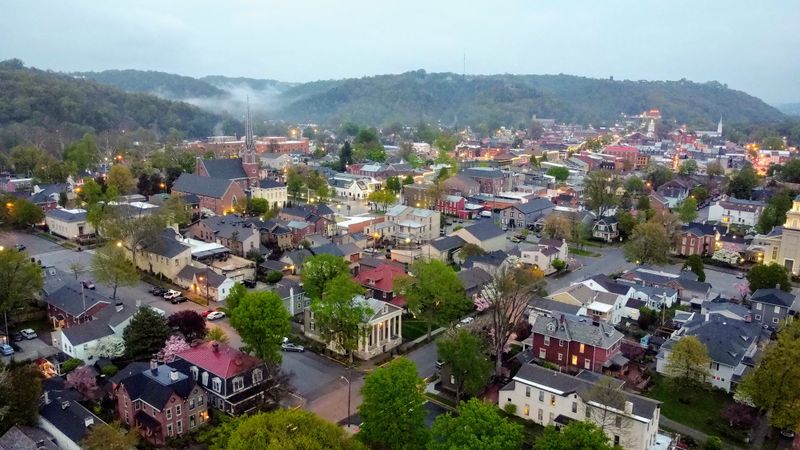
Madison’s economy leans heavily on tourism, which creates prosperity and problems simultaneously. Shops along Main Street cater primarily to visitors seeking antiques, boutique clothing, and specialty foods.
The Hinkle’s Hamburgers at 204 East Main Street, operating since 1933, serves both tourists and locals, but weekend crowds can mean hour-long waits.
Some longtime residents feel their town transformed into a museum that happens to have people living in it. Chain stores exist on the outskirts while downtown focuses on tourist-friendly businesses.
Finding everyday necessities downtown proves difficult compared to browsing gift shops and galleries. Events like the Madison Chautauqua Festival and Madison Regatta bring thousands of visitors and dollars but also traffic, parking headaches, and disrupted routines.
The Clifty Inn at 1501 Green Road in Clifty Falls State Park offers lodging with spectacular views that tourists love. Local workers often staff these tourism businesses at service industry wages while housing costs rise due to demand from outsiders wanting vacation properties.
The Red Pepper Deli Café at 246 West Main Street represents the kind of locally-focused spot where residents can still find community. This economic dependence on tourism makes some locals question whether being Indiana’s prettiest town benefits them or primarily serves visitors passing through.
Small Town Reality Behind Picture Perfect Facades
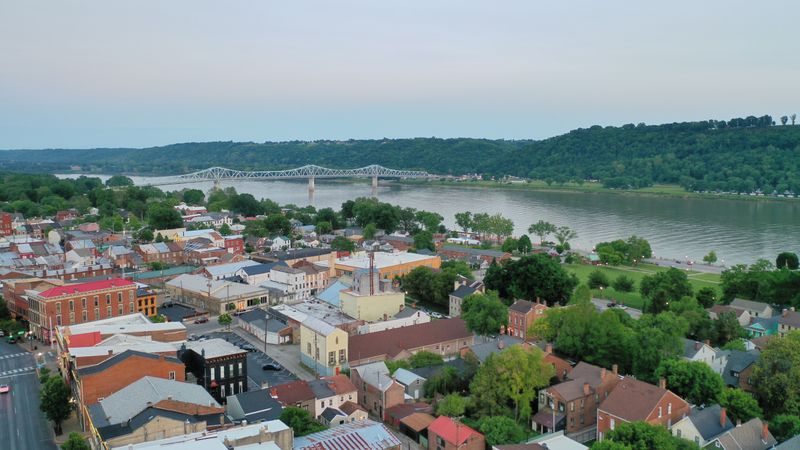
Travel articles showcase Madison’s most photogenic angles while skipping the ordinary neighborhoods where most people actually live. Beyond the historic district, you’ll find regular subdivisions, mobile home parks, and working-class areas that don’t make tourism brochures.
The town deals with the same issues facing small-town Indiana everywhere including limited job opportunities, brain drain of young people, and aging infrastructure.
Madison’s median household income falls below state averages, and poverty rates exceed what you’d guess from Main Street’s polished appearance. The school system at Madison Consolidated Schools serves kids from various economic backgrounds, not just families living in restored historic homes.
Bicentennial Park offers free recreation, but some families struggle affording the tourist-oriented activities that define Madison for outsiders.
The public library at 420 West Main Street serves as a genuine community hub where locals access resources beyond tourism. Drug addiction, unemployment, and healthcare access challenge Madison just like other Indiana towns of similar size.
Residents volunteer with organizations addressing these needs while tourists photograph pretty buildings unaware of underlying struggles. The gap between Madison’s curated image and daily reality frustrates locals who feel their actual experiences get overlooked.
Being called the prettiest town sounds nice until it overshadows real community needs and reduces a living town to a scenic backdrop.
Clifty Falls State Park Offers Natural Beauty
Just outside town, Clifty Falls State Park at 2221 Clifty Drive provides 1,500 acres of rugged terrain that rivals any Indiana natural area. Four major waterfalls including Clifty Falls itself cascade over limestone cliffs, creating the kind of scenery that justifies prettiest town claims.
The park’s ten trails wind through deep ravines where you’ll find ferns, wildflowers, and occasional wildlife.
Locals use these trails year-round for exercise and solitude, appreciating the park differently than tourists seeking photo opportunities. The challenging terrain means real hiking, not casual strolls, with steep descents into canyon areas that test fitness levels.
Trail 7 down to the falls requires navigating rocky paths and stairs that become slippery when wet.
The park’s campground and inn bring visitors who explore Madison but also people who never venture into town at all. Some locals prefer the park to downtown, finding authentic nature more valuable than historic architecture.
Spring brings the most dramatic waterflow after snowmelt and rain while summer can reduce falls to trickles during dry spells. The Nature Center offers educational programs that local schools utilize for field trips.
This natural asset strengthens Madison’s appeal but also highlights how beauty exists beyond the historic district that gets most attention. The park belongs to everyone, not just tourists, providing recreational space that serves community needs beyond supporting the prettiest town narrative.
Preservation Costs And Regulations Create Tension
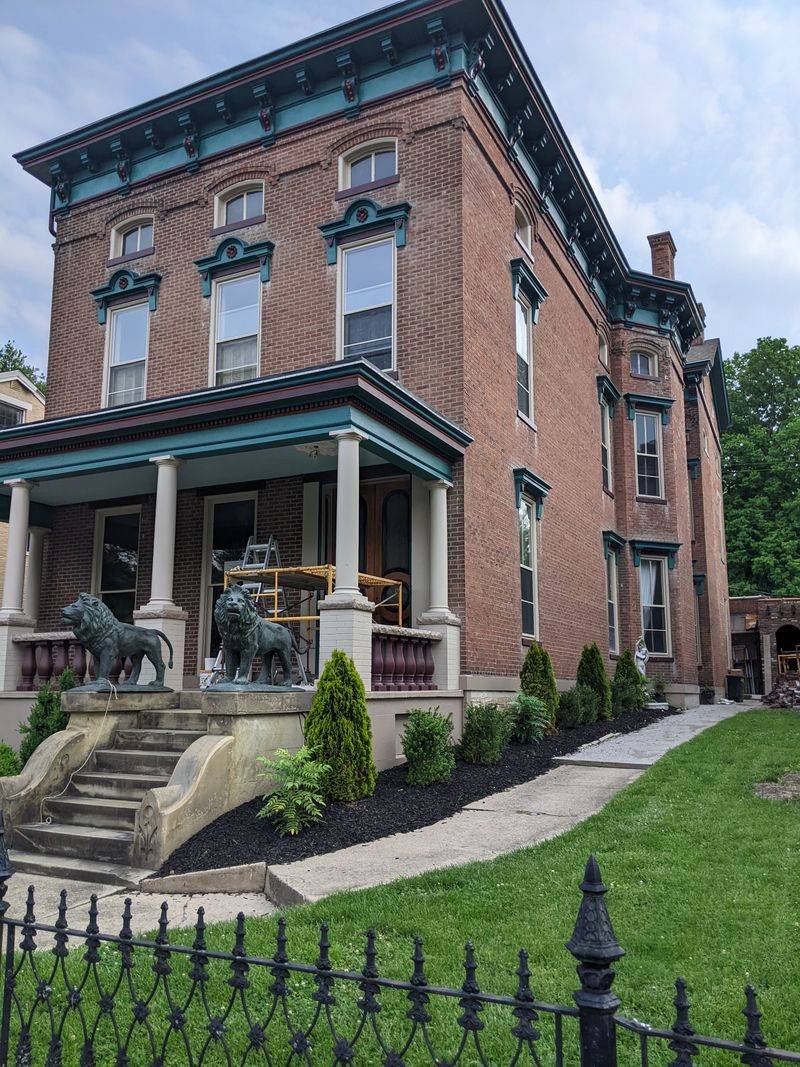
Maintaining Madison’s historic character requires constant investment that falls heavily on property owners. The Historic Preservation Commission reviews changes to buildings within the district, ensuring modifications respect architectural integrity.
Replacing rotted wood with vinyl siding gets rejected even when the cheaper option makes financial sense for working families.
Period-appropriate materials cost significantly more than modern alternatives, and finding craftspeople skilled in historic restoration adds expense. Some homeowners embrace these standards as worthwhile investment in community character.
Others resent regulations that don’t apply to newer neighborhoods outside the district, creating a two-tier system. The Madison Area Chamber of Commerce at 728 West Main Street promotes heritage tourism that depends on preserved buildings, but individual owners bear maintenance burdens.
Property taxes don’t decrease because your home requires expensive historic materials and specialized labor. Some families inherited historic homes they can’t afford to properly maintain under current guidelines.
The Madison Historic Preservation Committee offers resources and occasional grants, but funding never matches needs. Vacant historic buildings deteriorate while potential buyers balk at restoration costs and ongoing restrictions.
This creates the ironic situation where preservation rules intended to maintain beauty sometimes result in neglect when owners lack resources to comply. The debate about prettiest town status intensifies when preservation serves tourism goals more than resident needs and financial realities.
Local Identity Beyond Tourist Perception
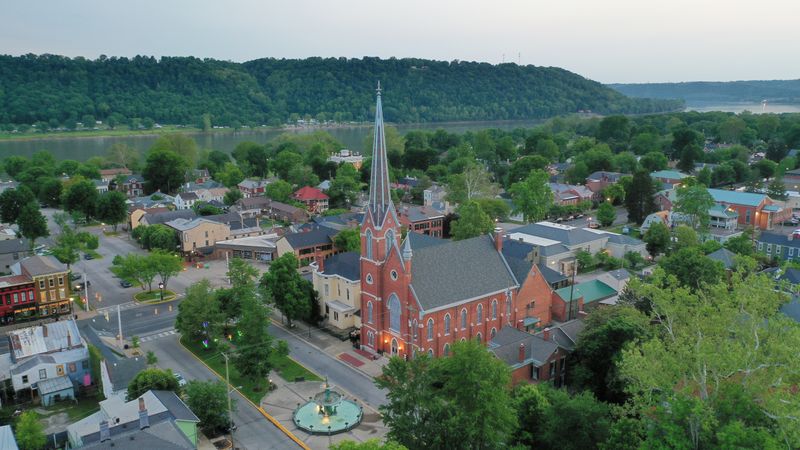
Madison residents define their town through relationships, schools, churches, and daily routines that exist completely separate from tourism. Friday night football at Madison Consolidated High School matters more to many families than any historic designation.
The weekly farmers market brings locals together to buy produce from area farms and catch up with neighbors.
Community organizations like the Rotary Club, Lions Club, and various church groups form the social fabric that sustains the town beyond visitor seasons. Locals know each other’s families, remember who taught their kids, and maintain connections spanning generations.
This social reality rarely appears in articles celebrating Madison’s prettiness. The YMCA and local recreation programs serve kids whose parents work service jobs supporting tourism.
When locals debate whether Madison deserves its prettiest town reputation, they’re really discussing whether outsider recognition benefits or burdens their community. Some take pride in national attention while others feel it distorts their home into a performance for strangers.
The actual Madison exists in morning coffee conversations, youth sports leagues, volunteer fire department calls, and church potlucks that have nothing to do with historic architecture. Residents appreciate beauty in their surroundings but also need jobs, affordable housing, good schools, and healthcare access.
The prettiest town debate ultimately reflects tension between how a place gets marketed versus how people genuinely experience living there every single day.
Dear Reader: This page may contain affiliate links which may earn a commission if you click through and make a purchase. Our independent journalism is not influenced by any advertiser or commercial initiative unless it is clearly marked as sponsored content. As travel products change, please be sure to reconfirm all details and stay up to date with current events to ensure a safe and successful trip.
