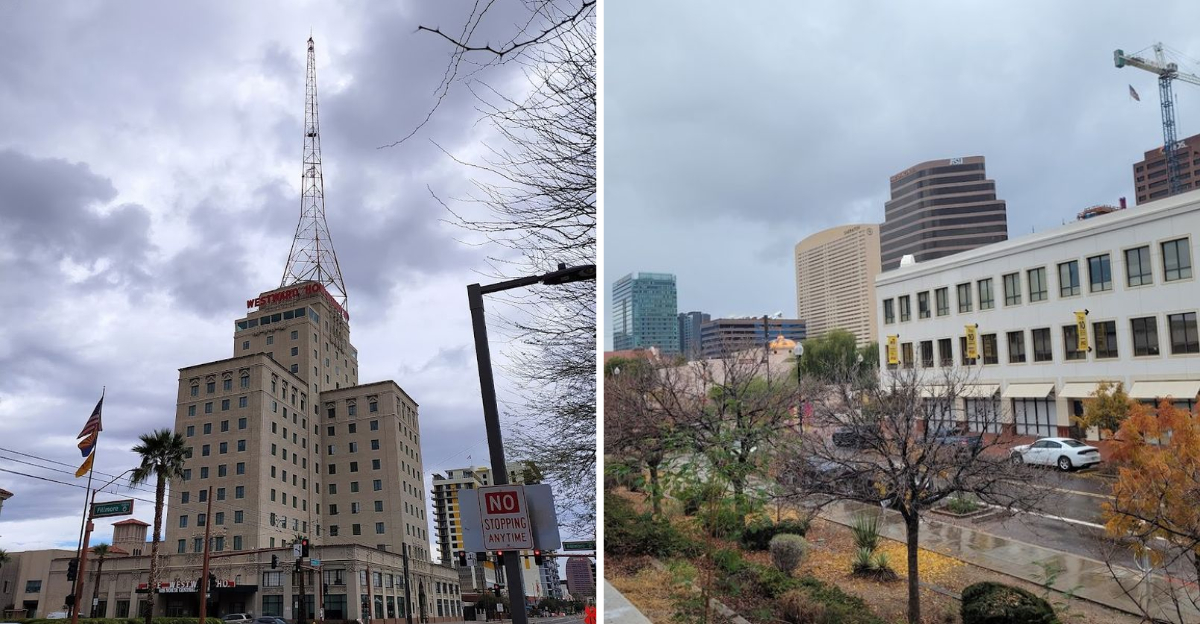
You look up at that big blue Arizona sky and it is easy to assume everything is fine. Sunscreen weather.
Pool season. Beautiful sunsets.
But a new report just dropped some hard news. The metro area is now one of the most polluted in the entire country.
Not close to the top. Actually up there.
Ground level ozone. Particulate matter. The kind of stuff you cannot see but definitely feel if you have lungs.
Locals have been noticing more bad air days. More coughing.
More warnings to stay inside. This is not the kind of headline anyone wanted.
But ignoring it will not make it go away.
Air Quality Rankings Hit Record Lows
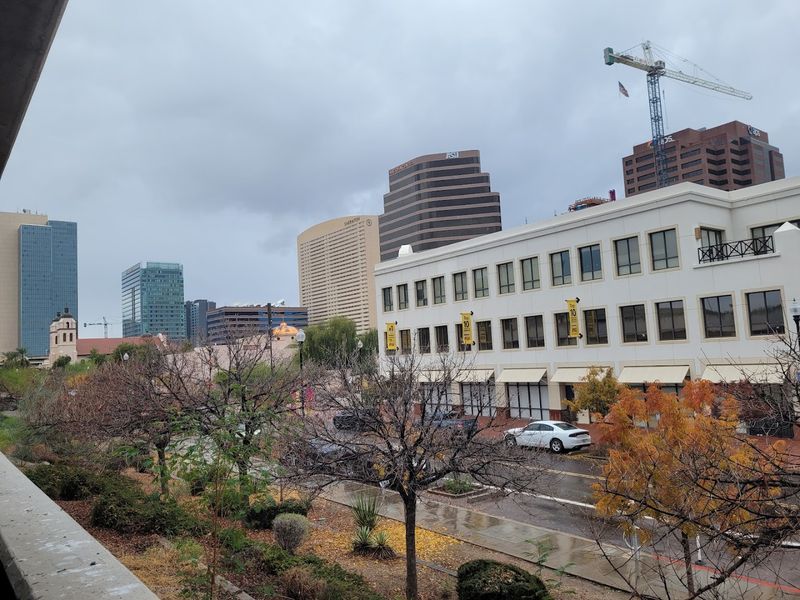
Recent data placed Phoenix among the top ten most polluted metropolitan areas in the United States, which came as a genuine surprise to many residents. The American Lung Association’s annual report card gave Maricopa County failing grades for ozone pollution, putting it in the same conversation as Los Angeles and Bakersfield.
Numbers don’t lie, and seeing Phoenix listed alongside these notoriously polluted cities feels wrong somehow.
The valley recorded more high ozone days than almost any other major metro area in 2023. When you compare it to previous years, the trend moves in the wrong direction consistently.
Air quality monitors throughout the region registered readings that exceeded federal health standards on over 100 days last year alone.
What surprises me most is how this contradicts the image many people have of Phoenix as a clean desert city. The reality shows up in the data though, and ignoring it won’t make breathing any easier.
Local health officials now recommend checking daily air quality forecasts before planning outdoor activities, which wasn’t standard advice even five years ago.
The rankings reflect a growing problem that demands immediate attention from everyone living in the metro area.
Particulate Matter Reaches Dangerous Levels
Fine particulate matter, also known as PM2.5, has become the invisible threat hovering over Phoenix neighborhoods. These tiny particles measure less than 2.5 micrometers in diameter, which means they’re small enough to penetrate deep into your lungs and even enter your bloodstream.
The valley’s PM2.5 levels regularly exceed safe thresholds established by the Environmental Protection Agency.
Sources of these particles include everything from vehicle exhaust to construction dust to industrial emissions. Desert dust storms contribute significantly too, sending clouds of fine particles swirling through the metro area during monsoon season.
Once airborne, these particles can remain suspended for days, creating persistent haze that blankets the entire region.
I’ve noticed how the air sometimes looks thick even on sunny days, and that visible haze represents just a fraction of what’s actually floating around us. The microscopic nature of PM2.5 makes it particularly dangerous because you can’t see it coming or easily avoid it.
Medical experts consider it one of the most harmful forms of air pollution because of how efficiently it bypasses the body’s natural defenses.
Children, elderly residents, and anyone with respiratory conditions face the highest risks from prolonged exposure to elevated particulate levels.
Health Concerns Mount for Valley Residents
Emergency room visits for asthma and respiratory distress have increased noticeably across Phoenix hospitals over the past few years. Doctors report seeing more patients complaining of breathing difficulties, chronic coughs, and chest tightness, especially during summer months when pollution peaks.
The connection between deteriorating air quality and rising health problems isn’t coincidental.
Long-term exposure to poor air quality increases risks for heart disease, stroke, and lung cancer according to medical research. Children growing up in high-pollution areas may develop reduced lung capacity that affects them throughout their lives.
Schools across the valley now keep students indoors during high pollution days, which happens more frequently than anyone would like.
What worries me is how this becomes the new normal for families settling in Phoenix. Parents watch their kids struggle with asthma inhalers, while older residents deal with worsening cardiovascular conditions.
The economic burden adds up too, with increased medical costs and lost work days due to pollution-related illnesses.
Public health officials estimate thousands of premature deaths occur annually across Arizona due to air pollution exposure. Those numbers represent real people with families and futures cut short by something we could potentially control with proper policies and actions.
Desert Geography Creates Perfect Pollution Trap
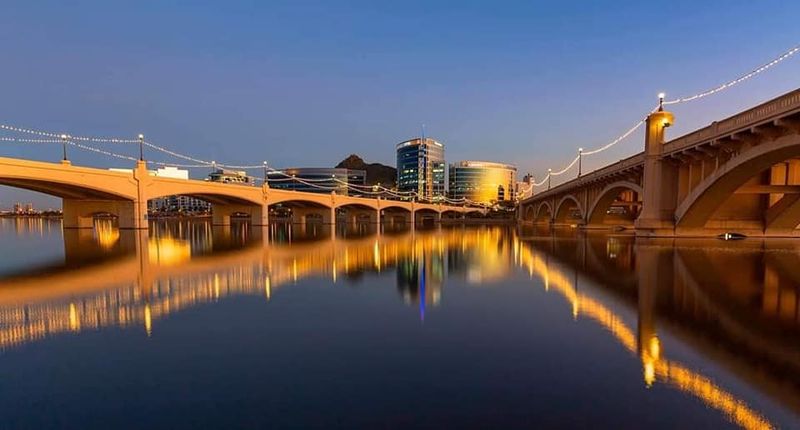
Phoenix sits in a broad, flat valley surrounded by mountains on nearly all sides, which creates a natural bowl that traps air pollutants. Temperature inversions happen frequently here, where warm air above acts like a lid, preventing cooler polluted air near the ground from rising and dispersing.
This meteorological phenomenon turns the entire metro area into a giant container for exhaust, dust, and emissions.
The mountains ringing the valley look beautiful, but they also block wind patterns that would normally carry pollution away. During winter months especially, these inversions can last for days, allowing pollutants to build up to dangerous concentrations.
You can literally see the brown haze hanging over the city when you drive into Phoenix from higher elevations.
Geography isn’t something anyone can change, which makes Phoenix particularly vulnerable compared to coastal cities with ocean breezes. The desert climate adds another layer of complexity, with extreme heat creating ground-level ozone through chemical reactions between sunlight and pollutants.
Some days the air feels heavy and oppressive, not just from heat but from the thick accumulation of particles and gases.
Understanding these geographic factors helps explain why Phoenix struggles more than other similar-sized cities, but it also highlights the urgent need for aggressive pollution control measures.
Vehicle Emissions Dominate the Problem
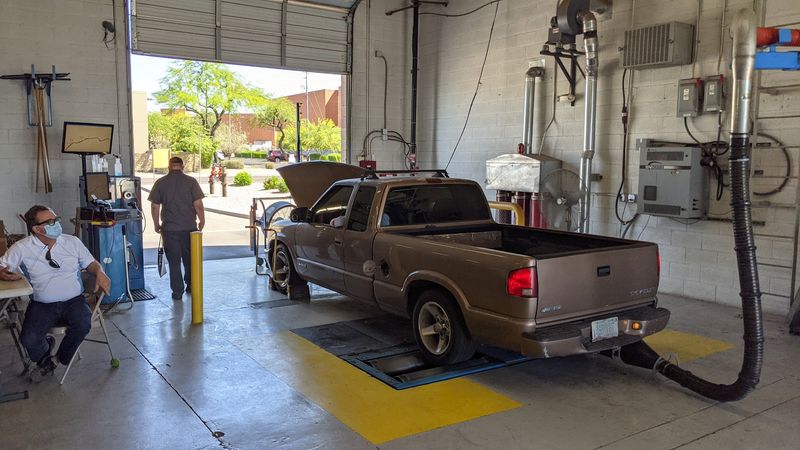
Cars and trucks account for the largest single source of air pollution in the Phoenix metropolitan area, contributing nearly 60 percent of harmful emissions. The valley’s sprawling layout forces residents to drive long distances for work, shopping, and entertainment, putting millions of vehicles on roads daily.
Rush hour traffic stretches for hours, with idling cars pumping exhaust into the already stressed atmosphere.
Phoenix’s public transportation system remains limited compared to other major cities, leaving most people dependent on personal vehicles. Carpooling never really caught on here the way it has elsewhere, and remote work options decreased as companies called employees back to offices.
The result is predictable but frustrating.
Diesel trucks traveling through Phoenix on Interstate 10 and other major routes add another significant pollution source. These heavy vehicles emit nitrogen oxides and particulate matter at much higher rates than passenger cars.
I’ve sat in traffic countless times watching exhaust plumes rise from truck tailpipes and wondered how much of that ends up in my lungs.
Electric vehicle adoption in Arizona lags behind states like California, though interest is slowly growing. Until transportation patterns change dramatically or the vehicle fleet becomes cleaner, this pollution source will continue dominating Phoenix’s air quality problems and keeping the metro area in those terrible rankings.
Wildfire Smoke Adds Yearly Burden
Forest fires burning hundreds of miles away send massive smoke plumes drifting into Phoenix, sometimes for weeks at a time during peak fire season. Summer and early fall bring the worst wildfire smoke, turning skies orange and making outdoor activities unbearable.
The 2023 wildfire season was particularly brutal, with Canadian fires sending smoke as far south as Arizona and affecting air quality across the entire Southwest.
This external pollution source adds to Phoenix’s homegrown problems, creating days when air quality reaches hazardous levels. Schools cancel outdoor sports, elderly residents stay locked indoors, and everyone watches helplessly as smoke rolls in from forests burning in other states.
Climate change has extended and intensified wildfire seasons, meaning Phoenix faces this additional burden more frequently than in past decades.
The combination of local pollution and wildfire smoke creates a compounding effect that pushes air quality into dangerous territory. Health officials issue warnings, but there’s not much individuals can do except stay inside with air filters running.
I remember days last summer when the entire city looked apocalyptic, with an eerie orange glow filtering through smoke-filled air.
While Phoenix can’t control distant wildfires, the reality is that this seasonal smoke will likely worsen in coming years, making the city’s existing pollution problems even more severe and urgent to address.
Community Response and Future Solutions
Residents across Phoenix are organizing neighborhood groups focused on environmental advocacy and pushing local officials for stronger pollution controls. Grassroots movements have gained momentum as more people recognize the severity of the problem and demand action.
Social media groups dedicated to tracking daily air quality have exploded in membership, with thousands of valley residents sharing information and coordinating responses.
City officials face pressure to implement comprehensive pollution reduction strategies, including expanding public transit, incentivizing electric vehicle adoption, and enforcing stricter emissions standards for industries. Some proposals call for increased tree planting to create urban forests that naturally filter air, though water scarcity complicates those efforts.
Regional cooperation between Phoenix and surrounding cities becomes essential since pollution doesn’t respect municipal boundaries.
Investment in light rail expansion could reduce vehicle dependence if routes reach more neighborhoods and employment centers. Bike lanes and pedestrian infrastructure need massive improvements to make non-car transportation viable in the sprawling valley.
These solutions require funding and political will that hasn’t materialized quickly enough.
What gives me hope is seeing younger generations refuse to accept polluted air as inevitable. Students organize climate strikes, activists challenge development projects without environmental review, and ordinary citizens show up to city council meetings demanding change.
The path forward exists, but it requires everyone in the metro area committing to dramatic changes in how we live, work, and move around this desert city.
