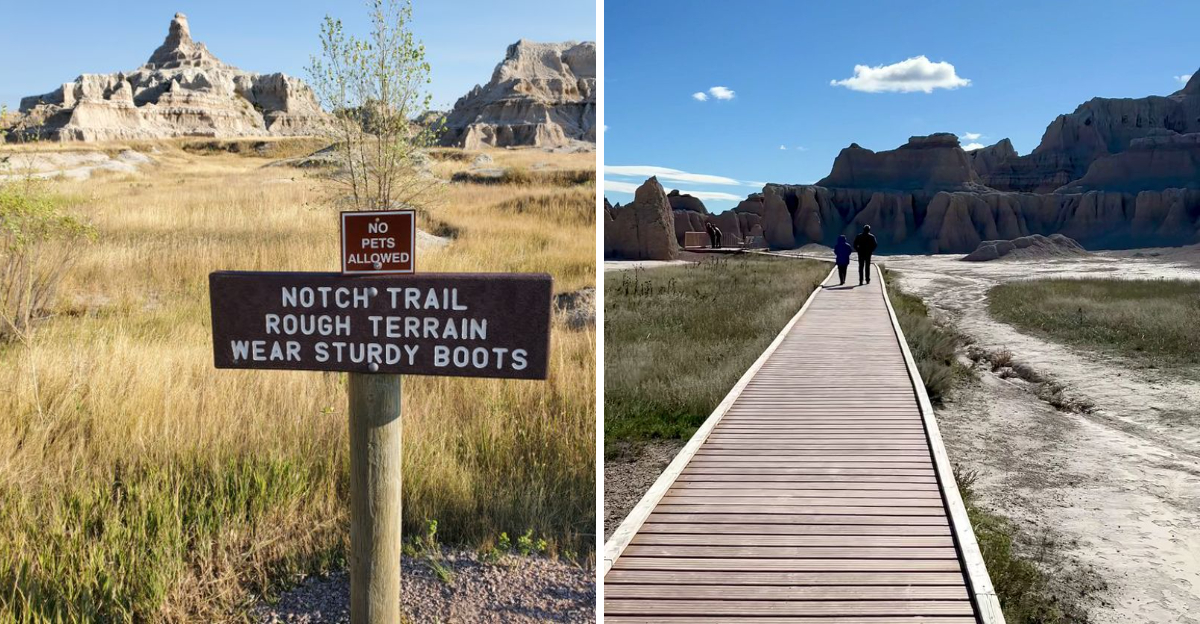
You came for the vistas, and Window Trail in South Dakota delivers them with a punch of color and texture that feels almost lunar.
This short path opens onto a natural window cut in the Badlands Wall, where light carves ridges and spires into sharp relief.
Every step invites a new frame, with weather and seasons shifting the palette from soft dawn pastels to bold sunset reds.
The trailhead sits conveniently along SD-240 near Interior, making it easy to pair with a full day in Badlands National Park.
Stay a little longer than planned because the best photograph often arrives in the quiet minutes between crowds.
Golden hour framing at the natural window
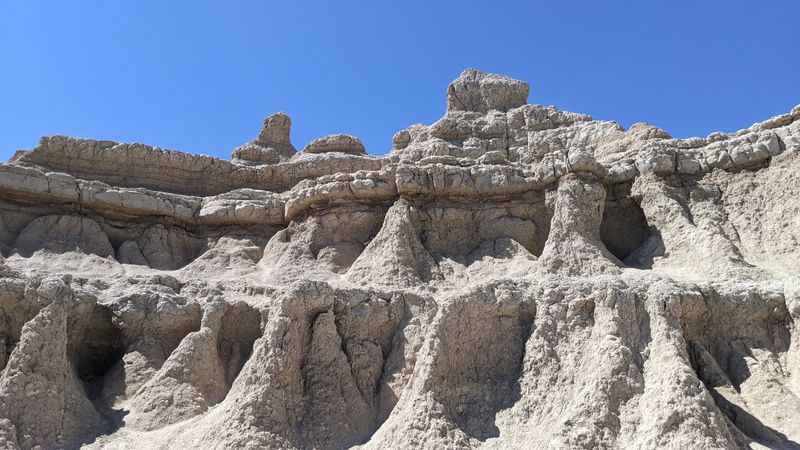
Golden hour turns the Window into a glowing frame that seems to breathe as the sun drops toward the horizon.
Arrive thirty to forty minutes before sunset so you can scout angles without rushing and watch the light skim the Badlands Wall.
Step to the side of the main viewpoint to avoid backlit silhouettes and lift the horizon line a touch to balance sky and rim.
A 24 to 70 millimeter zoom covers both wide context and tighter studies of eroded ribs that look almost architectural.
Use a circular polarizer sparingly because the sky gradients across this angle can band if polarization is too strong.
Spot meter off midtones along the wall, then add two thirds of a stop to hold warmth in the highlights without clipping.
As the sun sinks, shift your stance so the window edge creates a clean contour that separates from distant buttes.
Look for dust motes and fine haze that catch light and give natural glow, which translates to depth in still images.
If wind rises, brace against the railing and use a faster shutter to keep grasses and hands from blurring unexpectedly.
Keep compositions simple because the geology already carries strong lines, and let color do the narrative work.
When the sun kisses the ridge, wait for the afterglow that lingers for five minutes and makes rock pastels bloom.
Pack a headlamp for the walk back since the trail remains open, and mind the crumbly edges near the lookout.
Respect signage and stay on the path because cryptobiotic soils nearby are fragile and slow to recover from footprints.
Note that this spot sits along SD-240 in Interior, South Dakota, where parking fills quickly on clear evenings.
Watch your histogram between shots, breathe, and let the light finish the story while you capture its last gentle arc.
Midday textures and high contrast details
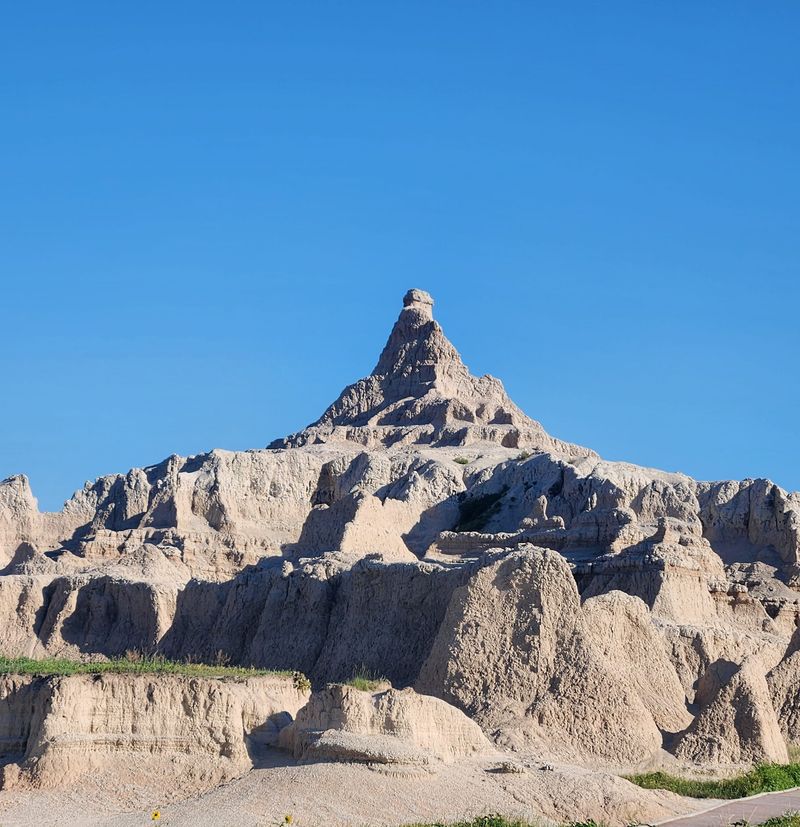
Midday on Window Trail can be surprisingly productive when you chase texture instead of sky drama and lean into contrast.
Harsh sun carves tiny gullies and fluted ridges, revealing cross bedding that pops when you shoot slightly off axis.
Switch to a polarizer only enough to cut glare on pale clay while keeping the gradient smooth across the blue dome.
Shadow mapping works well, so meter for the highlights, then lift shadows gently in post to preserve mineral nuance.
Look down for cracked mud tiles and small pebbled fans that tell erosion stories better than wide scenes at noon.
A 50 millimeter prime encourages careful framing and keeps you moving, which helps find fresh angles away from crowds.
Use your body to shade the lens and reduce veiling flare, or mount a deep hood that blocks stray light efficiently.
Place a boot print near a diagonal crack for scale, but avoid fragile crusts, and never step beyond posted boundaries.
The window itself renders as a stark arch that pairs well with a distant butte placed off center for balanced tension.
Shoot bracketing sequences sparingly and favor single exposures that respect the crisp tonal character of this hour.
Cloudless days heighten graphic edges, while small cumulus add patchy shadows that texture the wall like relief maps.
Keep ISO low, bump shutter speed, and rely on aperture around f eight to hold sharpness across layered surfaces.
Pack water because the exposure is full sun and wind can wick moisture quickly even on cool South Dakota days.
When traffic picks up, step aside and let families pass, then step back for a clean field with footprints as leading cues.
Accept the bold light, celebrate it, and make images that feel honest to the stark beauty of the Badlands at noon.
Blue hour serenity and color gradients
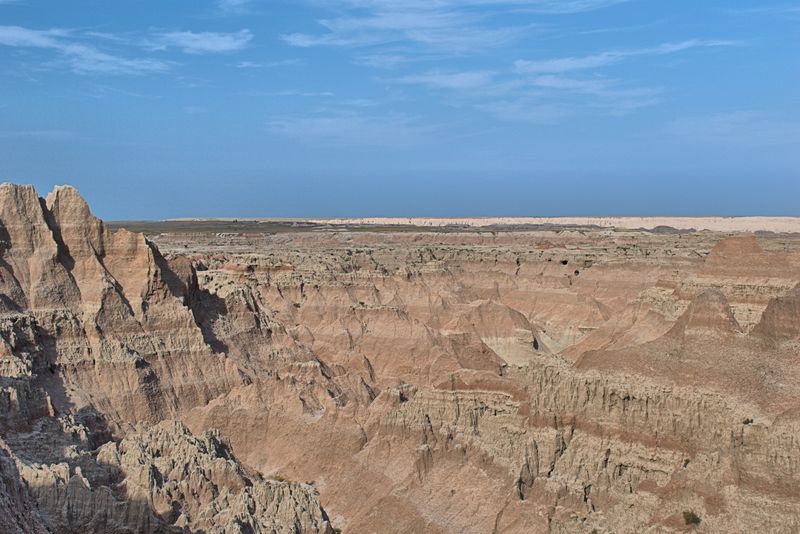
Blue hour at Window Trail brings a hushed palette that settles over the Badlands Wall and calms every hard edge.
Arrive as civil twilight begins and watch gradients shift from lavender to deep cobalt while ground tones turn cool.
A sturdy tripod and remote trigger keep files clean at slow shutter speeds, which matter when the wind finally rests.
Compose with the window as a silhouette against a luminous sky, then expose to protect midtones and avoid star trails.
White balance near four thousand kelvin preserves the cool mood, and a slight magenta tint offsets greenish shadows.
Layer a foreground rock or scrub patch to anchor the scene and invite the eye toward the rim with gentle perspective.
Bracketing is helpful here because the sky to land ratio can stretch dynamic range even under soft twilight.
Long exposures smooth distant haze and give the Wall a polished look that prints beautifully on matte paper.
Keep noise low by shooting base ISO and using in camera long exposure noise reduction if time allows patiently.
As stars appear, include a small crescent or planet if visible, but keep the composition clean and uncluttered.
Sound carries in the quiet, so speak softly and share space kindly with others enjoying the cool South Dakota evening.
Check the horizon for faint warm glow from the west that can kiss the formations with a last whisper of color.
Pack layers because temperatures drop quickly, and keep a red light handy to preserve night vision on the path.
Use manual focus on a bright edge of the window, then recompose to lock sharpness across the frame confidently.
Leave no trace as you walk out, and let the dusk hold your final frames with a feeling that lingers after you depart.
Composing with leading lines along the boardwalk
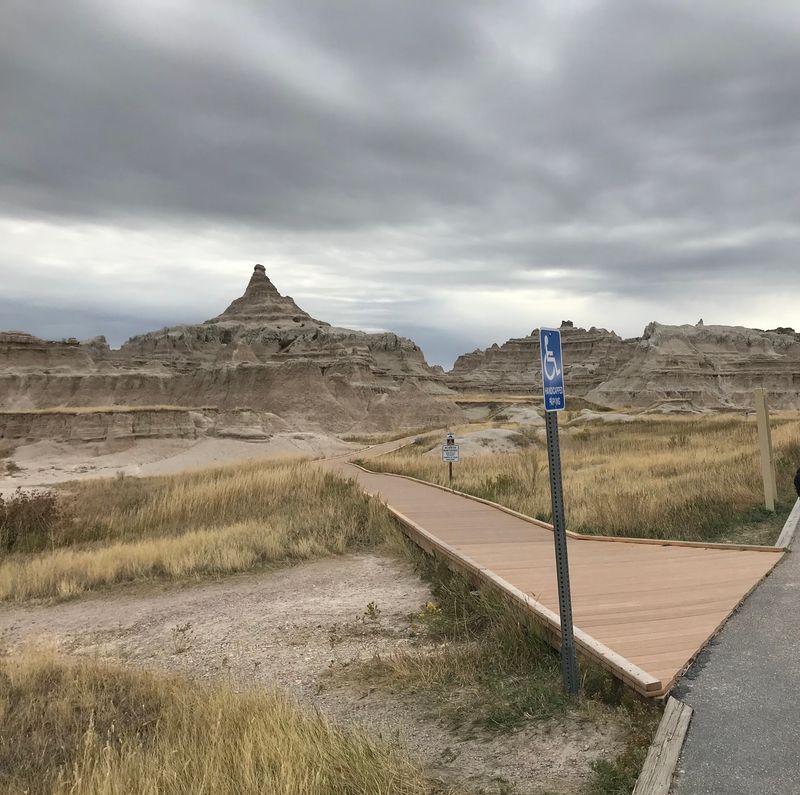
The short path to the Window includes a boardwalk section that can serve as a strong leading line when framed thoughtfully.
Start low near the rail and tilt slightly upward so the deck guides the eye into the natural aperture and beyond.
A 16 to 35 millimeter lens exaggerates perspective, but avoid extreme edges that bend lines in distracting ways.
Place the horizon around the lower third if clouds pop, or raise it when rock texture becomes the primary subject.
Wait for gaps in foot traffic and ask others politely to pass before you shoot, keeping the scene peaceful and uncluttered.
In bright conditions, stop down to f eleven for crisp corners, then watch for diffraction that softens fine details.
Use the railing shadow as a compositional device that echoes the wall strata, creating pleasing visual rhythm and flow.
If wind rattles the boards, raise shutter speed, or position your tripod feet between planks to reduce vibrations.
Look for puddles after rain that mirror the window and double the geometry in a single frame without heavy editing.
Side light early or late adds texture to the wood grain and reinforces the sense of direction toward the rim.
Keep to the boardwalk to protect fragile soils and help everyone enjoy the area in good condition through busy seasons.
When the sky turns flat, switch to black and white and emphasize the interplay of line, shape, and tonal contrast.
Include small informational signs sparingly if they help tell the story of access and stewardship in South Dakota.
Balance the composition with a person at the far end for scale, but ask permission and avoid recognizable features.
End with a clean frame through the window itself, letting the boardwalk fall away as the landscape takes center stage.
Weather plays the hero on fast changing days
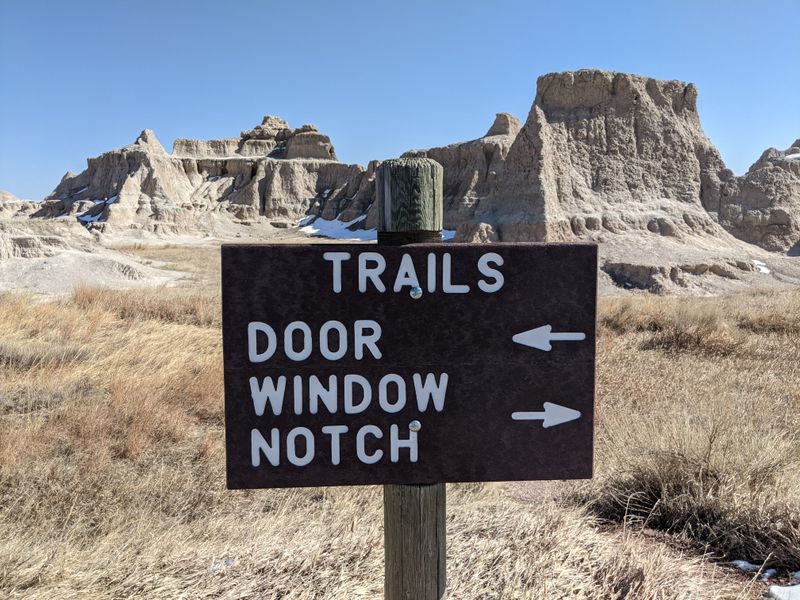
Fast moving weather turns the Window into a stage where light, shadow, and atmosphere switch roles by the minute.
Watch for post storm clarity that drops haze and reveals buttes with crisp edges you can frame tightly for drama.
After rain, formations darken and textures jump, so bracket exposures to keep detail in both sky and streaked slopes.
Rainbows sometimes arc over the Wall when sun breaks from the west, and a polarizer helps deepen saturation gently.
Low clouds racing east can create shadow curtains that glide along ridges, which makes for a dynamic time lapse.
Lightning is possible in summer, and safety comes first, so retreat to your car if thunder closes within ten miles.
Wind gusts shove tripods, so hang your bag as ballast and keep legs low to reduce sway across longer exposures.
Cold snaps add rime to grasses that sparkle near the window, offering close studies that read as delicate lace.
Fog occasionally pools against the Wall and frames the opening with mystery that works well in monochrome edits.
Check the National Weather Service forecast for Interior, South Dakota, and carry layers because shifts can be abrupt.
When hail threatens, protect lenses with a microfiber wrapped under your jacket and wait out the squall safely.
Storm edges at sunset produce gradient color ramps that pair with stark silhouettes for memorable minimal scenes.
Let clouds set the pace and avoid overprocessing, keeping tones believable so the geology remains the main actor.
Raindrops on the boardwalk make tidy specular highlights that lead into the frame when caught at low angles.
Pack a small towel, wipe often, and keep shooting because the moment after a storm can be the best light of the trip.
Night sky and Milky Way planning at the window
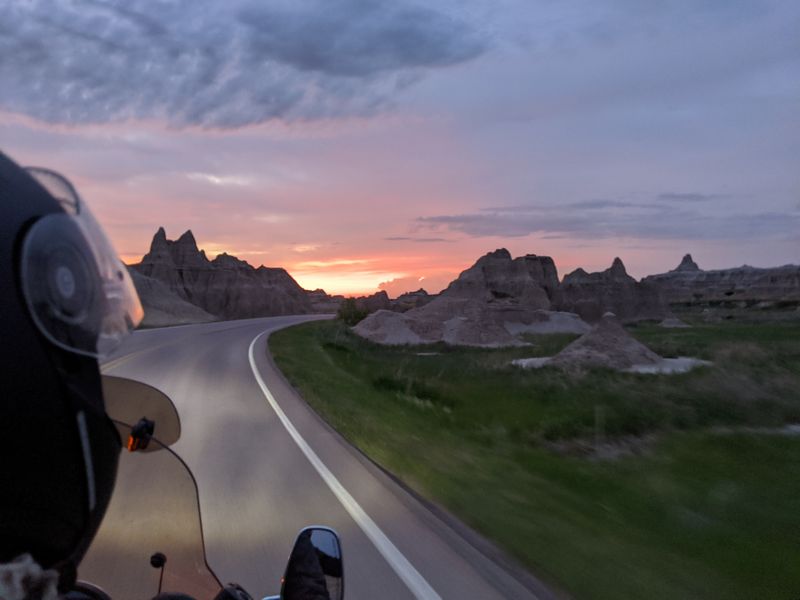
The Window makes a striking foreground for night photography when the Milky Way arcs over the Badlands Wall in summer.
Check moon phases and plan around new moon weeks when core visibility peaks from late spring through early fall.
Use apps that show galactic alignment to position the arch beneath the core and avoid cluttered star fields.
Focus manually on a bright star using live view magnification, then tape the ring to hold focus as temperatures drop.
Start with fifteen seconds at f two point eight and ISO 6400, then adjust for sky brightness and atmospheric clarity.
Light painting is discouraged in the park, so favor silhouettes and natural ambient glow from the horizon.
Carry a red headlamp for safe movement along SD-240 access and keep beams low to protect the night for others.
Use a low profile tripod and spread legs wide to resist gusts that can blur stars during longer exposures.
Stack multiple frames for noise reduction and blend carefully to maintain a natural look without over smoothing.
Winter nights bring crisp transparency but bitter cold, so pack insulated layers and chemical warmers for hands.
Watch for coyotes calling in the distance, and keep food sealed so wildlife stays wild and interactions remain minimal.
If clouds roll in, pivot to time lapse of moving layers over the rim that renders beautifully in short sequences.
Respect quiet hours and keep conversation soft because sound travels far on still South Dakota nights.
End sessions well before exhaustion, and mark the path on your map so the return is simple in low visibility.
Leave no trace and smile at the silence because night at the Window rewards patience with photographs that feel timeless.
Safety, access, and current park details you should know
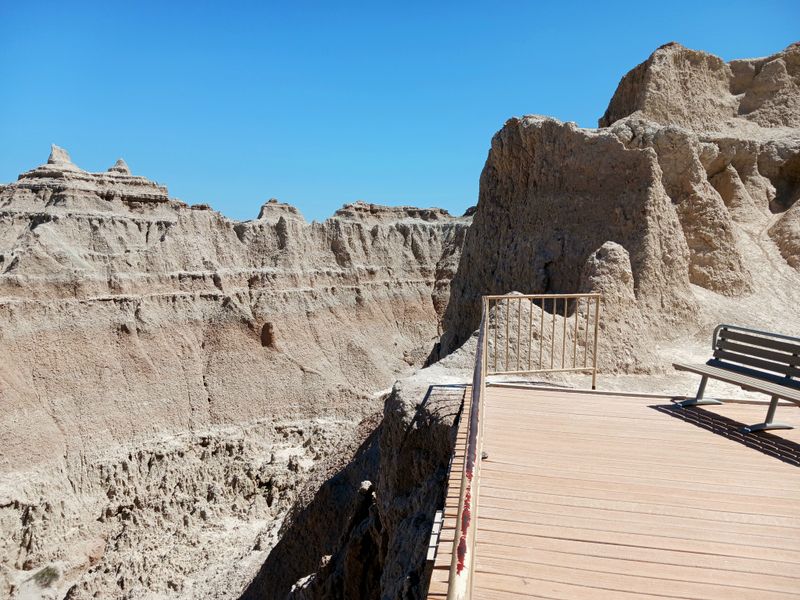
Window Trail sits off SD-240 in Badlands National Park with easy access and a short, mostly level path to the viewpoint.
The official page lists it as open all day with no specific closure, and hours for the hiking area show open twenty four hours.
Expect minimal shade and bring water, sun protection, and supportive shoes that handle grit and small pebbles.
Cell coverage ranges from weak to intermittent, so preload maps and let someone know your plan and return time.
Stay on the designated walkway to preserve fragile soils and avoid steep edges that crumble faster than they appear.
Rattlesnakes live here, so watch where you step and give wildlife abundant space as you pass with calm awareness.
Parking sits near the trailhead along the loop road and fills quickly during peak daylight hours in summer.
Restrooms are typically available at nearby developed areas, but carry basics so brief waits do not cut into shooting.
Tripods are welcomed, yet keep legs inside the walkway and share space courteously with families and tour groups.
Weather changes swiftly in South Dakota, and storms can form in the afternoon, so check radar before committing.
Flash floods are rare on the boardwalk, but low spots may pool after heavy rain, making traction an active concern.
Information updates live on the National Park Service site, which posts alerts about closures, wildlife, and safety.
Sunrise can be quiet, while sunset draws a friendly crowd, so plan timing based on the mood you want to capture.
The Window is close to other short trails, which makes it easy to combine stops without rushing your photographic goals.
Pack out every scrap and leave the place better than you found it so the next visitor enjoys a pristine experience.
Seasonal color and light through a full year
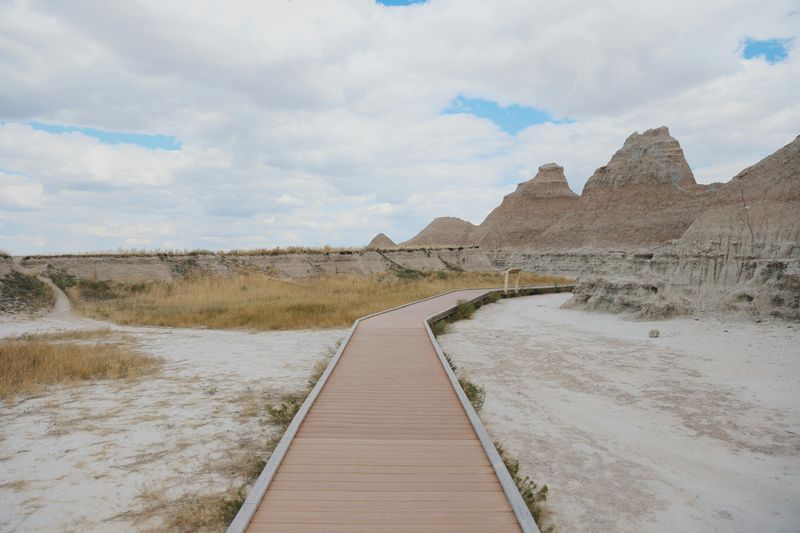
Window Trail changes character with each season, offering different palettes and textures that shape your visual approach.
Spring brings tender greens along draws and fresh rain patterns that darken clay and define delicate rills beautifully.
Late spring wildflowers speckle edges, so frame tight studies that contrast soft petals with sharp sediment lines.
Summer pushes bold light and deep shadows, rewarding early starts and late finishes with high impact color transitions.
Heat shimmers can soften distant buttes, so use mid focal lengths and emphasize nearby texture under stable air.
Autumn cools the air and reveals warm low angle light that rakes across the Wall and flatters every ridge.
Cottonwood yellows along nearby drainages add subtle accents that pair well with the pale pinks of evening clouds.
Winter crowns the scene with frost and occasional snow lips that simplify surfaces into graphic shapes and tones.
Short days make blue hour convenient, and the quiet visitor flow means patient setups feel relaxed and unhurried.
Layer clothing and watch for icy patches on the boardwalk where shade holds cold longer than open ground.
Wind varies all year, so anchor tripods and protect microphones if you record ambient sound for video edits.
Keep batteries warm in pockets during cold snaps because charge drops faster before the sun eases the chill.
Seasonal clouds in South Dakota often develop late day, and their edges can ignite with color after the sun sets.
Track sunrise and sunset azimuths to predict when the window face glows and when it reads as a clean silhouette.
Commit to returning in different months because the Badlands reward repeat visits with new moods in familiar frames.
Ethical wildlife and human presence in your frames
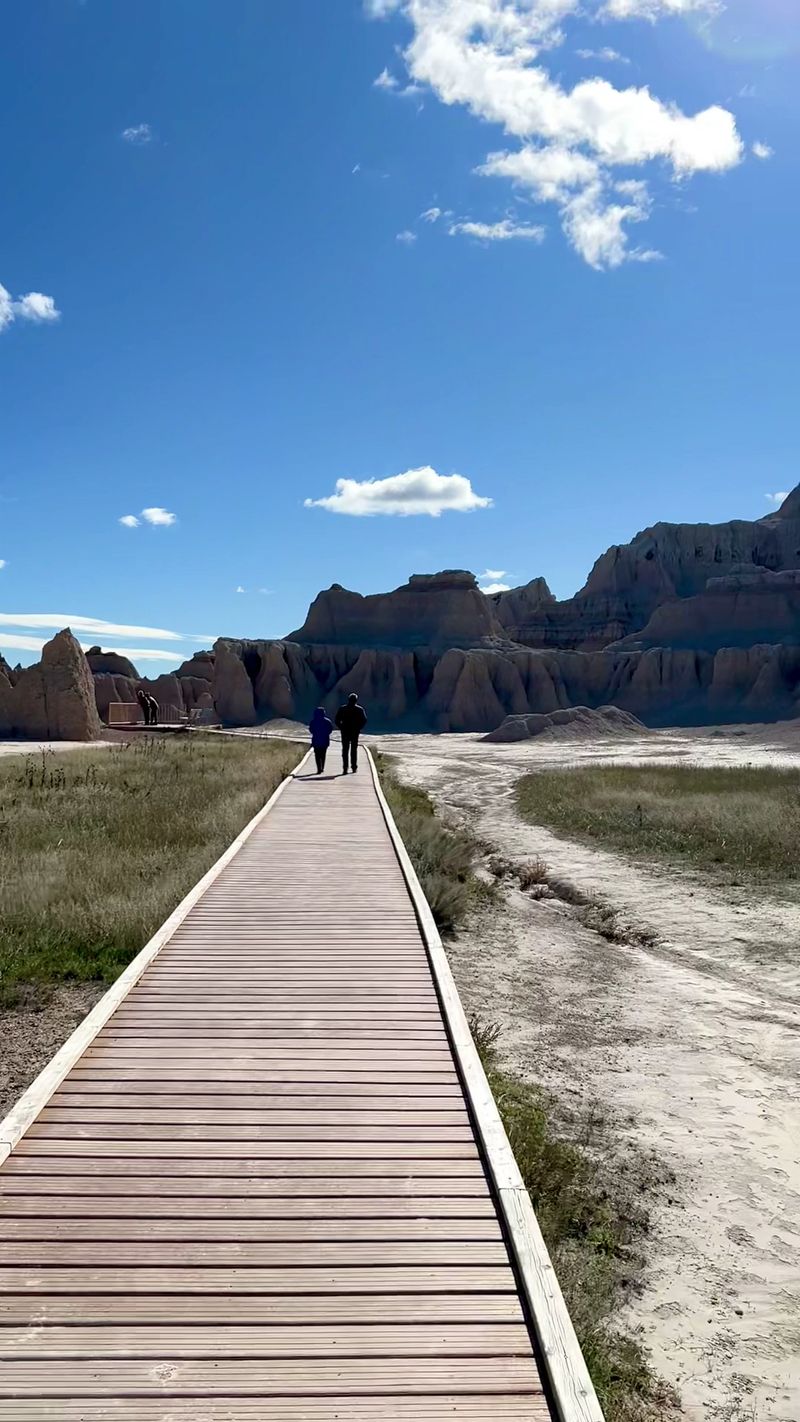
Wildlife sometimes moves near the Window, and good practice keeps distance while still honoring the story of place.
Bighorn sheep occasionally appear along slopes, so use longer lenses and let animals choose the path without pressure.
Prairie dogs are more common in nearby towns, but you may hear calls on the wind which add audio layers for video.
Keep at least twenty five yards from most wildlife and much more from larger animals that need wide personal space.
Human presence can help scale the Wall, so photograph silhouettes at the railing while avoiding identifiable faces.
Ask permission when a subject becomes recognizable, and share how the image will be used to keep trust intact.
Stay on walkways and never bait or call animals, which distorts behavior and violates park guidelines plainly.
Use silent shutter modes to reduce noise, and keep conversations calm so encounters feel respectful and brief.
Pick vantage points that allow people and wildlife to pass freely without pinching the trail or blocking the view.
Consider sequencing images that move from unpeopled geology to gentle human context to communicate scale thoughtfully.
When animals appear, step back and lower your profile while letting others know quietly to avoid sudden movement.
Carry binoculars for observation that does not rely on invasive approaches or heavy cropping that degrades files.
Include signage that encourages stewardship, which keeps the story aligned with the values of South Dakota parks.
Review images for safety cues before posting so locations remain clear but not tempting for risky behavior.
Lead by example with patience, and leave scenes as you found them so future visitors can experience authentic encounters.
Practical itinerary and nearby essentials without fuss
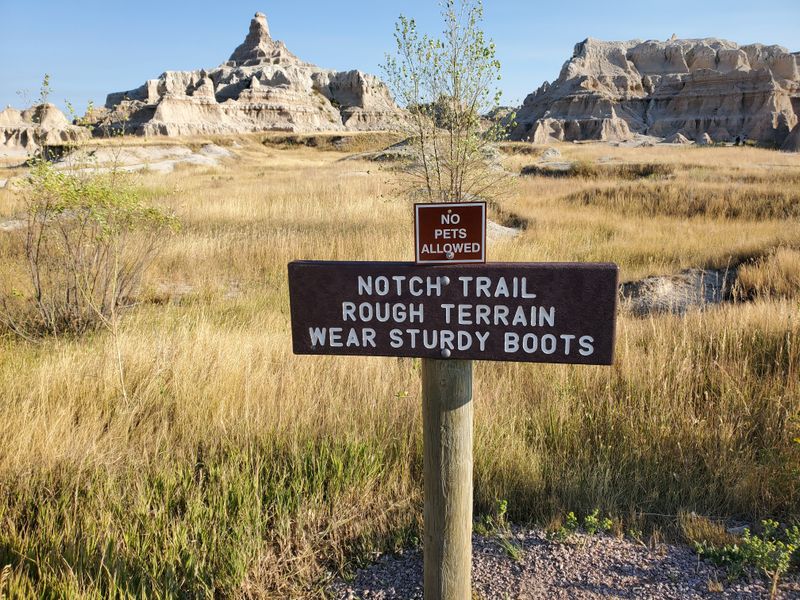
Plan a simple loop that starts at sunrise on Window Trail, breaks midday for rest, and returns for evening color.
Arrive before first light to park easily along SD-240 and give yourself time to settle into a comfortable rhythm.
Spend the early hour on textures and silhouettes, then pivot to broader scenes as sun height builds across the wall.
Take a late morning break at a developed area in the park, and use facilities before crowds gather near midday.
Afternoon scouting helps you confirm evening angles and anticipate where shadows will slide as the sun moves.
Pack snacks so you can stay close to the trail rather than driving far and losing the best light to road time.
Stop by the NPS website for current alerts and consider a quick ranger chat if you pass a staffed location nearby.
Keep gas topped since services are limited in this part of South Dakota and distances between towns feel longer.
Return an hour before sunset and work slowly, letting the scene tell you when to step forward or wait patiently.
After dusk, move carefully with your headlamp and keep gear stowed low so others can pass on the boardwalk.
For lodging, choose established accommodations in Interior or nearby communities and confirm seasonal hours ahead.
Set alarms for night sky windows if conditions hold, then rest between sessions to keep focus sharp and eyes fresh.
Review files during breaks, flag favorites, and adjust your evening plan so you do not chase every possible angle.
End the day with a final check for trash and leave the trail the way you found it, clean and welcoming for tomorrow.
Carry home images that feel honest to the land and memories shaped by a place that rewards thoughtful attention.
Dear Reader: This page may contain affiliate links which may earn a commission if you click through and make a purchase. Our independent journalism is not influenced by any advertiser or commercial initiative unless it is clearly marked as sponsored content. As travel products change, please be sure to reconfirm all details and stay up to date with current events to ensure a safe and successful trip.
