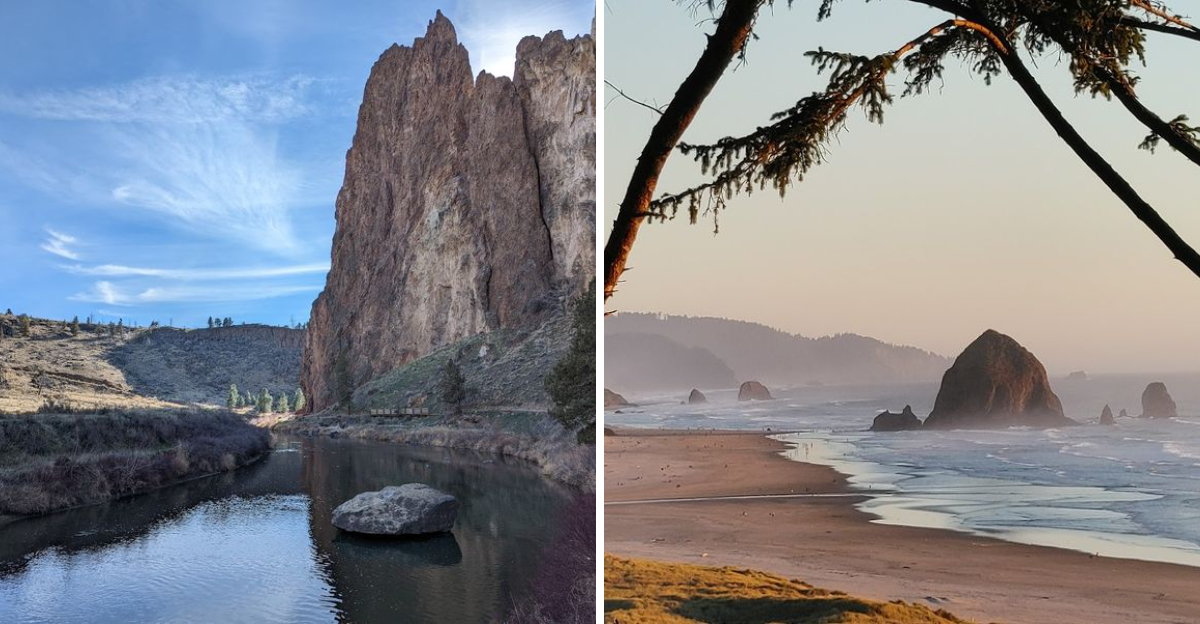
National parks are wonderful, but the crowds are exhausting. You wait forever just to take one photo.
Someone’s Bluetooth speaker ruins the peaceful forest atmosphere. State parks offer a much smarter alternative for your day.
You still get the towering trees and dramatic views. The waterfalls are just as impressive without the screaming children.
Parking is easy and the trails feel almost empty. Your wallet stays happier with the lower entry fees too.
Locals have known this secret for years already. These nine spots prove bigger is not always better.
1. Silver Falls State Park, Willamette Valley, Oregon
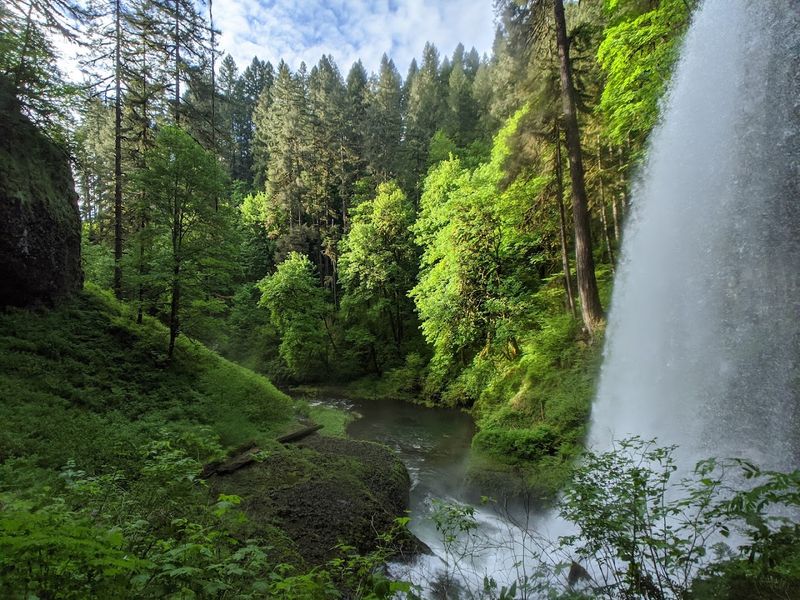
Imagine walking behind a waterfall so wide it frames the entire forest behind you. That is the everyday reality at Silver Falls State Park, located in the Willamette Valley near Sublimity, Oregon.
The park sits about 26 miles east of Salem. It is best known for the Trail of Ten Falls, a 7.2-mile loop that passes ten separate waterfalls.
South Falls is the crown jewel, dropping 177 feet into a basalt bowl. The trail curves directly behind the curtain of water, giving you a perspective that most people only see in photographs.
Beyond the waterfalls, the park covers more than 9,200 acres of old-growth forest. Bikers, horseback riders, and hikers each have their own dedicated trail systems, so the park rarely feels congested even on weekends.
Fall is a spectacular time to visit. The maple and big-leaf alder trees turn gold and orange, wrapping the canyon in warm color just as the water levels rise from early rain.
Camping is available at the park, with tent sites and cabins bookable through Oregon State Parks reservations. The campground fills up fast in summer, so booking two to three months ahead is smart planning.
Silver Falls is often called the crown of the Oregon State Parks system. Once you walk that trail and feel the mist from multiple falls on your face, you will understand exactly why that title sticks.
2. Cape Lookout State Park, Tillamook Coast, Oregon
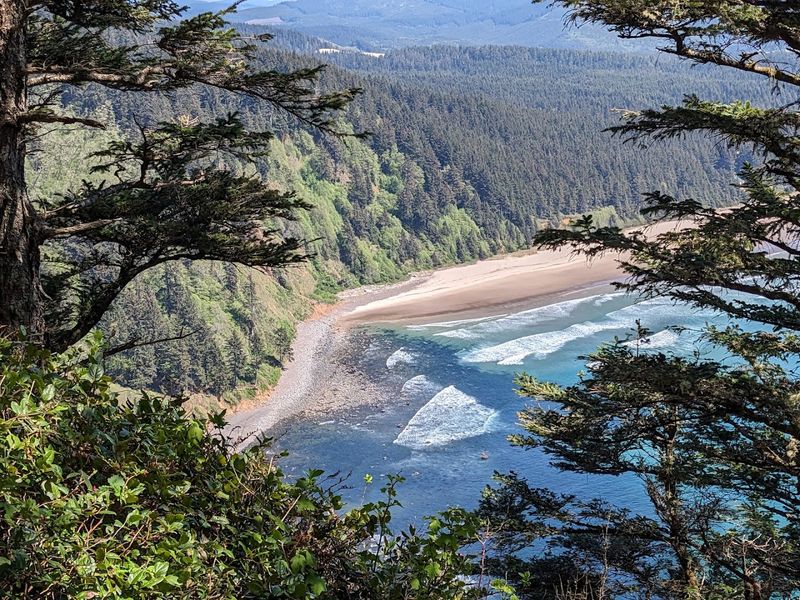
Standing at the tip of Cape Lookout feels like being at the edge of the continent. The headland juts two miles into the Pacific Ocean, with cliffs dropping straight down to the surf below.
Cape Lookout State Park is located on the Tillamook Coast near Tillamook, Oregon. It sits between Netarts Bay and the open ocean, making it one of the most geographically dramatic parks on the entire Oregon Coast.
The main trail runs 2.5 miles to the cape’s tip through a dense Sitka spruce and hemlock forest. Whale watching is outstanding here, especially during the gray whale migration in spring and late fall.
The park also has three miles of sandy beach along the Netarts Bay shoreline. That beach is ideal for clamming, sand dollar hunting, and watching shorebirds work the tideline at low water.
Camping at Cape Lookout is genuinely excellent. The campground has yurts, tent sites, and RV hookups tucked into the trees just steps from the beach.
Waking up to the sound of ocean waves through your tent wall is hard to beat.
Fog rolls in regularly along this stretch of coast, and it creates an almost otherworldly atmosphere on the trail. The trees drip with moisture, and visibility drops to just a few feet before clearing suddenly to reveal an ocean panorama.
Cape Lookout rewards visitors who enjoy raw, unpolished coastal scenery with real texture and genuine wildness in every direction.
3. Smith Rock State Park, Central Oregon, Oregon
Rock climbers from around the world have a specific look on their faces when they first see Smith Rock. It is the look of someone realizing they underestimated something completely.
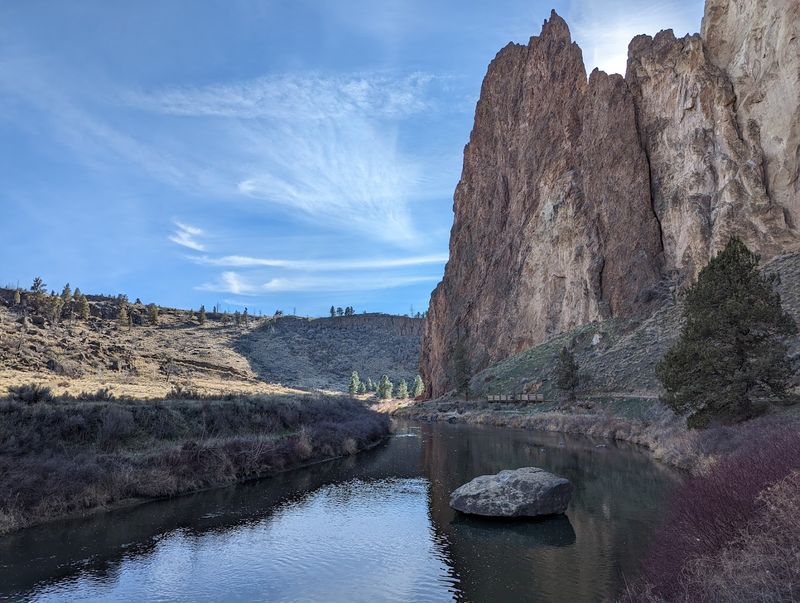
Smith Rock State Park is located near Terrebonne in Central Oregon, about 30 minutes north of Bend. The park is widely credited as the birthplace of modern American sport climbing, and its towering tuff and basalt formations still draw serious climbers every single day.
But you do not need to climb anything to love this park. The Misery Ridge Trail offers a steep but accessible hike to views that stretch across the Cascade Range.
On clear days, Mount Jefferson and the Three Sisters are all visible from the ridge.
The Crooked River wraps around the base of the rock formations, and the riverside trail at the canyon floor is flat and easy. River otters and golden eagles are regularly spotted along this lower path.
Sunrise at Smith Rock is something special. The first light hits the orange rock faces and turns them a deep, glowing red.
Photographers line up along the river trail well before dawn to catch that moment.
Camping is available at the Bivy, a walk-in campground just outside the main park boundary. It is basic but perfectly located for early morning trail access before day visitors arrive.
Smith Rock has a magnetic quality that keeps drawing people back, season after season, climb after climb.
4. Ecola State Park, Northern Oregon Coast, Oregon
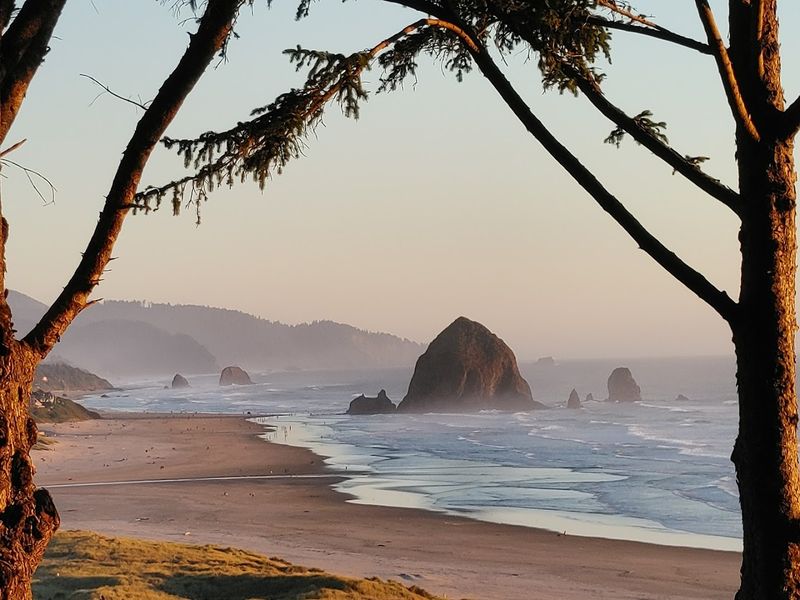
There is a viewpoint at Ecola State Park where you look south and see a crescent of beach framed by sea stacks and forest that genuinely looks like a movie set. It is not a movie set.
It is just Oregon doing what Oregon does.
Ecola State Park is located near Cannon Beach on the northern Oregon Coast, about 80 miles west of Portland. The park sits on a rugged headland above the Pacific, offering some of the most photographed coastal views in the entire state.
Haystack Rock, the iconic 235-foot sea stack at Cannon Beach, is visible from several points within the park. But the park itself offers far more than a lookout.
The Clatsop Loop Trail winds through old-growth Sitka spruce for about six miles of coastal forest hiking.
The park also has historical significance. The Lewis and Clark Expedition passed through this area in 1806, and a small memorial marks the location near Indian Beach where the party explored the coast.
Indian Beach itself is a local favorite for surfing. The cove is protected enough for beginners while still producing consistent waves that experienced surfers enjoy.
Tidepools near the beach are rich with sea stars, anemones, and hermit crabs.
Parking fills up quickly on summer weekends, so arriving before 9 a.m. makes a real difference. The early morning light on the sea stacks is worth every minute of the early alarm anyway.
5. Oswald West State Park, Tillamook County, Oregon
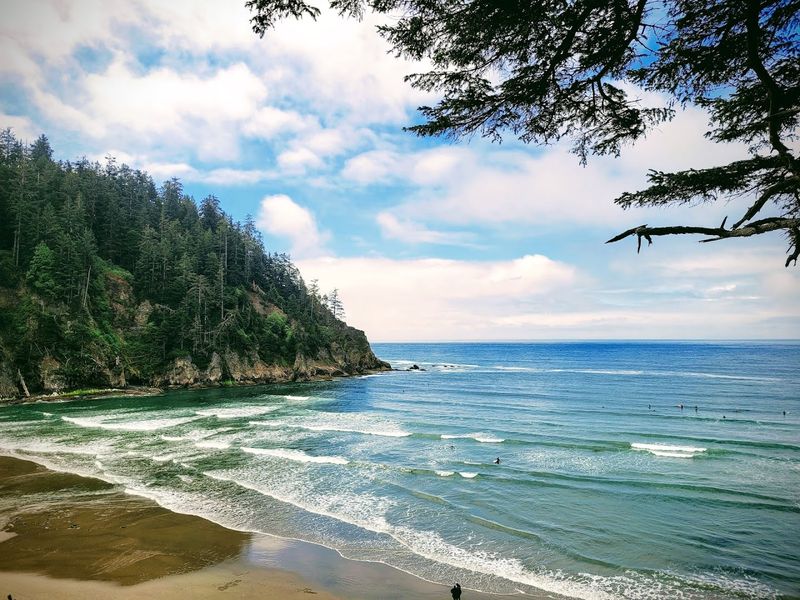
Getting to Short Sand Beach at Oswald West State Park requires a half-mile walk through one of the most beautiful old-growth forests on the Oregon Coast. That short walk is the best filter in the state park system.
Oswald West State Park is located in Tillamook County, Oregon, along Highway 101 between Cannon Beach and Manzanita. The park protects a stretch of coastline that feels genuinely wild and largely unchanged.
Short Sand Beach, locally known as Shorty’s, sits at the base of a forested canyon. Surfers carry their boards down the trail to reach it, and the cove produces consistent waves that attract a small, devoted surfing community year-round.
The headlands on either side of the cove offer serious hiking. The Cape Falcon Trail climbs north through ancient spruce and hemlock to a dramatic ocean overlook at about 2.5 miles.
The views from the cape on a clear day are breathtaking.
One of the more unusual aspects of this park is its old-growth forest quality. Some of the Sitka spruce trees here are enormous, with trunks too wide for two people to wrap their arms around.
Wheelchairs and strollers are not practical on the main trail, but the beach itself is accessible enough for most visitors who can manage the packed dirt path. The park has no camping, which keeps overnight crowds away.
Oswald West is the kind of place that feels like a secret even when other people are around.
6. Crater Lake State Park Area, Southern Oregon, Oregon
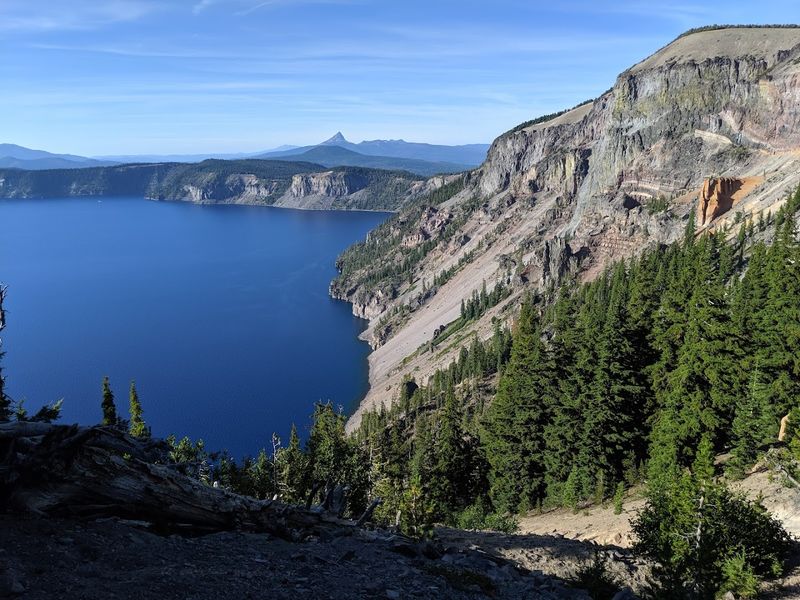
Most people know Crater Lake as a national park, but the surrounding state-managed lands and adjacent Collier Memorial State Park offer access to the same volcanic landscape with significantly fewer visitors.
Collier Memorial State Park is located near Chiloquin in southern Oregon, about 35 miles north of Klamath Falls. It sits at the confluence of the Williamson and Spring Rivers, in the volcanic high country that connects directly to the Crater Lake region.
The park’s logging museum is surprisingly fascinating. An outdoor collection of antique logging equipment tells the story of the timber industry that shaped southern Oregon throughout the 20th century.
The equipment is massive and surprisingly well-preserved.
The rivers here are known for excellent fly fishing. The Williamson River in particular draws dedicated anglers chasing rainbow and brown trout in gin-clear water fed by volcanic springs.
Fishing pressure is much lower than at more famous Oregon rivers.
Camping at Collier Memorial is comfortable and spacious, with tent and RV sites spread along the river beneath tall ponderosa pines. The sites have a quiet, unhurried feel that is hard to find near the main Crater Lake entrance.
Wildlife is abundant in this transitional zone between the Cascade Range and the high desert. Osprey, bald eagles, deer, and black bear are all regularly seen within the park boundaries.
For those who want the volcanic drama of the Crater Lake area without the entrance fees and parking chaos, this corridor delivers something genuinely rewarding.
7. Shore Acres State Park, Coos County, Oregon
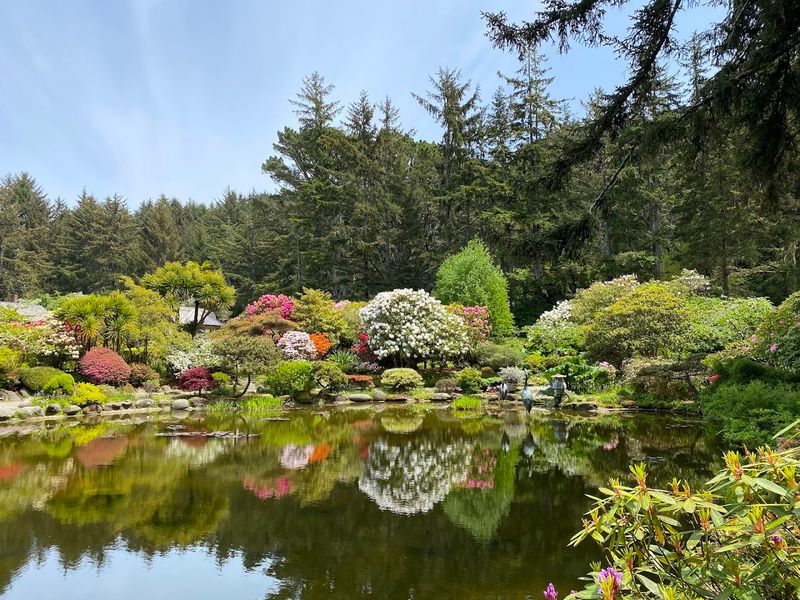
Shore Acres State Park might be the most surprising state park in Oregon. It combines formal botanical gardens with some of the most violent wave action on the entire Pacific Coast, all in one compact and utterly unique location.
The park is located near Coos Bay in Coos County, Oregon, about five miles southwest of Charleston. It sits on the site of a former private estate owned by lumber baron Louis Simpson, and the formal gardens he developed are still maintained today.
The gardens bloom in waves throughout the year. Rose season peaks in June and July, while dahlias and other summer flowers carry the display through August.
The holiday lights display in November and December draws visitors from across the Pacific Northwest.
Just steps from the gardens, the coastal bluffs drop sharply to a rocky shoreline. During winter storms, waves regularly crash 30 to 50 feet into the air against the sandstone cliffs.
There is an enclosed observation shelter on the bluff specifically for storm watching.
The combination of manicured garden beauty and raw ocean power in the same viewshed is genuinely unusual. It creates a visual contrast that feels almost surreal on a stormy day.
A day-use fee applies at Shore Acres, but it is modest and included with the Oregon Pacific Coast Passport. The passport covers multiple coastal state parks and pays for itself quickly on a multi-day trip.
Shore Acres earns its reputation as one of Oregon’s most distinctive and memorable state park experiences.
8. Tumalo State Park, Deschutes County, Oregon
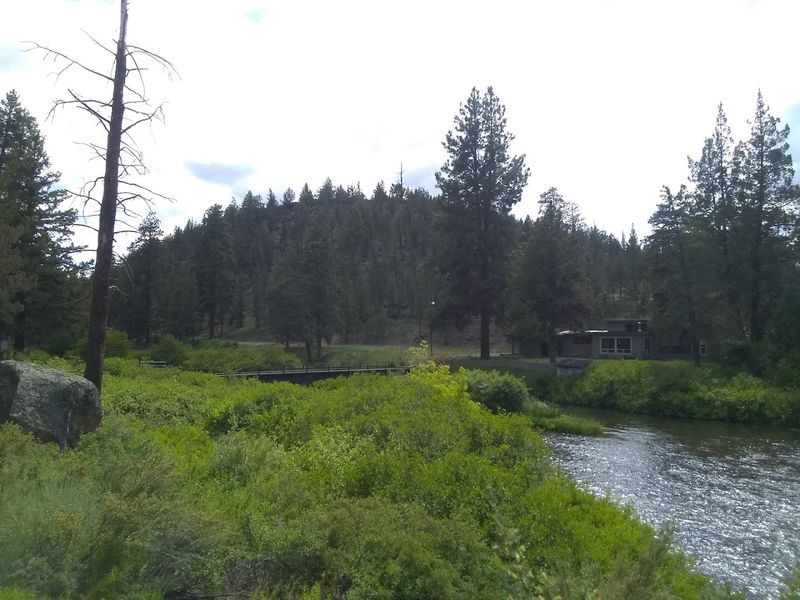
Central Oregon summers are genuinely hot, which makes Tumalo State Park one of the most beloved spots in the entire region. The Deschutes River runs cold and clear right through the middle of it.
Tumalo State Park is located near Bend in Deschutes County, Oregon, just two miles northwest of the city center. It sits along a stretch of the Deschutes River where the water is fed by snowmelt and underground springs, keeping temperatures refreshingly low even in August.
Swimming is the main draw in summer. The river has calm sections suitable for kids and stronger current stretches that appeal to tubers and kayakers.
Rental outfitters in Bend offer tubes and kayaks for the float down to the park.
Fishing is productive along this stretch of river. Rainbow and brown trout hold in the deeper pools, and the park’s easy access makes it a popular spot for both casual and experienced anglers.
An Oregon fishing license is required.
The campground at Tumalo is one of the better ones in Central Oregon. Sites sit directly along the river under large juniper and ponderosa trees, providing shade that is genuinely rare in this high desert landscape.
Yurts are available for those who prefer a roof.
Bend’s proximity means restaurants, coffee shops, and gear rentals are minutes away, making this park ideal for those who want nature access without sacrificing town amenities.
Tumalo State Park is proof that the best campsite in the area does not always require a long drive to find.
9. Valley of the Rogue State Park, Jackson County, Oregon
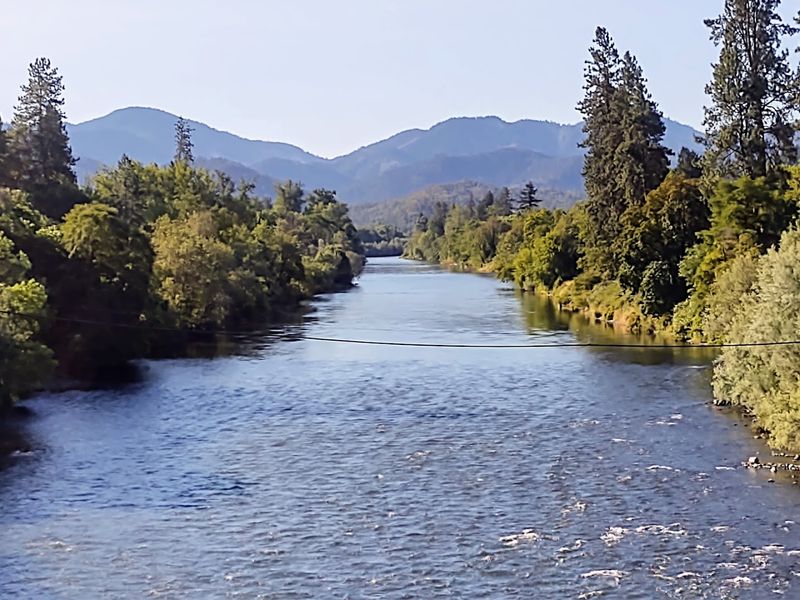
The Rogue River has a legendary reputation among paddlers and fly fishers, and Valley of the Rogue State Park puts you right on its bank without requiring a permit or a long shuttle drive.
Valley of the Rogue State Park is located near Gold Hill in Jackson County, Oregon, about 12 miles east of Grants Pass. The park runs along a particularly beautiful and calm stretch of the Rogue River, where the water moves slowly enough for swimming and wildlife watching.
Great blue herons are practically residents here. Ospreys dive for fish throughout the day, and river otters occasionally pop up along the quieter banks.
The riparian habitat along this stretch supports an unusually rich variety of bird species.
The campground is well-developed and popular with RV travelers, but it also has solid tent sites that offer genuine river access. Waking up to the sound of the Rogue moving past your campsite is one of those simple pleasures that sticks with you.
A paved trail runs along the river for about a mile, making it accessible for strollers and wheelchairs. The trail connects to a larger network of paths that extend into the surrounding hills and forest.
Rafting trips on the Rogue can be arranged through outfitters in Grants Pass, and many trips use this park as a put-in or take-out point. The park’s location along Interstate 5 also makes it an ideal overnight stop on a southern Oregon road trip.
Valley of the Rogue turns a simple highway rest stop into a full-on river experience worth planning around.
