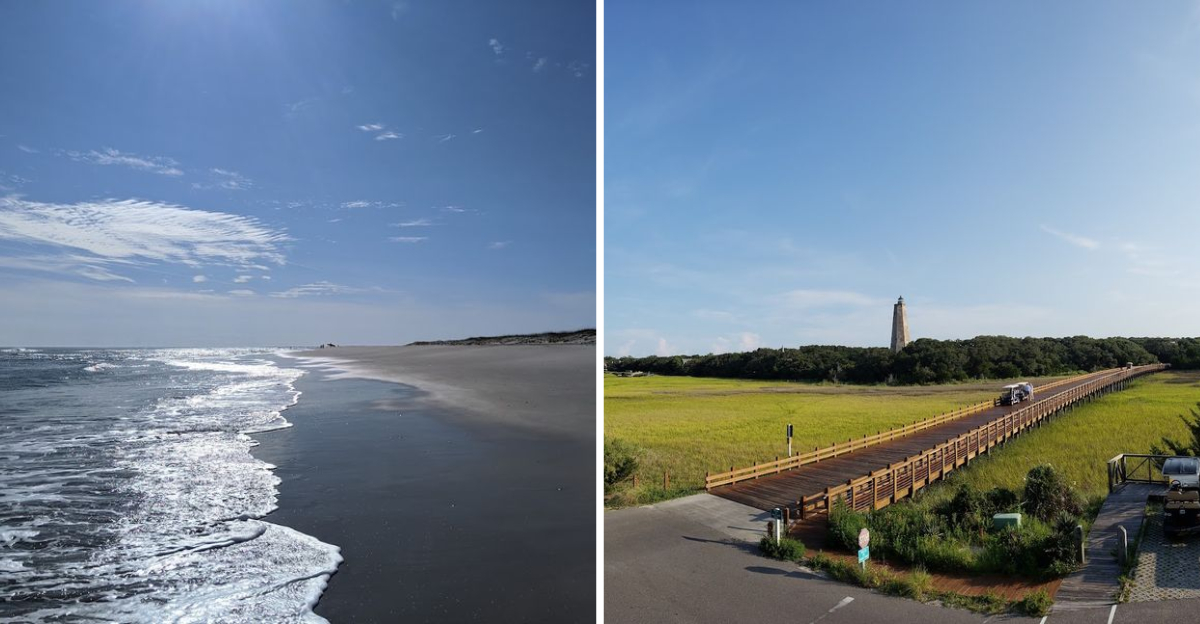
Stepping off a ferry and realizing there are no cars anywhere in sight feels almost unreal. North Carolina has an island where the Cape Fear River meets the Atlantic, and it operates on a completely different rhythm than the mainland. I first heard about this place from a friend who described it as feeling like a secret the rest of the world had not quite figured out yet.
That short ferry ride alone sets the tone for everything that follows. Ancient lighthouses, pirate legends, loggerhead sea turtles, and some of the most unhurried white sand beaches in the Southeast all share that small patch of land.
I spent an afternoon walking trails that wound through maritime forest, emerging onto stretches of sand where the only footprints were my own.
If you have ever wanted to feel genuinely removed from the noise of everyday life, this island has a way of making that happen almost immediately.
The Ferry Ride That Changes Everything
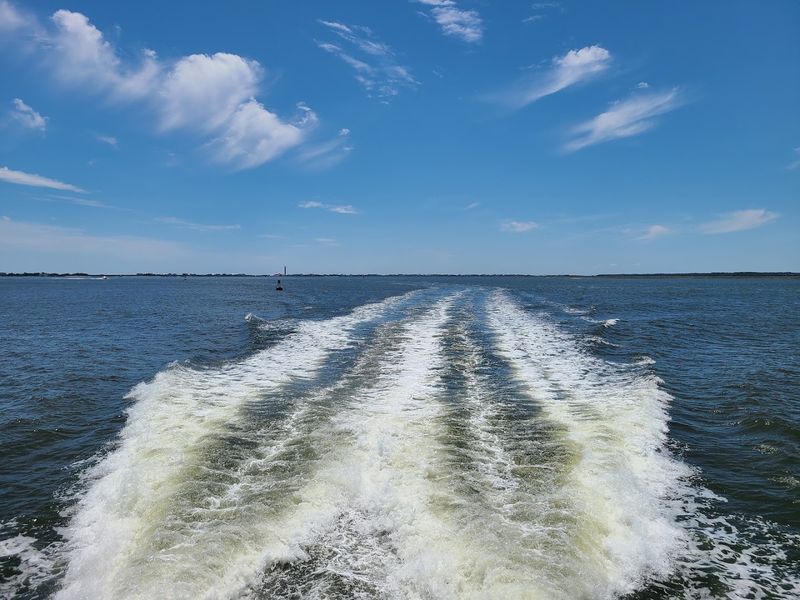
Most trips start with a drive or a flight, but getting to Bald Head Island begins with something far more memorable. The passenger ferry departs from Deep Point Marina in Southport, North Carolina, and the 20-minute crossing feels like a deliberate transition between two very different worlds.
Seagulls trail the boat, the salt air hits immediately, and the skyline of the mainland slowly shrinks behind you.
No cars make it onto this ferry. That detail alone signals something unusual is about to happen.
Visitors bring bicycles, golf cart reservations, and a willingness to slow down, which is pretty much the island’s unofficial entry requirement.
The ferry service runs regularly throughout the day, making day trips genuinely possible for those who want a taste without committing to an overnight stay. That said, watching the sunset over the Cape Fear River from the island and then catching a later ferry back is an experience worth planning around.
The crossing itself is short, but it carries a certain weight, like crossing a threshold into somewhere quieter, older, and surprisingly alive with stories that start long before you arrive.
Old Baldy Lighthouse and Its 200 Years of Secrets
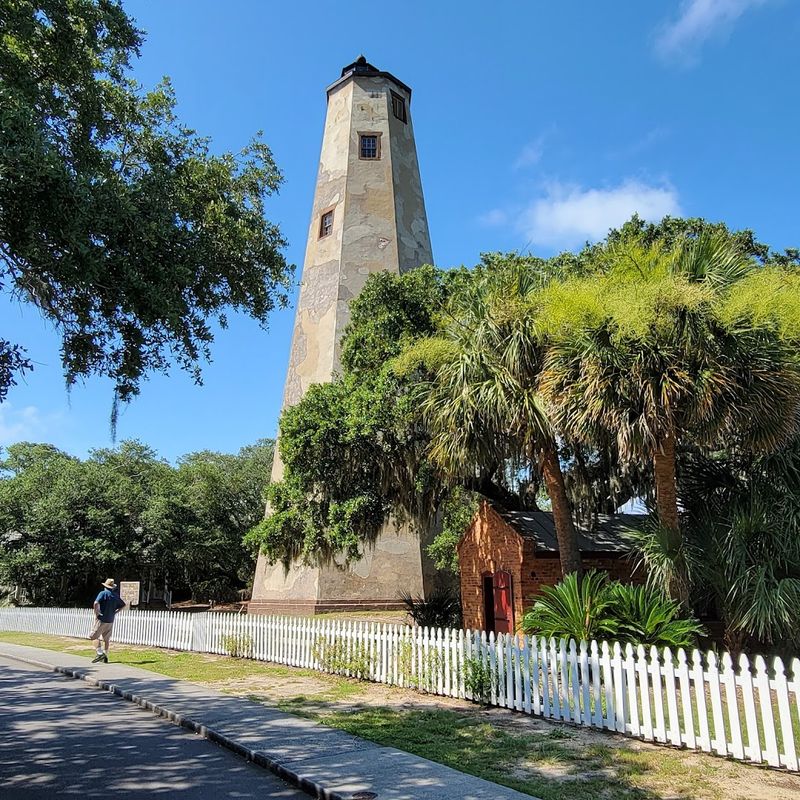
Built in 1817, Old Baldy is the oldest standing lighthouse in North Carolina, and it has earned every year of that reputation. The structure rises 110 feet above the island, constructed from brick that has weathered hurricanes, wars, and centuries of coastal storms without giving up its shape.
There is something quietly stubborn about it that I find genuinely impressive.
Climbing the 108 spiral steps inside is worth every bit of effort. The view from the top stretches across the island’s marshes, maritime forests, and surrounding ocean in every direction.
On a clear day, the contrast between the dark green forest below and the pale blue water beyond is the kind of image that stays with you.
Adjacent to the lighthouse is the Smith Island Museum of History, where exhibits cover the lives of lighthouse keepers, the island’s maritime past, and its complicated relationship with pirates and shipwrecks. During World War II, Old Baldy served as a Coast Guard radio beacon, adding yet another chapter to an already layered history.
Visiting the lighthouse does not just offer a view. It offers a real conversation with the past that feels entirely specific to this island.
Pirates, Legends, and the Ghosts That Stayed Behind
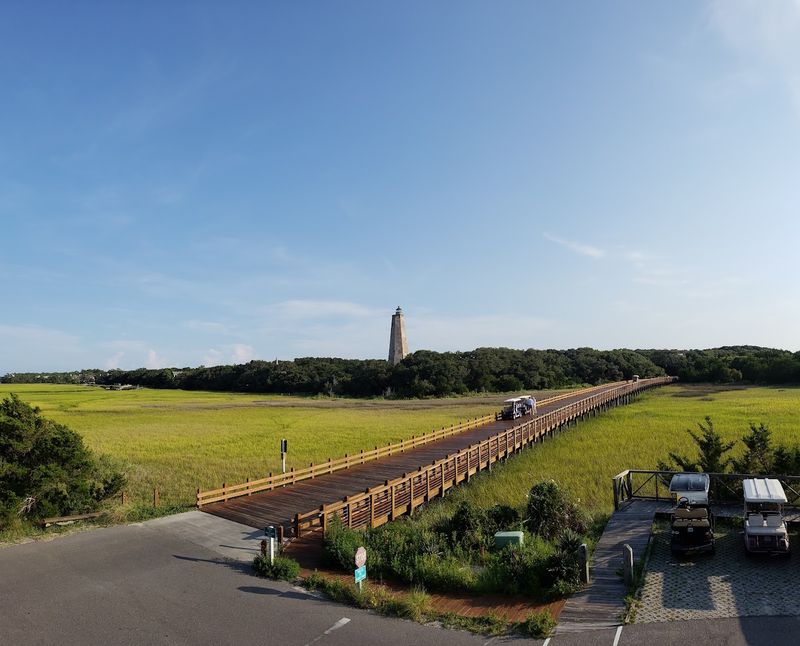
Bald Head Island was not always a peaceful retreat. In the 17th and 18th centuries, its location at the mouth of the Cape Fear River made it an ideal hiding spot for pirates navigating the Carolina coast.
Stede Bonnet, known as the Gentleman Pirate, and the notorious Blackbeard both used these waters, and the island’s ferry boats are still named Revenge and Adventure in a nod to that era.
The ghost stories are harder to verify but equally hard to dismiss. The most famous legend involves Theodosia Burr, daughter of Aaron Burr, whose ship vanished near the Outer Banks in 1813.
Local lore holds that her spirit wanders the shoreline of Bald Head Island, though no one has ever confirmed exactly why she would choose this particular stretch of sand.
Ghost walks are offered on the island, guiding visitors through the darker, stranger corners of its history after dark. These tours are not gimmicky or overdone.
They lean into the genuine mystery of a place that has witnessed shipwrecks, piracy, and centuries of coastal drama. Whether you believe in ghosts or not, the stories themselves are compelling enough to make a nighttime walk along the shore feel genuinely atmospheric.
14 Miles of Beaches That Each Tell a Different Story
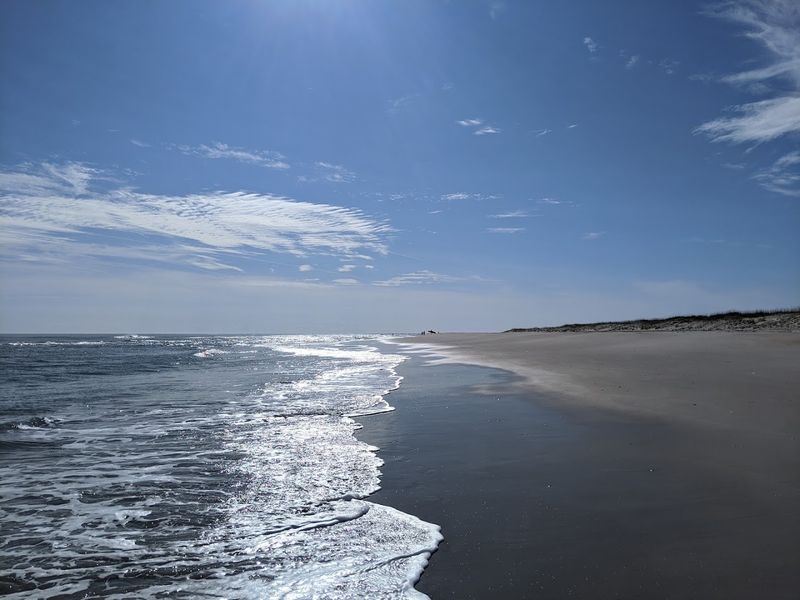
Fourteen miles of beach sounds like a lot until you realize how different each stretch actually feels. South Beach is the longest and calmest, with gentle waves that make it ideal for long walks, shell collecting, and families with younger kids who need predictable surf.
It has a settled, unhurried energy that fits the island’s overall personality perfectly.
East Beach faces the Atlantic directly and brings noticeably stronger surf. Boogie boarding is popular here, and the waves have enough energy to keep things interesting without being overwhelming.
West Beach is where the sunsets happen, and watching boats navigate the mouth of the Cape Fear River while the sky turns orange and pink is a genuinely cinematic experience.
Beachcombing is a serious activity on Bald Head Island, particularly on South Beach, where shells, sea glass, and the occasional sand dollar show up regularly. The lack of cars means the beaches stay cleaner and quieter than most comparable destinations along the Carolina coast.
Even during peak season, the crowds thin out quickly once you move away from the main access points. The beaches here do not feel performed or curated.
They feel like actual coastline, raw and generous and full of small surprises.
A Car-Free Island Running on Golf Carts and Fresh Air
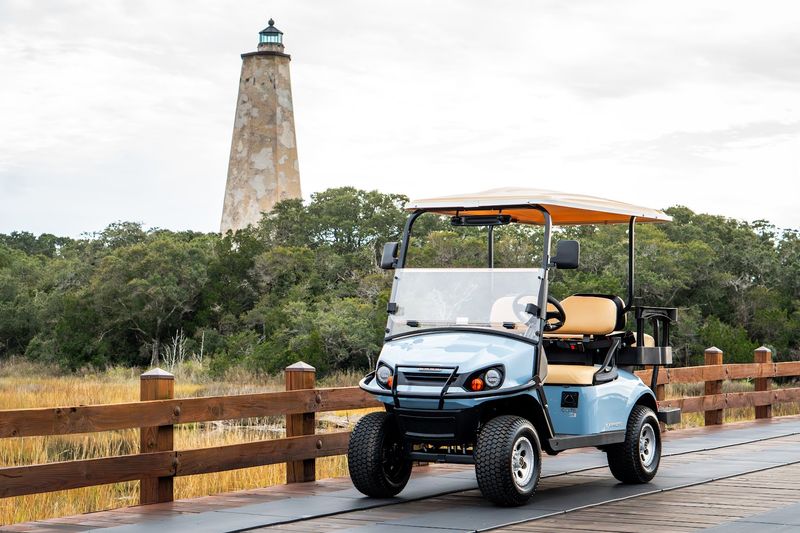
The moment the ferry docks and you realize there are zero cars waiting on the other side, something shifts. Bald Head Island operates entirely without personal automobiles, and that single policy transforms the experience in ways that are hard to fully explain until you feel it.
The air smells cleaner. The paths feel wider.
Conversations carry differently without engine noise cutting through them.
Golf carts are the primary mode of transportation, and rentals are easy to arrange near the ferry landing. Bicycles are equally popular, and the island’s flat terrain makes cycling accessible for most fitness levels.
Many visitors simply walk, which turns every errand or beach trip into a small, pleasant adventure.
The car-free lifestyle is not a marketing angle here. It is a genuine community philosophy that shapes how people move, interact, and experience the island.
Neighbors wave from golf carts. Kids ride bikes without the anxiety of traffic.
The pace slows naturally, not because there is nothing to do, but because the environment itself gently discourages rushing. For visitors coming from busy cities or crowded highways, that shift can feel almost jarring at first.
Then it feels like relief, and then, pretty quickly, it feels like something you did not know you needed.
Sea Turtles, Alligators, and the Wild Side of the Island
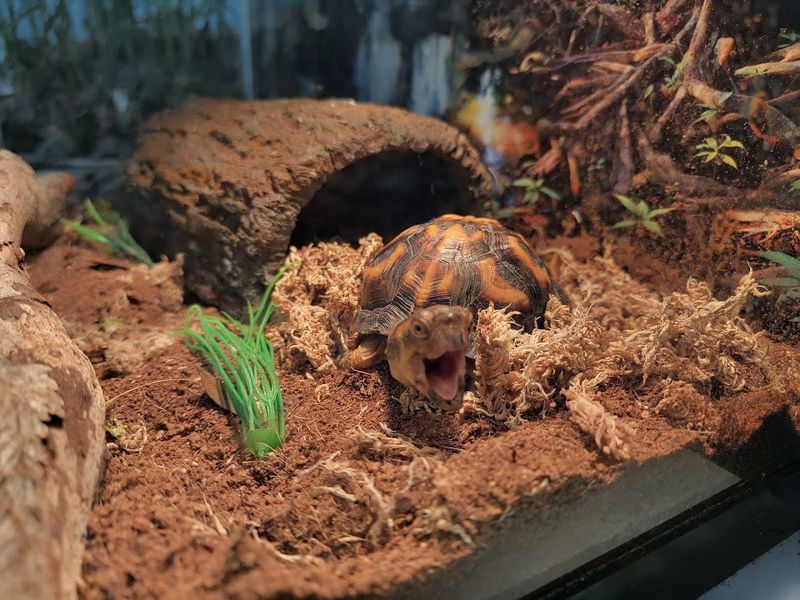
Bald Head Island takes its wildlife seriously, and the wildlife seems to return the favor. Loggerhead sea turtles come ashore during summer months to nest along the beaches, and the island has strict lighting ordinances in place during nesting season to keep hatchlings oriented toward the ocean instead of inland lights.
It is one of the most significant loggerhead nesting sites in the region.
The freshwater lagoons scattered across the island are home to American alligators, which adds a layer of wild unpredictability to an otherwise serene landscape. Swimming and fishing in these lagoons are prohibited to protect the animals, and most visitors respect that boundary without complaint once they spot an alligator resting near the water’s edge.
White-tailed deer, red foxes, raccoons, and a remarkable variety of birds also call the island home. Audubon has recognized Bald Head Island as an Important Bird Area, with over 260 documented species including painted buntings, osprey, and white ibis.
The Bald Head Island Conservancy runs guided nature tours and educational programs that bring these ecosystems to life in ways a solo walk cannot replicate. Over 10,000 of the island’s 12,400 acres are protected for conservation, which keeps the wild parts genuinely wild.
Maritime Forest, Kayaking, and the Slower Pace Worth Savoring
The maritime forest on Bald Head Island feels ancient in a way that is hard to manufacture. Ancient live oaks draped in Spanish moss line the interior trails, and the canopy closes overhead in a way that immediately drops the temperature and the noise level.
It is the kind of forest that makes you slow down simply because moving quickly through it feels wrong.
Kayaking and paddleboarding through the island’s tidal creeks and salt marshes offer a completely different perspective on the same landscape. The water moves quietly between grasses and root systems, and the wildlife encounters in these areas tend to be closer and more frequent than anywhere else on the island.
Herons, egrets, and the occasional alligator make regular appearances.
For those who prefer dry land, the golf course at the Bald Head Island Club sits against a backdrop of maritime forest and ocean views that makes the setting almost more interesting than the game itself. The island’s four distinct ecosystems, beach and dunes, maritime forest, freshwater lagoons, and salt marsh, each offer something genuinely different within a relatively compact geography.
Spending a full day moving between them, on foot, by kayak, or by golf cart, gives you a sense of just how layered this small island actually is.
Address: 1301 Ferry Road, Southport, NC 28461
