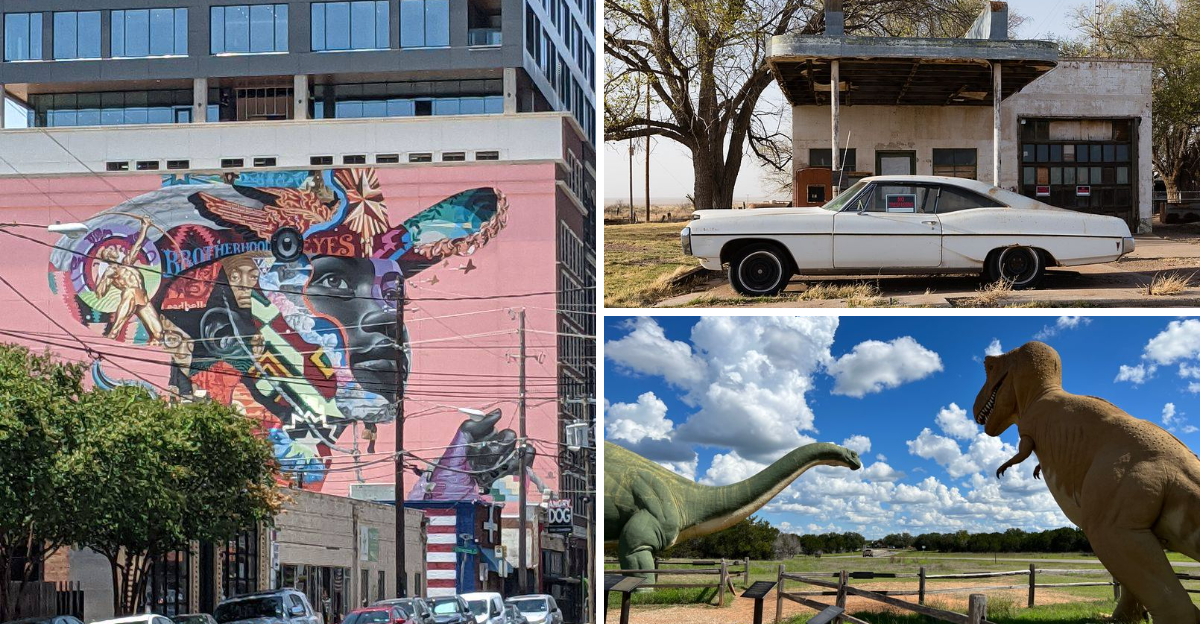
Texas has always been a land of big dreams and even bigger stories.
From coal mining boomtowns to jazz-filled streets, the Lone Star State has seen countless places rise to fame, only to slip quietly into the shadows when the world moved on.
These forgotten corners tell tales of ambition, community, and change that shaped the Texas we know today.
1. Thurber
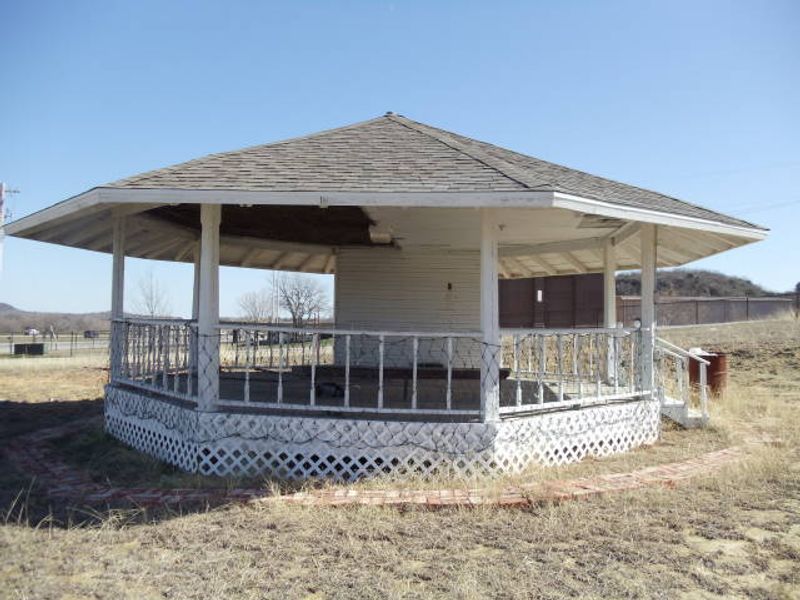
Picture a town so alive with activity that 10,000 people called it home, making it the most crowded spot between Fort Worth and El Paso. Thurber wasn’t just any settlement.
Coal dust hung in the air as miners descended into the earth each morning, pulling out 3,000 tons of bituminous coal daily while brick factories churned out 80,000 bricks to build the future.
Established in the late 1800s, Thurber became a powerhouse of industry and ambition. Families moved here for steady work, children played in streets lined with company houses, and the sound of pickaxes echoed through the hills.
The town had everything: stores, schools, churches, and a genuine sense of permanence that made folks believe it would last forever.
But nothing lasts forever, especially when the coal runs thin and cheaper fuel sources emerge. By the early 20th century, Thurber’s glory days were fading fast.
Workers packed up and left, buildings crumbled, and the once-thriving community became a whisper of its former self.
Today, only a solitary smokestack stands tall against the Texas sky, a lonely monument to the thousands who once called this place home. Visitors stop along Interstate 20 to snap photos and wonder what life was like when Thurber roared with energy.
The silence now is deafening, but the stories remain etched in that old brick tower, reminding us that even the busiest places can vanish almost overnight.
2. Glenrio
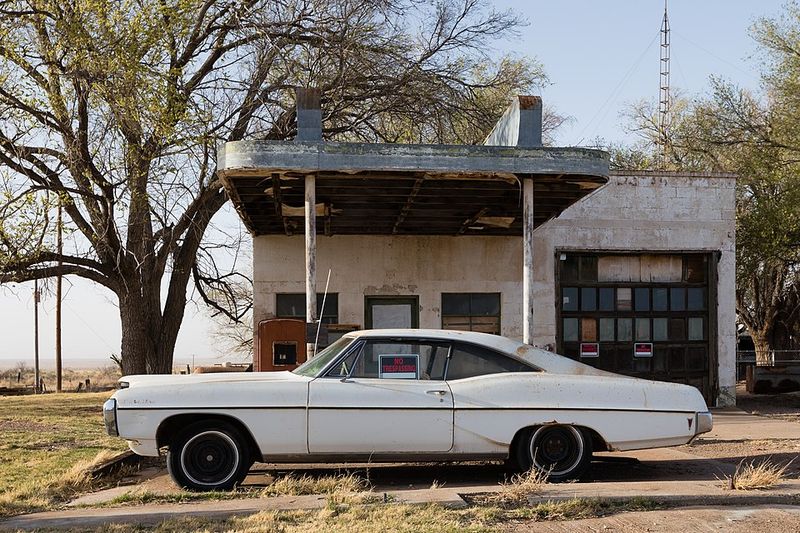
Route 66 was America’s Main Street, and Glenrio sat right on it like a jewel on a crown. Straddling the Texas-New Mexico border, this tiny town welcomed road-trippers with open arms and full gas tanks.
Motels flickered neon signs into the night, diners served up hot coffee and pie, and every traveler knew Glenrio as the perfect place to rest before continuing their cross-country adventure.
During the heyday of the Mother Road, Glenrio buzzed with constant motion. Families on vacation, truckers hauling goods, and wanderers chasing the horizon all stopped here.
The town’s economy thrived on travelers’ dollars, and business owners worked around the clock to keep up with demand.
Then came the 1970s and the construction of Interstate 40, a modern highway that promised faster travel and fewer stops. The new route bypassed Glenrio entirely, and almost overnight, the flow of visitors dried up like a West Texas creek in August.
Without travelers, the motels closed, the diners shuttered, and the gas pumps ran dry.
Glenrio transformed into a ghost town so quickly that it felt like a bad dream. Buildings still stand along the old highway, their windows empty and paint peeling, frozen in time like a photograph from another era.
Walking through Glenrio today feels surreal, as if the ghosts of road-trippers past might pull up any moment, ready for a meal and a bed.
3. Toyah
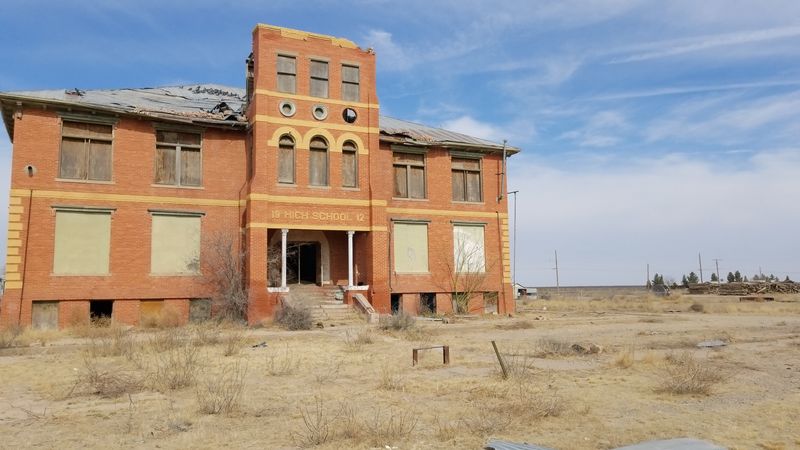
Natural springs bubbled up from the earth, giving life to a town that became a crucial shipping point between El Paso and Fort Worth. Toyah wasn’t just surviving in the harsh West Texas landscape; it was thriving.
Hotels welcomed weary travelers, saloons provided entertainment, and more than 1,000 residents built lives in this desert oasis during the early 20th century.
Water was everything to Toyah. Those springs attracted settlers, supported agriculture, and made the town a logical stop for the railroad.
Businesses flourished, children attended schools, and the community grew with optimism that matched the endless Texas sky.
Tragedy struck when the springs began to dry up, victims of overuse and changing underground water patterns. Without reliable water, farming became impossible, and the town’s appeal vanished.
The railroad, seeing no future in a town without resources, moved its operations elsewhere, taking jobs and hope with it.
Population numbers plummeted as families packed wagons and left for greener pastures. Buildings that once echoed with laughter and commerce stood empty, slowly surrendering to wind and time.
Toyah’s decline serves as a harsh reminder of how quickly fortunes can reverse in unforgiving terrain.
A handful of residents still call Toyah home, but the town is a shadow of its bustling past. Driving through today, you can almost hear the echo of train whistles and see the shimmer of those life-giving springs that once promised prosperity.
4. Barstow
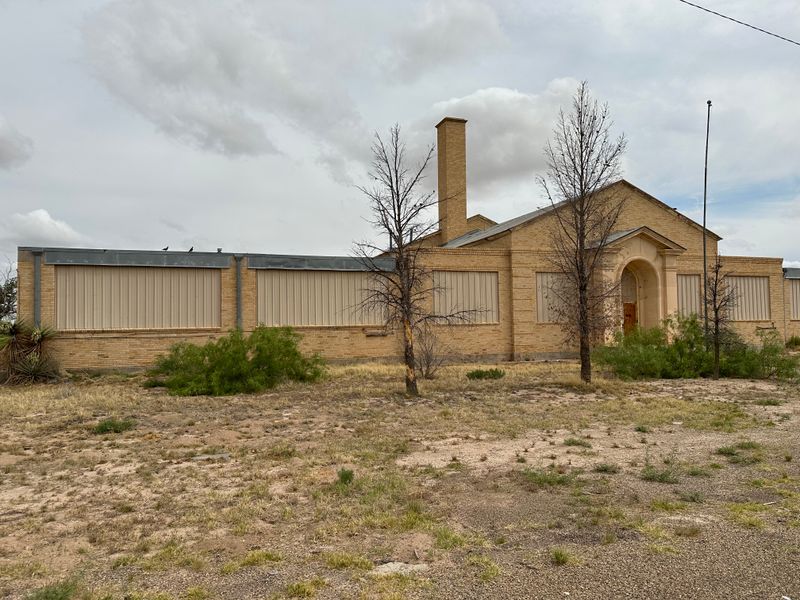
When the Pecos Valley Railway laid tracks through this corner of West Texas in 1891, Barstow sprang to life with remarkable speed. Ranchers, farmers, and entrepreneurs saw opportunity and seized it, building schools, churches, and businesses that gave the community a solid foundation.
This wasn’t a fly-by-night settlement; people came here planning to stay forever.
Barstow had all the ingredients for success: transportation access, fertile land, and hardworking folks determined to carve out prosperity in the desert. Main Street bustled with shoppers, children filled the schoolhouse, and Sunday services brought the whole town together.
Life felt good, and the future looked bright.
But West Texas can be cruel, and a series of droughts turned promising farmland into dusty wasteland. Crops failed year after year, and farmers watched their dreams wither under the relentless sun.
Economic downturns hit hard, and then the Great Depression delivered the knockout punch that sent Barstow reeling.
Families left in waves, seeking work and hope elsewhere. Storefronts that once displayed goods now displayed only cobwebs and decay.
The schools closed, the churches fell silent, and Barstow joined the long list of Texas towns that couldn’t survive when luck ran out.
Today, only a few stubborn souls remain among the empty buildings and crumbling facades. Walking down what’s left of Main Street feels like stepping into a time capsule, where every weathered board tells a story of ambition, community, and heartbreaking loss.
5. Baytown Nature Center
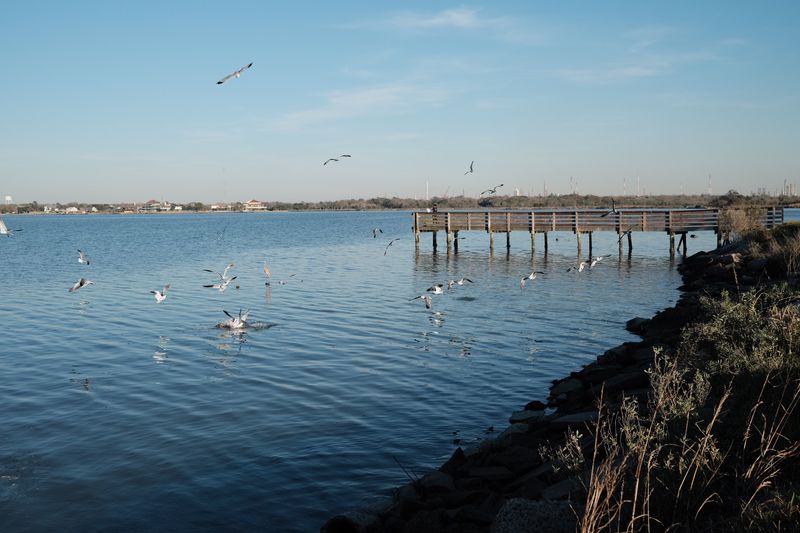
Brownwood was a real neighborhood where real families lived real lives. Kids rode bikes down tree-lined streets, neighbors chatted over fences, and corner stores sold penny candy and cold sodas.
This 450-acre peninsula near Baytown hummed with suburban normalcy, and nobody imagined that nature would one day reclaim every square inch.
Hurricane Alicia roared ashore in 1983 with devastating force, flooding homes and turning streets into rivers. The storm’s fury convinced most residents that staying on this low-lying land was too risky.
Families packed what they could salvage and moved to higher ground, leaving behind houses, memories, and a community that had felt permanent.
Nature wasted no time moving in once humans moved out. Vines crept up walls, trees pushed through foundations, and wildlife discovered a new sanctuary free from human interference.
What was once Brownwood transformed into something entirely different, a wild space where the past and present collide in fascinating ways.
Today, the Baytown Nature Center protects over 300 bird species that call this reclaimed land home. Herons stalk through former driveways hunting for fish, alligators sun themselves where mailboxes once stood, and hiking trails wind past foundations that hint at the neighborhood that was.
Visiting feels like witnessing nature’s incredible power to heal and adapt.
It’s both beautiful and haunting, this place where suburban dreams gave way to wetland reality. The transformation reminds us that humans don’t always get the final say about how land gets used.
Address: 6213 Bayway Dr, Baytown, Texas.
6. Deep Ellum, Dallas
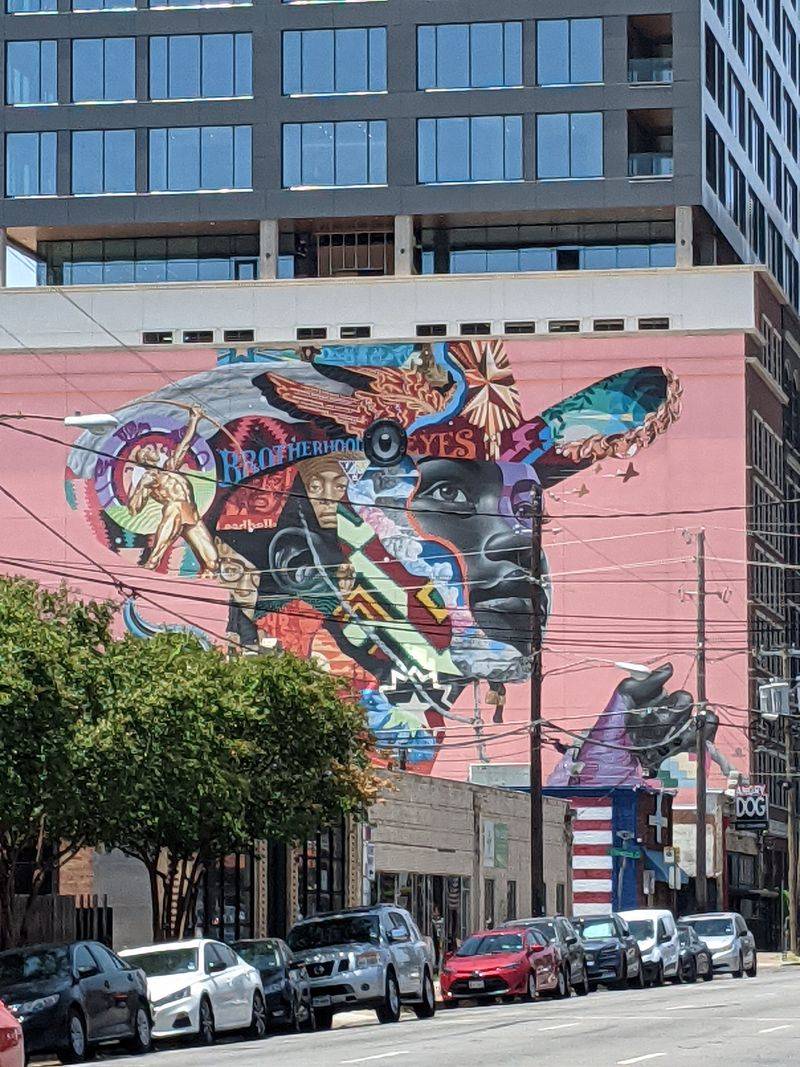
Jazz and blues poured out of every doorway in the 1920s and 1930s, making Deep Ellum the beating heart of Dallas’s music scene. Blind Lemon Jefferson’s guitar wailed into the night, Lead Belly’s voice rumbled through crowded clubs, and musicians from across the South came here to make their mark.
This neighborhood didn’t just have music; it was music, alive and electric and impossible to ignore.
Deep Ellum became a cultural melting pot where Black and white audiences mingled, united by their love of authentic American sound. Record labels set up shop, talent scouts prowled the venues, and legends were born on these gritty streets.
The energy was contagious, and the neighborhood’s reputation spread far beyond Texas.
Mid-century changes brought decline as audiences moved on, venues closed, and the neighborhood lost its musical magic. Buildings fell into disrepair, businesses shuttered, and Deep Ellum became a shadow of its glorious past.
For decades, it seemed like the music had died for good.
But Deep Ellum refused to stay down. Revitalization efforts in the 1980s and 1990s brought new life to old streets.
Artists moved into cheap spaces, galleries opened, and music venues began booking shows again. The neighborhood reclaimed its title as Dallas’s liveliest entertainment district, proving that great culture never truly dies.
Walking through Deep Ellum today, you can feel the ghosts of jazz greats mingling with modern musicians keeping the tradition alive. The walls are covered in vibrant murals, and the air still hums with creative energy.
7. San Jacinto Plaza, El Paso
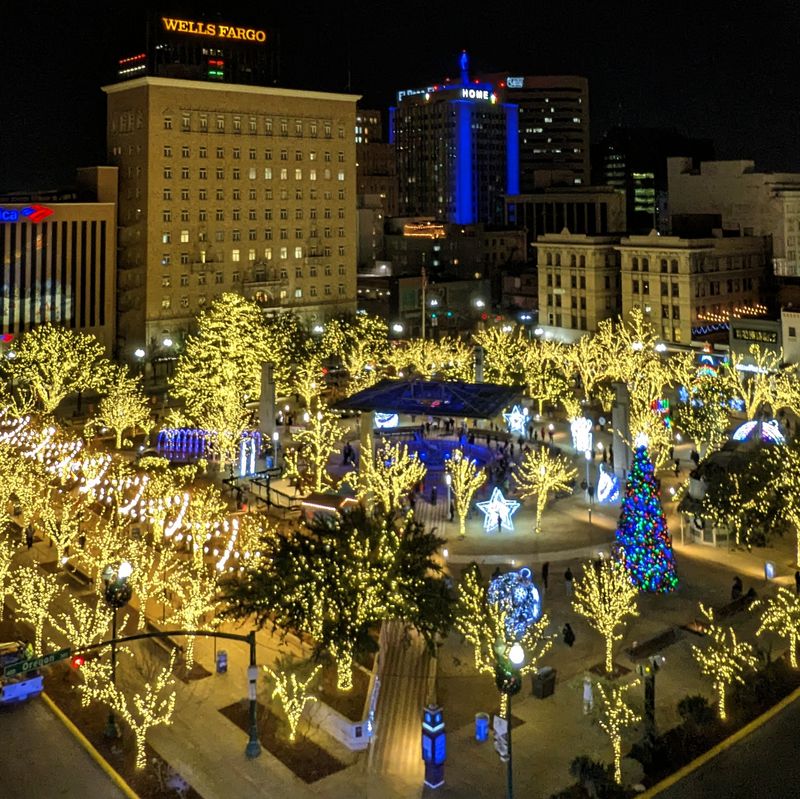
Established in 1881, San Jacinto Plaza became the living room of downtown El Paso, a place where everyone gathered to see and be seen. Families strolled through on Sunday afternoons, businessmen cut deals on park benches, and the plaza served as the city’s central meeting point for generations.
This wasn’t just a park; it was the heart pumping life through El Paso’s streets.
The plaza witnessed El Paso’s transformation from frontier outpost to modern city. Trolley lines connected here, making it a natural transportation hub where all routes converged.
People from every corner of the city passed through daily, creating a constant buzz of activity and conversation.
Over the decades, San Jacinto Plaza underwent multiple remodelings as city planners tried to keep it relevant and appealing. Sometimes these changes worked, sometimes they didn’t, but the plaza remained a fixture of downtown life even as its role evolved.
Transportation patterns shifted, and the plaza adapted to serve new purposes.
Recent years have brought challenges including infrastructure issues and problems with aggressive panhandling that have made some visitors uncomfortable. The plaza struggles to recapture the universal appeal it once enjoyed, though it still functions as a community space and transportation center.
Despite the difficulties, San Jacinto Plaza remains a significant landmark in El Paso’s story. Standing there today, you can imagine the countless footsteps that have crossed this ground and the conversations that have shaped a city’s history, one plaza gathering at a time.
Address: 114 W Mills Ave, El Paso, Texas.
8. Mainland City Centre, Texas City
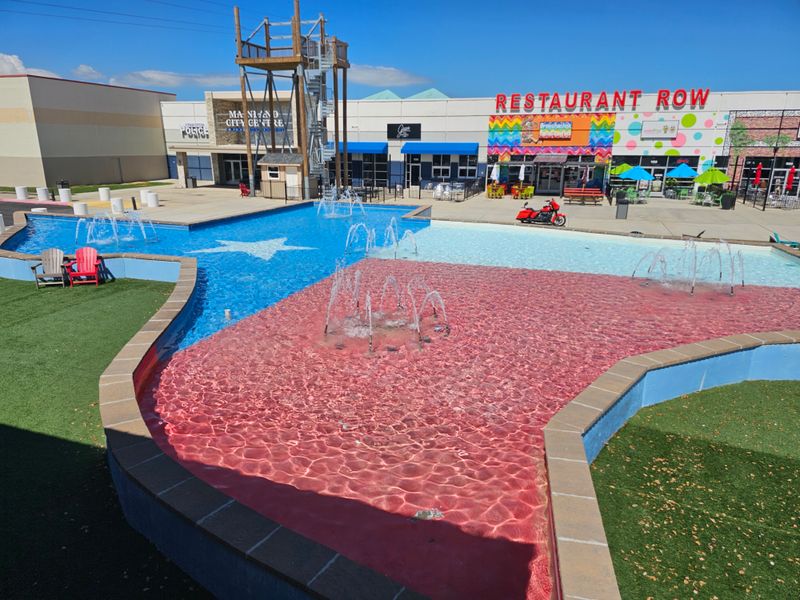
Opening in 1991 as the Mall of the Mainland, this shopping center promised to be Texas City’s retail destination for decades to come. Stores filled every space, shoppers crowded the food court, and the mall became the place where teenagers hung out and families spent Saturday afternoons.
For a while, it delivered on that promise, buzzing with the kind of commercial energy that defines American suburban life.
The glory days didn’t last as long as developers hoped. Competition from newer shopping centers and economic downturns in the 2000s hit hard, draining foot traffic and forcing stores to close.
Walking through the mall became an increasingly lonely experience as empty storefronts multiplied and the crowds thinned to a trickle.
Rather than let the property die completely, developers launched an ambitious redevelopment plan in 2015. The vision was to transform the struggling mall into a premier entertainment and lifestyle center that offered more than just shopping.
New attractions moved in, including the largest World Gym in Texas, giving people fresh reasons to visit.
Mainland City Centre represents a different kind of story than the ghost towns on this list. Instead of fading into oblivion, it reinvented itself and found new purpose.
The transformation shows that not every once-busy place is doomed to abandonment; some adapt and survive by changing with the times.
Visiting today, you can still sense echoes of the original mall’s heyday mixed with the energy of its new identity, a reminder that evolution beats extinction every time.
Address: 10000 Emmett F Lowry Expy, Texas City, Texas.
9. Top O’ Hill Terrace, Arlington
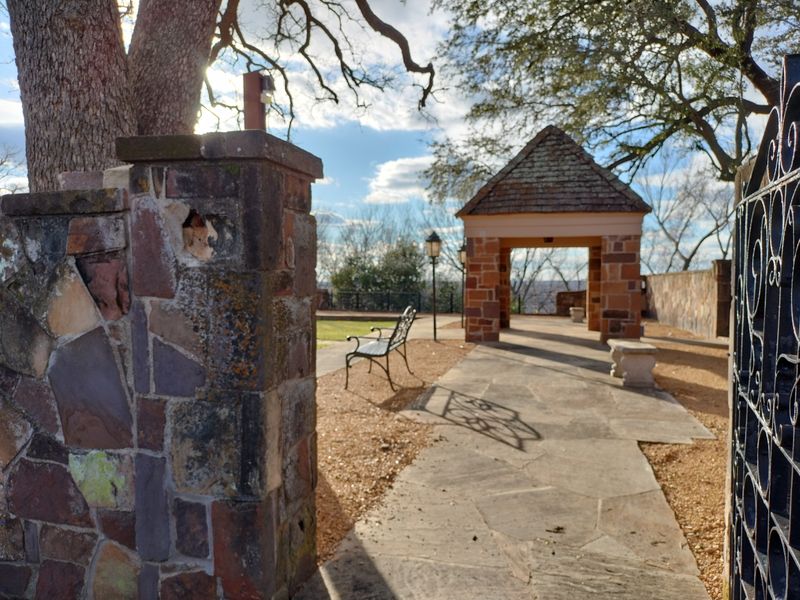
What started as an innocent tea room in the early 1920s became Texas’s worst-kept secret during Prohibition. Top O’ Hill Terrace transformed into a speakeasy and illegal casino that attracted celebrities, high rollers, and anyone looking for a good time in an era when good times were technically against the law.
This wasn’t some dingy backroom operation; it was glamorous, sophisticated, and earned the nickname “the Vegas before Vegas.”
Hidden doors, secret passages, and elaborate warning systems protected the operation from unwanted visitors. When the law came knocking, evidence disappeared faster than a card sharp’s ace, and guests melted into the night through carefully planned escape routes.
The owners ran a tight ship, and for years, Top O’ Hill Terrace operated with impunity.
Celebrities loved the place for its combination of luxury and danger. You never knew who you might spot at the tables, making every visit feel exclusive and exciting.
Money flowed freely, champagne bubbled, and for a brief moment in history, this Arlington hilltop was the hottest spot in Texas.
Repeated raids eventually wore down the operation’s defenses, and by the early 1950s, Top O’ Hill Terrace shut down for good. The buildings didn’t vanish, though; they found new life as part of Arlington Baptist University, a transformation that would have shocked the speakeasy’s original clientele.
Walking the grounds today, it’s hard to imagine roulette wheels spinning and jazz bands playing where students now study. The glamorous past feels like a fever dream, but the buildings remember every secret they once kept.
Address: 3001 W Division St, Arlington, Texas.
10. Dinosaur Valley State Park, Glen Rose
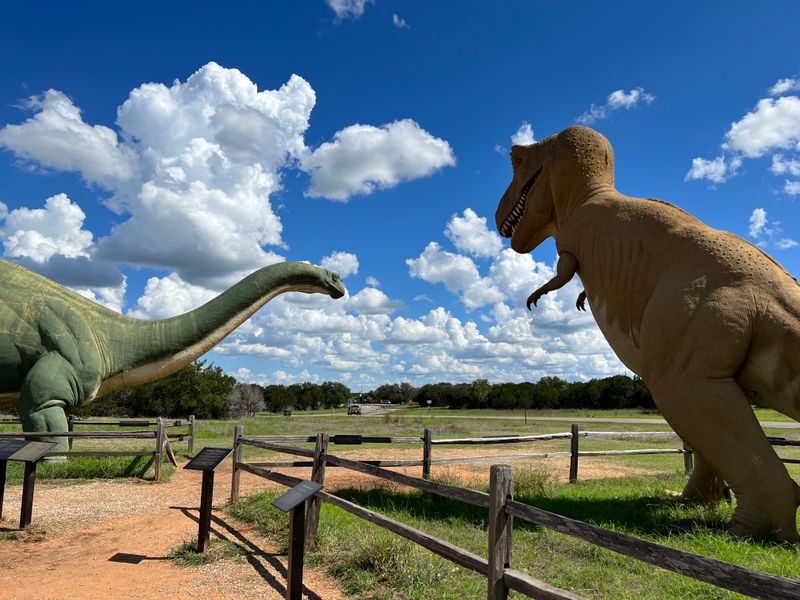
Dinosaurs walked here 113 million years ago, and their footprints remain pressed into the limestone riverbed like ancient autographs waiting to be discovered. Established as a state park in 1972, Dinosaur Valley became a pilgrimage site for paleontologists and dinosaur-obsessed kids alike.
The tracks aren’t replicas or reconstructions; they’re the real deal, genuine prehistoric evidence that makes your imagination run wild.
The Paluxy River runs through the park, sometimes covering the tracks and sometimes revealing them depending on water levels. When conditions are right and the river runs low, visitors can walk right up to footprints left by massive sauropods and fierce theropods.
Touching a track that’s older than you can comprehend creates a connection to deep time that’s impossible to describe.
For decades, this park bustled with visitors eager to see evidence of creatures that once ruled the earth. School groups arrived by the busload, families made it a must-see destination, and serious researchers studied the tracks to learn more about dinosaur behavior and biology.
The park’s popularity made it one of Texas’s busiest natural attractions.
While still open and worth visiting, Dinosaur Valley doesn’t draw the massive crowds it once did. Newer attractions and changing vacation patterns have spread visitors across more options.
The tracks remain as impressive as ever, though, waiting patiently for the next person to stand in awe where giants once walked.
There’s something magical about this place that transcends its current visitor numbers, a timeless quality that reminds us how small we are in the grand scope of history.
Address: Glen Rose, Texas.
Dear Reader: This page may contain affiliate links which may earn a commission if you click through and make a purchase. Our independent journalism is not influenced by any advertiser or commercial initiative unless it is clearly marked as sponsored content. As travel products change, please be sure to reconfirm all details and stay up to date with current events to ensure a safe and successful trip.
