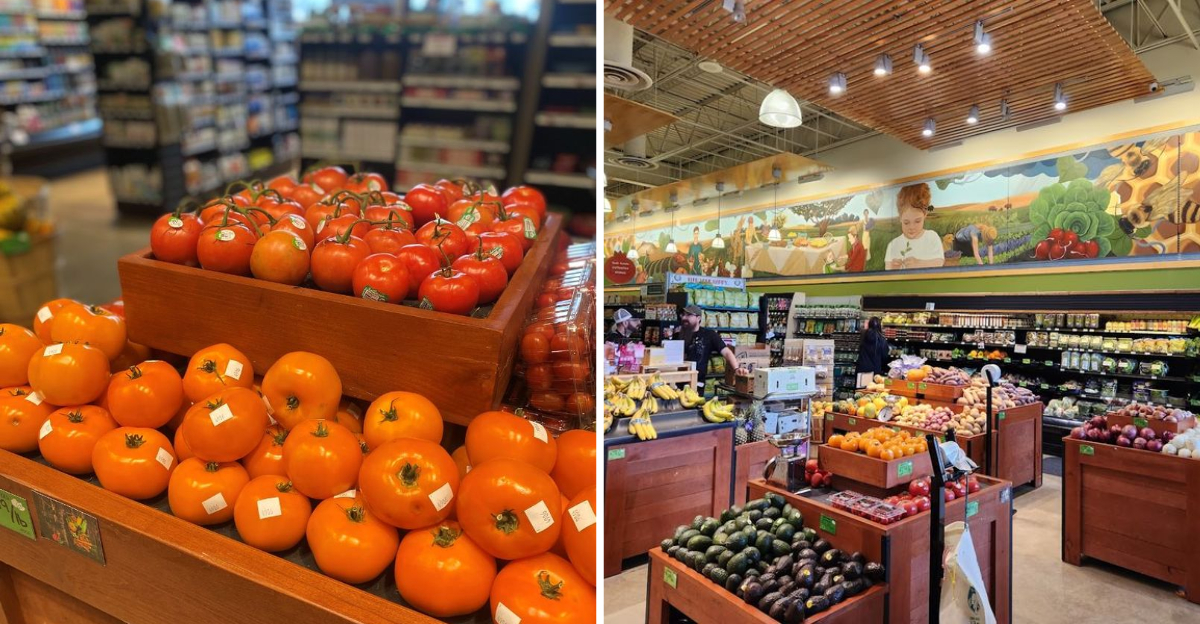
Farmers markets are supposed to be green, right? Local food.
Less driving. Reusable bags.
But some do more than others. This one in South Dakota takes it seriously.
Solar panels on the vendor booths. Compost bins at every corner. A refill station for dish soap and laundry detergent so you can skip buying new plastic bottles.
Even the plates and forks at the food stalls break down in the ground. I walked around with a cup of coffee from a reusable mug program and felt weirdly proud of myself. Shopping local is great.
Shopping local without leaving a pile of trash behind? Even better.
Here is what they are doing right.
Comprehensive Composting System
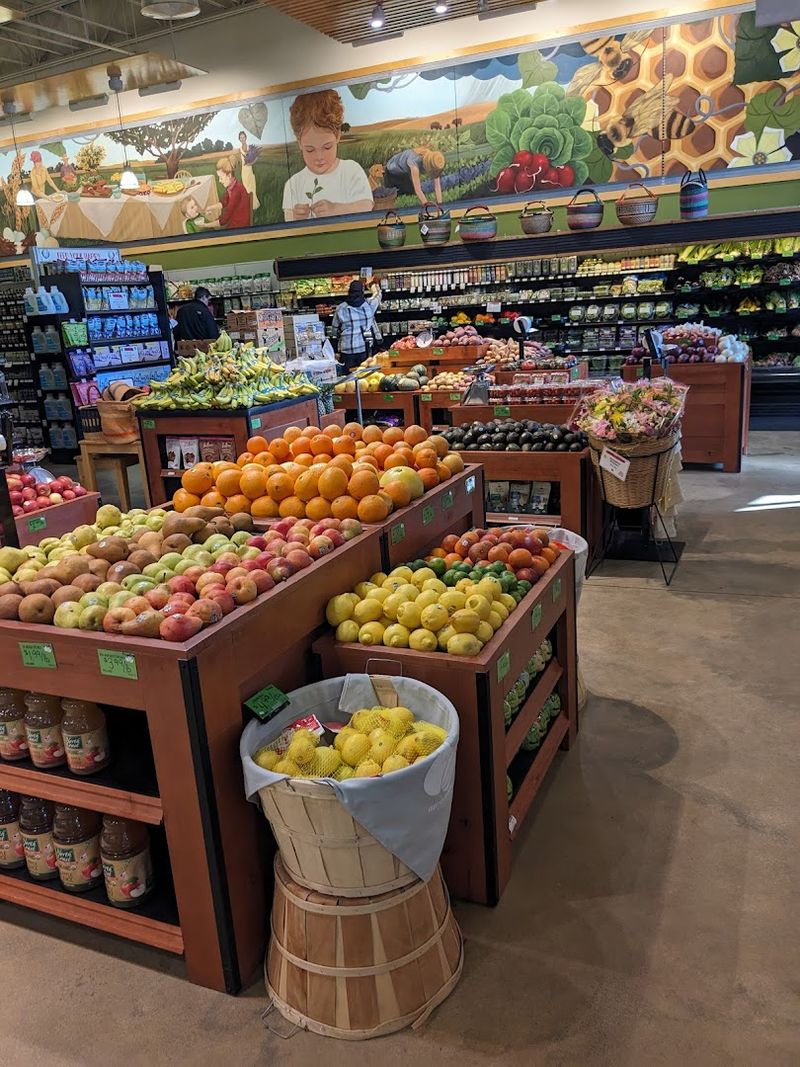
Trash bins are nowhere to be found at Pomegranate Market, which might sound alarming until you realize everything here has a purpose. Instead, bright green composting stations line the perimeter, clearly marked and surprisingly easy to use.
Vendors toss vegetable trimmings, unsold produce, and other organic matter into designated bins throughout the day.
What impressed me most was how seriously everyone takes this system. Market staff actually monitor the stations and help shoppers understand what goes where.
Coffee grounds from the morning rush, wilted lettuce leaves, even the paper napkins all get diverted from landfills.
The collected compost doesn’t just disappear either. Local farmers who sell at the market pick it up weekly to enrich their soil back on their farms.
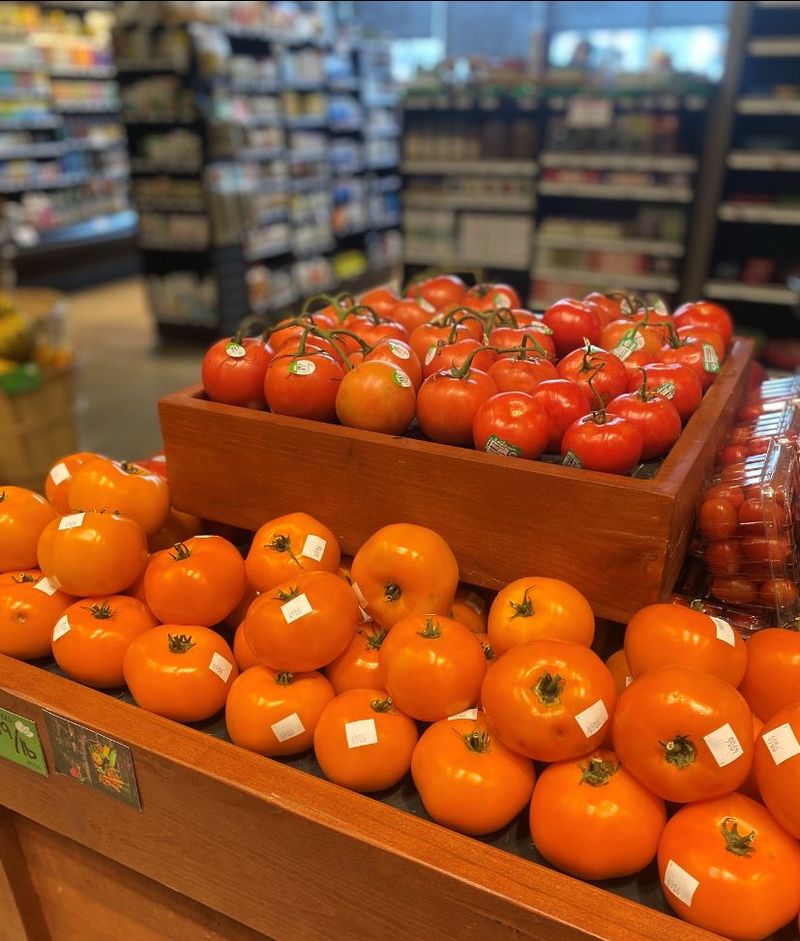
This creates a complete loop where waste from one weekend becomes nutrients for next season’s crops. You can actually see the results when you buy tomatoes or squash grown in that same compost-enriched earth.
During my visits, I noticed how this one practice influences shopper behavior too. People become more conscious about what they’re buying and consuming when they see the entire waste cycle happening right in front of them each weekend.
Community-Wide Reusable Container Program
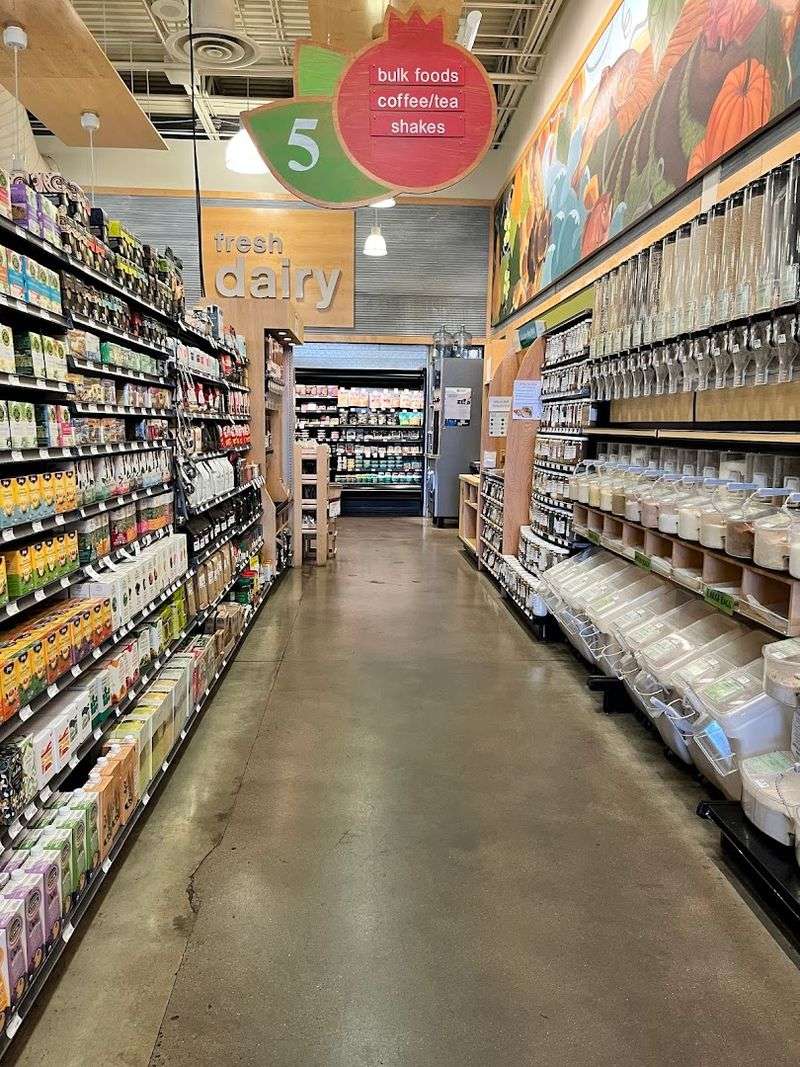
Forget bringing your own bags because Pomegranate Market has created something better. They’ve established a container exchange program that works like a lending library for food storage.
Shoppers can borrow clean glass jars, sturdy cloth bags, and even stainless steel containers at no charge.
Here’s how it works in practice. You grab containers at the entrance, fill them with your purchases, and either bring them back washed next week or keep them for a small deposit.
Vendors weigh your items before filling your container, so you’re not paying extra for the weight. The system eliminates countless plastic bags every single weekend.
I borrowed a set of mason jars for honey and jam purchases, and honestly, it felt so much better than dealing with disposable packaging. The honey vendor even gave me tips on how to clean the jars properly for return.
These containers are commercial-grade and built to last, not flimsy alternatives that break after one use.
The program has grown so popular that some regular shoppers now have their favorite containers they request each week. Market staff wash and sanitize everything between uses in a dedicated cleaning station.
It’s become part of the whole shopping experience rather than an inconvenience.
Prioritizing Local Vendors and Producers
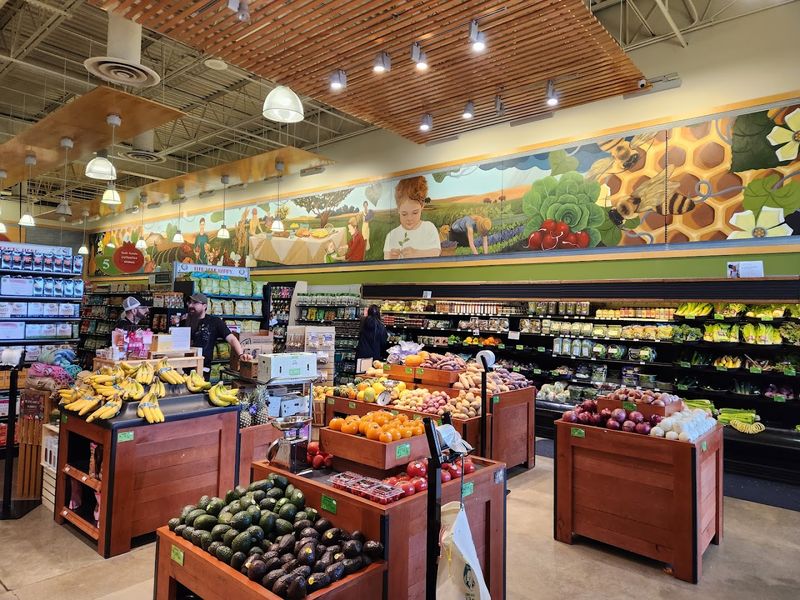
Every single vendor at Pomegranate Market comes from within a 150-mile radius, which might seem like an arbitrary rule until you consider the environmental impact. Shorter transportation distances mean significantly reduced carbon emissions from delivery trucks.
The market coordinators verify each vendor’s location before approval, maintaining strict standards about local sourcing.
You’ll find farmers from small towns across South Dakota selling vegetables they harvested that same morning. Artisan bakers use flour milled in nearby communities, and the cheese makers source milk from regional dairies.
This geographical restriction ensures products are genuinely fresh while keeping the environmental footprint minimal.
What really struck me was meeting a farmer who drives just 30 minutes from her property outside Sioux Falls. She explained how the short distance allows her to pick produce at peak ripeness rather than harvesting early for long-distance shipping.
The difference in taste is noticeable, especially with berries and tomatoes that would normally spend days in transit.
Beyond environmental benefits, this local focus strengthens the regional economy in tangible ways. Money spent at the market circulates through South Dakota communities rather than flowing to distant corporations.
Vendors often collaborate too, sharing resources and supporting each other’s businesses throughout the year.
Plastic-Free Packaging Standards
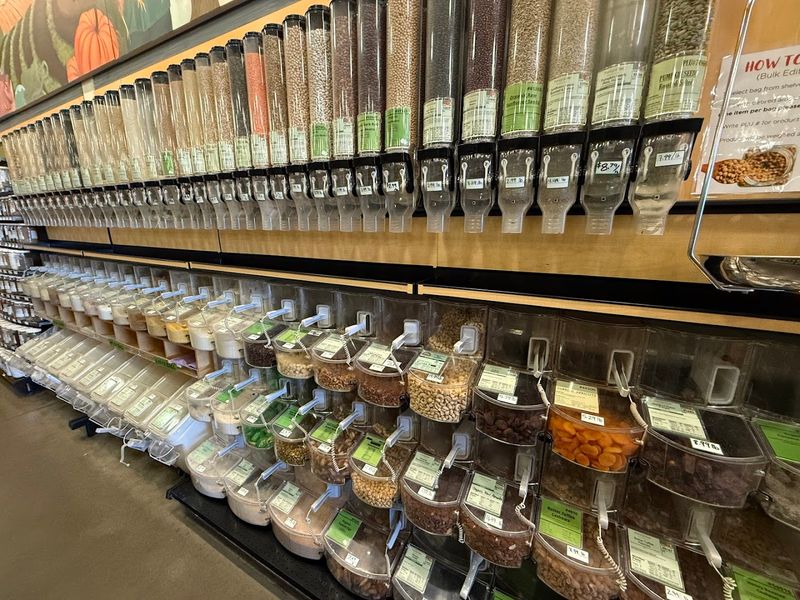
Single-use plastic is essentially banned here, and vendors have gotten creative with alternatives. You’ll see meat wrapped in butcher paper, eggs nestled in recycled cardboard cartons, and baked goods tucked into compostable bags made from plant materials.
Even the twist ties for securing bags are paper-based rather than plastic-coated wire.
One vendor introduced me to beeswax wraps for cheese purchases, which work surprisingly well and can be reused dozens of times at home. Another uses containers made from compressed wheat straw that break down naturally if composted.
The innovation happening at individual stalls demonstrates how much thought goes into every transaction.
Initially, I worried these alternatives might be less convenient or more expensive, but that hasn’t been the case. The paper packaging actually keeps produce fresher longer than plastic, which traps moisture and speeds up decay.
Vendors build packaging costs into their pricing transparently, so you know exactly what you’re paying for.
The market also provides information stations explaining why each packaging choice matters. Little signs describe how long different materials take to decompose and their environmental impact.
This educational component helps shoppers understand they’re not just avoiding plastic for the sake of rules but making choices that genuinely benefit the environment.
On-Site Solar Energy Installation

Look up while browsing the covered sections of Pomegranate Market and you’ll notice solar panels blanketing the roof structures. This installation powers everything from refrigeration units to lighting systems throughout the market grounds.
On sunny South Dakota mornings, the panels generate more electricity than the market needs, with excess power feeding back into the city grid.
The decision to go solar wasn’t just symbolic either. Market organizers calculated the long-term savings and environmental impact before installation.
Now, vendors who need electricity for their equipment plug into renewable power rather than diesel generators. The reduction in noise alone makes for a more pleasant shopping atmosphere, not to mention the elimination of generator fumes.
I chatted with a market coordinator who explained the panels produce enough energy year-round to offset the market’s entire carbon footprint from operations. Even during winter months with shorter days, the system generates substantial power.
Battery storage systems keep essential functions running during early morning setup before sunrise.
What’s particularly clever is how the solar canopies provide shade for shoppers while simultaneously generating clean energy. During summer heat, these shaded walkways make browsing significantly more comfortable.
The dual-purpose design maximizes both environmental benefit and visitor experience without compromise.
Rainwater Collection and Management
Hidden behind vendor stalls sits an extensive rainwater harvesting system that most shoppers never notice. Large collection tanks gather precipitation from roof runoff, storing thousands of gallons for various market needs.
This captured water irrigates the market’s demonstration gardens, cleans surfaces, and even fills the handwashing stations throughout the grounds.
South Dakota doesn’t get endless rain, which makes water conservation even more critical here. The system maximizes every storm by channeling water through filtered collection points before storage.
Market staff showed me how they monitor water quality and ensure it meets standards for its intended uses.
During my summer visits, I watched vendors use this harvested water to mist produce displays, keeping vegetables fresh without tapping into municipal water supplies. The demonstration gardens surrounding the market thrive on this collected rainfall, growing herbs and flowers that add beauty while requiring zero city water.
It’s practical sustainability that makes complete sense.
The storage tanks themselves are positioned strategically to blend with the market’s aesthetic rather than looking industrial. Native plantings around the tanks absorb overflow during heavy rains, preventing flooding while creating habitat for pollinators.
This integrated approach to water management shows how environmental practices can enhance rather than detract from a space’s overall appeal and functionality.
Sustainability Education Center
Tucked near the market entrance, a small education center offers something most farmers markets lack entirely. Interactive displays explain composting techniques, seasonal eating benefits, and ways to reduce household waste.
Free workshops happen monthly, covering topics from home gardening to preserving food without plastic packaging.
I attended a session on starting backyard compost systems and left with practical knowledge I actually use now. The instructors are local experts who volunteer their time, not corporate representatives pushing products.
Real conversations happen here about making sustainable choices within realistic budgets and busy schedules.
Kids particularly love the hands-on demonstrations where they can touch worm composting bins and see how decomposition works up close. Educational materials are available in both English and Spanish, making information accessible to the entire community.
The center also maintains a resource library where people can borrow books about sustainable living practices.
What makes this space valuable is its focus on achievable changes rather than overwhelming perfection. Staff acknowledge that not everyone can do everything, but everyone can do something.
They celebrate small steps like switching to reusable produce bags or composting kitchen scraps. This positive, encouraging approach makes sustainability feel accessible rather than intimidating or judgmental to curious newcomers.
Address: 350 N Reid Pl #100, Sioux Falls, SD 57103
