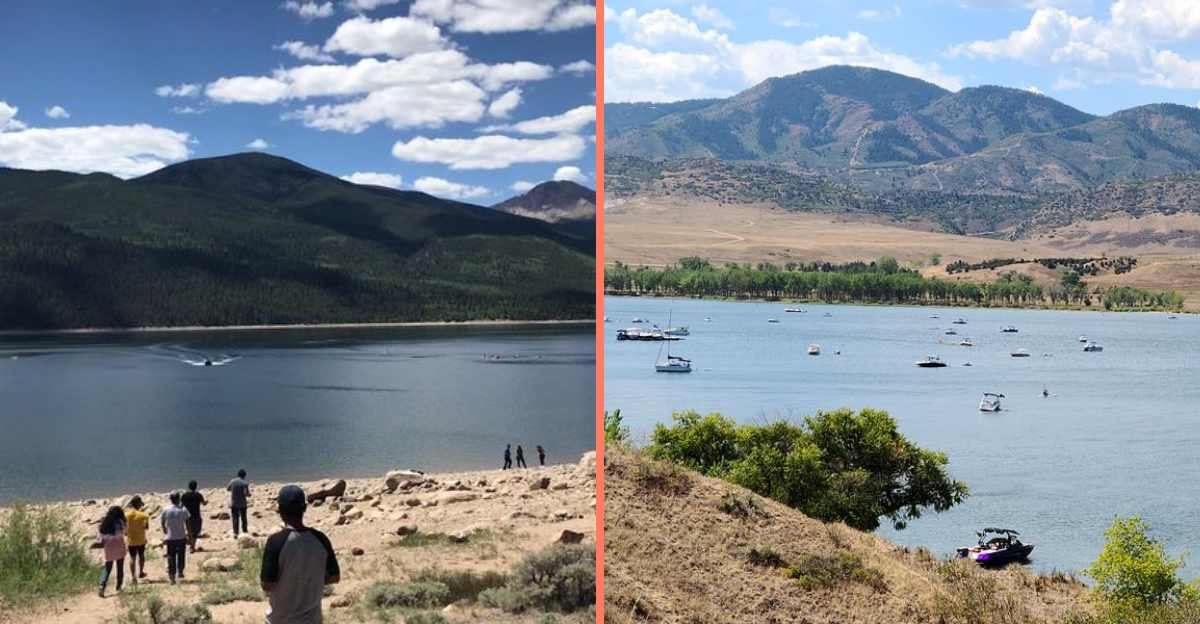
Colorado’s mountain lakes have long drawn visitors seeking crystal-clear waters, dramatic alpine scenery, and outdoor recreation at its finest.
But as more people discover these stunning destinations, many once-peaceful lakeshores now face serious overcrowding problems during peak season.
From reservoirs near Denver to high-country gems tucked among fourteeners, popular Colorado lakes struggle to balance public access with preserving their natural beauty.
Understanding which lakes face the biggest crowds can help you plan smarter trips and discover why managing these precious water resources matters more than ever.
1. Lake Dillon
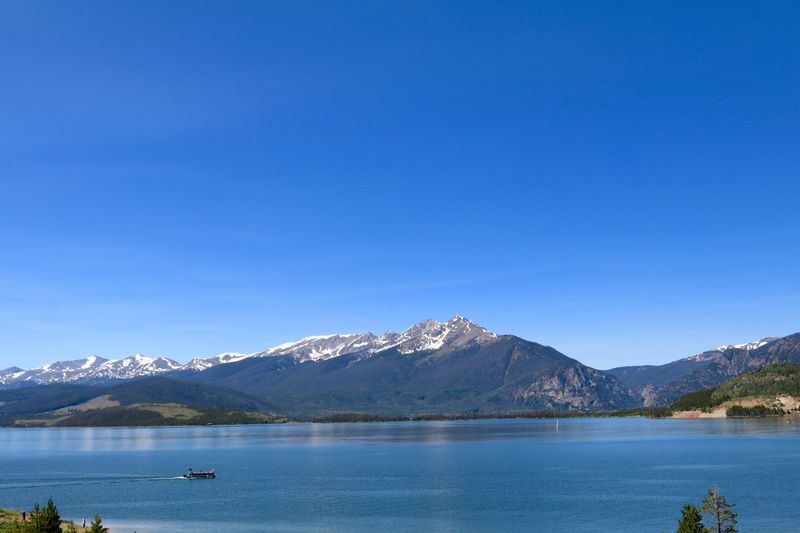
Nestled between Summit County’s famous ski towns, Lake Dillon sits like a sparkling jewel amid towering peaks that attract visitors year-round.
This reservoir serves as both a crucial water supply for Denver and a recreation hub for boaters, paddlers, and cyclists who circle its shores on the popular recreation path.
During summer weekends, the parking lots surrounding the lake fill before mid-morning, forcing late arrivals to circle endlessly or give up entirely.
Shoreline access becomes a competitive sport as families stake out tiny patches of rocky beach, spreading blankets shoulder-to-shoulder with strangers.
The lake’s frigid temperatures, fed by mountain snowmelt, surprise many swimmers who expect warmer conditions based on sunny skies alone.
Constant traffic noise from Highway 9 echoes across the water, replacing the peaceful mountain silence visitors imagine when planning their trips.
Boaters navigate crowded conditions as sailboats, kayaks, paddleboards, and motorboats all compete for space on busy holiday weekends.
The marina operates at maximum capacity throughout peak season, with boat launch wait times stretching to an hour or more.
Wildlife that once thrived along quieter shores now retreats to more remote sections, pushed away by human activity and noise pollution.
Despite these challenges, Lake Dillon remains irresistible to visitors drawn by its stunning backdrop and convenient location near Frisco, Silverthorne, and Breckenridge.
Managing this delicate balance between recreation and preservation continues to challenge local authorities who recognize the lake’s importance to both tourism and water supply.
2. Chatfield Reservoir
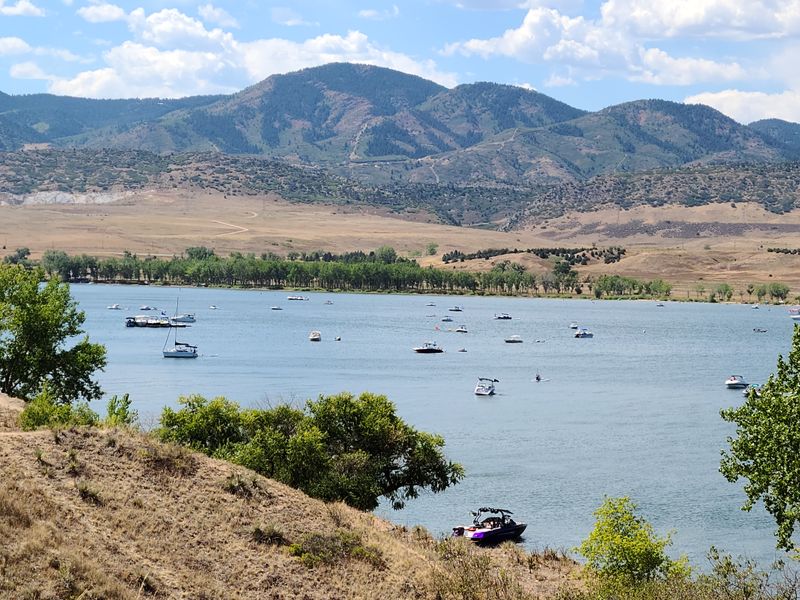
Just southwest of Denver’s sprawling suburbs, Chatfield Reservoir offers quick escape for urban dwellers craving water recreation without lengthy mountain drives.
This convenience comes at a steep price during summer months when entrance lines snake down the access road for miles.
Families arrive before dawn hoping to secure decent camping spots or beach areas, only to find prime locations already claimed by overnight campers.
The water quality varies dramatically throughout the season, often appearing murky or cloudy after storms wash sediment downstream from the South Platte River.
Novice boaters crowd the marina and launch areas, creating chaotic conditions as inexperienced captains struggle with trailers and docking procedures.
Swimming beaches transform into standing-room-only zones where finding a quiet spot to lay a towel becomes nearly impossible on weekends.
The park’s popularity with jet skiers and wakeboarders means constant noise and choppy water conditions that frustrate kayakers and paddleboarders seeking calmer experiences.
Campground reservations book solid months in advance, leaving spontaneous visitors scrambling for alternatives or settling for less desirable sites near busy roads.
Trash accumulation becomes problematic during peak periods despite park staff’s best efforts to maintain cleanliness across the sprawling recreation area.
Wildlife viewing opportunities diminish as human activity displaces birds and mammals that once frequented the reservoir’s quieter coves and inlets.
Yet Chatfield’s proximity to millions of Front Range residents ensures continued heavy use, making overcrowding an ongoing management challenge for Colorado Parks and Wildlife officials.
3. Cherry Creek Reservoir
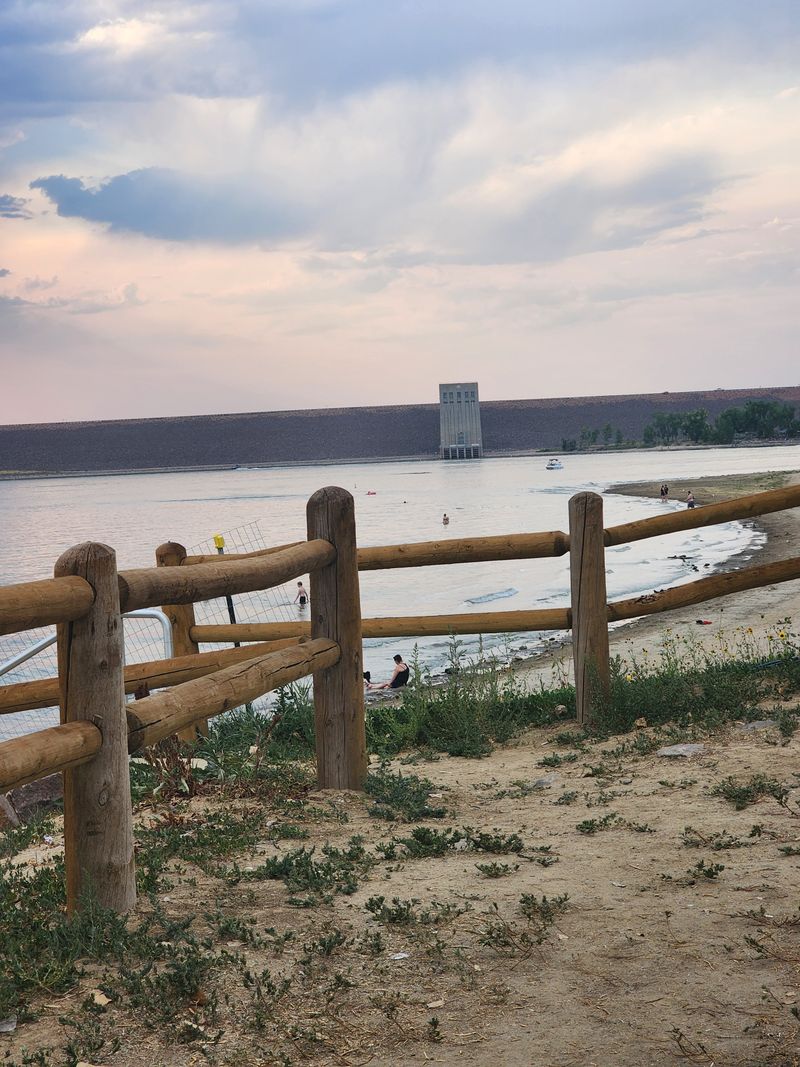
Tucked into Denver’s southeastern suburbs, Cherry Creek Reservoir serves as the city’s backyard water playground, drawing massive crowds seeking relief from summer heat.
Urban location brings both convenience and complications, with jet noise from nearby Denver International Airport punctuating what should be peaceful lakeside afternoons.
The designated swimming beach shrinks noticeably during drought years as water levels drop, concentrating more people into smaller areas.
Water temperature fluctuates wildly between shallow sun-warmed zones and deeper cold spots, creating uncomfortable swimming conditions that catch visitors off guard.
Algae blooms pose recurring problems during hot summer stretches, forcing temporary closures of swimming areas and disappointing families who drove across town specifically for beach time.
Health warnings about water quality appear regularly on park bulletin boards, raising concerns among parents with young children who might accidentally swallow contaminated water.
The marina operates beyond comfortable capacity on holiday weekends, with boat traffic creating congestion that resembles rush hour on Denver’s highways.
Parking fills completely by mid-morning during peak season, turning away disappointed visitors who wasted gas and time attempting to access the overcrowded facility.
Trail users compete for space on the popular recreation path that circles the reservoir, with conflicts arising between cyclists, runners, and casual walkers.
Despite these significant drawbacks, Cherry Creek’s accessibility via light rail and major roads ensures continued popularity among Denver residents lacking transportation to more distant mountain lakes.
Park officials struggle to balance public demand for access with environmental protection needs, implementing reservation systems and capacity limits during the busiest periods.
4. Horsetooth Reservoir
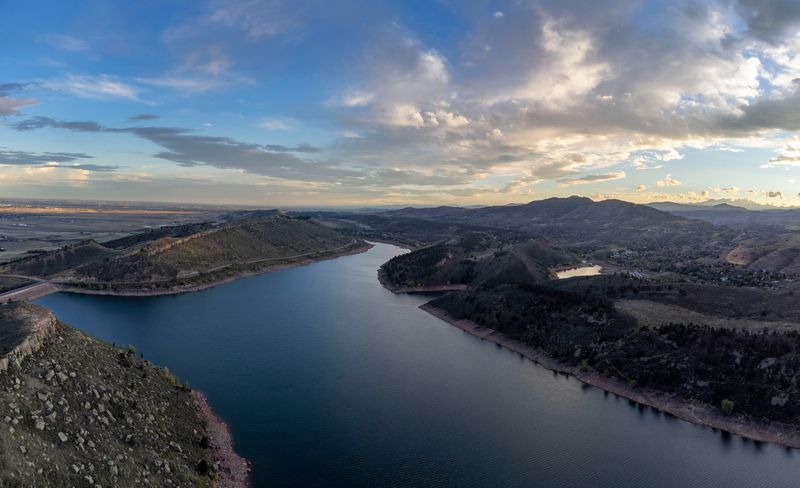
Rising dramatically from the foothills west of Fort Collins, Horsetooth Reservoir’s distinctive rock formations give this popular destination its memorable name and striking appearance.
College students from nearby Colorado State University flock here during warm months, creating a party atmosphere that doesn’t appeal to families seeking quieter recreation.
Rocky shorelines make comfortable beach lounging nearly impossible, forcing visitors to bring substantial padding or accept uncomfortable seating on jagged stones.
Water levels fluctuate significantly throughout the year as irrigation demands draw down the reservoir, exposing muddy banks and reducing usable shoreline access.
Popular camping areas fill up months ahead of summer weekends, requiring advance planning that eliminates spontaneous weekend getaway possibilities.
Boating traffic reaches uncomfortable levels during holidays when powerboats, sailboats, and personal watercraft all compete for space on the relatively narrow reservoir.
Hiking trails surrounding the reservoir see heavy use from Fort Collins residents, creating erosion problems and crowded conditions on popular routes like Horsetooth Rock.
Limited parking at various access points forces overflow vehicles to park along roadsides, creating safety hazards and access problems for emergency vehicles.
Wind conditions can turn fierce without warning, catching inexperienced boaters unprepared and creating dangerous whitecap conditions that swamp small craft.
Despite these challenges, Horsetooth remains Fort Collins’ favorite water recreation destination, with locals defending their beloved reservoir against criticism from disappointed first-time visitors.
Managing increased use while protecting water quality and natural resources continues challenging Larimer County officials responsible for this heavily-used facility.
5. Blue Mesa Reservoir
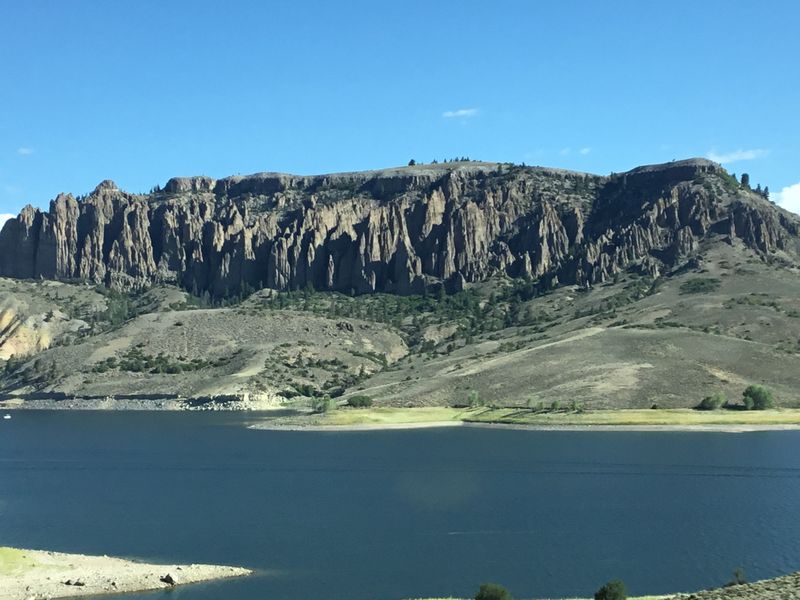
Sprawling across Colorado’s high country near Gunnison, Blue Mesa Reservoir holds the title as the state’s largest body of water, stretching over twenty miles through spectacular canyon scenery.
Anglers travel from across the country chasing trophy trout and kokanee salmon, creating intense competition for prime fishing spots during peak season.
Campground reservations disappear within minutes of becoming available six months in advance, leaving spontaneous travelers scrambling for alternatives in the area.
Nearby lodging in Gunnison and surrounding towns charges premium rates during summer, taking advantage of desperate visitors who failed to secure camping spots.
Popular areas around Elk Creek Marina and Lake Fork become surprisingly congested during July and August despite the reservoir’s massive size.
Boat launches experience long wait times on weekend mornings as fishing guides and recreational boaters all attempt simultaneous access to the water.
The reservoir’s size creates dangerous conditions when afternoon winds whip up suddenly, generating large waves that challenge small boats and inexperienced captains.
Remote sections of the reservoir remain underutilized while developed areas strain under visitor pressure concentrated around marinas and established campgrounds.
Wildlife habitat suffers as human activity expands into previously quiet coves and inlets where birds and mammals once found refuge.
Water level fluctuations for power generation expose mudflats and create navigation hazards that frustrate boaters unfamiliar with changing conditions.
Despite overcrowding issues, Blue Mesa’s reputation for excellent fishing and dramatic scenery ensures continued popularity among Colorado’s outdoor recreation enthusiasts seeking high-country water experiences.
6. Grand Lake
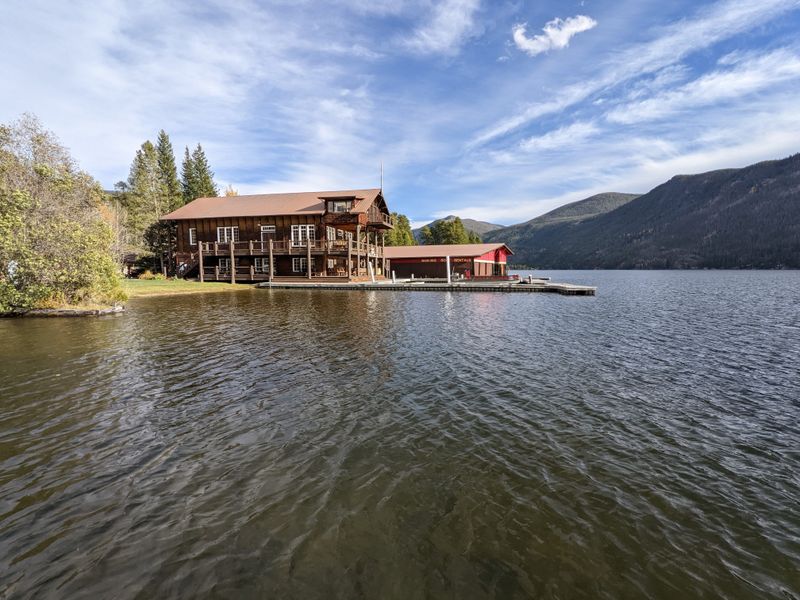
Perched at the western entrance to Rocky Mountain National Park, Grand Lake combines natural beauty with small-town charm that proves irresistible to summer tourists.
Colorado’s largest natural lake attracts boaters, anglers, and sightseers who overwhelm the tiny village’s infrastructure during peak visitation periods.
Main Street parking becomes impossible on summer weekends as day-trippers compete with overnight guests for limited spaces near restaurants and shops.
The lake itself sees heavy traffic from motorboats, personal watercraft, and sailboats, creating noise and congestion that contrasts sharply with the surrounding wilderness setting.
Vacation rental properties have replaced many year-round residences, pricing out local workers and changing the community’s character from authentic mountain town to tourist destination.
Popular hiking trails radiating from the town experience heavy use, with erosion and crowding diminishing the wilderness experience visitors seek.
Restaurants and shops struggle to serve massive summer crowds with limited staff, resulting in long waits and sometimes disappointing service quality.
Nearby Shadow Mountain Lake and Lake Granby absorb some overflow traffic, but the connected waterways all face similar pressure from recreation demand.
Winter brings relief from crowds but creates economic challenges for businesses dependent on short summer seasons to generate annual income.
Balancing tourism economy with quality of life concerns divides the small community between those benefiting from visitor spending and residents frustrated by overcrowding.
Despite these tensions, Grand Lake’s stunning location and historic charm continue attracting growing numbers of visitors each year, intensifying pressure on this small mountain community and its namesake lake.
Address: 1100 Grand Avenue, Grand Lake, Colorado
7. Vallecito Reservoir
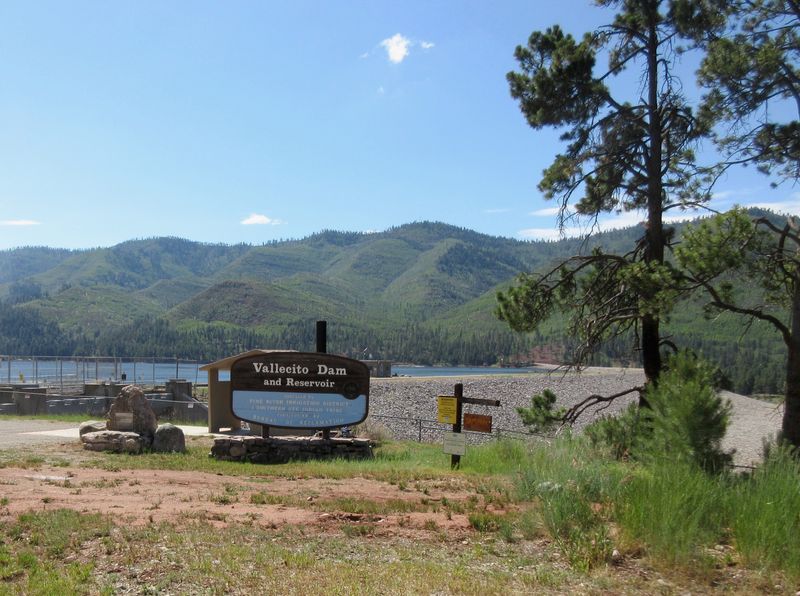
Hidden in southwestern Colorado’s pine-covered mountains near Durango, Vallecito Reservoir once offered peaceful escape for those willing to navigate winding mountain roads to reach its shores.
Growing popularity has transformed this once-quiet destination into a crowded summer hotspot where finding solitude requires significant effort and local knowledge.
Campgrounds surrounding the reservoir book solid throughout summer, with many sites claimed by the same families year after year through advance reservations.
Private cabins and resorts line much of the shoreline, limiting public access and creating frustration for visitors seeking beach areas or boat launches.
The narrow, winding access road becomes congested on summer weekends as vehicles towing boats struggle to navigate tight curves and limited passing zones.
Water levels drop noticeably during drought years, exposing stumps and creating navigation hazards that damage boats and frustrate anglers seeking deeper water.
Popular fishing spots become crowded as anglers compete for productive locations, with territorial disputes occasionally arising between boat fishermen and shore casters.
Limited cell service frustrates visitors accustomed to constant connectivity, though some appreciate the forced digital detox that remote location provides.
Nearby trailheads accessing the Weminuche Wilderness see heavy use from backpackers and day hikers, creating parking shortages and crowded trail conditions.
Wildlife viewing opportunities diminish as human activity pushes elk, deer, and bears away from easily accessible areas into more remote terrain.
Despite overcrowding concerns, Vallecito’s combination of excellent fishing, scenic beauty, and proximity to Durango ensures continued popularity among southwestern Colorado’s outdoor recreation enthusiasts seeking mountain lake experiences.
8. Pueblo Reservoir
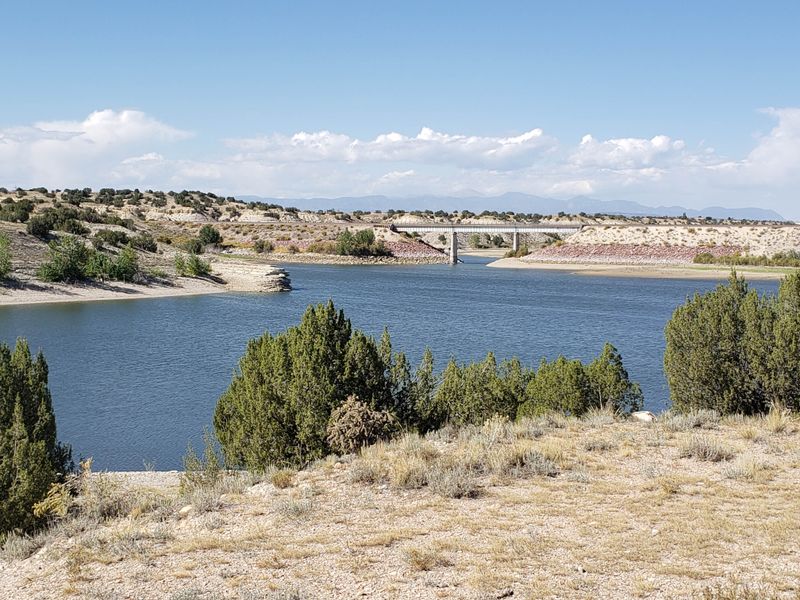
Sprawling across the high desert landscape south of Pueblo, this massive reservoir provides crucial water storage and recreation opportunities for southeastern Colorado’s population.
Scorching summer temperatures drive locals to the water in droves, creating beach crowding that rivals popular ocean destinations during peak heat waves.
Strong winds that whip across the open landscape create challenging conditions for small boats and inexperienced paddlers attempting to navigate the reservoir’s expansive waters.
Limited shade along rocky shorelines offers little relief from intense sun exposure, requiring visitors to bring elaborate shade structures or accept uncomfortable conditions.
Water quality concerns arise periodically as algae blooms develop in warm, shallow areas during hot summer stretches, prompting health warnings and swimming restrictions.
Popular north shore recreation areas fill completely on holiday weekends, turning away disappointed visitors who drove significant distances expecting guaranteed access.
Campgrounds book months ahead for prime summer dates, forcing spontaneous visitors to seek alternative accommodations in Pueblo or surrounding communities.
Jet ski and powerboat traffic creates constant noise and choppy water conditions that frustrate anglers and paddlers seeking quieter recreation experiences.
Rocky beaches prove uncomfortable for families with young children, requiring substantial padding and careful supervision to prevent injuries from sharp stones.
Despite these drawbacks, Pueblo Reservoir remains the primary water recreation destination for southeastern Colorado residents lacking easy access to mountain alternatives.
State park officials work continuously to balance heavy recreation demand with environmental protection needs, implementing capacity limits and reservation systems during peak periods to manage overwhelming visitor pressure.
9. Twin Lakes
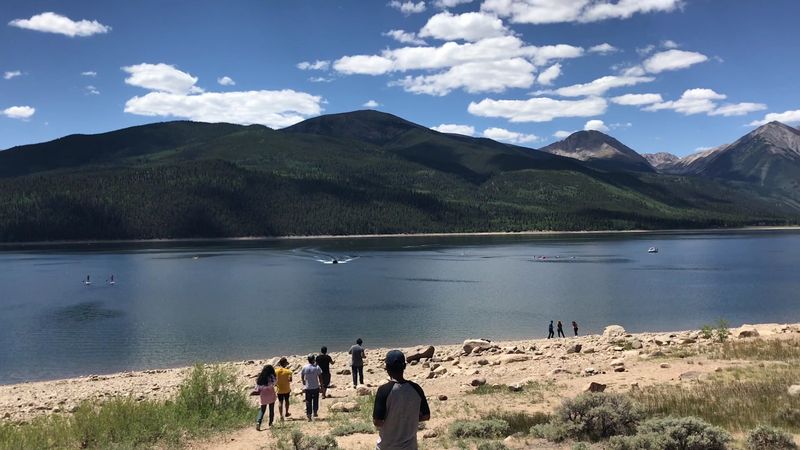
Resting beneath Colorado’s highest peaks near Leadville, Twin Lakes offers postcard-perfect alpine scenery that draws photographers, paddlers, and peak-baggers attempting nearby fourteeners.
Mount Elbert, Colorado’s tallest mountain, looms over the connected reservoirs, attracting hundreds of daily hikers during summer who crowd trailheads and parking areas.
Limited lodging options in the tiny community fill months ahead of summer weekends, forcing visitors to commute from Leadville or more distant towns.
The narrow highway skirting the lakes’ northern shore becomes congested as sightseers stop repeatedly for photos, creating traffic backups and safety concerns.
Popular kayaking and paddleboarding opportunities draw crowds to limited launch areas, where parking fills early and conflicts arise over access rights.
Cold water temperatures, even during mid-summer, surprise swimmers expecting warmer conditions based on sunny skies and high-elevation sunshine intensity.
Afternoon winds funnel down from surrounding peaks, creating whitecap conditions that challenge inexperienced paddlers and small watercraft.
Historic buildings and remnants from mining era attract history buffs, adding another visitor category to already crowded recreation areas.
Dispersed camping areas surrounding the lakes see heavy use, with environmental damage visible from repeated occupation of popular sites lacking formal management.
Fishing pressure remains intense as anglers pursue trout in the clear waters, with popular spots becoming crowded and competitive during peak season.
Despite overcrowding challenges, Twin Lakes’ spectacular setting and access to high-country adventures ensure continued popularity among Colorado outdoor enthusiasts seeking authentic alpine experiences within reasonable driving distance from Front Range population centers.
10. Turquoise Lake
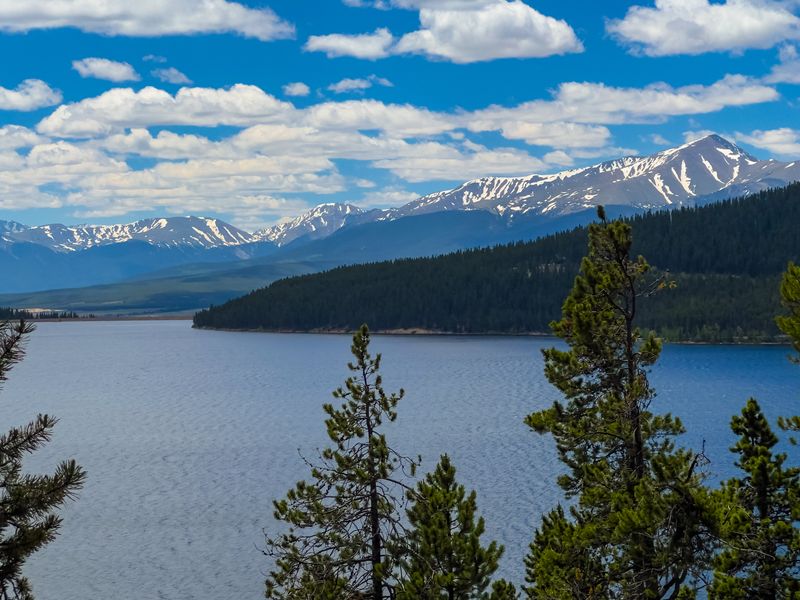
Circling through pine forests above Leadville at over 9,800 feet elevation, Turquoise Lake lives up to its colorful name with brilliant blue waters that captivate first-time visitors.
Proximity to historic Leadville and access to multiple fourteeners makes this high-elevation reservoir a base camp for peak-baggers and mountain bikers exploring surrounding trails.
Numerous campgrounds ringing the lake fill completely throughout summer, with reservations disappearing quickly once the booking window opens months in advance.
The popular recreation trail circling the reservoir sees heavy use from mountain bikers, trail runners, and hikers, creating conflicts between user groups traveling at different speeds.
Limited boat ramps create bottlenecks during busy weekends as anglers and recreational boaters compete for access to the relatively small launch facilities.
High elevation brings intense sun exposure and rapid weather changes that catch unprepared visitors off guard, with afternoon thunderstorms developing suddenly over surrounding peaks.
Cold water temperatures remain challenging throughout summer, limiting comfortable swimming opportunities despite beautiful sunny conditions that suggest warmer water.
Popular fishing spots become crowded as anglers pursue rainbow and brown trout, with shore casting areas filled shoulder-to-shoulder during peak morning hours.
Day-use areas overflow on holiday weekends, forcing overflow parking along the narrow forest road that circles the lake and creates safety concerns.
Wildlife that once frequented shoreline areas now avoids developed sections, pushed into more remote terrain by constant human activity and noise.
Despite these overcrowding issues, Turquoise Lake’s stunning beauty, excellent fishing, and convenient location near Leadville ensure continued heavy use throughout the brief high-country summer season.
Dear Reader: This page may contain affiliate links which may earn a commission if you click through and make a purchase. Our independent journalism is not influenced by any advertiser or commercial initiative unless it is clearly marked as sponsored content. As travel products change, please be sure to reconfirm all details and stay up to date with current events to ensure a safe and successful trip.
