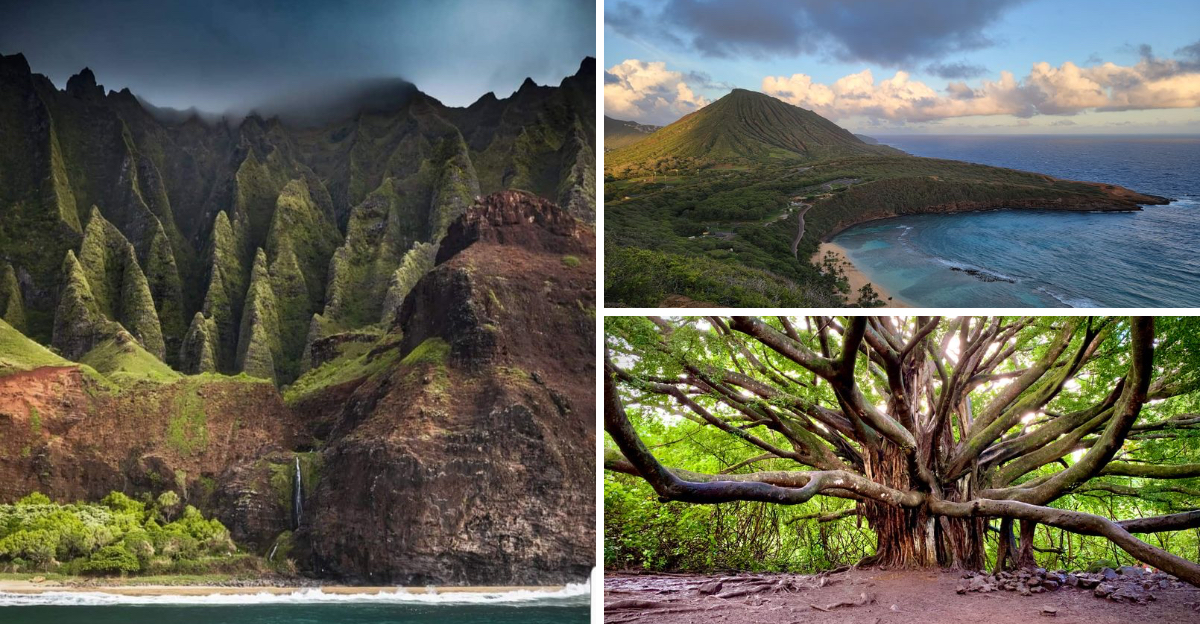
Hawaii offers some of the most breathtaking hiking experiences in the world, where volcanic landscapes meet tropical rainforests and ocean views stretch for miles.
Thousands of visitors flock to the islands each year, eager to explore trails that promise adventure and natural beauty.
However, some of the most famous hikes come with unexpected challenges: overwhelming crowds, difficult permit systems, and parking nightmares that can turn a dream trek into a stressful ordeal.
Understanding which trails see the heaviest visitor traffic can help you plan smarter and decide whether the hype matches your expectations.
1. Kalalau Trail on Kauai’s Na Pali Coast
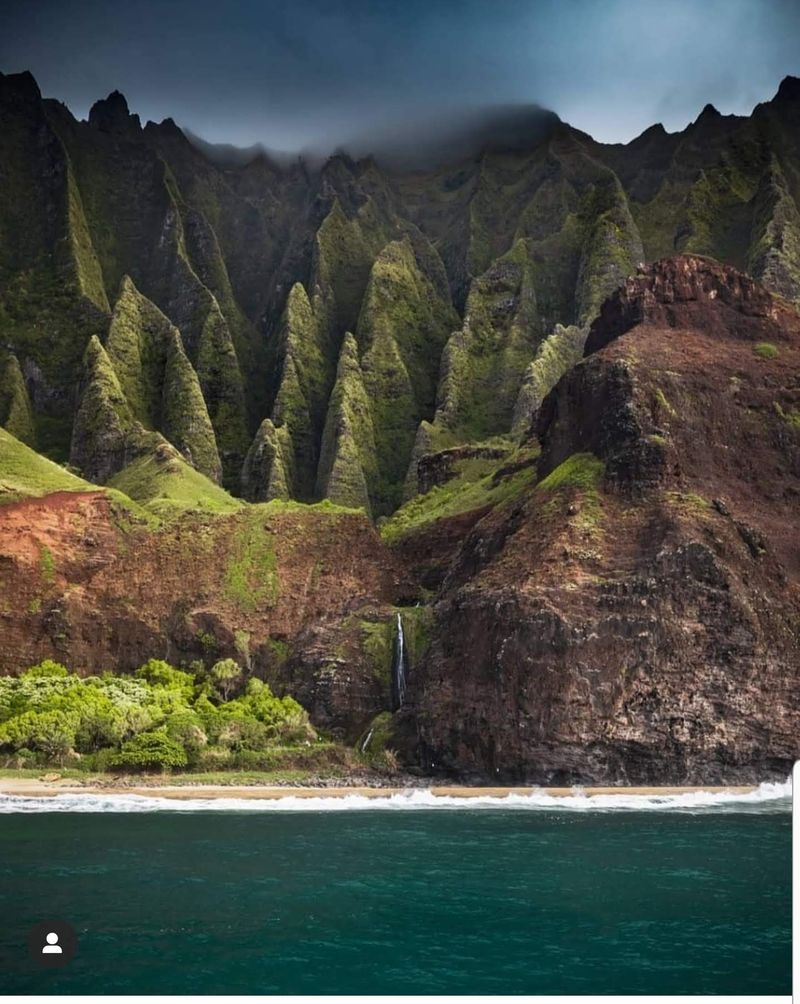
For anyone who has scrolled through photos of the Na Pali Coast, the Kalalau Trail feels like the ultimate Hawaii adventure.
Yet the reality often falls short of those glossy images.
Permits are mandatory and extremely limited, making advance planning a necessity rather than an option.
Reservations open months ahead, and securing a spot requires persistence and flexibility.
The trail itself stretches along exposed cliffside sections where mud and rain create treacherous conditions.
Streams that look gentle in dry weather can swell dangerously after storms, blocking progress or forcing turnarounds.
Many visitors underestimate the physical demands and environmental risks, arriving unprepared for the rugged eleven-mile journey to Kalalau Beach.
Crowds concentrate near the trailhead and at popular camping zones, especially during peak travel seasons.
Rangers enforce rules strictly, and the logistics of permits, gear, and weather monitoring can overshadow the experience itself.
Some hikers spend more energy managing paperwork than absorbing the coastal beauty.
Locals familiar with Kauai’s terrain often suggest shorter alternatives that capture the same dramatic scenery without the stress.
The Hanakapa’ai Trail offers a taste of the Na Pali landscape in a more manageable two-mile round trip.
Boat tours provide another way to witness the towering cliffs and hidden valleys from the water, avoiding trail congestion entirely.
These options let you appreciate the wild character of the coastline while keeping the focus on enjoyment rather than endurance.
Current trail conditions and permit availability change frequently, so checking the official National Park Service website before your trip is essential.
Weather patterns in this part of Hawaii shift quickly, and what starts as a sunny morning can turn into a slippery challenge by afternoon.
Packing layers, sturdy footwear, and plenty of water makes a significant difference.
If you decide to tackle Kalalau, prepare thoroughly and stay flexible with your plans.
The trail rewards those who respect its challenges, but it demands careful preparation and realistic expectations.
2. Diamond Head Crater Trail on Oahu
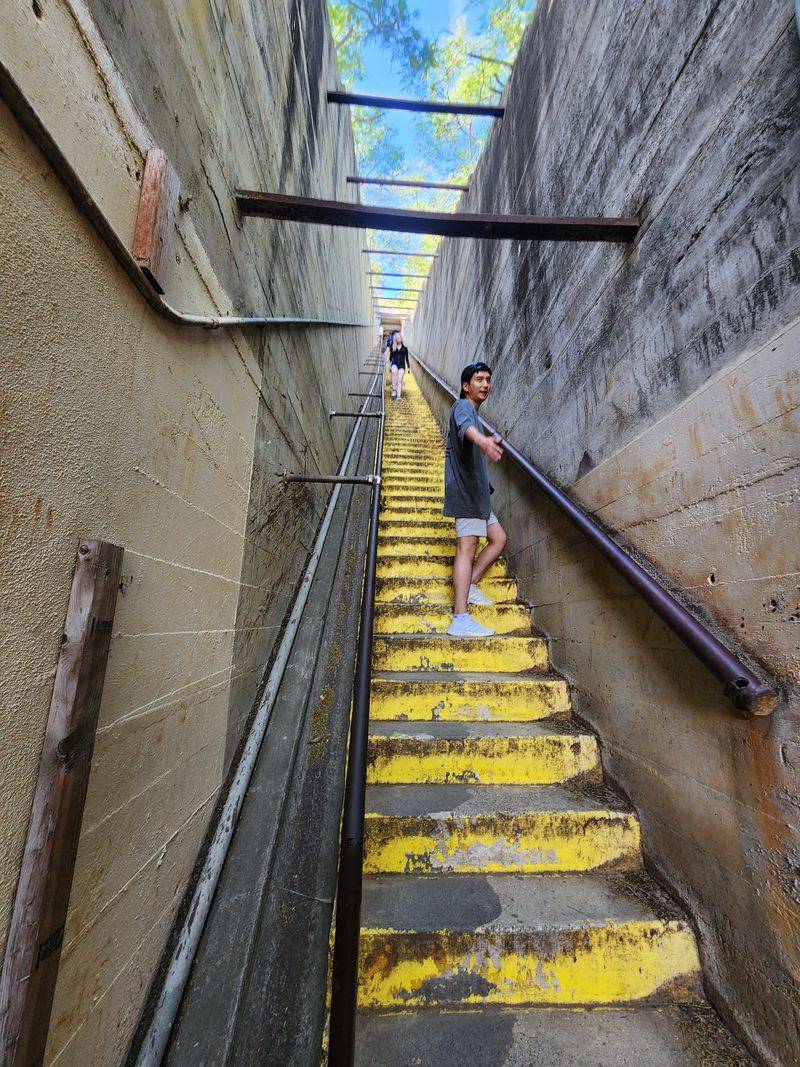
Walking up Diamond Head has become almost a ritual for visitors arriving in Hawaii, yet the experience rarely matches the postcard promise.
The parking lot fills early, and by mid-morning, the trail resembles a busy sidewalk more than a nature hike.
Narrow switchbacks funnel everyone into a single-file line, and the famous staircase section often turns into a slow shuffle.
Reaching the summit brings relief, but the viewing platform quickly becomes packed with people jostling for space and angles.
Views of Waikiki and the Pacific stretch out below, iconic but not necessarily serene.
Some locals joke that Diamond Head feels more like an urban attraction than an outdoor escape, memorable for the crowds rather than the solitude.
Reservations are now required year-round, with timed entry slots that fill weeks in advance during busy periods.
Walk-ins are no longer an option, so spontaneous visits are out of the question.
Even with a reservation, expect to share the trail with hundreds of others at any given time.
The lack of shade makes midday climbs particularly challenging, and the heat radiating off the paved sections can be intense.
Bringing plenty of water and sun protection is non-negotiable, especially during summer months.
Many visitors look exhausted by the time they reach the top, more focused on catching their breath than enjoying the view.
For those seeking a more peaceful Oahu hike with equally impressive vistas, alternatives like Koko Head or Makapu’u Lighthouse offer stunning scenery without the constant parade of tour groups.
Koko Head challenges with its steep railway stairs, but the summit delivers sweeping coastal panoramas in a quieter setting.
Makapu’u, though also popular, spreads crowds out more effectively along its paved path.
Both trails let you experience the beauty of Oahu’s southeastern coast without the shoulder-to-shoulder atmosphere that defines Diamond Head.
If you have your heart set on this iconic crater, book early and arrive at your designated time with patience and realistic expectations.
The hike itself is short, but the experience is shaped more by logistics and crowds than by natural wonder.
3. Manoa Falls Trail in Honolulu
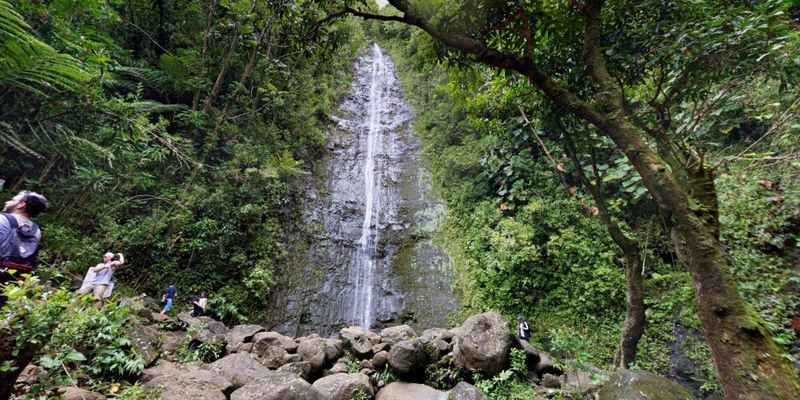
Stepping onto the Manoa Falls trail feels less like entering a peaceful forest and more like joining a parade.
Tour groups, families, and casual walkers fill the path, especially after morning rain showers turn the ground into a slippery mud track.
The trail itself is relatively short, winding through a dense rainforest canopy that drips with humidity and occasional showers.
At the end, a tall waterfall cascades down a rocky face, framed by ferns and moss-covered stones.
Photogenic, yes, but also perpetually surrounded by people angling for the perfect shot.
Swimming is prohibited due to water quality concerns and safety risks, a rule that surprises many first-time visitors.
Without the option to cool off, most people snap a few photos and retrace their steps back to the trailhead.
The constant foot traffic keeps the trail muddy, and the afternoon showers common in this valley add another layer of challenge.
Locals generally avoid Manoa Falls unless showing visiting relatives around, preferring quieter rainforest hikes that offer similar beauty without the bustle.
Trails like Lulumahu Falls or the Judd Trail provide waterfall views and lush scenery in a more tranquil setting.
These alternatives require a bit more effort to reach, which naturally filters out some of the crowd.
Flash flooding can affect access to Manoa Falls after heavy rains, so checking for temporary closures before heading out is a smart move.
The trail is maintained, but conditions change quickly in this wet, tropical environment.
Wearing shoes with good grip is essential, and bringing a lightweight rain jacket can save you from an uncomfortable hike back.
Starting early in the morning offers the best chance of avoiding the largest groups, though even sunrise hikes are becoming more popular.
The beauty of the rainforest is undeniable, with towering trees and vibrant greenery at every turn.
However, the sheer volume of visitors can make it hard to appreciate the natural surroundings in a meaningful way.
For a more immersive experience, consider exploring one of Oahu’s lesser-known trails where the focus stays on nature rather than navigating through crowds.
4. Makapu’u Lighthouse Trail on O’ahu’s Eastern Tip
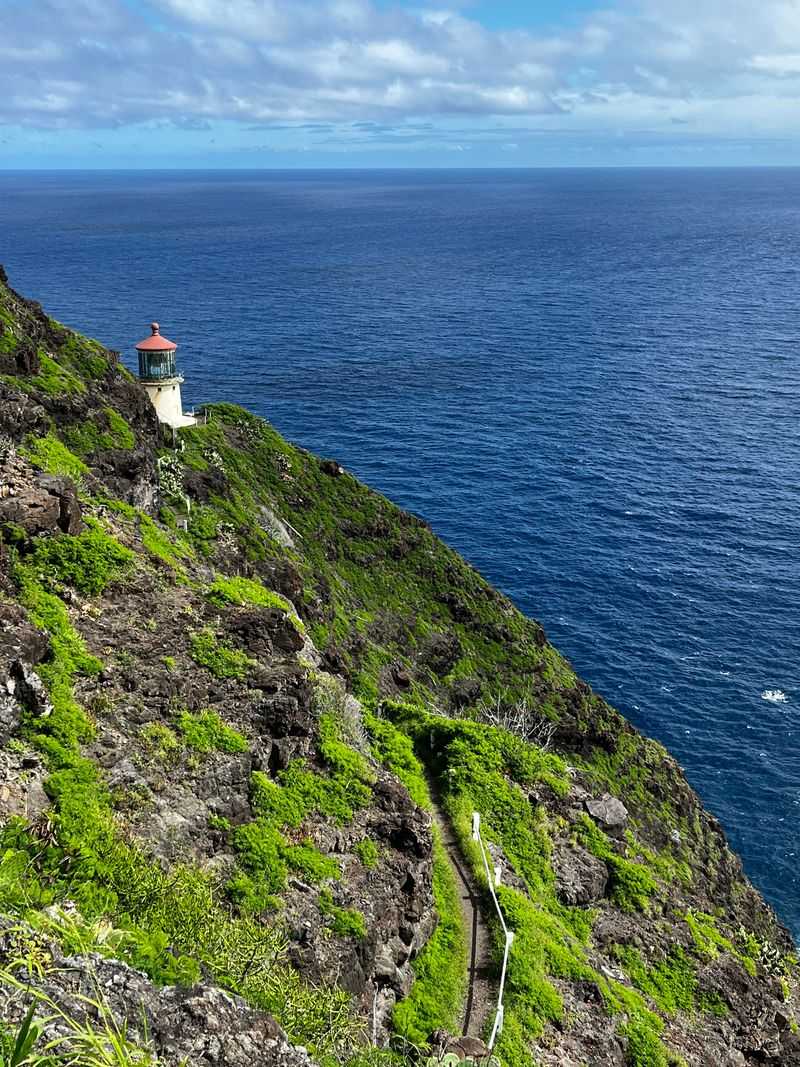
Makapu’u Lighthouse Trail appears on nearly every list of essential O’ahu hikes, praised for its accessibility and stunning ocean views.
The paved path makes it easy for families with strollers and visitors of all fitness levels, but that convenience comes with a price.
Weekends and holidays bring a flood of hikers, turning the trail into a slow-moving procession uphill.
Parking overflows quickly, and recent changes may include timed entry or parking restrictions during peak periods to manage the crowds.
As you climb, the lack of shade becomes increasingly noticeable, especially during midday when the sun beats down on the black asphalt.
The trail feels more like a wide sidewalk than a wilderness path, and the constant stream of joggers, tourists, and tour groups can disrupt any sense of solitude.
At the summit, the red-roofed lighthouse stands against the deep blue Pacific, a scene that looks stunning in photos.
However, the lookout platforms quickly fill with people, all competing for space and angles.
The experience can feel more like waiting in line at a popular attraction than enjoying a quiet moment in nature.
Locals often describe Makapu’u as a beautiful walk that has simply become too popular for its own good.
For those seeking similar coastal views without the crowds, the nearby Kaiwi Shoreline offers dramatic cliffs and ocean vistas in a more peaceful setting.
The tidepools below the trail can also be explored during calm ocean conditions, though caution and attention to safety signage are essential.
These alternatives capture the rugged beauty of O’ahu’s southeastern coast without the shuffle of hundreds of fellow hikers.
Timing your visit to Makapu’u can make a difference, with early mornings or late afternoons offering slightly fewer crowds.
Bringing plenty of water and sun protection is critical, as the exposed path provides no relief from the heat.
Hats, sunglasses, and sunscreen are non-negotiable items for this hike.
The views are undeniably gorgeous, with sweeping panoramas of the coastline and, during whale season, occasional sightings of humpbacks breaching offshore.
Yet the atmosphere often feels more like a busy public park than a serene island escape.
5. ‘Iao Needle Lookout Trail in Central Maui
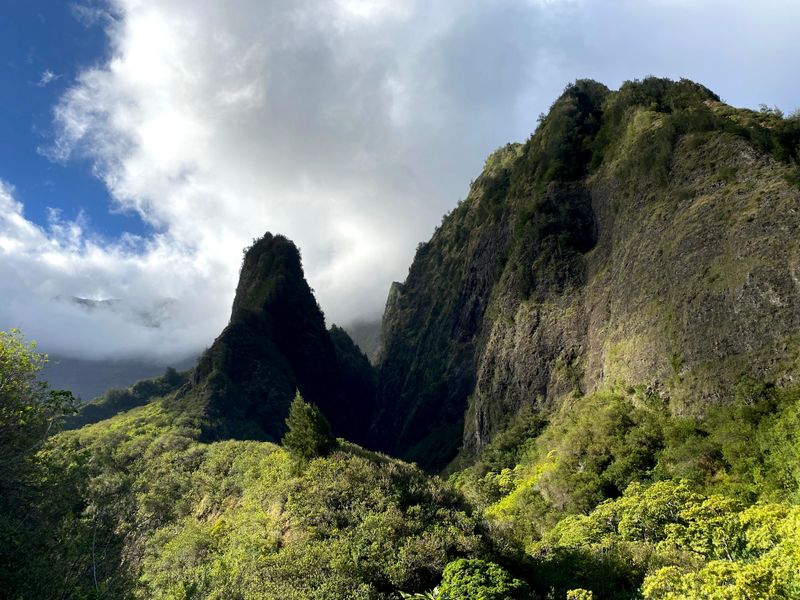
Every guidebook highlights the ‘Iao Needle, a towering green spire that rises dramatically from the valley floor.
The short, paved trail leading to the overlook makes it accessible for nearly everyone, which also means it attracts constant waves of visitors.
Tour buses arrive throughout the day, unloading groups that fill the narrow walkways and viewing platforms.
Parking may require a small fee, and weekends see the heaviest traffic, with cars lining up to enter the valley.
The hike itself is more of a leisurely stroll, taking less than half an hour to complete.
For some, this brevity is a bonus, but for others seeking a true hiking adventure, it can feel underwhelming.
The overlook provides a classic view of the Needle framed by lush valley walls, perfect for photos but often crowded.
Late mornings are particularly busy when tour schedules overlap, creating a bustling atmosphere that contrasts with the serene natural setting.
Couples and experienced hikers sometimes leave feeling a bit let down, realizing they will be back at the parking lot before they have truly settled into the experience.
The ‘Iao Valley holds deep cultural significance in Hawaii, and the site deserves respect and quiet reflection.
However, the steady stream of visitors can make that difficult to achieve.
Locals often recommend longer, quieter trails in West Maui that offer more immersive experiences.
Waihe?e Ridge Trail climbs through native forest to ridgeline views that stretch across the island, rewarding hikers with solitude and sweeping vistas.
The Lahaina Pali Trail traces an ancient footpath with panoramic coastal views and a sense of historical connection.
These alternatives provide the dramatic scenery Maui is known for, without the rush or the crowds that define ‘Iao Needle.
Trail conditions at ‘Iao can vary after heavy rainfall, as the valley receives significant moisture year-round.
Checking local updates before heading out ensures you are prepared for any temporary closures or slippery conditions.
If you decide to visit, arriving early in the morning or late in the afternoon can help you avoid the busiest periods and allow for a more peaceful experience.
6. Hanauma Bay Ridge Trail on O’ahu
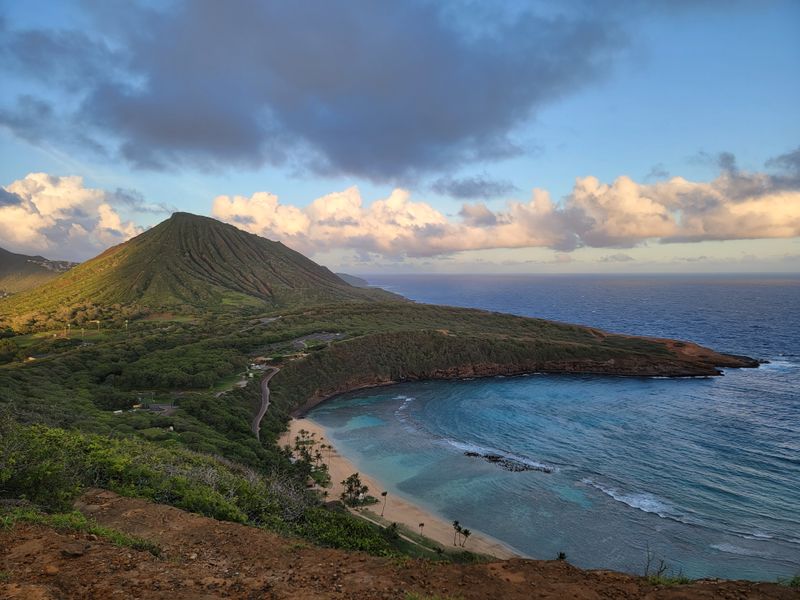
Hanauma Bay is famous for snorkeling, but the ridge trail above the bay offers sweeping views that many visitors overlook.
That said, the trail has gained popularity in recent years, and parking challenges at the bay entrance affect hikers just as much as beachgoers.
Entry fees and timed reservations now apply to the entire Hanauma Bay area, including trail access, adding another layer of planning to your visit.
The trail itself climbs along the crater rim, providing stunning vistas of the turquoise bay, coral reefs, and surrounding coastline.
On clear days, the views stretch far enough to see neighboring islands on the horizon.
However, the trail is narrow in sections, and passing other hikers can be awkward when foot traffic is heavy.
Weekends and holidays see the highest visitor numbers, with the bay reaching capacity early in the day.
Even if you arrive with a reservation, expect to share the trail with snorkelers making their way to and from the beach below.
The heat and lack of shade along the ridge make hydration and sun protection essential, especially during the warmer months.
Many visitors focus on the snorkeling experience and skip the hike entirely, but those who do venture up often find themselves in a steady stream of other curious explorers.
The bay itself is a protected marine reserve, and the area carries strict rules to preserve its fragile ecosystem.
Respecting these guidelines is important, but the combination of regulations, reservations, and crowds can make the visit feel more structured than spontaneous.
Locals who want ocean views without the hassle often head to less-regulated spots like Lanai Lookout or the Kaiwi Shoreline, where parking is simpler and the atmosphere more relaxed.
These alternatives offer equally dramatic coastal scenery without the entry fees or reservation requirements.
If Hanauma Bay Ridge Trail is on your list, booking well in advance is critical, as slots fill quickly during peak travel seasons.
Arriving early not only helps you secure parking but also allows you to hike in cooler morning temperatures.
The views are undeniably beautiful, with the vibrant blues and greens of the bay creating a postcard-perfect scene.
Just be prepared for the logistics and the company of many other visitors along the way.
7. Pipiwai Trail to Waimoku Falls in Haleakala National Park

Pipiwai Trail winds through one of the most enchanting landscapes in Hawaii, passing giant banyan trees, a towering bamboo forest, and culminating at the impressive Waimoku Falls.
The four-mile round trip hike offers a variety of scenery that keeps the journey interesting from start to finish.
However, its location along the famous Road to Hana means it attracts a steady stream of visitors throughout the day.
Parking at the trailhead can be competitive, with spaces filling quickly by mid-morning as road-trippers make their way along the winding coastal highway.
The trail itself is well-maintained, with boardwalks crossing streams and guiding hikers through the densest sections of bamboo.
These bamboo groves create a magical, almost otherworldly atmosphere, with sunlight filtering through the tall stalks swaying overhead.
Yet the beauty also draws crowds, and passing other groups on the narrow boardwalks can slow your pace.
Waimoku Falls, standing hundreds of feet tall, rewards those who complete the hike with a powerful display of water cascading down a sheer rock face.
The area around the falls can get busy, especially when multiple tour groups arrive simultaneously, making it hard to find a quiet spot to rest and take in the scene.
Swimming is not recommended due to the risk of falling rocks and strong currents, so most visitors admire the falls from a distance before heading back.
The return journey retraces the same path, and the steady flow of hikers coming in the opposite direction can make the trail feel busier on the way out.
Locals familiar with Haleakal? National Park often suggest exploring lesser-known trails within the park, such as the Sliding Sands Trail or the Hosmer Grove Loop.
These options provide equally stunning natural beauty with fewer visitors and a more immersive experience.
Weather in this part of Maui can change quickly, with afternoon showers common, so packing a light rain jacket is wise.
Starting the hike earlier in the day not only helps you avoid the largest crowds but also gives you a better chance of enjoying the bamboo forest and waterfall in relative peace.
The Pipiwai Trail is undeniably beautiful and worth experiencing, but managing expectations about solitude and timing your visit carefully can make all the difference.
Dear Reader: This page may contain affiliate links which may earn a commission if you click through and make a purchase. Our independent journalism is not influenced by any advertiser or commercial initiative unless it is clearly marked as sponsored content. As travel products change, please be sure to reconfirm all details and stay up to date with current events to ensure a safe and successful trip.
