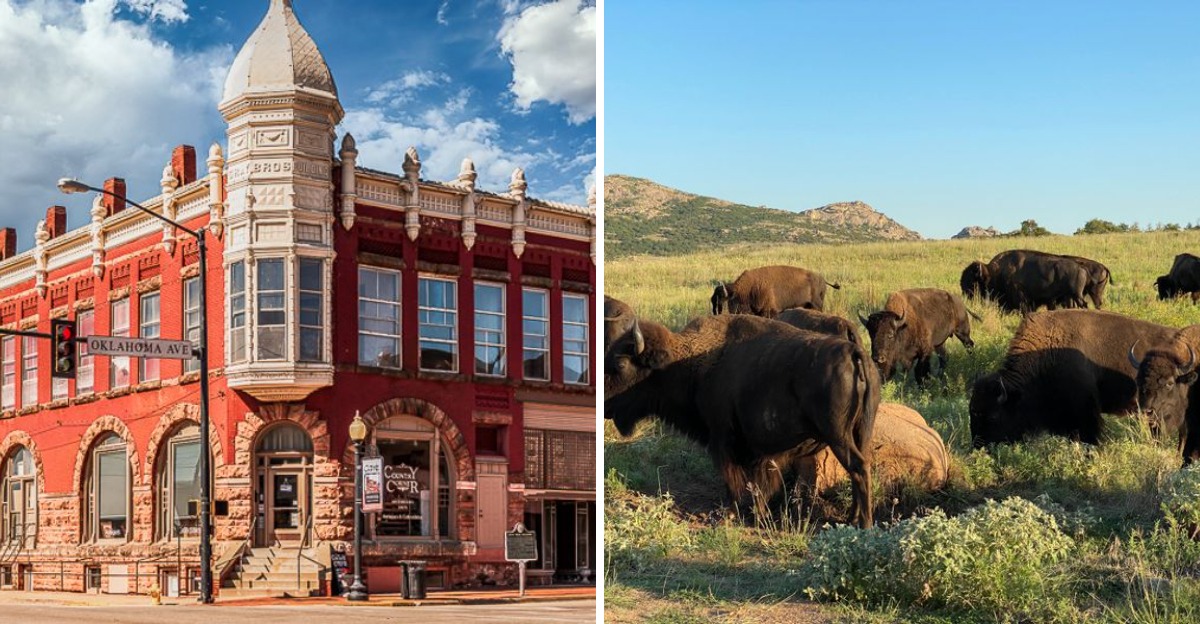
Oklahoma has always been a place where wide-open spaces and friendly communities come together to create something special.
Over the years, certain spots across the state have become magnets for tourists, road-trippers, and adventure seekers from all corners of the country.
As more visitors flock to these locations, they bring new energy, ideas, and spending power that reshape the towns and neighborhoods around them.
Local businesses adjust their menus, shops stock different products, and entire streets transform to meet the needs and tastes of out-of-towners.
While some locals celebrate the economic boost and fresh vibrancy, others worry about losing the authentic character that made these places unique in the first place.
The balance between preserving tradition and welcoming change is delicate, and each destination handles it in its own way.
From bustling entertainment districts to serene natural retreats, these seven Oklahoma hotspots reveal how tourism can redefine a community.
Understanding these shifts helps us appreciate both the benefits and challenges that come with popularity.
Bricktown Entertainment District in Oklahoma City
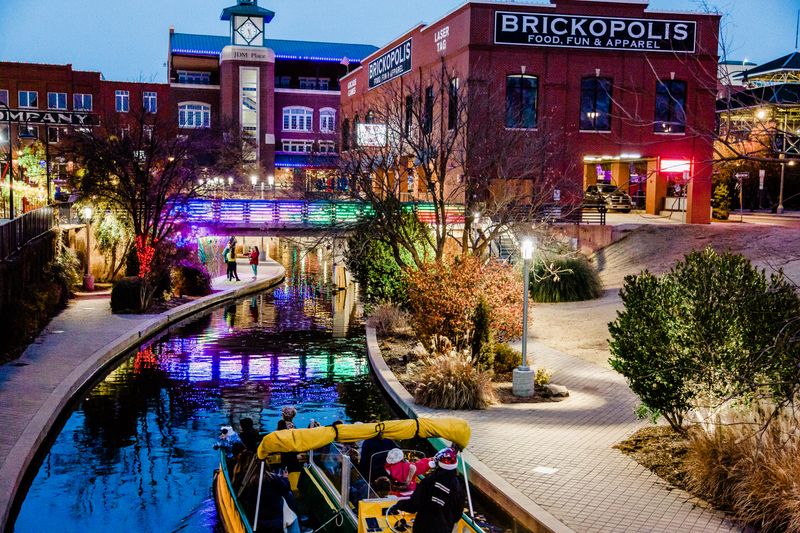
Bricktown was once a forgotten warehouse district filled with empty buildings and cracked sidewalks, but tourism transformed it into the heartbeat of Oklahoma City’s nightlife and dining scene.
Visitors from across the nation now stroll along the canal, ride water taxis, and fill the restaurants and bars that line the brick-paved streets.
This influx of tourists encouraged developers to invest millions into hotels, entertainment venues, and retail shops, creating a vibrant urban playground.
Local businesses quickly adapted to the tourist crowd by offering more diverse menus, extended hours, and souvenirs that celebrate Oklahoma culture.
Chain restaurants moved in alongside homegrown eateries, sparking debates among longtime residents about authenticity versus commercial appeal.
Some locals appreciate the economic boost and the lively atmosphere, while others miss the quieter, grittier character that Bricktown once had.
The area now hosts major events like concerts, baseball games at the Chickasaw Bricktown Ballpark, and festivals that draw even larger crowds.
Parking became scarce, and rents for commercial spaces skyrocketed, pushing out some smaller, independent businesses that could not keep up with rising costs.
Despite these challenges, Bricktown remains a success story of urban revitalization powered by tourism.
Walking through Bricktown today, you will notice street performers, outdoor patios bustling with laughter, and neon signs reflecting off the canal water.
The district has become a must-see destination for anyone visiting Oklahoma City, and its transformation shows how visitor demand can completely reshape a neighborhood.
Yet the question remains whether the soul of the original Bricktown survives beneath all the new development and tourist-focused attractions.
For better or worse, Bricktown proves that when tourists arrive in large numbers, they bring change that is impossible to ignore.
Turner Falls Park in the Arbuckle Mountains
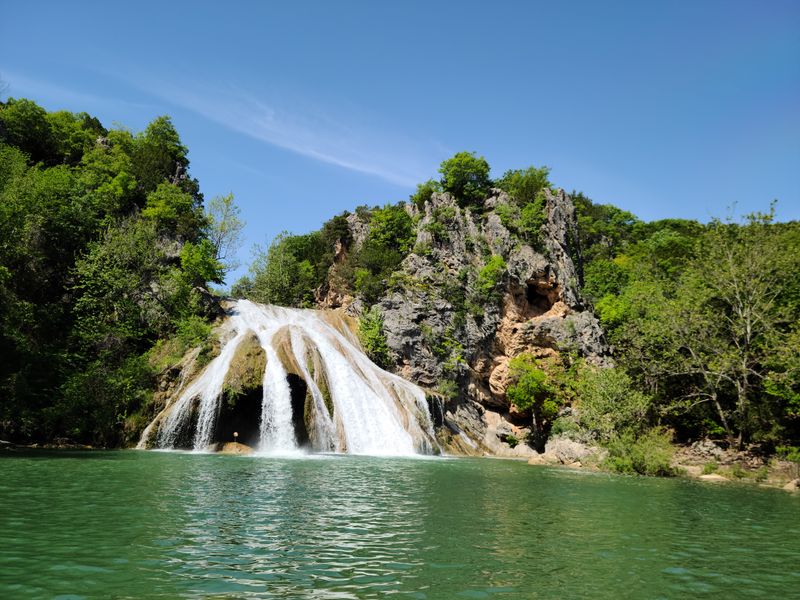
Nestled in the Arbuckle Mountains, Turner Falls Park boasts Oklahoma’s tallest waterfall and has been a beloved natural retreat for generations.
As social media showcased its stunning rock formations and swimming holes, visitors began arriving in record numbers, especially during summer weekends.
Families from Texas, Kansas, and beyond now pack the park, turning what was once a peaceful escape into a crowded hot spot.
The surge in tourism brought both benefits and headaches to the surrounding community of Davis.
Local gas stations, diners, and motels saw a spike in business, with some establishments expanding to accommodate the increased demand.
However, the park itself struggled with overcrowding, litter, and wear and tear on trails and facilities that were not designed for such heavy use.
Park management responded by raising entrance fees and implementing stricter rules to protect the environment and ensure visitor safety.
Some longtime visitors grumbled about the changes, feeling that the park had lost its laid-back, family-friendly vibe.
Others appreciated the improvements, such as better restrooms and more parking spaces, even if it meant sharing the falls with hundreds of strangers.
The town of Davis also evolved to cater to tourists, with new gift shops, ice cream parlors, and even a boutique hotel popping up along the main road.
While these additions boosted the local economy, they also altered the small-town charm that originally attracted visitors seeking an authentic Oklahoma experience.
Longtime residents found themselves navigating traffic jams and higher property values, a trade-off that came with newfound popularity.
Turner Falls Park remains a natural treasure, but its story illustrates how a surge in visitors can strain resources and reshape the character of a beloved destination.
Route 66 Through Tulsa and Beyond
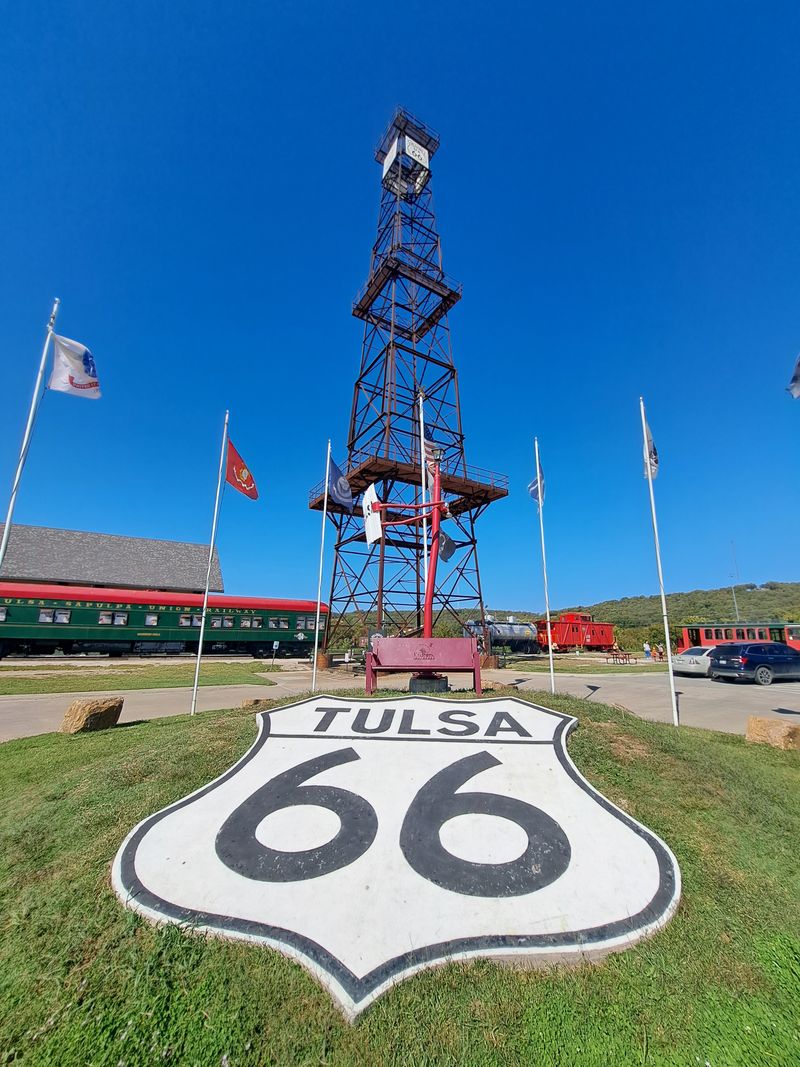
Route 66, the legendary highway stretching from Chicago to Los Angeles, cuts right through the heart of Oklahoma, and its nostalgic appeal has turned small towns along the route into tourist magnets.
Tulsa, in particular, has embraced its Route 66 heritage with museums, vintage neon signs, and diners that celebrate the golden age of American road trips.
Visitors from around the world arrive to drive the historic highway, snapping photos and hunting for authentic roadside attractions.
This wave of Route 66 enthusiasts breathed new life into struggling businesses and inspired entrepreneurs to open retro-themed shops and cafes.
Towns like Catoosa, Arcadia, and Stroud saw their economies revitalized as tourists stopped to see quirky landmarks like the Blue Whale and Pops 66.
However, the influx also led to a commercialization that some locals feel dilutes the genuine history and culture of the Mother Road.
In Tulsa, entire neighborhoods near the historic route have gentrified, with old buildings converted into trendy lofts and boutiques aimed at visitors and young professionals.
Property values climbed, and longtime residents found themselves priced out of areas they had called home for decades.
The balance between preserving authentic Route 66 history and capitalizing on its tourist appeal remains a delicate dance.
Yet the economic benefits are undeniable, with hotels, gas stations, and restaurants enjoying steady business from road-trippers eager to experience a slice of Americana.
Local governments invested in beautification projects, restoring vintage signs and improving infrastructure to keep the tourists coming.
The challenge now is maintaining the charm and authenticity that made Route 66 special while accommodating the crowds who flock to experience it.
Route 66 through Oklahoma shows how heritage tourism can transform communities, for better or worse, as the past becomes a commodity for the present.
The Wichita Mountains Wildlife Refuge
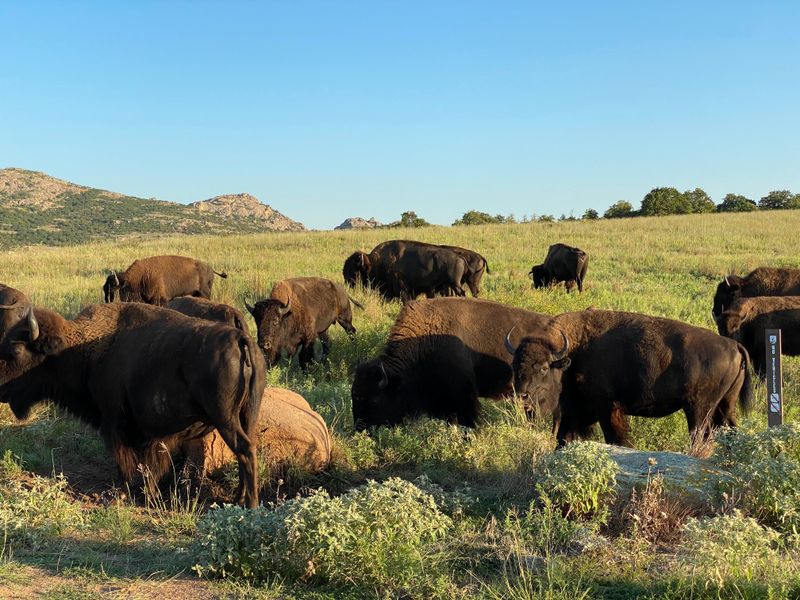
Established in 1901, the Wichita Mountains Wildlife Refuge near Lawton offers rugged beauty, roaming bison, and hiking trails that attract nature lovers from across the country.
As outdoor recreation grew in popularity and Instagram feeds filled with stunning wildlife photos, the refuge saw visitor numbers climb steadily.
What was once a quiet sanctuary for wildlife enthusiasts became a bustling destination, especially on weekends and holidays.
The nearby town of Lawton benefited from the increased tourism, with restaurants, hotels, and outdoor gear shops reporting higher sales.
However, the refuge itself faced challenges managing the crowds, including traffic congestion on narrow roads, overflowing parking lots, and disturbances to the animals.
Rangers had to enforce stricter rules about approaching wildlife and staying on designated trails to protect both visitors and the ecosystem.
Some longtime visitors lamented the loss of solitude and the sense of discovery that once defined a trip to the Wichita Mountains.
Trails that used to be empty now see dozens of hikers, and popular spots like Mount Scott and the Holy City are often crowded with tourists jockeying for the best photo angles.
The refuge responded by expanding educational programs and encouraging visitors to explore lesser-known areas to spread out the impact.
Despite these growing pains, the Wichita Mountains Wildlife Refuge remains a crown jewel of Oklahoma’s natural attractions.
The economic boost to Lawton and surrounding communities is significant, supporting jobs and local businesses that rely on tourism dollars.
Yet the challenge of balancing conservation with public access continues to test refuge managers and the community alike.
The refuge’s story highlights how even protected natural areas are not immune to the pressures and changes that come with increased visitor attention.
Paseo Arts District in Oklahoma City
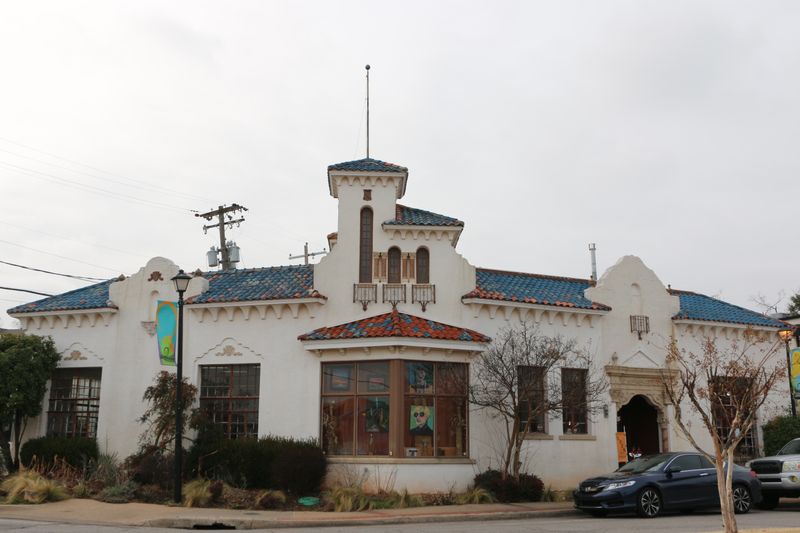
The Paseo Arts District, Oklahoma City’s oldest arts neighborhood, began as a quiet enclave where local artists worked in studios and displayed their creations in small galleries.
Over time, word spread about the vibrant murals, monthly art walks, and eclectic shops, drawing visitors from across the state and beyond.
As tourism grew, the district evolved from a hidden gem into a must-visit cultural destination.
New restaurants, coffee shops, and boutiques opened to serve the influx of visitors, transforming the once-sleepy streets into a bustling hub of activity.
While the economic boost was welcome, some longtime artists and residents worried that the neighborhood’s authentic, bohemian spirit was being overshadowed by commercialization.
Rents increased, pushing out some of the very artists who had built the district’s reputation in the first place.
The monthly First Friday art walks became so popular that parking became a nightmare, and crowds sometimes overwhelmed the small galleries and studios.
Local business owners had to balance catering to tourists with maintaining the creative, community-focused atmosphere that made the Paseo special.
Some welcomed the energy and new customers, while others felt the neighborhood was losing its soul.
Despite these tensions, the Paseo Arts District remains a vibrant part of Oklahoma City’s cultural landscape.
Murals still brighten the Spanish Revival architecture, and galleries continue to showcase local talent, even as the neighborhood adapts to its new role as a tourist hotspot.
The challenge is finding a way to grow and thrive without erasing the authenticity and creativity that made the Paseo worth visiting in the first place.
The Paseo’s transformation shows how tourism can bring both opportunity and tension to artistic communities striving to maintain their unique identity.
Chickasaw National Recreation Area
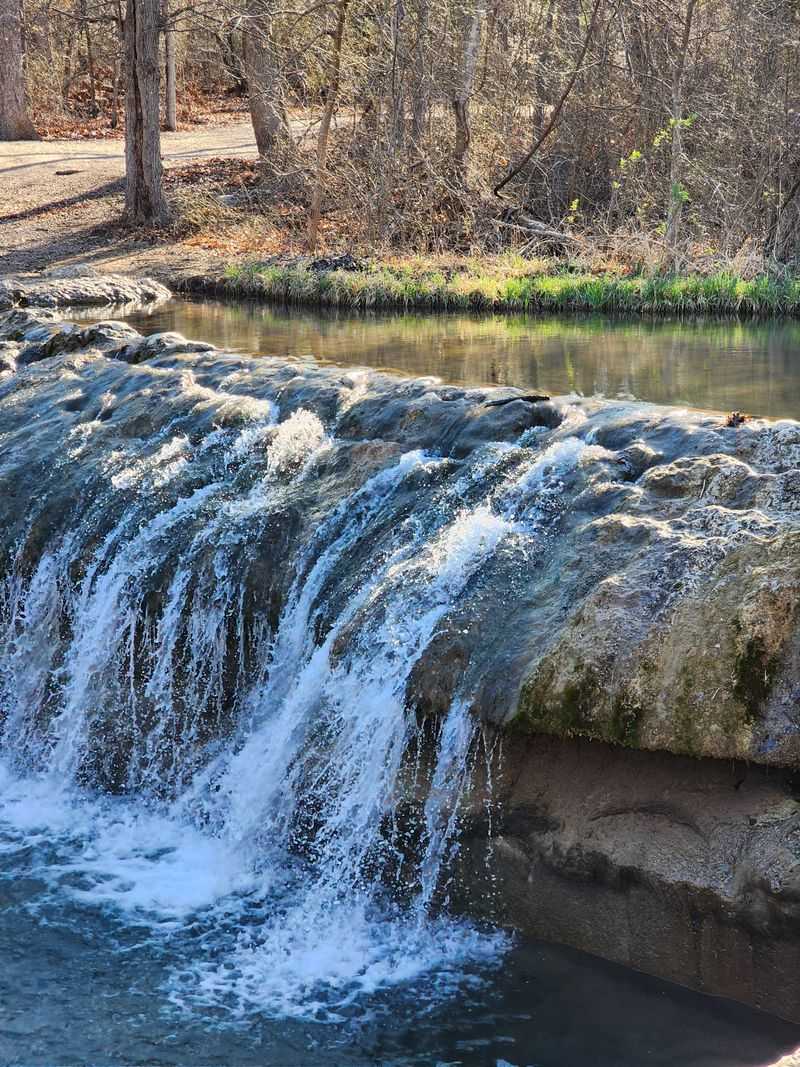
Chickasaw National Recreation Area near Sulphur is one of Oklahoma’s most treasured natural areas, offering clear springs, shaded streams, and scenic trails.
For decades, it was a beloved spot for local families and campers seeking a quiet escape into nature.
As outdoor recreation gained popularity nationwide and the park’s beauty spread through travel blogs and social media, visitor numbers surged.
The town of Sulphur, which sits at the park’s doorstep, experienced a tourism boom that brought new life to its historic downtown.
Antique shops, cafes, and bed-and-breakfasts opened to accommodate the growing number of visitors, and the local economy flourished.
However, the increased traffic also strained the town’s infrastructure, with narrow streets and limited parking struggling to handle peak-season crowds.
Inside the recreation area, popular spots like Little Niagara Falls and Travertine Creek became so crowded that the peaceful, restorative experience many visitors sought was harder to find.
Park rangers worked to educate tourists about Leave No Trace principles and protect fragile ecosystems from overuse and littering.
Some longtime visitors expressed frustration that the park no longer felt like the hidden sanctuary it once was.
Despite these challenges, Chickasaw National Recreation Area continues to offer stunning natural beauty and a chance to connect with the outdoors.
The economic benefits to Sulphur are clear, with tourism supporting local jobs and businesses that depend on seasonal visitors.
Yet the question remains how to manage growth without sacrificing the very qualities that make the park special.
Chickasaw’s story is a reminder that even the most serene natural places can be transformed by the pressures of popularity and the demands of modern tourism.
Guthrie Historic District
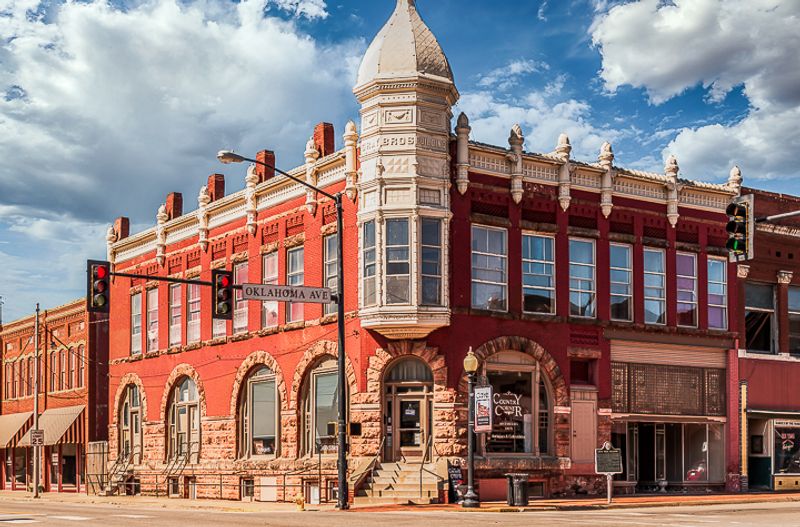
Guthrie, once the capital of Oklahoma Territory, is home to one of the largest historic districts in the nation, with Victorian architecture and a storied past.
For years, history buffs and architecture enthusiasts made quiet pilgrimages to explore its ornate buildings and museums.
As heritage tourism gained momentum and Guthrie’s charm became more widely known, visitor numbers climbed, transforming the sleepy town into a weekend destination.
Local businesses responded by opening antique stores, cafes, and bed-and-breakfasts that catered to tourists eager to experience a slice of Old West history.
The annual Territorial Christmas Celebration and other events drew even larger crowds, boosting the local economy and putting Guthrie on the map.
However, the influx of visitors also brought challenges, including the need for more public restrooms, better signage, and improved parking facilities.
Some longtime residents worried that the town’s authentic character was being packaged and sold as a tourist attraction, losing the genuine sense of community that had defined Guthrie for generations.
Property values rose, and some historic buildings were converted into commercial spaces aimed at visitors rather than serving local needs.
The balance between preservation and commercialization became a hot topic at town meetings and in local newspapers.
Despite these concerns, Guthrie’s historic district remains a remarkable testament to Oklahoma’s territorial past.
The economic benefits of tourism are clear, supporting local jobs and funding preservation efforts that keep the town’s history alive.
Yet the challenge of maintaining authenticity while welcoming visitors continues to shape Guthrie’s future.
Guthrie’s experience illustrates how heritage tourism can both celebrate and complicate a community’s relationship with its own history.
Dear Reader: This page may contain affiliate links which may earn a commission if you click through and make a purchase. Our independent journalism is not influenced by any advertiser or commercial initiative unless it is clearly marked as sponsored content. As travel products change, please be sure to reconfirm all details and stay up to date with current events to ensure a safe and successful trip.
