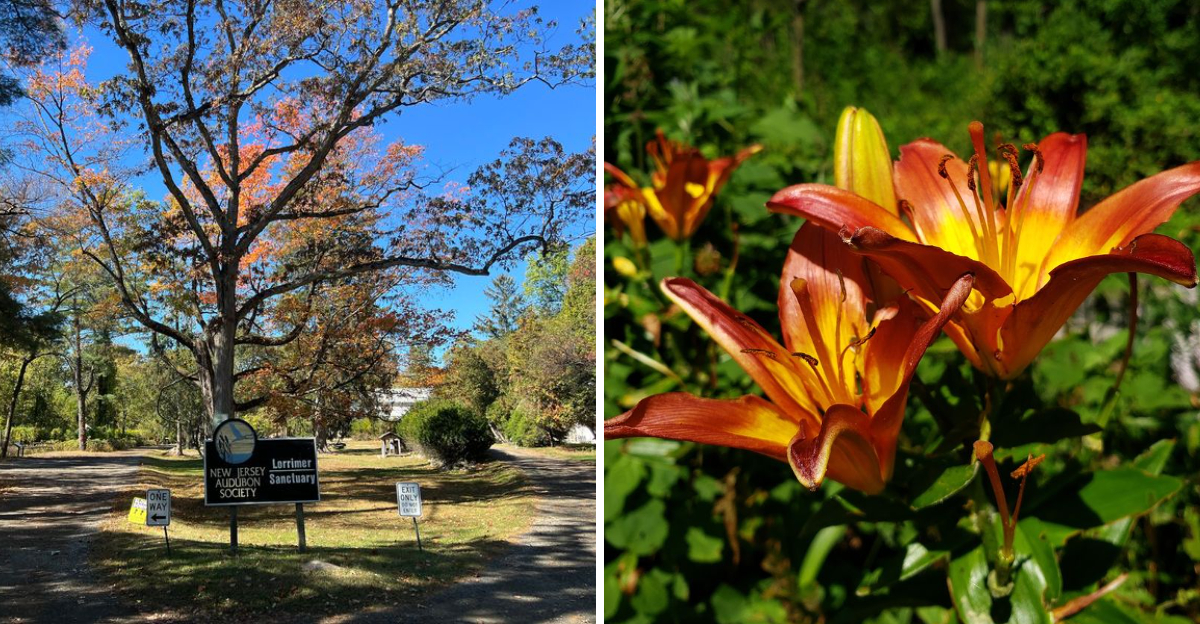
Some places feel like they belong to another time. A quiet driveway off a suburban street in New Jersey, and suddenly you are in a hidden woodland sanctuary.
It has been around for decades, a gift from a woman who wanted to protect this land.
Fourteen acres of second-growth woods, winding trails, and a visitor center that feels like stepping into the past.
The trails are open from dawn to dusk, and they are the kind of quiet that makes you forget you are near a highway.
Birds, butterflies, and the occasional turtle cross your path.
It is the perfect escape for a slower kind of day.
No crowds. No stress. Just nature doing what it does best.
You will want to stay a while.
Trails That Ask You To Slow Down
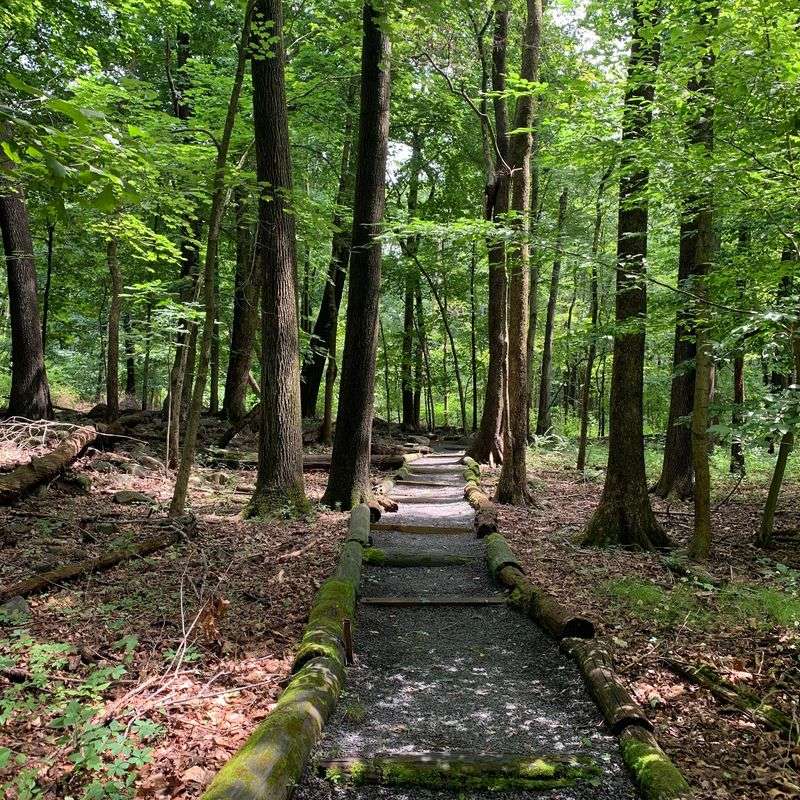
A short loop can still feel like a real walk when the path keeps changing under your feet. The self-guiding trail system here runs about 0.6 miles over even ground, which means sneakers are plenty and nobody needs hiking poles.
Shaded woodland stretches give way to open field sections, and that shift in light does something nice to the mood. One minute you are under a leafy ceiling, the next you are squinting into sunshine.
Named paths like the Woodland Trail, Wetland Trail and Butterfly Trail each frame the property a little differently. Because the distances are short, you can wander more than one without eating up your whole afternoon.
The sanctuary sits back from the road, so traffic noise fades quickly once you are among the trees. Trails stay open daily from dawn to dusk, which leaves room for early risers and late-afternoon strollers alike.
Bring water, take your time, and stop whenever something catches your eye. That is honestly the whole point.
Lucy’s Trail And Easy Access For Everyone
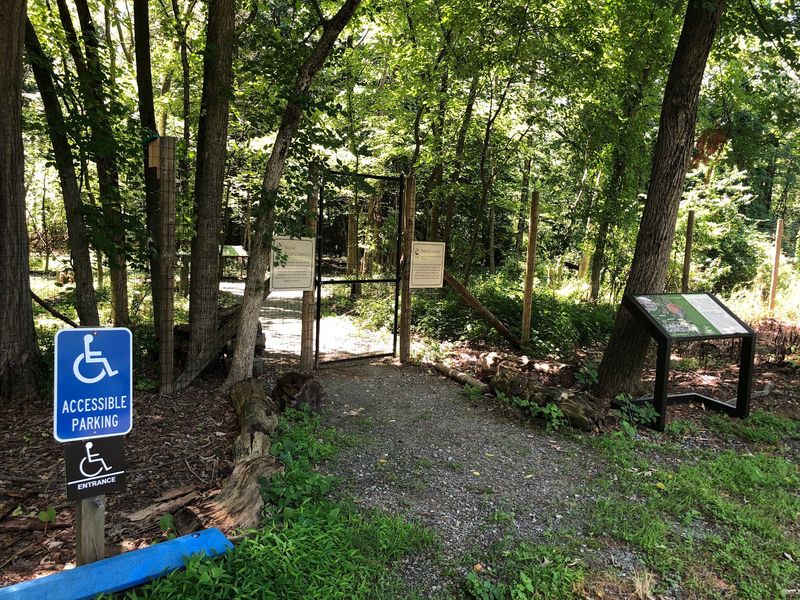
Accessibility often gets treated as an afterthought at nature spots, so it is genuinely refreshing to find it built in here. Lucy’s Trail is wheelchair accessible, meaning visitors using wheelchairs, walkers or strollers can get out among the trees rather than watching from a parking lot.
Recent renovations pushed that thinking further across the property. Accessible routes now connect parts of the facility, and accessible restrooms were added along with a redesigned parking area.
That parking redesign includes an integrated rain garden, which is a tidy little lesson in stormwater management hiding in plain sight. Water runs off pavement, the garden soaks it up, native plants do the rest.
For families juggling different ages and abilities, the flat terrain removes a lot of the usual negotiation. Grandparents and toddlers can travel the same path at roughly the same pace.
It makes the whole visit feel unhurried instead of logistical. Nobody gets left behind on the bench.
Birdwatching From The New Observation Decks
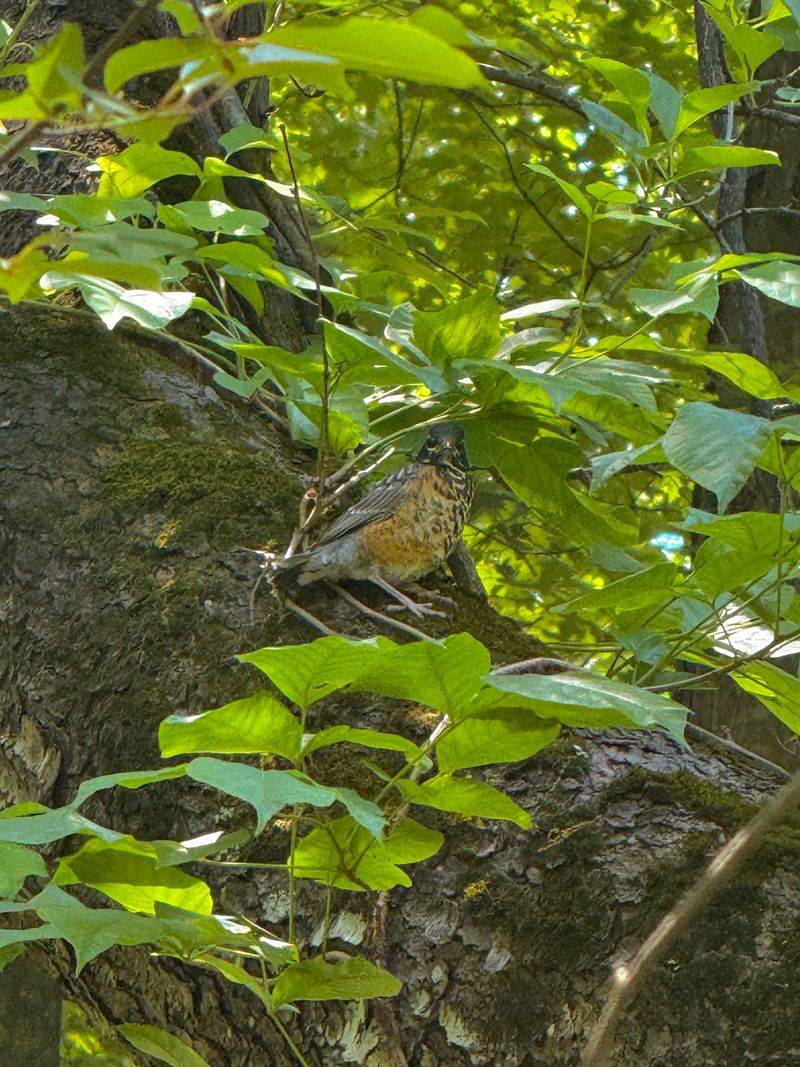
Bring binoculars if you own a pair. Even without them, the mix of dense second-growth woods and open field here pulls in a steady rotation of birds through the year.
New observation decks came with the visitor center improvements, and they give you a comfortable place to watch instead of craning your neck on the trail. In colder months, the winter bird feeding station becomes the main show.
Species shift with the seasons, so a March visit and an October visit will hand you different lists. Spring brings returning migrants, while winter rewards patience with the year-round regulars.
The sanctuary runs guided birding programs too, including a Coffee and Birds gathering that pairs a morning cup with focused watching. Guided walks tend to teach you the calls, which is the part that sticks.
Everything living inside the boundaries is protected, birds included. That protection is part of why the watching stays this good.
A Visitor Center Inside A Centuries Old House
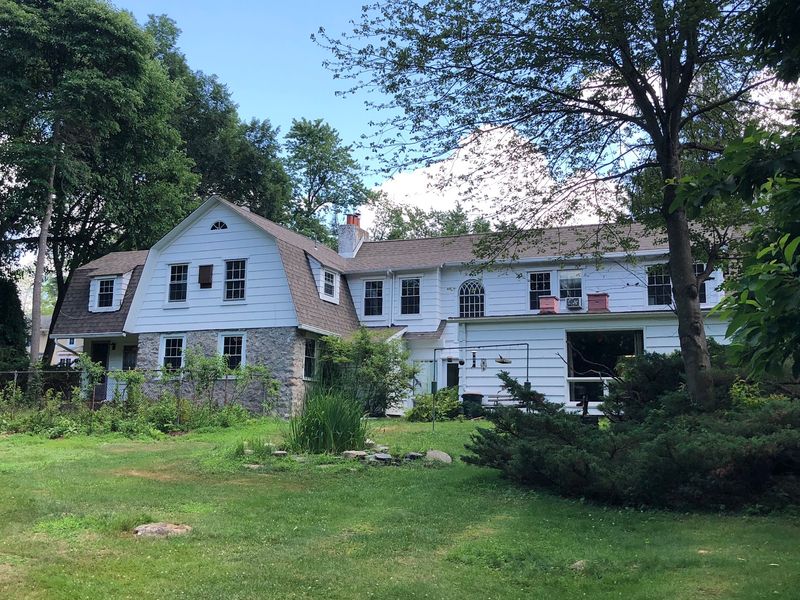
Here is a detail that surprised me: the main building dates back to the late 1700s. A nature center inside a house that old gives the whole visit an unexpected layer of history.
Inside you will find an exhibit and lecture room, interpretive displays and hands-on exhibits that explain what lives in the woods just outside the window. Kids gravitate to the touchable stuff, naturally.
There is also a gift shop stocked with nature books, birdhouses and similar odds and ends, and purchases help support the sanctuary’s work. Browsing it is a decent rainy-day backup plan.
Renovations expanded the classrooms, which means more room for programs without crowding the exhibit space. The building now feels less like an office and more like a proper starting point for the trails.
Worth checking hours before you go, since the center keeps its own schedule while the trails stay open dawn to dusk. Wednesdays through Sundays are your window.
The Butterfly Garden And Native Plantings
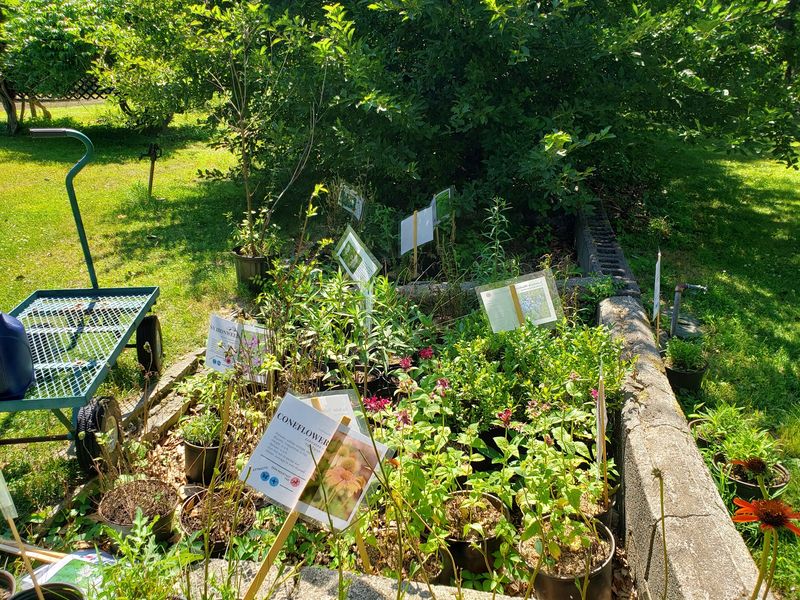
Pollinators get top billing in one corner of the property, and midsummer is when it really hums. The butterfly garden draws in a shifting cast of winged visitors, and native plant habitat projects around it do the same job for insects and birds.
Native plants matter more than people realize. They feed caterpillars, caterpillars feed nestlings, and the whole chain holds together because the right plants are in the right place.
Depending on timing and luck, you might spot something showy like a Polyphemus Moth resting nearby. Slow scanning beats fast walking in this spot.
The gardens double as an idea bank for home gardeners. Seeing which species actually attract activity is far more convincing than reading a plant tag.
Native plant sales are held here in spring and fall, so you can take that inspiration home in a pot. A deer exclosure fence around much of the property has also let young native plants get established instead of being browsed down.
Woods Full Of Oak, Maple, Ash And Beech
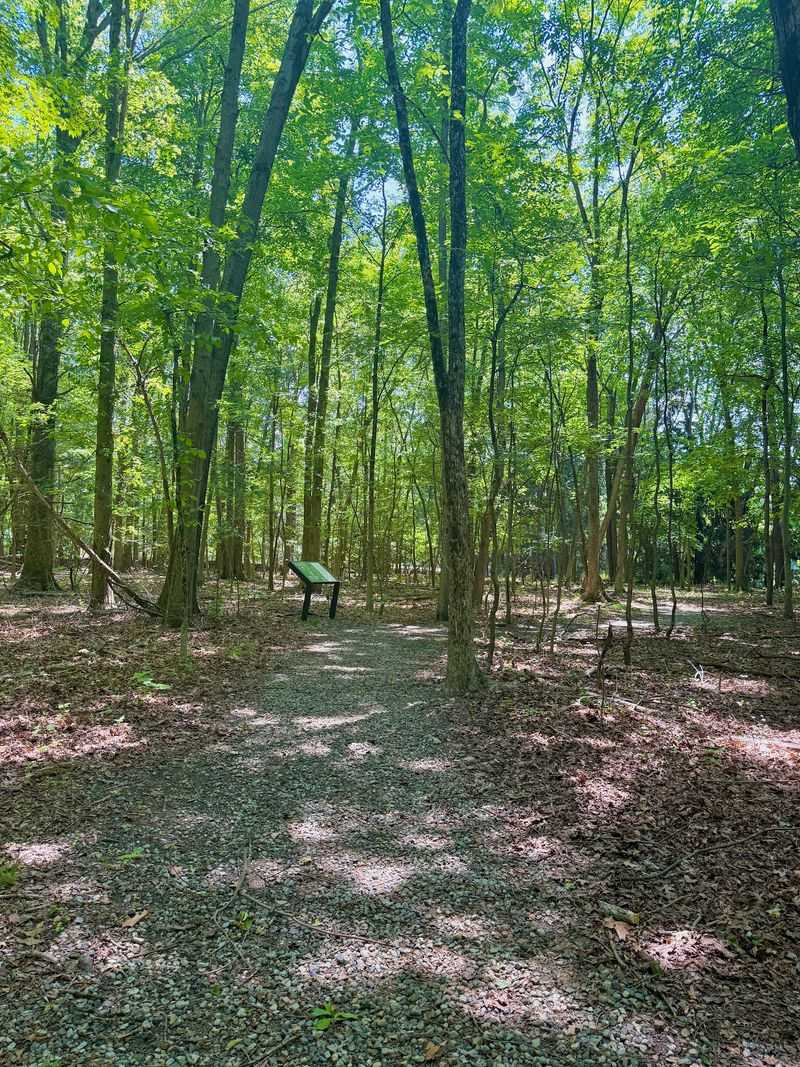
Most of the fourteen acres is covered in second-growth woods, and the tree list reads like a classic Northeast mix. Oak, maple, ash and beech make up the bulk of the canopy, with smaller areas of planted evergreens filling in the gaps.
That mix explains a lot about what you see and hear. Different trees support different insects, and different insects bring different birds, so the woods are busier than they look.
Autumn turns the deciduous section into a color show, while the evergreen patches keep things green when everything else has dropped its leaves. Winter walks have their own stripped-down appeal.
Interpretive signs are posted along the way with illustrations and facts about local wildlife, which turns a walk into a low-key lesson. You learn without feeling like you are being taught.
Look down as well as up. Spicebush, seedlings and fungi make the forest floor worth a second glance.
Programs That Turn A Walk Into A Lesson
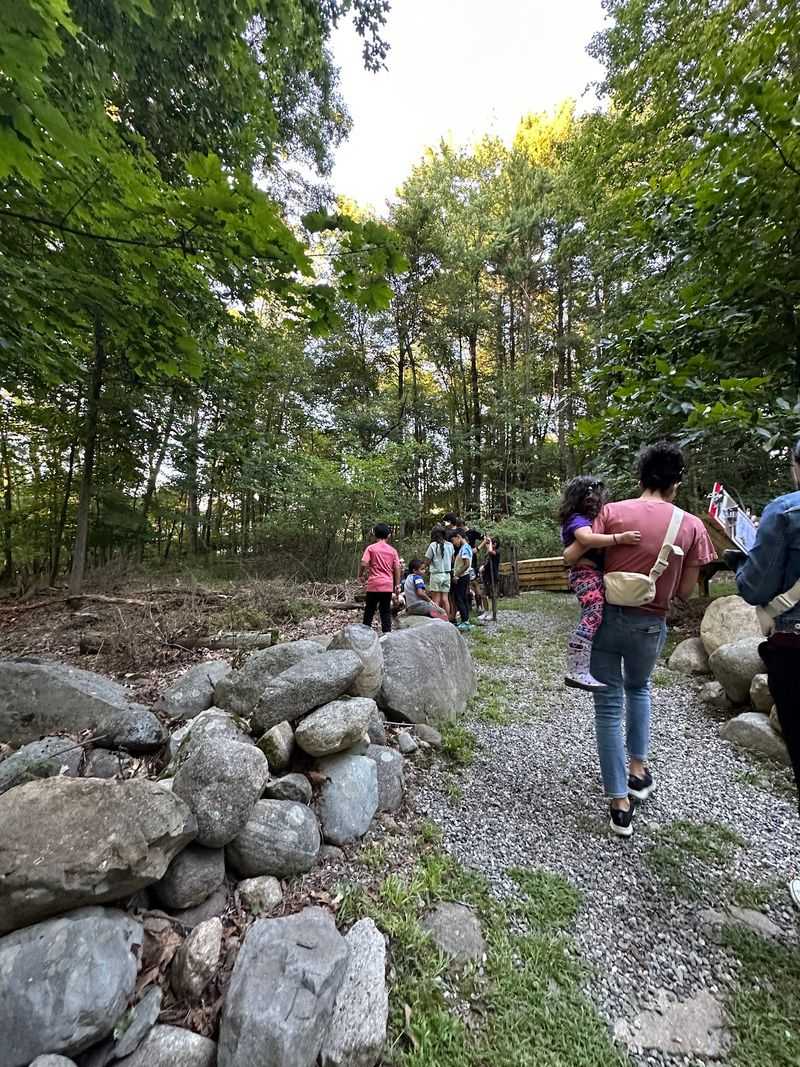
Kids who ask a hundred questions per hour do well here. Special programs run throughout the year, and many are built for exactly that kind of curiosity.
Summer Sundays cover topics like reptile meet and greets, fantastic frogs and incredible insects, and the drop-in format means you are not locked into a long commitment. You show up, you learn something, you head back to the trail.
Monarch Wednesdays and Monarch Madness focus on the butterfly everybody recognizes, digging into its life cycle and that famously long migration. Watching a monarch after learning where it is headed changes how you see it.
School groups, scout troops and other organizations can arrange visits, and there are camps and children’s nature classes on the calendar too. A resident box turtle is among the animals visitors sometimes meet.
For adults, a nature book club meets monthly. Different crowd, same subject matter.
Picnic Spots Made For Lingering
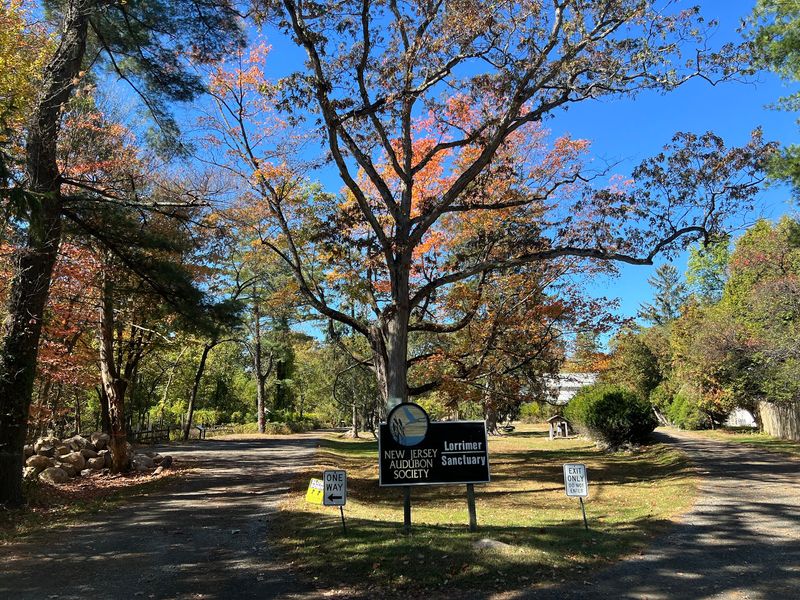
Pack a lunch. Seriously, that single decision turns a forty-minute walk into a genuinely relaxed afternoon.
Picnic areas on the grounds give you a reason to stop moving and just sit for a while. Once you are still, the place gets more interesting, not less.
Squirrels go about their business, a hawk calls somewhere off in the distance, and the breeze does that papery thing through the leaves. None of it is dramatic, which is precisely the appeal.
Crowds tend to stay modest, so the quiet feels like yours rather than something you are sharing with fifty other people. That makes an ordinary lunch feel oddly memorable.
Since everything here is protected, carry out whatever you carry in and leave the plants where they grow. Basic stuff, but it keeps the place worth returning to.
A blanket works fine if the tables are taken. Shade is easy to find.
How The Sanctuary Changes Through The Year
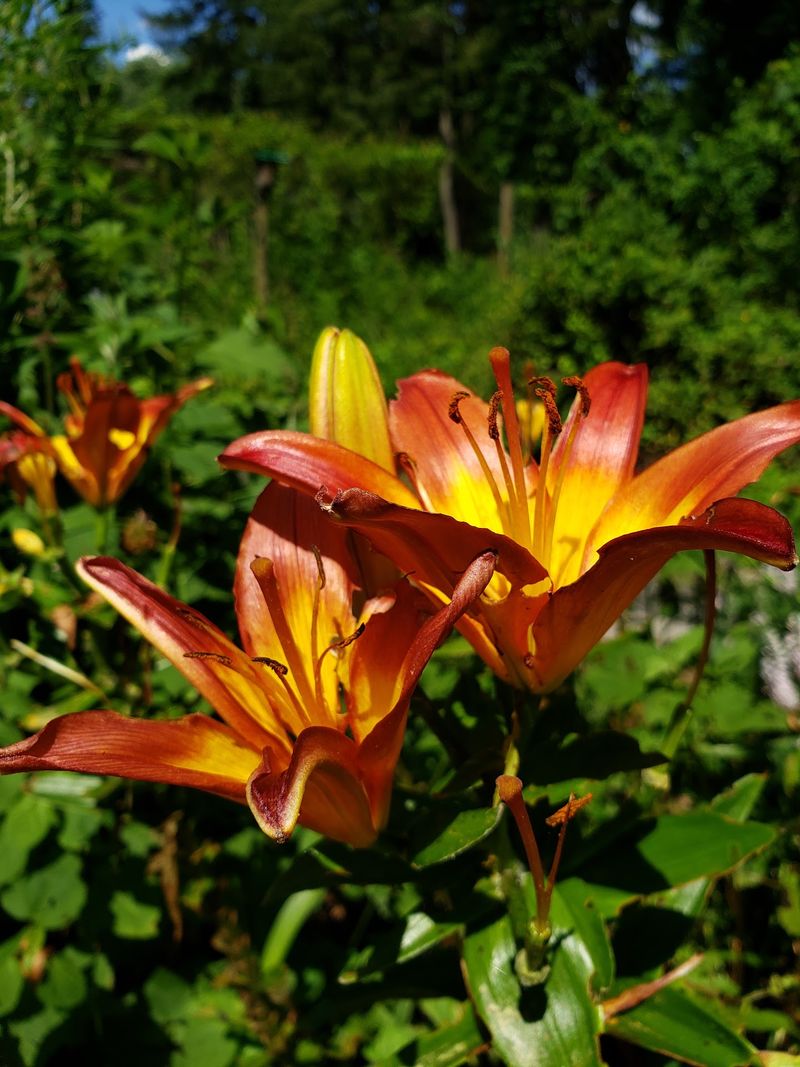
Return visits reward you here, mostly because the property refuses to look the same twice. Spring delivers fresh growth and returning migratory birds, and the woods feel loud with activity.
Summer is thick and green, with insects working the gardens and the shade doing real work on hot afternoons. Autumn hands over the color, plus crisp air that makes a short loop feel longer in the best way.
Winter strips everything back to structure, bare branches against grey sky, with feeder activity becoming the main draw. Foliage is thin then, but sightlines through the woods open right up.
Programming follows the calendar too. Native plant sales land in spring and fall, and seasonal workshops include craft-style sessions such as a Pumpkin Fairy Cottage Workshop.
Pick a season and you get a different day trip. Pick all four and you start noticing the rhythm.
Planning A Visit Without Overthinking It
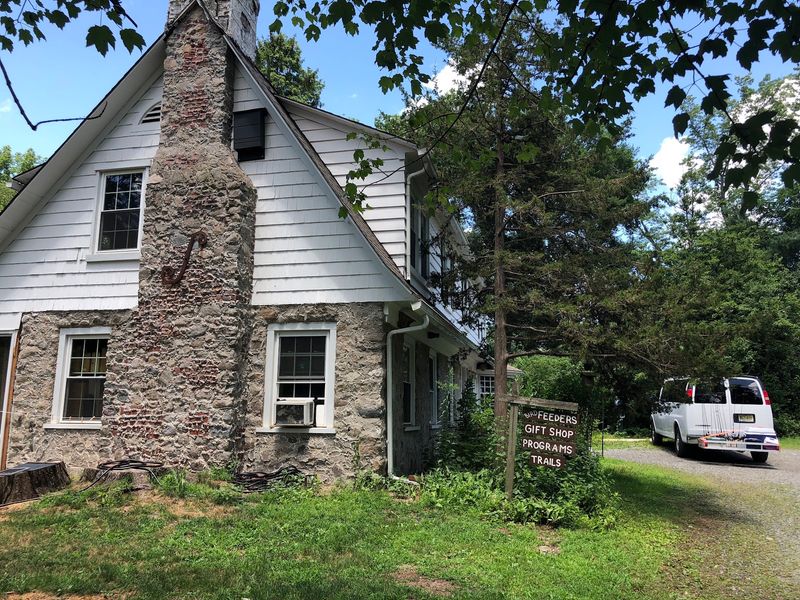
Low effort, high payoff describes this one pretty well. Trails are open every day from dawn to dusk, so you can slot a visit around almost any schedule.
The visitor center and gift shop keep separate hours, generally Wednesday through Sunday, so aim for those days if the indoor exhibits are part of the plan. Outdoor space stays available regardless.
Managed by the New Jersey Audubon Society, the sanctuary works to protect local birds, mammals, plants and habitats, including species that are threatened or endangered. Forest Stewards volunteer opportunities let visitors pitch in on caring for the woods.
Wear comfortable shoes, bring binoculars if you have them, and skip the elaborate itinerary. Half a mile of trail does not need a strategy.
For a slower kind of day trip, this is about as easy as it gets. Quiet, close, and genuinely restorative.
Address: Lorrimer Sanctuary, 790 Ewing Ave, Franklin Lakes, NJ.
