Maryland is full of famous spots. The big ones everyone knows.
But some of the best places fly under the radar, quietly deserving way more attention than they ever get. A peaceful park with no crowds.
A tiny museum packed with history. A scenic overlook that barely shows up on maps.
These are the spots locals keep to themselves and visitors never find. They are not flashy or overrun.
They are just good. The kind of places that make you wonder why no one talks about them.
This list pulls back the curtain on a few of those overlooked gems. They are waiting for someone curious enough to find them.
That is the thing about Maryland’s under the radar places. Quiet, overlooked, and absolutely worth the effort to discover.
1. St. Clement’s Island State Park
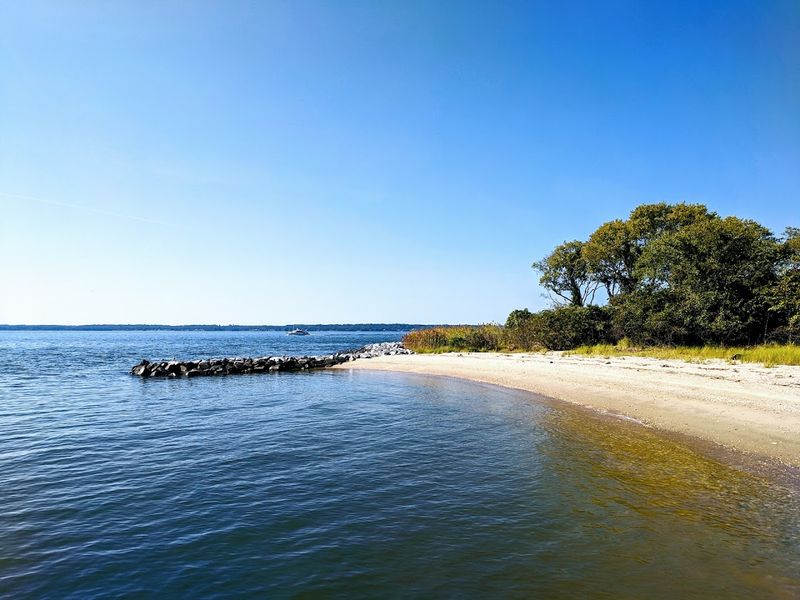
There is something quietly powerful about arriving at a place where American history actually began, not in a museum, but on a real patch of land surrounded by water. St. Clement’s Island is where Maryland’s first European settlers landed in 1634, stepping ashore from two ships called the Ark and the Dove.
The island sits in the Potomac River and can only be reached by a seasonal ferry from Coltons Point, which makes the journey feel like a small adventure before you even arrive.
Once you get there, the pace slows down completely. A large white cross monument marks the landing site, and the surrounding grounds are peaceful and open, with views of the river stretching out in every direction.
Bald eagles are a common sight overhead, and the shoreline is perfect for quiet reflection or a slow walk around the perimeter.
The Potomac River Museum nearby adds helpful context, with exhibits about the area’s colonial past and the indigenous Piscataway people who lived here long before European contact. It is a small museum, but thoughtfully put together.
Most visitors spend a half day here, which feels just right. Families with curious kids will find plenty to talk about, and history enthusiasts will appreciate how undisturbed the site feels compared to more commercial landmarks.
It is the kind of place that makes Maryland feel genuinely layered and worth exploring slowly. If you enjoy history that comes with a river breeze, this one belongs near the top of your list.
Address: 38370 Point Breeze Rd, Coltons Point, MD 20626
2. Chapman State Park
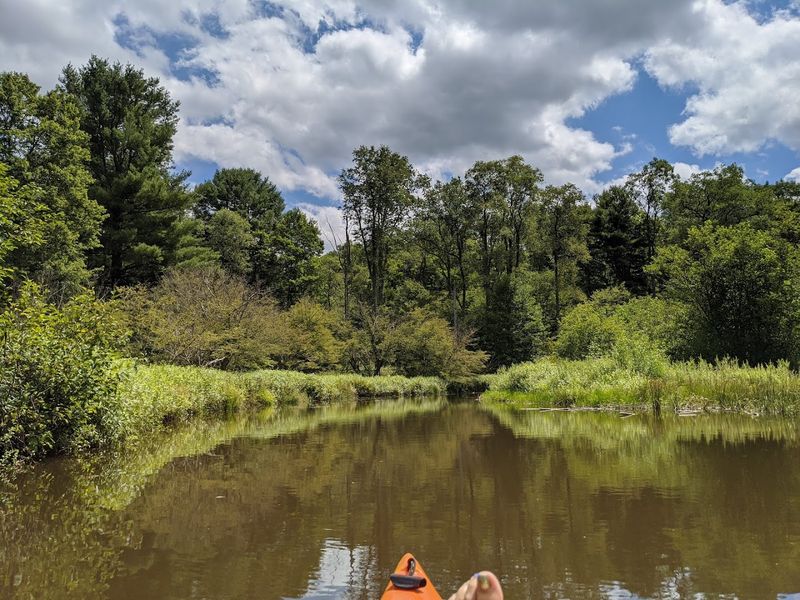
Chapman State Park does not shout for attention, and that is exactly what makes it worth finding. Hidden along the banks of the Potomac River in Indian Head, this park has a raw, unhurried quality that feels almost rare these days.
The trails here wind through mature forest and open onto unexpected river views that genuinely stop you in your tracks.
The park is a favorite among local hikers and birders, but it rarely draws the crowds you might find at more well-known spots. That means you can actually hear the birds, feel the quiet, and take your time without anyone rushing past you.
In spring, the wildflowers along the lower trails are worth the visit on their own, and fall brings a color show that feels almost theatrical against the wide river backdrop.
What I appreciate most about Chapman is how it manages to feel both accessible and genuinely wild. The terrain is varied enough to keep the walk interesting without being punishing, and the mix of upland forest and riparian landscape gives it a rich, layered feel.
Deer sightings are common, especially in the early morning, and the river itself is always present in the background, either through the trees or right at your feet depending on which path you take.
It is not a park with a lot of infrastructure or organized programming, but sometimes the absence of all that is the whole point.
Chapman is the kind of place you return to whenever you need to reset.
Address: 3452 Ferry Pl, Indian Head, MD 20640
3. Patuxent River State Park
Most people who drive through Brookeville have no idea that one of Maryland’s largest and least-visited state parks is right there waiting.
Patuxent River State Park stretches across more than 6,700 acres of forest, wetlands, and river corridor, and it carries a sense of genuine solitude that is hard to find this close to the Washington suburbs.
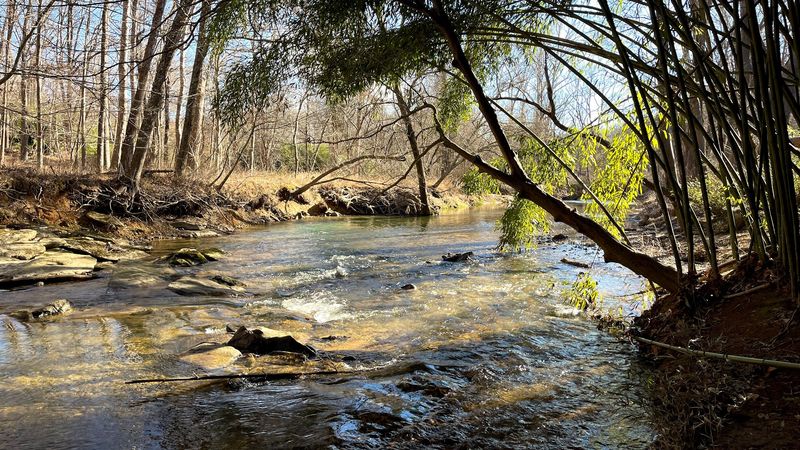
The Patuxent River runs through the heart of it, cold and clear in many stretches, with gravel bars and shaded banks that invite you to simply sit for a while.
The park is popular with equestrians, and well-maintained horse trails crisscross the landscape in ways that add a pleasant old-world feel to the whole experience. Hikers are welcome too, and the mix of terrain keeps things interesting across different seasons.
Winter visits, when the leaves are down, offer some of the best views of the river valley and the rolling hills beyond.
Wildlife here is abundant and varied. Great blue herons are a regular presence along the water, and the forest supports a healthy population of white-tailed deer, foxes, and wild turkey.
There is also a fascinating human history layered into the landscape, from old mill sites to traces of 18th-century farming communities that once shaped this valley. The park does not have a lot of amenities, which honestly adds to its appeal.
You bring what you need, you head out on the trail, and you let the forest do the rest. For anyone craving real outdoor space without a crowd, this one delivers consistently.
Address: 23222 Georgia Ave, Brookeville, MD 20833
4. Bohemia River State Park
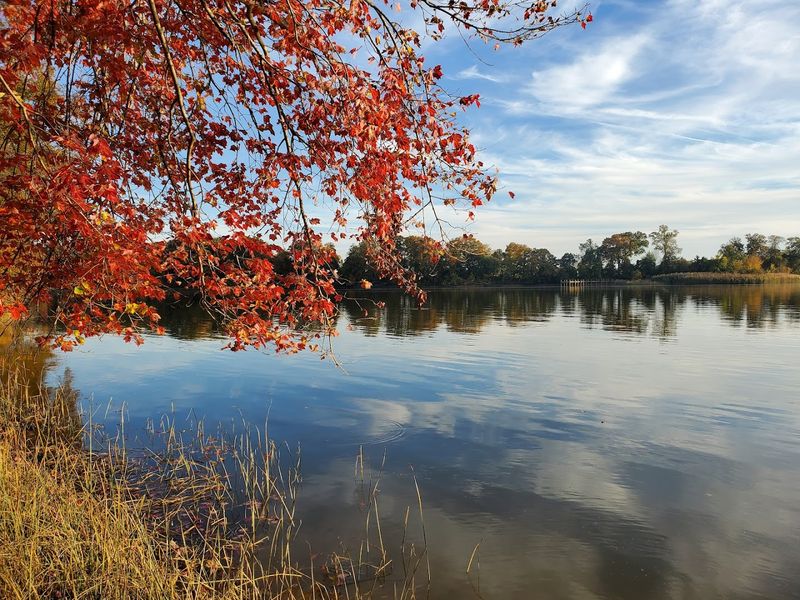
The name alone is enough to make you curious. Bohemia River State Park sits near Chesapeake City in the northeastern corner of Maryland, and it protects a stretch of shoreline and forest that most of the state seems to have forgotten about.
The park borders the Bohemia River, a tidal tributary of the Chesapeake Bay, and the combination of upland forest and tidal wetland creates an ecosystem that feels genuinely alive at every turn.
Kayaking and canoeing are the best ways to experience the park, and paddlers are rewarded with close encounters with osprey, great egrets, and the occasional bald eagle scanning the water from a dead snag above the shoreline.
The tidal creeks that branch off the main river are particularly magical in the early morning, when mist sits low over the water and everything feels suspended in quiet.
Even if you are not a paddler, the hiking trails offer solid views and a peaceful walk through mixed hardwood forest.
What makes Bohemia River State Park special is how undeveloped it remains. There are no concession stands, no rental shops, and no interpretive centers.
It is just the land, the water, and whatever you bring with you. That simplicity is increasingly rare and increasingly valuable.
The park is also positioned near the C and D Canal, which adds an interesting industrial history layer to an otherwise natural setting. Chesapeake City itself is a charming small town worth a stroll before or after your visit, with historic architecture and a nice waterfront feel.
Address: 4030 Augustine Herman Hwy, Chesapeake City, MD 21915
5. Franklin Point State Park
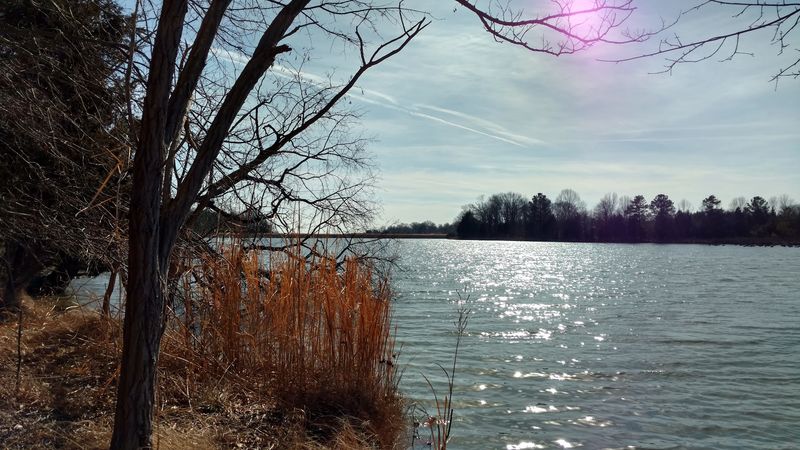
Franklin Point State Park is the kind of place that rewards the people who actually bother to find it. Located near Shady Side on the western shore of the Chesapeake Bay, this park is remote enough that you genuinely feel like you have the whole peninsula to yourself on most days.
The landscape is a striking mix of sandy beach, dense forest, and tidal marsh, and the views across the bay can stretch for miles on a clear afternoon.
Getting there requires a bit of effort. The access road is unpaved and can be rough depending on the season, and there are no facilities once you arrive.
But that is precisely what makes it feel like a discovery rather than a destination. The beach here is not the kind you pack an umbrella for.
It is narrow, wild, and edged with driftwood, perfect for a long contemplative walk with the bay wind in your face.
The forest interior supports a surprising variety of bird life, and the transition zones between habitat types make it an excellent spot for naturalists. Spring migration brings warblers through in waves, and the fall shorebird season along the beach is genuinely impressive if you know what to look for.
Sunsets from the point are extraordinary, with the bay turning shades of orange and pink that feel almost too vivid to be real. Franklin Point is not for everyone, and that is part of its charm.
The visitors who make the trip tend to feel like they have found something the rest of the world missed.
6. Hart-Miller Island State Park
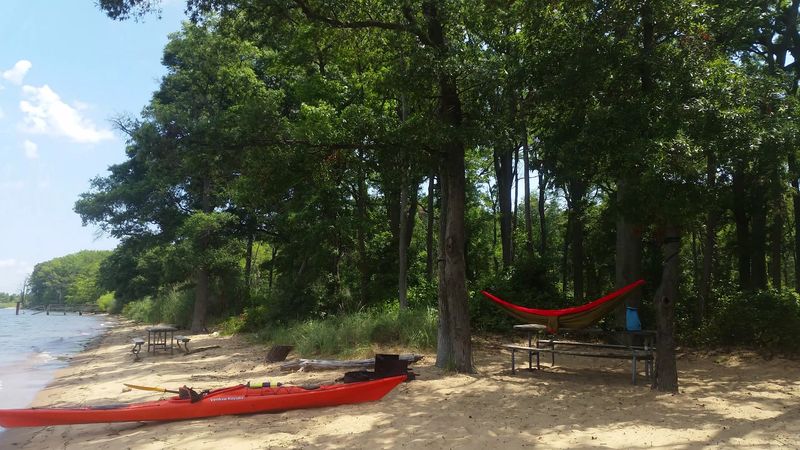
Reaching Hart-Miller Island requires a boat, and that single requirement filters out most of the world, which is exactly why the island feels so refreshingly uncrowded.
Located in the upper Chesapeake Bay near Essex, this island park is a favorite among boaters and kayakers who know that the effort of getting there pays off in a big way once you arrive.
The beaches here are wide, sandy, and genuinely beautiful, with calm shallow water that is ideal for swimming on warm days.
The island was created partly through a dredge material containment project, which gives it an interesting origin story. Over time, nature moved in and transformed the deposited sediment into thriving habitat.
Today, the island supports nesting shorebirds, migratory waterfowl, and a surprisingly rich mix of plant life that has taken hold across the upland areas. Birders with a spotting scope can have an exceptional morning here during migration season.
There are no services on the island, so visitors need to bring everything they need for the day. That self-sufficiency requirement gives the whole experience a slightly adventurous quality, even for a casual day trip.
Anchoring offshore and wading in to the beach is a rite of summer for many local boaters, and watching the Bay spread out in every direction from the shore is a reminder of just how expansive and beautiful this estuary really is.
Hart-Miller is one of those places that feels like a secret even when other people are there, because the island is large enough to absorb the visitors without losing its sense of wild openness.
7. Patterson Park
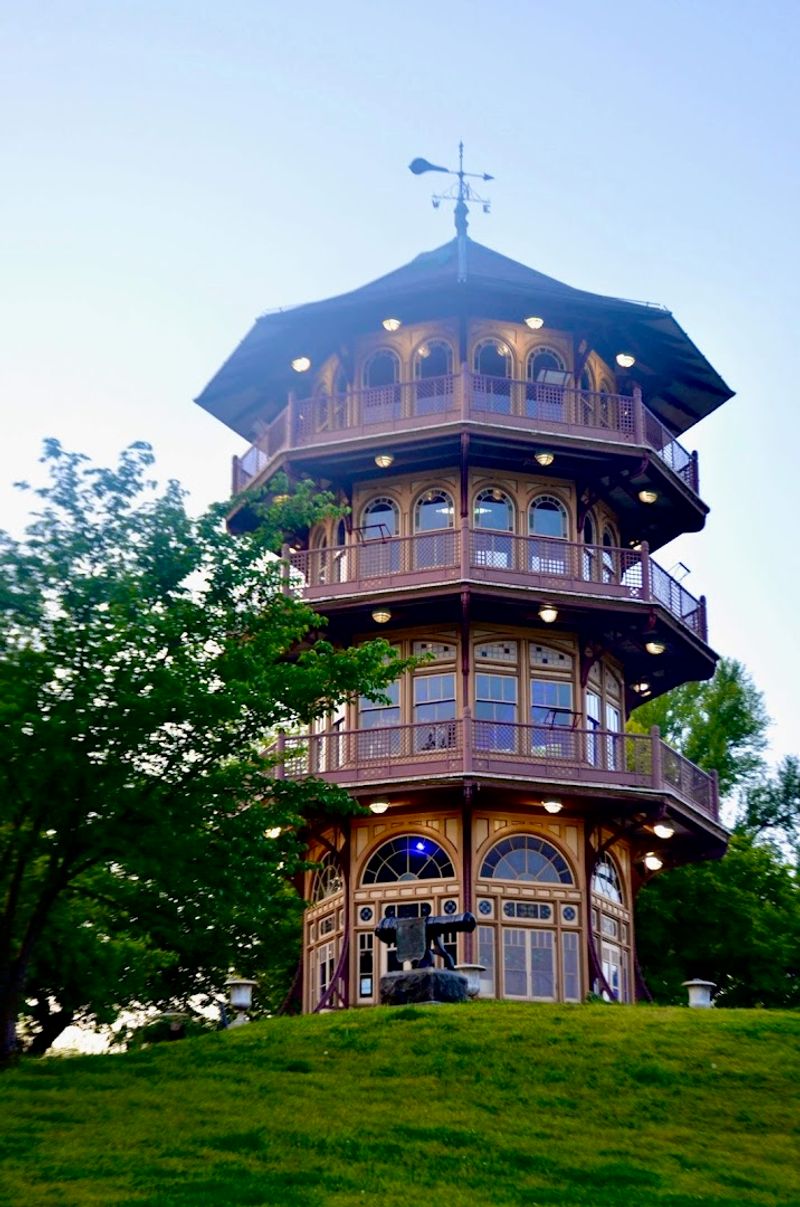
Patterson Park sits in East Baltimore like a deep breath in the middle of a busy city. The park has been a gathering place for Baltimore’s working-class neighborhoods since the 1800s, and that long history gives it a warmth and character that newer green spaces simply cannot replicate.
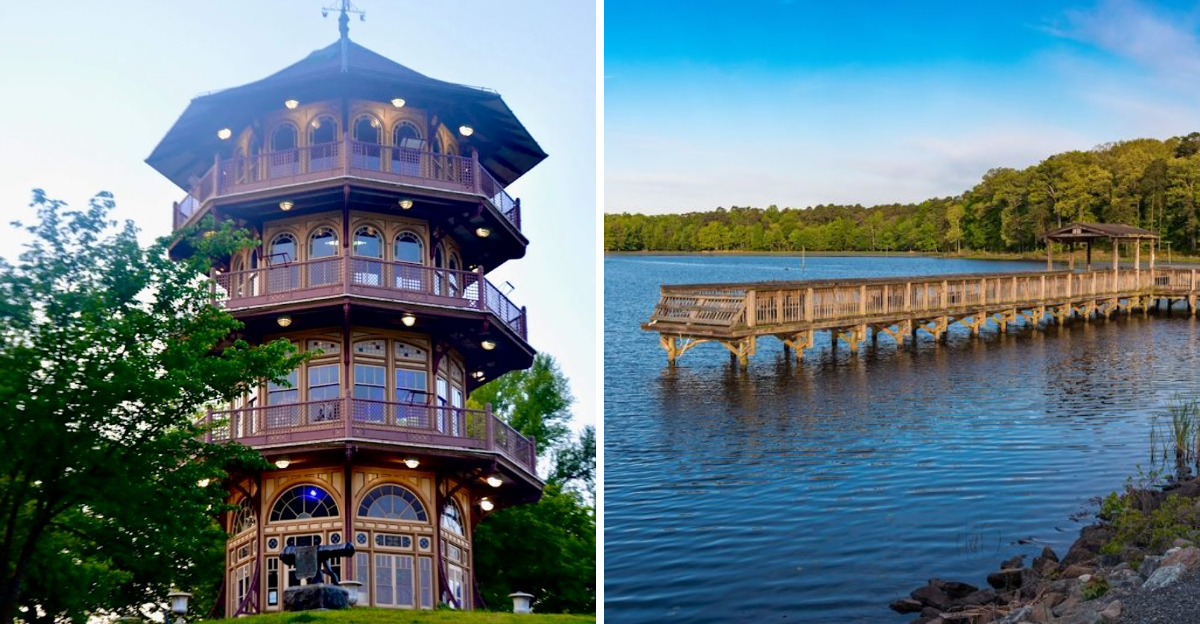
The pagoda at the top of Hampstead Hill is the park’s most recognizable feature, a four-story wooden tower that offers sweeping views of the city skyline and the harbor beyond when it opens on seasonal Sundays.
Beyond the pagoda, the park has a lot going on in the best possible way. There are open meadows, a fountain lake, athletic fields, and wooded paths that wind through mature trees providing real shade in summer.
The ice skating rink draws crowds in winter, and the weekly farmers market brings neighbors together in a way that feels genuinely community-driven rather than commercial. It is not a park that tries to impress you.
It just exists, comfortably and generously, for the people who live around it.
What I find most compelling about Patterson Park is how lived-in it feels. Dogs run off-leash in the morning, kids play pickup soccer in the afternoon, and couples walk the paths in the evening.
Every hour of the day brings a different crowd and a different energy. The Friends of Patterson Park organization does remarkable work maintaining and programming the space, and their dedication shows in every corner of the grounds.
For visitors exploring Baltimore beyond the tourist trail, this park offers a genuine glimpse into the city’s neighborhood soul.
Address: 2601 E Baltimore St, Baltimore, MD 21224
8. Mallows Bay Park
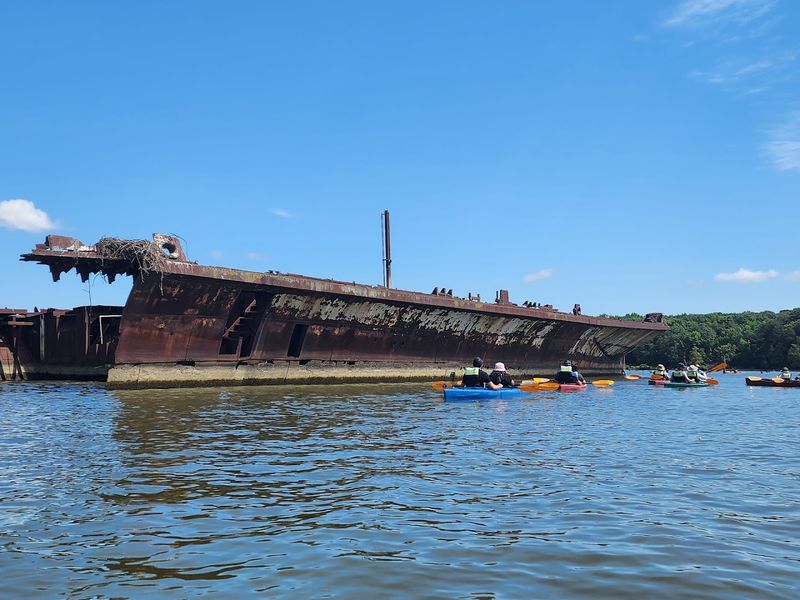
Somewhere along the Maryland shore of the Potomac River, more than 230 ships are slowly becoming part of the landscape.
Mallows Bay holds what is known as the Ghost Fleet, a collection of wooden steamships built during World War I that were scuttled here after the war ended and the vessels were deemed no longer useful.
Over the decades, nature moved in and claimed them, and today the hulks rise from the water covered in trees, shrubs, and dense vegetation, creating one of the most visually surreal landscapes in the entire mid-Atlantic region.
The bay was designated a National Marine Sanctuary in 2019, recognizing both its historical significance and its extraordinary ecological value. The sunken ships now function as artificial reefs, supporting rich populations of fish, turtles, herons, and bald eagles that use the exposed wood as hunting perches.
Kayaking through the wreck field is the single best way to experience the place, and the sensation of gliding past these ghostly hulls is unlike anything else Maryland offers.
The park itself has a small boat launch, a kayak put-in area, and a trail that runs along the shoreline and offers elevated views down into the bay. Even without a kayak, the trail experience is worthwhile, with interpretive signage that explains the history of the fleet and the sanctuary designation.
Mallows Bay is one of those rare places where history, ecology, and sheer visual drama converge in a way that feels almost impossible until you are actually there looking at it. Plan for at least a half day.
Address: 1440 Wilson Landing Rd, Nanjemoy, MD 20662
9. Patuxent Research Refuge, National Wildlife Visitor Center
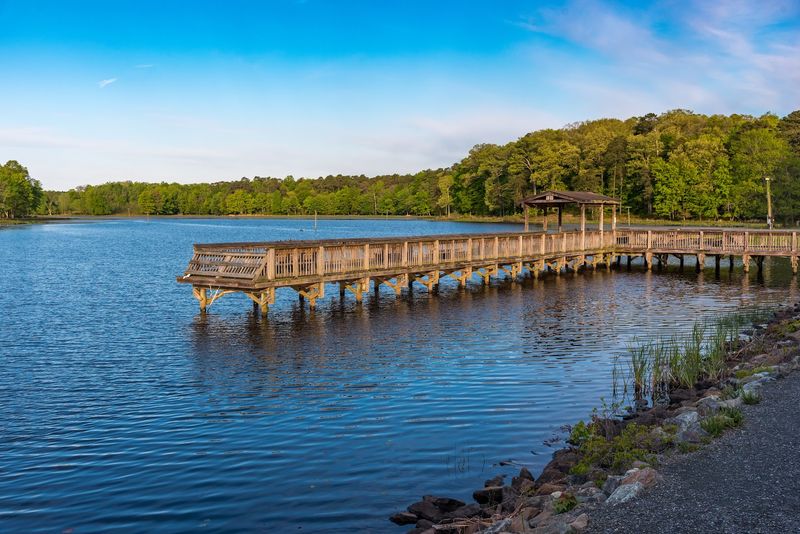
Most people drive past the signs for Patuxent Research Refuge on Route 197 without giving it a second thought, which is a genuine shame because what is inside those gates is extraordinary. The National Wildlife Visitor Center is the largest science and environmental education center in the entire U.S.
Fish and Wildlife Service system, and it manages to be both genuinely informative and deeply enjoyable for visitors of all ages. The building itself sits within thousands of acres of protected land that has been used for wildlife research since 1936.
The tram tours that operate seasonally are a highlight, rolling through habitats that range from open meadow to mature forest to the edges of two large lakes.
Spotting great blue herons, Canada geese, white-tailed deer, and sometimes even river otters from the tram is a common experience, and the naturalist narration adds real depth to what you are seeing.
The hiking trails that branch out from the visitor center are equally rewarding, particularly the Lake Redington trail, which circles one of the refuge’s main water bodies through a mix of forest and wetland edge.
Inside the visitor center, the exhibits focus on migration, habitat, and the science of wildlife management in a way that feels current and engaging rather than dusty. There are interactive elements for kids and enough depth to hold the attention of adults with a serious interest in ecology.
Entry is free, which makes the whole experience feel like a gift. For families looking for something genuinely educational and outdoors-focused near the Washington area, this refuge is a consistently underrated option that deserves far more recognition.
Address: 10901 Scarlet Tanager Loop, Laurel, MD 20708
10. Thurmont
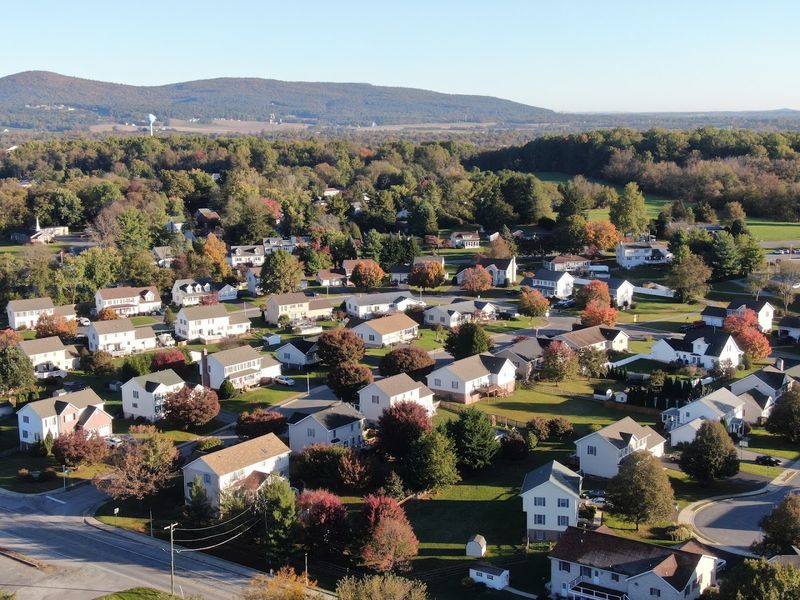
Thurmont sits at the foot of the Catoctin Mountains in Frederick County, and it carries the easy confidence of a town that has never needed to advertise itself.
Most visitors to the area are really heading to Catoctin Mountain Park or Cunningham Falls State Park, both of which are just minutes away, but the town itself is worth a slower look.
The main street has a genuine small-town feel, with local shops, a few good restaurants, and the kind of unhurried pace that makes you want to sit down and stay a while.
The surrounding landscape is spectacular in every season. Fall brings leaf-peepers from across the region, and the drive up into the mountains from town is one of the better scenic routes in Maryland.
Spring wildflower season in the nearby parks is equally impressive, and summer offers cool forest air that feels like a reward after the heat of the lowlands. Winter brings a quiet beauty to the whole area, with snow settling into the mountain hollows and the town taking on a peaceful, almost storybook quality.
Thurmont also has a surprisingly rich history tied to the nearby presidential retreat at Camp David, which sits within Catoctin Mountain Park.
The town has hosted foreign dignitaries and world leaders passing through over the decades, though you would never know it from the low-key atmosphere on a regular afternoon.
Local museums and historical markers fill in some of that story if you are curious. Thurmont is the kind of place that grows on you gradually, and most people who stop for an hour end up staying for the afternoon.
11. Crisfield
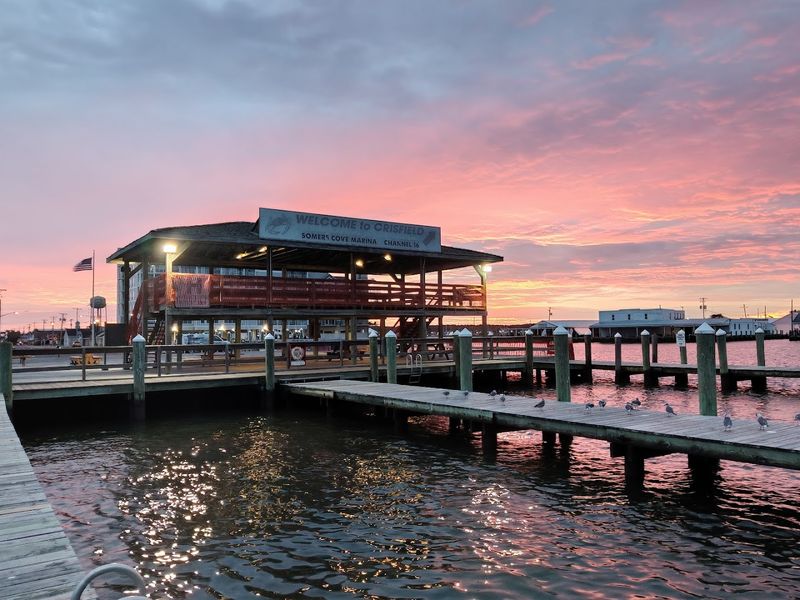
Crisfield calls itself the Crab Capital of the World, and while that is a bold claim, spending even a short time here makes it feel earned. This small city on Maryland’s lower Eastern Shore has built its entire identity around the Chesapeake Bay and the watermen who have worked it for generations.
The docks are active and working, the seafood is as fresh as it gets, and the pace of life moves at the rhythm of the tides rather than any clock.
The waterfront is the heart of everything here. Ferries to Smith Island and Tangier Island depart from Crisfield’s dock, making it a natural gateway to two of the most isolated and culturally unique communities on the East Coast.
Smith Island, accessible only by water, is Maryland’s only inhabited offshore island and home to a dialect and way of life that has changed remarkably little over centuries. Even if you only take the day trip, it is one of the most memorable experiences the Chesapeake region offers.
Back in Crisfield itself, the J. Millard Tawes Historical Museum tells the story of the region’s watermen culture with real depth and affection.
The annual Hard Crab Derby held each Labor Day weekend is a beloved local tradition that draws visitors from across the state. The town is not polished or tourist-ready in the conventional sense, and that rawness is its greatest asset.
There is an authenticity to Crisfield that is increasingly rare in coastal communities, and spending time here feels like connecting with something genuinely real.
12. Rocks State Park
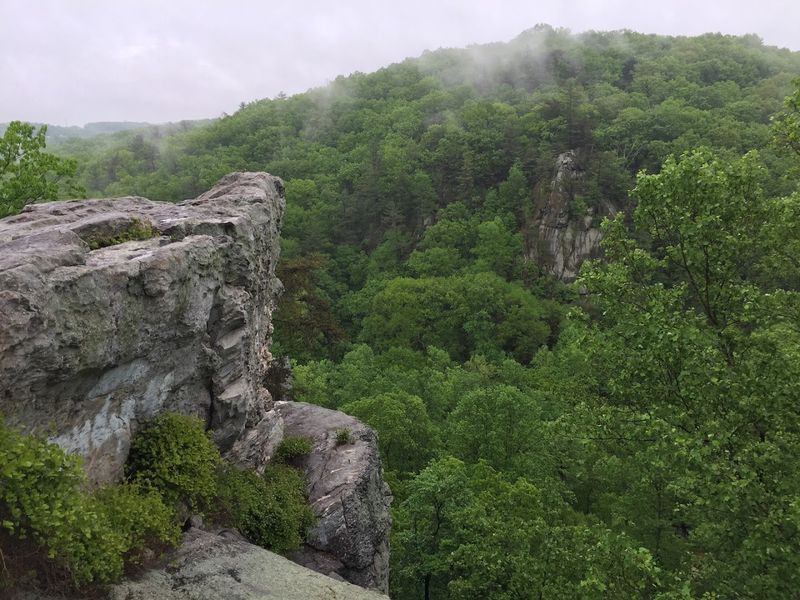
There is a rock formation in Harford County that has been drawing people to its edge for centuries, and somehow it still feels like a secret.
Rocks State Park in Jarrettsville is centered on the King and Queen Seat, a massive outcropping of ancient metamorphic rock that rises nearly 190 feet above the Deer Creek valley below.
The view from the top is one of the best in all of Maryland, a sweeping panorama of forested hills and the glittering ribbon of the creek winding through the valley floor.
The hike to the King and Queen Seat is not long, but it is rewarding in a way that feels proportionate to the effort. The trail climbs through mixed hardwood forest before emerging onto the open rock face, where the horizon suddenly expands and the noise of everyday life disappears entirely.
Deer Creek itself is a destination within the park, with clear, cold water that attracts swimmers and tubers in summer and fly fishers in early spring when the catch-and-release trout season opens.
The park also contains the Falling Branch area, home to one of Maryland’s few remaining stands of old-growth forest and a small but lovely waterfall that flows most reliably in late winter and early spring.
Wildflower enthusiasts find this section of the park especially rewarding in April and May, when trout lily, trillium, and wild ginger carpet the forest floor.
Rocks State Park rewards repeat visits because each season brings something genuinely different, and the landscape never quite loses its ability to surprise you.
Address: 3318 Rocks Chrome Hill Rd, Jarrettsville, MD 21084
