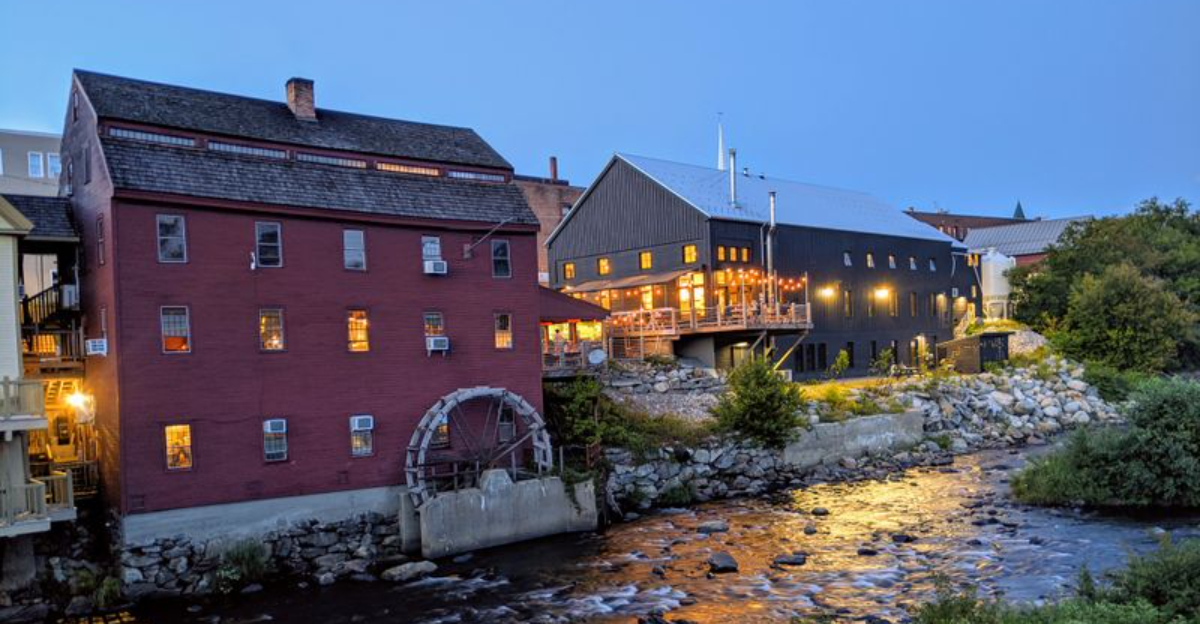
New Hampshire’s countryside holds a special kind of magic for travelers who love good food and small-town charm.
Tucked between rolling hills, mountain ranges, and sparkling rivers, these villages offer more than just beautiful views.
They serve up unforgettable culinary experiences that range from artisan chocolates to farm-fresh pancakes drenched in local maple syrup.
Whether you’re craving handcrafted treats or cozy tavern meals, these eight destinations will satisfy your appetite for both adventure and delicious dining.
1. Sugar Hill
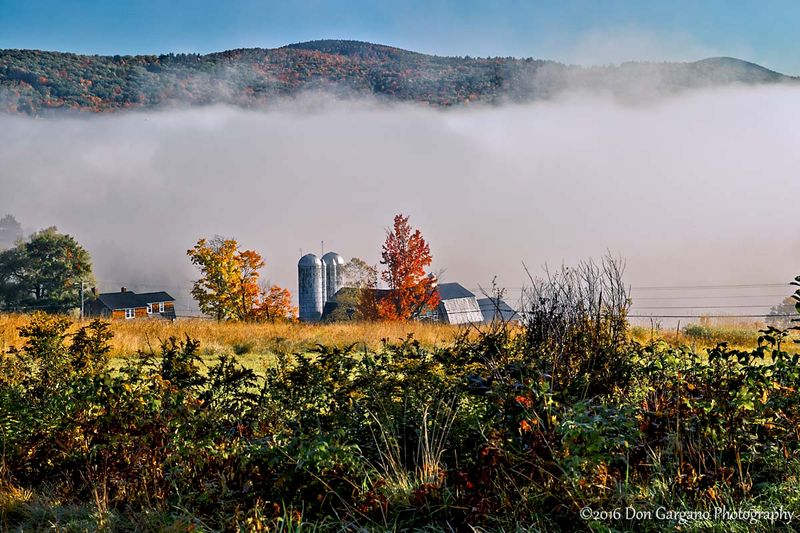
Imagine waking up to mountain air so crisp it feels like a splash of cold water on your face.
Sugar Hill delivers exactly that experience, wrapped in breathtaking White Mountain scenery that changes with every season.
This tiny village earned its sweet name from the thriving maple syrup industry that still defines its character today.
Visitors flock to Polly’s Pancake Parlor, a beloved institution where pancakes aren’t just breakfast but a celebration of local agriculture.
The restaurant sources its maple syrup from nearby sugar houses, creating a farm-to-table experience that tastes like tradition.
French toast arrives golden and fluffy, swimming in amber syrup that carries hints of the forest.
Beyond breakfast, Harman’s Cheese & Country Store beckons with shelves lined with artisanal cheeses crafted by regional producers.
The shop feels like stepping into a New England postcard, complete with creaky wooden floors and the rich aroma of aged cheddar.
Sample varieties you won’t find in supermarkets, from sharp Vermont whites to creamy spreads infused with local herbs.
Sugar Hill’s landscape provides the perfect backdrop for a leisurely foodie weekend.
Winding roads lead past historic farms where Holstein cows graze against mountain vistas.
Spring brings wildflowers that carpet the hillsides, while autumn transforms the village into a kaleidoscope of crimson and gold.
Winter blankets everything in snow, turning Sugar Hill into a cozy retreat where wood smoke curls from chimneys.
The village maintains its agricultural roots proudly, with sugar houses opening their doors during maple season.
Watching sap transform into syrup connects visitors to a centuries-old tradition that still thrives in these mountains.
For food lovers seeking authenticity and natural beauty in equal measure, Sugar Hill serves up both with genuine New Hampshire hospitality.
2. Walpole
Chocolate lovers will find their paradise in this Connecticut River valley village where craftsmanship meets confection.
Walpole might be small, but its reputation for exceptional artisan foods reaches far beyond New Hampshire’s borders.
L.A. Burdick Chocolates stands as the crown jewel of the village’s culinary scene, drawing devotees from across New England.
The chocolatier’s creations go beyond ordinary sweets, with hand-painted truffles that look almost too beautiful to eat.
Their famous chocolate mice, complete with delicate almond ears and silk ribbon tails, have become iconic gifts.
The café attached to the chocolate shop serves pastries that pair perfectly with their signature hot chocolate, thick enough to coat a spoon.
Walpole Village Tavern offers a completely different flavor profile with its hearty pub fare and welcoming atmosphere.
The menu features comfort food elevated by fresh ingredients and careful preparation that respects traditional recipes.
Locals gather here for burgers that arrive juicy and perfectly seasoned, alongside hand-cut fries that crunch with each bite.
After dinner, the Walpole Creamery Scoop Shop provides the perfect ending with homemade ice cream in creative flavors.
Maple walnut showcases New Hampshire’s signature ingredient, while seasonal offerings might include apple cider or pumpkin spice.
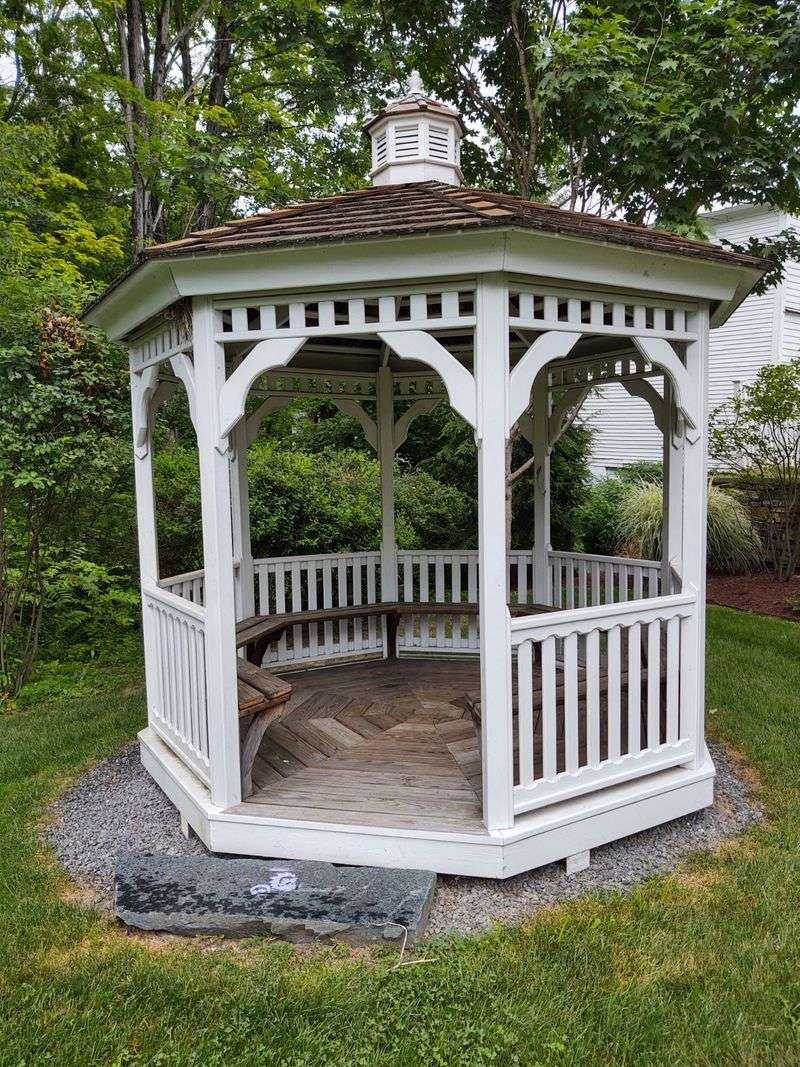
The village itself radiates old-fashioned New England charm with white-steepled churches and historic homes lining quiet streets.
Walking through Walpole feels like traveling back to a simpler time when neighbors knew each other by name.
The Connecticut River flows nearby, offering scenic walking paths where you can digest your culinary adventures.
Summer brings farmers markets where local producers sell everything from organic vegetables to fresh-baked bread.
Walpole proves that exceptional food doesn’t require city sophistication, just dedication to quality and community tradition.
This village invites you to slow down, savor each bite, and appreciate the art of handcrafted food.
3. Jackson
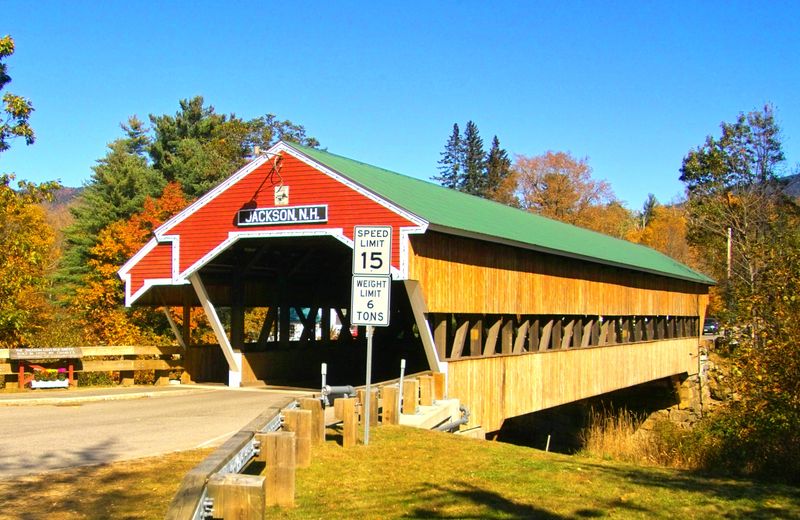
Covered bridges seem to appear around every bend in Jackson, creating photo opportunities that belong on vintage postcards.
This storybook village combines natural beauty with a dining scene that surprises visitors expecting typical tourist fare.
The White Mountains provide a dramatic backdrop that changes character throughout the day as light shifts across the peaks.
Jackson’s restaurant offerings range from cozy bistros to upscale dining rooms where mountain views enhance every meal.
Local chefs take advantage of New Hampshire’s agricultural bounty, incorporating regional ingredients into creative seasonal menus.
The annual Pumpkin People Festival transforms the village each autumn into a whimsical outdoor gallery.
Life-sized scarecrow figures crafted by residents and businesses line the streets in creative displays that delight visitors of all ages.
This festive atmosphere adds extra charm to a foodie weekend, with special menus and treats appearing at local establishments.
Jackson’s covered bridges aren’t just pretty landmarks but functional pieces of history still carrying traffic across mountain streams.
The Honeymoon Bridge earned its romantic name from generations of newlyweds who stopped there for photographs.
Hiking trails lead from the village center into the surrounding wilderness, working up appetites for the excellent meals ahead.
Winter transforms Jackson into a snowy wonderland where cross-country skiing and snowshoeing replace summer hikes.
Returning from cold outdoor adventures to warm restaurants feels especially satisfying when your cheeks are rosy from mountain air.
The village maintains its historic character while welcoming visitors with genuine hospitality that never feels forced or commercial.
Small inns and bed-and-breakfasts offer accommodations where homemade morning meals feature local jams and fresh-baked muffins.
Jackson proves that natural beauty and culinary excellence complement each other perfectly when a community values both.
Every season brings new reasons to visit this mountain village where covered bridges frame views that inspire hungry travelers.
4. Tamworth
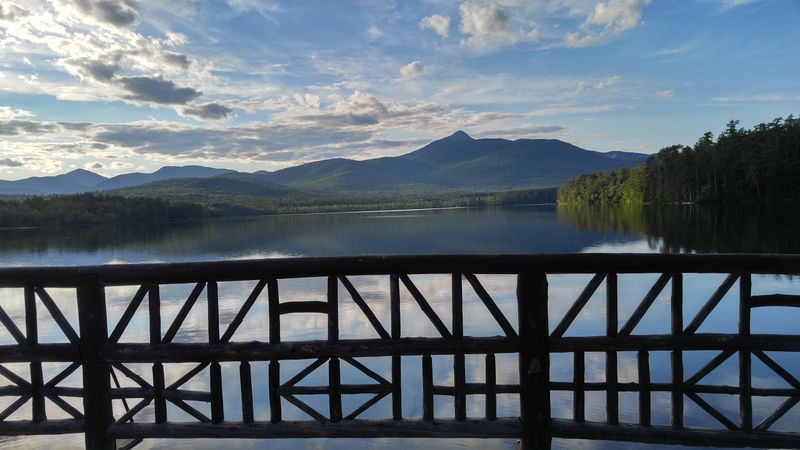
Theater and gastronomy might seem like an unusual pairing, but Tamworth blends both into memorable weekend experiences.
The Barnstormers Theatre has been entertaining audiences since 1931, making it one of America’s oldest professional summer theaters.
Catching a show here means experiencing live performance in an intimate setting where actors practically share the stage with viewers.
Before or after performances, local restaurants provide meals that match the quality of entertainment happening down the street.
Tamworth’s village center preserves old-world charm with buildings that have witnessed decades of community gatherings and celebrations.
The general store still operates as a hub where locals catch up on news while stocking up on essentials and locally made goods.
Foodie visitors discover farm stands selling produce picked that morning, with vegetables still carrying traces of garden soil.
Regional specialties include apple cider pressed from heritage varieties and honey harvested from hives kept in nearby meadows.
Tamworth’s location in the Lakes Region provides access to fresh fish that appears on restaurant menus prepared with simple elegance.
The Chocorua Lake nearby offers stunning reflections of Mount Chocorua, creating scenery that enhances any outdoor dining experience.
Picnicking by the water with locally sourced cheese, bread, and fruit feels like participating in a tradition spanning generations.
The village celebrates its agricultural heritage with seasonal events that bring farmers and food lovers together.
Autumn harvest festivals showcase the bounty of New Hampshire farms, from pumpkins and squash to late-season berries.
Small cafes serve homemade soups that warm you from the inside, perfect after exploring Tamworth’s scenic walking trails.
The combination of cultural enrichment and culinary satisfaction makes this village stand out among New Hampshire destinations.
Tamworth reminds visitors that great food tastes even better when enjoyed in a community that values art, history, and neighborly connection.
This hidden gem rewards those who venture off main highways to discover authentic New England village life.
5. Littleton
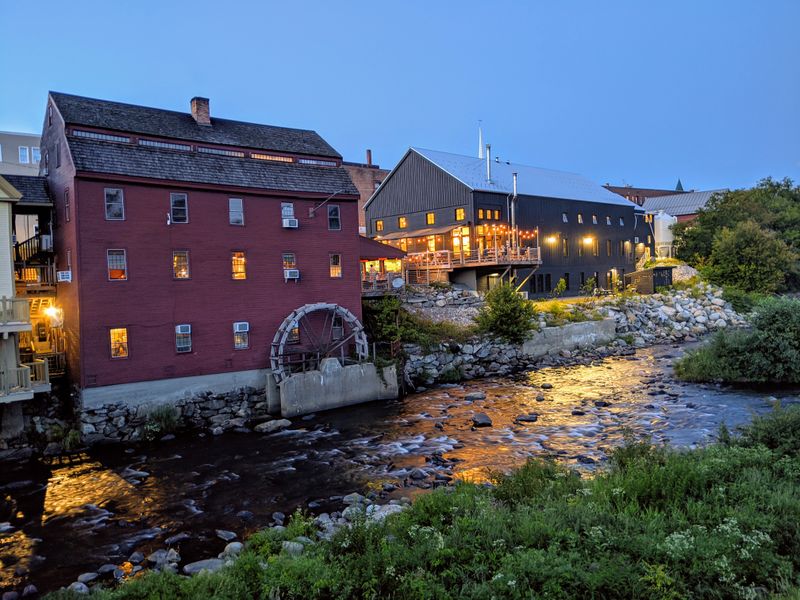
Walking into Chutters feels like entering a candy wonderland where the impossible became reality.
The store holds the Guinness World Record for the longest candy counter, stretching an incredible 112 feet along one wall.
Glass jars filled with every imaginable sweet create a rainbow of colors that mesmerizes children and adults alike.
Littleton built its reputation on this famous attraction, but the village offers much more than nostalgic candy shopping.
The downtown area buzzes with art galleries, boutiques, and restaurants that reflect a thriving creative community.
Local artists display their work in shop windows, transforming ordinary storefronts into impromptu galleries showcasing regional talent.
The Riverwalk Covered Bridge provides a scenic pedestrian path where the Ammonoosuc River rushes over rocks below.
Crossing this bridge connects you to trails perfect for walking off the calories from Littleton’s excellent dining establishments.
Restaurants here understand that tourists seeking authentic experiences want more than generic menus and rushed service.
Farm-to-table isn’t just a buzzword but a genuine commitment to sourcing ingredients from surrounding agricultural communities.
The Pollyanna Statue stands as a cheerful reminder of the optimistic character created by author Eleanor H. Porter, a Littleton native.
This literary connection adds cultural depth to a village that could easily rest on its candy counter fame alone.
Seasonal festivals bring additional energy to Littleton’s streets, with food vendors offering samples of regional specialties.
Winter carnival events feature ice sculptures and hot chocolate stations, while summer brings outdoor concerts and farmers markets.
The village sits at the edge of the White Mountains, making it an ideal base for exploring wilderness areas during the day.
Returning to Littleton after mountain adventures means enjoying craft beer at local breweries or wine at cozy bistros.
This combination of whimsy, art, and serious culinary offerings creates a destination that appeals to diverse travelers.
6. Portsmouth
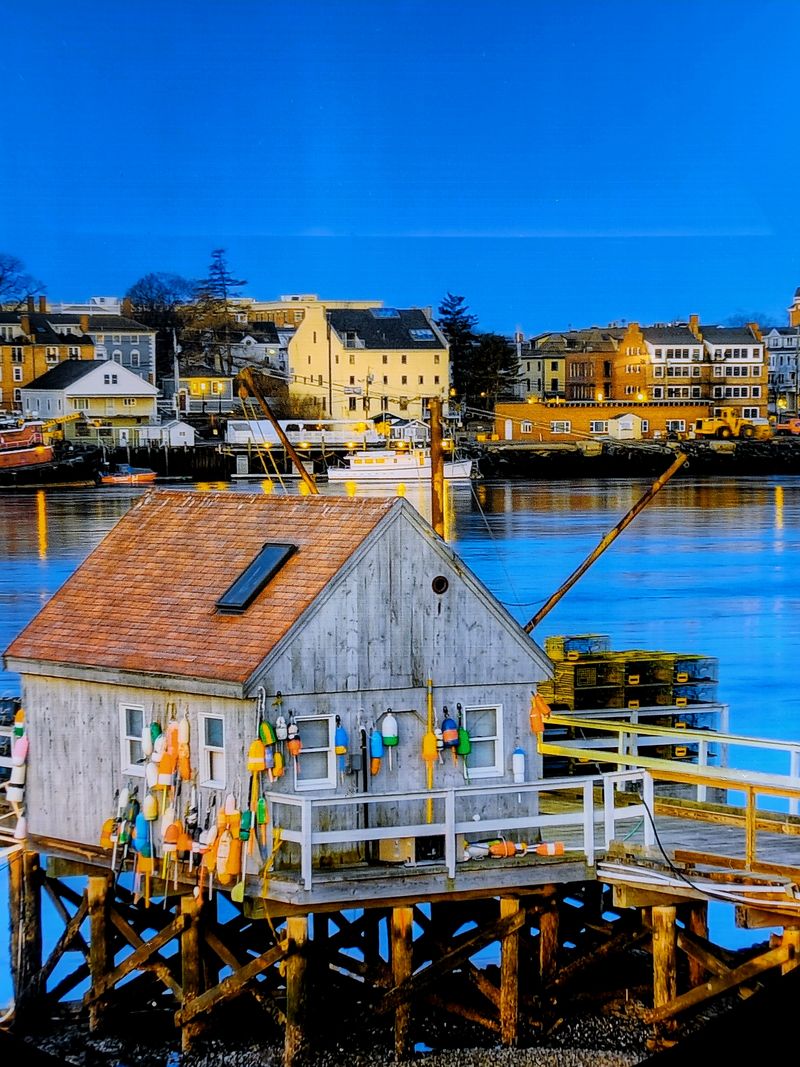
Salt air mingles with the aroma of fresh seafood in this coastal city where history lives alongside modern culinary innovation.
Portsmouth’s waterfront location on the Piscataqua River shaped its development as a major colonial port and shipbuilding center.
That maritime heritage remains visible in the architecture lining downtown streets, where centuries-old buildings house contemporary restaurants.
Georgian mansions stand beside Federal-style townhouses and Victorian storefronts, creating an architectural timeline spanning three hundred years.
The food scene here rivals much larger cities, with chefs who trained in prestigious kitchens choosing Portsmouth for its quality of life.
Seafood naturally dominates many menus, arriving daily from boats that dock just minutes from restaurant kitchens.
Lobster rolls overflow with sweet meat dressed simply to let the ocean flavor shine through.
Oysters from cold New Hampshire waters arrive on ice, their briny taste capturing the essence of the Atlantic.
Beyond seafood, Portsmouth embraces global cuisines with authentic restaurants serving everything from Thai to Italian to modern American fare.
The downtown area remains walkable and compact, allowing food lovers to hop between establishments without needing transportation.
Craft breweries and distilleries have flourished here, offering tastings that showcase New Hampshire ingredients in creative beverages.
Market Square serves as the heart of downtown, surrounded by dining options that range from casual cafes to white-tablecloth establishments.
Street performers and musicians add entertainment while you digest between meals, creating a lively European-style atmosphere.
Portsmouth’s commitment to historic preservation means modern additions respect the character of surrounding colonial structures.
Walking these streets after dark feels magical when gas-style lamps illuminate brick sidewalks and window boxes overflow with flowers.
The city hosts numerous food festivals throughout the year, celebrating everything from chocolate to chowder to international cuisines.
For foodies seeking sophistication mixed with coastal charm, Portsmouth delivers experiences that satisfy both appetite and wanderlust.
7. Peterborough
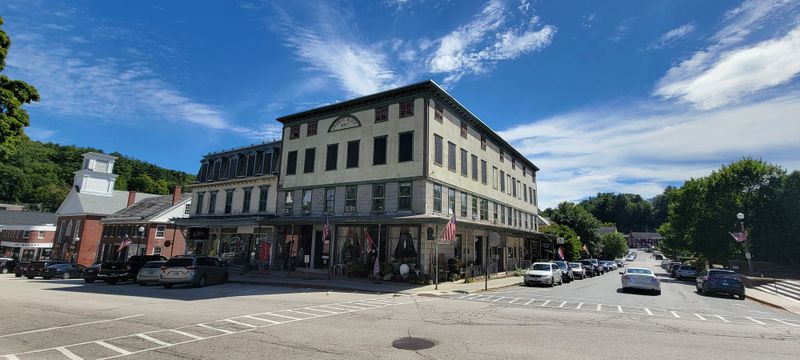
Creativity flows through Peterborough like an invisible current, attracting artists, writers, and musicians who seek inspiration in this cultural haven.
The MacDowell Colony has provided sanctuary for creative minds since 1907, making it America’s oldest artists’ retreat.
Pulitzer Prize winners and celebrated composers have created masterworks while residing in simple studios scattered through MacDowell’s wooded property.
This artistic energy spills into the village, where galleries showcase contemporary work and bookstores host readings by acclaimed authors.
Peterborough’s dining scene reflects the same creative spirit, with restaurants that approach food as an art form deserving careful attention.
Menus change seasonally to highlight whatever local farms are producing at peak freshness and flavor.
Chefs here often know the farmers personally, visiting fields to select vegetables or discussing heritage breed pork with ranchers.
The result appears on plates where presentation matches taste, creating meals that engage all your senses simultaneously.
Downtown Peterborough maintains its historic character while embracing the energy that young creative professionals bring to the community.
Independent coffee shops serve as informal gathering spaces where locals debate art, politics, and the best hiking trails nearby.
The Peterborough Players theater company continues a tradition of summer stock performances that began during the Depression era.
Attending a show here pairs perfectly with dinner at one of the village restaurants within walking distance.
Outdoor recreation opportunities abound in the surrounding Monadnock Region, with Mount Monadnock itself being one of the world’s most climbed peaks.
After conquering trails that reward hikers with panoramic views, returning to Peterborough for a satisfying meal feels especially earned.
The village hosts a vibrant farmers market where vendors sell organic produce, artisan bread, and prepared foods reflecting diverse culinary traditions.
Peterborough proves that small towns can support sophisticated food cultures when residents value quality and creativity.
This combination of artistic legacy and culinary excellence creates a destination where mind and palate both find nourishment.
8. Exeter
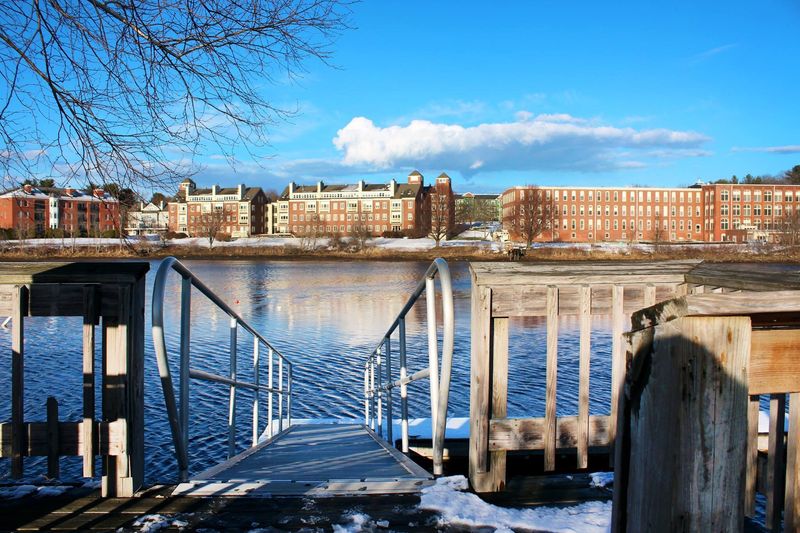
Water defines Exeter’s character, with the tidal Squamscott River bringing ocean influence deep into New Hampshire’s interior.
Founded in 1638, this town carries nearly four centuries of American history in its carefully preserved buildings and tree-lined streets.
Phillips Exeter Academy, one of the nation’s most prestigious preparatory schools, adds intellectual energy and architectural grandeur to the community.
The academy’s presence attracts visiting parents and alumni who expect dining options that match the institution’s reputation for excellence.
Exeter’s restaurants rise to this challenge with establishments that could hold their own in much larger metropolitan areas.
The downtown area clusters around a compact center where brick sidewalks connect locally owned shops and dining destinations.
Seafood appears on menus here with a freshness guaranteed by the town’s proximity to the coast and its tidal river access.
International students and faculty from the academy have influenced the food scene, bringing appreciation for global cuisines to this historic town.
You’ll find authentic ethnic restaurants alongside traditional New England fare, creating diversity unusual for a community of Exeter’s size.
The American Independence Museum occupies the Ladd-Gilman House, where visitors can explore Revolutionary War history between meals.
Water Street Books serves as a beloved independent bookstore where food lovers can find cookbooks celebrating regional ingredients and traditions.
The Exeter River provides scenic walking paths where the changing tides create different landscapes throughout the day.
Kayakers paddle these waters during high tide, exploring marshlands that teem with birds and marine life.
Fall brings spectacular foliage that reflects in the river’s surface, doubling the impact of autumn’s colorful display.
Local farms surrounding Exeter supply restaurants with produce, meat, and dairy products that anchor menus in agricultural reality.
The town maintains a balance between honoring its colonial past and embracing contemporary culture, including modern food trends.
Exeter rewards visitors who appreciate history, natural beauty, and culinary experiences that respect both tradition and innovation.
Dear Reader: This page may contain affiliate links which may earn a commission if you click through and make a purchase. Our independent journalism is not influenced by any advertiser or commercial initiative unless it is clearly marked as sponsored content. As travel products change, please be sure to reconfirm all details and stay up to date with current events to ensure a safe and successful trip.
