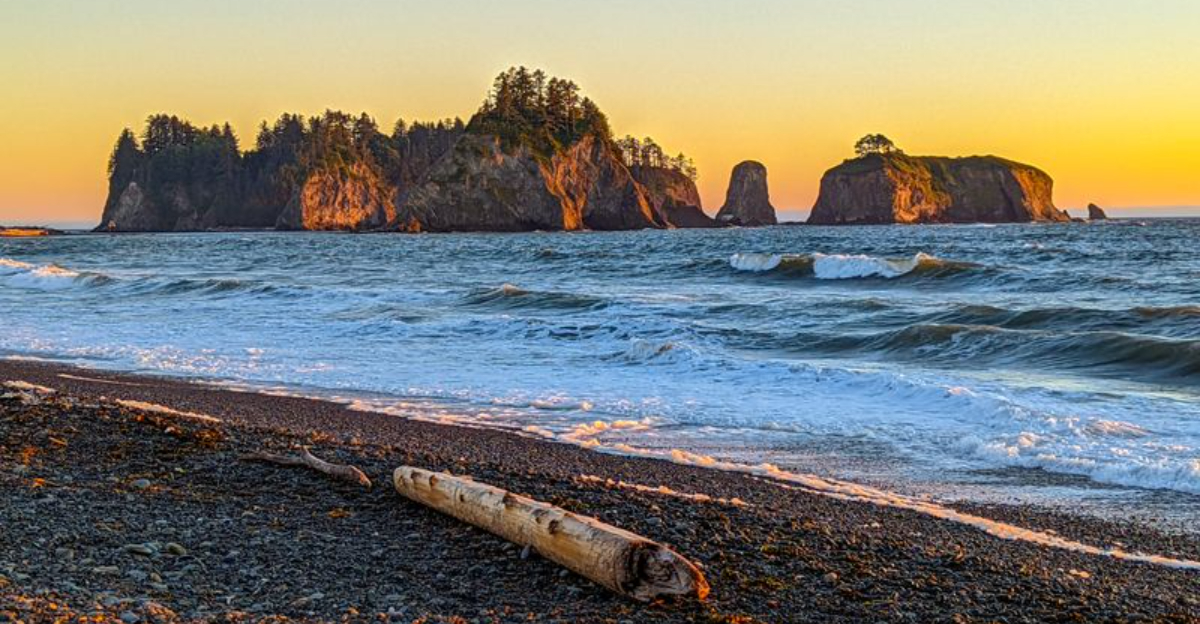
Washington’s rugged coastline stretches for miles, offering some of the most beautiful and peaceful beach experiences in the Pacific Northwest.
While popular spots draw crowds during summer months, hidden gems await those seeking tranquility and natural beauty.
These quieter beaches provide the perfect escape from busy city life, where you can listen to crashing waves, explore tide pools, and breathe in fresh ocean air.
Whether you’re looking for a peaceful walk, a spot to watch the sunset, or simply a place to relax away from the noise, Washington’s coast has something special waiting for you.
From rocky shores to sandy stretches, each beach offers its own unique charm and character.
The best part about these hidden coastal treasures is that they remain relatively uncrowded, even during peak tourist season.
Pack your beach bag, grab your camera, and get ready to discover some of the most serene and stunning beaches along Washington’s spectacular coastline.
1. Shi Shi Beach
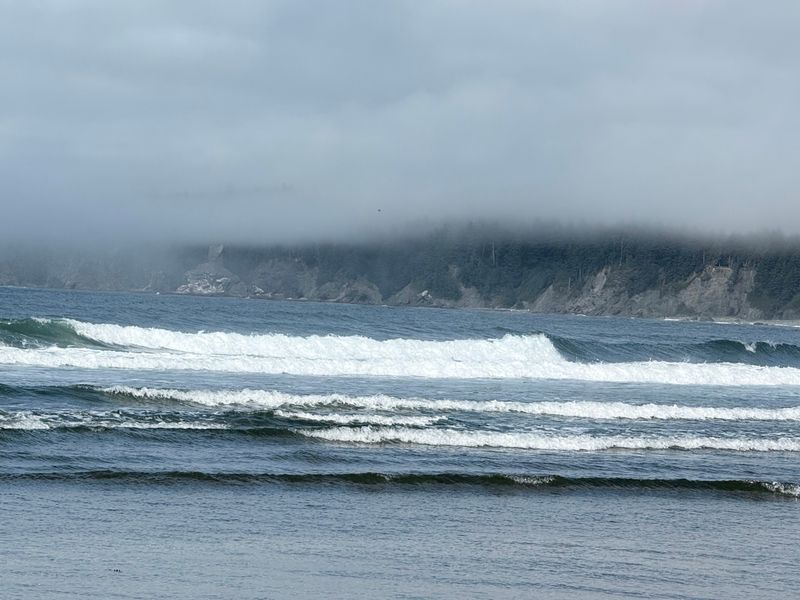
Tucked away in the remote northwestern corner of the Olympic Peninsula, Shi Shi Beach rewards adventurous visitors with one of Washington’s most stunning coastal landscapes.
Getting there requires a moderate four-mile hike through dense coastal forest, which naturally keeps the crowds away and preserves the beach’s wild character.
The trail crosses onto Makah Tribal land, so you’ll need to purchase a recreation permit from the Makah Nation before your visit.
Once you arrive, the sight takes your breath away immediately.
Towering sea stacks rise from the sand like ancient sentinels, creating dramatic silhouettes against the sky.
The beach stretches for two miles of pristine sand, littered with massive driftwood logs that have been smoothed and bleached by years of ocean exposure.
Point of the Arches, located at the southern end, features an incredible collection of rock formations and tide pools teeming with colorful sea stars, anemones, and crabs.
Low tide reveals the best exploration opportunities when you can walk among the sea stacks and discover hidden caves.
Many visitors choose to camp overnight at designated sites near the beach, allowing them to experience magical sunsets and starry nights far from city lights.
The sound of waves crashing against rocks creates a soothing natural soundtrack that helps you truly disconnect from everyday stress.
Bring sturdy hiking boots for the trail, along with layers of clothing since coastal weather changes quickly.
The beach remains relatively quiet even in summer, though spring and fall offer the most solitude.
Remember to practice Leave No Trace principles and respect this sacred landscape that has belonged to the Makah people for thousands of years.
2. Kalaloch Beach 4
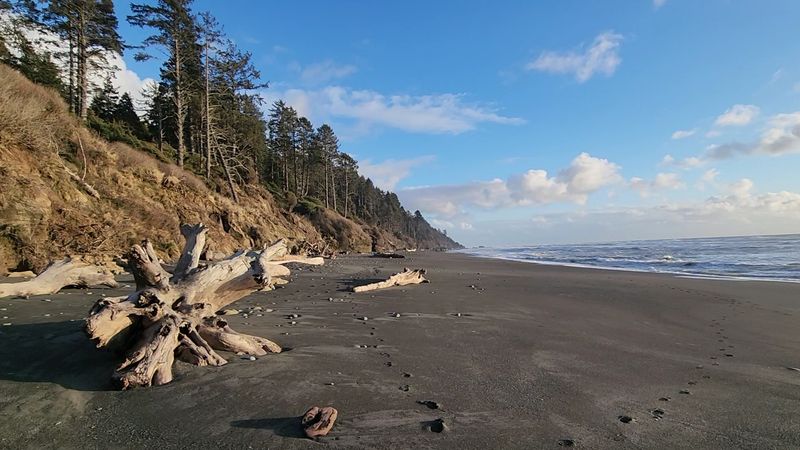
Among the numbered beaches along the Kalaloch coast, Beach 4 stands out as a peaceful retreat that sees fewer visitors than its more famous neighbors.
Located within Olympic National Park along Highway 101, this beach offers easy access with just a short trail from the parking area.
The gentle descent through coastal vegetation takes only a few minutes, making it perfect for families or anyone who prefers a shorter walk to the shore.
What makes this beach special is its perfect balance of accessibility and tranquility.
While nearby Ruby Beach attracts large crowds with its iconic sea stacks, Beach 4 maintains a quieter atmosphere where you can actually hear yourself think.
The wide sandy expanse provides plenty of room to spread out, even on busier days.
Smooth, wave-polished rocks mix with the sand, creating interesting textures underfoot as you stroll along the waterline.
Tide pooling here reveals fascinating marine life, including purple sea urchins, hermit crabs, and bright orange sea stars.
Bring a field guide to help identify the creatures you discover, and remember to look but never touch or remove anything from the pools.
The beach faces west, offering spectacular sunset views when the sky turns shades of pink, orange, and purple over the Pacific Ocean.
Driftwood structures built by previous visitors dot the upper beach, providing windbreaks and fun spots for photos.
The nearby Kalaloch Lodge offers dining and lodging options if you want to extend your coastal visit.
Visit during weekdays or off-season months for the most peaceful experience.
Don’t forget your National Park pass, as all Olympic National Park beaches require an entrance fee or annual pass for vehicle access.
3. Rialto Beach
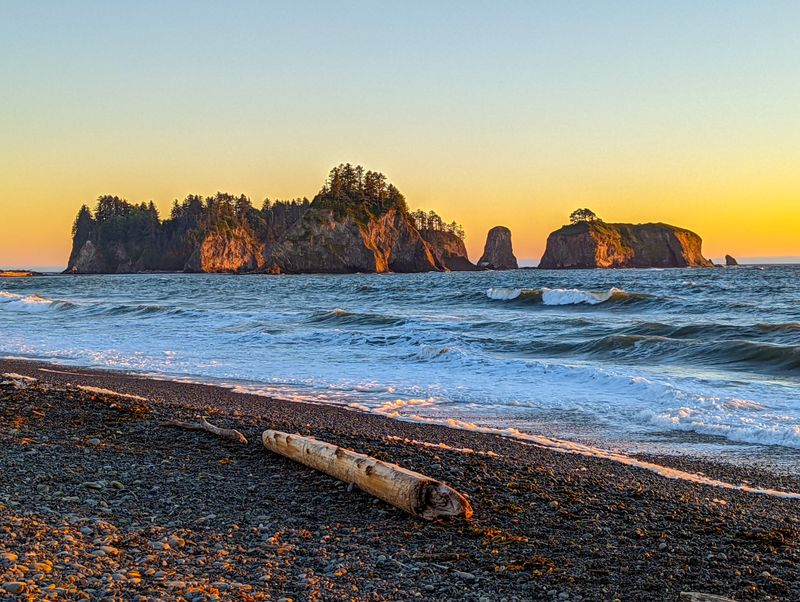
Rialto Beach captivates visitors with its dramatic dark sand and iconic Hole-in-the-Wall rock formation rising from the shore.
Located near the town of Forks on the Olympic Peninsula’s western edge, this beach combines easy access with wild, untamed beauty.
The parking area sits right next to the beach, eliminating the need for long hikes, yet the location’s relative remoteness keeps it quieter than more southern coastal destinations.
Massive piles of driftwood logs create a striking contrast against the dark, pebbly sand.
These weathered trees, some as thick as cars, have been carried down rivers and deposited by powerful winter storms.
Walking among these giant logs feels like exploring a natural sculpture garden where nature serves as the artist.
The beach stretches north for miles, inviting long, contemplative walks with only seabirds as your companions.
At low tide, you can walk about 1.5 miles north to reach Hole-in-the-Wall, a massive rock arch carved by centuries of wave action.
Passing through the archway feels like entering another world, with tide pools on the other side hosting incredible biodiversity.
The sound of waves echoing through the tunnel creates an almost musical quality that adds to the magical atmosphere.
Bring waterproof boots since the beach consists more of rounded stones than soft sand.
The James Island sea stack offshore provides a dramatic backdrop for photography, especially during golden hour.
Watch for bald eagles soaring overhead and sea otters playing in the kelp beds just beyond the breakers.
Winter storms bring the most dramatic wave action, but summer and fall offer calmer conditions perfect for peaceful contemplation and beachcombing adventures.
4. Third Beach
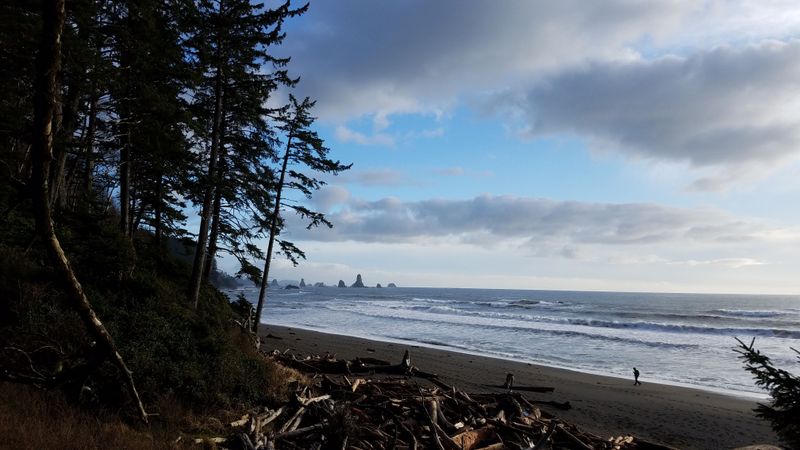
Did you know that Third Beach earned its name simply from being the third beach south of the Quileute Reservation?
Despite this unimaginative naming, the beach itself is anything but ordinary.
Reaching this coastal gem requires a 1.4-mile hike through enchanting old-growth forest, where massive Sitka spruce and western hemlock trees create a cathedral-like canopy overhead.
The trail descends gradually, allowing you to build anticipation as you catch glimpses of blue ocean through the trees.
When you finally emerge onto the beach, the view opens up to reveal a stunning crescent of sand backed by towering cliffs.
Giants Graveyard, a collection of impressive sea stacks, stands just offshore like ancient monuments to geological time.
The beach curves gently, creating a sense of enclosure that makes you feel like you’ve discovered your own private paradise.
Backpackers love Third Beach for its designated camping area, where you can pitch a tent and fall asleep to the rhythm of waves.
Overnight visitors experience incredible stargazing when clouds clear, as the lack of light pollution reveals the Milky Way in stunning detail.
Bonfires are allowed in established fire rings, creating cozy gathering spots for sharing stories and roasting marshmallows.
The southern end of the beach features Teahwhit Head, where more adventurous explorers can continue hiking during low tide.
Tide pools here burst with life, showcasing the incredible diversity of intertidal ecosystems.
Spring wildflowers bloom along the trail, adding splashes of color to your journey.
Remember to hang food properly if camping, as black bears occasionally wander the area.
The moderate hike keeps casual tourists away, ensuring that those who make the effort enjoy a quieter, more intimate beach experience.
5. Leadbetter Point
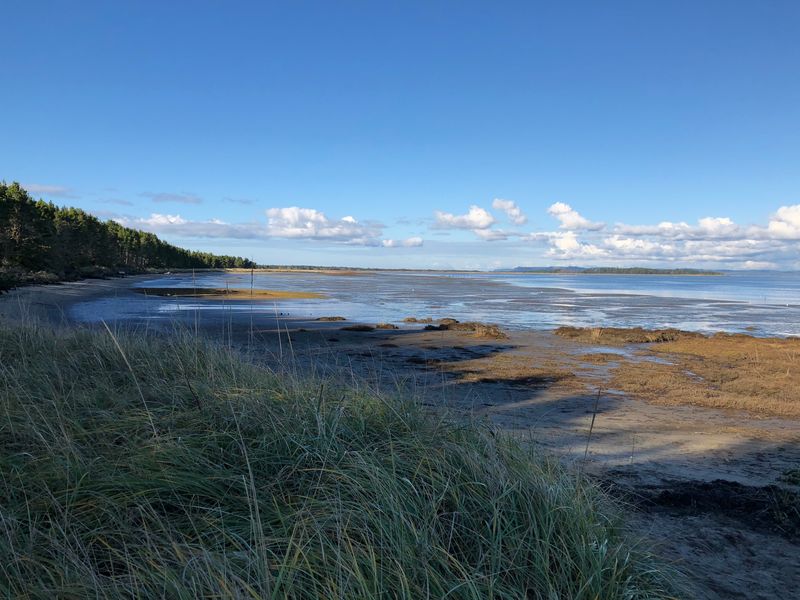
At the very northern tip of the Long Beach Peninsula, Leadbetter Point offers a completely different coastal experience from Washington’s rocky Olympic shores.
This protected area within Willapa National Wildlife Refuge features wide, sandy beaches that stretch seemingly forever.
The landscape here feels more like the Carolina coast than the Pacific Northwest, with gently rolling dunes covered in beach grass swaying in the constant ocean breeze.
Birders flock to Leadbetter Point, especially during migration seasons when thousands of shorebirds stop to rest and refuel.
You might spot marbled godwits, sanderlings, and even the occasional peregrine falcon hunting along the shore.
The refuge protects critical habitat for the threatened snowy plover, so certain areas close seasonally to protect nesting sites.
Bring binoculars and a bird identification guide to make the most of this wildlife-watching paradise.
Two trails wind through the area, offering different perspectives on this unique ecosystem.
The Bay Side Trail follows Willapa Bay’s calmer waters, while the Ocean Side Trail leads to the wider, wilder Pacific beach.
Both routes pass through coastal forest and dune habitat before reaching the shore.
The relatively flat terrain makes these trails accessible for most fitness levels, though soft sand can slow your pace.
Summer brings warm weather perfect for long beach walks and picnicking.
The remote location means you’ll often have huge stretches of beach entirely to yourself.
Shell collecting is excellent here, with sand dollars, clam shells, and other treasures washing up daily.
The nearest town, Oysterville, sits several miles south and offers a charming glimpse into Washington’s oyster-harvesting history.
6. Point of Arches
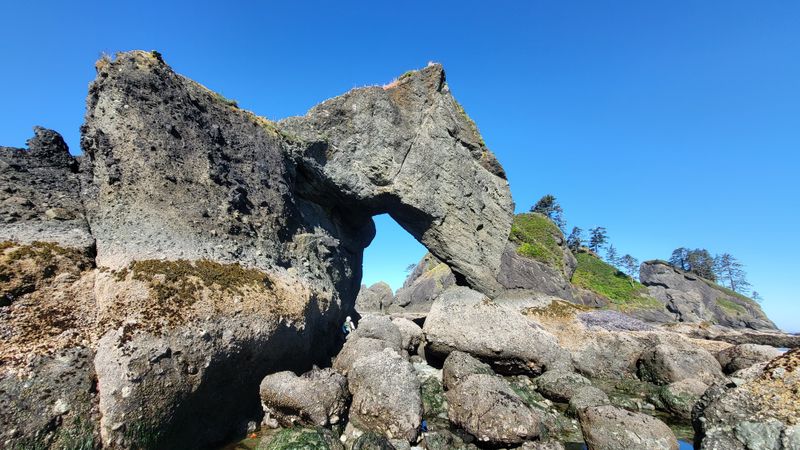
Imagine standing before a collection of natural rock sculptures so stunning they seem almost impossible.
Point of Arches represents one of Washington’s most extraordinary geological wonders, where dozens of sea stacks and natural arches create a landscape that feels almost otherworldly.
Located at the southern end of Shi Shi Beach, this area requires the same four-mile hike through forest, but the extra effort to reach the point itself pays off with scenery that rivals any coastal destination in the world.
Timing your visit with low tide is absolutely essential here.
As the water recedes, it reveals pathways between the towering rock formations, allowing you to walk among these ancient structures.
Some arches stand tall enough to walk through comfortably, while others create small windows framing the ocean beyond.
The rocks themselves display beautiful layers of sedimentary stone, telling a story millions of years in the making.
Tide pools here are particularly abundant and diverse.
Bright purple and orange sea stars cling to rocks, while green anemones wave their tentacles in remaining pools of water.
Small fish dart between rocks, and if you’re lucky, you might spot a small octopus hiding in a crevice.
The sound of water dripping from the arches and waves echoing through rock chambers creates an almost musical ambiance.
Photographers consider this location a dream, with endless compositions possible from every angle.
Sunset transforms the scene into something truly magical when warm light bathes the rocks in golden hues.
Always check tide tables before visiting and allow plenty of time to return before high tide.
The area falls within Olympic National Park and Makah Tribal lands, so respect all regulations and permit requirements for this precious natural treasure.
7. Ruby Beach
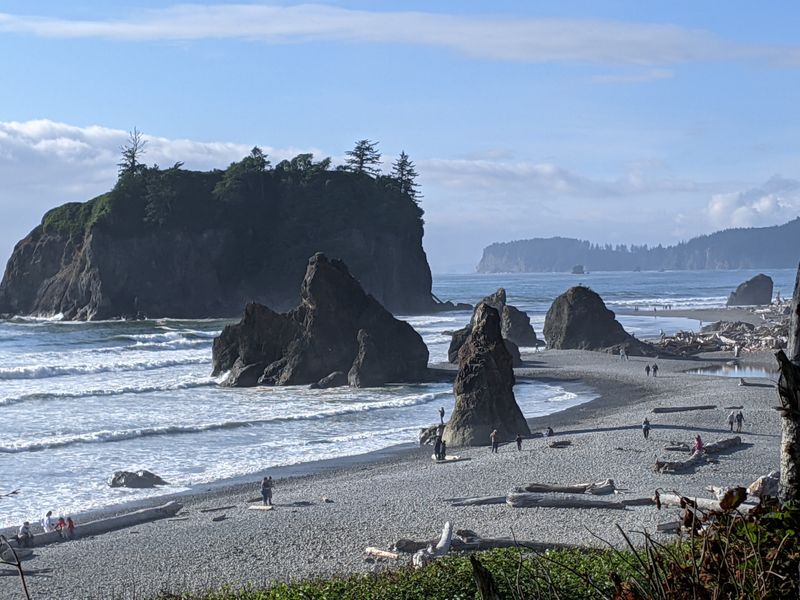
Ruby Beach earns its name from the reddish crystals and pebbles that sometimes appear among the sand, catching sunlight like tiny gems.
While this beach is more well-known than others on this list, visiting during off-peak hours or seasons still provides peaceful solitude.
The short trail from the parking area descends through a tunnel of vegetation before opening onto one of Washington’s most photographed coastal scenes.
Abbey Island, the massive sea stack that dominates the southern view, has become an iconic symbol of the Olympic Coast.
This towering rock formation, covered with wind-sculpted trees on top, creates a striking focal point that draws photographers from around the world.
North of the main beach area, additional sea stacks and rock formations create endless exploration opportunities during low tide.
Creeks flowing across the beach create mirror-like reflections when conditions are just right, doubling the visual impact of the dramatic scenery.
Driftwood accumulation here reaches impressive levels, with entire log jams creating natural barriers between the forest and the active beach.
Children love climbing on these massive pieces of weathered wood, though adults should supervise carefully as the logs can shift unexpectedly.
The beach’s mix of sand, pebbles, and larger rocks creates interesting textures and colors that change with the light throughout the day.
Early morning visits offer the best chance for solitude, as tour buses and day-trippers typically arrive later.
Fog often blankets the coast in summer mornings, creating an ethereal atmosphere where sea stacks appear and disappear like ghosts.
Tide pooling is excellent on the northern rocks, where you’ll find all the usual suspects plus occasional surprises like nudibranch sea slugs in brilliant colors.
The beach is located at milepost 165 on Highway 101, making it easy to find and perfect for including in a larger Olympic Peninsula road trip.
Dear Reader: This page may contain affiliate links which may earn a commission if you click through and make a purchase. Our independent journalism is not influenced by any advertiser or commercial initiative unless it is clearly marked as sponsored content. As travel products change, please be sure to reconfirm all details and stay up to date with current events to ensure a safe and successful trip.
