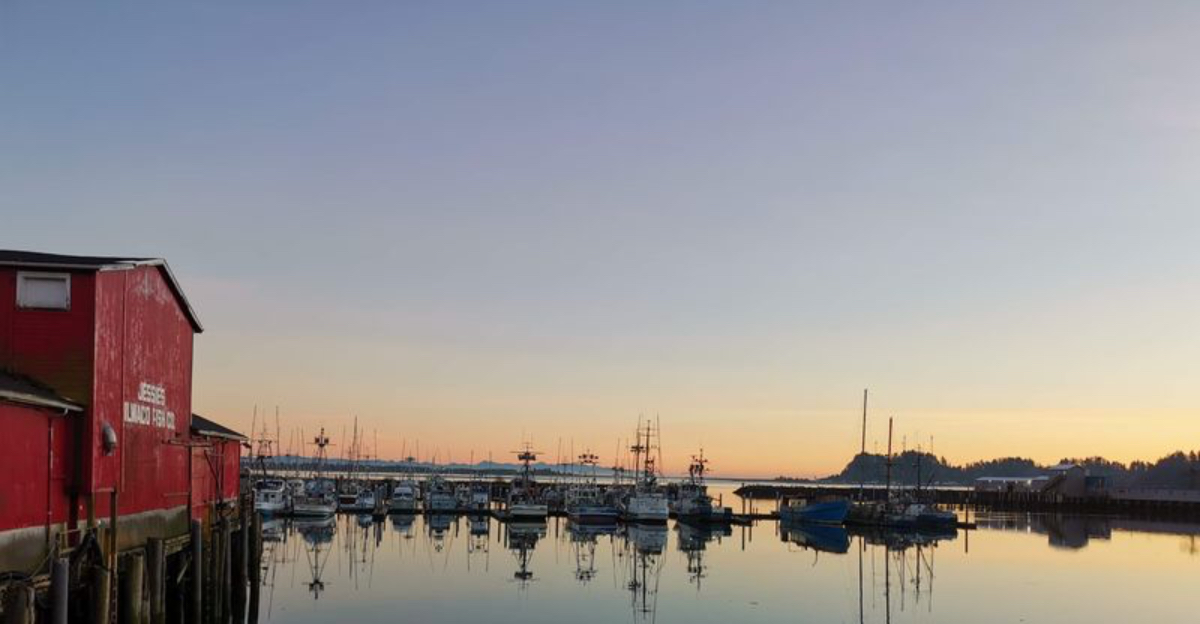
Washington State slips into a softer register along the coast, where small villages trade city noise for gull cries and slow tides.
You feel the difference the moment cedar air meets salt spray, a gentle cue to move at the water’s pace.
Each stop brings its own character, from artsy boardwalks to fog lit headlands and quiet marinas.
If calm mornings, friendly sidewalks, and big sky sunsets call your name, these under the radar communities deserve your time.
Watery reflections double the sky in harbor basins, and even everyday errands feel quieter along these streets.
Mornings often start with fog lifting off the water in slow layers, revealing docks, pilings, and distant trees.
Locals greet each other by name, and visitors fold into the rhythm without much effort.
Coffee shops, bookshops, and simple seafood counters act as living rooms for these small communities.
By the time you leave, your sense of time feels tuned to tides instead of clocks.
1. La Conner
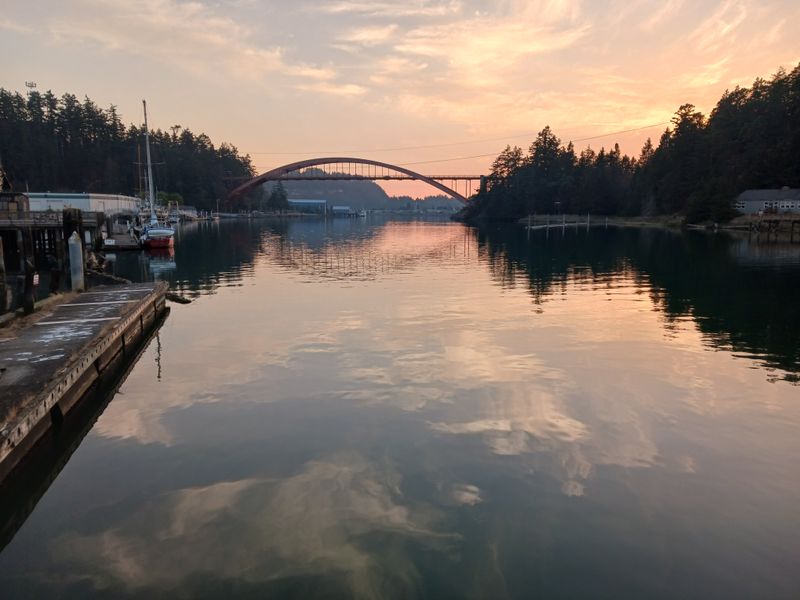
La Conner rests along the Swinomish Channel with a mellow rhythm that drifts in on the tide.
Historic storefronts in warm colors lean toward the water, and the wooden boardwalk gives you an easy path to slow down.
The Rainbow Bridge arcs overhead, bright and graceful, guiding your eye from docked boats to tidelands.
Small galleries showcase regional artists who draw their inspiration from low clouds, river light, and farm fields that reach the horizon.
The Museum of Northwest Art sits a short stroll from the channel, pairing thoughtful curation with intimate exhibits that reward close attention.
Nearby, the Skagit County Historical Museum adds texture with stories that connect early homesteads to today’s creative scene.
You can wander the quieter side streets and find pocket gardens, cedar fences, and porches draped in baskets.
The boardwalk feels especially peaceful when the water slackens and herons prowl the shallows in unhurried arcs.
Spring brings fields of blooms across the valley, and the drive in feels like a moving painting under big Washington skies.
Even in winter, soft rain makes the town glow and pushes a clean scent through the channel.
La Conner rewards curiosity with little discoveries, like an alley mural or a vintage sign revealed by shifting light.
Parking is simple, walking is better, and the waterfront keeps calling you back for one more look.
Late in the day, the channel mirrors pastel clouds while boat masts draw fine lines through the color.
Cafes tuck into old buildings where salmon, chowder, and fresh baked bread match the easy pace outside.
Bikes and strollers roll the same blocks, and nobody seems in a hurry to get anywhere in particular.
In autumn, fields shift from flowers to earthy tones, and migrating birds stitch new patterns above the river.
La Conner feels small in size yet large in the number of quiet moments it hands you.
2. Seabrook
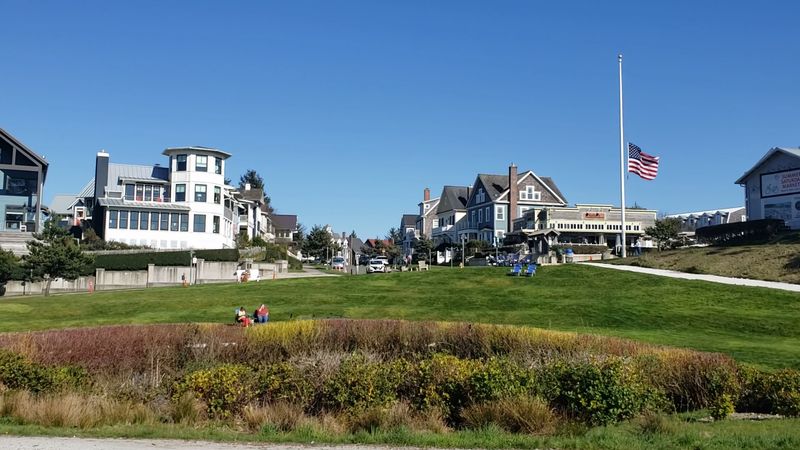
Seabrook rises on a bluff with tidy lanes that point toward the Pacific and a village core built for walking.
Front porches face each other across pocket greens, and the layout invites you to linger and chat under shifting coastal light.
Pastel cottages sit above cedar and salal, and the ocean spreads out below like a steady blue metronome.
Paths drop to wide sand where kites slice the sky and driftwood stacks mark yesterday’s tide line.
The town center clusters boutiques and relaxed gathering spaces around handsome façades and generous windows.
Benches and steps turn into casual seating with an ocean view that steals your attention every few minutes.
Evenings bring a hush, with porch lamps glowing and the surf beating a soft backdrop to conversation.
Morning walks feel restorative, with crows working the beach and mist lifting off the trees behind the bluff.
It is a place that prizes simple rituals, like a slow stroll, a borrowed book, or a bike ride to the overlook.
Design choices keep cars secondary, so the soundtrack is wind, footsteps, and waves across open sand.
From here the Washington coast stretches wild and mostly empty, promising long, meditative miles.
Seabrook makes it easy to settle in, breathe deeper, and find a pace that fits the sea.
Small details carry a lot of weight here, like boots parked by a door or blankets airing on a railing.
Bonfires dot the beach on clear nights, turning the shoreline into a loose ring of shared warmth.
Shops lean cozy rather than flashy, offering simple treats, good coffee, and coastal staples.
From some vantage points you can see both forest and sea at once, a reminder of how tightly they meet.
Seabrook works best for travelers who like to park the car once and forget about it.
3. Coupeville
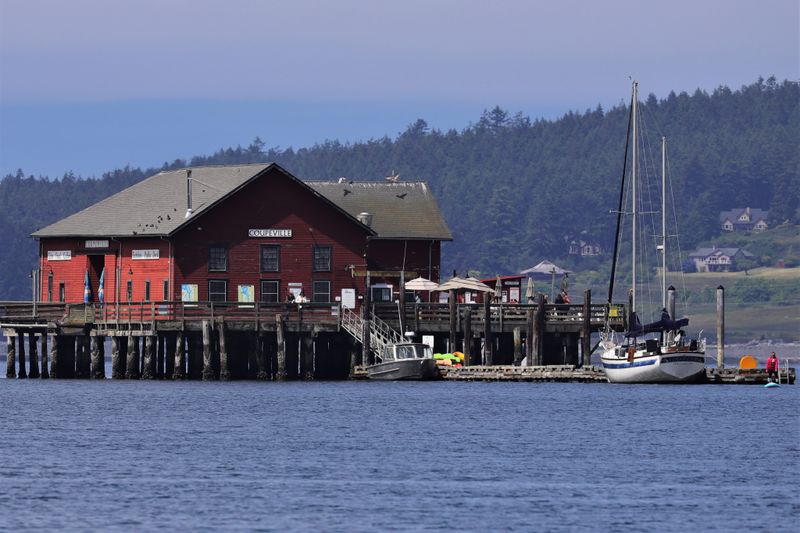
Coupeville keeps a timeless watch over Penn Cove with a long wharf, bobbing boats, and classic storefronts along Front Street.
Water laps the pilings in a steady rhythm, and gulls stitch lazy lines above the harbor.
Ebey’s Landing National Historical Reserve surrounds town with open prairie, low barns, and bluff trails that meet the sea.
Historic buildings hold welcoming shops where creaking floors and old beams frame bright displays.
The wharf invites a slow amble to feel the tide breathe through the cove and to study distant shores.
Interpretive signs link you to stories of early settlers and the working landscape that still shapes the island.
Morning fog slides in and out, and the town appears and fades like a memory made of salt and light.
Windows reflect passing clouds, turning Front Street into a gallery of the sky.
Penn Cove brings a sense of shelter, with smooth water that calms even on blustery days.
Washington history feels close at hand here, and its care shows in preserved details across the district.
Side streets hold porches with bay views, tidy gardens, and quiet benches shaded by maples.
Sunset throws a warm wash over shingles and brick, and the wharf glows like a soft lantern.
On market days, local produce and crafts spread across the waterfront, adding color to the historic core.
Ferries slide along distant routes, small moving pieces against the wider canvas of the Sound.
Restaurants treat Penn Cove mussels like a calling card, often paired with harbor views from the table.
The combination of water, prairie, and old architecture gives the town a layered, grounded feel.
Coupeville does not demand your attention, it earns it slowly and then holds it.
4. Westport
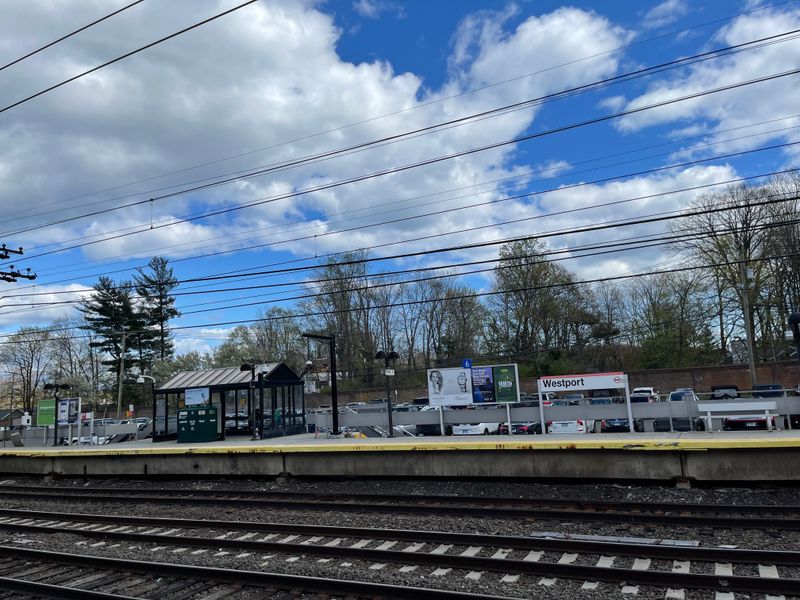
Westport sits where the harbor meets the open coast, and the day begins with rigging tapping against masts in the marina.
Fishing vessels line the docks, and the working rhythm gives the waterfront a confident, purposeful energy.
Grays Harbor Lighthouse stands inland with a classic lantern room that keeps watch over shifting bars and long swells.
Surfers gather at the jetty when conditions line up, and the beach holds space for walkers, photographers, and tide explorers.
Sturdy boardwalks curve along the water with views that stretch to distant headlands under changing light.
In town, weathered siding and practical storefronts reflect a place built by the sea and for the sea.
Museums keep maritime heritage close, with artifacts that tell of rescues, storms, and hardworking crews.
Wind carries salt through side streets, and gulls circle bait sheds as crews sort gear for the next run.
Even on calm days, the Pacific reminds you who sets the pace, and Westport nods in steady agreement.
Washington’s coastal reach feels immediate here, honest, direct, and beautiful in any season.
Sunsets tilt warm across the harbor and leave polished reflections on still water between pilings.
Night falls and red mast lights punctuate the darkness while the lighthouse throws its measured sweep.
Storm watching here becomes its own kind of pastime, with big waves hammering the jetty while clouds stack offshore.
Seafood shacks serve baskets of fish and chips that taste like the harbor breeze itself.
Kites, crab pots, and rubber boots all feel like standard gear rather than props.
On clear days, you can trace the curve of the coast for miles and still feel like you are only seeing part of it.
Westport balances working waterfront grit with wide open beach calm in a way that feels honest.
5. Port Gamble
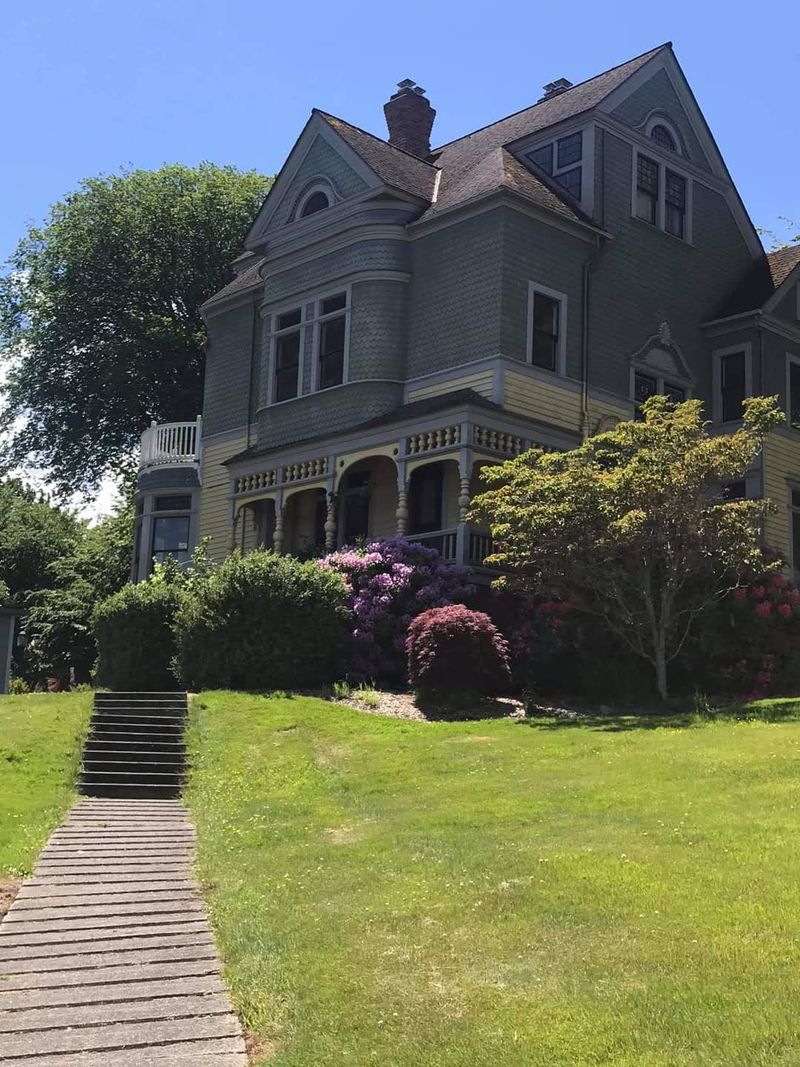
Port Gamble rests above Hood Canal with a rare intact company town layout that reads like a living museum.
White clapboard buildings line tidy streets, and the church steeple rises clean against evergreen hills.
Victorian homes hold porches with turned posts, while lawns slope gently toward views of blue water.
Walking feels unhurried, with each corner offering old mill era details preserved with care.
The historic museum explains the town’s timber roots and shows how the canal shaped daily life.
Shops and small exhibits occupy restored structures that glow with polished wood and bright windows.
From the bluff you can spot tide lines and boat wakes that write temporary scripts across the canal.
Even the breeze seems to carry a faint cedar note that connects landscape and story.
Trails nearby lead into forest shade, and open clearings return you to water views and quiet light.
Washington heritage feels present without weight, welcoming deeper wandering and patient looking.
Evenings reveal a postcard calm, with lamps warming façades and the canal turning to liquid silver.
The scale invites conversation and time to notice, which suits the village perfectly.
Seasonal festivals and small gatherings use the town’s streets like a ready made backdrop.
Antique stores and bookshops invite slow browsing that easily fills an afternoon.
From certain spots you can watch weather roll up the canal long before it reaches you.
The grid is small enough that children can explore within sight, and adults can sit on porches without checking the time.
Port Gamble feels carefully tended yet relaxed, like a favorite room that is always in use.
6. Ilwaco
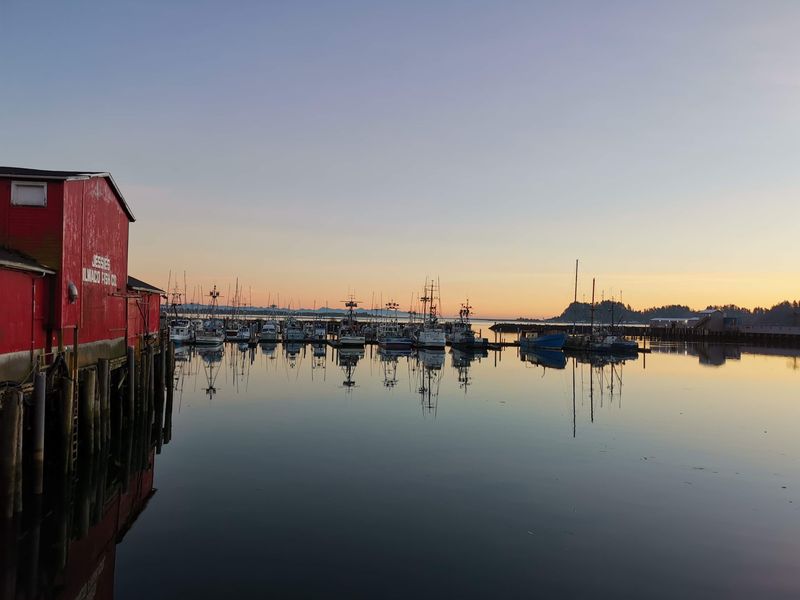
Ilwaco anchors the south edge of the Long Beach Peninsula with a busy harbor framed by green hills and wide water.
Docks hum with boat traffic, and the working fleet shares space with cruisers and careful walkers.
Cape Disappointment State Park rises nearby with cliffs, trails, and sweeping views where river meets ocean.
Lighthouses perch on basalt shoulders and send clean beams across shifting weather and fierce currents.
The Lewis and Clark Interpretive Center stands above the break, connecting a cross continent journey to today’s shoreline.
On weekends, stalls fill the port promenade with crafts and fresh goods that match the easy pace of the marina.
Artists capture fog tones and lighthouse silhouettes, and you can watch paintings come alive in real time.
Harbor buildings wear practical lines and paint colors that pop against the gray of a low ceiling day.
Pelicans skim the swells near the river mouth, and sea lions surface with comic timing beside the floats.
Washington’s big waters feel close here, and the air tastes like salt and river silt together.
Evenings turn quiet, with rigging tapping and gulls calling across still basins.
Night moves in with soft harbor lights and the sound of halyards ticking in a steady beat.
Charter boards along the docks list tides and departure times, giving the day a clear, sea based structure.
Cafes near the harbor make good vantage points for watching boats come and go between squalls.
The short drive from town to the park lighthouses feels like a natural extension of the harbor itself.
Even on gray days the layered greens of the headlands keep the palette rich.
Ilwaco ties working port, national park, and small town all into one compact, memorable spot.
7. Tokeland
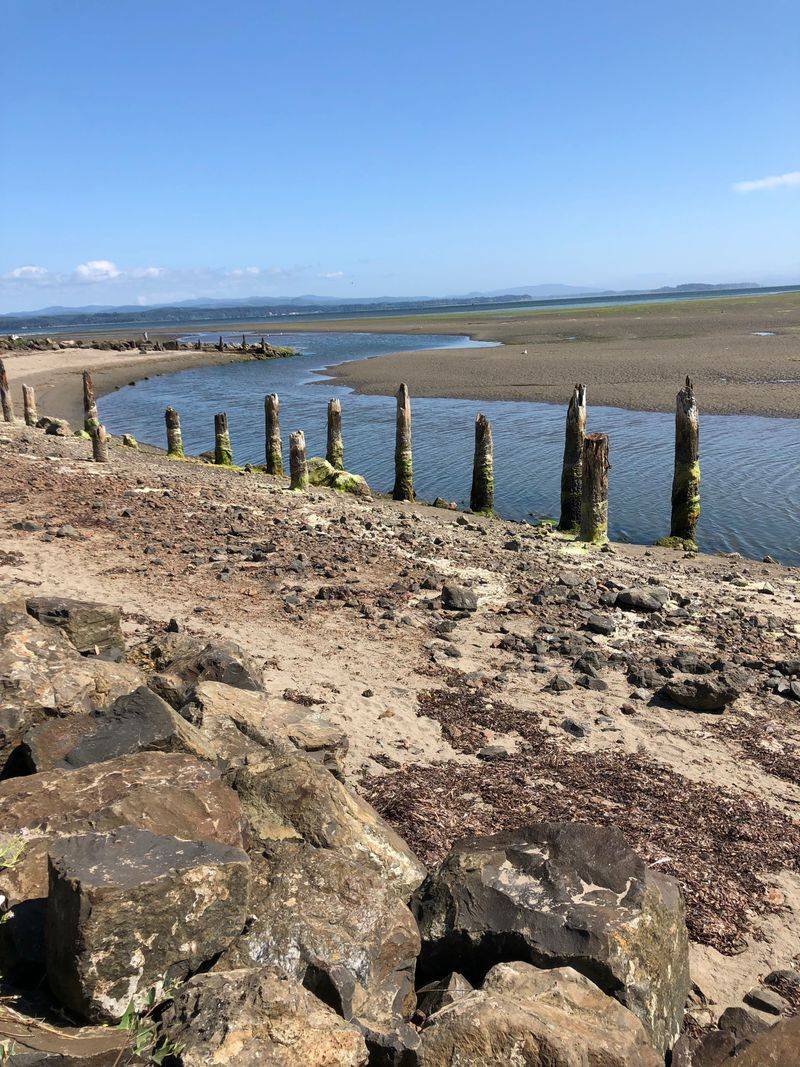
Tokeland sits low and quiet between Willapa Bay and the open Pacific, and the landscape speaks in soft tones.
The historic Tokeland Hotel adds welcoming warmth with wide porches, creaking floors, and light that pools through tall windows.
Carved poles at the entrance honor Shoalwater Bay Tribe artistry and center the village in place and story.
Gravel lanes lead to docks where small boats drift on slow tides and the air smells like clean salt and reed beds.
Bird life steals the show at dawn and dusk, when silhouettes cross the sky in layered bands.
Walks along the shoreline bring quiet company from sandpipers and the occasional eagle circling overhead.
The marina feels unhurried, with gear neatly stacked and weathered sheds standing easy against the breeze.
Mists roll in and soften edges, turning boats and trees into gentle shapes on silver water.
This is a place for sketchbooks, field guides, and unplanned afternoons that stretch longer than expected.
Washington reveals a contemplative side here, shaped by tide flats, grasses, and careful footsteps.
Sunsets settle low behind distant dunes and leave afterglow that lingers across the bay.
Nights are dark, quiet, and good for stargazing when clouds step aside and the wind goes still.
Tide charts feel more useful than schedules, and you start to plan walks by moon phase and water level.
A simple drive becomes its own reward as you weave past fields, stands of evergreens, and glimpses of the bay.
You may find yourself whispering without meaning to, as if the place requests softer voices.
Local menus lean into oysters, clams, and seasonal changes, keeping the connection to the bay visible.
Tokeland is for travelers who enjoy hearing their own thoughts again, with only the wind to answer.
8. Ocean Park
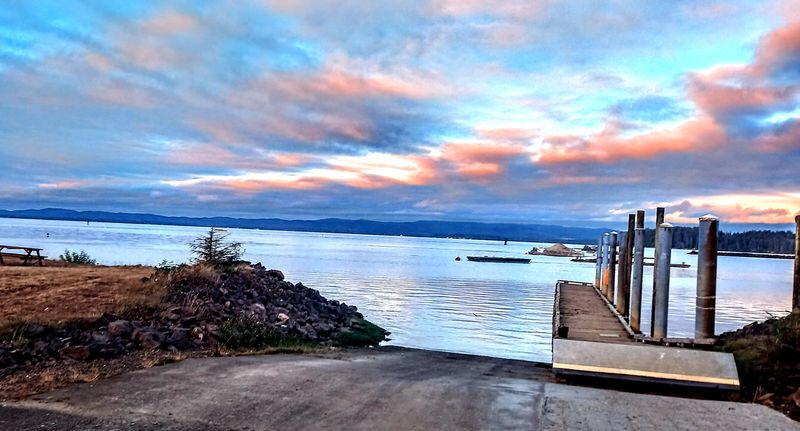
Ocean Park rests near the midpoint of the Long Beach Peninsula with a main street that feels friendly and unforced.
Vintage signs and tidy storefronts give the village an easy charm that rewards slow wandering.
Beach paths slip through dune grass to a wide strand where the horizon runs clean and uninterrupted.
Cedar cottages hide among pines, and porch swings creak softly in the coastal breeze.
The local library and small shops create a lived in center that anchors the community year round.
Side roads deliver unexpected peeks of wetlands, shorebirds, and mirror still backwaters.
Walkers favor early and late light when the beach glows and footsteps echo along firm sand.
Bikes glide past picket fences and pocket gardens on streets that keep cars secondary.
Clouds move fast over the peninsula, painting the town in shifting shades of silver and blue.
Washington shows its gentle side here, patient, open, and beautifully simple.
Sunsets can stretch long, with color bands stacking over the ocean while the town settles into quiet.
Nights run dark enough for stargazing, and the surf provides a steady lullaby just beyond the dunes.
Yard sales, farm stands, and modest cafes stitch the community together in small, friendly ways.
Kite strings cut bright lines against low clouds when the wind is right.
Drives north and south from town feel easy, with frequent chances to pull over and walk the sand.
The village feels especially welcoming to repeat visitors who like returning to familiar corners.
Ocean Park stays unhurried even in high season, giving the whole peninsula room to breathe.
Dear Reader: This page may contain affiliate links which may earn a commission if you click through and make a purchase. Our independent journalism is not influenced by any advertiser or commercial initiative unless it is clearly marked as sponsored content. As travel products change, please be sure to reconfirm all details and stay up to date with current events to ensure a safe and successful trip.
