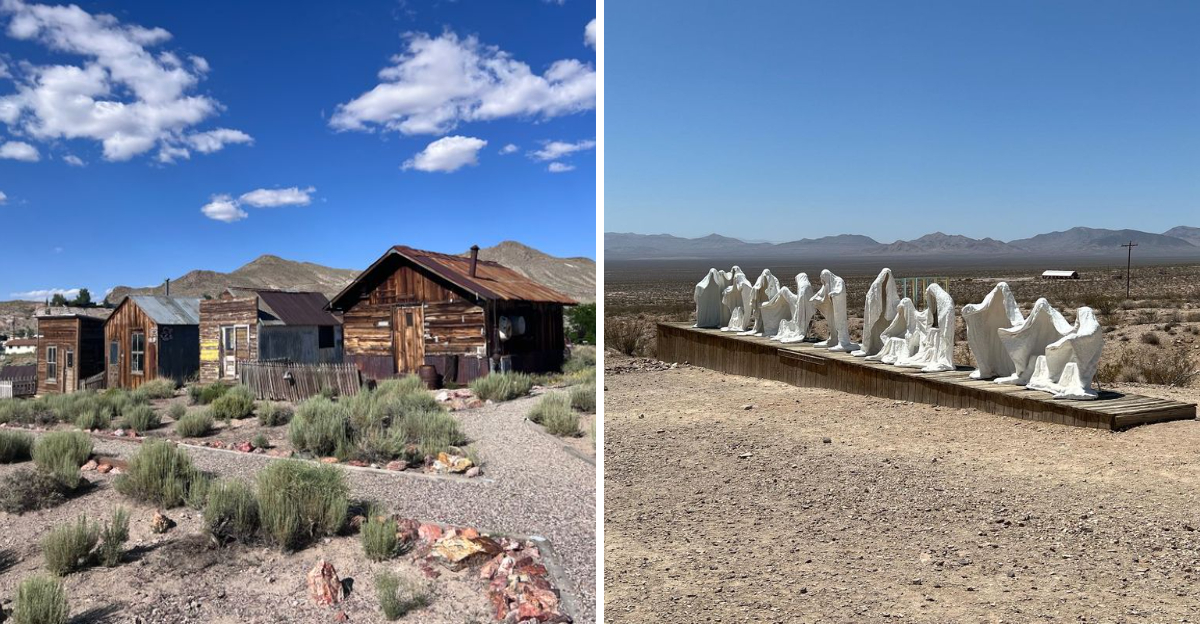
Nevada’s desert landscape holds more than just sand and sagebrush.
Scattered across this rugged terrain are small museums that tell stories most people have never heard.
From ancient civilizations that thrived before modern America existed to the explosive secrets of the Atomic Age, these quiet institutions preserve fascinating chapters of history.
Many travelers rush past these hidden gems on their way to Las Vegas or Reno, missing out on some of the most intriguing cultural sites in the American West.
Unlike crowded tourist attractions, these museums offer peaceful spaces where you can take your time and truly absorb the stories they share.
Each location reveals a different piece of Nevada’s complex past, whether it’s railroad heritage, Indigenous culture, or mining boom tales.
Visiting these spots feels like discovering secrets that have been waiting in the desert for someone curious enough to find them.
1. Lost City Museum
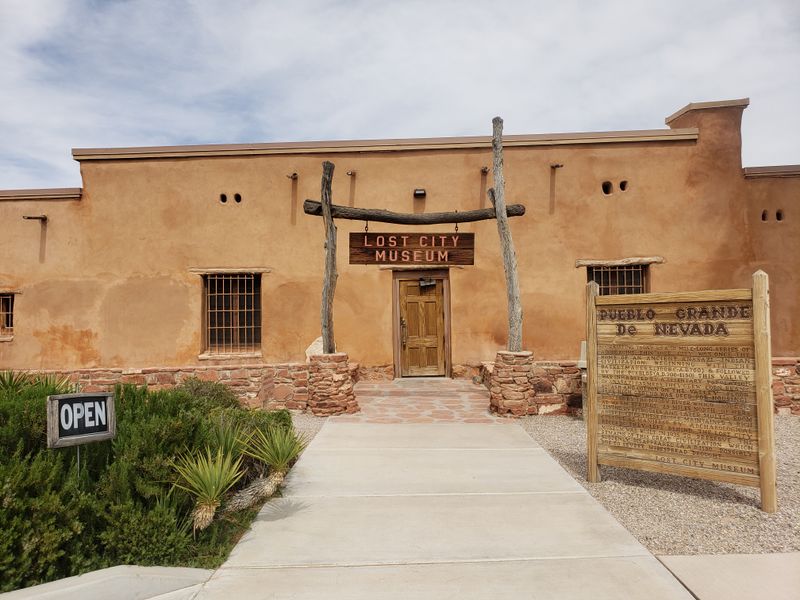
Ancient ruins rest beneath the waters of Lake Mead, but their story lives on at this remarkable institution.
Built by the Civilian Conservation Corps, the museum occupies ground once inhabited by Ancestral Puebloan people who called this valley home for over a thousand years.
Reconstructed pit houses stand outside, giving visitors a tangible sense of how these early communities lived in the harsh desert environment.
Inside, pottery shards, woven baskets, and stone tools reveal the daily lives of people who farmed along the Muddy River centuries before European contact.
The exhibits showcase artifacts that archaeologists rushed to recover before Lake Mead’s rising waters submerged entire villages.
Walking through the galleries feels like stepping back to a time when this landscape supported thriving agricultural settlements.
Turquoise jewelry and painted ceramics demonstrate the artistic sophistication these communities achieved.
Many artifacts date back over seventeen centuries, connecting modern visitors to an incredibly distant past.
The museum’s quiet setting allows for thoughtful reflection on civilizations that rose and fell long before our own.
Educational displays explain how these people adapted to seasonal changes and developed irrigation techniques.
It’s a humbling reminder that Nevada’s deserts have witnessed countless human stories.
Located at 721 S Moapa Valley Blvd, this site offers an irreplaceable window into ancient American Southwest culture.
2. Goldwell Open Air Museum
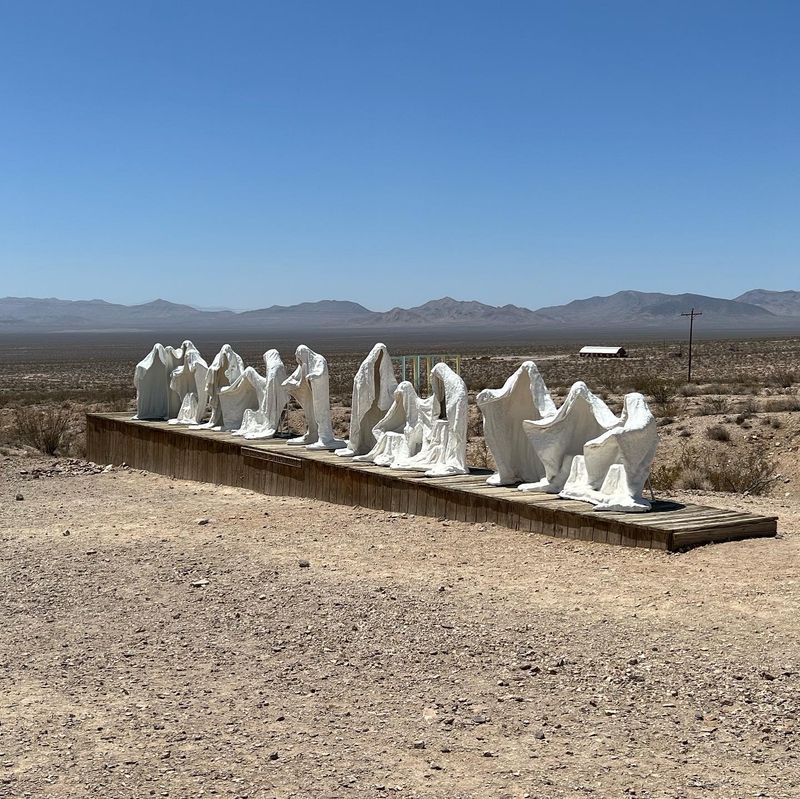
Art and emptiness collide in the Mojave Desert at this unusual outdoor gallery.
Life-sized ghost figures stand frozen in the landscape, created by Belgian artist Albert Szukalski.
His haunting interpretation of The Last Supper features spectral forms that seem to emerge from the desert itself.
Other sculptures dot the grounds, each one a conversation between human creativity and the vast, indifferent wilderness.
The installation began when artists were drawn to the abandoned town of Rhyolite nearby, finding inspiration in decay and isolation.
Wind whistles through the sculptures, and the silence here is almost tangible.
Visitors often describe feeling like they’ve stumbled onto something otherworldly, especially at sunrise or sunset when shadows stretch across the sand.
Unlike traditional museums with walls and climate control, this space lets nature become part of the exhibition.
Weathering and erosion gradually transform the artworks, making them living pieces that evolve with time.
The contrast between human-made forms and endless desert creates a meditative atmosphere perfect for contemplation.
Photography enthusiasts find this location irresistible, with dramatic backdrops and unusual subjects at every turn.
You’ll find this surreal collection at 1 Golden St in Rhyolite, where art meets the absolute quiet of the desert.
3. Central Nevada Museum
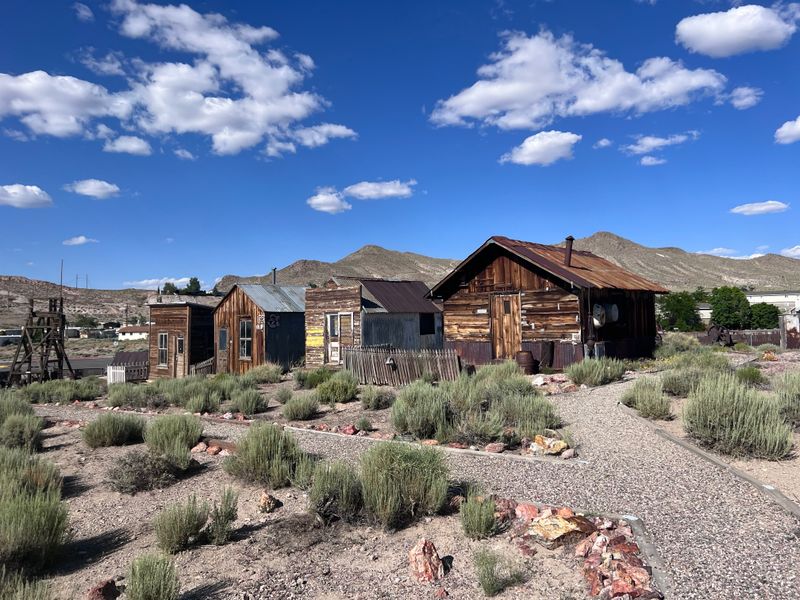
Mining booms created entire towns overnight in central Nevada, and their stories fill every corner of this community institution.
Outdoor exhibits feature rusted machinery that once pulled precious metals from stubborn rock.
Historic cabins transplanted to the grounds show how miners and their families carved out lives in an unforgiving environment.
Inside, displays chronicle the rush of prospectors who flooded into the region whenever someone struck it rich.
Military history also features prominently, documenting the area’s strategic importance during various conflicts.
Photographs of boom-era towns capture streets bustling with activity that has long since vanished.
The museum preserves tools, clothing, and personal items that reveal the human side of Nevada’s rough-and-tumble past.
Walking among the outdoor exhibits, you can almost hear the clang of picks against stone and the rumble of ore carts.
Local volunteers maintain the collection with obvious pride in their region’s colorful heritage.
Children especially enjoy exploring the old cabins and imagining life without modern conveniences.
The setting provides context for understanding how isolated communities survived and sometimes thrived in the high desert.
Visit this treasure at 1900 Logan Field Rd to experience the gritty reality behind Nevada’s mining legends.
4. Nevada Northern Railway Museum
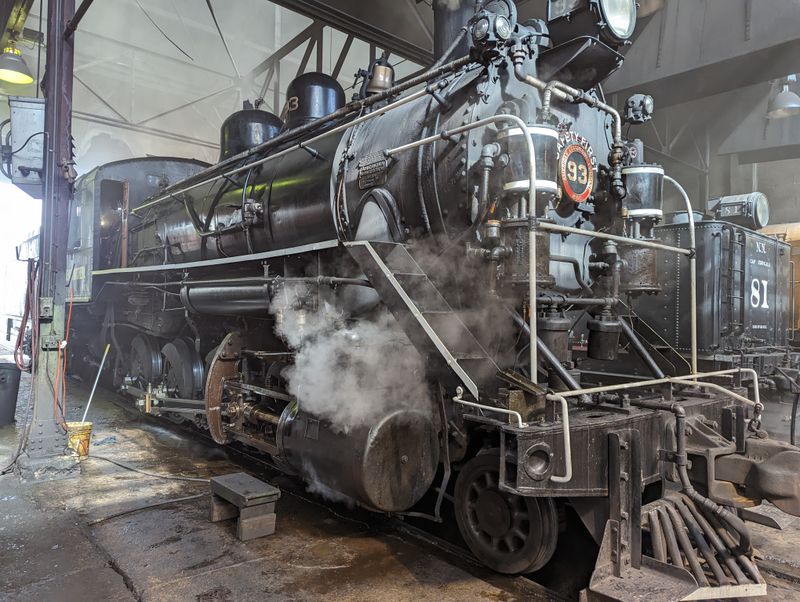
Steam locomotives rest in their original roundhouse, exactly where they were maintained over a century ago.
This railroad facility survived intact when most similar sites were demolished or abandoned.
Walking through the shops and yards feels like stepping through a portal to the early industrial age.
Original tools still hang on workshop walls, and the smell of coal and oil lingers in the air.
The railway once hauled copper ore from nearby mines, connecting remote Nevada to the wider world.
Massive engines that powered commerce across the desert now stand as monuments to engineering ambition.
Visitors can climb into cabs, explore passenger cars, and even take control of a locomotive during special programs.
The high-desert valley setting adds to the sense of isolation these railroad workers must have felt.
Preservation efforts maintain authentic details, from ticket windows to telegraph equipment.
Enthusiasts travel from around the globe to see such a complete example of early railroad operations.
The museum tells stories of the workers who kept trains running through brutal winters and scorching summers.
Located at 1100 Ave A, this site offers hands-on history that connects visitors to Nevada’s industrial heritage in ways few museums can match.
5. National Atomic Testing Museum
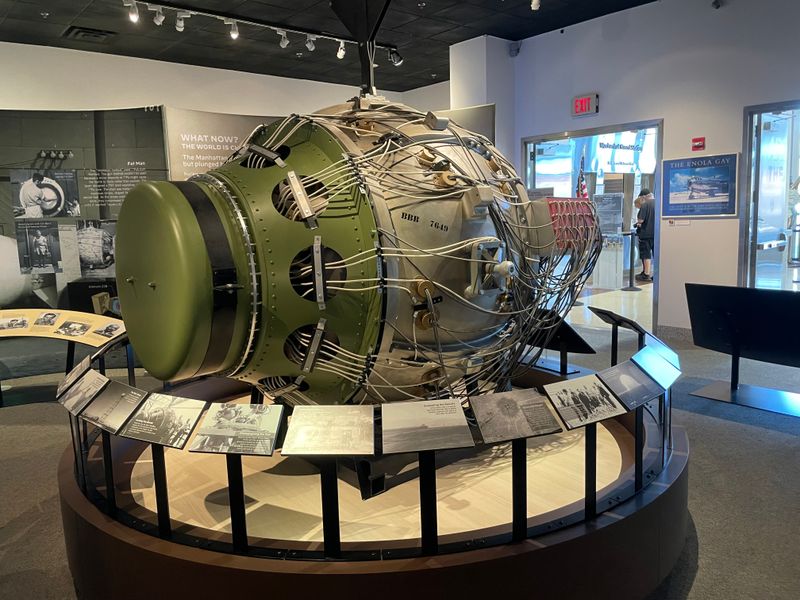
Nuclear explosions once lit up the Nevada desert like artificial suns.
This Smithsonian affiliate documents that extraordinary and controversial chapter of American history.
Exhibits explain the science behind atomic weapons and the Cold War tensions that drove their development.
A simulated atmospheric blast experience recreates the ground-shaking power of nuclear tests conducted just miles away at the Nevada Test Site.
Photographs show mushroom clouds rising over the desert while Las Vegas residents watched from their rooftops.
The museum doesn’t shy away from difficult questions about radiation exposure and environmental impact.
Artifacts include everything from Geiger counters to pieces of structures vaporized during tests.
Pop culture displays reveal how atomic imagery saturated American life during the height of nuclear testing.
Educational programs explore both the scientific achievements and ethical dilemmas surrounding nuclear weapons.
The collection provides context for understanding how profoundly atomic testing shaped Nevada and the nation.
Many visitors leave with a deeper appreciation for the complex legacy of the Atomic Age.
You’ll find this thought-provoking institution at 755 E Flamingo Rd, where history’s most powerful weapons receive serious examination.
6. Humboldt Museum
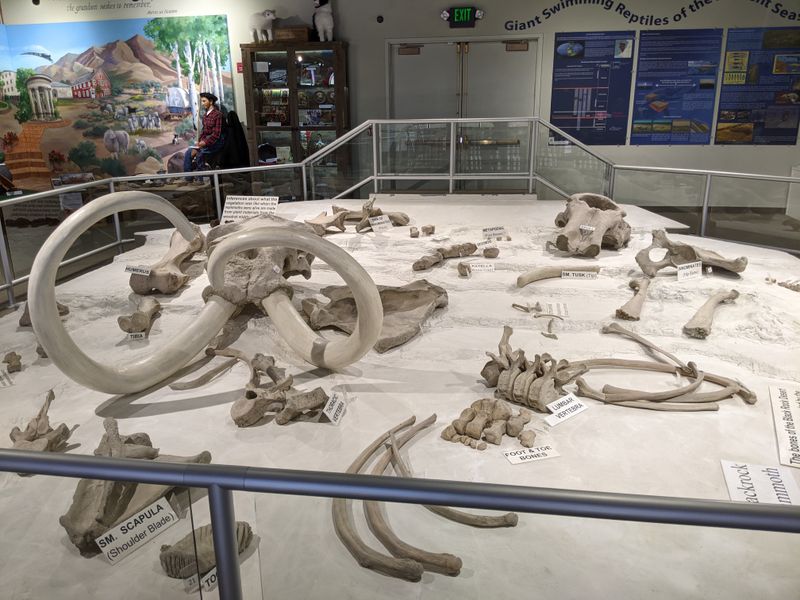
Mammoth bones rest inside glass cases, remnants of creatures that roamed Nevada when ice covered much of North America.
Perched above the Humboldt River, this museum preserves Ice Age fossils in remarkable condition.
The collection tells multiple stories, from prehistoric megafauna to pioneer families who crossed the continent on wagon trains.
Artifacts from Chinese settler communities reveal a multicultural history often overlooked in Western narratives.
These immigrants built businesses, worked dangerous jobs, and contributed significantly to Nevada’s development despite facing discrimination.
Photographs and personal items humanize statistics about westward expansion and gold rush migrations.
The museum’s location itself speaks to the importance of the Humboldt River as a lifeline through otherwise waterless terrain.
Exhibits explain how this river corridor guided countless travelers and sustained communities for thousands of years.
Geological displays showcase minerals and fossils that document millions of years of environmental change.
Local history sections feature ranching equipment, Native American baskets, and mining implements.
The quiet setting encourages visitors to take their time absorbing the deep history contained in these collections.
Located at 175 Museum Ave, this institution bridges vast spans of time from Ice Age extinctions to frontier settlement.
7. Mineral County Museum
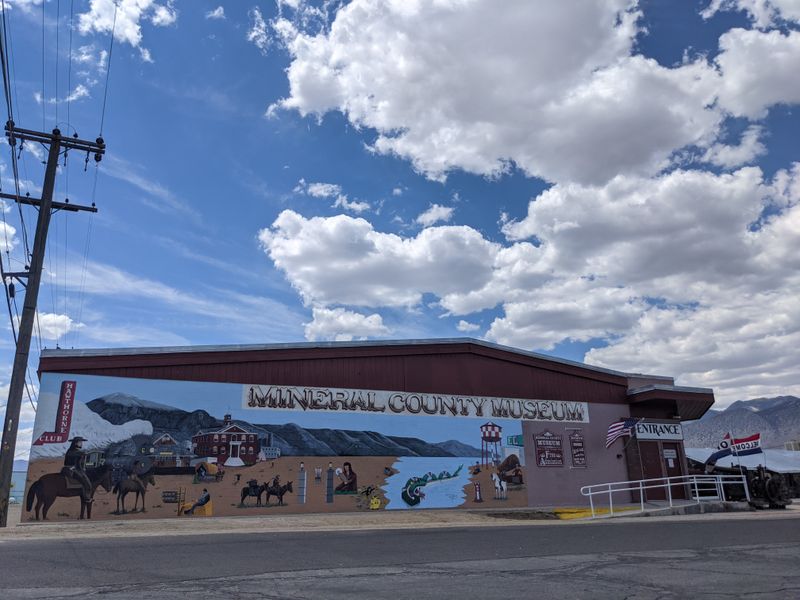
Eclectic collections sometimes tell the best stories, and this hidden gem proves that point beautifully.
Historic firefighting equipment shares space with wooden water pipes salvaged from the ghost town of Aurora.
These pipes, carved from logs, once carried water through a booming mining town that has since vanished.
The museum’s variety reflects the diverse experiences of people who settled in this remote corner of Nevada.
Mining artifacts document boom-and-bust cycles that defined life in mineral-rich regions.
Household items from different eras show how families adapted to isolation and harsh conditions.
Photographs capture towns at their peak, now reduced to weathered foundations and scattered debris.
The firefighting collection honors volunteers who protected wooden structures in towns where a single spark could cause catastrophe.
Each object represents someone’s livelihood, someone’s home, someone’s attempt to build something lasting in the desert.
Local volunteers curate the collection with knowledge passed down through generations.
Their stories add personal context that no placard can fully convey.
Visiting feels like exploring a well-organized attic full of Nevada treasures.
Find this surprising collection at 400 10th St, where everyday objects become windows into vanished worlds.
8. Pyramid Lake Paiute Tribe Museum
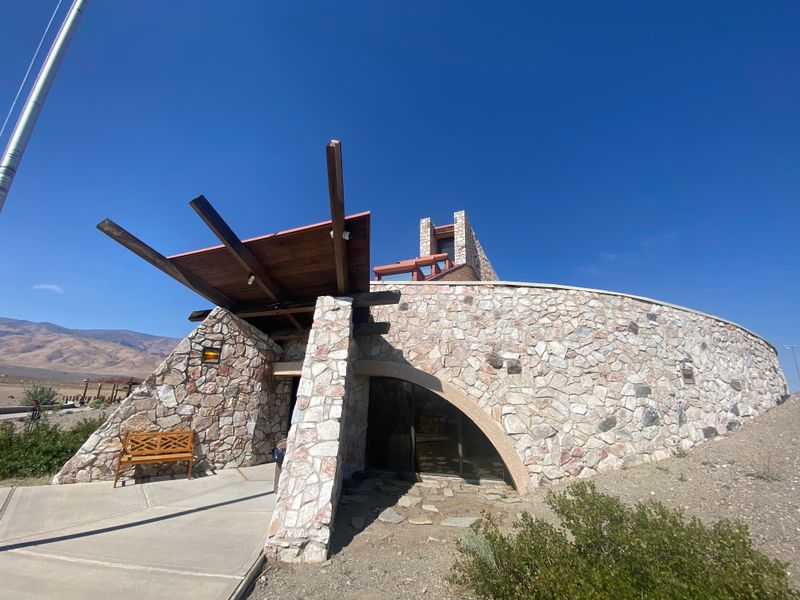
Indigenous voices tell their own stories at this reservation museum.
The Paiute people have lived around Pyramid Lake for countless generations, and their perspective shapes every exhibit.
Legends explain the lake’s unusual rock formations, connecting geology to cultural memory.
Artifacts demonstrate traditional crafts, fishing techniques, and survival skills perfected over centuries.
The museum addresses both ancient traditions and more recent history, including conflicts with settlers and government policies.
Photographs document community life across generations, showing resilience and cultural continuity.
Natural history displays explain the lake’s unique ecosystem and the fish species that sustained the tribe.
Visitors gain insight into how the Paiute people view their relationship with the land and water.
The quiet, respectful atmosphere encourages reflection on perspectives often marginalized in mainstream historical narratives.
Contemporary art by tribal members bridges traditional and modern expressions of Paiute identity.
Educational materials explain ongoing efforts to preserve language, customs, and environmental resources.
The museum serves both as a repository of cultural knowledge and a living community space.
Located on the Pyramid Lake Paiute Reservation, this institution offers authentic Indigenous perspectives on Nevada desert life and history.
9. Clark County Museum
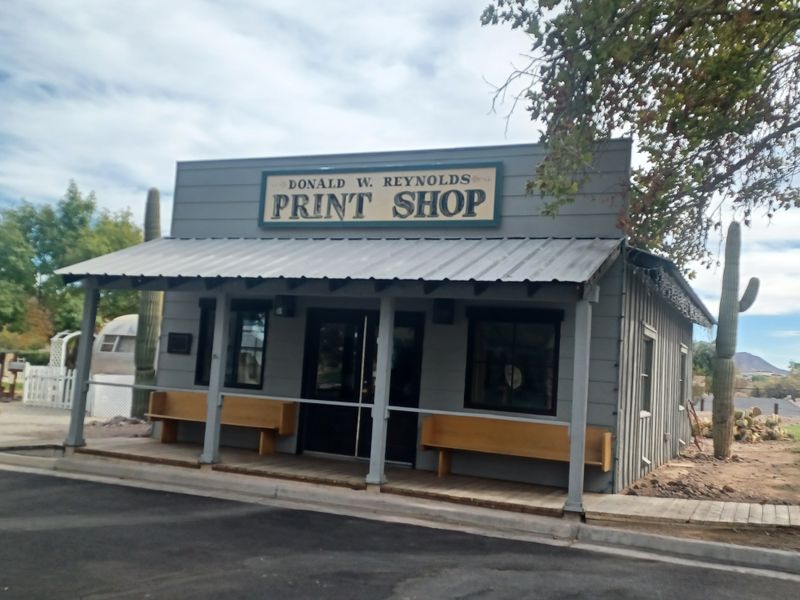
Walking down Heritage Street feels like traveling through decades in minutes.
Historic homes from across Southern Nevada were carefully moved to this site and restored.
Each structure represents a different era, from early pioneer dwellings to mid-century suburban houses.
Furnished rooms show how domestic life evolved as the region transformed from frontier territory to modern metropolis.
A railroad depot, print shop, and other buildings recreate the infrastructure of early communities.
The outdoor setting allows visitors to experience the architecture and spatial relationships of historical neighborhoods.
Indoor galleries complement the outdoor exhibits with artifacts documenting Southern Nevada’s rapid growth.
Mining equipment, photographs, and personal items trace the area’s development from desert outpost to major urban center.
The museum preserves structures that would otherwise have been demolished as Las Vegas expanded.
Children enjoy exploring the different houses and imagining life without air conditioning in the scorching desert.
The collection provides context for understanding how dramatically this region has changed within living memory.
Visit this expansive site at 1830 S Boulder Hwy to walk through Southern Nevada’s residential evolution across generations.
10. Beatty Museum & Historical Society
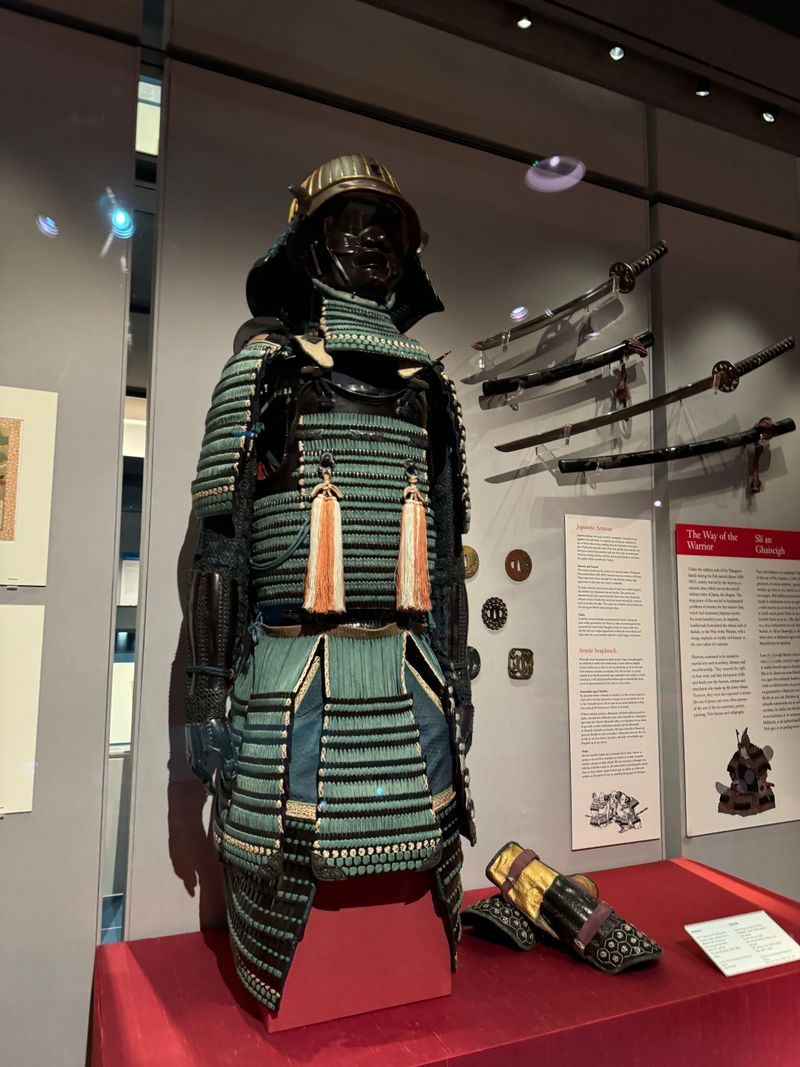
Volunteers keep history alive in this small town that calls itself the Gateway to Death Valley.
The Bullfrog Mining District once drew thousands of prospectors hoping to strike it rich.
Most left disappointed, but their stories remain preserved in photographs, tools, and documents.
Ghost town relics fill the museum, salvaged from abandoned sites scattered across the surrounding desert.
Bottles, mining equipment, and household items reveal what people carried into the wilderness and what they left behind.
The museum documents boom times when Beatty bustled with activity and lean years when the town barely survived.
Local families donated many artifacts, creating a deeply personal collection tied to community memory.
Exhibits explain how the town’s location made it a crucial supply point for nearby mining camps.
Volunteers share stories passed down through generations, adding context that enriches every display.
The museum’s modest size belies the fascinating tales contained within its walls.
Visitors often spend longer than expected, drawn into narratives of perseverance and adaptation.
Located at 417 Main St, this community treasure offers authentic glimpses into Nevada’s mining heritage and the people who chased desert dreams.
Dear Reader: This page may contain affiliate links which may earn a commission if you click through and make a purchase. Our independent journalism is not influenced by any advertiser or commercial initiative unless it is clearly marked as sponsored content. As travel products change, please be sure to reconfirm all details and stay up to date with current events to ensure a safe and successful trip.
