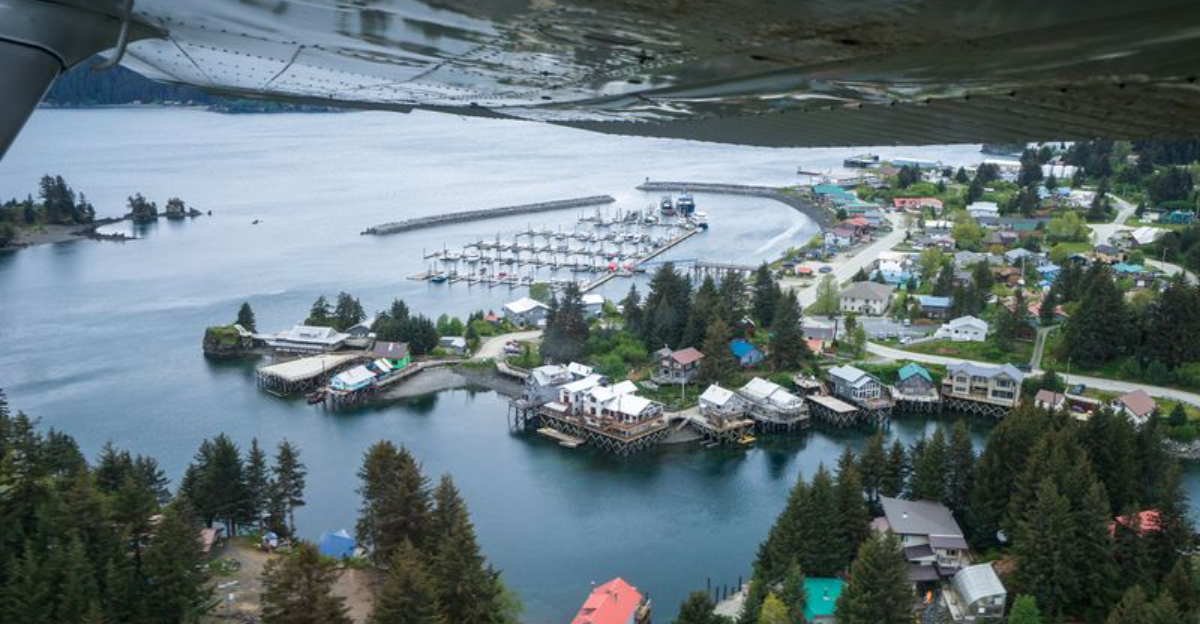
Alaska’s vast coastline hides some of the most peaceful island communities in the United States, each offering a unique glimpse into life at the edge of wilderness.
These remote villages and small towns are connected to the rest of the state through the Alaska Marine Highway System, a network of ferries that serves as the lifeline for residents and visitors alike.
Far from the crowded tourist destinations, these island communities provide an authentic Alaskan experience where nature, culture, and tranquility blend seamlessly.
Whether you’re seeking a retreat from modern chaos or an adventure into indigenous heritage, these ferry-accessible islands promise unforgettable moments.
From boardwalk fishing villages to Tlingit cultural centers, each community has its own story to tell.
The journey to these places is as rewarding as the destination itself, with ferry rides offering breathtaking views of glaciers, forests, and wildlife.
Exploring these quiet corners of Alaska reveals a slower pace of life that feels like stepping back in time.
1. Gustavus

Gustavus serves as the primary entry point for those venturing into Glacier Bay National Park and Preserve, one of Alaska’s most stunning natural treasures.
This unincorporated community sits at the northern end of the Alaska Panhandle, where towering mountains meet pristine waters.
Residents here have chosen a lifestyle deeply connected to the land and sea, with fishing, guiding, and hospitality forming the economic backbone.
Year-round ferry service from Juneau makes Gustavus accessible even during the harsh winter months when many other remote communities become isolated.
The village itself has no real downtown, just scattered homes and businesses along quiet roads that wind through temperate rainforest.
Wildlife encounters are common, with brown bears, moose, and eagles frequently spotted near residential areas.
Visitors often describe the atmosphere as profoundly peaceful, with the sounds of nature replacing the noise of urban life.
Local businesses cater to both tourists heading to the national park and residents who appreciate the simple, unhurried rhythm of island living.
The community’s commitment to preserving its natural surroundings is evident in the careful development and environmental stewardship practiced by locals.
Gustavus Road, Gustavus, Alaska.
For those seeking solitude and natural beauty, this gateway community offers the perfect balance of accessibility and remoteness.
2. Petersburg

Nicknamed Little Norway for its strong Scandinavian roots, Petersburg proudly displays its heritage through architecture, festivals, and local traditions.
Situated on the northern tip of Mitkof Island, this fishing community has maintained its cultural identity while welcoming visitors to experience authentic Alaska.
The active harbor buzzes with commercial fishing vessels, particularly during salmon and halibut seasons when the industry reaches its peak.
Unlike many tourist-heavy Alaskan ports, Petersburg retains a working-town atmosphere where locals outnumber visitors year-round.
Colorful buildings line the waterfront, many decorated with rosemaling, the traditional Norwegian folk art that adds charm to storefronts and homes.
Ferry service operates throughout the year, connecting Petersburg to both northern and southern ports along the Inside Passage.
The town’s location provides easy access to LeConte Glacier, the southernmost tidewater glacier in North America and a popular destination for kayakers and wildlife watchers.
Walking through the quiet streets, you’ll notice the strong sense of community that defines small-island life in Alaska.
Local businesses, from seafood processors to small cafes, reflect the hardworking spirit of residents who’ve built their lives around the rhythms of the sea.
Main Street, Petersburg, Alaska.
Petersburg offers a rare glimpse into a thriving island community that has successfully preserved its cultural heritage while adapting to modern challenges.
3. Tenakee Springs
Few places in Alaska embody the concept of slowing down quite like Tenakee Springs, where the entire community is connected by a single wooden boardwalk instead of roads.
This tiny village on Chichagof Island attracts those seeking an escape from the pressures of modern life, offering a pace that feels almost meditative.
The natural hot springs that give the town its name have been drawing visitors and residents for generations, providing a communal gathering space where locals and travelers mingle.
Smaller day-boat ferries serve Tenakee Springs, operating on schedules designed more for residents than tourists, which helps maintain the community’s quiet character.
With no cars allowed and limited visitor accommodations, the village remains blissfully free from the commercial tourism that has transformed other Alaskan destinations.
Residents here have chosen a lifestyle that prioritizes simplicity, with many working remotely or in seasonal industries that align with the island’s natural rhythms.
The boardwalk meanders along the shoreline, passing weathered homes, a small store, and the historic bathhouse where locals and visitors take turns soaking in the therapeutic waters.
Wildlife is abundant, with brown bears occasionally wandering through town and whales frequently spotted in the surrounding waters.
Tenakee Avenue, Tenakee Springs, Alaska.
For anyone yearning to experience Alaska at its most tranquil and authentic, Tenakee Springs delivers an unforgettable retreat from the ordinary world.
4. Kake

Kake stands as one of the largest Tlingit villages in Alaska, offering visitors a window into indigenous culture that has thrived in this region for thousands of years.
Located on the northwest coast of Kupreanof Island, this community maintains strong connections to traditional practices while navigating the challenges of modern life.
The village is home to one of the world’s tallest totem poles, a towering testament to the artistic and spiritual traditions of the Tlingit people.
Year-round ferry service ensures that residents remain connected to larger communities like Petersburg and Juneau, essential for accessing services and supplies.
Fishing and timber have historically supported the local economy, though like many rural Alaskan communities, Kake has faced economic challenges in recent decades.
Despite these difficulties, the community’s cultural resilience shines through in language preservation efforts, traditional ceremonies, and the passing down of ancestral knowledge.
Visitors who make the journey to Kake are often struck by the warmth of residents who take pride in sharing their heritage with respectful guests.
The surrounding wilderness offers incredible opportunities for wildlife viewing, with black bears, deer, and eagles commonly spotted near the village.
Kake’s remote location and small population create an atmosphere of genuine quiet, where the sounds of nature dominate the soundscape.
Main Street, Kake, Alaska.
Experiencing Kake means stepping into a living culture that continues to honor its past while building toward the future.
5. Angoon
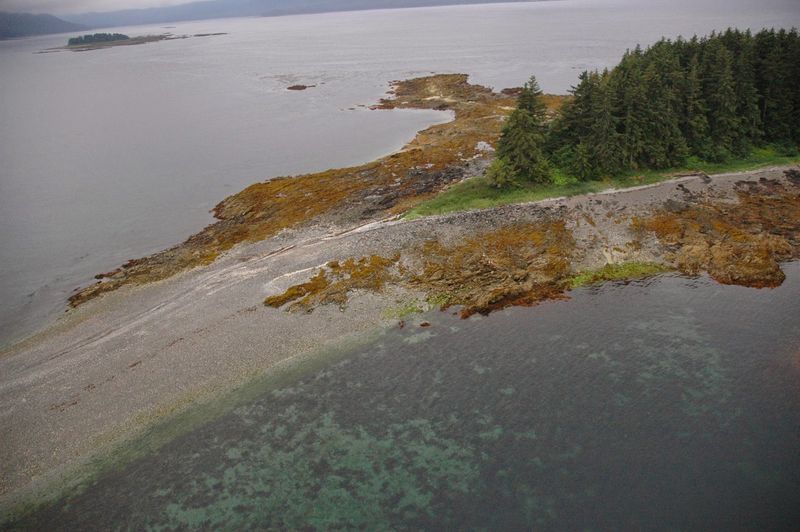
Angoon holds the distinction of being the only permanent settlement on Admiralty Island, a vast wilderness known locally as Kootznoowoo, meaning Fortress of the Bears.
This Tlingit community is surrounded by one of the highest concentrations of brown bears in the world, with bears outnumbering humans on the island.
Accessible only by ferry or floatplane, Angoon’s isolation has helped preserve traditional ways of life that have largely disappeared elsewhere in Alaska.
The village maintains strong cultural traditions, including potlatches, clan systems, and subsistence harvesting practices that connect residents to their ancestral lands.
Ferry service to Angoon is less frequent than to larger communities, reinforcing the sense of remoteness that defines daily life here.
Residents rely heavily on fishing, hunting, and gathering to supplement store-bought goods, maintaining a connection to the land that urban Alaskans rarely experience.
The community’s small size fosters close relationships among residents, who work together to maintain infrastructure and support one another through the challenges of remote living.
Visitors to Angoon often comment on the profound quiet that settles over the village, broken only by the calls of ravens and the lapping of waves against the shore.
The surrounding wilderness offers world-class opportunities for those interested in bear viewing, kayaking, and experiencing true Alaskan wilderness.
Killisnoo Harbor Road, Angoon, Alaska.
Angoon represents a rare opportunity to experience a community where indigenous culture and wilderness coexist in remarkable harmony.
6. Pelican

Pelican earned its reputation as one of Alaska’s most authentic fishing villages, where wooden boardwalks replace streets and the smell of the sea permeates everything.
Built entirely on pilings over the water, this tiny community on Chichagof Island has changed little since its founding, maintaining a rustic charm that feels like a step into the past.
The village is accessible only by boat or floatplane, with ferry service operating on a limited schedule that primarily serves residents and commercial fishermen.
Commercial fishing remains the lifeblood of Pelican, with the harbor filled with vessels ranging from small skiffs to larger trawlers during peak season.
The boardwalk that serves as the town’s main thoroughfare connects homes, businesses, and the small harbor, creating an intimate community where everyone knows their neighbors.
Unlike more tourist-oriented destinations, Pelican has resisted development, preferring to maintain its working-village character even as visitor interest has grown.
Local establishments cater primarily to fishermen and residents, though visitors who make the journey are welcomed with genuine Alaskan hospitality.
The surrounding waters teem with marine life, making Pelican a prime location for sportfishing, whale watching, and exploring the protected waters of Lisianski Inlet.
Life here moves to the rhythm of tides and fishing seasons, creating a pace that feels both timeless and deeply connected to nature.
Pelican Boardwalk, Pelican, Alaska.
For those seeking an unvarnished glimpse of Alaska’s fishing heritage, Pelican delivers an experience that’s increasingly rare in the modern world.
7. Seldovia
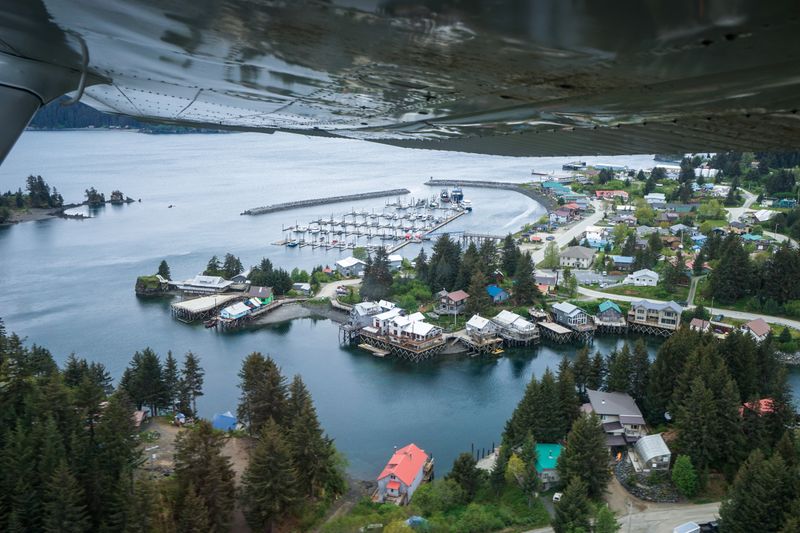
Seldovia sits across Kachemak Bay from Homer, yet feels worlds apart from its busier neighbor, offering a tranquil alternative for those seeking quieter shores.
This charming village on the Kenai Peninsula is accessible only by ferry or small aircraft, a geographic reality that has preserved its peaceful, unhurried atmosphere.
The community’s Russian heritage is evident in historic buildings and the small Orthodox church that overlooks the harbor, reminders of Alaska’s complex cultural history.
A wooden boardwalk extends along the waterfront, connecting businesses and homes while providing stunning views of the bay and surrounding mountains.
Unlike Homer, which swells with summer tourists, Seldovia maintains a consistent population of year-round residents who have chosen island life for its tranquility and natural beauty.
The village offers limited but charming accommodations and local businesses that reflect the artistic and independent spirit of the community.
Outdoor recreation opportunities abound, with excellent hiking trails, kayaking routes, and fishing spots easily accessible from the village.
The slower pace of life here allows visitors to truly disconnect, with limited cell service and internet access reinforcing the sense of remoteness.
Residents take pride in their community’s self-sufficiency and the strong relationships that develop when people depend on one another in isolated settings.
Main Street, Seldovia, Alaska.
Seldovia proves that you don’t have to travel to Alaska’s far reaches to find genuine peace and a welcoming community rooted in tradition.
8. Ouzinkie
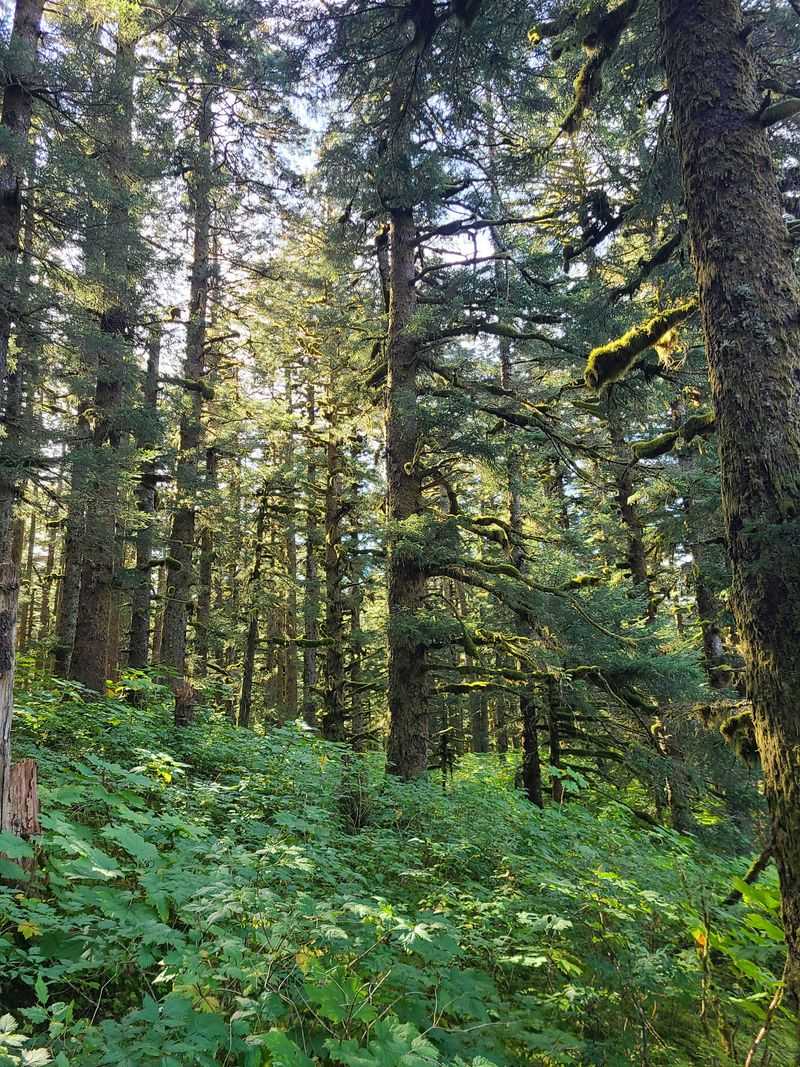
Ouzinkie occupies a special place among Alaska’s island communities, perched on Spruce Island just across Narrow Strait from Kodiak Island.
This predominantly Alutiiq community maintains strong ties to both indigenous traditions and the Russian Orthodox faith introduced centuries ago by early settlers.
The village’s small population creates an intimate atmosphere where community bonds run deep and newcomers are quickly welcomed into the social fabric.
Year-round ferry service connects Ouzinkie to Kodiak, though the frequency is limited, reinforcing the community’s off-the-beaten-path character.
Fishing remains central to the local economy and way of life, with many residents participating in commercial salmon fishing during peak seasons.
The iconic Russian Orthodox church, with its distinctive onion dome, stands as a focal point of community life and a symbol of the village’s cultural heritage.
Surrounding forests and waters offer abundant opportunities for subsistence hunting and gathering, practices that continue to sustain families throughout the year.
The pace of life in Ouzinkie is measured and deliberate, shaped by weather, seasons, and the natural rhythms that govern island existence.
Visitors who venture to this remote corner of the Kodiak Archipelago discover a community that has successfully balanced tradition with the demands of contemporary life.
Ouzinkie Street, Ouzinkie, Alaska.
Ouzinkie offers a rare glimpse into a way of life that prioritizes community, culture, and connection to the natural world above all else.
9. Port Lions
Port Lions emerged from tragedy, established after the devastating earthquake and tsunami that destroyed the nearby village of Afognak.
Located on Kodiak Island, this resilient community has built a new identity while honoring the heritage of those who were forced to relocate.
The village maintains year-round ferry service through the Alaska Marine Highway System’s smaller vessels, which navigate the protected waters of the Kodiak Archipelago.
Fishing and fish processing provide employment for many residents, though the economy has diversified somewhat in recent years to include other small businesses.
The community’s small size means that residents often wear multiple hats, serving on volunteer fire departments, school boards, and community councils.
Surrounded by Kodiak National Wildlife Refuge, Port Lions offers unparalleled access to pristine wilderness where brown bears, eagles, and salmon thrive.
The quiet atmosphere attracts those who prefer solitude and natural beauty over the conveniences and distractions of larger towns.
Local families maintain strong connections to subsistence traditions, harvesting fish, game, and wild plants that supplement their diets throughout the year.
The village’s remote location means that residents must be self-reliant, prepared to handle challenges ranging from weather emergencies to supply disruptions.
Mill Bay Road, Port Lions, Alaska.
Port Lions stands as a testament to the resilience and determination of Alaskans who have rebuilt their lives in one of the state’s most beautiful and isolated settings.
10. Metlakatla
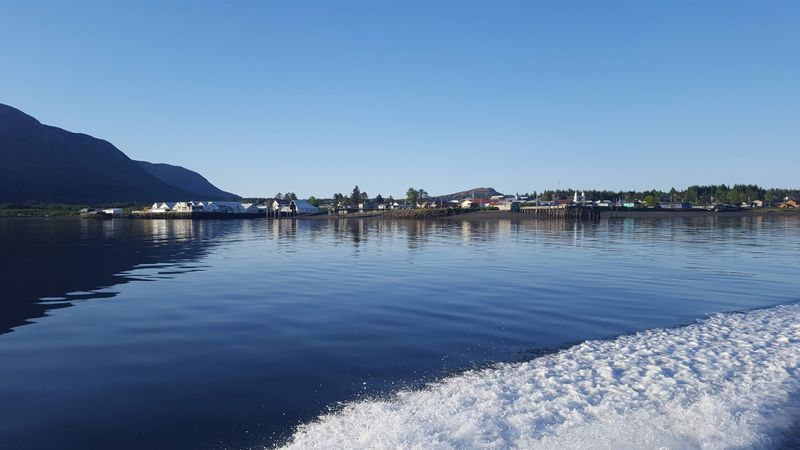
Metlakatla holds the unique distinction of being Alaska’s only Indian reservation, home to the Tsimshian people who migrated from British Columbia in the late nineteenth century.
Located on Annette Island in Southeast Alaska, this community maintains a distinct cultural identity separate from other Alaskan Native groups.
A dedicated ferry vessel provides daily service between Metlakatla and Ketchikan, making it one of the most accessible island communities on this list.
The Tsimshian people have preserved their language, art forms, and traditional governance systems, creating a vibrant cultural landscape that visitors can experience through community events and cultural centers.
Unlike many Alaskan communities that rely heavily on tourism, Metlakatla’s economy is more diversified, with fishing, timber, and local businesses supporting residents.
The reservation status provides the community with a degree of self-governance rare in Alaska, allowing residents to make decisions about land use and resource management.
Traditional longhouses and totem poles dot the landscape, serving as reminders of the rich cultural heritage that continues to shape community life.
The quiet atmosphere and strong sense of cultural identity make Metlakatla a fascinating destination for those interested in indigenous history and contemporary Native life.
Visitors are welcomed to learn about Tsimshian traditions, though the community maintains appropriate boundaries to protect sacred sites and private cultural practices.
Tait Street, Metlakatla, Alaska.
Metlakatla represents a unique chapter in Alaska’s history, where a displaced people created a new home while fiercely protecting their cultural heritage for future generations.
Dear Reader: This page may contain affiliate links which may earn a commission if you click through and make a purchase. Our independent journalism is not influenced by any advertiser or commercial initiative unless it is clearly marked as sponsored content. As travel products change, please be sure to reconfirm all details and stay up to date with current events to ensure a safe and successful trip.
