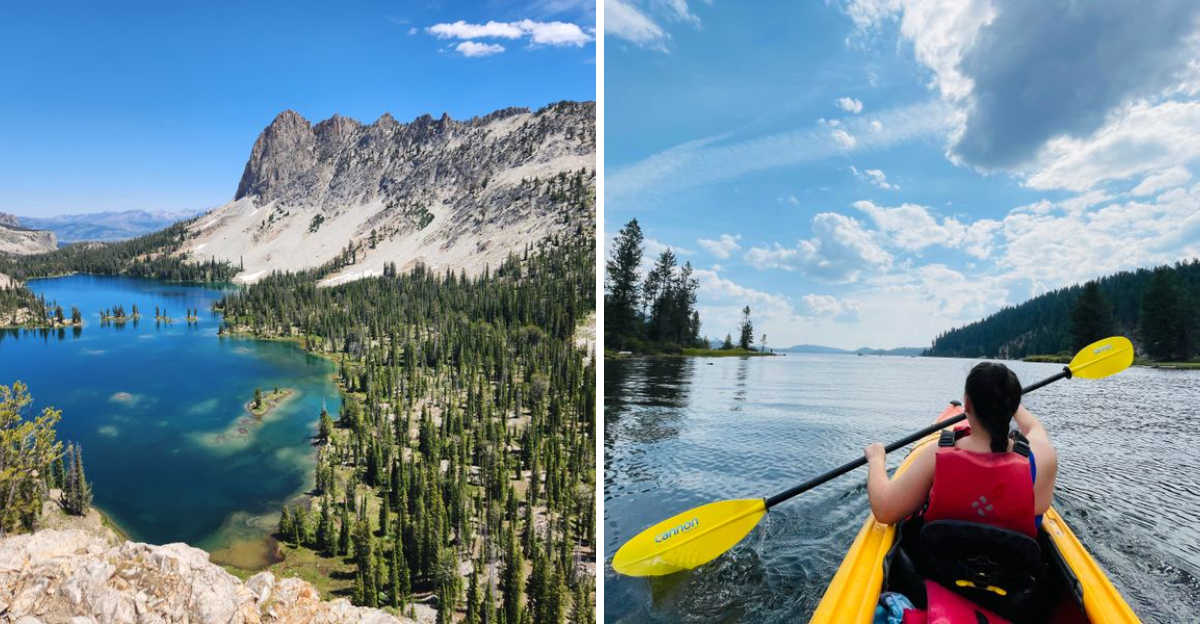
Idaho’s mountain wilderness holds some of the most peaceful waters you’ll ever encounter, tucked between towering peaks and dense forests that seem untouched by time.
These alpine lakes offer more than just stunning views.
They provide genuine escape from the noise and rush of everyday life, where the only sounds are lapping waves and wind through the pines.
Whether you’re seeking solitude on a remote trail or a family-friendly shoreline with room to breathe, these seven destinations deliver the kind of weekend that refreshes your spirit and reconnects you with nature’s quiet beauty.
1. Redfish Lake
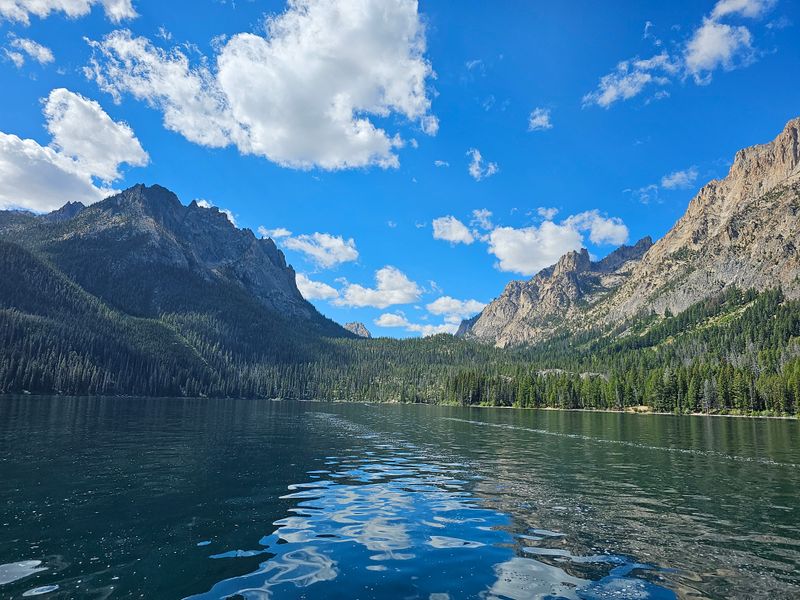
Nestled within the dramatic embrace of the Sawtooth National Recreation Area, Redfish Lake stretches across nearly four miles of pristine mountain water that reflects jagged peaks like a mirror.
The lake earned its name from the sockeye salmon that once turned its waters crimson during spawning season, a sight that early settlers never forgot.
Today, the north shore welcomes visitors with developed facilities including a lodge and marina, but the real magic lies in exploring beyond the main beach.
Rent a kayak or canoe and paddle toward the southern reaches where secluded coves reveal themselves between rocky outcrops and stands of Douglas fir.
The water here stays refreshingly cold even in July, fed by snowmelt from the surrounding mountains that tower more than 10,000 feet overhead.
Hiking trails branch out from various points along the shore, with the path to Redfish Lake Creek offering gentle terrain perfect for families.
More ambitious adventurers can tackle the trail leading toward alpine lakes higher in the wilderness, though even a short walk delivers you to spots where human voices fade entirely.
Early morning hours transform the lake into something almost mystical as mist rises from the surface and wildlife emerges to drink at the water’s edge.
Camping options range from developed sites near the lodge to primitive spots accessible only by boat, giving you flexibility to choose your level of comfort versus solitude.
The surrounding Sawtooth peaks create natural windbreaks that often leave the lake surface glass-smooth by evening, ideal for sunset paddling sessions that feel like floating through a postcard.
2. Payette Lake
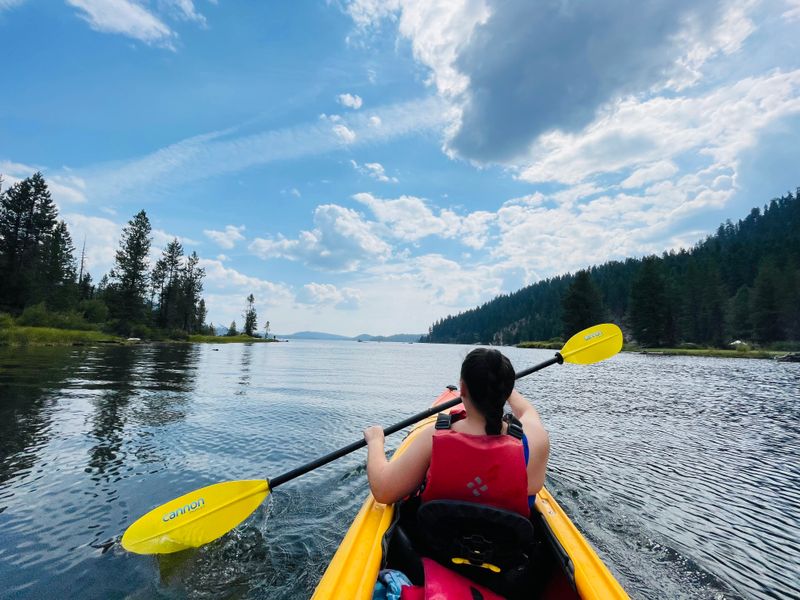
McCall’s beloved centerpiece stretches across 5,330 acres of mountain water that somehow balances accessibility with genuine tranquility.
The southern shore bustles with the charming town’s energy, but venture north and you’ll discover why locals guard this treasure so fiercely.
Ponderosa State Park occupies a forested peninsula that juts into the lake’s midsection, offering nine miles of trails that wind through old-growth pines and emerge at hidden beaches where you might spend an entire afternoon without seeing another soul.
The park’s campsites sit tucked among the trees, close enough to hear waves lapping against the rocky shore as you fall asleep.
Weekday visits during summer reveal a different character than weekend crowds, with early risers often spotting deer drinking at the water’s edge or ospreys diving for fish.
The lake’s depth reaches 392 feet in places, creating water so clear you can watch fish swimming twenty feet below your paddleboard.
Rental shops in McCall provide everything from stand-up paddleboards to sailboats, though a simple kayak serves perfectly for exploring the quieter northern coves.
Winter transforms Payette Lake into a snowy wonderland where the famous McCall Winter Carnival brings ice sculptures and festivities, yet the frozen shoreline trails offer peaceful snowshoe routes for those seeking solitude.
The lake sits at 5,000 feet elevation, high enough for crisp mountain air but low enough to avoid harsh alpine conditions.
Local outfitters offer guided fishing trips for those hoping to catch kokanee salmon or rainbow trout, though simply drifting in a boat while mountains frame every direction provides its own reward.
3. Alturas Lake
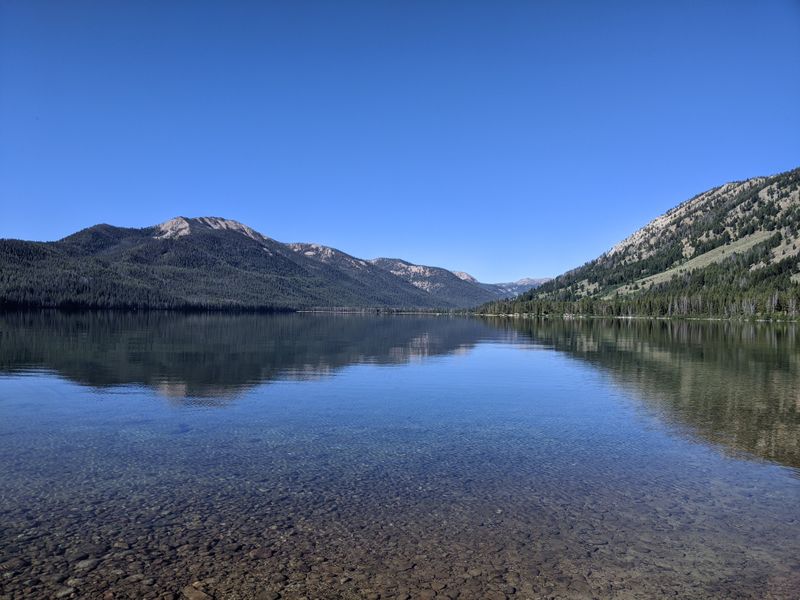
Just south of its more famous neighbor Redfish Lake, Alturas offers something increasingly rare in our crowded world: genuine seclusion without extreme effort.
Perched at 7,000 feet elevation, this alpine gem spans 1,400 acres of cold, clear water surrounded by lodgepole pine forests that seem to absorb sound itself.
The eastern shoreline hosts several primitive campgrounds where facilities remain intentionally basic, preserving the wilderness character that draws people seeking authentic escape.
A scenic four-mile trail encircles much of the lake, climbing occasionally to viewpoints where the full majesty of the Sawtooth Range spreads before you like a granite amphitheater.
The path leads to hidden beaches accessible only on foot, places where you can swim in mountain water so pure you can drink it straight from the source.
Wildflowers explode across meadows near the inlet creek during July, painting the landscape in purples, yellows, and reds that contrast beautifully against the evergreen backdrop.
Fishing here requires patience and skill, but those who master the lake’s moods are rewarded with brook trout and rainbow trout that fight hard in the cold water.
The altitude means temperatures drop quickly once the sun dips behind the mountains, so campfires become gathering points where strangers share stories under stars so bright they cast shadows.
No motorized boats disturb the peace, keeping the experience powered by paddle and muscle alone.
Autumn brings a special magic when aspen groves scattered among the pines turn golden and the crowds disappear entirely, leaving the lake to the dedicated few who appreciate shoulder-season solitude.
4. Priest Lake
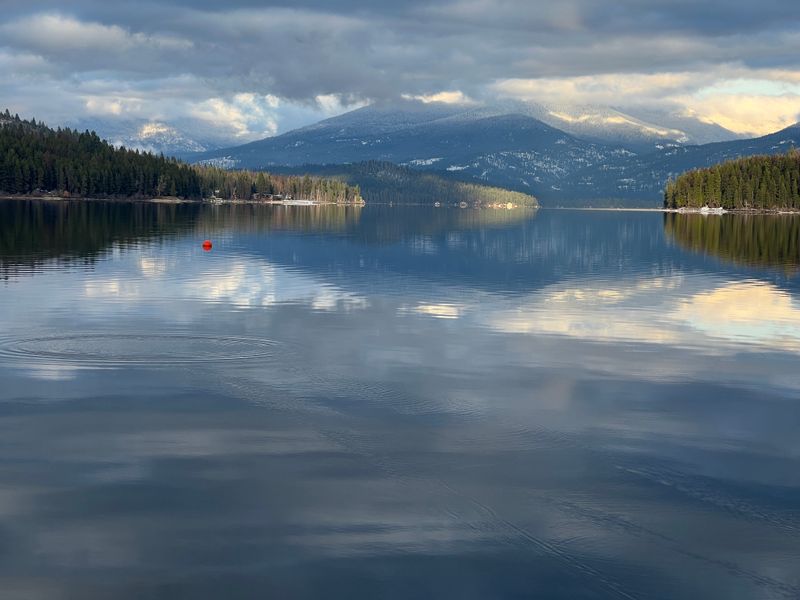
Tucked against the Selkirk Mountains near the Canadian border, Priest Lake feels like a secret even though it spans 19 miles of pristine mountain water.
The western shoreline remains largely untouched, protected within Kaniksu National Forest where old-growth cedars tower above secluded coves accessible only by boat.
This remarkable clarity lets you peer into depths where ancient trees fell centuries ago, now providing habitat for fish that dart between submerged branches.
The northern section connects to Upper Priest Lake via a serene two-mile thoroughfare that paddlers navigate slowly, savoring the transition from one wilderness basin to another.
Upper Priest Lake prohibits motorized craft entirely, creating a sanctuary where only the sound of your paddle breaking water disturbs the silence.
Old-growth cedar forests crowd the shoreline here, trees so massive they predate European settlement of the region.
The eastern shore offers developed resorts and campgrounds for those wanting amenities, but even these maintain a low-key character that respects the lake’s natural beauty.
Water temperatures remain bracingly cold through summer, fed by mountain streams carrying snowmelt from peaks that hold white caps well into July.
Wildlife viewing opportunities abound, with black bears occasionally spotted along remote beaches and bald eagles nesting in tall snags overlooking the water.
The lake’s remote location, three hours north of Coeur d’Alene, keeps casual visitors away and rewards those willing to make the journey with an experience that feels genuinely wild.
Sunset transforms the water into liquid gold as light filters through the Selkirks, creating moments so beautiful they etch themselves permanently into memory.
5. Stanley Lake
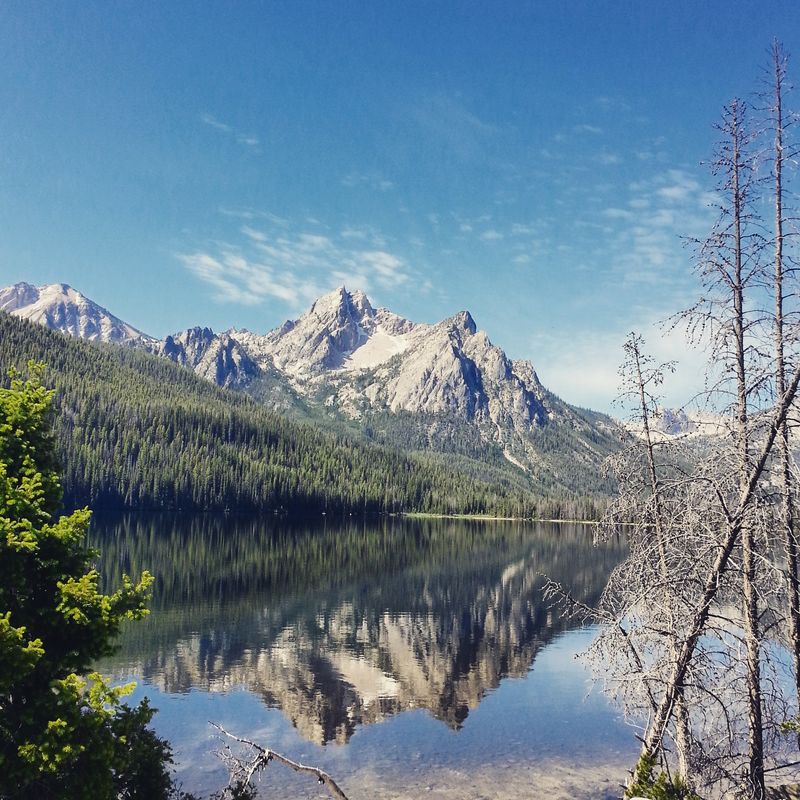
McGown Peak rises like a granite cathedral behind Stanley Lake, creating one of Idaho’s most photographed mountain reflections when morning conditions turn the water to glass.
Located just minutes from the tiny town of Stanley, this relatively small lake punches far above its weight in scenic impact.
The lake sits at 6,550 feet elevation where mountain air carries the scent of pine and wildflowers depending on the season.
A developed campground occupies the northern shore, offering sites that balance convenience with natural beauty, perfect for families introducing children to wilderness camping.
The calm waters make Stanley Lake ideal for beginners trying kayaking or stand-up paddleboarding for the first time, with shallow areas near shore providing safe practice zones.
A gentle trail circles the lake, manageable even for young hikers while offering constantly changing perspectives on McGown Peak’s dramatic face.
Fishing enthusiasts work the deeper sections for rainbow trout, though catching dinner takes second place to simply being surrounded by such overwhelming beauty.
The Salmon River flows nearby, adding the soundtrack of rushing water to your camping experience and providing additional fishing opportunities for those willing to explore.
Stanley itself remains refreshingly uncommercial, a genuine mountain town where locals outnumber tourists even during peak season.
The lake’s accessibility makes it popular during summer weekends, but weekday visits or early morning hours deliver solitude that feels like a personal discovery.
Autumn transforms the surrounding landscape into a tapestry of gold and orange as aspen and cottonwood trees celebrate the changing season against the evergreen backdrop.
6. Warm Lake
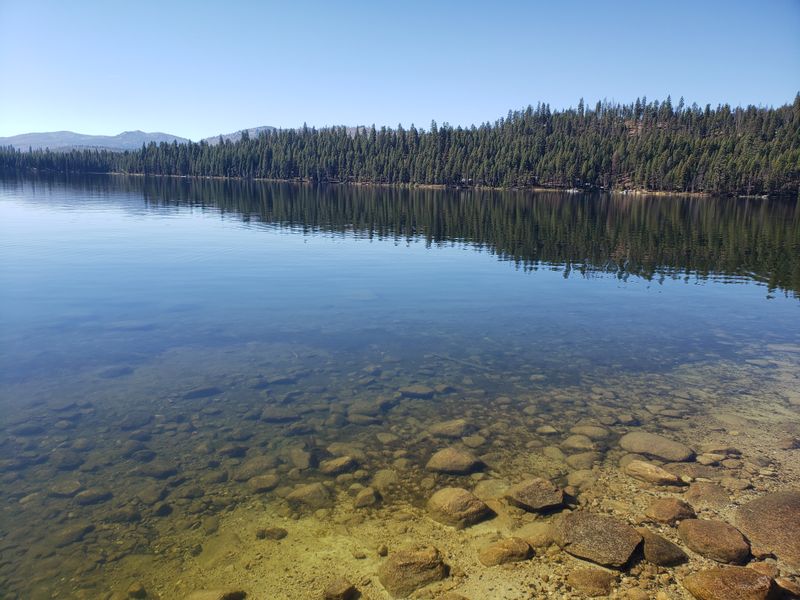
Despite its inviting name, Warm Lake won’t deliver tropical temperatures, but the welcoming atmosphere makes this 640-acre gem feel like coming home to a place you’ve never been.
Located 26 miles east of Cascade along a winding mountain road, the journey itself prepares you for the slower pace that defines this destination.
The lake sits at 5,300 feet elevation, cradled by dense forests that open occasionally to reveal meadows bursting with lupine and Indian paintbrush during summer months.
Several small, rustic resorts dot the northern shore, offering cabin rentals that range from basic to comfortable while maintaining the area’s low-key character.
The southern half remains largely undeveloped, with primitive camping spots accessible by boat or short hikes that lead to beaches where you might spend entire days without company.
Water clarity here surprises first-time visitors, allowing you to watch fish cruising the shallows from your paddleboard or kayak.
The surrounding national forest provides endless hiking opportunities, from easy nature walks to challenging climbs that reward effort with panoramic views across central Idaho’s mountainous terrain.
Local wildlife includes everything from deer and elk to the occasional moose browsing wetlands near the inlet streams.
The lake’s modest size means you can easily explore the entire shoreline in a single afternoon of paddling, discovering hidden coves and beaches that become your private retreats.
Evening campfires take on special significance here as darkness reveals a canopy of stars undiminished by light pollution, the Milky Way stretching overhead like a cosmic river.
The area’s remoteness ensures cell service remains spotty at best, forcing a digital detox that initially feels uncomfortable but quickly becomes liberating.
7. Alice Lake
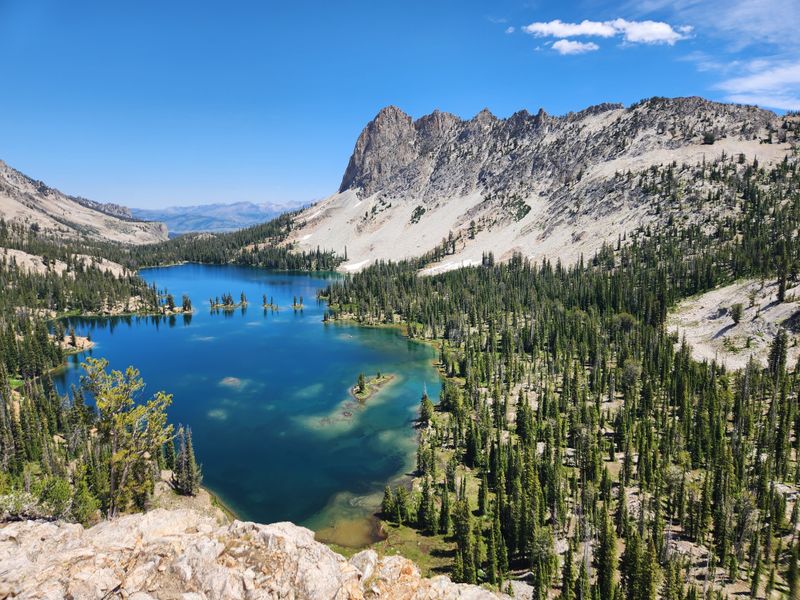
For those willing to earn their solitude through sweat and elevation gain, Alice Lake delivers wilderness perfection that feels almost sacred in its isolation.
The moderate 5.5-mile hike through Sawtooth Wilderness ensures only dedicated nature lovers make the journey, filtering out casual visitors and preserving the lake’s pristine character.
Nestled in a granite basin at 8,600 feet, the lake sits cradled by peaks including El Capitan and Snowyside Peak, creating a natural amphitheater that amplifies both silence and grandeur.
The trail climbs steadily through changing vegetation zones, beginning in lodgepole pine forests before emerging into alpine terrain where twisted whitebark pines cling to rocky slopes.
Wildflower displays peak in late July when the high country finally sheds its snowpack, carpeting meadows in colors so vivid they seem almost artificial.
The lake itself spans about 30 acres of impossibly clear water that remains frigid even during the warmest months, fed by snowfields that linger year-round in shadowed cirques.
Camping spots scatter around the shoreline, primitive sites where the only amenities are spectacular views and the kind of silence that makes you aware of your own heartbeat.
Brook trout cruise the shallows, sometimes rising to take insects from the surface in concentric rings that spread across the mirror-smooth water.
The altitude demands respect, with thin air making even simple tasks feel more strenuous while also creating the crystalline light that photographers dream about.
Afternoon thunderstorms build quickly in this high country, adding an element of adventure that reminds you wilderness demands awareness and preparation.
Sunrise here feels like witnessing creation itself as first light strikes the peaks and slowly descends to illuminate the lake in stages of gold and pink.
Dear Reader: This page may contain affiliate links which may earn a commission if you click through and make a purchase. Our independent journalism is not influenced by any advertiser or commercial initiative unless it is clearly marked as sponsored content. As travel products change, please be sure to reconfirm all details and stay up to date with current events to ensure a safe and successful trip.
