I started noticing something interesting during my last drive through the Hill Country. Between the highway billboards and busy tourist stops, there were these smaller towns that seemed almost hidden, places where life moved slower and the cost of living didn’t make your eyes water.
Retirement planning often feels like a puzzle with too many expensive pieces, but Texas has a secret worth sharing.
Scattered across this massive state are quiet communities where your monthly budget can stretch further than you’d imagine, where neighbors still wave from their porches, and where the pace of life feels like stepping back into something simpler.
These aren’t the flashy cities you see on postcards, but they offer something better for retirees looking to make their savings last without sacrificing quality of life.
1. Bandera
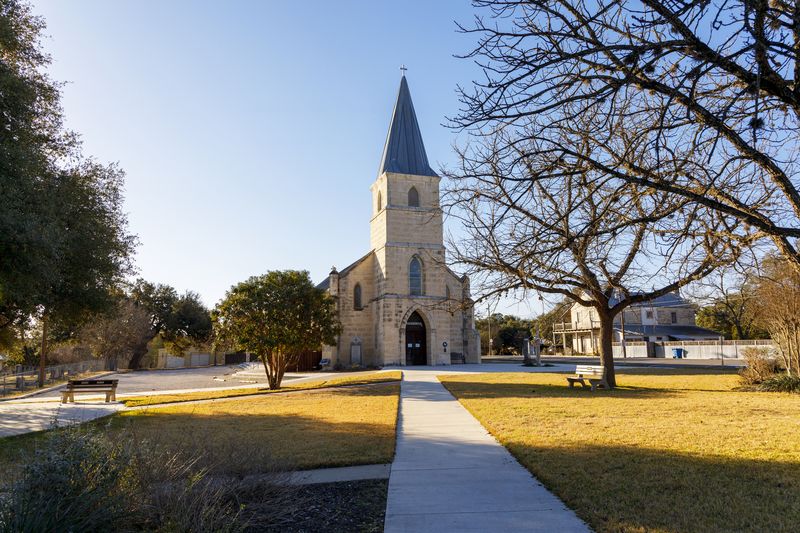
Bandera calls itself the Cowboy Capital of the World, and that title isn’t just for show. The town sits tucked into the cypress-lined banks of the Medina River, where the Hill Country starts to roll into something wilder.
When you walk down Main Street, the wooden sidewalks and old storefronts make you feel like you’ve stepped onto a movie set, except everything here is genuine and lived-in.
Housing costs stay remarkably low compared to nearby tourist towns. You can find comfortable homes that won’t drain your retirement account, and the monthly expenses for groceries and utilities remain manageable on a fixed income.
The town has around 850 residents, so you get that small-town feeling where people remember your name at the local diner.
What makes Bandera special for retirees is the balance it strikes. You’re close enough to San Antonio for medical appointments and shopping trips, but far enough away that traffic and noise don’t follow you home.
The surrounding ranchland offers plenty of scenic drives, and the river provides a peaceful backdrop for morning walks. There’s a genuine sense of community here that money can’t buy, the kind where neighbors check on each other and potluck dinners are still a thing.
2. Fredericksburg

German heritage runs deep through Fredericksburg, and you can taste it in the local bakeries and see it in the architecture that lines the streets. This town manages to be both a retirement haven and a weekend getaway spot, which means you get small-town living with surprisingly good amenities.
The population hovers around 11,000, big enough for variety but small enough that you won’t feel lost in the crowd.
The cost of living here requires careful budgeting, but it’s absolutely doable on a modest retirement income. Rent and home values sit lower than you’d expect for a town with this much character.
Grocery stores offer competitive pricing, and the farmer’s markets provide fresh produce at reasonable rates. Healthcare access is solid, with a regional hospital and several clinics serving the area.
What drew me to Fredericksburg was how it feels alive without being overwhelming. The main street buzzes with activity on weekends, but the residential neighborhoods stay quiet and peaceful.
You can walk to local shops, grab coffee at a family-owned cafe, and still have money left over for the occasional treat. The surrounding vineyards and peach orchards create a landscape that changes beautifully with the seasons, giving you something new to appreciate year-round.
3. Boerne
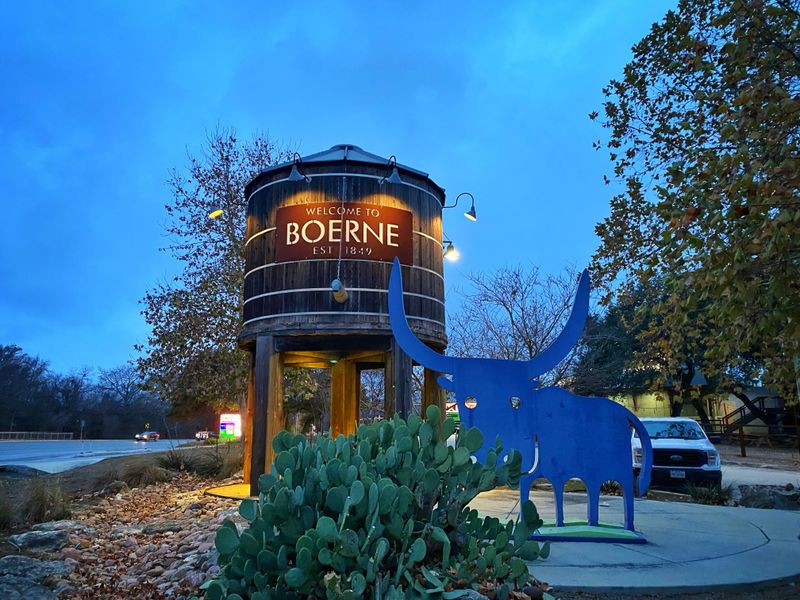
Boerne sits just thirty minutes from San Antonio, but it feels like a different world entirely. The town grew up around Cibolo Creek, and that water still runs through the heart of downtown, creating green spaces and walking paths that make daily exercise feel less like a chore and more like a pleasure.
Around 17,000 people call this place home, which gives you access to good services without the big-city headaches.
Your retirement dollars stretch nicely here if you’re smart about it. Housing options range from modest apartments to small homes, and many retirees find they can live comfortably while staying well under that monthly budget.
The town has excellent grocery stores, a public library that hosts community events, and enough restaurants to keep things interesting without breaking the bank.
Something about Boerne just works for people in their retirement years. Maybe it’s the way the Hill Country light filters through the old oak trees, or how the downtown area stays walkable and welcoming.
Medical facilities are nearby, and the proximity to San Antonio means specialists are accessible when needed. The community has an active senior center, and local parks provide spaces for morning tai chi or afternoon reading.
You get the feeling that people here understand the value of a slower pace without giving up convenience.
4. Granbury
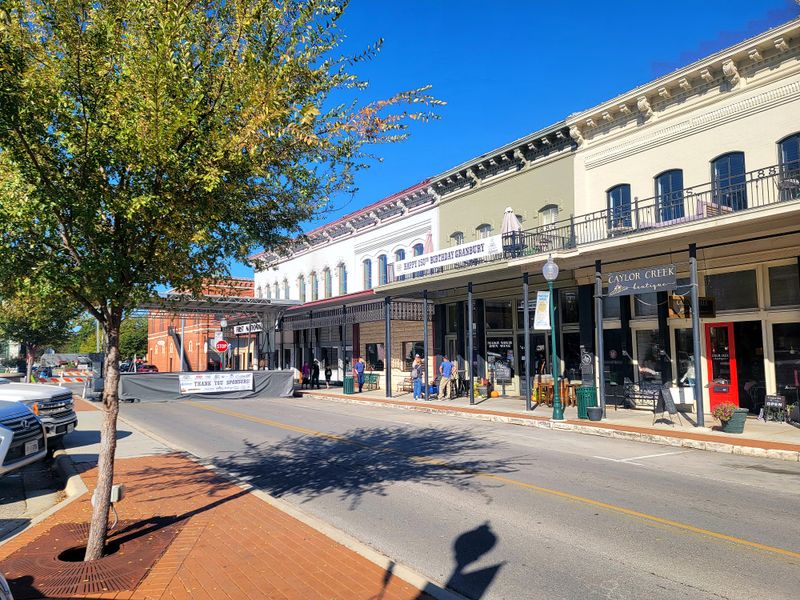
Lake Granbury gives this town its defining feature, a wide expanse of water that draws retirees who want waterfront living without coastal prices. The historic town square feels like something preserved in amber, with a Victorian courthouse at its center and locally-owned shops filling the surrounding buildings.
Population sits around 10,000, which means you get small-town friendliness with enough infrastructure to meet your needs.
Living here on a tight budget is more than possible, it’s actually comfortable. Housing costs remain reasonable whether you’re renting or buying, and the lack of state income tax helps your retirement savings go further.
Utilities stay moderate, and the local H-E-B keeps grocery bills manageable. The town offers senior discounts at various businesses, and the community theater provides affordable entertainment throughout the year.
Granbury has this way of making you feel like you’ve found something special. The lake offers free recreation, from fishing off the pier to watching sunsets over the water.
Downtown comes alive on weekends with farmers markets and live music, but weekdays stay peaceful and unhurried. Healthcare services are solid, with a regional medical center and several specialty clinics.
The community truly embraces its retirees, with active social groups and volunteer opportunities that help you stay connected and engaged without spending much money.
5. Jefferson
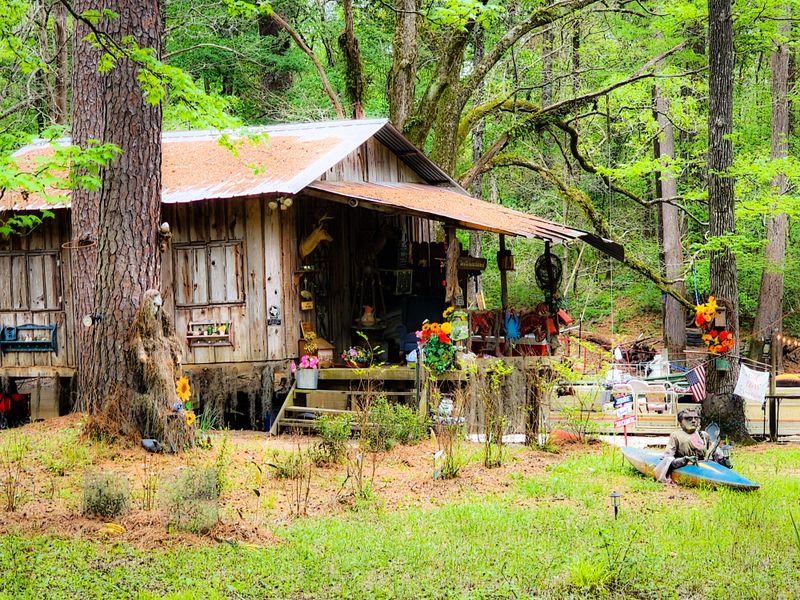
Jefferson feels like it belongs to another century, and that’s exactly its charm. This East Texas town peaked in the 1870s as a riverboat port, and when the boats stopped coming, time seemed to slow down and preserve everything.
Antebellum homes line streets shaded by massive trees, and Big Cypress Bayou still winds through town like it has for centuries. The population barely reaches 2,000, making this one of the quietest options on the list.
Your monthly budget goes surprisingly far in Jefferson. Home values and rents stay remarkably low, often well below what you’d pay in larger Texas towns.
The cost of groceries, utilities, and basic services remains modest, and property taxes won’t give you sticker shock. The town may be small, but it has what you need, including a medical clinic and pharmacy.
What makes Jefferson work for retirees is its unhurried atmosphere. You can spend mornings walking through historic neighborhoods, afternoons reading in the public library, and evenings sitting on your porch watching the world go by.
The town hosts seasonal festivals that bring the community together, and local museums offer free or low-cost admission for residents. Healthcare requires a drive to Marshall or Longview for specialists, but basic services are available locally.
This is a place for people who want simplicity and history wrapped together.
6. Alpine
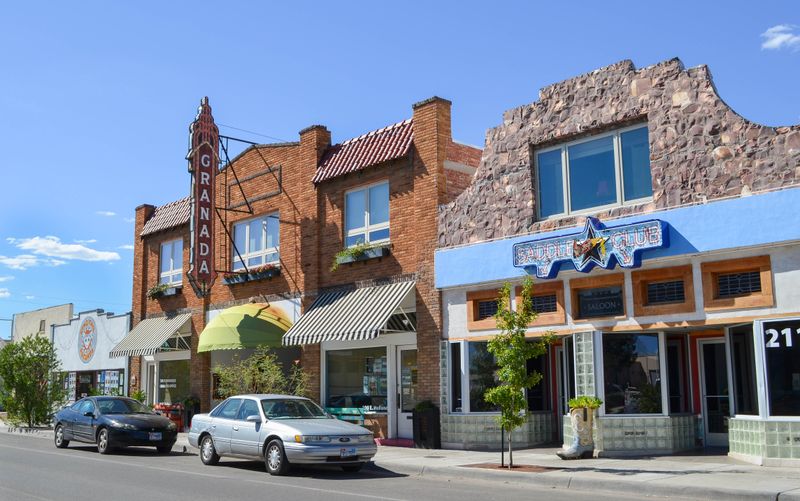
Alpine sits in the high desert of West Texas, where the landscape opens up into something vast and humbling. Mountains rise in the distance, and the sky seems bigger here than anywhere else in the state.
This town serves as the gateway to Big Bend, but it’s also home to around 6,000 permanent residents who appreciate the solitude and stunning natural beauty that surrounds them.
Living affordably in Alpine is absolutely achievable for retirees. Housing costs stay low, and you can find everything from small apartments to modest houses that fit within a tight budget.
Groceries and utilities cost less than in urban areas, and the lack of traffic means you’ll save on gas. The town has a regional hospital, several clinics, and a surprising number of services for its size, partly because it serves surrounding ranch communities.
Alpine offers something different from other retirement destinations. The elevation keeps summers cooler than most of Texas, and winters stay mild.
The cultural scene surprises visitors, with Sul Ross State University bringing art exhibits, lectures, and performances to town. You can hike in nearby mountains, explore desert trails, or simply sit outside and watch the stars appear in an unpolluted night sky.
This is a place for people who find peace in wide-open spaces and don’t mind being far from big-city conveniences.
7. Marble Falls
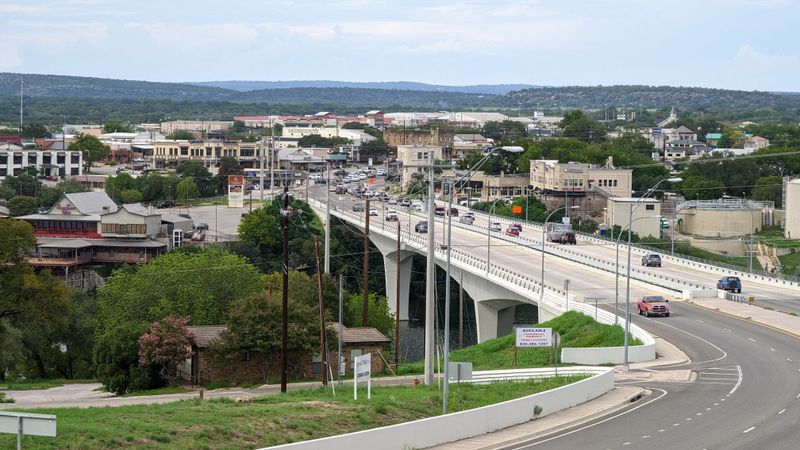
Marble Falls grew up around the Colorado River, and water still defines much of life here. The town sits on Lake Marble Falls, one of several Highland Lakes that draw people seeking waterfront living without oceanfront prices.
Around 7,000 people live here year-round, creating a community that feels substantial enough to offer good services but small enough to maintain that small-town atmosphere.
Budgeting for retirement in Marble Falls requires some planning, but it’s definitely manageable. Housing costs vary depending on proximity to the lake, but you can find affordable options if you’re willing to be a few blocks inland.
Local grocery stores compete for business, which keeps food costs reasonable. The town has medical facilities including a hospital, and specialists in nearby Austin are accessible for more complex health needs.
What strikes you about Marble Falls is how it balances natural beauty with practical living. You can walk along the lake most mornings, browse the farmers market on weekends, and enjoy community events throughout the year without spending much.
The downtown area has been revitalized with local shops and cafes, giving you places to meet neighbors and stay socially connected. The Hill Country setting provides endless opportunities for scenic drives and outdoor recreation, all free or low-cost activities that enrich retirement life.
8. Llano
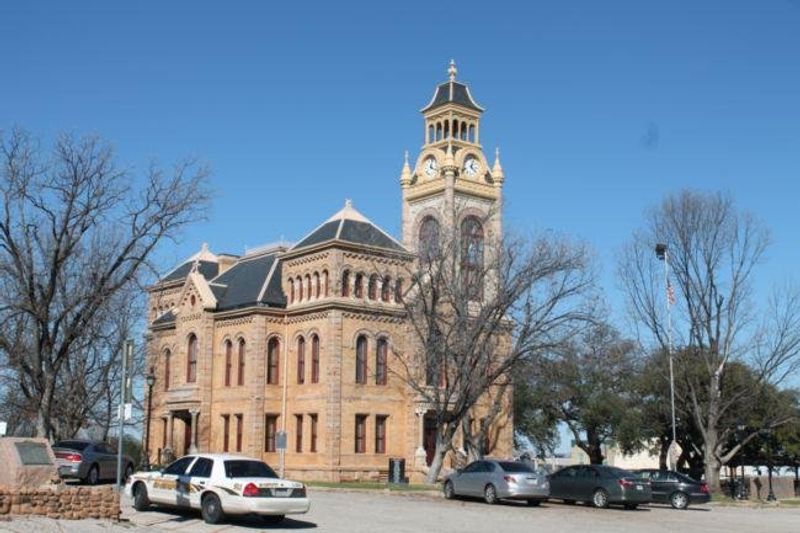
Llano earned its nickname as the Deer Capital of Texas, but what really defines this town is the river that shares its name. The Llano River runs clear and cool through granite bedrock, creating swimming holes and fishing spots that locals treasure.
The town itself has around 3,500 residents, making it one of the smaller communities where everybody really does know your name.
Your retirement income stretches nicely in Llano. Housing remains affordable whether you’re renting or buying, and property taxes stay reasonable.
The local grocery store provides what you need without gouging prices, and utility costs remain moderate year-round. Medical care is available locally for routine needs, with larger facilities in nearby towns for anything more serious.
The cost of living here allows you to live comfortably while keeping a cushion in your savings.
Llano has this authentic quality that some towns lose as they grow. The courthouse square still serves as the heart of the community, and local businesses outnumber chain stores.
You can spend summer afternoons wading in the river, fall mornings hunting for topaz in surrounding hills, and winter evenings at community gatherings. The pace of life here suits people who’ve earned the right to slow down.
There’s no pressure to be anywhere or do anything, just the freedom to enjoy simple pleasures in a beautiful Hill Country setting.
9. Wimberley
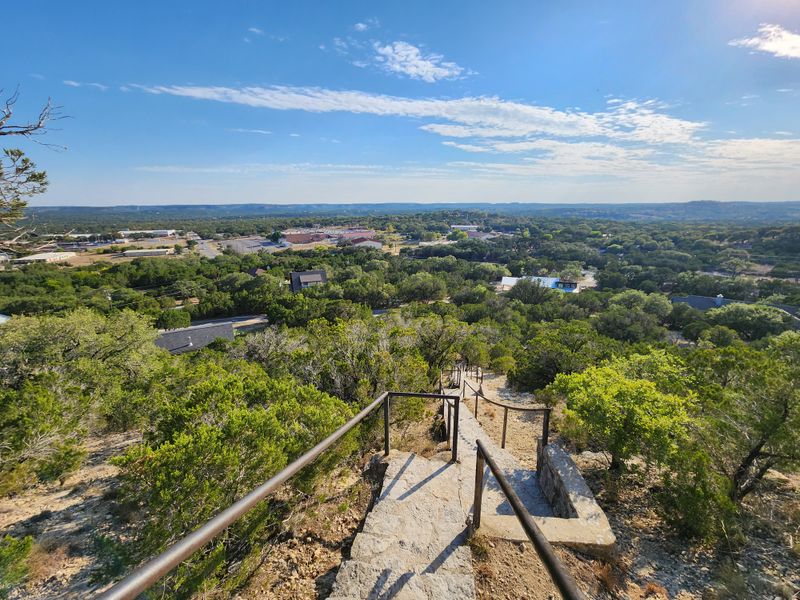
Wimberley has this artistic soul that sets it apart from other small Texas towns. Cypress Creek runs through the heart of the community, and local artists have turned the downtown area into a collection of galleries, studios, and quirky shops.
The population hovers around 2,600, small enough that you’ll become a familiar face quickly, but the weekend influx of visitors keeps things from feeling too isolated.
Managing retirement expenses in Wimberley takes some attention, but it’s workable. Housing costs run slightly higher than in some other small towns because of the artistic reputation and natural beauty, but you can still find affordable options.
Shopping at local markets and cooking at home helps keep food costs down. The town has basic medical services, with larger facilities in San Marcos or Austin for specialized care.
What makes Wimberley special is how it nurtures creativity and community simultaneously. You can take art classes at the community center, attend concerts in the park, and browse the monthly market days without spending much money.
The natural setting provides free entertainment through swimming holes, hiking trails, and scenic overlooks. Retirees here tend to stay active and engaged, whether through volunteering, joining local clubs, or simply becoming regulars at the coffee shop.
The town welcomes people who appreciate beauty and want to live somewhere that values quality of life over material excess.
10. Fulton
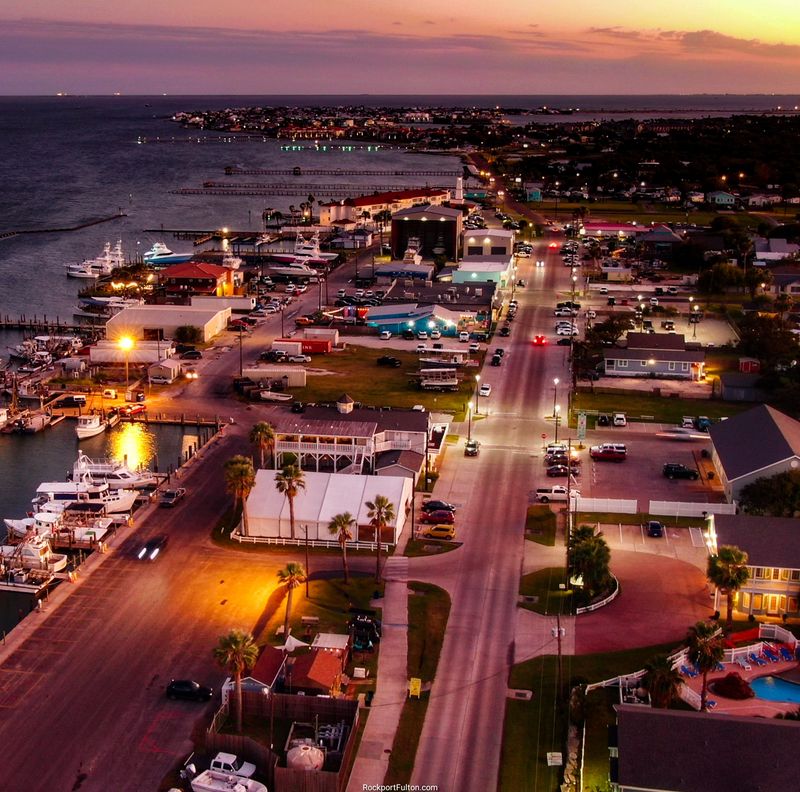
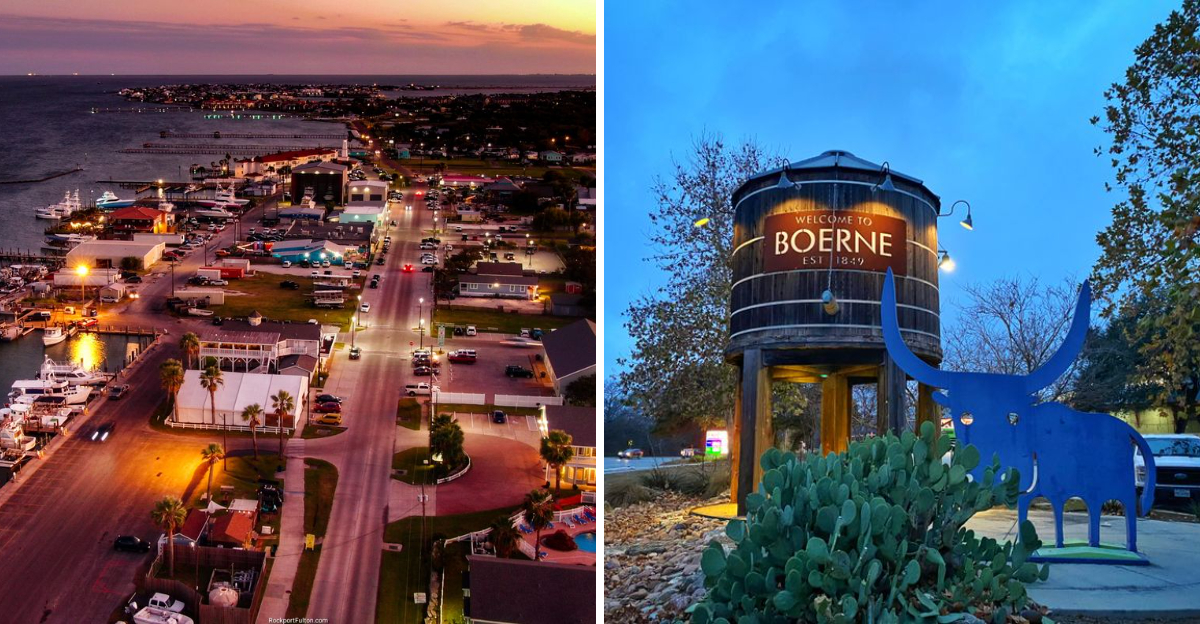
Fulton sits on the Texas coast where Aransas Bay meets the Gulf of Mexico, offering retirees that rare combination of waterfront living and small-town affordability.
The town connects to Rockport but maintains its own distinct character, with around 1,500 permanent residents who enjoy the coastal lifestyle without the crowds and costs of more famous beach towns.
The harbor still serves working fishing boats, giving the place an authentic maritime feel.
Coastal retirement often seems expensive, but Fulton proves it doesn’t have to be. Housing costs stay reasonable, especially compared to other waterfront communities in Texas.
Fresh seafood comes cheap when you know where to shop, and the moderate climate keeps heating and cooling bills manageable most of the year. The town has medical facilities nearby in Rockport, and Corpus Christi is close enough for specialist appointments when needed.
Living in Fulton means embracing the rhythm of coastal life. You can watch shrimp boats come and go, walk along the harbor at sunrise, and enjoy beach access without fighting tourist crowds.
The birding here is world-class, with Aransas National Wildlife Refuge just down the road. Local seafood restaurants offer early-bird specials that fit a retirement budget, and community events celebrate the fishing heritage that still defines the area.
This is a place for people who find peace near the water and want to spend their retirement years with salt air and seabirds as constant companions.
Dear Reader: This page may contain affiliate links which may earn a commission if you click through and make a purchase. Our independent journalism is not influenced by any advertiser or commercial initiative unless it is clearly marked as sponsored content. As travel products change, please be sure to reconfirm all details and stay up to date with current events to ensure a safe and successful trip.
