A sunny afternoon in Arizona taught me that the desert has rules as sharp as its thorns, and I learned them the hard way while chasing a perfect saguaro silhouette.
You show up for the views and the freedom, then discover tiny choices can carry big consequences, from feeding a javelina to dipping into a canal.
You do not need a law degree to travel smart here, just a sense for desert logic and a few grounded tips.
You want to stay out of trouble in Arizona?
Then keep on reading.
You will leave with better photos, fewer fines, and a story worth sharing.
1. Feeding Wildlife In Big Metro Counties

A quiet evening in Phoenix can turn into a wildlife meet cute the moment a bowl of pet food sits on the patio like an open invite.
Arizona law makes it illegal in large counties to intentionally feed certain wild animals.
That’s because handouts teach boldness and spread problems to neighbors.
Counties like Maricopa, Pima and Pinal enforce these rules to protect people, pets and the animals themselves from risky encounters.
Tourists often break this rule by leaving dog food outside or tossing scraps to javelina near trailheads or short term rentals.
The scene feels harmless but a herd can damage landscaping and return at night when you are not there to react.
Coyotes and foxes learn patterns fast and a single snack can set a path that ends in conflict calls to animal control.
Play it safe by securing trash in latching bins and feeding pets indoors or removing bowls immediately after meals.
Only birds and tree squirrels are allowed in some places and even then local ordinances or HOA rules can narrow that exception.
If you are near washes in Tucson or the East Valley treat them like highways for wildlife and never leave tempting smells there.
Arizona rewards distance with better sightings and calmer animals which makes your photos and your neighbors much happier in the end.
2. Messing With Saguaro Cacti And Protected Plants
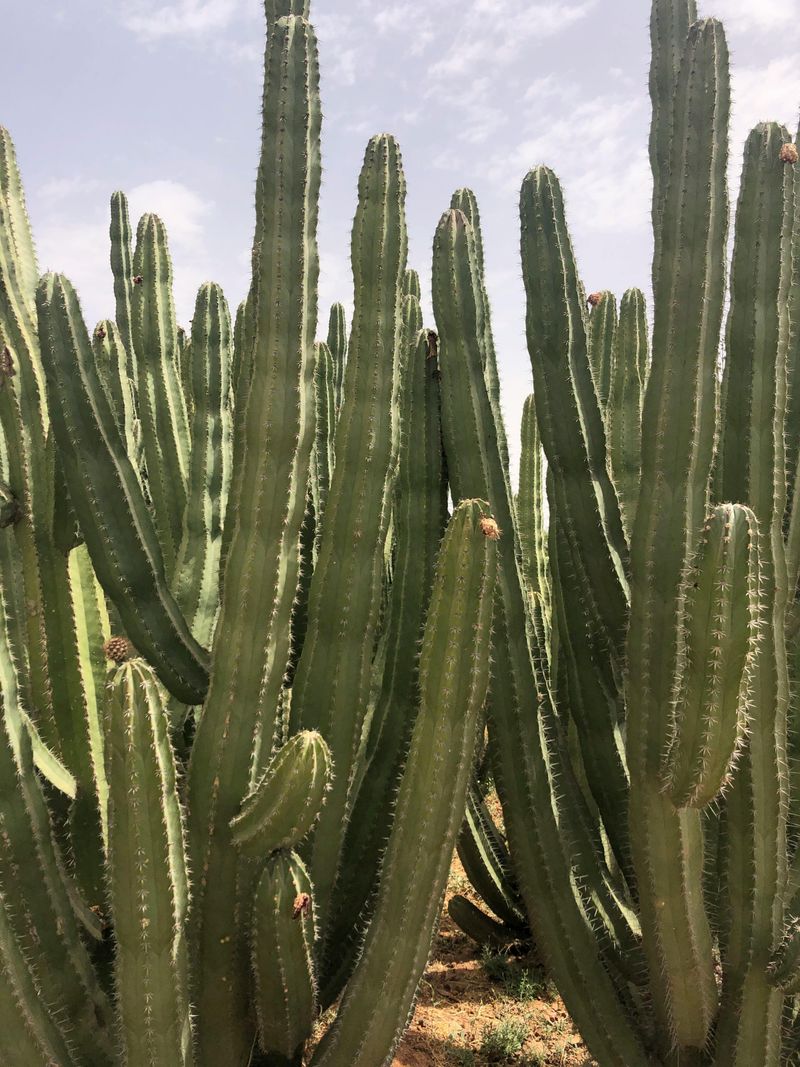
A saguaro looks sturdy like a sculpture and Arizona law treats it as a living treasure that deserves hands off respect.
The Native Plant Law requires permits and tags for cutting, moving or salvaging protected species even when a plant appears lifeless on the ground.
I have witnessed tourists getting into trouble by carving hearts into green flesh or yanking an arm as a souvenir that seemed harmless at the moment.
What feels like a quirky keepsake can be a serious violation that carries penalties and hurts a plant adapted to slow growth.
Desert ecosystems rely on cactus structure for shade shelter and nesting space that woodpeckers and owls quietly borrow.
Even dead rib skeletons serve as habitat and should stay in place unless permitted crews clearly marked a salvage operation.
Be watchful by taking photos from the trail and reading any signage that lists protected plants within that zone.
Arizona State Trust Land and parks post clear warnings so assume protection applies if you see tags or official notices.
If a saguaro blocks a path on private land the owner still needs proper approval before removal or relocation.
You can admire the desert without touching and the cactus will keep its dignity while your camera keeps its memory.
3. Pocketing Petrified Wood Or Artifacts
Colorful petrified wood glows like gemstones under Arizona sun and that sparkle tempts pockets faster than any souvenir shop can.
Petrified Forest National Park prohibits taking rocks, wood fossils or cultural objects and rangers take that message seriously throughout the park.
Even tiny pieces must stay where they rest, because the landscape tells a story through context and removal erases chapters.
Federal laws also protect artifacts beyond the park which means shards and fossils on public lands are not finders keepers.
Don’t make the mistake of slipping a small chunk into a pocket thinking one piece will not matter on such a vast plain.
That single piece multiplied by thousands becomes a loss you can see in gaps along once rich petrified log fields.
Just photograph finds with a boot for scale then leave everything in place for the next curious hiker.
If you want a legal keepsake buy ethically sourced rock shop items outside the park where staff can explain provenance.
Arizona values its geological wonders and the best gift you give is a view left untouched for future travelers.
Your memory stays bright and the park remains whole which is the kind of trade you will feel good about.
4. Protecting Petroglyphs And Pottery Shards
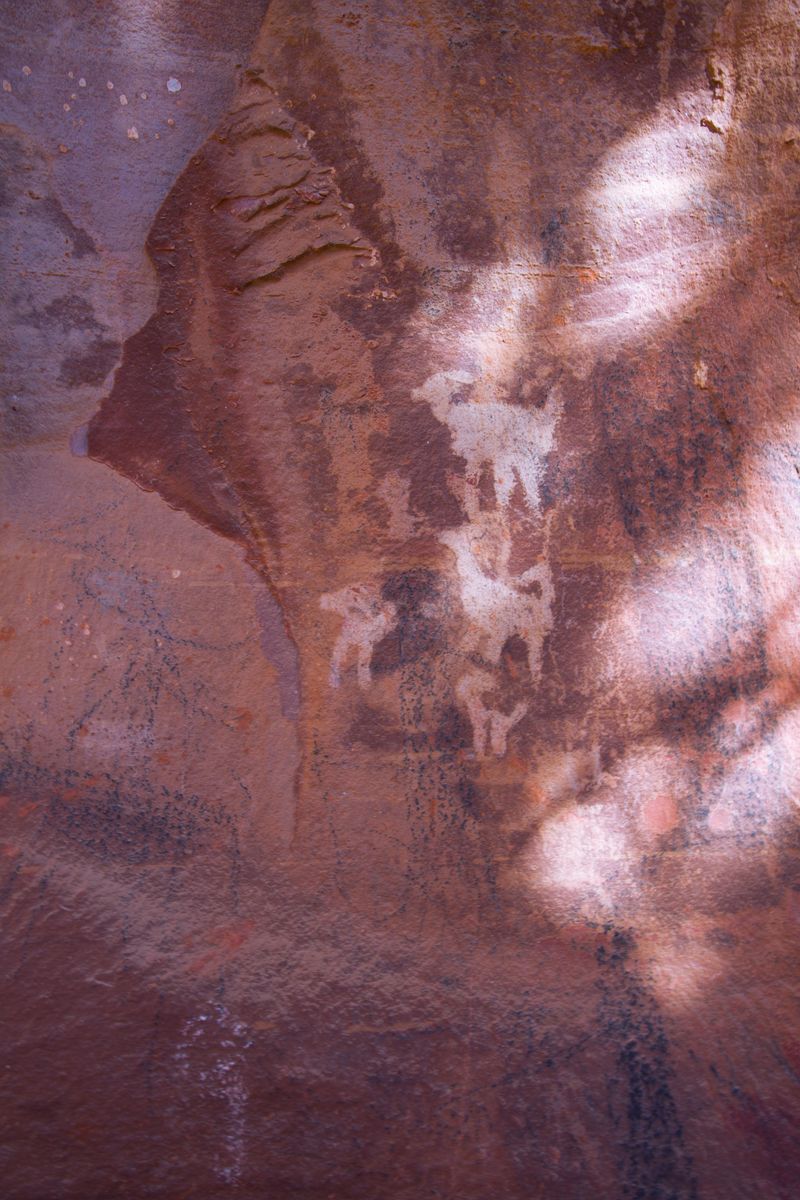
Ancient rock art looks tough until a single fingertip leaves oils that stain and a chalk trace that scars the panel.
Arizona law protects petroglyphs, pictographs, caves and archaeological materials and violations can lead to criminal charges with real consequences.
Defacing or removing objects undermines research and upsets tribal communities whose histories live in those stone stories.
Tourists sometimes trace symbols for better photos or scrape initials into canyon walls thinking the marks will fade.
Those lines last and spread when others copy the act turning one poor choice into a patchwork of damage.
Even picking up a shard for a closer look can move it out of context that archaeologists need to interpret.
I suggest photographing from a respectful distance and keeping hands, cameras and backpacks away from fragile surfaces.
Stay on established paths near panels and report fresh vandalism to land managers so repairs can begin quickly.
Arizona sites remain powerful when left undisturbed and your restraint helps preserve meaning for people who cherish these places.
The best souvenir is a story told with care and a photo that honors time rather than trying to rewrite it.
5. Cooling Off In Canals And City Ponds
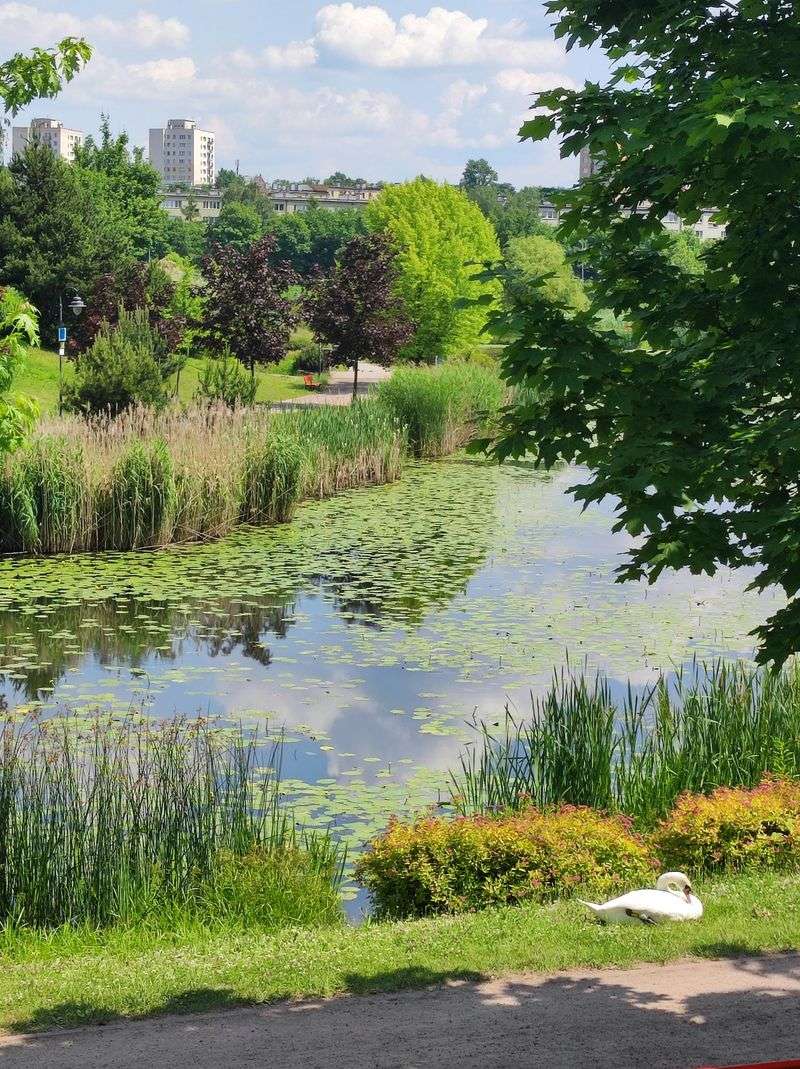
A shimmering canal looks inviting in the summer heat, right?
But Arizona cities treat those channels like working arteries, not lazy rivers.
Currents can be stronger than they appear and city codes often make swimming in canals, ditches, lakes or ponds unlawful.
Yuma for example bans swimming in irrigation canals and many municipalities post warnings to keep people out of harm.
Tourists sometimes hop in to cool off near farms or neighborhoods believing the concrete sides offer an easy exit.
Slick algae film and steep banks can turn a quick dip into a climb that becomes impossible without help.
Water quality adds another layer as runoff and debris flow through systems far different from a designated swimming area.
It’s better to stick to lifeguarded pools, signed swim beaches or natural spots that specifically allow water access.
Rivers can look tame near bridges yet they hide undertows that grab ankles and surprise even confident swimmers.
Arizona first responders would rather wave from the path than rush to a rescue that a simple sign could prevent.
Respect the barriers, rest in the shade and save your splash for a place built to welcome that kind of joy.
6. Glass Bans On Rivers And Parks

A sunny float on the Salt River pairs well with sandals and sunscreen but Arizona rules say glass should stay home.
Tonto National Forest bans glass containers on reservoirs and the Lower Salt River to prevent injuries and broken fragments.
City parks often follow suit by prohibiting glass within picnic areas, ball fields and grassy lawns where families gather.
Visitors who pack bottled drinks for a river day or park lunch often do not notice the small print on signs.
Broken shards hide in sand and grass where bare feet wander and where cleanup becomes a long frustrating chore.
Rangers and city staff write citations because the risk spreads beyond one blanket to every person who visits later.
It’s better to use cans, reusable metal bottles or sturdy plastic that you pack out with every other item.
Bring a trash bag or mesh sack because wind likes to borrow lightweight pieces and scatter them downriver.
Arizona shines brightest when shorelines stay clear so your choice keeps views wide and steps painless for everyone.
Simple swaps protect the desert and still deliver a relaxing day that feels as light as the water looks.
7. Flying Drones In The Wrong Places
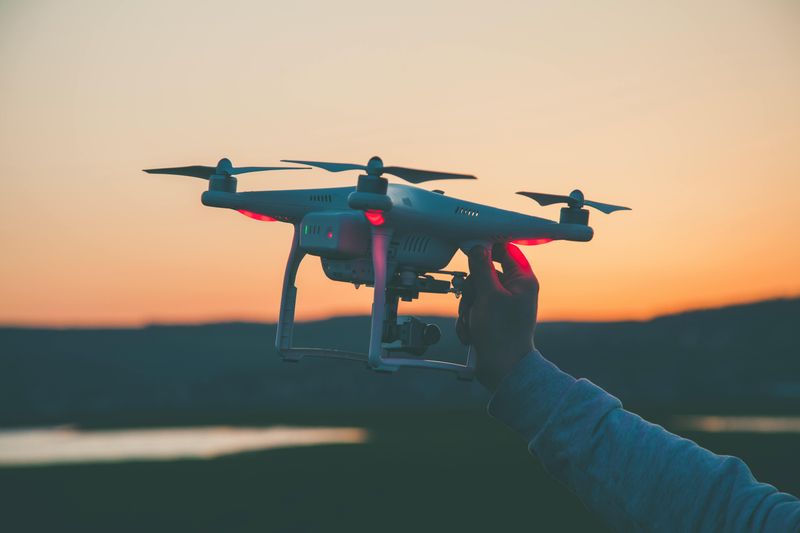
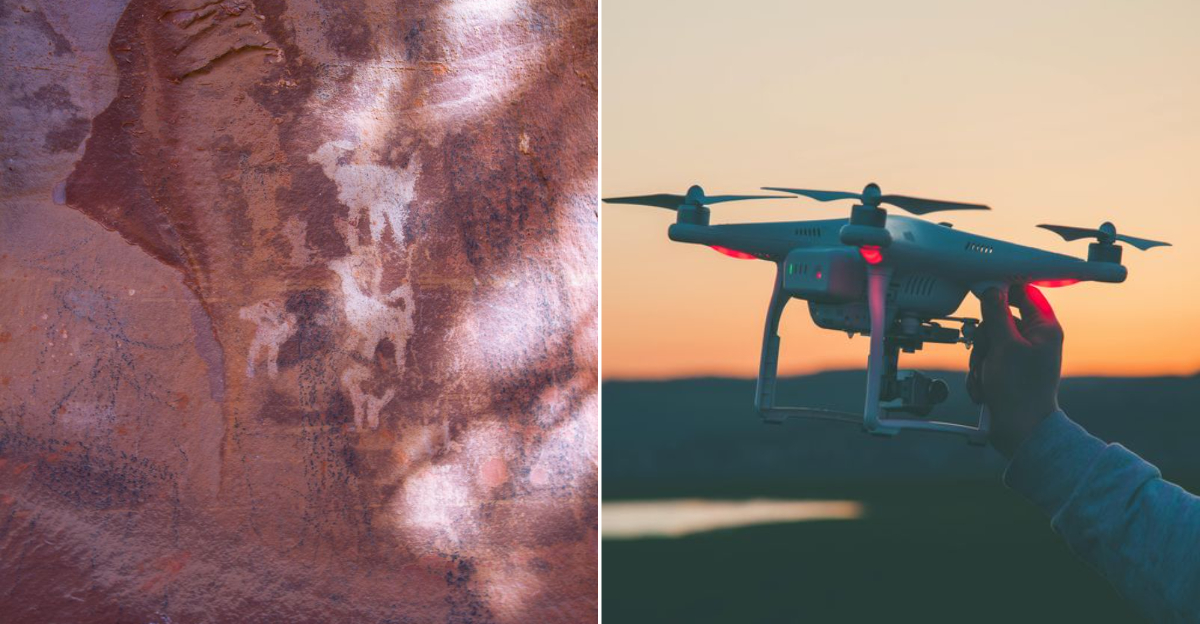
A soaring shot over a canyon feels irresistible until a sign reminds you that drones are not allowed here at all.
National parks across Arizona prohibit recreational drones under policy that protects wildlife soundscapes and visitor safety.
State parks also restrict drones without film permits and tribal parks like Monument Valley enforce their own no fly rules.
Tourists break this law by launching from parking lots or overlooks and assuming small size means small consequences.
Rotor noise travels far and can disrupt nesting raptors or drown out the quiet that visitors traveled long distances to enjoy.
Rescues and fire operations also rely on clear airspace where rogue drones complicate flight paths and delay critical work.
Make sure to check park pages for unmanned aircraft policies and obtaining permits only when clearly allowed.
Geo fencing is helpful but not perfect so manual judgment and respect for posted signs matter even more.
Arizona offers legal spots like open desert on private land with permission or designated fields run by local clubs.
Your camera can still capture wonder from the rim while your drone rests until the rules say the sky is yours.
8. Open Containers In Parks And Public Spaces

A picnic bench looks like a perfect place to toast the sunset until local code says the container cannot be open here.
Arizona does not have a single statewide rule for public drinking so cities like Phoenix Tucson and Yuma set their own restrictions.
Parks commonly prohibit open containers except during permitted events which means that casual sips at a table can lead to citations.
Travelers assume outdoor areas are fair game and miss the small rule list posted near ramadas and playgrounds.
Enforcement varies by location but officers look for safety first especially near youth areas sports fields and shared paths.
It’s better to check the park website for permit options or saving drinks for lodging or designated venues.
Some city districts allow open containers within marked event footprints and that boundary matters more than the vibe on the lawn.
Arizona parks welcome picnics games and stargazing when containers stay closed and rules stay visible on signs.
The result is a calm evening with no surprises and a plan that respects both the setting and the community.
9. Driving Around Flood Barricades
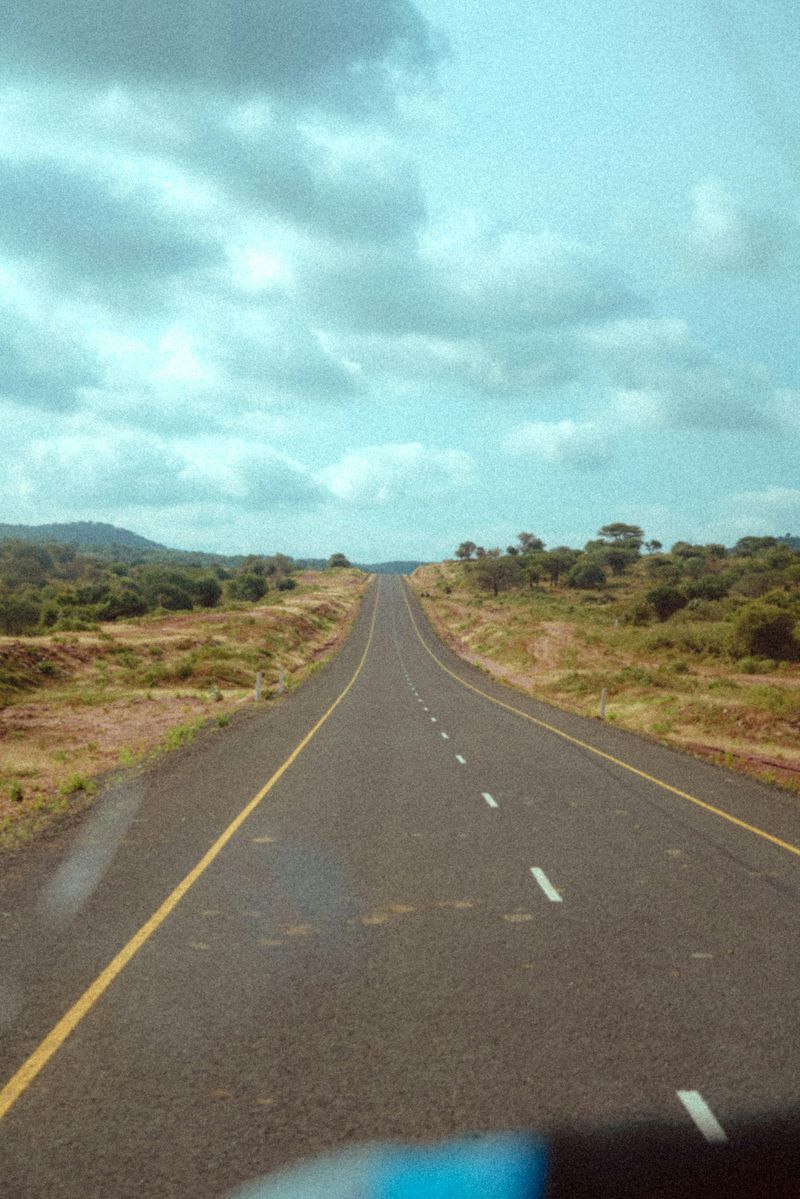
A desert storm can turn a quiet wash into a churning lane of trouble faster than you can pick a new route.
Arizona law allows agencies to bill the cost of rescue when drivers ignore barricades and end up stuck in floodwater.
The intent is not to shame anyone but to discourage choices that endanger responders and other motorists during monsoon.
Tourists often believe a rental crossover sits high enough to ford a shallow looking sheet of water across the road.
Moving water hides holes and soft sediment that swallow tires while currents push sideways with surprising force.
Even a short crossing can stall an engine and trap doors where pressure makes opening them difficult without help.
Play it safe by turning around immediately when you see closure signs, cones or sawhorses blocking a low crossing.
Check local alerts before road trips and assume washes change quickly after afternoon storms roll off nearby mountains.
Arizona responders want you safe at dinner and not stranded on a hood waving for a tow that takes hours.
Patience feels better than a bill and the detour may reveal a sunset that becomes your favorite memory of the day.
Dear Reader: This page may contain affiliate links which may earn a commission if you click through and make a purchase. Our independent journalism is not influenced by any advertiser or commercial initiative unless it is clearly marked as sponsored content. As travel products change, please be sure to reconfirm all details and stay up to date with current events to ensure a safe and successful trip.
