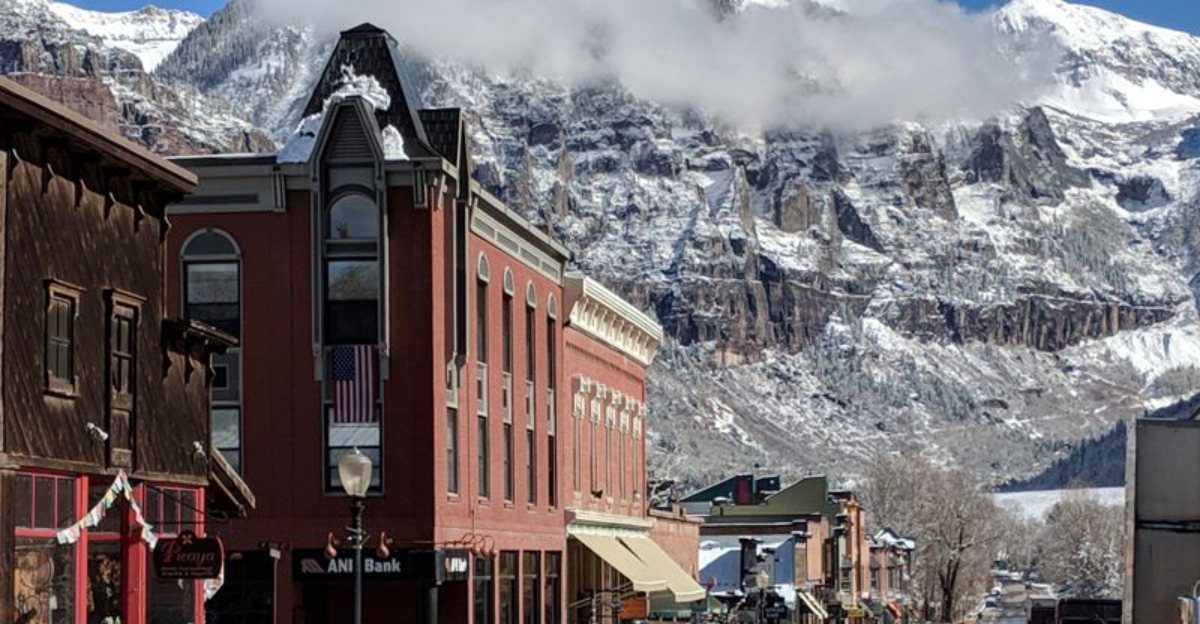
Colorado attracts millions of visitors every year with its stunning mountain scenery, world-class ski resorts, and vibrant cities.
However, the Centennial State has some unusual laws and regulations that catch travelers completely off guard.
From unexpected marijuana restrictions to quirky altitude rules, these seven surprising travel regulations will help you avoid embarrassing mistakes and potential legal troubles during your Rocky Mountain adventure.
1. Marijuana Is Legal But Not Everywhere You Think
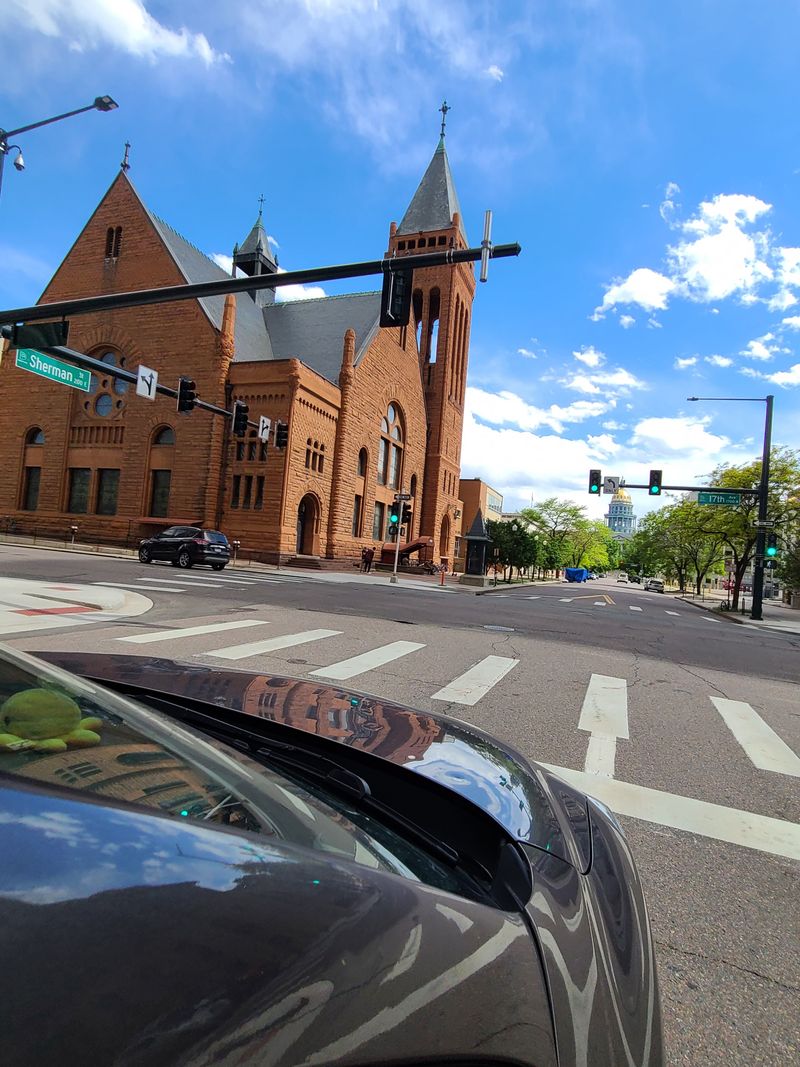
Visitors often arrive in Colorado thinking they can light up anywhere because recreational marijuana is legal statewide.
The reality surprises most tourists within their first few hours.
Public consumption remains completely illegal, meaning you cannot smoke or consume edibles in parks, on sidewalks, at ski resorts, or anywhere the public can see you.
Hotels have their own policies, and most ban marijuana use entirely, even in private rooms.
Getting caught smoking in public can result in fines up to one hundred fifty dollars for your first offense.
Some cities have designated consumption lounges, but these remain rare and require membership or entry fees.
Federal lands including national parks and forests prohibit marijuana possession entirely since federal law still classifies it as illegal.
This means popular destinations like Rocky Mountain National Park are completely off limits for cannabis.
Driving under the influence of marijuana carries the same serious penalties as alcohol, with a blood THC limit of five nanograms per milliliter.
Crossing state borders with marijuana, even to another legal state, violates federal trafficking laws.
Tourists frequently make the mistake of buying products at Denver dispensaries and driving into Wyoming or Nebraska, where they face arrest.
Rental car companies explicitly prohibit marijuana in their vehicles and can charge cleaning fees or press charges.
Even having marijuana smell in your rental can trigger penalties.
The safest approach involves consuming products only in private residences where the owner has given explicit permission.
Many vacation rentals now advertise themselves as cannabis friendly to attract this specific market.
Understanding these restrictions before arriving can save tourists from costly fines, legal trouble, and ruined trips, ensuring a safe and enjoyable experience in Colorado.
2. Altitude Sickness Is No Joke And Affects Your Activities
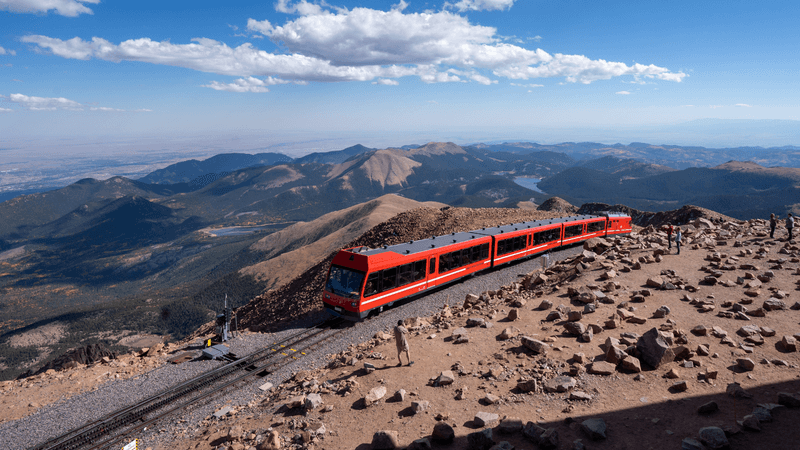
Most visitors underestimate how seriously altitude affects their bodies until symptoms hit hard.
Denver sits at exactly 5,280 feet above sea level, and many mountain towns reach elevations exceeding 10,000 feet.
Your body needs time to adjust to thinner air, which contains significantly less oxygen than sea level environments.
Common symptoms include headaches, nausea, dizziness, fatigue, and shortness of breath that can ruin your first few days.
Drinking alcohol intensifies these effects dramatically because it dehydrates your body and impairs oxygen absorption.
Many tourists make the mistake of partying their first night in Denver and wake up feeling absolutely miserable.
The unwritten rule among locals suggests drinking half as much alcohol as you normally would and doubling your water intake.
Physical activities become exponentially harder at elevation, meaning your usual hiking pace will exhaust you quickly.
Experienced Colorado travelers recommend taking your first day easy, avoiding strenuous activities until your body acclimates properly.
Children and elderly visitors often experience more severe symptoms and require extra monitoring.
Some people develop serious altitude sickness requiring medical attention or even emergency descent to lower elevations.
Warning signs include confusion, severe headache unrelieved by medication, chest tightness, or inability to catch your breath while resting.
Preventive measures include arriving a day early before big activities, staying hydrated constantly, eating light meals, and avoiding heavy exercise initially.
Some visitors take altitude sickness medication prescribed by their doctors before traveling.
Locals joke that tourists can spot each other by their constant water bottle carrying and frequent rest breaks.
Respecting altitude limitations keeps your vacation enjoyable rather than spending it sick in your hotel room.
3. You Cannot Collect Rainwater Without Proper Rights
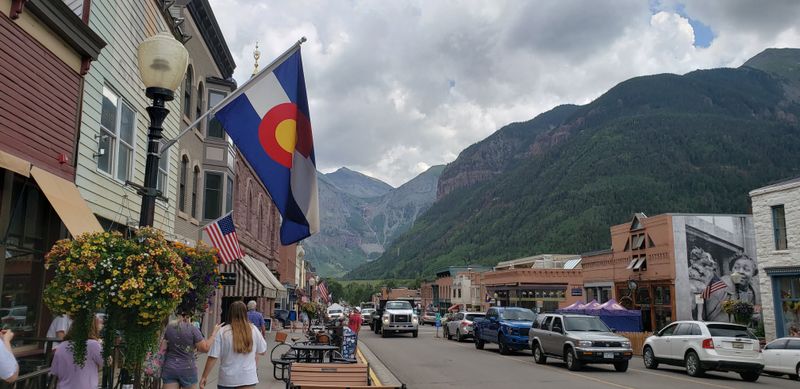
Colorado maintains some of the strictest water laws in America, confusing visitors who rent homes or cabins.
Until recently, collecting rainwater was completely illegal for everyone, which shocked people from other states.
The reasoning stems from complex water rights dating back to gold rush days when water became more valuable than the land itself.
Every drop of rain theoretically belongs to someone downstream who holds senior water rights.
Current laws now allow residential property owners to collect rainwater from their roofs using up to two containers holding a maximum of 110 gallons combined.
However, these regulations only apply to properties with specific well permits or domestic water systems.
Visitors renting vacation properties cannot legally set up rain barrels or collection systems without verifying the property has proper permits.
Commercial properties face even stricter limitations, and agricultural operations require extensive water rights documentation.
Violating these laws can result in fines and legal action from downstream water rights holders who monitor usage carefully.
The enforcement might seem excessive to outsiders, but Colorado takes water rights incredibly seriously due to its semi-arid climate.
Farmers, ranchers, and municipalities depend on predictable water flows that rainwater collection could theoretically disrupt.
Some environmental advocates argue these laws are outdated and prevent sustainable water conservation practices.
Recent legislative changes reflect growing recognition that small-scale residential collection has minimal impact on downstream users.
Tourists staying in rental properties should never assume they can collect rainwater for gardens or other uses without checking local regulations first.
Property management companies usually provide information about what water uses are permitted on their land.
Understanding these quirky water laws helps visitors respect Colorado’s complex relationship with its most precious natural resource.
4. Pets Need Special Consideration At High Elevations
Animal lovers frequently bring their furry companions on Colorado adventures without considering how altitude affects pets differently than humans.
Dogs and cats experience altitude sickness just like people, though they cannot communicate their discomfort clearly.
Brachycephalic breeds with short snouts like pugs, bulldogs, and Persian cats struggle especially hard breathing thin mountain air.
Veterinarians recommend gradual altitude acclimatization for pets, ideally spending a day or two at intermediate elevations before heading higher.
Watch for warning signs including excessive panting, lethargy, loss of appetite, vomiting, or disorientation in your animal.
Many hiking trails have specific regulations about pets that visitors overlook in their excitement to explore.
National parks generally prohibit dogs on backcountry trails to protect wildlife, though they allow them on roads and developed areas.
State parks have varying rules, with some requiring leashes no longer than six feet at all times.
Wildlife encounters pose serious dangers, as dogs instinctively chase animals or bark at bears and mountain lions, escalating dangerous situations.
Colorado law holds pet owners strictly liable for any wildlife harassment, with substantial fines and potential criminal charges.
Hot pavement in summer mountain towns can severely burn dog paws since the high altitude sun intensifies surface temperatures.
Locals use the seven-second rule, placing their palm on pavement for seven seconds to test if it is too hot for paws.
Winter brings different challenges as ice melt chemicals irritate paw pads and antifreeze puddles become lethal if ingested.
Many Colorado businesses welcome dogs inside, but assumptions about pet-friendly policies can lead to awkward situations.
Always call ahead to verify whether accommodations, restaurants with patios, and attractions actually allow animals.
Proper preparation keeps your four-legged family members safe and healthy throughout your Colorado travels.
5. Winter Tire Requirements Are Strictly Enforced
Visitors from warm climates often arrive completely unprepared for Colorado’s serious winter driving regulations.
The Passenger Vehicle Traction Law requires adequate tire treads and winter equipment during specific conditions on mountain highways.
When the law activates, which happens frequently from September through May, all vehicles must have proper winter tires or chains.
Tread depth must measure at least three sixteenths of an inch, significantly more than the typical minimum requirements elsewhere.
Four-wheel drive and all-wheel drive vehicles receive some exemptions but still need adequate tread depth to qualify.
Two-wheel drive vehicles must carry chains or alternative traction devices and know how to install them properly.
State patrol officers set up checkpoints on Interstate 70 and other mountain passes, turning away unprepared drivers without exception.
Getting caught violating traction laws results in fines and points on your driving record, plus you must turn around immediately.
Rental car companies operating in Colorado typically equip vehicles with all-season tires meeting minimum requirements, but not always.
Tourists renting cars should explicitly verify their vehicle has appropriate tires and request chains if planning mountain travel.
Many visitors mistakenly believe all-season tires work fine, but true winter tires perform dramatically better in snow and ice.
The rubber compound in winter tires stays flexible in freezing temperatures, providing crucial traction that all-season tires cannot match.
Some mountain communities have local ordinances requiring winter tires during specific months regardless of current weather conditions.
Vail, Aspen, and other ski towns take these requirements extremely seriously to prevent accidents and traffic disruptions.
Ignoring these regulations endangers yourself and others while creating massive traffic jams when unprepared vehicles get stuck.
Planning ahead by checking current traction laws and weather forecasts ensures smooth travels through Colorado’s spectacular but challenging winter landscapes.
6. Campfire And Open Flame Bans Change Constantly
Outdoor enthusiasts planning camping trips often overlook how frequently fire restrictions change throughout Colorado’s fire season.
The state implements varying levels of fire bans depending on current drought conditions, wind speeds, and wildfire risk assessments.
Stage One restrictions typically prohibit open campfires but allow gas stoves and grills in developed campgrounds.
Stage Two bans eliminate all open flames including gas stoves, charcoal grills, and even smoking outside enclosed vehicles or buildings.
These restrictions can change literally overnight as weather conditions shift, catching unprepared campers off guard.
National forests, state parks, and Bureau of Land Management areas each maintain separate restriction levels that may differ.
A campground could allow fires while the surrounding forest prohibits them completely, creating confusion for visitors.
Violating fire bans carries serious consequences including fines up to five thousand dollars and potential criminal charges.
If your illegal fire causes a wildfire, you face financial liability for all suppression costs potentially reaching millions of dollars.
Several tourists have received devastating bills after their careless actions sparked destructive wildfires.
Checking current fire restrictions requires visiting specific websites for each land management agency before every trip.
Local ranger stations and visitor centers provide current information, and many post restriction levels prominently at entrance gates.
Smartphone apps now track fire restrictions across Colorado, updating in real time as conditions change.
Many campgrounds sell or rent propane fire pits that remain legal during Stage One restrictions, providing a safe alternative.
Colorado’s wildfire season typically runs from late spring through early fall, though dry conditions can extend restrictions year-round.
Respecting these regulations protects Colorado’s forests, wildlife, communities, and ensures future generations can enjoy these incredible landscapes.
7. Right On Red Has Specific Downtown Exceptions

Drivers visiting Colorado assume they can turn right on red lights everywhere like most American cities permit.
However, many downtown intersections in Denver, Boulder, and other cities explicitly prohibit this standard practice.
Signs reading No Turn On Red appear at numerous intersections, though distracted drivers frequently miss them.
These restrictions protect heavy pedestrian traffic in urban cores where foot traffic crosses constantly.
Denver’s downtown grid has dozens of intersections banning right turns on red, particularly along the 16th Street Mall corridor.
Boulder restricts turns throughout its Pearl Street area where tourists and students create continuous crosswalk activity.
Automated traffic cameras monitor many of these intersections, issuing tickets automatically to violators.
The fine for illegal right turns typically starts around seventy-five dollars but increases with additional violations.
Out-of-state drivers often receive tickets in the mail weeks after their visit, creating unpleasant surprises.
Some intersections use cameras that photograph license plates and mail citations to vehicle owners regardless of who was driving.
Rental car companies charge administrative fees on top of traffic fines when tickets arrive in their name.
Local drivers know which intersections prohibit right turns and watch carefully for posted signs.
Visitors should adopt the same cautious approach, scanning for No Turn On Red signs at every downtown intersection.
Mountain town intersections generally allow right on red unless specifically posted otherwise, following standard traffic laws.
The variation between municipalities confuses tourists who expect consistent rules across the state.
Taking an extra moment to verify intersection rules prevents costly tickets and keeps pedestrians safe throughout Colorado’s busy urban areas.
Dear Reader: This page may contain affiliate links which may earn a commission if you click through and make a purchase. Our independent journalism is not influenced by any advertiser or commercial initiative unless it is clearly marked as sponsored content. As travel products change, please be sure to reconfirm all details and stay up to date with current events to ensure a safe and successful trip.
