Florida is famous for its beaches, theme parks, and sunshine, but the Sunshine State has a wild side that most tourists never discover.
Scattered along its highways and back roads, you will find bizarre attractions that celebrate everything from mermaids to giant lobsters.
These quirky roadside oddities offer a glimpse into Florida’s wonderfully weird personality and make for unforgettable photo opportunities.
Whether you are planning a road trip or just looking for something different to do this weekend, these seven spots will add some serious fun to your Florida adventure.
1. Coral Castle
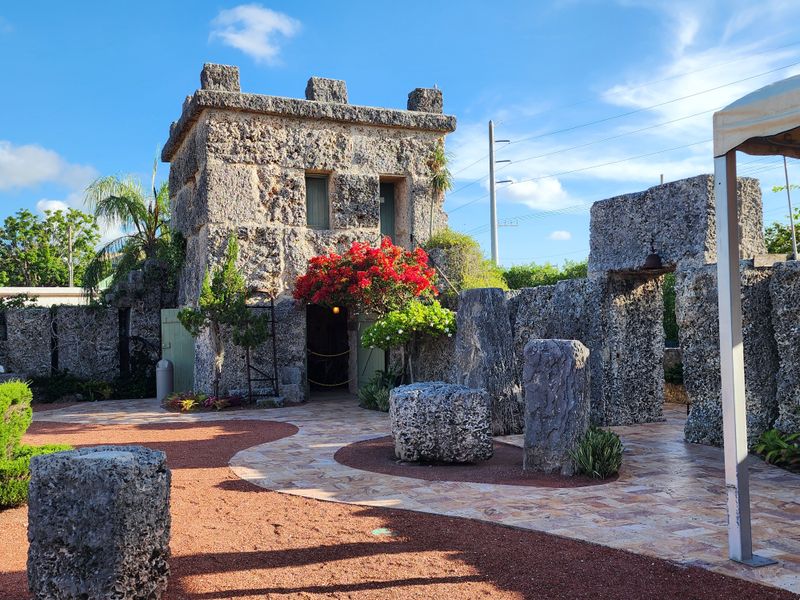
Built single-handedly by a lovesick Latvian immigrant named Edward Leedskalnin, Coral Castle stands as one of Florida’s most mysterious and romantic roadside attractions.
Edward spent 28 years carving and sculpting over 1,100 tons of coral rock into an elaborate monument to his lost love, a woman who left him the day before their wedding.
What makes this place truly mind-boggling is that Edward worked alone at night, using only hand tools, and never revealed how he moved these massive stones that weigh several tons each.
Visitors can wander through the outdoor sculpture garden and marvel at intricate coral thrones, a sundial accurate to within two minutes, and a nine-ton gate that once moved at the touch of a finger.
The engineering mystery behind Coral Castle has sparked countless theories, with some people suggesting Edward discovered the secrets of anti-gravity or ancient building techniques.
Located at 28655 South Dixie Highway in Homestead, this attraction is open daily and offers guided tours that explain the fascinating story behind each sculpture.
Photography enthusiasts love the unique textures and shapes carved into the coral, which create dramatic shadows and interesting compositions.
The entire property feels like stepping into a fairytale built from stone, with heart-shaped tables, crescent moon rocking chairs, and a coral telescope pointed at the North Star.
Edward lived in a tower on the property until his death in 1951, taking the secrets of his construction methods to the grave.
Coral Castle has appeared in numerous television shows and documentaries, cementing its status as one of America’s most intriguing architectural mysteries.
Plan to spend at least an hour exploring the grounds and reading the informational plaques that provide context for each remarkable creation.
2. The World’s Largest Lobster
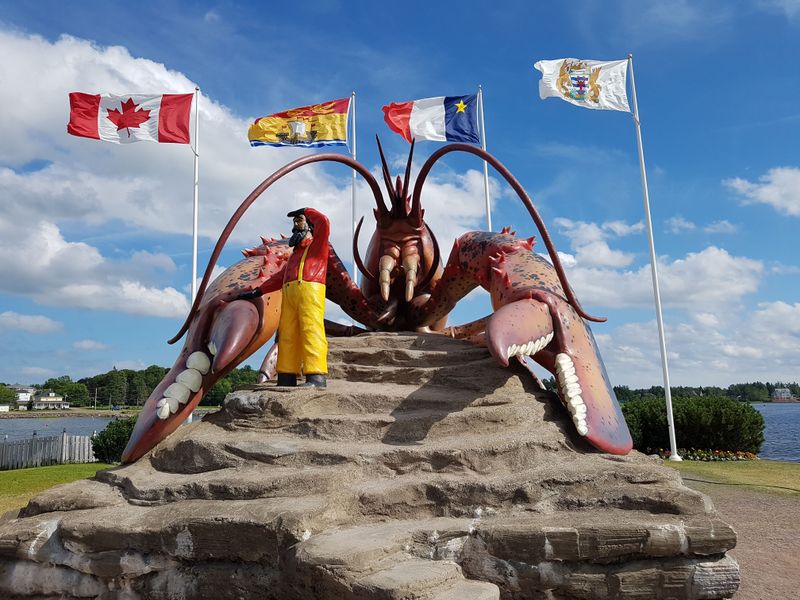
Perched along the Overseas Highway in Islamorada, a colossal crustacean greets travelers with its massive claws and vibrant red shell.
This 40-foot-tall fiberglass lobster has become an iconic photo stop for anyone driving through the Florida Keys, representing the region’s famous spiny lobster industry.
Built in the 1980s to attract attention to a seafood restaurant, the giant lobster has outlasted its original purpose and now stands as a beloved landmark.
Families pull over constantly to snap pictures with the enormous arthropod, which towers above palm trees and provides a perfectly kitschy backdrop for vacation photos.
The sculpture captures the playful spirit of the Keys, where oversized attractions and tropical vibes blend seamlessly with serious fishing traditions.
Unlike some roadside attractions that charge admission, this lobster is completely free to visit and photograph from the parking area.
The bright colors have been refreshed multiple times over the years to keep the lobster looking vibrant against the intense Florida sun.
Local residents have grown so attached to the giant crustacean that it has appeared on postcards, t-shirts, and countless social media feeds.
The lobster sits in the heart of Islamorada, known as the sport fishing capital of the world, making it a fitting tribute to the area’s maritime culture.
Visitors often combine their lobster photo session with stops at nearby seafood shacks to sample the real thing, fresh from the Atlantic waters.
The attraction represents a golden age of American roadside kitsch when businesses competed for attention with increasingly outrageous sculptures and signs.
Whether you find it charming or cheesy, the World’s Largest Lobster delivers exactly what Florida road trippers crave: a memorable, slightly absurd experience.
3. Weeki Wachee Springs Mermaid Shows
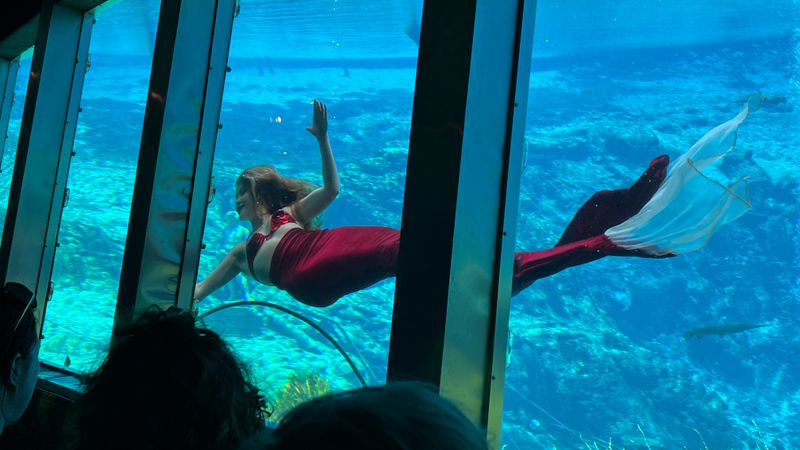
Since 1947, professional mermaids have been performing underwater ballet shows in a natural spring that pumps 117 million gallons of crystal-clear water daily.
Weeki Wachee Springs, located at 6131 Commercial Way in Spring Hill, offers visitors a chance to watch talented swimmers perform choreographed routines while breathing from hidden air hoses.
The underwater theater sits 16 feet below the surface, with large viewing windows that allow audiences to watch mermaids flip their tails, eat bananas underwater, and drink bottles of soda.
This vintage Florida attraction captured the imagination of mid-century America and has somehow survived into the modern era, still delighting families with its retro charm.
The mermaids train for months to master the art of holding their breath, swimming gracefully in heavy tails, and making the impossible look effortless.
Shows typically feature classic stories like The Little Mermaid or fish-themed parodies of popular movies, performed entirely underwater with colorful costumes and sets.
Between performances, visitors can kayak down the Weeki Wachee River, swim in Buccaneer Bay water park, or take a riverboat cruise to spot manatees and wildlife.
The spring maintains a constant 74-degree temperature year-round, creating perfect conditions for both performers and the diverse ecosystem that thrives in these waters.
What started as a roadside attraction dreamed up by former Navy frogman Newton Perry has become a protected state park and cultural landmark.
Old photographs and memorabilia displayed throughout the park showcase the glamorous history of Weeki Wachee mermaids, who once appeared on television shows and in movies.
The combination of natural beauty and pure showmanship makes Weeki Wachee unlike anything else in Florida or anywhere in the world.
4. Solomon’s Castle
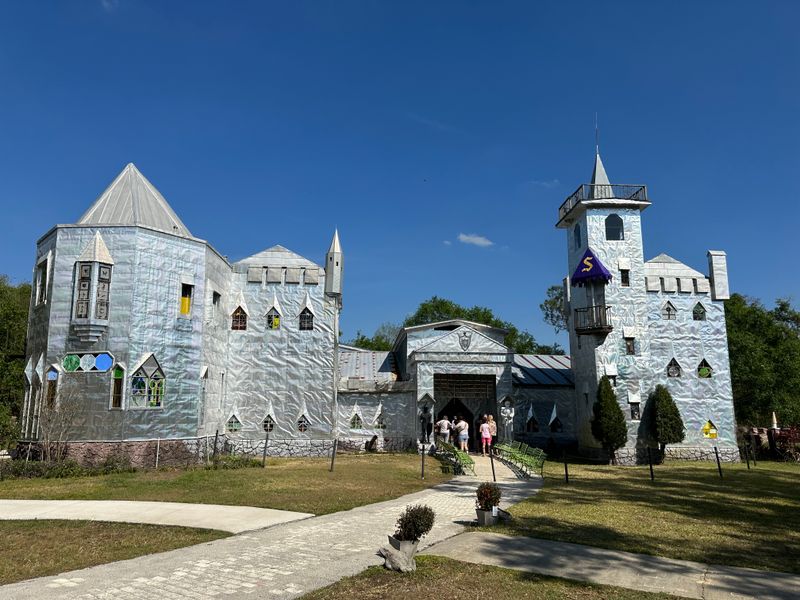
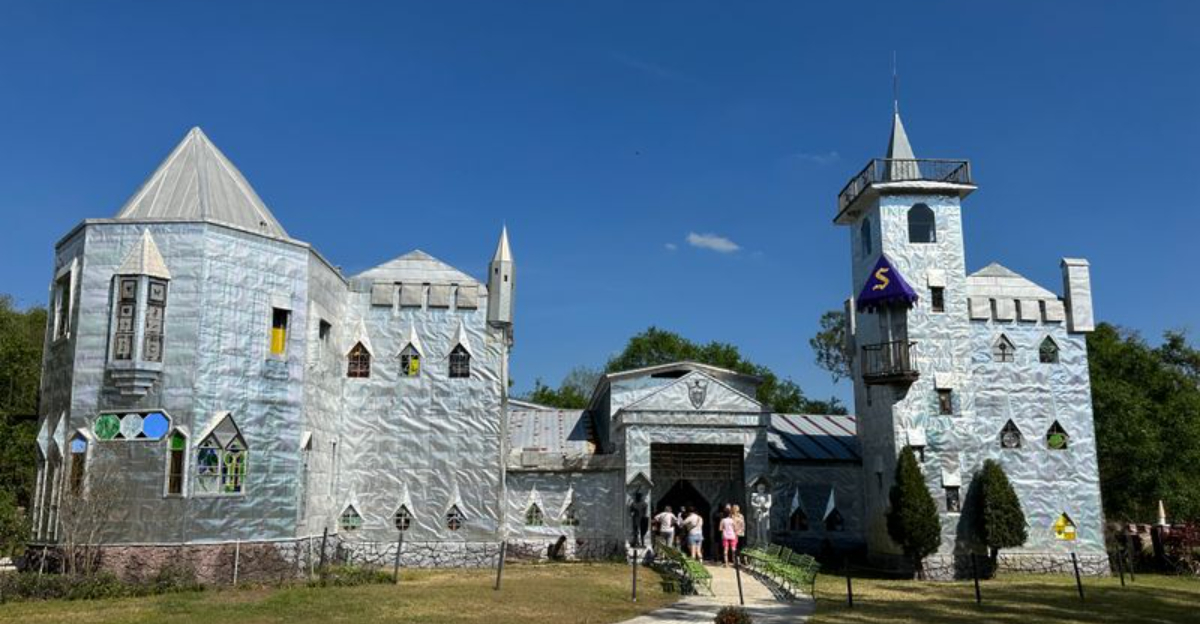
Hidden deep in the woods near Ona, a shimmering castle constructed entirely from recycled aluminum printing plates reflects sunlight like a disco ball in the forest.
Artist Howard Solomon spent decades building this three-story masterpiece, covering every exterior wall with offset printing plates he collected from local newspapers.
The castle contains over 80 stained glass windows, each one handcrafted by Solomon, and the interior showcases hundreds of his witty sculptures made from found objects and scrap materials.
Visitors who make the journey down rural roads to find this hidden gem are rewarded with a guided tour filled with puns, optical illusions, and Solomon’s unique artistic vision.
Every room tells a story, with sculptures that transform boat parts into dragons, old tools into medieval knights, and random junk into thought-provoking art.
The castle also houses a restaurant called The Boat in the Moat, which is literally a Portuguese sailing vessel that Solomon converted into a dining area.
Solomon’s quirky sense of humor permeates every corner of the property, from the punny names of sculptures to the unexpected treasures hidden in plain sight.
The castle sits on a 40-acre property that includes nature trails where additional outdoor sculptures surprise visitors as they explore the Florida wilderness.
Howard Solomon passed away in 2016, but his family continues to operate the castle and share his creative legacy with visitors from around the world.
The attraction is open seasonally from October through April, and reservations are recommended because of its remote location and limited tour capacity.
Photography inside the castle reveals new details with every shot, as the eclectic collection of art and artifacts creates endless visual interest.
Solomon’s Castle proves that one person’s junk can become another person’s architectural wonder with enough imagination and dedication.
5. Spongeorama Sponge Factory
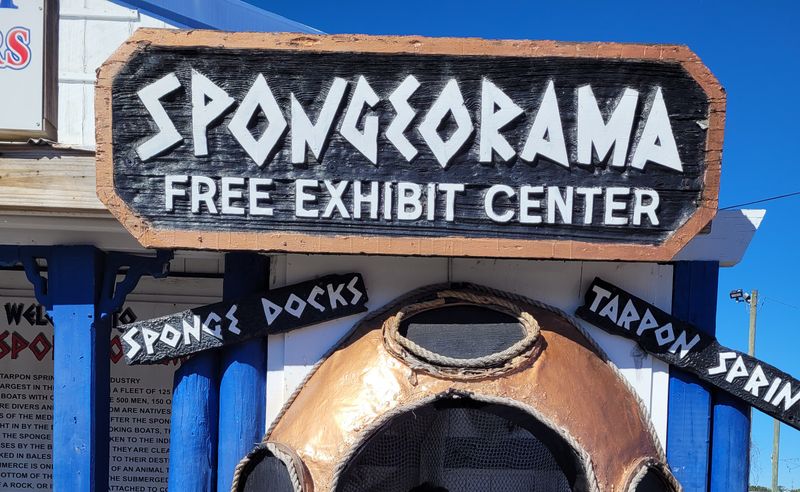
Tarpon Springs boasts the largest Greek community in America, and nowhere is this heritage more celebrated than at Spongeorama, a combination museum, factory, and gift shop dedicated to natural sea sponges.
This family-friendly attraction at 510 Dodecanese Boulevard offers free admission to a fascinating museum that explains the history of sponge diving in the Gulf of Mexico.
Visitors can watch a vintage documentary film about the dangerous work of sponge divers, who descended to the ocean floor in heavy diving suits to harvest these remarkable sea creatures.
The museum displays antique diving equipment, photographs of early Greek immigrants who built the sponge industry, and educational exhibits about different sponge species and their uses.
After learning about sponge biology and history, guests can shop for natural sponges of every size and type, from delicate silk sponges for baby baths to large wool sponges for car washing.
The gift shop also sells Greek foods, olive oil, honey, and souvenirs that celebrate the cultural heritage of this unique Florida community.
What makes Spongeorama special is its authentic connection to a living tradition, as Tarpon Springs still has active sponge boats that harvest from the Gulf waters.
The area around Spongeorama features Greek restaurants, bakeries, and shops where you can sample authentic cuisine and watch sponge boats return to the historic docks.
Every January, the community hosts the Epiphany celebration, where a priest throws a cross into the water and young men dive to retrieve it in a colorful ceremony.
The combination of quirky roadside appeal and genuine cultural significance makes Spongeorama more than just a tourist trap.
Families appreciate that the attraction is both educational and entertaining, teaching kids about marine biology, immigration history, and traditional industries in an engaging way.
The vintage aesthetic and retro signage add to the charm, making visitors feel like they have stepped back to a simpler era of Florida tourism.
6. Gatorland’s Screamin’ Gator Zip Line
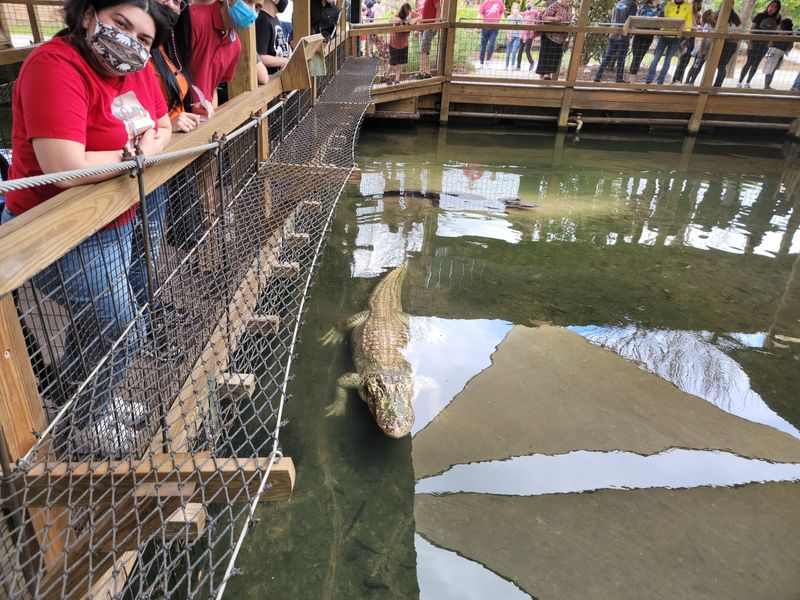
Only in Florida could you find an attraction where thrill-seekers zoom across zip lines suspended directly over pools filled with hungry alligators.
Gatorland, located at 14501 South Orange Blossom Trail in Orlando, has been entertaining visitors since 1949 with its collection of thousands of alligators and crocodiles.
The Screamin’ Gator Zip Line takes the experience to new heights, literally, as participants soar up to 65 feet above some of the park’s most impressive reptile habitats.
The course features multiple zip lines, a suspension bridge, and a final tower that offers panoramic views of the entire alligator theme park.
As you glide through the air, you can look down and see massive gators basking in the sun or swimming through the breeding marsh below your feet.
The experience combines the adrenaline rush of zip lining with the unique Florida weirdness of doing it over prehistoric predators.
Trained guides accompany each group, providing safety equipment and sharing fascinating facts about alligator behavior and biology throughout the adventure.
Beyond the zip line, Gatorland offers wrestling shows, feeding demonstrations, a petting zoo, and the chance to hold baby alligators for photos.
The park entrance itself is a roadside oddity, featuring a giant alligator mouth that visitors walk through to enter the property.
Gatorland has maintained its vintage Florida charm while adding modern attractions, creating a perfect blend of nostalgic kitsch and legitimate wildlife education.
The zip line experience requires a separate ticket from general admission and has weight and age restrictions for safety reasons.
Photographers will find incredible opportunities to capture unique perspectives of alligators from angles most people never experience.
7. The Devil’s Chair at Cassadaga
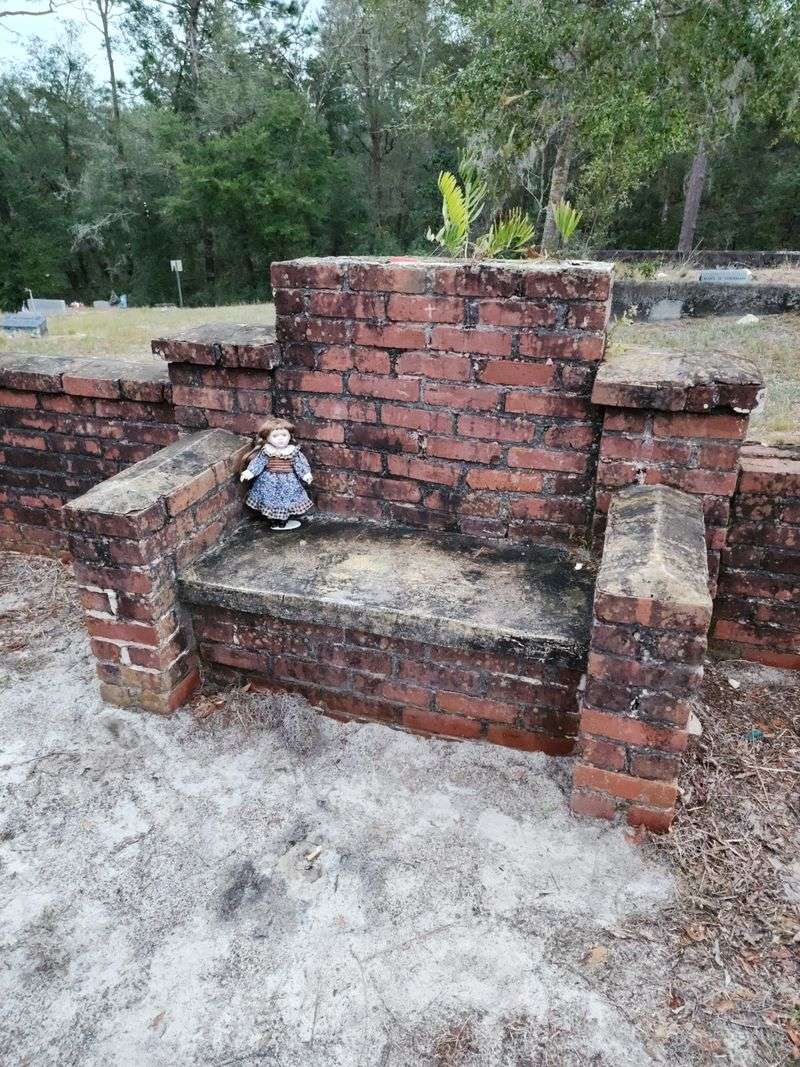
In the heart of Cassadaga, a tiny town known as the psychic capital of the world, an eerie brick chair sits in an old cemetery waiting for brave visitors.
Legend claims that anyone who sits in the Devil’s Chair will feel an icy presence, and some say the devil himself will appear to grant wishes or deliver messages.
The chair is actually a grave marker built in the late 1800s, but decades of supernatural stories have transformed it into one of Florida’s most haunted roadside attractions.
Paranormal investigators and curious tourists make pilgrimages to the cemetery hoping to experience ghostly encounters or capture evidence of spirits on camera.
Cassadaga itself was founded in 1894 as a spiritualist community, and residents still practice mediumship, offering readings and séances to visitors seeking connection with the other side.
The entire town feels frozen in time, with Victorian homes, unpaved streets, and an atmosphere that encourages belief in the supernatural.
Walking through the cemetery where the Devil’s Chair stands, you will find weathered headstones dating back over a century, draped with Spanish moss and surrounded by ancient oak trees.
Some visitors report strange feelings of being watched, unexplained cold spots, or electronic devices malfunctioning near the chair.
Skeptics argue that the legends are just stories, but believers insist the chair holds genuine paranormal energy.
The cemetery is open to respectful visitors during daylight hours, though some brave souls arrive after dark hoping for more intense supernatural experiences.
Beyond the Devil’s Chair, Cassadaga offers bookshops filled with occult literature, a spiritualist camp where certified mediums practice, and a hotel rumored to be haunted.
Whether you believe in ghosts or not, visiting the Devil’s Chair provides a uniquely Florida experience that combines history, folklore, and a touch of the mysterious.
Dear Reader: This page may contain affiliate links which may earn a commission if you click through and make a purchase. Our independent journalism is not influenced by any advertiser or commercial initiative unless it is clearly marked as sponsored content. As travel products change, please be sure to reconfirm all details and stay up to date with current events to ensure a safe and successful trip.
