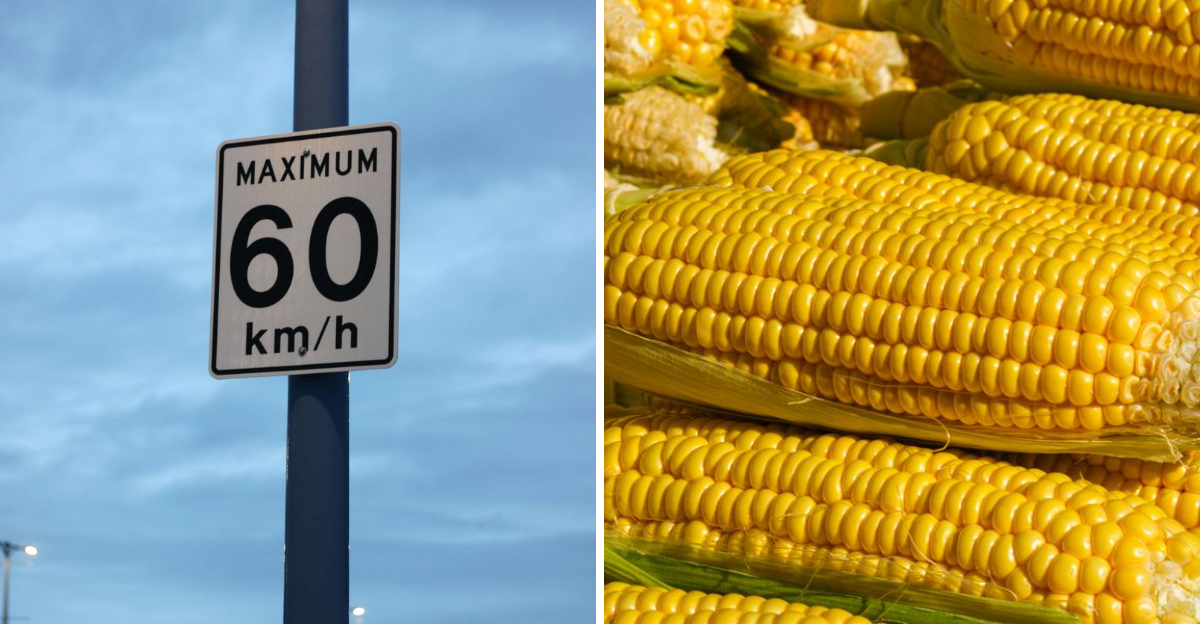
Indiana might not be the first state that comes to mind when you think of unusual customs. Spend a little time here and you will quickly notice something different.
From the way locals talk about basketball to their strong opinions on tenderloin sandwiches, the Hoosier State has its own set of quirks.
These can puzzle newcomers who are not used to them. Whether you are just passing through or planning to stay awhile, understanding these unique traditions will help you fit in faster.
It will also help you appreciate what makes Indiana special. Some of these customs might seem odd at first.
They are deeply woven into the fabric of everyday life here, reflecting the values and history of the people who call this place home. Get ready to discover the unwritten rules and beloved practices that define life in Indiana.
From the way people drive to the foods they hold sacred, there is a lot to learn and enjoy.
1. Basketball Reigns Supreme Over Everything

Ask any Hoosier about their high school basketball team, and you might want to clear your schedule for the next hour.
Basketball in Indiana is not just a sport. It is a way of life and something that connects generations of families across small towns and big cities alike.
Friday night games in places like New Castle or Martinsville draw crowds that rival college events in other states. The entire community shows up, from toddlers to great-grandparents, all wearing school colors and cheering with intensity.
The movie Hoosiers captured this phenomenon perfectly. The real thing is even more impressive.
Gyms like Hinkle Fieldhouse in Indianapolis at 510 W 49th St still echo with decades of basketball history. You will hear locals debate high school games with the same passion others reserve for professional sports.
Players from decades ago are remembered like legends. Their achievements are passed down through stories at family dinners and town gatherings.
Even if you have never picked up a basketball, living in Indiana means you will learn the names of local teams. You will also understand what Hoosier Hysteria means and probably attend at least one tournament game.
The state tournament used to be a single-class competition where tiny schools could beat much larger ones. Though the format changed in 1997, the passion never dimmed.
Outsiders often underestimate just how seriously Hoosiers take their basketball until they experience it firsthand. Missing a big game to do something else is practically unthinkable in many communities.
Scheduling conflicts around tournament time are real and respected.
2. The Pork Tenderloin Sandwich Must Be Enormous
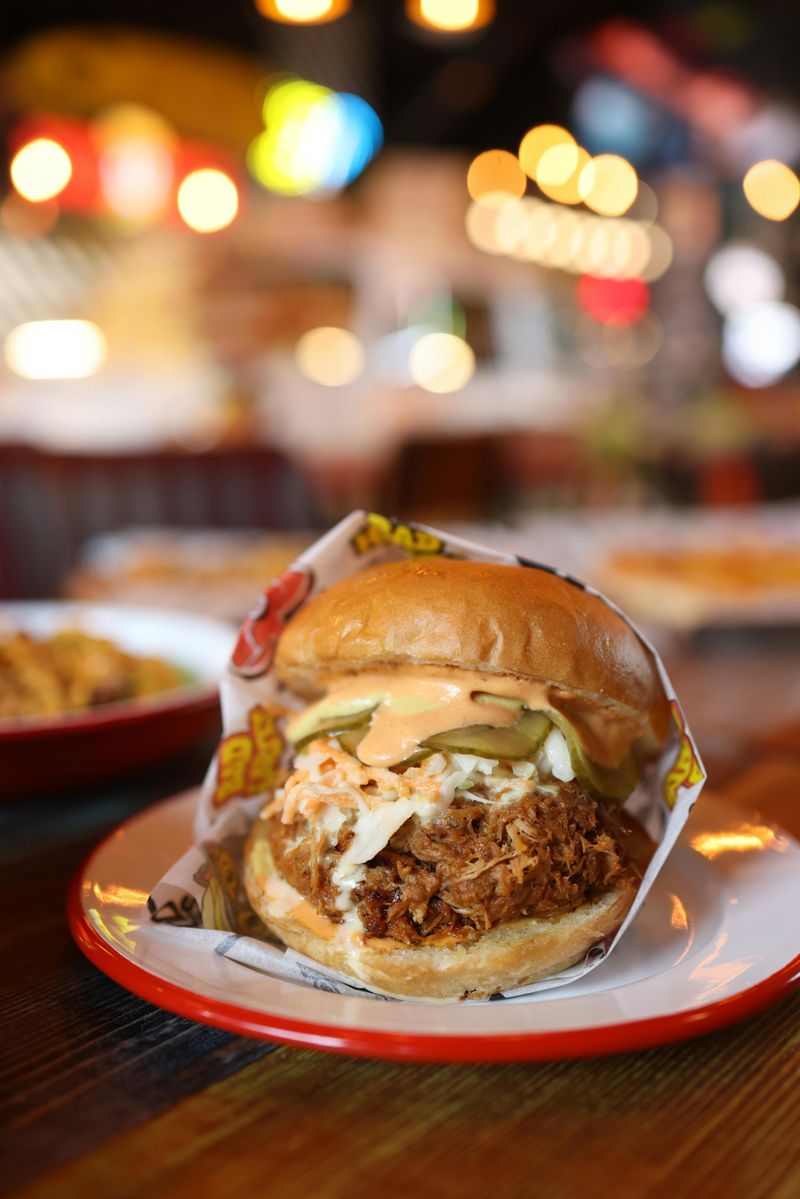
Ordering a pork tenderloin sandwich for the first time in Indiana can be a shocking experience.
The breaded and fried pork cutlet hanging over the edges of the bun is not a mistake. That is exactly how it is supposed to look, and locals would have it no other way.
These sandwiches are a point of pride across the state. Restaurants compete to serve the biggest and best version.
The meat is pounded thin, breaded with a seasoned coating, then fried until golden and crispy. The result is a sandwich that is more pork than bun by a significant margin.
Nick’s Kitchen in Huntington at 506 N Jefferson St claims to be the birthplace of this Hoosier delicacy. People drive from all over to try theirs.
Nearly every small-town diner has its own version. Each has loyal defenders who insist theirs is the best.
Outsiders are often amused by how seriously Indianans take the size requirement. A tenderloin that fits neatly inside the bun is considered disappointing.
The proper way to eat one is debated endlessly. Some fold the overhanging edges toward the center, others eat around the perimeter first, and a brave few try to tackle it like a regular sandwich with predictably messy results.
Vegetarians visiting Indiana often feel left out of this particular tradition. The cultural significance of the tenderloin cannot be overstated.
It appears at county fairs, church festivals, and family reunions throughout the year. Trying to order a small or reasonably sized tenderloin will earn you confused looks from servers.
You might also get some gentle mockery from anyone within earshot.
3. Calling It Pop Instead of Soda Is Non-Negotiable
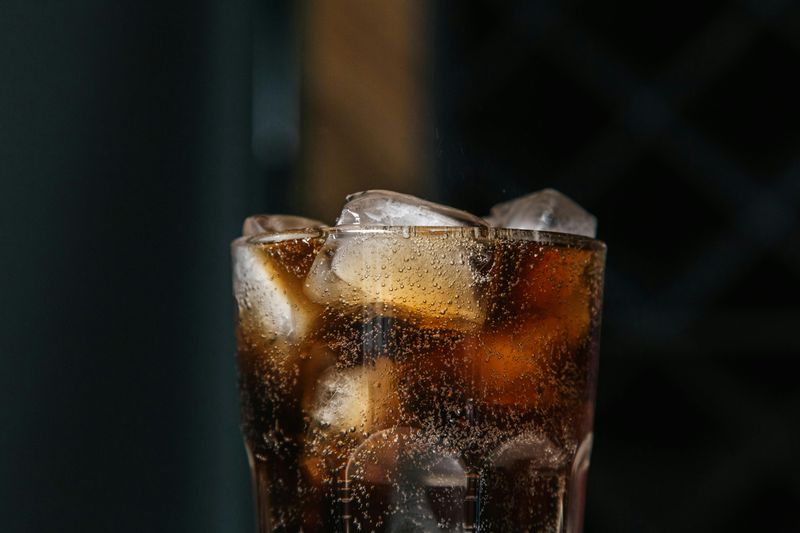
Language reveals where you come from. In Indiana, the word you use for carbonated beverages marks you as either a local or an outsider.
Hoosiers call it pop, full stop. Using the word soda will immediately identify you as someone from somewhere else, probably the coasts or the South.
This is not just a casual preference but a deeply ingrained habit. Grandparents, parents, and kids all say pop without thinking twice, and hearing anything else sounds strange to their ears.
The pop versus soda debate divides the country along regional lines. Indiana is firmly in the pop camp alongside much of the Midwest.
What surprises newcomers is how consistent this usage is across the state. Whether you are in Indianapolis, Fort Wayne, Evansville, or a tiny town with one stoplight, everyone says pop.
There are no pockets of soda users hiding in the corners of the state. Some transplants try to adopt the local terminology to fit in better, while others stubbornly stick with soda and endure the gentle teasing that follows.
Either way, you will hear pop dozens of times a day once you start noticing. Restaurants, gas stations, and grocery stores all use pop in their signage and advertising.
You will see fountain pop specials and two-liter pop sales without a single mention of soda anywhere. Linguists find these regional differences fascinating because they reveal migration patterns and cultural boundaries that persist even in our connected modern world.
For Hoosiers, though, it is not about linguistics or history. It is simply the right word for a cold, fizzy drink on a hot summer day.
4. Driving Exactly the Speed Limit on Highways
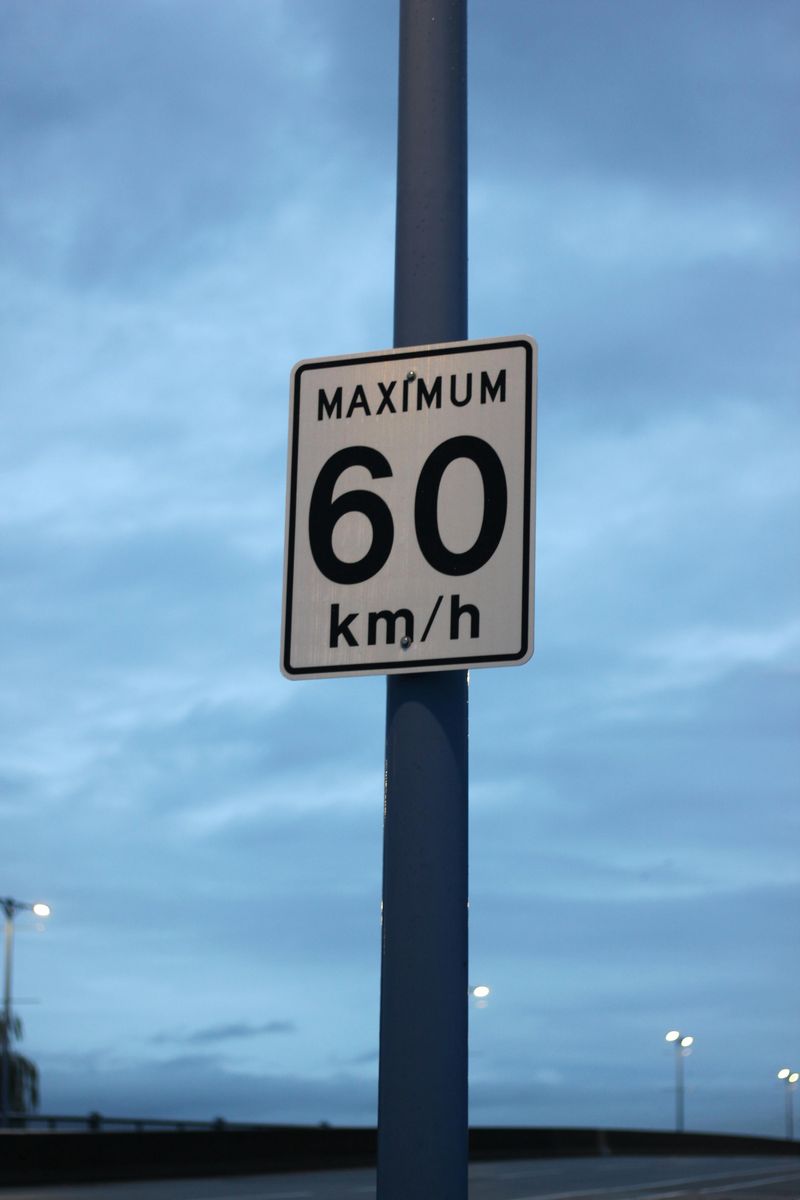
Visitors from faster-paced states often find themselves frustrated on Indiana highways. Many locals drive at or just slightly above the posted speed limit.
This is not because Hoosiers are overly cautious or unaware of how fast traffic moves elsewhere. It reflects a different driving culture shaped by both law enforcement practices and rural sensibilities.
Indiana State Police have a reputation for strictly enforcing speed limits, especially on major routes like I-65 and I-70. Going even five or ten miles over the limit can result in a ticket, so locals have learned to keep their speed in check.
The landscape plays a role too. Much of Indiana is flat farmland where you can see for miles, which means police cars are equally visible, but there is less urgency to hurry between destinations that all look similar.
In more rural areas, you might even find yourself behind a tractor or farm equipment moving slowly down a two-lane road. Patience is required, and honking or aggressive driving is considered extremely rude.
City drivers from Chicago or other urban areas passing through often complain about the slower pace. Locals see no reason to rush.
They would rather arrive safely than shave a few minutes off their travel time. This careful driving extends to other habits too.
Hoosiers generally use turn signals, leave following distance, and merge courteously. This creates a driving environment that feels almost old-fashioned compared to more aggressive regions.
Once you adjust to the rhythm, the roads feel less stressful. If you are used to treating speed limits as suggestions rather than rules, prepare for a different experience on Indiana highways.
5. County Fairs Are Major Social Events
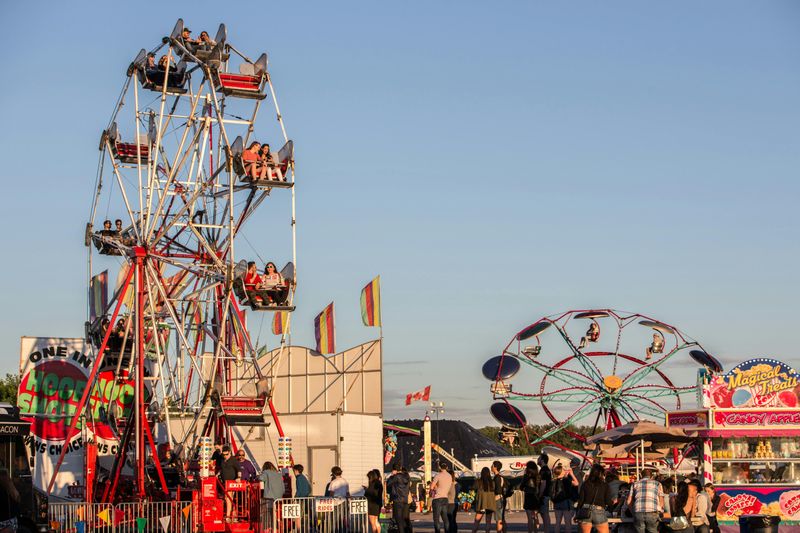
Summer in Indiana means county fair season. These are not the small, forgettable events you might imagine.
Every county hosts its own fair. For many communities, it represents the highlight of the entire year.
Families plan vacations around fair week. Businesses close early so employees can attend, and the fairgrounds become the center of local life for several days.
The Indiana State Fair in Indianapolis at 1202 E 38th St is the big one. County fairs have a charm and importance all their own.
They showcase agricultural traditions that still matter deeply in this farming state. Competitions for livestock, produce, baking, and crafts are central to the experience.
Kids who raise animals through 4-H programs work all year toward the moment they show their cow, pig, or sheep. The pride and nervousness on their faces is genuine, and the whole community comes out to support them.
Beyond the agricultural exhibits, county fairs offer carnival rides, games, live music, and food. Elephant ears, corn dogs, and funnel cakes are fair staples that people look forward to all year.
What surprises outsiders is how seriously locals take these events. The fairs are well-attended and not just for kids or farmers, but genuine community gatherings that cross all age groups and backgrounds.
Evening grandstand events might include tractor pulls, demolition derbies, or concerts featuring country music stars. The atmosphere is festive, family-friendly, and distinctly Hoosier.
Missing your county fair without a very good reason would be noticed. In smaller communities, everyone knows everyone.
6. Sweet Corn Season Is Practically a Holiday
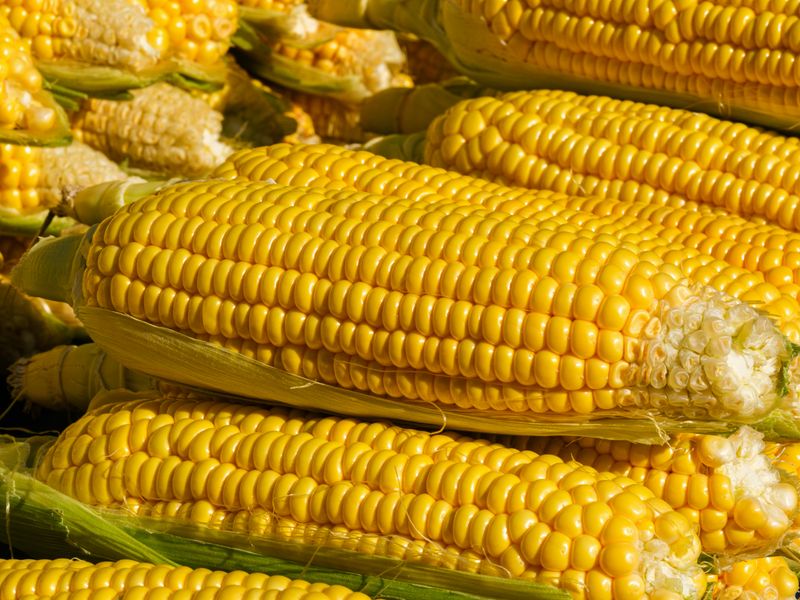
When sweet corn comes into season in late July and August, Hoosiers treat it with a reverence usually reserved for major holidays.
Roadside stands pop up throughout the state, often just folding tables in front of farmhouses with handwritten signs advertising fresh-picked corn. Cars line up, sometimes causing minor traffic jams, as people wait their turn to buy dozens of ears at a time.
The corn must be fresh, picked that morning or the day before at the latest. Hoosiers can tell the difference and will drive past multiple stands to get to the one they trust for the sweetest, most tender kernels.
Corn feeds become social events where families and neighbors gather to shuck, boil, and devour massive quantities of corn on the cob. Some people eat six or eight ears in one sitting without apology.
The proper way to eat corn on the cob is debated with surprising passion. Typewriter style, eating across in rows, has its devoted followers, while others prefer the rotational method, turning the cob as they go.
Freezing corn for winter is a serious undertaking that many families still practice. Kitchens become processing centers where corn is blanched, cut from the cob, and packed into freezer bags, preserving that summer sweetness for cold months ahead.
Restaurants get in on the action too, featuring sweet corn in everything from salads to soups to side dishes. The Farmers Market at City Market in Indianapolis at 222 E Market St overflows with corn during peak season.
Outsiders might wonder what all the fuss is about until they taste truly fresh Indiana sweet corn. Then they understand why locals get so excited when the season arrives each year.
7. Euchre Is the Only Card Game That Matters
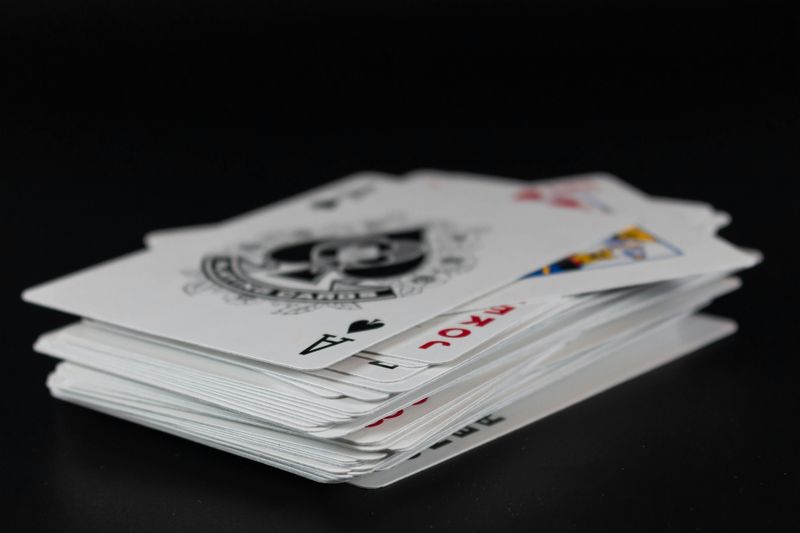
Mention playing cards in Indiana, and most people will assume you mean euchre. This trick-taking game dominates social gatherings across the state.
This four-player game, played with a reduced deck, is taught to kids by their grandparents. It is played at family reunions, church basements, and kitchen tables throughout Indiana.
Knowing how to play is almost a requirement for fitting into social circles. The rules are specific and the strategy surprisingly deep for such a seemingly simple game.
Partners sit across from each other, and communication through play rather than words is essential. This creates a bond between regular playing partners that can last decades.
Euchre tournaments are common fundraisers for schools, churches, and community organizations. These events draw serious players who take their card skills very seriously, though the atmosphere remains friendly and social.
What confuses outsiders is how widespread euchre is in Indiana compared to other regions. While the game is played in other Midwestern states, nowhere has quite the same level of devotion.
Bars and pubs often have euchre nights where regulars form teams and compete in ongoing leagues. The Rathskeller in Indianapolis at 401 E Michigan St has hosted euchre players for generations.
It maintains that tradition even as other entertainment options have evolved. The vocabulary of euchre becomes part of everyday language.
Calling someone a left bower or saying they got euchred makes perfect sense to Hoosiers. It sounds like nonsense to the uninitiated.
Learning to play euchre is one of the best ways for newcomers to integrate into Indiana social life. The game provides natural conversation breaks, levels social hierarchies, and creates shared experiences that build community connections quickly and authentically.
8. The Indianapolis 500 Stops Everything in May
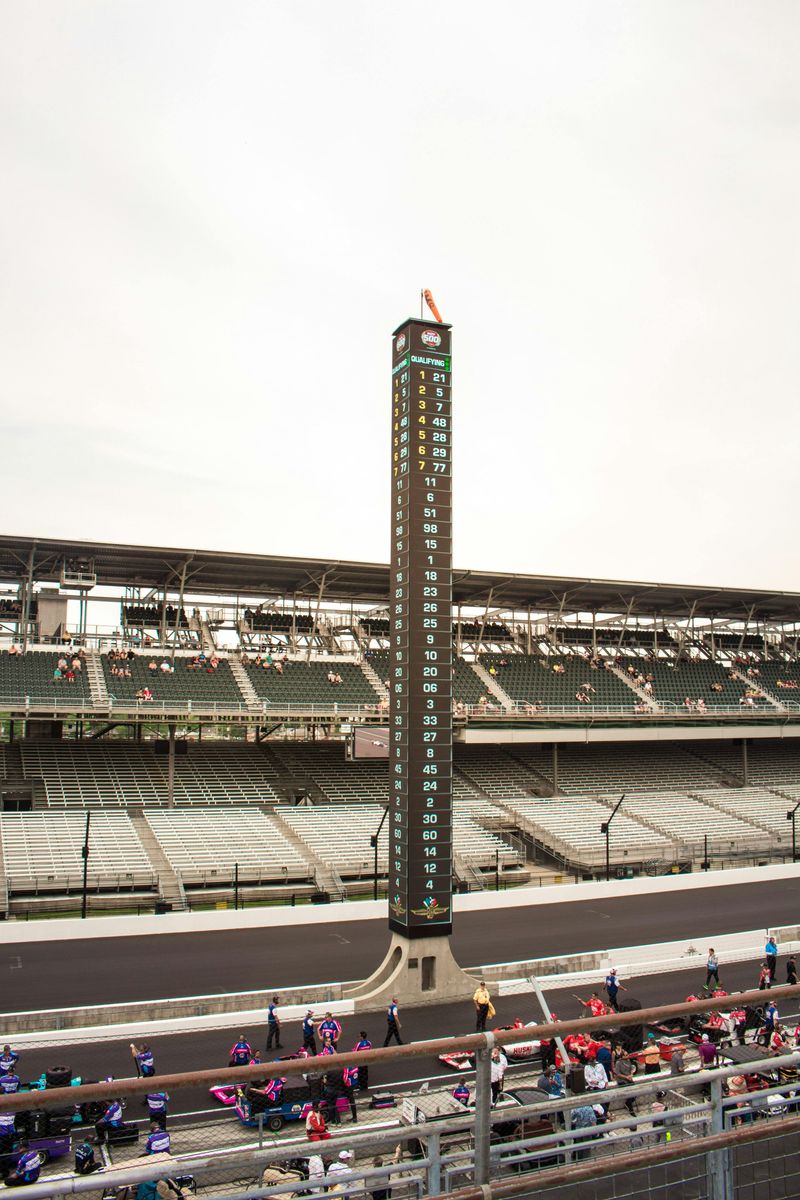
Memorial Day weekend in Indiana means one thing above all else. The Indianapolis 500 is the greatest spectacle in racing and an event that shapes the entire month of May.
Even people who do not particularly care about auto racing pay attention to the 500. It is woven into the state’s identity so deeply that ignoring it feels almost unpatriotic to many Hoosiers.
The Indianapolis Motor Speedway at 4790 W 16th St becomes the center of the universe for racing fans. Practice sessions, qualifying rounds, and race day draw hundreds of thousands of people.
The infield alone holds more spectators than most sporting events worldwide. Traditions surrounding the race are taken seriously.
Drinking milk in victory lane started in 1936 and continues today. Singing Back Home Again in Indiana before the race brings tears to the eyes of even tough racing veterans.
The entire city of Indianapolis transforms during May. Hotels fill up months in advance, restaurants overflow with visitors, and locals either embrace the chaos or flee town to avoid the crowds.
What surprises outsiders is how the race affects people far beyond Indianapolis. Small towns across the state host 500 parties where friends gather to watch on television, eat race day foods, and participate in the tradition from their own communities.
Racing families pass down their love of the 500 through generations. Grandparents tell stories of legendary drivers, parents take kids to their first race, and the cycle continues, keeping the tradition alive and vibrant.
The economic impact is enormous, but the cultural impact is even bigger. The Indianapolis 500 gives Hoosiers something to be proud of, a world-class event that puts their state on the global map every single year without fail.
Dear Reader: This page may contain affiliate links which may earn a commission if you click through and make a purchase. Our independent journalism is not influenced by any advertiser or commercial initiative unless it is clearly marked as sponsored content. As travel products change, please be sure to reconfirm all details and stay up to date with current events to ensure a safe and successful trip.
