Do you ever think you might be breaking a rule without even realizing it? In Indiana, that happens to visitors more often than you’d expect.
The state has its fair share of quirky laws and local rules that outsiders stumble into, usually by accident. It’s not about big legal trouble, it’s the small, unexpected stuff.
From odd restrictions on how you drive to rules about how you handle animals or even how you park, Indiana has its own way of keeping things in order.
Locals are used to it, but tourists often find themselves scratching their heads when they realize they’ve crossed a line without meaning to.
People joke about these rules, but they’re part of what makes Indiana unique. They’re the kind of details that give a place personality, even if they catch newcomers off guard.
So if you’re planning a trip, keep an eye out. Those quirky Indiana rules might surprise you, and you’ll want to avoid learning about them the hard way.
1. Coasting Down A Hill In Neutral Is Not Allowed
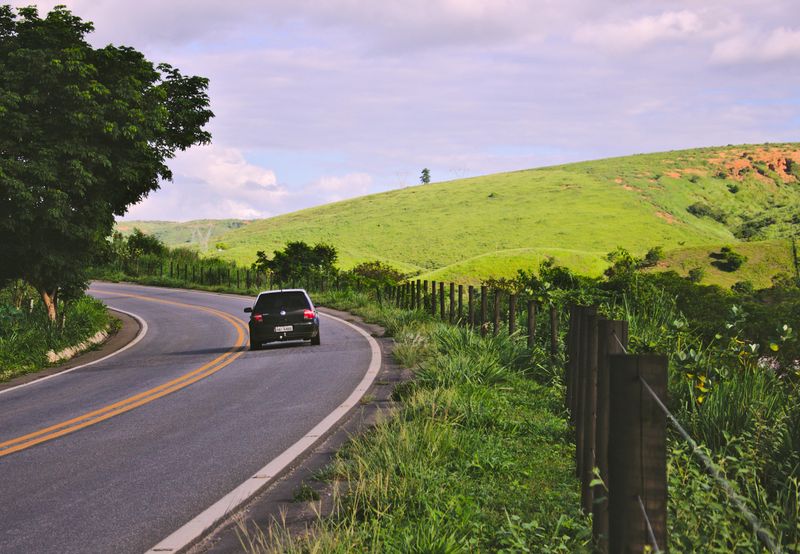
You know that lazy downhill where you might slip into neutral and just coast? Skip that in Indiana.
The rule expects you to keep the engine engaged so you have full control over steering and braking.
Think of it as the state’s way of saying stay ready when gravity tries to do the driving.
It sounds small, but that little habit can get attention in the wrong way, especially around hilly stretches outside Bloomington.
Picture a rolling section near Brown County State Park and you will see why people are tempted. The slope feels mellow and the view does the rest.
But in gear gives you engine braking and better response if someone slows up ahead. A quick tap on the pedal is not always enough when a deer looks at you like you are the surprise.
Keep it simple and keep it in gear, and your ride stays smooth.
Locals expect it. Police see the coasting move from visitors who think it is harmless.
If you like saving fuel, modern cars already do their best when you let off the gas while still in gear, so you are not missing out.
You are just keeping control where it matters. It is one of those small rules that makes more sense the moment a curve tightens sooner than you expected.
2. You Must Give Bicycles Plenty Of Space On The Road
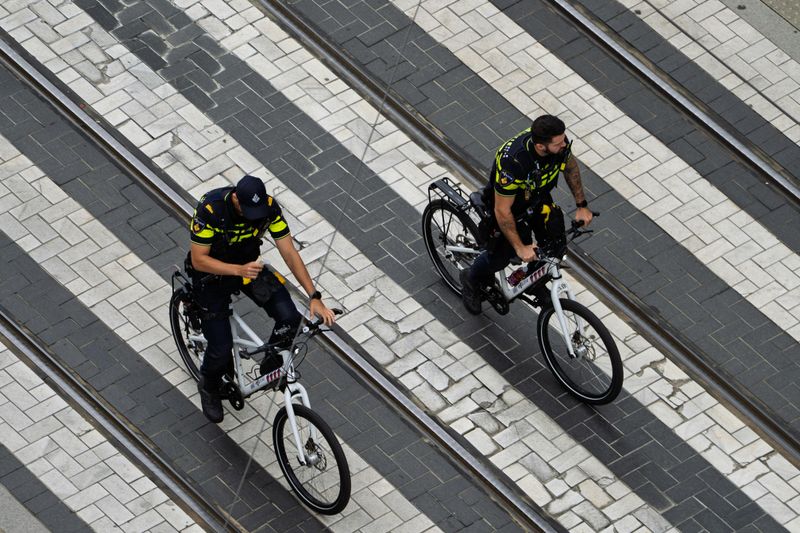
Here is a quick favor to your future self. In this state, you give bicycles a very clear cushion when you pass.
Think generous distance, not a squeeze. Drivers who skim by like they are threading a needle turn a calm ride into a bad moment.
When the road narrows near college towns like Bloomington or Muncie, patience beats bravado every single time.
I know, rural lanes make it tricky. You will see curves, driveways, and farm trucks.
Wait for a clean view, then pass steady and wide. Do not rush it just to keep a rhythm.
Cyclists can wobble around potholes or storm drains at the last second. Your job is to expect that and leave room for a mistake that never happens.
If you are new to Indiana roads, put a mental reminder on the dash.
Slow down early, and signal your move. Give the rider space like you would want if it were your kid or your friend out there.
It feels good to drive this way in my opinion. Locals notice, and honestly, it drops your stress.
A courteous pass takes a handful of seconds and keeps everyone rolling without a story you do not want to tell later.
3. You Can’t Fish Using Your Hands

This one catches people off guard. Hand fishing might sound like a fun dare, but Indiana wants proper gear in the mix.
The idea is simple: use lawful equipment so fish populations stay healthy and predictable. Conservation officers take that seriously on lakes where weekend energy runs high.
It is not about being strict for the sake of it. It is about balance.
Imagine a quiet spot on Monroe Lake. You dip a hand near a log, thinking it is just a quick attempt and no big deal.
That is exactly the kind of shortcut the rule tries to prevent. Hooks, lines, and other allowed methods give everyone the same playbook.
It keeps wildlife management sane and keeps the water experience fair for families who planned their day. If you want a story, let it be about the view, not a citation.
Bring a basic setup, ask a local bait shop what is allowed, and they will help you stay within the rules without killing the vibe.
When in doubt, shift to a new plan and enjoy the shoreline. Indiana lakes are generous if you meet them halfway.
The fish will still be there, and you keep the day simple, clean, and relaxed.
4. Garlic Breath At A Movie House? Beware Viral Claims

Let us clear the air on that garlic theater rumor. You have probably seen the claim about a city rule that bans people from entering a movie house after eating garlic.
It is the kind of tidbit that goes viral because it sounds wild, but it is not in the code. The real lesson is simple: double check anything that sounds like a dare from the internet.
When you roll into a new Indiana town, give the official website a quick peek. City ordinances are public and searchable.
If the rumor does not show up there, it is just campfire chatter. Locals know the difference and will often laugh with you if you ask the question straight up.
There’s no harm in asking, you just do not want to repeat a myth like it is fact.
What should you watch for instead? Regular rules about noise, parking, and hours, those have teeth.
If a sign sits on the door, it is more real than a meme. Trust posted notices and basic common sense.
This state is friendly, and folks are happy to help you figure out what is legit. Keep the trip light, stay curious, and let the fake laws go back to late night trivia where they belong.
5. Obey Local Fireworks Dates And Times
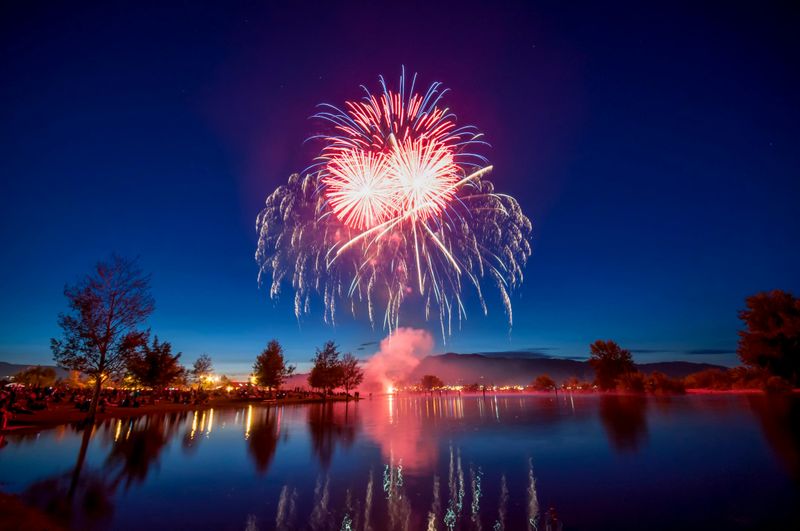
Fireworks feel simple until the calendar and the clock show up. In this state, cities set their own windows for when you can light them legally.
Outside those hours you can get flagged fast. Visitors assume a holiday mood covers everything, but it does not.
Check the city site or posted notices before you spark anything. A few minutes of planning keeps the evening easy.
Neighborhoods appreciate the structure. Pets, veterans, and night shift workers count on quiet outside the allowed times, and that is why enforcement shows up when folks push it.
You will see signs around community centers and parks. If you do not, a quick call to a non-emergency line can confirm the schedule.
Bring your patience and a lighter only when it is greenlit. Set up away from traffic and homes, and keep your area clean.
When the window closes, call it a night and leave with everything you brought. Indiana towns remember considerate visitors.
Stick to the posted times and you will have fun without a worry. The sky will still sparkle, and tomorrow’s drive will start with clear headspace.
6. Blocking A Crosswalk Will Draw A Ticket
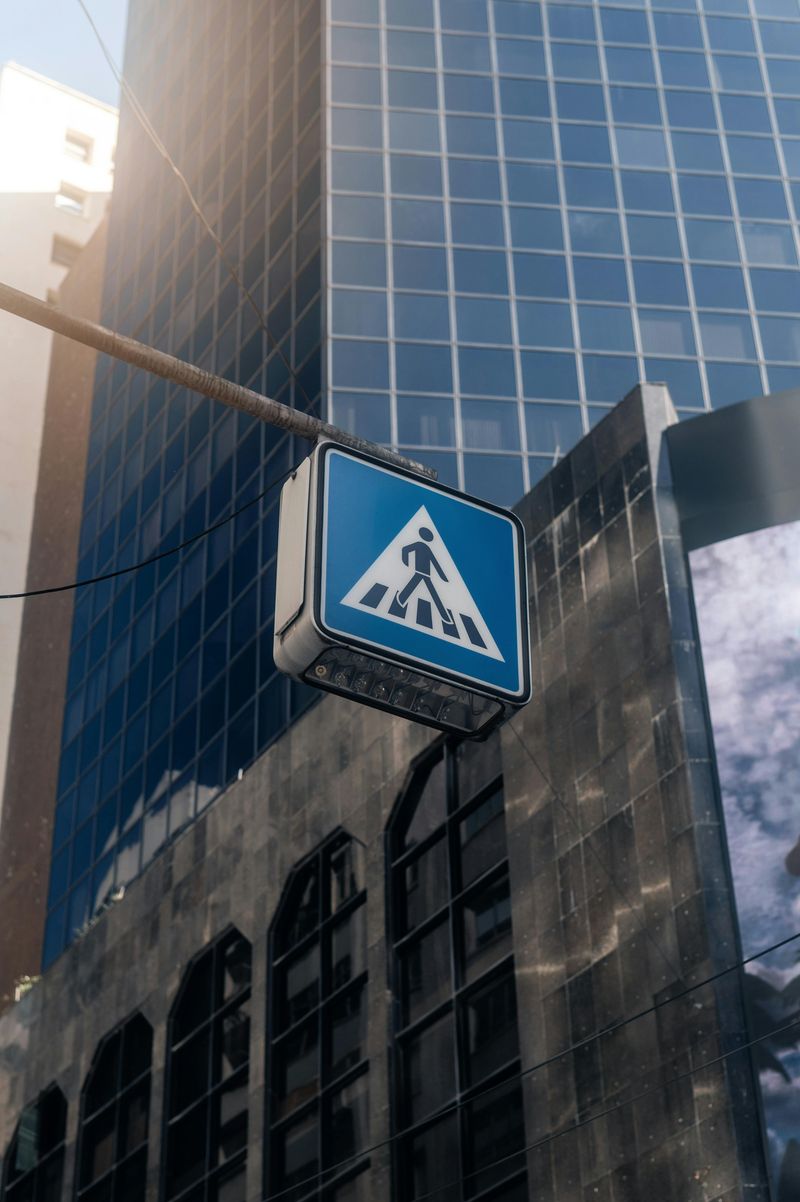
Let me say this in a plain way: do not roll up and plant your bumper on the stripes.
Indiana treats crosswalks seriously, and that includes the ones you cannot see clearly because they are unmarked at corners.
If someone is crossing or about to, you stop before the line or the space where the line would be. Creep forward and you are blocking a lane meant for feet, not bumpers.
Think about downtown Indianapolis during the lunch rush, where people move fast. If you nudge into a crosswalk, you force them around your hood and that is not the deal.
The rule exists so pedestrians have space to finish safely. Even if you are turning right, hold back and keep the crossing clear.
I take the extra beat, it keeps the flow calm and respectful.
Tourists mess this up when they chase a green light through a pack of walkers, so skip that habit. Look ahead, stop clean, and let the cross happen.
You will get through a light later with less stress. Police do watch for this, and locals expect you to know it.
Leave the crosswalk like a do not touch zone. It is one of those small moves that makes a city day feel sane.
7. Hands-Free Phone Only While Driving

Phones are sneaky. You think you will tap one quick thing at a red light and somehow that turns into a minute of scrolling.
Indiana cuts that off by expecting hands free only while the vehicle is moving. That includes those long lights where you feel stuck.
If it is in your hand, you are pushing your luck. Mount it, use voice controls, and keep eyes up.
When traffic tightens on I-65 near Indianapolis, the rule suddenly makes perfect sense. One glance down is enough to miss a brake tap or a lane shift.
I always keep the phone in its cradle and run navigation with voice commands. Texts can wait until you are parked.
You will actually feel your shoulders drop after a few miles because your brain is not bouncing between screens.
Visitors from places with softer rules slip up the first day. Build a small ritual: start the car, clip the phone in, set directions, and go.
If you need to change something, pull into a lot and handle it. It is smoother, safer, and keeps the trip from getting messy.
This state takes distracted driving seriously and honestly, that helps everyone get where they are going.
8. Feeding Wildlife In Parks May Actually Be Forbidden
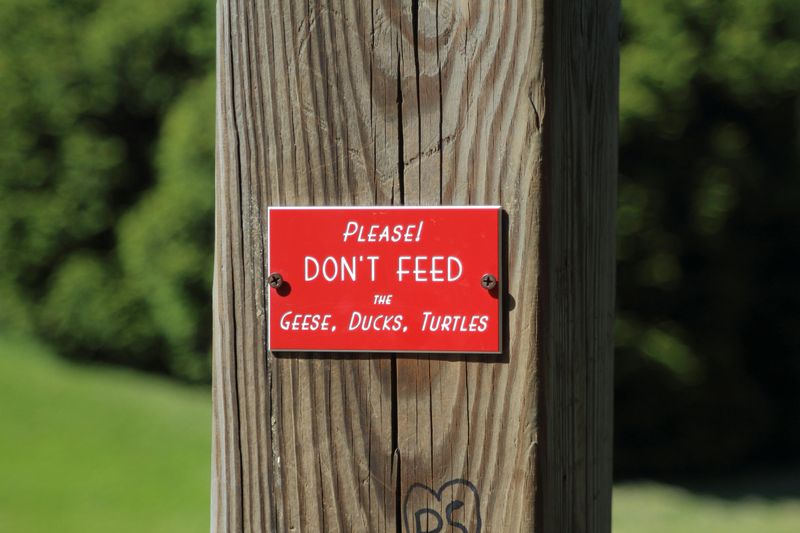
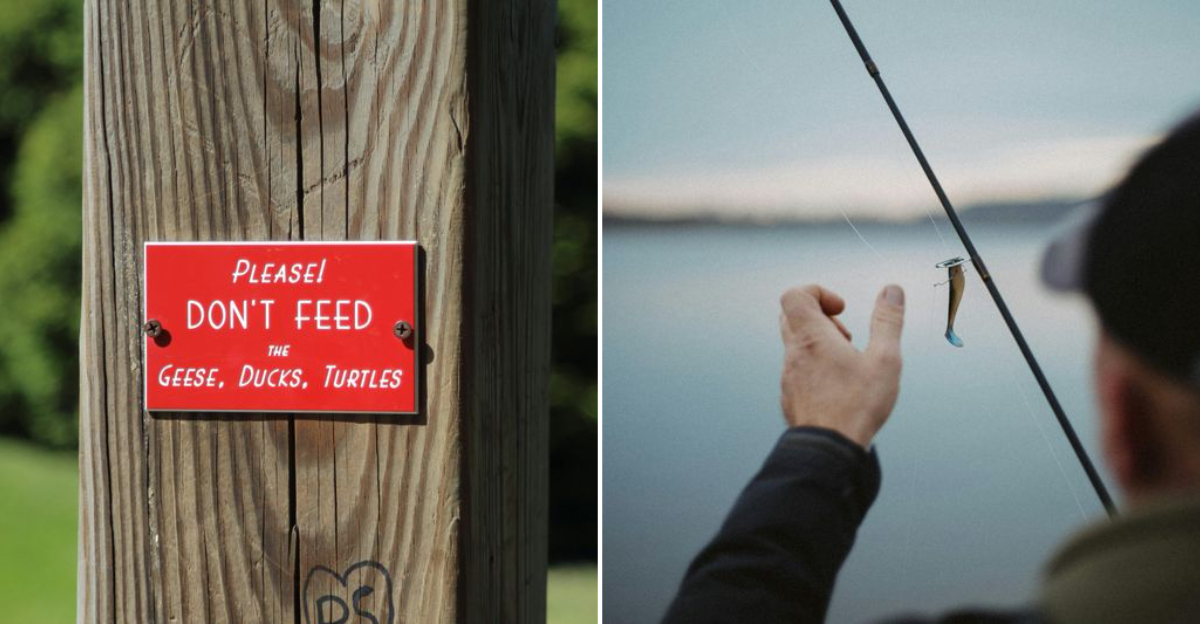
Handing a crust to a goose feels harmless until the flock crowds the walkway. Indiana parks often ask you not to feed wildlife, and they mean it.
The animals get bold fast. They hang around trash cans and parking lots instead of the habitat that keeps them healthy.
That is why signs keep popping up near ponds and picnic areas.
When you wander places like Eagle Creek Park or Fort Harrison State Park, slow down and read the boards at the trailhead.
The guidance is clear and not just a suggestion. Feed animals and you change their patterns, they start begging from toddlers and blocking paths.
It messes with the balance that makes a park pleasant in the first place, so tuck the snacks away and keep a little distance.
If you want a close look, bring binoculars and a calm pace. Watch from the edge, enjoy the scene, and leave the critters to do their thing.
Rangers really do enforce the rules, and most visitors appreciate that. It keeps the experience peaceful and keeps the animals wild.
Parks here run smoother when people follow that simple boundary. Your photos still turn out great, and your shoes stay cleaner too.
9. Parking In A Bike Lane Is Illegal
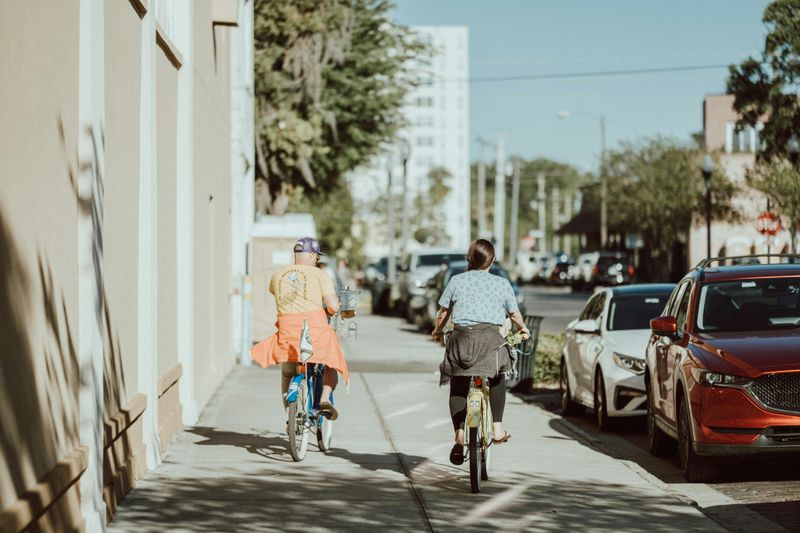
See that clean stripe with the bike symbol? That is not extra curb space.
Indiana cities treat bike lanes like real lanes, and parking there can get you a ticket faster than a coffee stop.
Visitors slide in for a quick photo or to grab a bag from the trunk and that move can force a rider into traffic, which is exactly what the rule prevents.
Keep the lane empty and you keep people safe.
Downtown areas make it tempting when every other spot is taken. Breathe and circle once more, use a legal space or a loading zone and walk a block.
You will notice cyclists relax when the lane is clear, and drivers do too. It is one less wildcard on a busy street.
If you are unsure, look for painted symbols and signage. Some lanes are protected with posts, others sit next to parking but still off limits.
When in doubt, assume bikes own it and you do not. Indiana riders will thank you without saying a word.
Your car stays citation free, and the street moves better for everyone. It is an easy win once you lock the habit in.
10. Pedestrians Have The Right Of Way… Really

This one feels obvious until it is not. In Indiana, once a person steps into a crosswalk, drivers yield.
You stop and give them the lane. Visitors who come from places where people sprint across gaps get confused here.
The habit in Indiana is slower, clearer, and honestly nicer.
Watch how families move through crosswalks around neighborhoods and near schools. They trust cars to hold back, and that only works when drivers actually do it.
If the walk signal switches while someone is still finishing, you wait. Nobody honks them along.
The rule protects that little moment at the end of a crossing when people are most vulnerable, so build it into your rhythm.
Scan early for folks waiting at the curb. If they look ready, you cover the brake and prepare to stop.
That tiny head start makes everything smoother. You will notice traffic relax when everyone follows it.
Indiana drivers expect this flow, and when you join in, the whole street feels calmer. It is a small shift with a human payoff.
