You have seen the usual museums. Art, history, science, the same exhibits in every city.
But Virginia has another kind of museum, the kind that makes you tilt your head and ask “why does this exist?” This list has ten quirky museums in Virginia that you will not find anywhere else. A museum dedicated to a single object.
A collection of things you never thought to collect. A building full of stuff that someone decided was worth preserving.
I have visited each one, and each time I left smiling and confused. These are not the museums you bring out-of-town guests to for culture.
These are the museums you visit for the sheer joy of weirdness. Virginia is full of surprises, and these are some of the strangest.
1. The Great Stalacpipe Organ in Luray
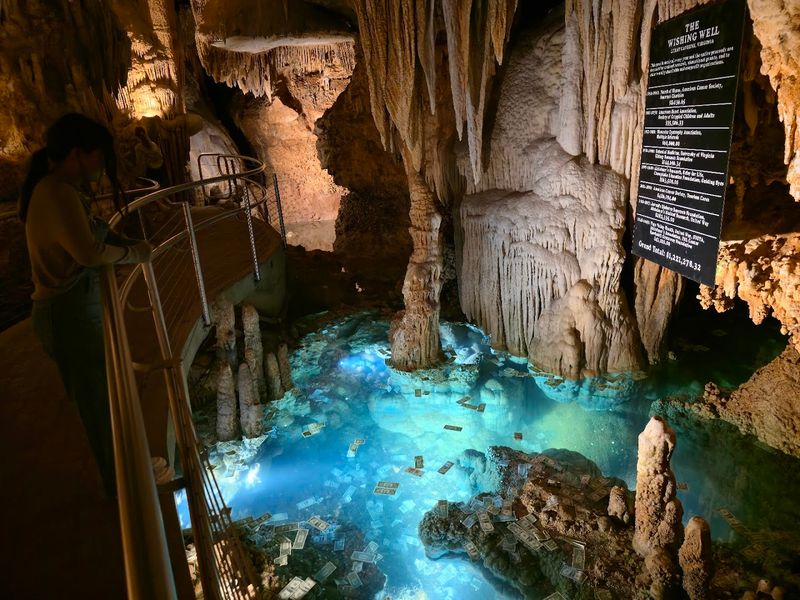
Deep beneath the Shenandoah Valley floor, Luray Caverns hides one of the most jaw-dropping musical instruments on Earth. The Great Stalacpipe Organ is not your average church pipe organ.
Leland Sprinkle spent years tapping stalactites across acres of cavern to craft an instrument that turns an entire underground landscape into a living, breathing symphony hall.
Rubber mallets strike the ancient stalactites, each tuned by Sprinkle himself through careful shaping. The result is a haunting, resonant sound that echoes through the cavern walls in ways no concert hall could replicate.
Standing inside the cave while the organ plays feels like being swallowed whole by music.
The cave itself is stunning on its own terms. Massive limestone formations, mirror-still pools, and cathedral-like chambers make every turn feel like a scene from a fantasy novel.
The organ performance adds a completely surreal layer to an already extraordinary experience.
Luray Caverns is one of the most visited natural attractions in Virginia, and the Stalacpipe Organ is the crown jewel. Many people arrive expecting a geology tour and leave feeling like they attended a concert in another dimension.
It is a genuinely one-of-a-kind experience that no recording can fully capture.
Located at 970 US-211, Luray, VA 22835, the caverns are open year-round. The underground temperature stays consistently cool, so a light jacket is always a smart idea.
My advice: linger long enough to hear the organ play at least twice.
2. Foamhenge in Centreville
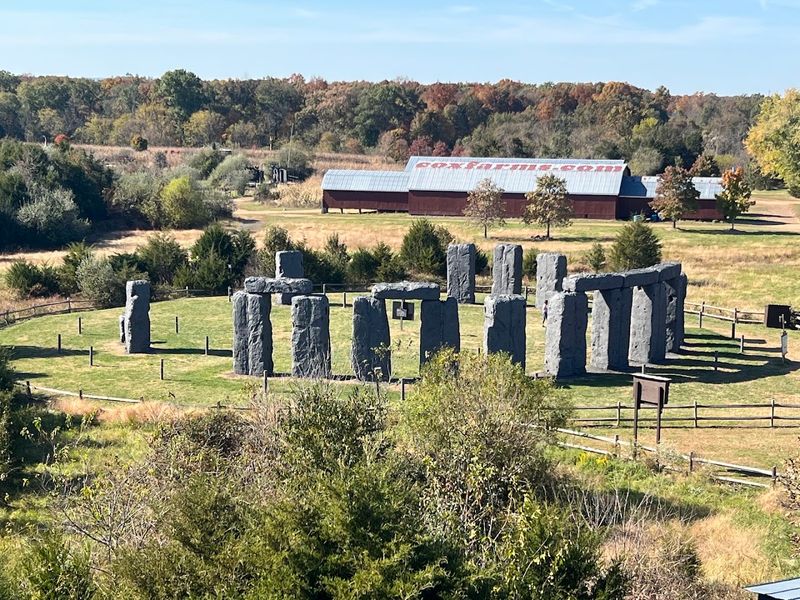
Stonehenge is spectacular, sure, but have you ever seen it built entirely out of foam? Foamhenge is exactly what it sounds like: a full-scale replica of the ancient British monument, constructed from giant blocks of polystyrene foam.
Artist Mark Cline created the original version in Natural Bridge, Virginia, and after some relocations, a version landed in Centreville, delighting passersby and confusing GPS systems everywhere.
Cline is something of a legend in Virginia’s quirky roadside art scene, and Foamhenge stands as his most ambitious creation. Each foam block is painted and weathered to mimic the look of ancient stone, and from a distance, the illusion is surprisingly convincing.
Up close, the whole thing is gloriously absurd in the best possible way.
There is something wonderfully democratic about Foamhenge. It makes a world-famous monument accessible, playful, and a little ridiculous all at once.
You can walk right up to it, pose for photos, and feel like a time-traveling tourist without the transatlantic flight.
Roadside attractions like this are a uniquely American art form, and Virginia has embraced them with open arms. Foamhenge sits in a spot where you can pull over, snap your photos, and get back on the road feeling genuinely cheerful.
It costs nothing to visit and delivers maximum entertainment value per square foot of foam.
Find it at 6121 Centreville Crest Ln, Centreville, VA 20121. Show up with a sense of humor and zero expectations of ancient mysticism.
You will leave smiling.
3. Roanoke Pinball Museum in Roanoke
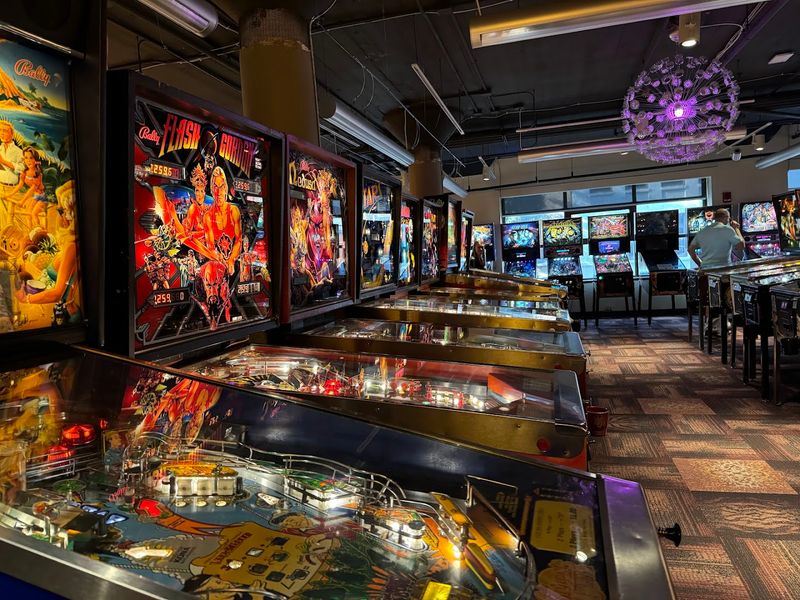
Imagine walking into a room filled with over 70 pinball machines, every single one of them ready to play. That is exactly the setup at the Roanoke Pinball Museum, where the entire collection spans nearly a century of American arcade history.
From machines produced in the 1930s to modern releases, this place is a living timeline of pop culture, engineering, and pure fun.
The all-day play format is genius. One admission fee and you are free to bounce between machines as many times as your wrists can handle.
Vintage machines carry that satisfying mechanical clunk and clatter that modern digital games simply cannot replicate. The flippers feel different, the sounds feel warmer, and the whole experience is deeply nostalgic.
What makes this museum special beyond the games themselves is the storytelling. Each machine represents a snapshot of its era, themed around movies, sports teams, TV shows, and cultural moments.
Walking the rows is like reading a pop culture encyclopedia written in steel, glass, and flashing lights.
Roanoke is already a city worth exploring, with its vibrant arts scene and stunning mountain backdrop. The Pinball Museum adds a playful, unexpected dimension to any visit.
Families, couples, and solo explorers all find something to love here, and the atmosphere buzzes with genuine excitement rather than manufactured nostalgia.
The museum is located at 1 Market Square SE, Roanoke, VA 24011. Arrive early if you want first pick of the machines.
My personal favorite machines are always the ones from the 1970s, and this place has plenty of them.
4. Camera Heritage Museum in Staunton
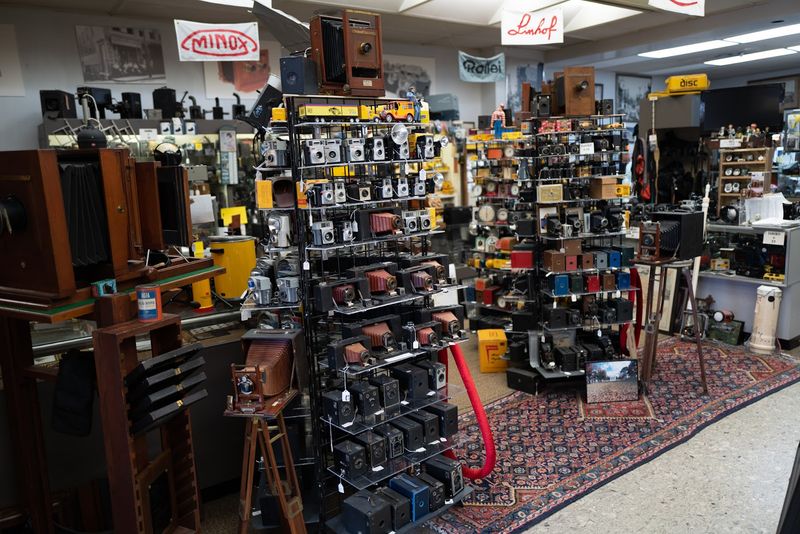
Photography lovers, prepare to lose track of time. The Camera Heritage Museum in Staunton claims the title of the largest camera museum open to the public in the United States, and one look at the collection makes that claim very easy to believe.
Over 6,000 cameras and accessories fill the space, tracing the evolution of photography from the 1840s all the way to the digital age.
The earliest artifacts in the collection are genuinely breathtaking. Daguerreotype equipment, large-format view cameras, and hand-painted leather cases sit alongside mid-century rangefinders and Cold War-era spy cameras.
The sheer variety of formats, sizes, and designs tells a story about human creativity and the relentless drive to capture the world around us.
What strikes me most about this museum is how personal photography has always been. Every camera here was once held by someone, pointed at something meaningful to them.
The collection transforms what could be a dry technical history into something surprisingly emotional and human.
Staunton itself is a gorgeous small city with a walkable downtown full of independent shops and historic architecture. Pairing a visit to the Camera Heritage Museum with an afternoon exploring Staunton’s streets makes for a deeply satisfying day trip from anywhere in the Shenandoah Valley region.
The museum is located at 1 N Central Ave, Staunton, VA 24401. Photography enthusiasts will want to budget serious time here.
Even casual visitors tend to find themselves lingering far longer than planned, pulled in by one fascinating artifact after another.
5. Isle of Wight County Museum in Smithfield
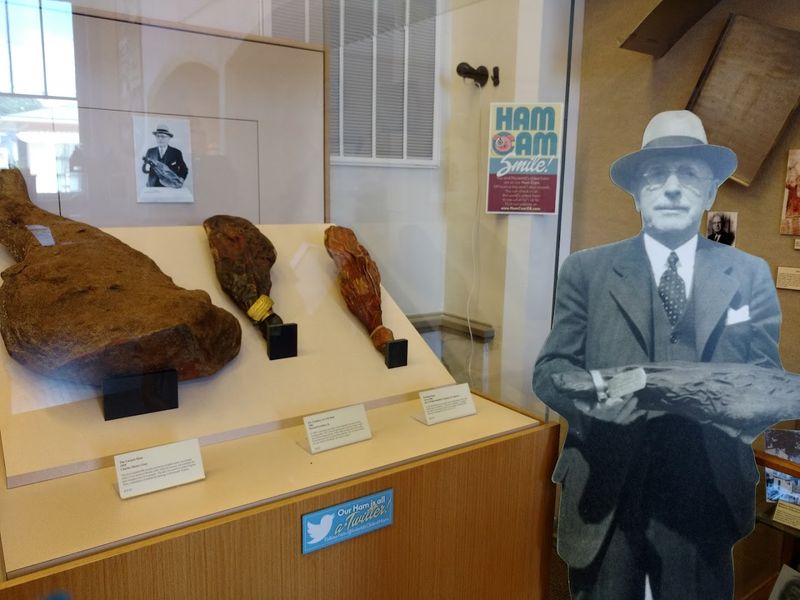
Smithfield, Virginia is famous for its ham, but the Isle of Wight County Museum takes that culinary legacy to a level nobody could have predicted. Inside this museum lives what is officially recognized as the World’s Oldest Ham, dating back to 1902.
It sat forgotten in a packing house for two decades before someone noticed it had simply refused to spoil.
By 1924, the ham had become so famous that its owner, P.D. Gwaltney Jr., treated it like a beloved pet, keeping it locked away in an iron safe.
The ham now rests in a display case, shriveled and ancient, wearing what can only be described as the most distinguished expression a cured meat has ever achieved. Alongside it sits the World’s Oldest Peanut, because Smithfield apparently does not do anything halfway.
The museum covers far more than preserved food oddities. Isle of Wight County has a rich history rooted in agriculture, colonial settlement, and local craftsmanship, and the exhibits explore all of it with genuine care and detail.
The displays are well-organized and engaging, making the history accessible rather than overwhelming.
Walking through this museum feels like a warm, slightly surreal afternoon with a very knowledgeable local friend. The combination of serious historical content and genuinely bizarre artifacts creates a tone that is both educational and endlessly entertaining.
Virginia does not have another museum quite like it.
Visit at 103 Main St, Smithfield, VA 23430. Admission is affordable and the staff are enthusiastic about sharing the stories behind every exhibit, especially the famous ham.
6. American Celebration on Parade in Quicksburg
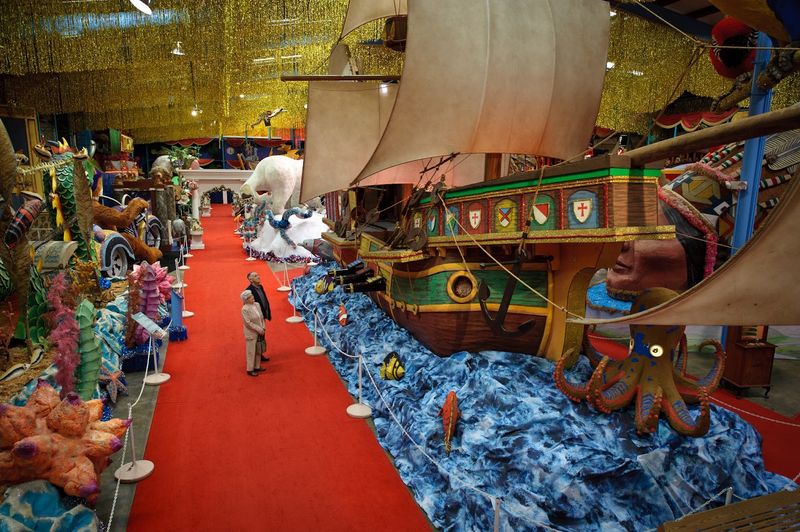
Parade floats are meant to be seen once, cheered at, and forgotten. The American Celebration on Parade in Quicksburg had a very different idea.
This extraordinary museum is home to a massive collection of floats, costumes, and props from some of America’s most celebrated parades and presidential inaugurations. Walking inside feels like stumbling into the backstage of the entire nation’s party history.
The floats are enormous, colorful, and packed with intricate detail that you simply cannot appreciate from a sidewalk during a live parade. Up close, the craftsmanship is staggering.
Giant eagles, patriotic tableaux, and elaborate mechanical figures fill the cavernous exhibition space with an energy that is hard to describe without experiencing it firsthand.
Located in the Shenandoah Valley, this museum is a genuinely unexpected attraction in a quiet corner of rural Virginia. The location makes it feel like a discovery rather than a destination, which adds to the overall magic.
Finding something this spectacular in such an unassuming setting is part of what makes road-tripping through this state so rewarding.
Families particularly enjoy the sheer visual spectacle of the collection. Kids are wide-eyed from the moment they walk through the door, and adults are equally impressed by the historical significance of floats tied to specific presidential inaugurations and national celebrations.
Every piece here has a story attached to a real moment in American history.
The museum is located at 2809 Quicksburg Rd, Quicksburg, VA 22847. Plan to spend at least a couple of hours here.
The scale of everything demands it.
7. Edgar Allan Poe Museum in Richmond
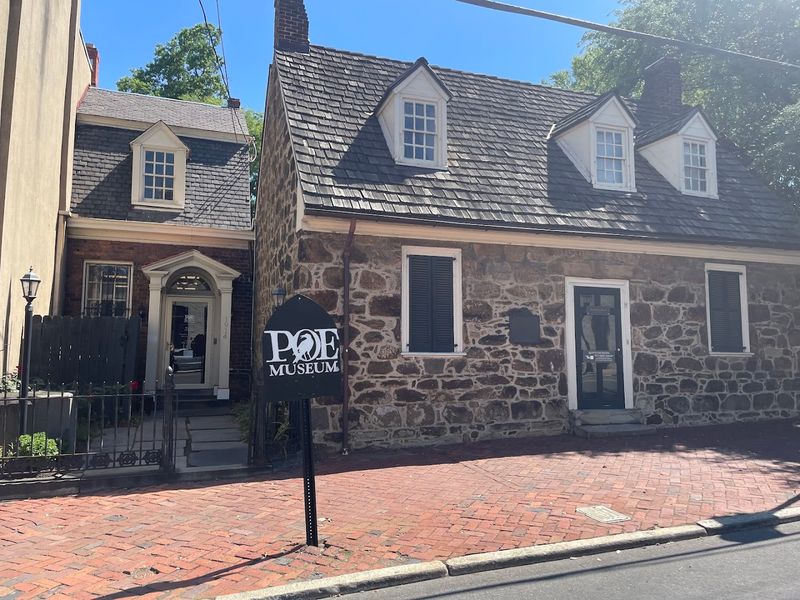
Richmond holds a special place in the Edgar Allan Poe story, and the Edgar Allan Poe Museum honors that connection with remarkable depth and passion. Housed in the Old Stone House, Richmond’s oldest standing structure, the museum contains the world’s largest collection of Poe artifacts.
Original manuscripts, personal letters, clothing, and even a lock of his hair are preserved here with extraordinary care.
Poe’s life was as dramatic and melancholy as his fiction, and the museum captures both the brilliance and the tragedy with equal sensitivity. The exhibits trace his childhood in Richmond, his turbulent relationships, his literary achievements, and the enduring mystery surrounding his death.
Each room adds another layer to a portrait that is far more complex than the pop culture version of Poe suggests.
The enchanted garden courtyard is a particular highlight. Lush, atmospheric, and slightly overgrown in the most romantic possible way, it feels like a setting Poe himself might have described.
Sitting in the garden for a few minutes between exhibits resets the mood and deepens the experience considerably.
Richmond is a city that wears its literary and artistic identity proudly, and the Poe Museum is a cornerstone of that identity. The neighborhood surrounding the museum is historic and walkable, making it easy to extend the visit into a broader exploration of the city’s old town character.
Located at 1914 E Main St, Richmond, VA 23223, the museum is a must-visit for anyone with even a passing interest in American literature. The Poe Shrine alone is worth the trip.
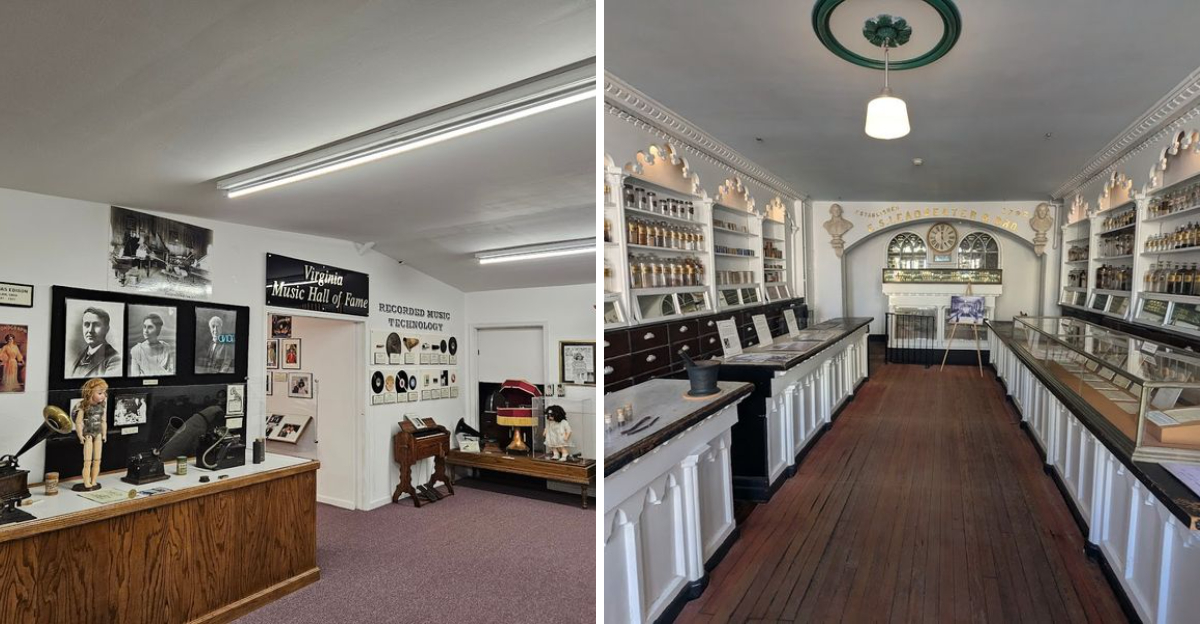
8. Virginia Musical Museum in Williamsburg
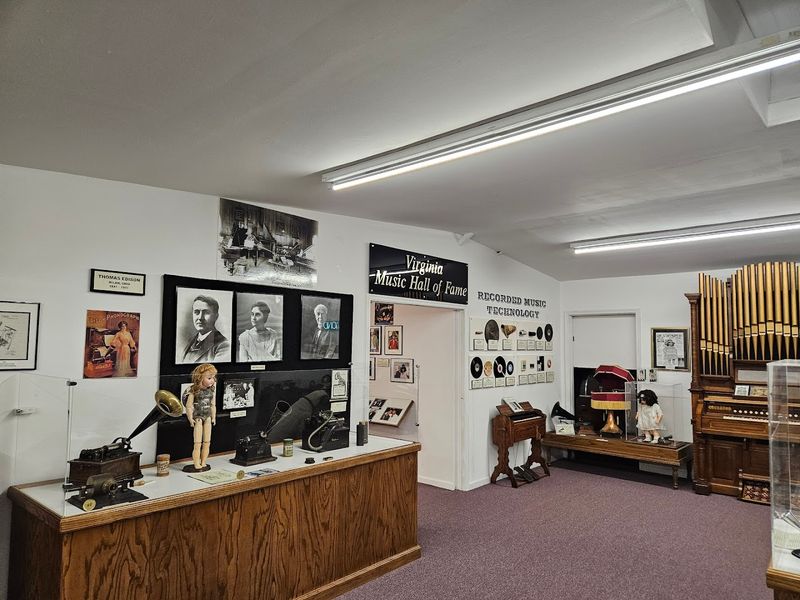
Music runs deep through Virginia’s cultural DNA, and the Virginia Musical Museum in Williamsburg is the place that proves it. The collection celebrates musicians born or raised in the state, and the roster of names represented here is genuinely jaw-dropping.
Patsy Cline’s handmade scarf and stage outfit, Ralph Stanley’s gold-plated banjo, and Ella Fitzgerald’s performance dress are among the treasures on display.
Beyond the personal memorabilia, the museum houses a remarkable selection of rare instruments. Harpsichords, nickelodeons, phonographs, and antique music boxes fill the space with a sense of history that goes far beyond what you might expect from a regional museum.
Wayne Newton’s custom 1978 roadster also makes an appearance, because Williamsburg apparently decided to go all in on the unexpected.
The combination of intimate personal artifacts and grand historical instruments creates a layered experience that works beautifully.
Seeing a handwritten note from a beloved musician next to their actual performance costume closes the distance between legend and human being in a way that is genuinely moving.
Williamsburg is already one of Virginia’s most visited destinations, largely thanks to its colonial history. The Musical Museum offers a completely different kind of time travel, one measured in vinyl grooves and guitar strings rather than cobblestones and candlelight.
It adds wonderful dimension to any Williamsburg itinerary.
Find the museum at 5765 Richmond Rd, Williamsburg, VA 23188. Music fans of every genre will find something here that stops them cold.
The Patsy Cline exhibit alone could anchor an entire afternoon.
9. Keystone Truck and Tractor Museum in Colonial Heights
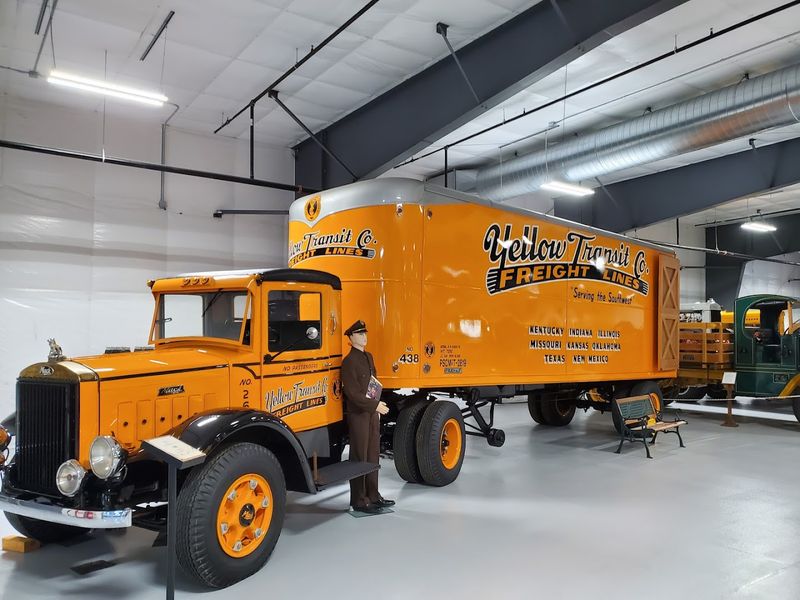
There is something deeply satisfying about a perfectly restored vintage truck. The Keystone Truck and Tractor Museum in Colonial Heights takes that satisfaction and multiplies it across a massive collection of vehicles.
Walking through the museum feels like flipping through a mechanical photo album of the twentieth century.
The trucks range from early commercial haulers to mid-century workhorses that built highways and farms across the country. Each vehicle is displayed with obvious care and respect, and the restoration work on many pieces is extraordinary.
Chrome that catches the light, original paint colors preserved or faithfully recreated, and cab interiors that transport you straight back to another era.
Tractors share the floor with equal billing, representing the agricultural backbone of rural Virginia and the broader American South. Seeing these machines up close reveals just how ingeniously they were engineered for their time.
There is a craftsmanship to vintage heavy equipment that modern utilitarian design rarely matches.
Colonial Heights sits just south of Richmond, making the Keystone Museum an easy addition to any Richmond-area road trip.
The surrounding region has its own interesting history tied to the Civil War and the development of Virginia’s industrial corridor, so the museum fits naturally into a broader exploration of the area.
The museum is located at 1 Keystone Dr, Colonial Heights, VA 23834. Families with kids who love big machines will have a field day here.
Grown adults who thought they had no interest in trucks consistently leave converted.
10. Stabler-Leadbeater Apothecary Museum in Alexandria
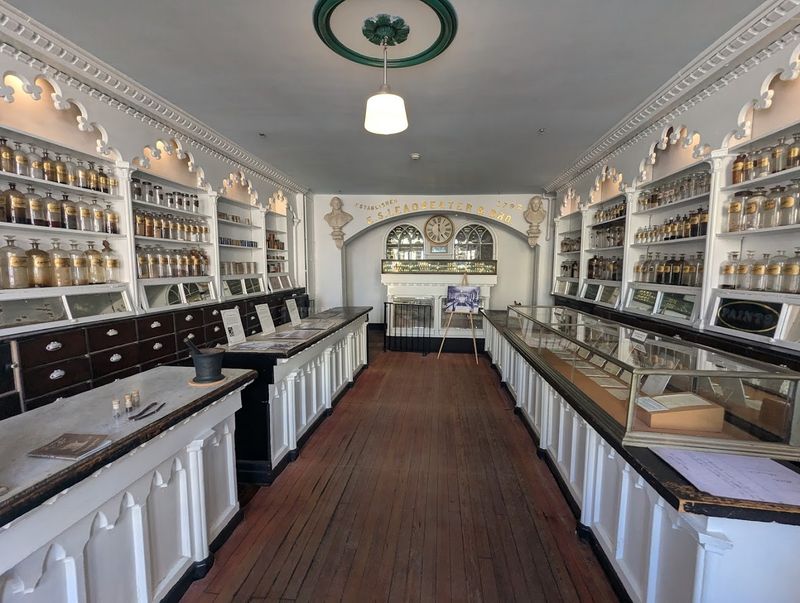
Alexandria’s Stabler-Leadbeater Apothecary Museum is one of those places that stops you mid-step and makes you question what century you are standing in. Originally opened in 1792, this apothecary operated for a staggering 141 years before closing its doors.
Today it stands as one of the oldest and best-preserved apothecary shops in the entire country, and stepping inside is an immediate sensory journey to the 18th century.
The wooden shelves are still lined with original hand-blown glass bottles, many still containing the herbs, minerals, and compounds that 18th and 19th-century medicine depended upon.
The smell alone is remarkable, a complex blend of wood, old paper, and botanical residue that no museum recreation could manufacture.
Everything here is genuinely original.
The museum offers a fascinating window into how medicine was understood and practiced before modern science transformed the field. Remedies, tools, and ledgers reveal both the ingenuity and the limitations of early American healthcare.
The personal records kept by the shop are extraordinary documents of daily life in colonial and federal-era Alexandria.
Alexandria is one of Virginia’s most charming cities, with a beautifully preserved Old Town full of cobblestone streets and 18th-century architecture.
The Apothecary Museum fits perfectly into a walking tour of the historic district and pairs well with the many other cultural landmarks clustered nearby along the Potomac waterfront.
Located at 105-107 S Fairfax St, Alexandria, VA 22314, the museum is open most days. Guided tours add tremendous value to the visit.
My strongest recommendation is to ask every question you can think of because the guides here know their history cold.
