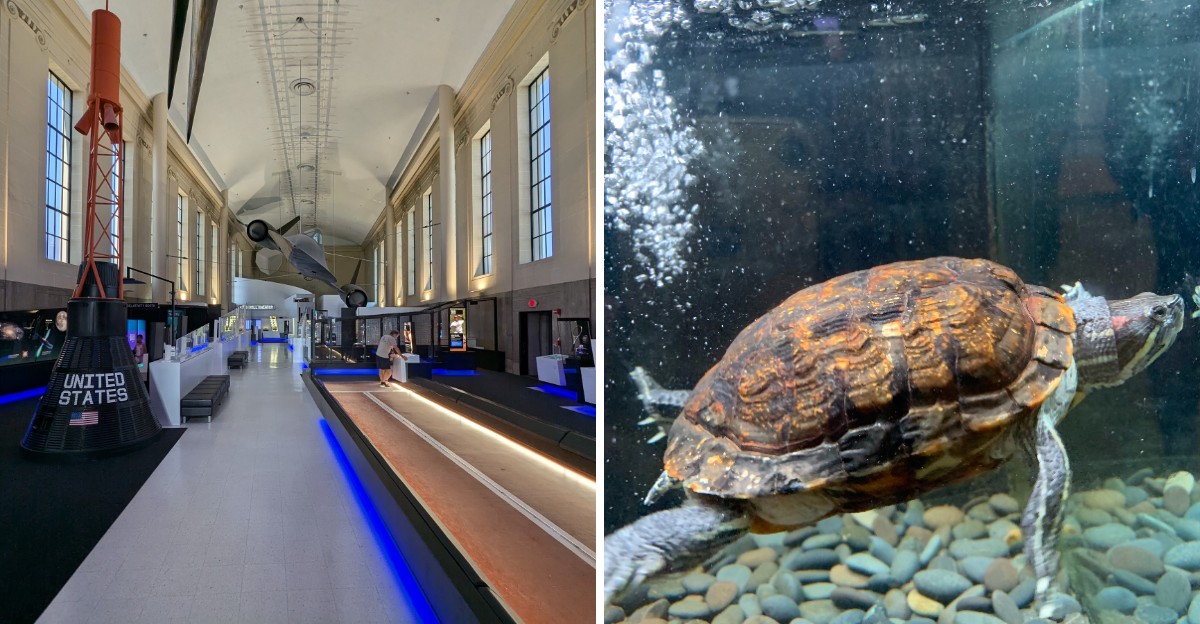
Giant interactive exhibits, scientific experiments, and a massive domed theater can turn a gloomy afternoon into something genuinely exciting. Who needs perfect weather when there’s so much to discover indoors?
The Virginia museum occupies a former railroad station, giving its educational displays an impressive historic setting. Visitors can explore exhibits covering subjects such as physics, technology, health, and the natural world, with hands-on activities that encourage experimentation rather than passive observation.
I like how science becomes more approachable when people can test ideas for themselves. Children might arrive expecting a typical museum visit and discover that touching, trying, and asking questions are actually encouraged.
The museum also features a large immersive theater that adds another dimension to the experience. Between the interactive galleries and the building’s distinctive architecture, even a rainy day can turn into a surprisingly productive adventure.
Trains Once Rolled Through The Place Where You Now Do Experiments
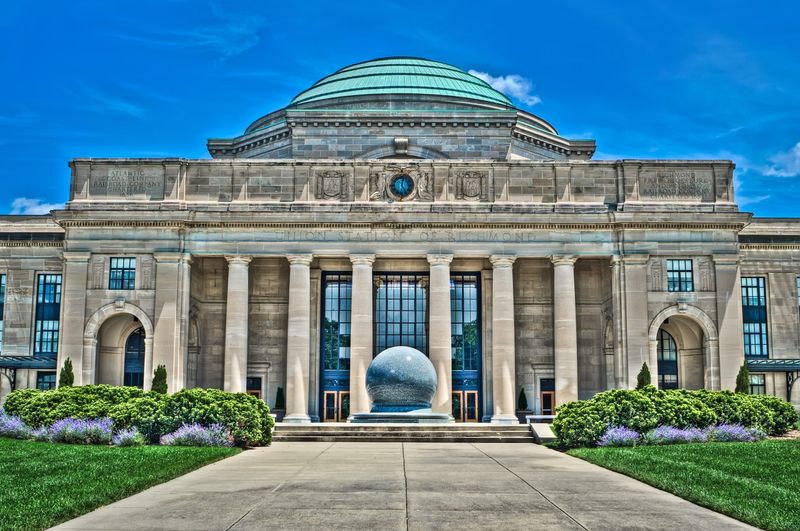
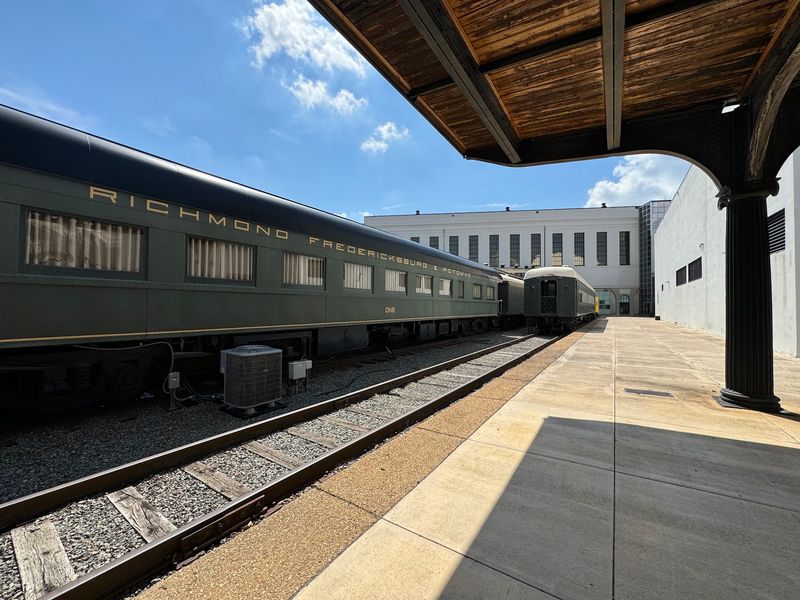
Long before anyone measured their jump height here, people caught trains. The Science Museum of Virginia lives inside the old Broad Street Station, a rail hub that first welcomed passengers in 1919.
The architect was John Russell Pope, the same designer behind the Jefferson Memorial in Washington, D.C. You can see his style right away in the huge columns and the grand central dome.
Passenger trains stopped running here in 1975. The building could have been lost, but it got a second life as a science museum instead.
That swap feels like a great trade to me. A place built for travel now sends visitors on trips through space, motion, and the human body.
Knowing the backstory makes the visit richer, especially for kids who love trains. Point out the columns on your way in and ask them to guess what the building used to be.
Most will never guess correctly, which is half the fun. Then you get to reveal that a museum full of robots and rockets started as a train station.
History buffs and science fans can share the same afternoon here. Nobody has to compromise, and that is a rare win on a rainy day.
Look Down, Because The Earth Is Spinning Right Under That Pendulum
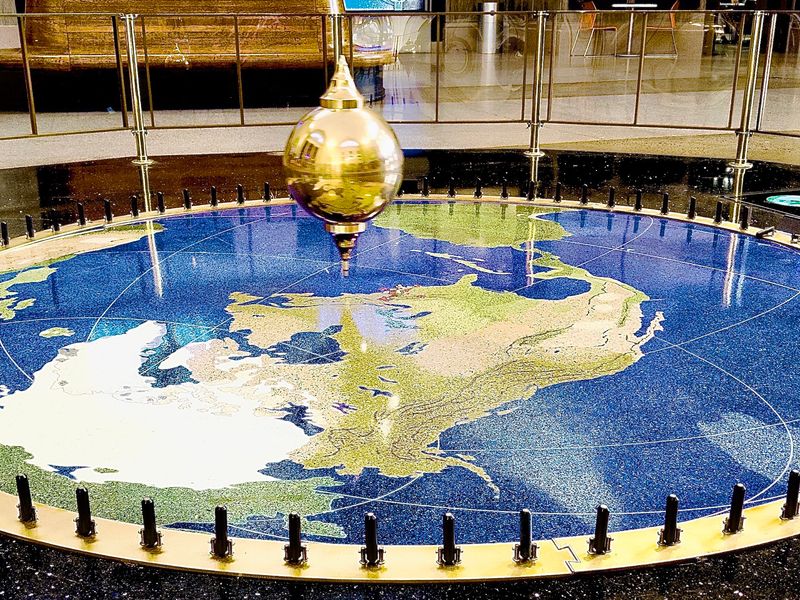
Proof that the planet is turning hangs from the ceiling of the rotunda. A Foucault pendulum swings slowly back and forth in the middle of the room, and its path shifts as the Earth rotates beneath it.
It sounds like a magic trick, but it is pure physics. The pendulum keeps swinging in the same direction while the floor quietly moves around it.
The room itself deserves attention too. The rotunda features a restored terrazzo floor and pink Tennessee marble wainscoting from the station days.
Look up and you will see the dome rising high above everything. It is easy to forget you came for science when the architecture is this good.
Here is a fun challenge for kids. Have them watch the pendulum for a few minutes now, then check again before you leave.
The change in its path makes the lesson stick far better than any textbook diagram. Patience pays off here, which is a nice surprise for impatient young scientists.
I think this spot is the perfect first stop. It sets the tone for a day of big ideas inside a seriously beautiful old building.
Good Luck Outrunning A Cheetah Under A Spy Plane
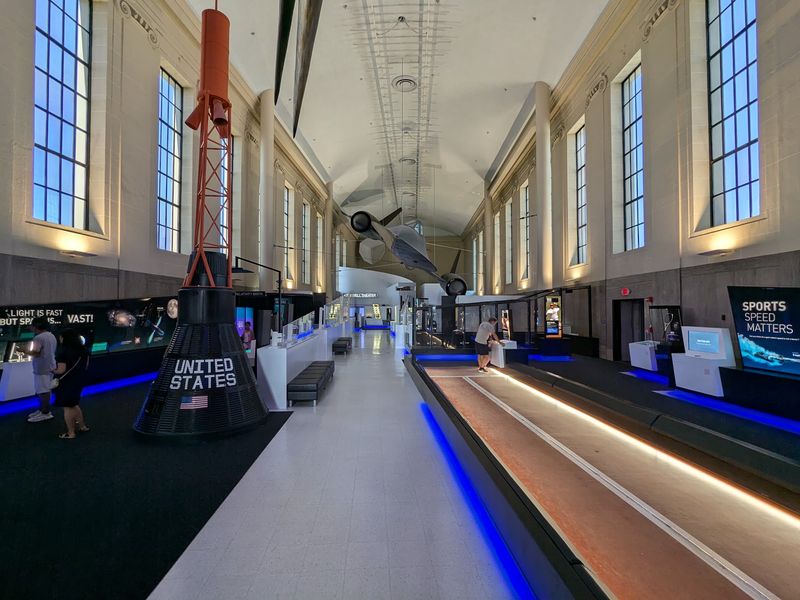
Few museums can say they have an SR-71 Blackbird hanging over their heads. This sleek black jet was built to fly extremely high and incredibly fast, and it anchors the Speed exhibit.
Standing under it feels a little unreal. The plane looks like it belongs in a movie, not above a field-trip crowd.
Down on the floor, the action gets personal. You can run a short track and compare your speed with a cheetah, a T. rex, or Usain Bolt.
Spoiler alert, the cheetah usually wins. That has never stopped anyone from trying again, and again, and again.
Speed also covers motion and time in other playful ways. A hurricane wind simulator lets you feel powerful gusts without stepping outside into the actual storm.
Then there is the robot air hockey game. Challenging a machine to a match is a humbling experience, but kids seem to love losing to it.
This exhibit works great for burning off extra energy on wet days. Let the kids race until they are tired, then move on to calmer areas while they catch their breath.
The Biggest Screen In Virginia Wraps Right Over Your Head
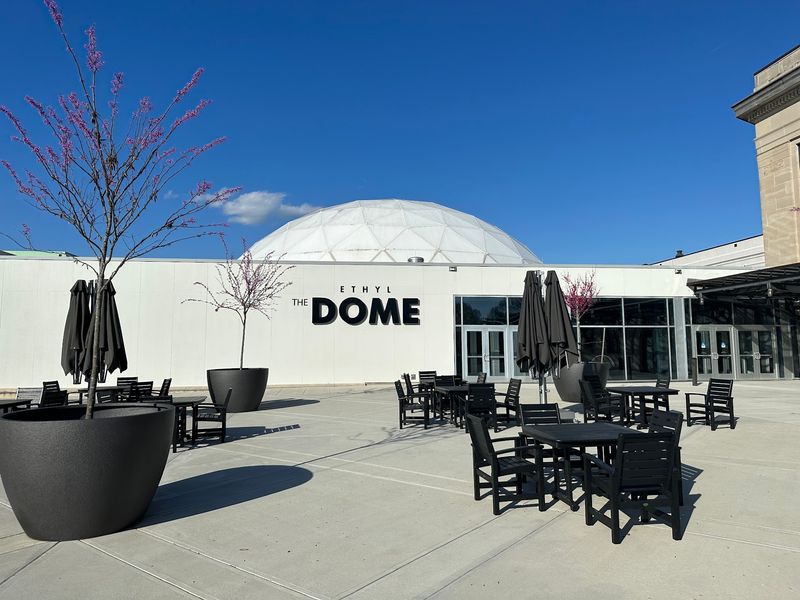
Seventy-six feet across and five stories tall, The Dome holds the title of the largest screen in Virginia. It curves over the audience, so the picture fills nearly everything you can see.
Shows here include live astronomy programs and giant screen films. With a museum astronomer guiding the way, the night sky shows up even when real clouds block it outside.
That makes The Dome a smart rainy-day pick. Stormy weather ruins stargazing, but not in here.
The digital projection system got a major upgrade in 2014. Films cover subjects like frozen landscapes and life deep under the sea, so the topics change things up nicely.
A quick tip before you buy tickets. The museum generally suggests Dome shows for ages five and up, since the giant screen can feel intense.
Anyone prone to motion sickness may want to sit this one out or pick a calmer show. Dome tickets are separate from general admission, so plan ahead.
I believe this is the moment many visitors remember most. Lying back under a sky full of stars beats watching rain drip down a car window.
Grab A Data Card And Find Out What Your Body Can Really Do
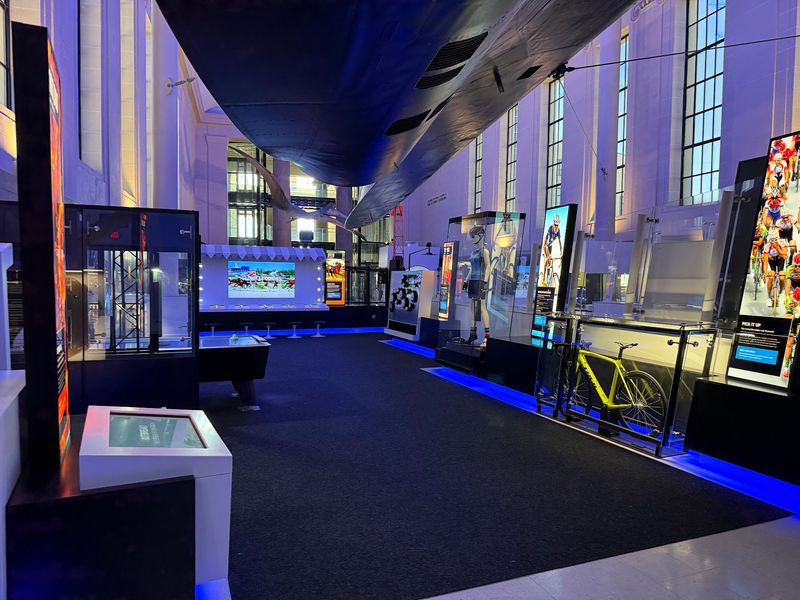
Your own body becomes the experiment in Boost. This hands-on exhibition explores human health through games and challenges that feel more like a playground than a lecture.
Visitors get a data card to scan at different stations. Each stop measures something new, like how far you jump or how steady your balance is.
There are tests for memory and even tightrope walking skills. It turns into friendly competition fast, especially between siblings who refuse to lose.
The best part comes after you leave. You can take the card home and look over all the results you collected during your visit.
That turns one rainy day into a little project. Kids can compare scores, set new goals, and talk about why their numbers came out the way they did.
Parents should jump in, too. Few things motivate a kid like beating a grown-up at a balance test.
I love that Boost makes wellness feel fun instead of preachy. Nobody is lecturing you about vegetables here, but you still walk away knowing more about how your body works.
Tiny Scientists Get A Glowing Corner All Their Own
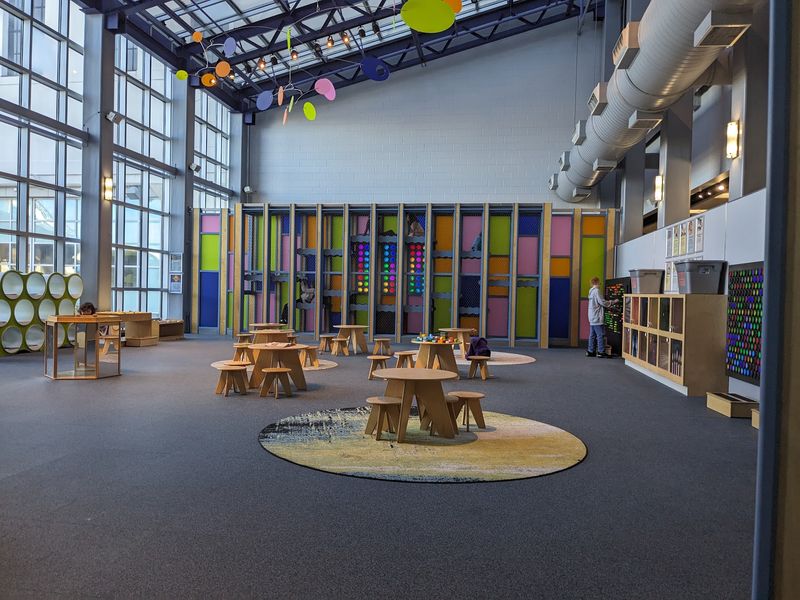
Toddlers deserve science too, and LightPlace proves it. This area is designed for kids ages five and under, with hands-on STEM activities sized just right for little hands.
A giant light-bright wall is a big draw. Small kids can push in glowing pegs and make colorful pictures, which feels like art and science at once.
Babies are not left out. A padded space gives infants a safe spot to explore while older siblings play nearby.
LightPlace also includes toys, a climbing area, and books. That mix lets kids switch between moving, building, and quiet reading when they need a break.
The museum also offers Early ExpLORE presentations for young visitors. These short, live programs use costumes, dancing, and characters to bring science stories to life.
Check the daily schedule when you arrive so you can catch one. Short shows like these are perfect for attention spans measured in minutes.
Parents of preschoolers know rainy days can feel endless. A dedicated space like this gives everyone a chance to play safely, burn energy, and maybe even sneak in a little learning before nap time.
Yes, The Rats Really Do Shoot Hoops
Rat Basketball sounds like a joke, but it is a real demonstration. Trained rats drop tiny balls into tiny hoops, and the crowd reacts like it is a championship game.
There is solid science behind the show. It demonstrates operant and classical conditioning, which explains how animals learn through rewards and repetition.
Kids walk away understanding a psychology concept without realizing they just had a lesson. That is sneaky teaching at its finest.
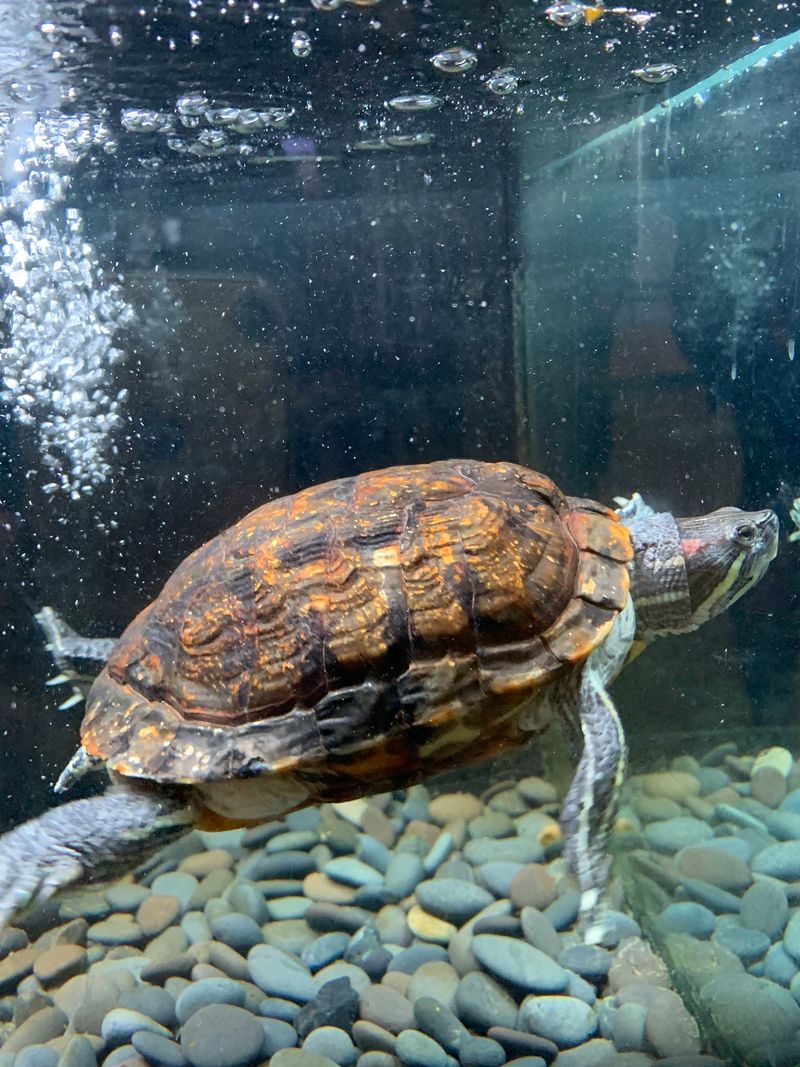
The Live Animal Lab holds plenty of other residents too. Snakes, turtles, scorpions, and a working colony of honey bees all live here.
Watching bees busy at work is surprisingly relaxing. It also opens up great questions about how insects build, share, and survive together.
Live Science demonstrations add even more action. On some days, scientists use liquid nitrogen to freeze metal and show off how extreme cold changes materials.
Show times vary, so check the daily schedule early. Planning your visit around a demonstration or two helps the day feel full, and nobody wants to miss the moment a rat sinks a perfect basket.
Roll Up Your Sleeves In A Real Makerspace
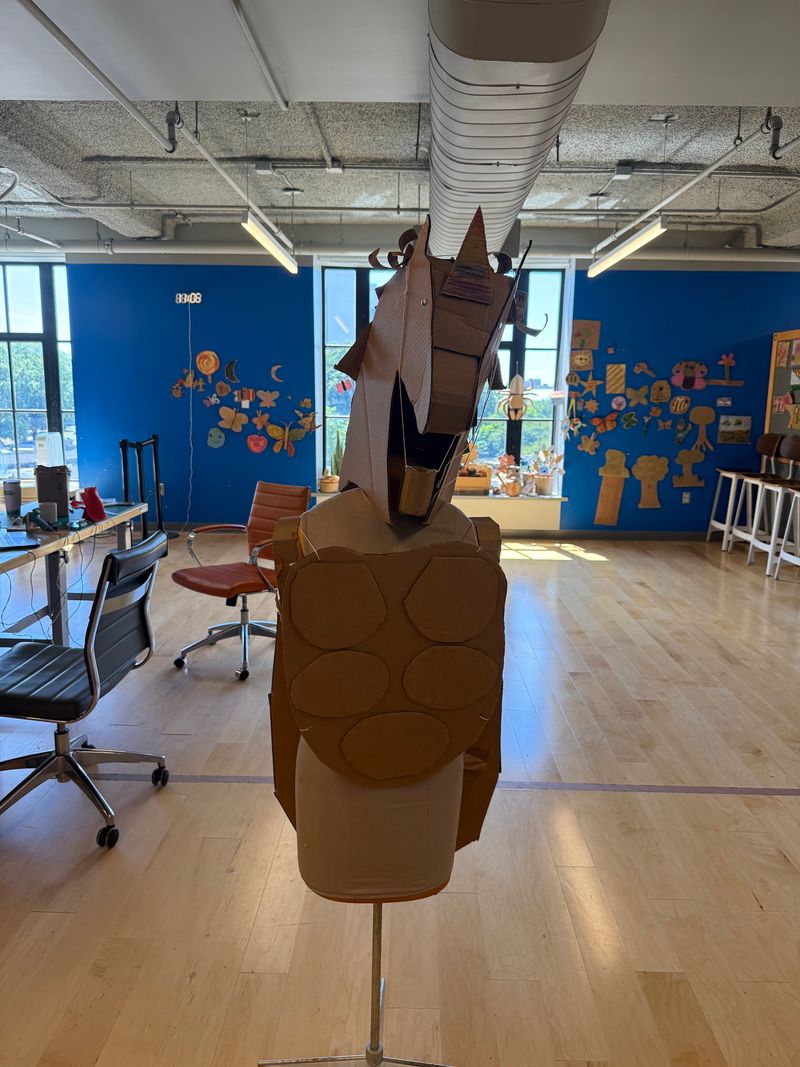
Some people learn by watching, and others need to build something. The Forge is a permanent makerspace at the Science Museum of Virginia, built for that second group.
Hands-on workshops invite visitors to design, tinker, and create. The space also features displays meant to spark ideas before you start making.
It is the kind of place where a cardboard project can turn into a big invention. Okay, maybe not big, but definitely something worth showing off at dinner.
I like that The Forge treats creativity as a science skill. Engineers, inventors, and artists all start by messing around with materials and fixing what does not work.
Kids who usually get bored in museums often light up in spaces like this. Building something with your own hands feels very different from pressing a button on a screen.
Families can work side by side here, which makes it a nice change of pace. Grown-ups might be surprised by how much they enjoy tinkering.
Plan a little extra time if you have a young builder in the group. Rain outside means nobody is in a rush to leave anyway.
A Few Smart Moves Make Your Rainy Visit Even Better
Timing matters more than you might expect. The Science Museum of Virginia sits at 2500 West Broad Street in Richmond, and it opens Tuesday through Sunday from 9:30 a.m. to 5 p.m.
Mondays are closed, so do not plan a rainy Monday rescue here. Every other day of the week, you have plenty of hours to explore.
Parking is easy, with a garage right next door. On a wet day, a short walk from the car makes a real difference.
Out back, remnants of the old train yard still stand, including vintage train cars. If the rain lets up, take a quick look and connect them to the building’s railroad past.
Check the daily schedule before you wander. Dome shows, Rat Basketball, and live demonstrations happen at set times, and it helps to plan around them.
Buying tickets online ahead of time can also make your arrival smoother. Add-ons like Dome shows and special exhibitions cost extra.
Few rainy days in Virginia offer this much to do under one roof. Between the jets, the stars, and the hoop-shooting rats, the weather becomes the least interesting thing about your day.
