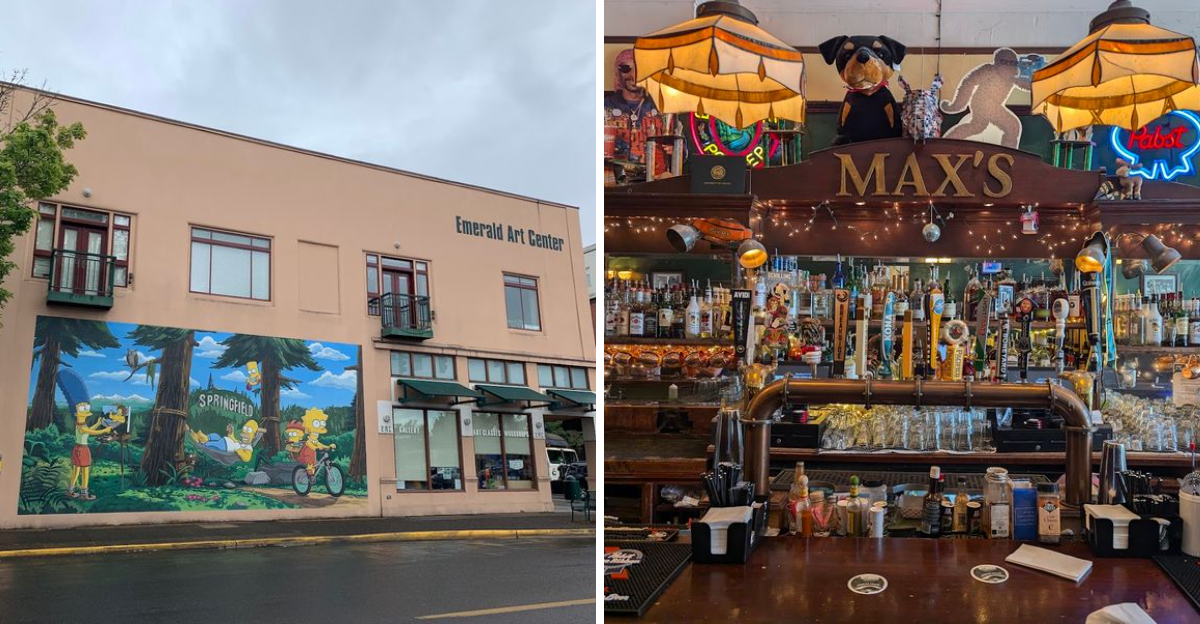
Springfield from “The Simpsons” might be fictional, but a surprising amount of its chaotic charm feels rooted in real places across Oregon. From quirky small towns to familiar landscapes, the state has long been rumored to have inspired parts of the show’s iconic setting.
I didn’t expect there to be so many connections, but once you start looking, the similarities are hard to ignore. There’s that same mix of humor, weirdness, and everyday Americana that Oregon towns naturally seem to carry.
I kept thinking about how animation often exaggerates reality – but here, reality already feels a little animated on its own. Each inspiration adds another layer to how people see both the show and the state.
And suddenly, Springfield doesn’t feel so far from the real world after all.
1. Springfield, Oregon: The Town That Named It All
Every Springfield needs a starting point, and for Matt Groening, that point was very much real.
Springfield, Oregon, is the city that directly inspired the name of the fictional hometown in The Simpsons. Groening admitted in a 2012 interview that he chose the name Springfield because it was one of the most common city names in the United States.
His goal was simple. He wanted viewers across the country to feel like Springfield could be their Springfield.
Located in Lane County, Oregon, right next to Eugene, the real Springfield is a mid-sized city with a working-class identity. That blue-collar personality absolutely shows up in the animated version.
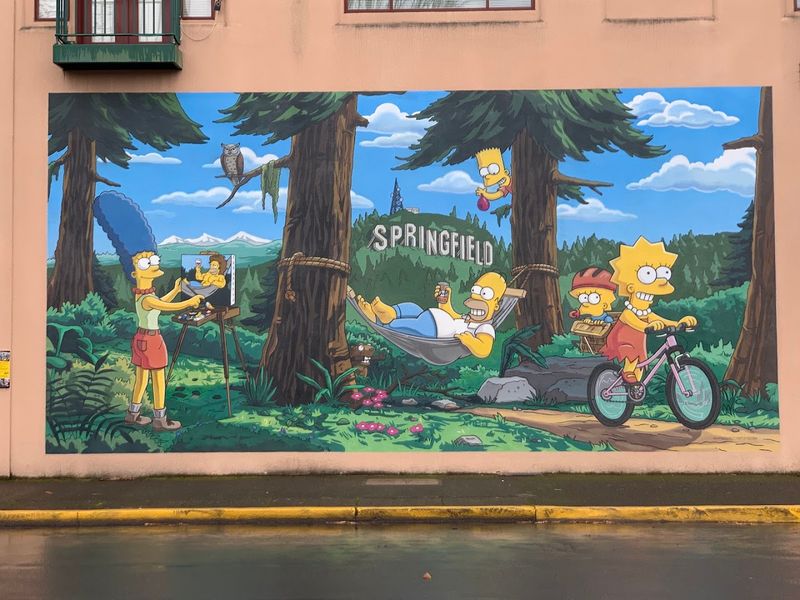
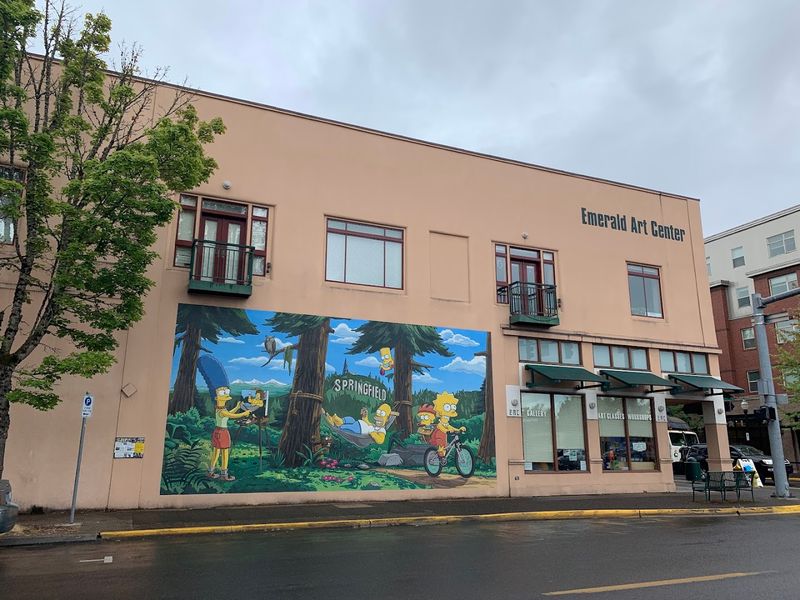
The real Springfield even embraced its cartoon twin. A large Simpsons mural was painted in the city, celebrating the connection between the two towns.
Visiting Springfield, Oregon today feels a little surreal for any Simpsons fan. The streets, the vibe, and even the local pride carry echoes of the show in the most unexpected ways.
If you ever pass through Lane County, a stop here is absolutely worth your time.
2. Portland, Oregon: The City Behind the Characters
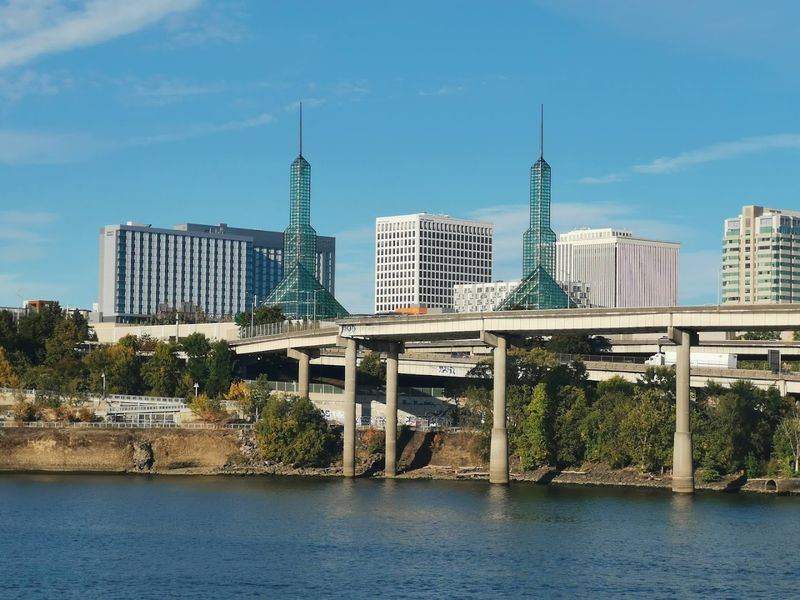
Before Homer ever said his first “D’oh,” Matt Groening was just a kid growing up in Portland, Oregon, soaking in the city around him.
Portland ended up being the single biggest real-world influence on The Simpsons. Many of the show’s most beloved character names were pulled directly from Portland street names.
Ned Flanders came from Flanders Street. Reverend Lovejoy was inspired by Lovejoy Street.
Kearney the bully shares a name with Kearney Street. Mayor Quimby mirrors Quimby Street.
Even Sideshow Bob’s real last name, Terwilliger, comes from Terwilliger Boulevard.
Portland, located in northwestern Oregon along the Willamette River, is a city known for its creative culture, quirky personality, and strong community pride. All of those qualities show up in the DNA of Springfield.
Travel Portland even offers a self-guided tour map highlighting Simpsons-related landmarks throughout the city. Walking those streets while connecting the dots between real signs and cartoon characters is a genuinely fun afternoon activity.
Portland rewards curious visitors at every turn.
3. 742 Evergreen Terrace: A Childhood Address Lives On
There is something quietly personal about the address 742 Evergreen Terrace, the fictional home of the Simpson family.
That address was not invented from thin air. It mirrors the address of Matt Groening’s childhood home in Portland, Oregon.
Groening grew up in a house on a similar street, and when it came time to plant the Simpsons family somewhere, he reached back into his own memory.
The result is one of the most recognizable fictional addresses in television history. Fans have debated for decades which real Springfield the house sits in, never realizing the true answer points back to Portland all along.
The neighborhood where Groening grew up sits in the hills of northwest Portland, a leafy, residential area full of mid-century homes and tree-lined streets. It is easy to see how that setting inspired the cozy, slightly chaotic suburban world of the show.
If you visit Portland and want to feel a little closer to Springfield, exploring the northwest residential neighborhoods gives you a real sense of the streets that shaped Groening’s imagination. The quiet charm of those blocks is genuinely infectious, and the connection to the show makes every corner feel like a small discovery.
4. Max’s Tavern in Eugene: The Real Moe’s Tavern
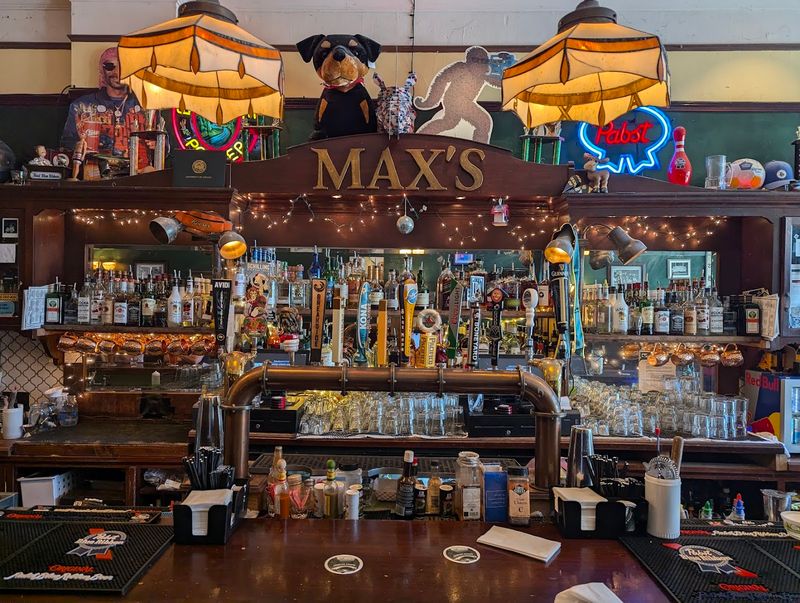
Moe’s Tavern is one of the most iconic locations in The Simpsons universe, and it may have a very real counterpart hiding in Eugene, Oregon.
Max’s Tavern in Eugene is widely believed to have inspired the fictional watering hole where Homer and his friends spend far too much time. The bar’s atmosphere, including its worn-in character and a jar of pickled eggs sitting on the counter, closely mirrors details seen inside Moe’s on the show.
Eugene is located in Lane County, Oregon, right beside the real Springfield. The proximity between the two cities makes the connection feel even more intentional.
Max’s Tavern carries that old-school neighborhood bar energy that the show captured so well. It is the kind of place where regulars know each other and where the decor has not changed much in decades.
For Simpsons fans visiting the Eugene-Springfield area, tracking down the real-life Moe’s is a fun piece of pop culture detective work. The Eugene-Cascades and Coast tourism board has also highlighted this connection as part of the region’s Simpsons heritage.
A cold soda and a plate of pickled eggs at the real inspiration for Moe’s sounds like a perfect afternoon to us.
5. Weyerhaeuser Plant: Springfield’s Nuclear Roots
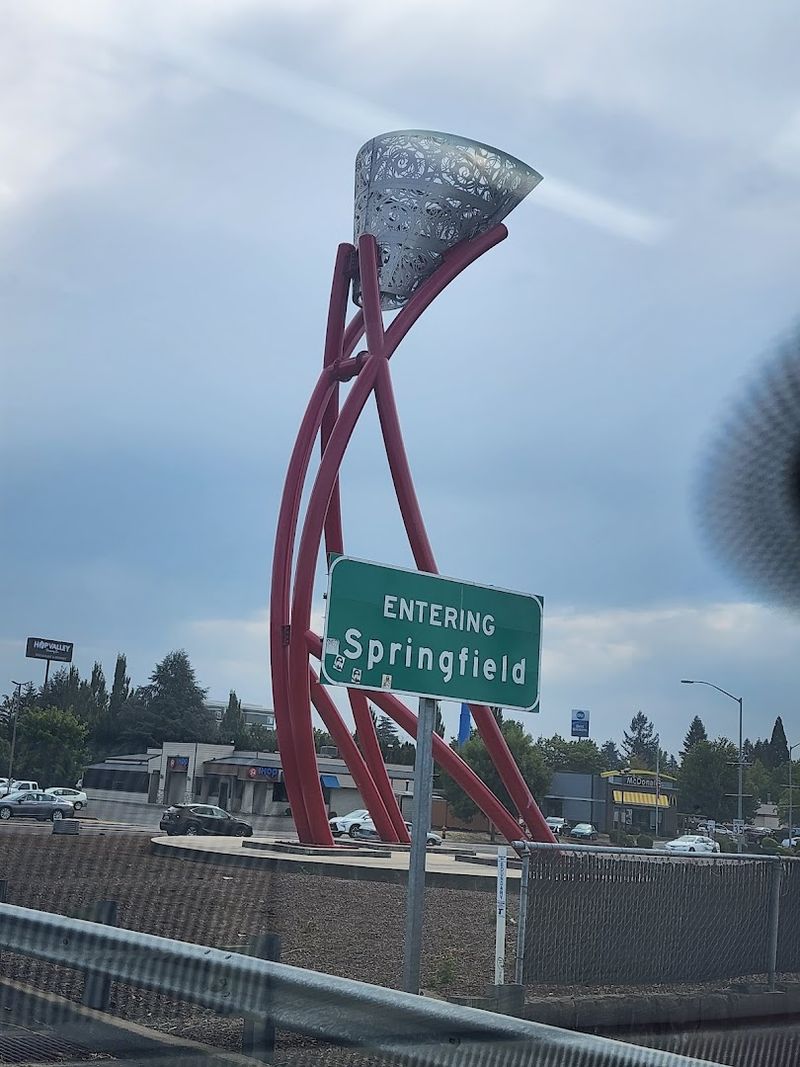
Homer Simpson’s workplace, the Springfield Nuclear Power Plant, is one of the show’s most enduring symbols of working-class life in America.
The inspiration for that plant may have come from a very real industrial site in Springfield, Oregon. The Weyerhaeuser mill, which has since closed, operated as a major employer in the area for many years.
Its large-scale industrial presence closely mirrors the role the nuclear plant plays in Springfield’s economy on the show.
Weyerhaeuser was a timber and paper company, not a nuclear facility. But the visual idea of a massive, slightly ominous industrial plant dominating a small town’s skyline fits perfectly with what viewers see every episode.
Springfield, Oregon’s working-class identity was shaped in large part by industries like this one. When the mill was active, it employed a significant portion of the local population, much like the nuclear plant employs half of Springfield’s animated residents.
The parallel between the two plants says a lot about how Groening used real Oregon life as the skeleton for his fictional world. Industrial towns like Springfield, Oregon carry a particular kind of pride and grit that the show has always honored.
That spirit is baked into every scene set at the power plant.
6. Shelbyville’s Real Rival: Eugene, Oregon
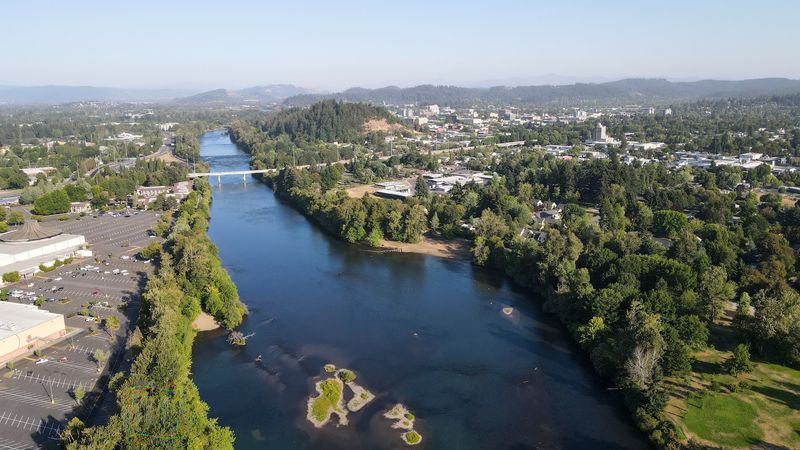
On The Simpsons, Springfield’s greatest rival is Shelbyville, a neighboring town that Springfield residents consider snobbier and more stuck-up.
That fictional rivalry has a very real Oregon counterpart. The dynamic between Springfield and Shelbyville closely reflects the long-standing friendly tension between Springfield, Oregon and its neighbor Eugene.
Eugene is the larger, more university-focused city in Lane County. Home to the University of Oregon, it carries a reputation for being more culturally polished compared to the more industrial Springfield next door.
Sound familiar?
The show exaggerates this dynamic for laughs, but the underlying feeling of a smaller, working-class town side-eyeing its fancier neighbor is rooted in something real. Groening grew up aware of this kind of small-city rivalry, and it found its way into Springfield’s DNA.
Eugene itself is a fantastic place to visit. The city offers a vibrant arts scene, beautiful parks along the Willamette River, and the famous Hayward Field athletic facility.
Whether you are rooting for Springfield or Shelbyville in the cartoon, the real Eugene is worth exploring without any rivalry at all. The city’s energy is warm, creative, and surprisingly easy to fall in love with on your first visit.
7. Jebediah Springfield Statue: A Pioneer Bronze Comes to Life
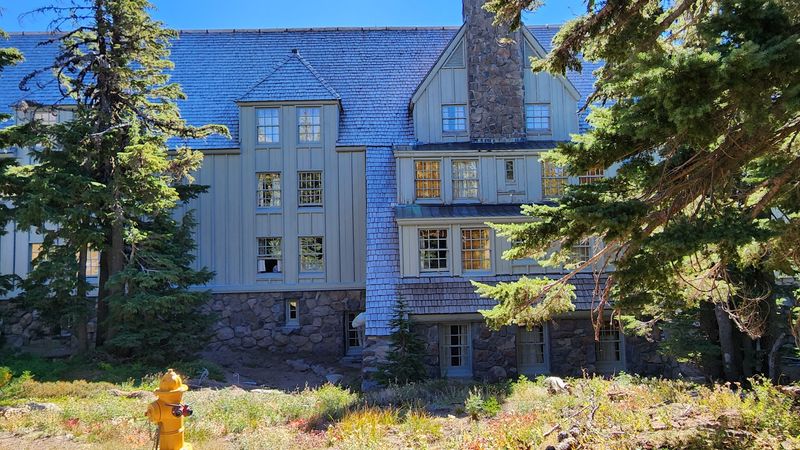
Every town has its founding myth, and Springfield’s version centers on the larger-than-life statue of Jebediah Springfield standing in the town square.
That statue has a real Oregon ancestor. A bronze pioneer statue once stood prominently on the campus of the University of Oregon in Eugene.
The figure, dressed in frontier clothing and mounted on a tall pedestal, carried the same kind of symbolic civic pride that the Jebediah statue represents in the show.
The University of Oregon is located in Eugene, Lane County, just minutes from the real Springfield. The campus is scenic and walkable, with a mix of historic brick buildings and open green spaces.
In The Simpsons, the Jebediah statue is a constant source of civic drama, conspiracy, and local legend. The show uses it to poke fun at how towns mythologize their founders.
The real Oregon statue served a similar cultural function on campus.
Visiting the University of Oregon today is a genuinely pleasant experience. The campus architecture is impressive, and the surrounding Whiteaker neighborhood adds a creative, artsy vibe to the area.
Fans who know the Jebediah connection will find themselves looking at campus statues with a new and slightly suspicious eye. History has a funny way of hiding in plain sight.
8. Ned Flanders Crossing: Portland Honors Its Most Famous Neighbor
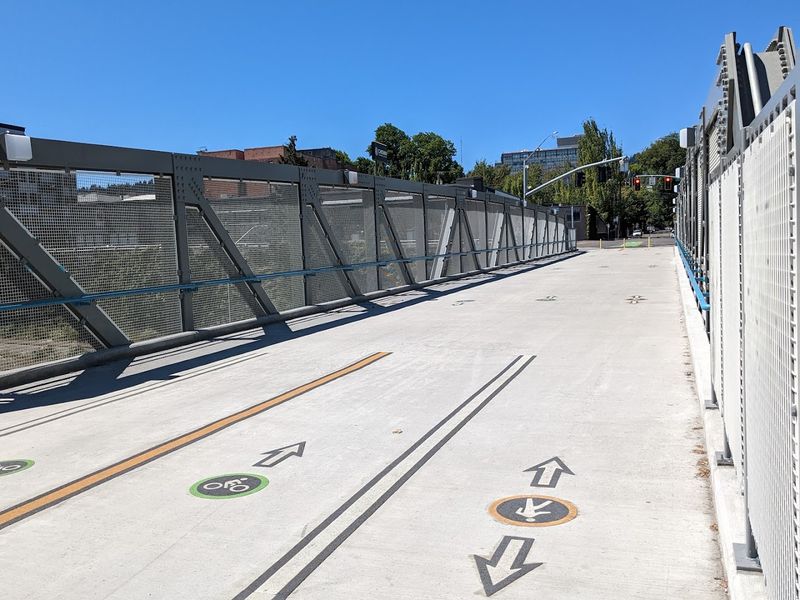
Not every city would name a bridge after a cartoon character, but Portland is not every city.
Ned Flanders Crossing is a real pedestrian footbridge in Portland, Oregon, named after the famously cheerful and devout neighbor from The Simpsons. The naming was a playful nod to the show’s deep roots in the city, and it has since become a beloved local landmark for both residents and visiting fans.
The bridge crosses over a section of the city and connects pedestrian pathways in a very Portland way: practically, prettily, and with a sense of humor. Portland loves a good wink at its own culture.
Ned Flanders himself was named after Flanders Street, a real Portland road. So the bridge essentially honors a character who was already honoring the city.
It is a circular tribute that feels very fitting for a town with this much creative personality.
If you are planning a Portland visit with any Simpsons fan in your group, a walk across Ned Flanders Crossing is a must-do activity. It photographs beautifully, the surrounding area is pleasant for a stroll, and the story behind the name always gets a smile.
Portland has a gift for turning small moments into memorable ones, and this bridge is a perfect example of that spirit.
9. Portland Streetcar on Lovejoy Street: Reverend Lovejoy’s Real Road
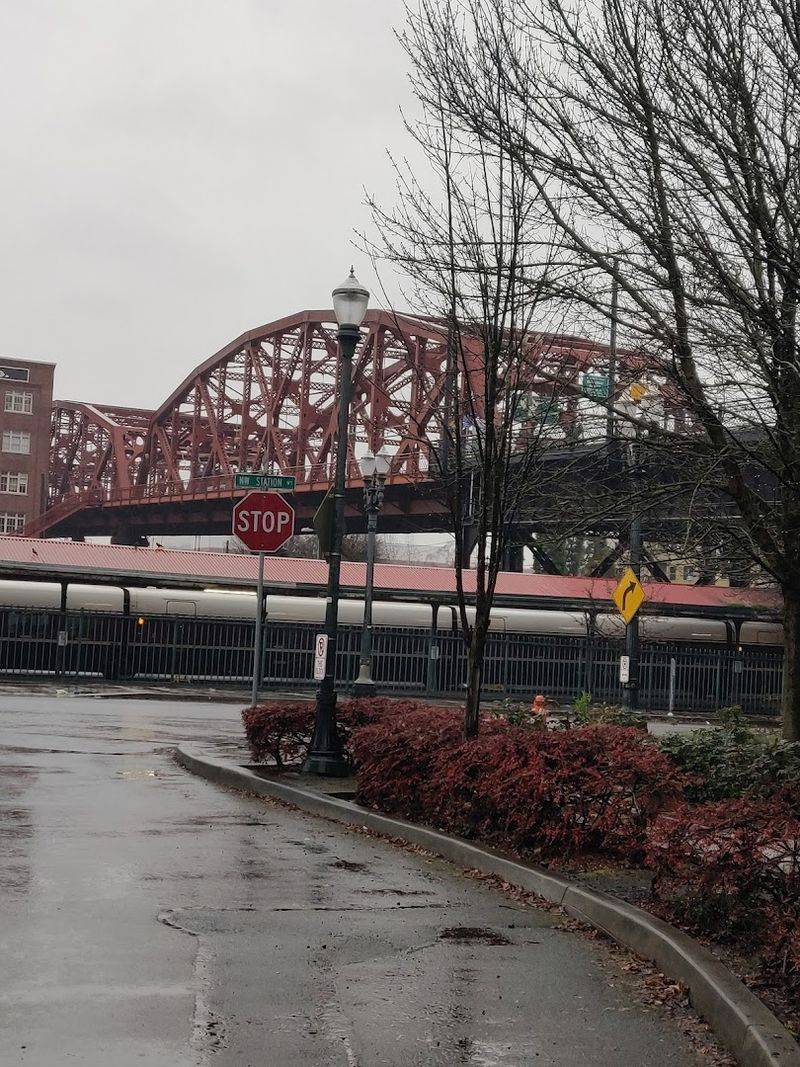
Reverend Timothy Lovejoy is Springfield’s long-suffering pastor, and his last name was borrowed directly from a real Portland street.
Lovejoy Street runs through the northwest quadrant of Portland, Oregon, and the Portland Streetcar travels along it regularly. Every time that streetcar rolls past the Lovejoy Street sign, it is unknowingly paying tribute to one of The Simpsons’ most quietly funny characters.
Northwest Portland is one of the city’s most charming neighborhoods. It is full of independent shops, coffee spots, and historic apartment buildings that give the area a lived-in, literary feel.
Walking along Lovejoy Street on a clear Oregon morning is a genuinely lovely experience.
The Portland Streetcar itself is a great way to explore the city. It runs through several key neighborhoods and gives riders a ground-level view of Portland’s character.
Spotting the Lovejoy Street stop from the streetcar window is a small but satisfying moment for any Simpsons fan.
Portland has an impressive number of streets named after things that ended up in the show. Lovejoy Street is one of the most accessible and enjoyable to visit in person.
The northwest neighborhood rewards slow exploration, and knowing the Simpsons connection adds a layer of storytelling to every block you walk. Portland always has more going on beneath the surface than it first lets on.
10. Portland Landmarks and Streets: The Map Behind Springfield
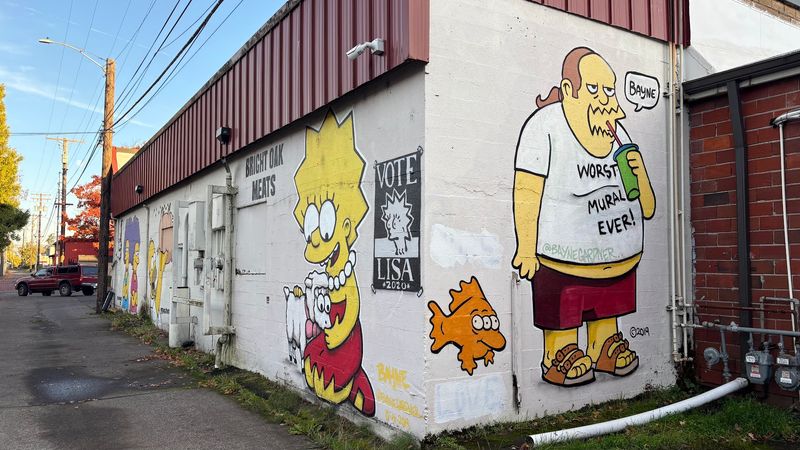
Springfield would not exist without a map of Portland hiding somewhere in its blueprints.
Beyond the individual characters and locations already covered, Portland’s street grid as a whole served as Groening’s creative address book. Kearney Street gave its name to Kearney, the bully with the surprising backstory.
Quimby Street inspired the corrupt and theatrical Mayor Quimby. Terwilliger Boulevard became the surname of Sideshow Bob, one of the show’s most theatrical villains.
Lincoln High School in Portland, which Groening attended, also contributed to the show’s world. The school’s name and atmosphere are believed to have influenced the look and feel of Springfield Elementary.
Portland, located in Multnomah County in northwestern Oregon, is a city that rewards exploration. Its neighborhoods each have their own personality, from the industrial Pearl District to the tree-lined streets of Sellwood.
For Simpsons fans, a self-guided walking tour through Portland’s streets is one of the most rewarding ways to experience the city. Travel Portland has published resources specifically for this kind of tour, connecting real street signs to beloved cartoon characters.
Each corner you turn feels like flipping through the show’s history. Portland gave The Simpsons its bones, and the city wears that legacy with a relaxed, well-earned pride that perfectly matches its own personality.
Dear Reader: This page may contain affiliate links which may earn a commission if you click through and make a purchase. Our independent journalism is not influenced by any advertiser or commercial initiative unless it is clearly marked as sponsored content. As travel products change, please be sure to reconfirm all details and stay up to date with current events to ensure a safe and successful trip.
