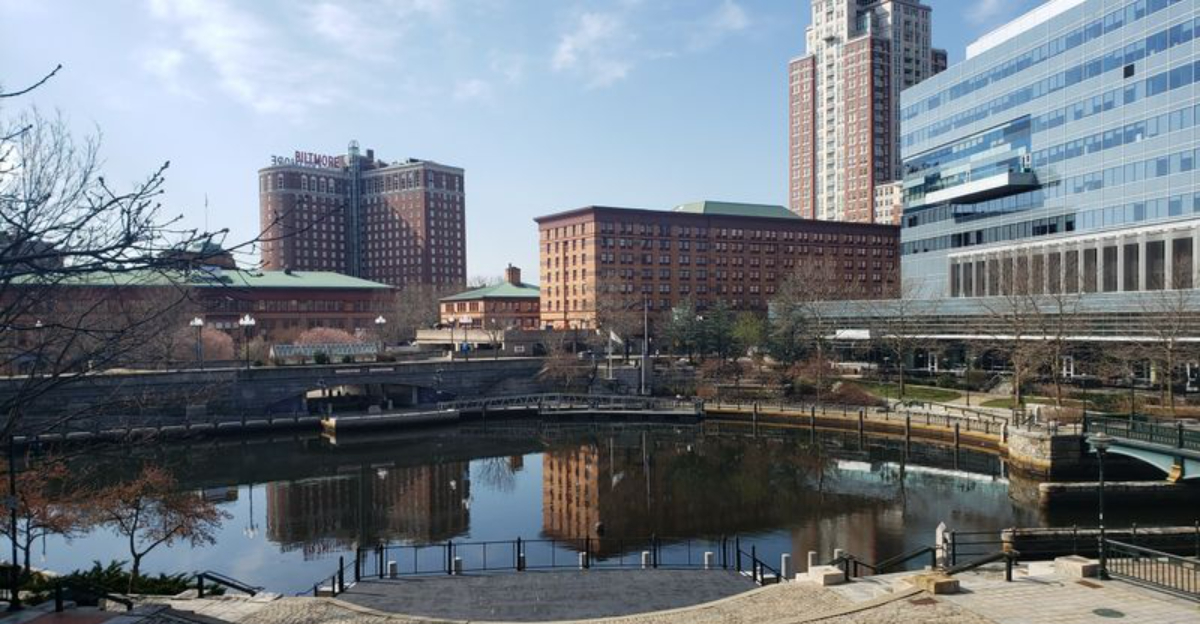
Rhode Island’s coastline once sparkled with pristine beaches, quiet fishing villages, and untouched natural beauty that locals cherished for generations.
Over the decades, tourism transformed these peaceful shores into crowded hotspots, leaving behind environmental damage and cultural erosion.
While visitors brought economic growth, they also brought consequences that forever changed the character of the Ocean State’s beloved coast.
This article explores how unchecked tourism reshaped Rhode Island’s coastal landscape in ways that can never be fully undone.
Overdevelopment Erased Historic Character
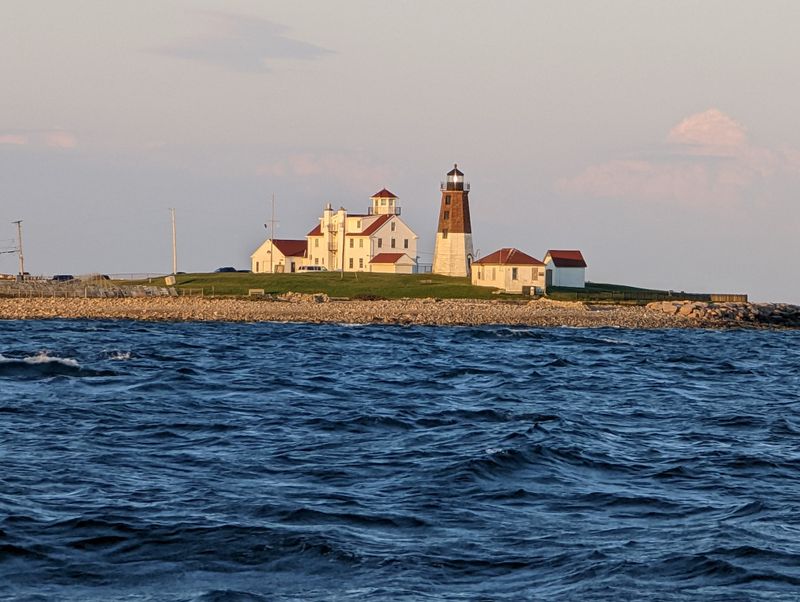
Charming fishing villages that once defined Rhode Island’s coastal identity disappeared beneath waves of hotels, condos, and shopping centers.
Developers recognized the profit potential of oceanfront property and bought up land wherever they could find it.
Historic homes with stories stretching back centuries were demolished to make room for generic vacation rentals.
Local families who had lived in these communities for generations found themselves priced out as property values skyrocketed.
Narrow streets designed for horse-drawn carts suddenly carried thousands of cars each summer day.
The architectural charm that made these villages special was replaced by cookie-cutter buildings that could exist anywhere.
Traditional New England character gave way to commercial uniformity that prioritized tourist convenience over cultural preservation.
Small mom-and-pop shops closed their doors as chain stores moved in with deeper pockets and broader appeal to visitors.
The authentic flavor of coastal Rhode Island communities faded with each passing season.
What once felt like stepping back in time became just another beach resort destination.
Local governments approved development projects without fully considering long-term consequences to community character.
Zoning laws changed to accommodate tourist infrastructure rather than protect historic integrity.
The result was irreversible transformation that left longtime residents feeling like strangers in their own towns.
Waterfront areas that once belonged to working fishermen became exclusive resort zones.
Public access diminished as private developments claimed prime coastal real estate.
The soul of Rhode Island’s coastal communities was sacrificed for short-term economic gain that benefited developers more than residents.
Beach Erosion Accelerated From Foot Traffic
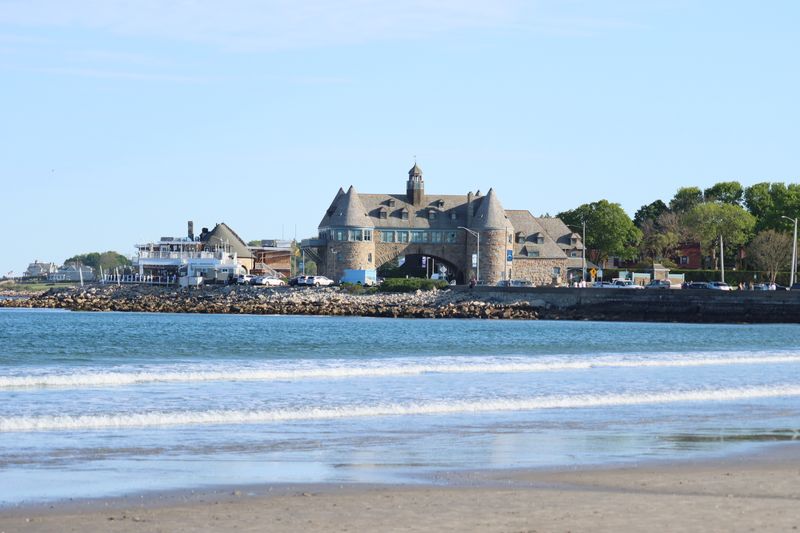
Millions of footsteps each summer wore away the natural barriers that protected Rhode Island’s coastline from storms and rising seas.
Dunes that took decades to form crumbled under constant trampling as tourists ignored designated pathways.
Beach grass that stabilized sand disappeared when people cut through sensitive areas seeking shortcuts to the water.
The delicate ecosystem that naturally defended against erosion couldn’t regenerate fast enough between tourist seasons.
Popular beaches saw sand levels drop noticeably as the protective dune systems collapsed.
Without these natural buffers, winter storms caused exponentially more damage than in previous generations.
Coastal properties that once sat safely back from high tide lines found themselves increasingly vulnerable.
Scientists warned that human traffic was destroying Rhode Island’s natural coastal defenses faster than climate change alone could account for.
Beach nourishment projects became necessary annual expenses as communities tried to replace sand that tourism had helped wash away.
Taxpayers funded emergency repairs to infrastructure that might have survived if beaches had maintained their natural protection.
Nesting sites for shorebirds vanished as dunes flattened and vegetation died.
The biodiversity that once characterized Rhode Island beaches declined sharply.
Areas that supported complex ecosystems became barren stretches of packed sand.
Fencing and educational signs proved ineffective against the sheer volume of tourists who either didn’t notice or didn’t care about conservation efforts.
Enforcement was impossible with such massive crowds.
The cumulative impact of seemingly innocent beach visits created environmental damage that will take generations to reverse, if it ever can.
Water Quality Plummeted From Pollution
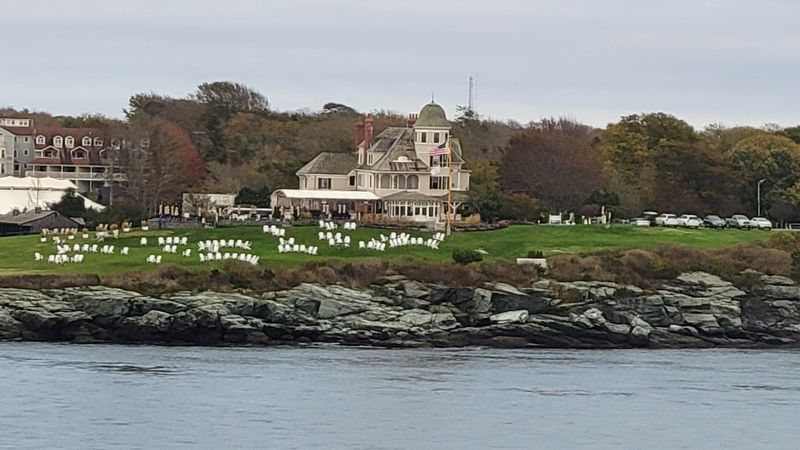
Crystal-clear waters that once defined Rhode Island’s coastal appeal turned murky and unhealthy as tourism overwhelmed local infrastructure.
Sewage systems designed for small year-round populations couldn’t handle the summer influx of visitors.
Treatment facilities regularly operated beyond capacity, leading to partially treated wastewater entering coastal waters.
Beaches that rarely closed for pollution in the 1950s now post regular swimming advisories.
Sunscreen chemicals washed off thousands of bodies each day, creating toxic conditions for marine life.
Studies showed that popular swimming areas contained concentrations of oxybenzone and octinoxate that damaged coral and disrupted fish reproduction.
The invisible pollution from tourist products accumulated in ways that weren’t immediately obvious but proved devastating over time.
Trash became an overwhelming problem as visitors left behind plastic bottles, food wrappers, and disposable items.
Storm drains carried this debris directly into the ocean, where it broke down into microplastics.
Marine animals ingested these particles, disrupting food chains and poisoning species that Rhode Islanders had harvested for centuries.
Boat traffic from tourism increased fuel and oil contamination in harbors and bays.
Marinas expanded to accommodate demand, creating concentrated pollution zones.
Shellfish beds that once provided livelihoods for fishing families closed due to contamination.
Runoff from parking lots carried motor oil, brake dust, and tire particles into coastal ecosystems.
The pavement required for tourist infrastructure created impermeable surfaces that channeled pollutants directly to the sea.
Water testing revealed chemical signatures that simply didn’t exist before mass tourism arrived, fundamentally altering the marine environment in ways that persist long after summer crowds depart.
Wildlife Habitats Disappeared Under Construction
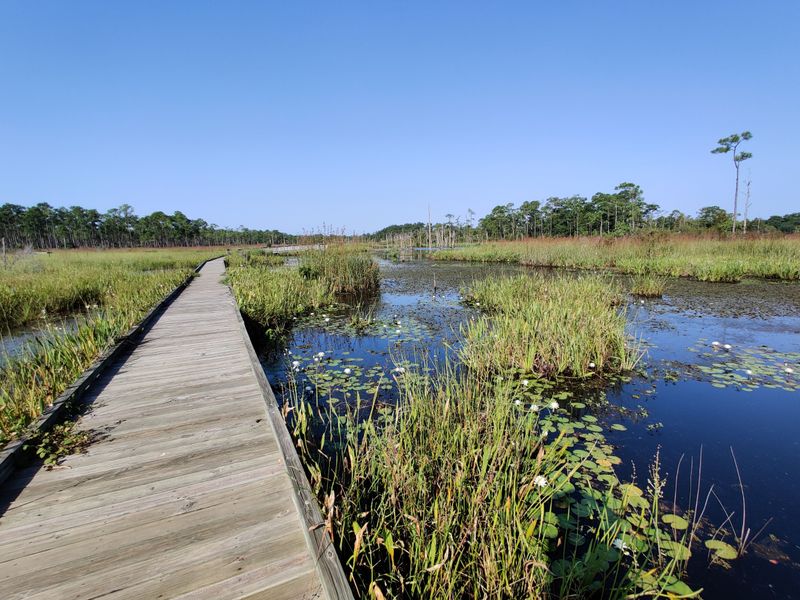
Rare species that depended on Rhode Island’s unique coastal ecosystems found themselves homeless as developers cleared land for tourist amenities.
Wetlands that served as crucial breeding grounds were drained and filled to create parking lots and hotel foundations.
Regulatory loopholes and political pressure allowed construction in areas that environmental scientists insisted should remain protected.
The piping plover, already endangered, lost nesting sites to beach umbrellas and volleyball courts.
Coastal forests that provided habitat for migrating songbirds fell to chainsaws making room for vacation homes.
These woodlands also served as natural filters that cleaned water before it reached the ocean.
Without them, runoff carried sediment and pollutants directly into marine environments.
Salt marshes that nursed juvenile fish and crabs shrank dramatically as developers claimed waterfront property.
These productive ecosystems supported the entire coastal food web, and their loss rippled through species populations.
Commercial fishing declined partly because the nursery habitats that replenished fish stocks no longer existed.
Seagrass beds disappeared as boat traffic increased and anchors scarred the ocean floor.
These underwater meadows provided food and shelter for countless marine species.
Their destruction left barren sand where complex communities once thrived.
Local extinction became reality for some species that couldn’t adapt quickly enough to habitat loss.
Animals that had called Rhode Island’s coast home for thousands of years vanished within a single human lifetime.
The biodiversity that made these ecosystems resilient and productive collapsed under development pressure.
Conservation efforts came too late for many habitats, with protection measures only implemented after irreversible damage had occurred.
The remaining fragments of natural habitat couldn’t support the populations they once did, creating a cascade of ecological consequences.
Traffic Congestion Choked Coastal Roads
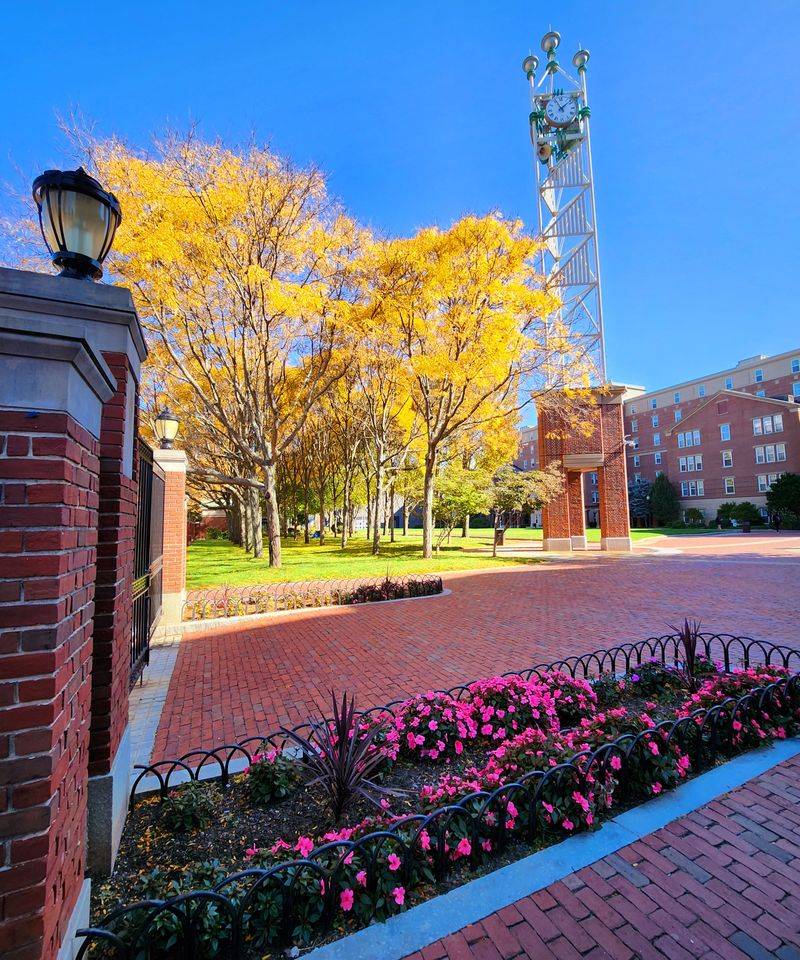
Roads built for small communities became parking lots as tourist traffic overwhelmed Rhode Island’s coastal infrastructure every summer weekend.
Residents who once enjoyed quick trips to local shops found themselves trapped in gridlock that stretched for miles.
Emergency vehicles couldn’t respond quickly to calls because traffic blocked their routes.
What should have been five-minute drives became hour-long ordeals during peak season.
Air quality suffered as idling cars pumped exhaust into coastal neighborhoods.
Children playing near roadways breathed pollution levels that exceeded healthy standards.
The peaceful seaside atmosphere that attracted people to these communities in the first place vanished under honking horns and engine noise.
Road widening projects destroyed historic stone walls and mature trees that had lined streets for generations.
The character of coastal villages changed as lanes expanded and traffic lights replaced charming intersections.
Walkability decreased as pedestrian-friendly streets became dangerous corridors dominated by frustrated drivers.
Parking became such a problem that front yards transformed into paid lots during summer months.
Grass and gardens disappeared under gravel as homeowners sought to profit from the parking crisis.
Neighborhoods took on an industrial appearance that clashed with their residential character.
Local businesses actually suffered during peak tourist season because regular customers avoided the traffic chaos.
Year-round residents changed their routines entirely, scheduling errands for off-season months when roads became passable again.
The quality of life that made coastal Rhode Island desirable eroded under the weight of endless traffic.
Infrastructure improvements couldn’t keep pace with increasing visitor numbers.
Each solution seemed to attract even more traffic, creating a cycle that only worsened over time.
The coastal roads that once provided scenic drives became frustrating bottlenecks that nobody enjoyed navigating.
Noise Pollution Shattered Coastal Tranquility
The gentle sound of waves and seabirds gave way to constant noise that made Rhode Island’s coast feel more like an amusement park than a natural sanctuary.
Jet skis screamed across bays where sailboats once glided quietly.
The piercing whine of their engines carried for miles, disrupting both human residents and marine mammals.
Regulations proved difficult to enforce as rental companies proliferated to meet tourist demand.
Beach bars installed sound systems that blasted music from morning until night.
What one person considered entertainment became noise pollution for everyone else trying to enjoy the natural environment.
Complaints from locals were dismissed as businesses prioritized tourist preferences over community standards.
Helicopter tours began offering aerial views of the coastline, adding constant rotor noise to the soundscape.
The mechanical thunder disrupted nesting birds and made conversation impossible on beaches directly beneath flight paths.
Wildlife researchers documented behavioral changes in animals stressed by the relentless noise.
Party boats with loudspeakers cruised coastal waters, their bass notes vibrating through homes hundreds of yards inland.
The right to quiet enjoyment of property became meaningless during tourist season.
Sleep disruption affected the health and wellbeing of year-round residents who had no escape from the noise.
Fireworks displays increased in frequency as venues competed for tourist attention.
The explosions terrified pets and wildlife while leaving behind chemical residue on beaches.
What was once a special occasion became a nightly occurrence in some areas.
Construction noise from endless development projects added jackhammers and heavy machinery to the cacophony.
The peaceful character that originally made Rhode Island’s coast attractive was completely lost.
Silence became a luxury that could only be found far from tourist areas, fundamentally changing what it meant to live by the ocean.
Local Culture Commodified and Diluted
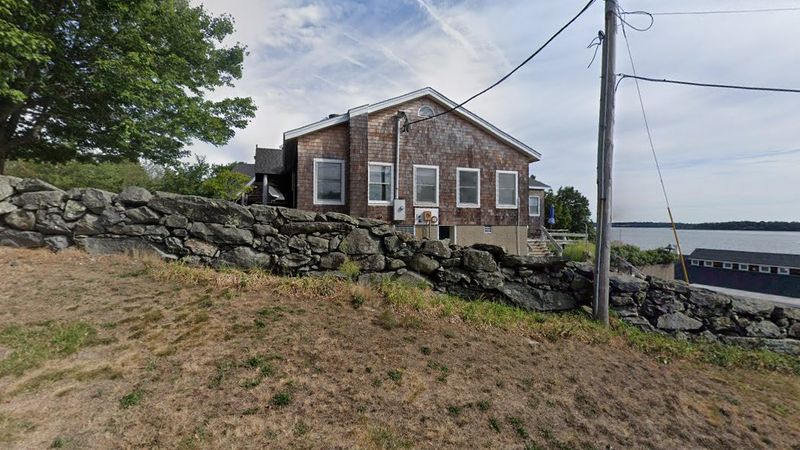
Authentic Rhode Island coastal culture transformed into a sanitized, commercialized version designed to extract money from tourists rather than preserve genuine traditions.
Fishing families who had worked the waters for generations became props for photo opportunities rather than respected community members.
Their traditional knowledge and way of life was repackaged as quaint entertainment.
Real fishing operations moved elsewhere as waterfront space became too valuable for actual work.
Local festivals that once celebrated community traditions were rebranded as tourist attractions.
Authentic cultural practices were shortened, simplified, or exaggerated to appeal to visitors with short attention spans.
The meaning behind traditions was lost as they became performances rather than genuine expressions of heritage.
Souvenir shops selling mass-produced items manufactured overseas replaced stores that once sold locally crafted goods.
The phrase “Rhode Island” stamped on cheap merchandise became more common than actual products made by local artisans.
Economic pressure forced authentic craftspeople out of business as they couldn’t compete with imported trinkets.
Restaurants that served traditional Rhode Island cuisine for generations changed their menus to appeal to tourist tastes.
Regional dishes with deep cultural significance disappeared from tables.
Food became generic beach fare that could be found anywhere rather than reflecting the unique character of the place.
The Rhode Island accent and local dialect faded as young people adopted more generic speech patterns.
They learned that sounding too local made them seem unsophisticated to visitors.
Language that carried centuries of cultural identity was abandoned within a single generation.
Historical sites were simplified with plaques that reduced complex stories to tourist-friendly soundbites.
The nuanced truth of local history was replaced with marketable narratives.
Rhode Island’s coastal communities became theme park versions of themselves, losing authenticity in pursuit of tourist dollars.
Property Prices Displaced Generational Residents
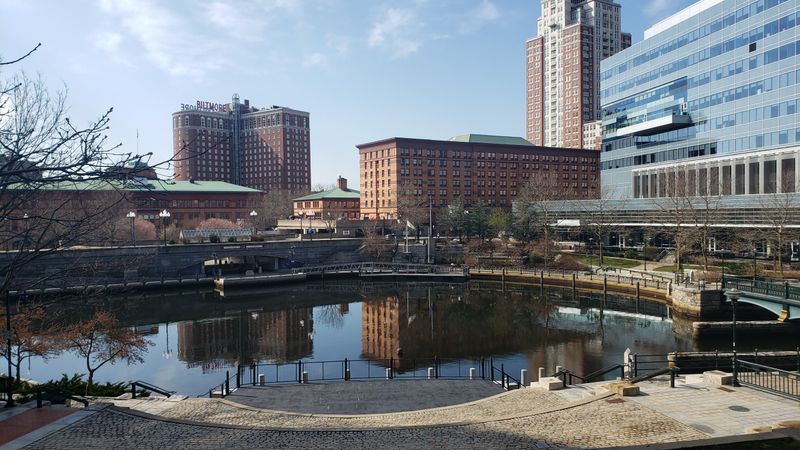
Families who had lived on Rhode Island’s coast for generations found themselves forced out as tourism drove property values beyond what working people could afford.
Tax assessments skyrocketed based on what wealthy outsiders would pay for vacation homes rather than what properties were worth to locals.
Long-time residents faced impossible choices between selling family homes or struggling with tax bills that consumed their entire income.
Communities lost the continuity that comes from families passing down homes through generations.
Young adults who grew up on the coast couldn’t afford to stay in their hometowns no matter how hard they worked.
The teachers, nurses, and tradespeople who kept communities functioning were priced out of the housing market.
Coastal towns became seasonal playgrounds for the wealthy rather than year-round communities with diverse populations.
Elderly residents on fixed incomes were particularly vulnerable to displacement.
The homes they had paid off decades earlier became financial burdens they couldn’t maintain.
Reverse mortgages and property sales became the only options for people who never imagined leaving their beloved coast.
Rental properties converted to short-term vacation rentals as owners discovered they could make more from tourists than from year-round tenants.
The already limited housing stock shrank further, creating a crisis for working families.
Entire neighborhoods emptied out during winter as homes sat vacant between tourist seasons.
The social fabric that held communities together unraveled as familiar faces disappeared.
Schools closed as families with children moved away.
Local knowledge about tides, weather, and the rhythms of coastal life was lost as newcomers replaced people whose families had accumulated generations of experience.
The economic diversity that once characterized Rhode Island’s coastal towns vanished, replaced by homogeneous wealth that fundamentally altered community character and values.
Dear Reader: This page may contain affiliate links which may earn a commission if you click through and make a purchase. Our independent journalism is not influenced by any advertiser or commercial initiative unless it is clearly marked as sponsored content. As travel products change, please be sure to reconfirm all details and stay up to date with current events to ensure a safe and successful trip.
