A small town in Tennessee sits quietly along a backroad, easy to miss, easy to forget. But once you learn what happened there, you will never drive past again without a chill.
The story begins in 1817. A family inside a simple farmhouse heard knocking on walls when no one stood outside.
Then scratching. Then a voice.
Not a whisper from another room, but a clear, speaking voice that answered questions and knew secrets no stranger should know. For four years, something lived with that family.
It threw objects. It pulled hair.
It shouted scripture and curses with equal ease. Neighbors came to witness.
A future president reportedly heard the story firsthand. Skeptics left as believers.
This was not a dream. Not a campfire tale stretched thin.
Witnesses signed affidavits. A son wrote a book.
The entity even named its own grave. Adams looks like any other quiet American town.
But underneath that stillness lives a chapter of folklore so strange, so well documented, that two centuries later, it still refuses to be explained. Sleep tight.
The Bell Family and the Beginning of the Haunting
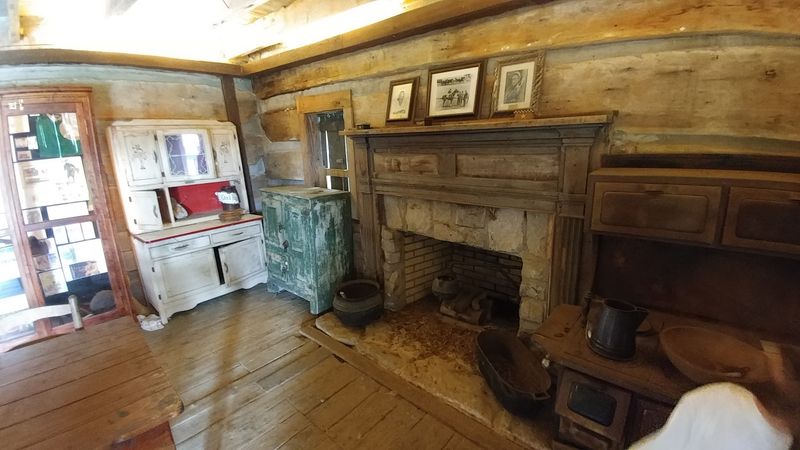
John Bell was a respected farmer in Robertson County, Tennessee, and by all accounts, a man who kept to himself and his faith. Then, sometime around 1817, everything changed.
It started small, the way these things often do.
Strange knocking sounds echoed through the walls of the Bell home at night. The family heard chains dragging, stones pelting the roof, and what sounded like dogs fighting just outside the door.
When they went to look, nothing was there.
Over time, the disturbances became more personal and more violent. Family members reported being slapped, pinched, and having their hair pulled by something invisible.
John Bell himself seemed to be the primary target, suffering physical ailments that worsened steadily as the haunting continued.
What makes this story stand apart from typical ghost legends is how many people witnessed these events firsthand. Neighbors, clergy, and community members all came to the Bell farm and left shaken.
The entity was not shy. It performed in front of crowds, quoted scripture, and seemed to know things it had no business knowing.
That combination of intelligence and malice is what made the Bell Witch so deeply unsettling to everyone who encountered it.
Who or What Was the Bell Witch

Nobody has ever agreed on exactly what the Bell Witch was, and that uncertainty is part of what keeps people coming back to the story. Some believed it was the spirit of a neighbor named Kate Batts, who had a dispute with John Bell over land.
That theory gave the entity its nickname, Kate, which locals still use today.
Others thought it was a demon, a witch’s curse, or some kind of poltergeist tied specifically to the Bell property. A few historians have suggested more grounded explanations involving family stress, illness, or even deliberate trickery.
None of those explanations have ever fully held up.
What is remarkable is that the entity seemed to have a personality. It showed favoritism toward John Bell’s wife, Lucy, bringing her gifts of fruit and nuts and speaking to her kindly.
It treated John Bell with open hostility. That level of specific, targeted behavior goes far beyond what most ghost stories describe.
The Bell Witch was also reportedly fluent in conversation, able to recite hymns and engage visitors in theological debate. Whether you believe in the supernatural or not, the consistency of witness accounts across years and dozens of people is genuinely hard to dismiss.
It demands at least a curious second look.
Andrew Jackson’s Reported Visit to the Bell Farm
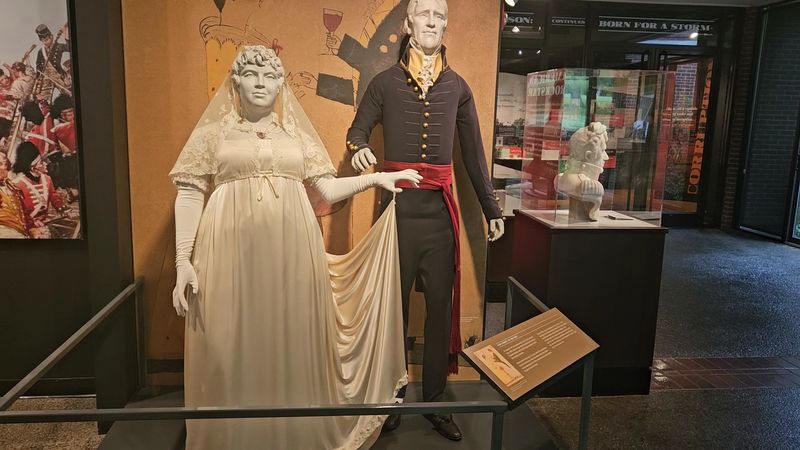
One of the most jaw-dropping details in the Bell Witch story is the claim that future President Andrew Jackson visited the Bell farm and came away a believer. Jackson was already a celebrated military figure at the time, known for being tough, skeptical, and not easily rattled.
According to accounts passed down through the years, Jackson traveled to Adams with a group of men, curious about the strange reports coming from Robertson County. The night they arrived, things got strange fast.
One of the men in Jackson’s group, who reportedly bragged about being immune to witches, was allegedly thrown across the room by an unseen force.
Jackson himself was said to be shaken by what he witnessed. The story goes that he declared he would rather face the entire British army again than spend another night in that house.
Whether this visit happened exactly as described is debated by historians, but the tale has been repeated consistently enough to become a firm part of the legend.
The connection to such a prominent historical figure gives the Bell Witch story a kind of credibility that most local ghost legends never achieve. It places the haunting not just in the realm of folklore, but in the broader context of American history.
That crossover is genuinely rare and worth thinking about.
The Bell Witch Cave and What Visitors Experience Today

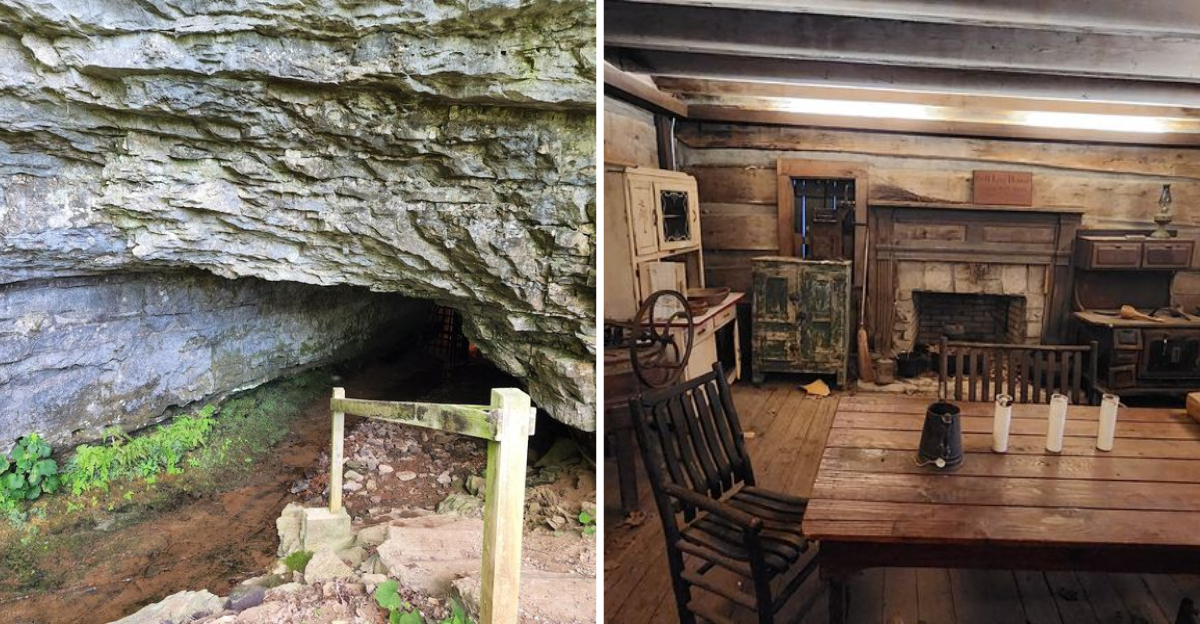
The Bell Witch Cave sits on land near the original Bell family farm, carved into the limestone bluffs along the Red River. It has become one of the most visited paranormal destinations in the American South, drawing thousands of curious travelers every year.
Guided tours take visitors through the cave’s narrow passages, where the temperature drops noticeably and the air takes on a damp, earthy weight. Some people come purely for the history.
Others come hoping to feel something they cannot explain.
Reports of strange experiences inside the cave are surprisingly common. Visitors have described hearing whispers, feeling sudden cold spots, and capturing unusual images in their photographs.
The cave’s atmosphere alone is enough to put most people on edge, even without any supernatural beliefs attached to it.
The property is privately owned and has been maintained by the same family for generations, which adds a layer of authenticity that bigger, more commercialized attractions often lack. You are not walking through a theme park version of the story.
You are standing on actual ground where real people once lived and experienced something that changed them permanently. That connection to genuine history makes a visit here feel meaningful in a way that is hard to replicate elsewhere.
Address: 430 Keysburg Rd, Adams, TN 37010
The Town of Adams and Its Living Connection to the Legend
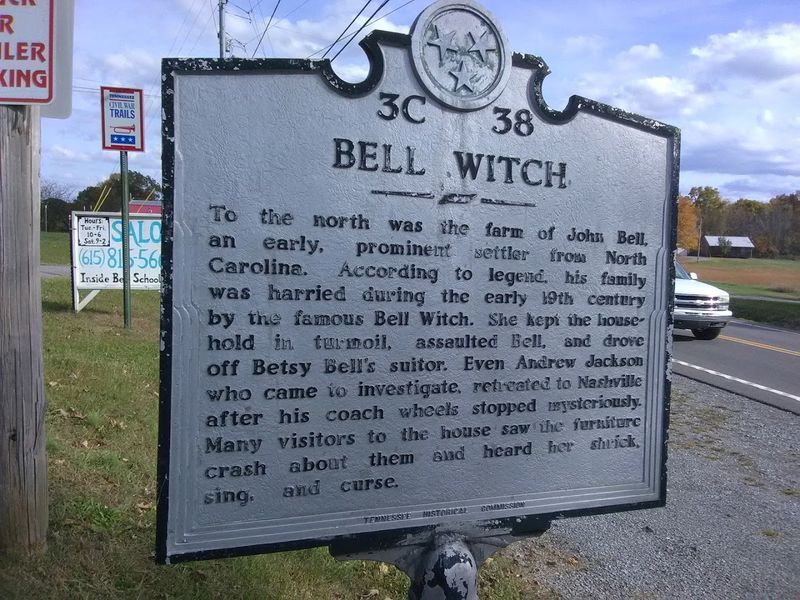
Adams is a tiny community, the kind of place where most people know their neighbors and the pace of life feels intentionally slow. It sits in Robertson County, about an hour north of Nashville, and it would be easy to overlook it entirely if you did not know what happened there.
The Bell Witch story is woven into the identity of this town in a way that feels organic rather than forced. Locals talk about it with a mix of pride and genuine respect for the strangeness of their history.
It is not performative. It feels like a real part of how people here understand where they come from.
Every October, the area comes alive with events and tours tied to the legend. Families drive in from surrounding counties, and the town takes on a festive, slightly spooky energy that suits the season perfectly.
Even outside of October, the Bell Witch legacy is present in conversation, in local signage, and in the general awareness that this small patch of Tennessee holds a nationally significant story.
What I found most interesting about Adams is how understated it all is. There is no overdone tourist trap feel here.
The town simply exists alongside its legend, comfortable with the weight of it, and that quiet confidence makes the whole experience feel more authentic than anything a bigger destination could offer.
The End of John Bell and the Legend’s Dark Climax
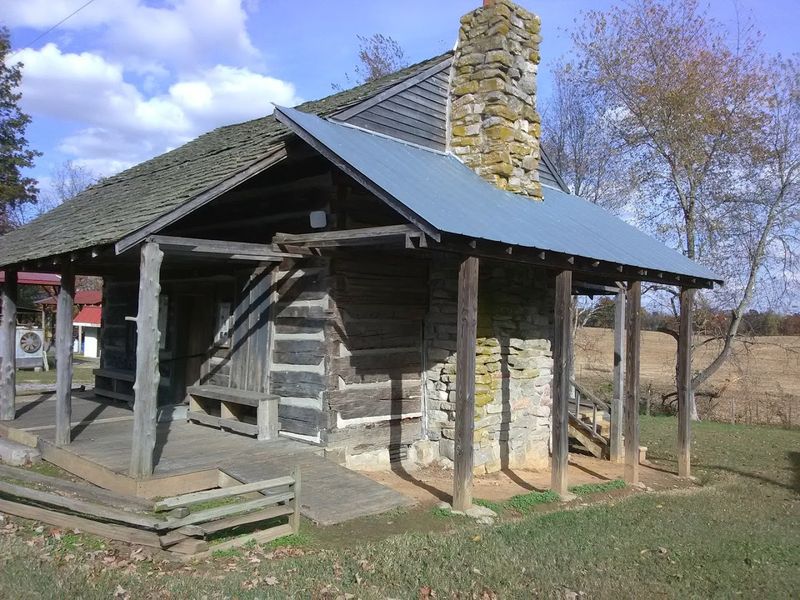
The haunting of the Bell family reached its most tragic point in December 1820, when John Bell died under circumstances that his family and neighbors found deeply suspicious. He had been in declining health for months, suffering from a facial condition that made it difficult for him to eat or speak properly.
On the morning of his passing, a vial of strange liquid was found near his body. According to family accounts, the entity known as Kate claimed responsibility, saying it had given him a dose of something that finished him off.
Whether that claim was real, imagined, or fabricated, it became a central part of the legend.
John Bell was buried on the family property, and the disturbances reportedly calmed significantly after his end. The entity lingered for a short time, then seemed to withdraw, promising to return in seven years.
Some accounts say it did return briefly, visiting John Bell Jr., though the second visit was far less dramatic than the original haunting.
The arc of the story, from mysterious beginnings to a specific passing, gives it a narrative structure that feels almost literary. That coherence is unusual for folklore and may explain why the Bell Witch legend has survived so intact while countless other regional ghost stories have faded into obscurity over the same period of time.
Why the Bell Witch Legend Still Matters in American Culture
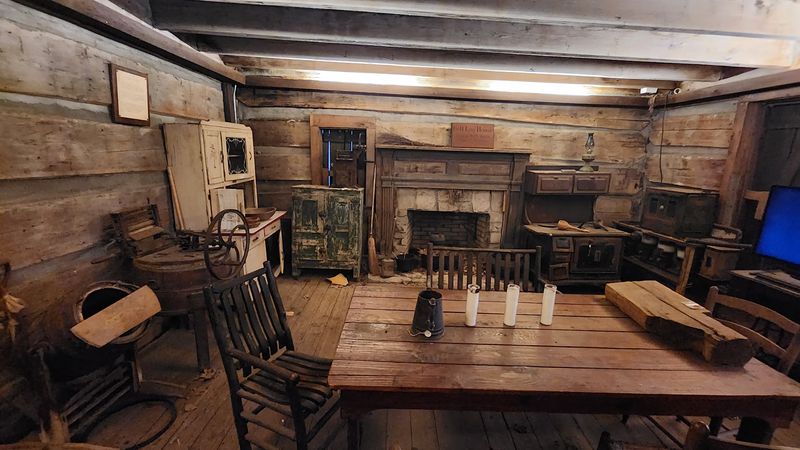
Few American ghost stories have had the cultural staying power of the Bell Witch legend. It has inspired novels, films, television documentaries, and countless retellings, yet the core story remains surprisingly consistent across all of them.
That kind of longevity is not accidental.
Part of what keeps the Bell Witch relevant is the quality of the original documentation. The haunting was described in a book written by John Bell’s son, and the account included names, dates, and specific details that gave the story a level of credibility unusual for 19th century supernatural tales.
The legend also taps into something universal about fear. The idea of a force that targets one person specifically, that knows your name and your secrets, is deeply unsettling regardless of whether you believe in ghosts.
It feels personal in a way that vague haunted house stories do not.
Researchers in the fields of parapsychology and American folklore continue to reference the Bell Witch case as a benchmark. It is used as a point of comparison when discussing poltergeist phenomena, family dynamics, and the psychology of mass belief.
The story refuses to stay in the past because it keeps finding new audiences who recognize something genuine in it.
Adams, Tennessee may be a small town, but the legend it carries is one of the most enduring pieces of American supernatural history. That is worth the drive no matter where you are coming from.
Location: 430 Keysburg Rd, Adams, TN 37010, USA
