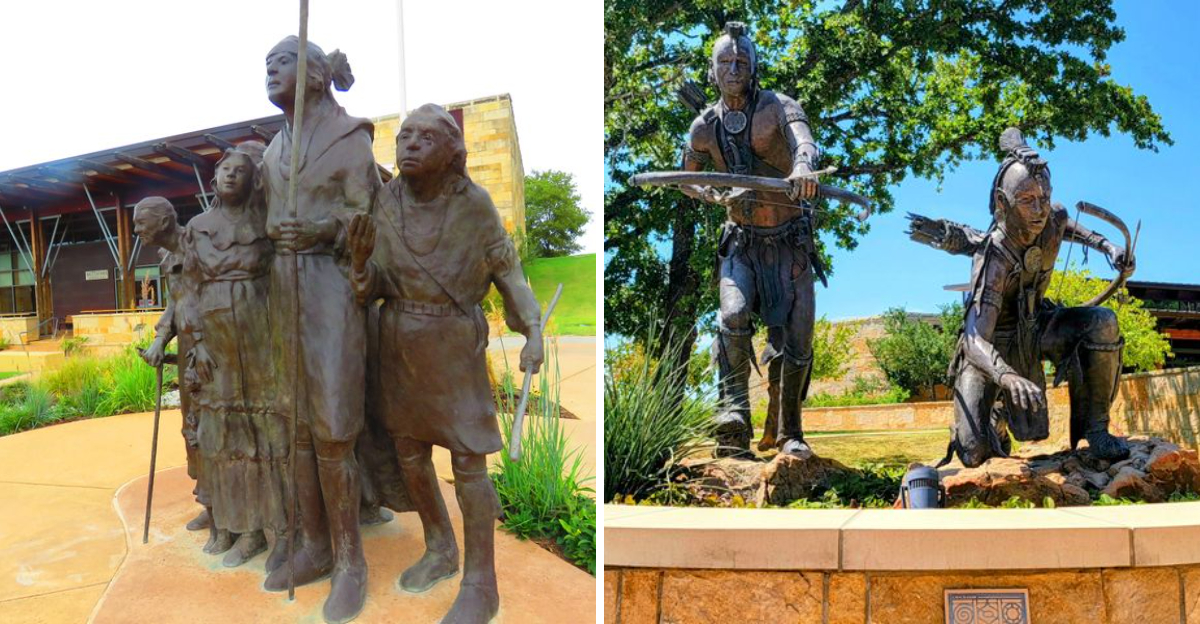
Oklahoma holds a special place in American history, with deep roots in Native American heritage, cowboy culture, and pioneer spirit.
Visitors flock here every year to experience the state’s unique blend of traditions, music, and hospitality.
However, many locals feel that tourism has started to shift the authentic character of their beloved state.
From commercialized attractions to misunderstood traditions, the influx of visitors has brought changes that don’t always honor Oklahoma’s true identity.
Some worry that what made Oklahoma special is slowly being replaced by tourist-friendly versions that miss the mark.
The state’s genuine culture risks becoming a simplified, packaged experience designed for outsiders rather than a living, breathing tradition.
Let’s explore how tourism has impacted the authentic spirit of Oklahoma and what gets lost in translation when culture meets commerce.
1. Native American Heritage Gets Oversimplified
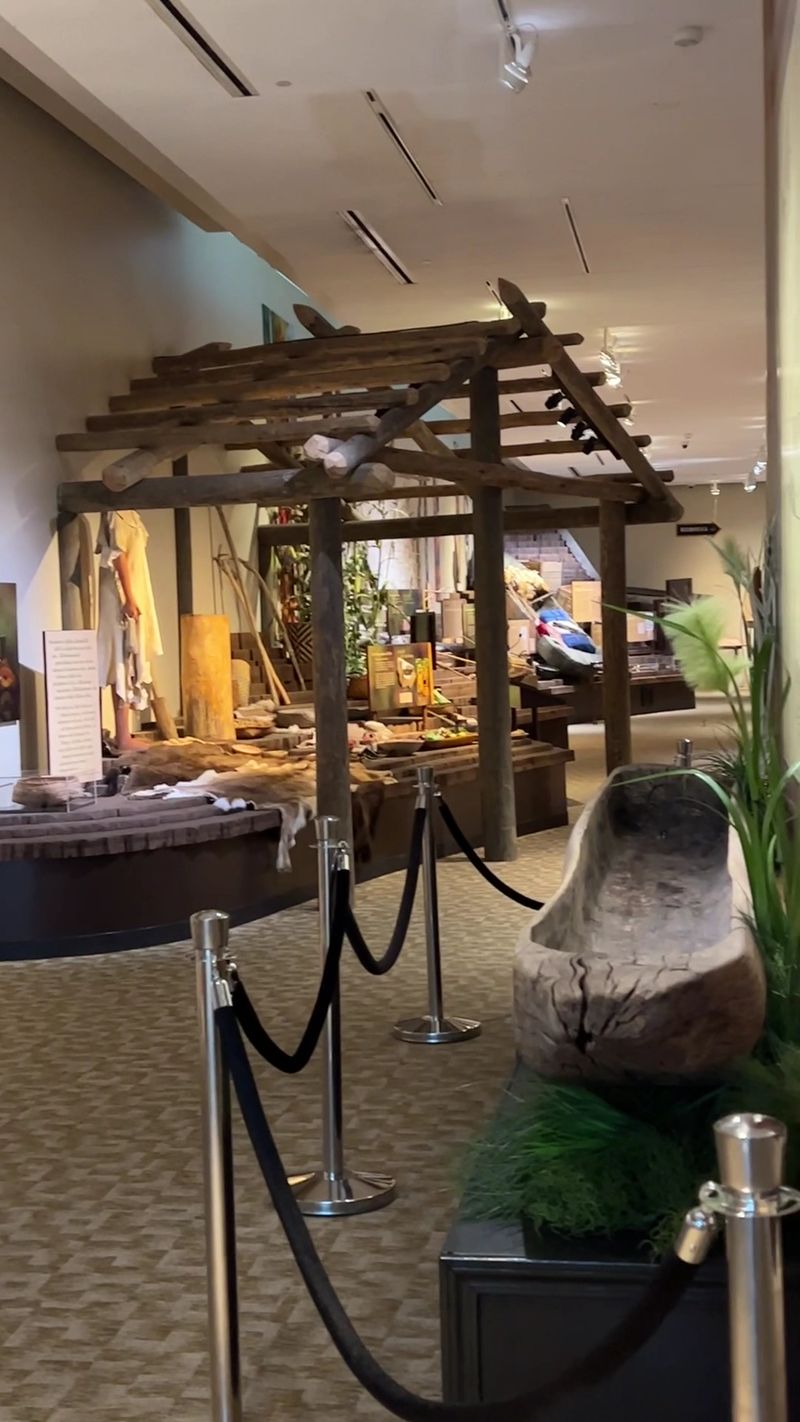
Oklahoma serves as home to more tribal nations than almost any other state in America.
The rich tapestry of Cherokee, Chickasaw, Choctaw, Creek, and Seminole cultures runs deep through the land.
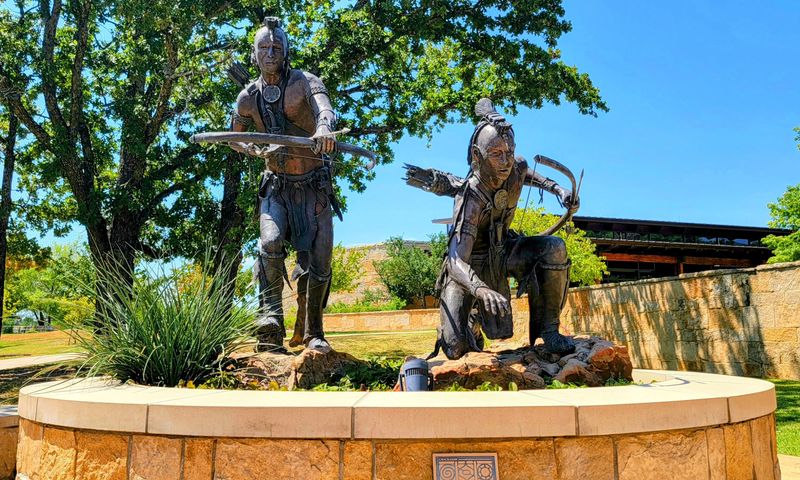
Yet tourist attractions often reduce this complexity to generic feathered headdresses and dreamcatchers in gift shops.
Real tribal traditions involve intricate social structures, languages, and spiritual practices that span centuries.
When visitors expect a one-size-fits-all “Indian experience,” they miss the distinct identity of each nation.
Museums sometimes cater to these simplified expectations rather than challenging visitors to learn deeper truths.
Stomp dances, tribal governments, and contemporary Native artists deserve more attention than souvenir stands provide.
The Cherokee Heritage Center in Tahlequah offers more authentic experiences at 21192 S Keeler Dr, Park Hill, OK 74451.
Still, many tourists skip these genuine educational opportunities for quick photo ops elsewhere.
Locals watch as their neighbors’ sacred traditions become entertainment props.
This oversimplification hurts everyone by perpetuating stereotypes instead of fostering real understanding.
Oklahoma’s Native communities deserve recognition for their living, evolving cultures, not frozen museum pieces.
2. Cowboy Culture Becomes a Costume Party
Real cowboy life involves early mornings, hard labor, and deep knowledge of livestock and land management.
Ranching families in Oklahoma have passed down skills through generations, creating a genuine working culture.
Tourism has transformed this authentic lifestyle into rhinestone shirts and mechanical bull rides.
Visitors arrive expecting Wild West shows rather than understanding the agricultural expertise involved.
Stockyards City in Oklahoma City once represented true cattle trading but now leans heavily toward tourist entertainment.
The address at 1300 S Agnew Ave, Oklahoma City, OK 73108 still features working stockyards alongside gift shops.
However, the balance has shifted toward serving visitors rather than actual ranchers.
Boot stores now stock more fashion items than practical work gear.
Western heritage museums sometimes emphasize Hollywood versions of cowboy life over real ranch experiences.
Locals who actually work cattle find themselves explaining that their lives don’t resemble tourist attractions.
The romanticized version sells better than stories about veterinary care and fence mending.
Oklahoma’s ranching heritage deserves respect as a living profession, not just a theme for weekend visitors.
3. Route 66 Nostalgia Overshadows Modern Identity
The Mother Road certainly played an important role in Oklahoma’s transportation history.
Travelers once depended on the highway to cross the country, creating memorable stops along the way.
Now the route has become such a tourist focus that it overshadows everything else Oklahoma offers.
Visitors sometimes think the entire state exists as a Route 66 museum rather than a dynamic modern place.
Towns along the historic highway struggle between preserving history and moving forward economically.
Places like Arcadia focus heavily on nostalgic attractions while other aspects of community life get ignored.
The famous Round Barn at 107 E Highway 66, Arcadia, OK 73007 draws crowds but represents just one tiny slice of state culture.
Meanwhile, Oklahoma’s thriving aerospace industry, university research, and contemporary arts scene receive little attention.
Locals feel reduced to playing supporting roles in someone else’s nostalgic road trip fantasy.
The fixation on vintage diners and old motels prevents appreciation of current achievements.
Oklahoma has evolved far beyond its highway heyday, developing new industries and cultural movements.
Tourists who only see retro roadside attractions miss the vibrant, forward-looking communities that actually define modern Oklahoma.
4. Oil Industry History Gets Glamorized
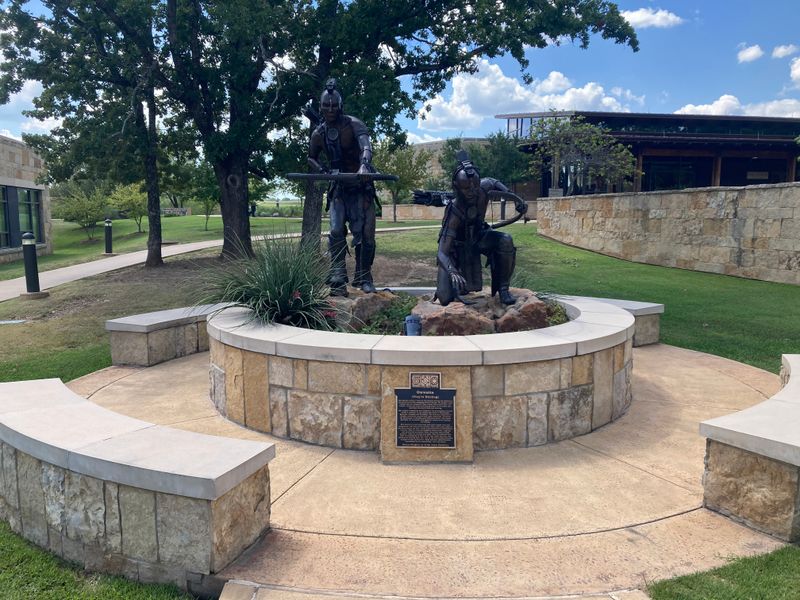
Petroleum discovery transformed Oklahoma’s economy and landscape in profound ways.
Boomtowns sprang up overnight, bringing wealth to some and heartbreak to others.
Tourism tends to romanticize the glamorous wildcatter stories while ignoring environmental and social costs.
Museums celebrate the riches without adequately addressing the boom-and-bust cycles that devastated communities.
The Oklahoma History Center at 800 Nazih Zuhdi Dr, Oklahoma City, OK 73105 presents oil history but sometimes glosses over complexities.
Visitors love hearing about overnight millionaires and gushing wells.
They show less interest in the displaced families, polluted lands, or economic instability that accompanied oil fever.
Local families remember ancestors who lost everything in speculative ventures or suffered from unsafe working conditions.
The industry shaped Oklahoma in ways both positive and negative, creating a complicated legacy.
Tourist presentations often skip the nuanced reality in favor of exciting tales.
Modern Oklahomans work to diversify their economy beyond petroleum dependence.
Yet visitors still primarily associate the state with oil derricks and wildcatter legends.
This narrow focus prevents understanding of Oklahoma’s current economic challenges and innovations.
5. Red Dirt Music Scene Gets Commercialized
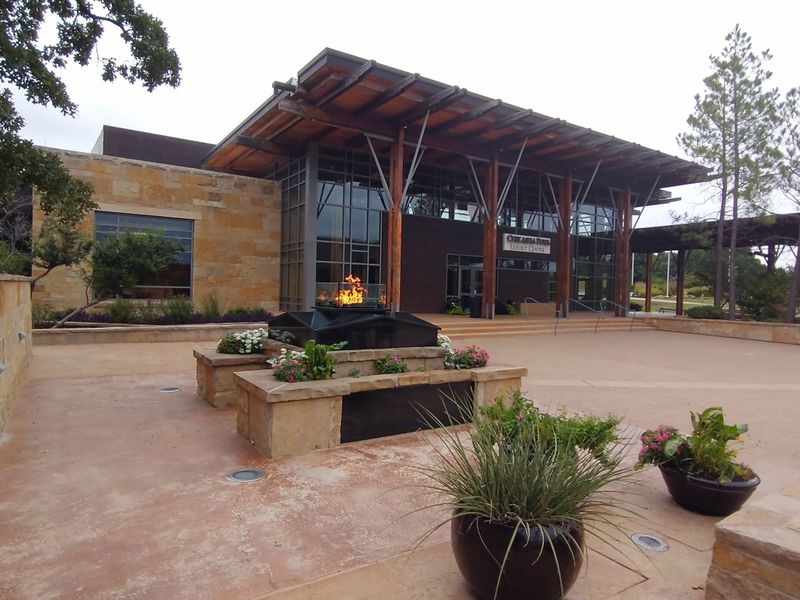
Oklahoma birthed a distinctive musical style blending country, rock, and folk with raw, honest lyrics.
Artists like the late Bob Childers created sounds that reflected real life in Oklahoma, unpolished and genuine.
The red dirt music movement grew organically from college town bars and small venue performances.
Now tourism marketing has packaged this authentic scene into a sanitized brand.
Festivals designed for visitors sometimes feature artists who mimic the style without understanding its roots.
Cain’s Ballroom at 423 N Main St, Tulsa, OK 74103 maintains its historic character but also hosts tourist-oriented shows.
The balance between preserving authenticity and attracting paying crowds creates tension.
Local musicians who developed the genre find themselves competing with newcomers marketing “red dirt” as a gimmick.
Songwriters who once played for beer money now navigate an industry shaped by tourist expectations.
The music’s working-class poetry and regional storytelling risk becoming formulaic to meet commercial demands.
Fans from Oklahoma notice when performances feel manufactured rather than heartfelt.
The scene thrives best in small venues where artists connect authentically with local audiences.
Tourist-focused events sometimes sacrifice this intimacy for larger, more profitable productions.
6. State Fair Traditions Become Generic Carnival Experiences
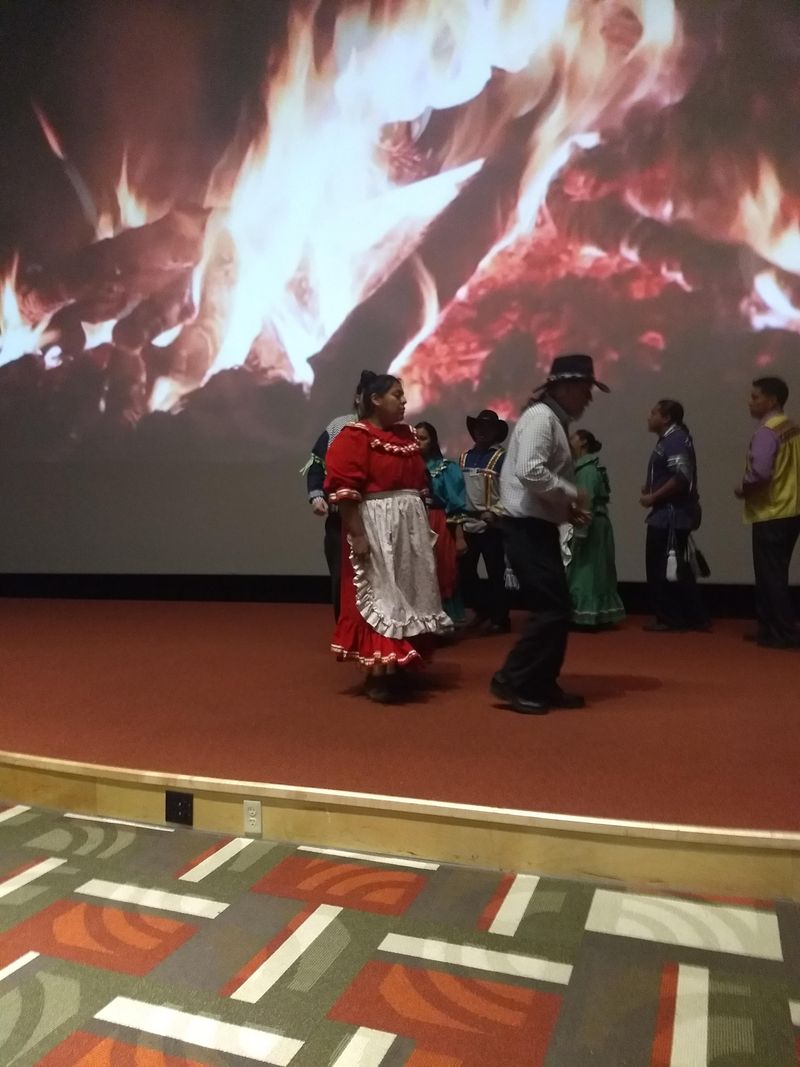
Agricultural fairs once centered on community achievement, livestock judging, and celebrating farming skills.
Families brought their best produce, competed in baking contests, and shared knowledge about crops and animals.
The Oklahoma State Fair has gradually shifted focus toward attracting tourist dollars through generic entertainment.
Carnival rides and national touring acts now dominate what was once primarily an agricultural showcase.
Located at 3001 General Pershing Blvd, Oklahoma City, OK 73107, the fairgrounds host events year-round.
However, the emphasis on mass appeal has diluted the fair’s original purpose.
Youth from agricultural families still compete in livestock shows, but these events get overshadowed by commercial attractions.
Traditional crafts demonstrations and homemaking competitions receive less attention than fried food vendors.
Visitors from out of state come for entertainment rather than learning about Oklahoma agriculture.
Local farming families feel their contributions have become background noise to tourist-focused spectacle.
The fair once strengthened rural communities by recognizing their essential work.
Now it functions more as a generic amusement park that could exist anywhere.
Oklahoma’s agricultural heritage deserves celebration that honors the skill and dedication of farming families, not just carnival rides.
7. Small Town Character Gets Sacrificed for Chain Businesses
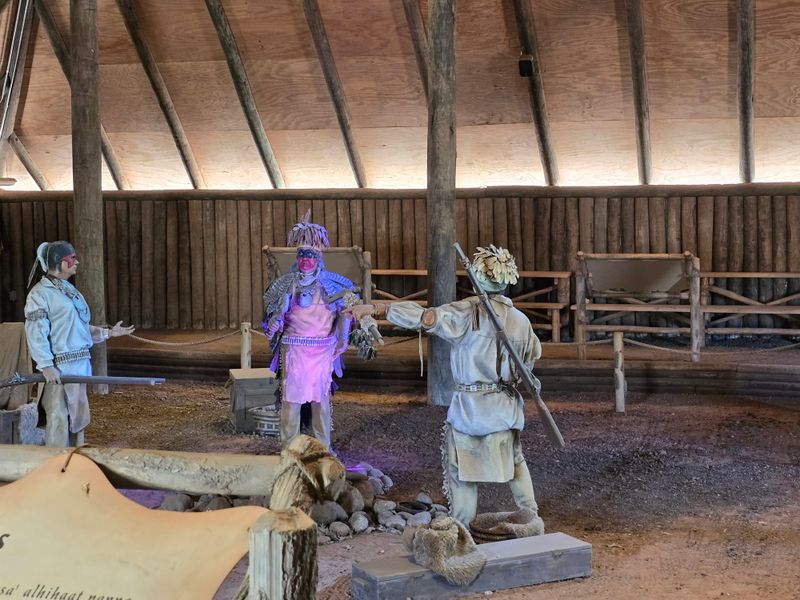
Oklahoma’s small towns once featured distinctive local businesses reflecting their owners’ personalities and community needs.
Main streets showcased family-owned cafes, hardware stores, and shops that served neighbors for generations.
Tourism development has brought chain restaurants and franchise hotels that could exist anywhere.
Visitors often choose familiar brands over locally-owned establishments, shifting economic power away from communities.
Towns along major tourist routes face pressure to accommodate travelers expecting standardized experiences.
Guthrie, Oklahoma’s first capital, maintains some historic character at its downtown around Oklahoma Ave and Harrison Ave, Guthrie, OK 73044.
Yet even there, the balance between preservation and commercial development creates ongoing tension.
Local business owners struggle to compete when tourists gravitate toward recognizable chain names.
The unique character that made these towns special gradually disappears as independent stores close.
Cookie-cutter development replaces regional architecture and local flavor.
Residents watch their communities become interchangeable with any other tourist stop.
What once distinguished Oklahoma’s towns from each other gets flattened into homogeneous commercial strips.
Authentic small-town culture requires supporting local businesses that reflect community identity, not just convenient chains.
8. Tornado Tourism Treats Tragedy as Entertainment
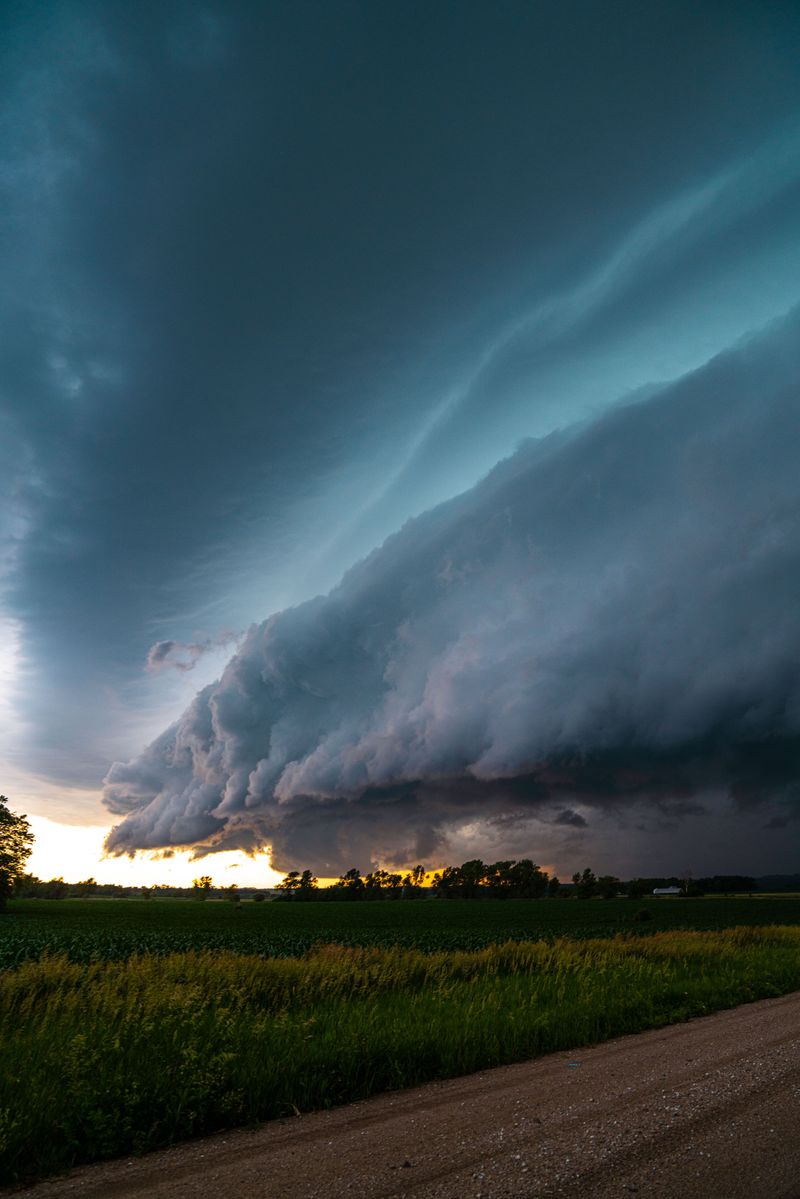
Severe weather represents a serious reality for Oklahomans who have lost loved ones, homes, and communities to tornadoes.
The state sits in Tornado Alley, where residents develop deep respect for nature’s destructive power.
Storm chasing has evolved from scientific research into a tourist attraction that trivializes real danger.
Companies now sell tornado tour packages to thrill-seekers with no understanding of what these storms mean to locals.
Visitors treat devastating weather events as entertainment while Oklahomans deal with trauma and rebuilding.
The National Weather Center at 120 David L Boren Blvd, Norman, OK 73072 conducts serious meteorological research.
Yet tornado tourism reduces this life-saving work to adrenaline-pumping adventures.
Residents find it disturbing when outsiders chase storms for excitement through neighborhoods still recovering from previous disasters.
Storm chaser traffic can actually impede emergency responders trying to reach affected areas.
The romanticization of tornadoes ignores the genuine fear and loss experienced by Oklahoma communities.
Families who have sheltered terrified children during warnings don’t see storms as tourist attractions.
Weather education and preparedness deserve emphasis over thrill-seeking entertainment.
Oklahoma’s relationship with severe weather involves respect, preparation, and community support, not tourism spectacle.
9. Pioneer History Gets Simplified into Frontier Mythology
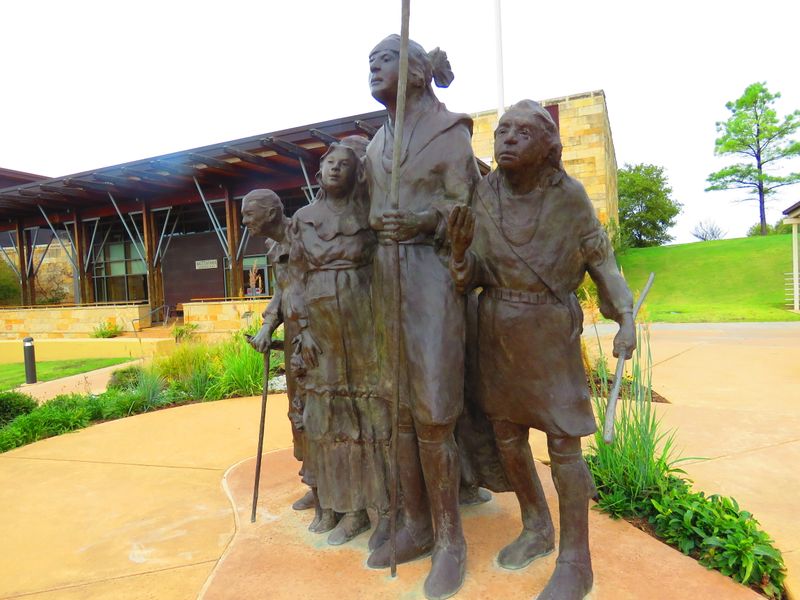
Settlement of Oklahoma Territory involved complex land runs, broken treaties, and displaced populations.
The Land Run of 1889 represented not just adventure but also the culmination of policies that removed Native peoples from their lands.
Tourist presentations often celebrate pioneer spirit without acknowledging this complicated context.
Visitors receive sanitized versions emphasizing bravery and opportunity while omitting injustice and struggle.
The simplification creates a mythological frontier that never actually existed.
Pioneer Woman Museum at 701 Monument Rd, Ponca City, OK 74604 tells some stories but can’t capture full complexity in tourist-friendly formats.
Real pioneer life involved backbreaking labor, frequent failure, and harsh conditions.
Many settlers gave up and returned east, defeated by Oklahoma’s challenging environment.
Those who succeeded often did so through cooperation with established communities, not rugged individualism alone.
Tourist narratives prefer heroic tales over messy historical reality.
Oklahoma’s settlement history includes both remarkable perseverance and significant moral failings.
Honest examination requires acknowledging whose land was opened for settlement and why.
Simplified frontier mythology prevents understanding the full story of how modern Oklahoma came to exist.
10. Local Cuisine Gets Replaced by Tourist-Friendly Menus
Oklahoma developed distinctive food traditions blending Southern, Native American, and frontier influences.
Dishes like fried okra, Indian tacos, chicken fried steak, and pecan pie reflect genuine regional tastes.
Restaurants in tourist areas increasingly offer generic American menus instead of authentic local specialties.
Visitors sometimes expect standardized options rather than seeking out regional cuisine.
This demand encourages establishments to abandon traditional recipes for safer, blander choices.
Family restaurants that once served distinctive Oklahoma dishes now feature the same menu as chain restaurants nationwide.
Cattlemen’s Steakhouse at 1309 S Agnew Ave, Oklahoma City, OK 73108 maintains some traditional character in Stockyards City.
Yet even established places face pressure to accommodate tourists unfamiliar with regional cooking.
Unique preparations passed down through generations get replaced by predictable offerings.
Food represents culture, and losing distinctive cuisine means losing part of Oklahoma’s identity.
Local ingredients and cooking methods deserve celebration rather than replacement.
When restaurants prioritize tourist comfort over authenticity, everyone loses the opportunity to experience real Oklahoma flavors.
Regional food traditions connect people to place, history, and community in ways generic menus never can.
Dear Reader: This page may contain affiliate links which may earn a commission if you click through and make a purchase. Our independent journalism is not influenced by any advertiser or commercial initiative unless it is clearly marked as sponsored content. As travel products change, please be sure to reconfirm all details and stay up to date with current events to ensure a safe and successful trip.
